






When travelers think of Japan's premium ingredients, wagyu beef usually dominates the conversation. Entire itineraries are built around tasting famous brands of beef, from Kobe to Hida and Matsusaka. Yet among chefs and food lovers in central Japan, another ingredient commands an equally devoted following: Nagoya Cochin.
Raised primarily in Aichi Prefecture, Nagoya Cochin is one of Japan's most celebrated native chicken breeds. Its meat is firm yet tender, intensely flavorful, and prized by everyone from yakitori masters to fine dining chefs. More expensive than ordinary chicken and produced under strict standards, it occupies a position in Japanese cuisine that is remarkably similar to wagyu.
For travelers looking to enjoy Japan’s best food beyond the usual tourist trail, Nagoya Cochin deserves a spot on your itinerary.
What Is Nagoya Cochin Chicken?
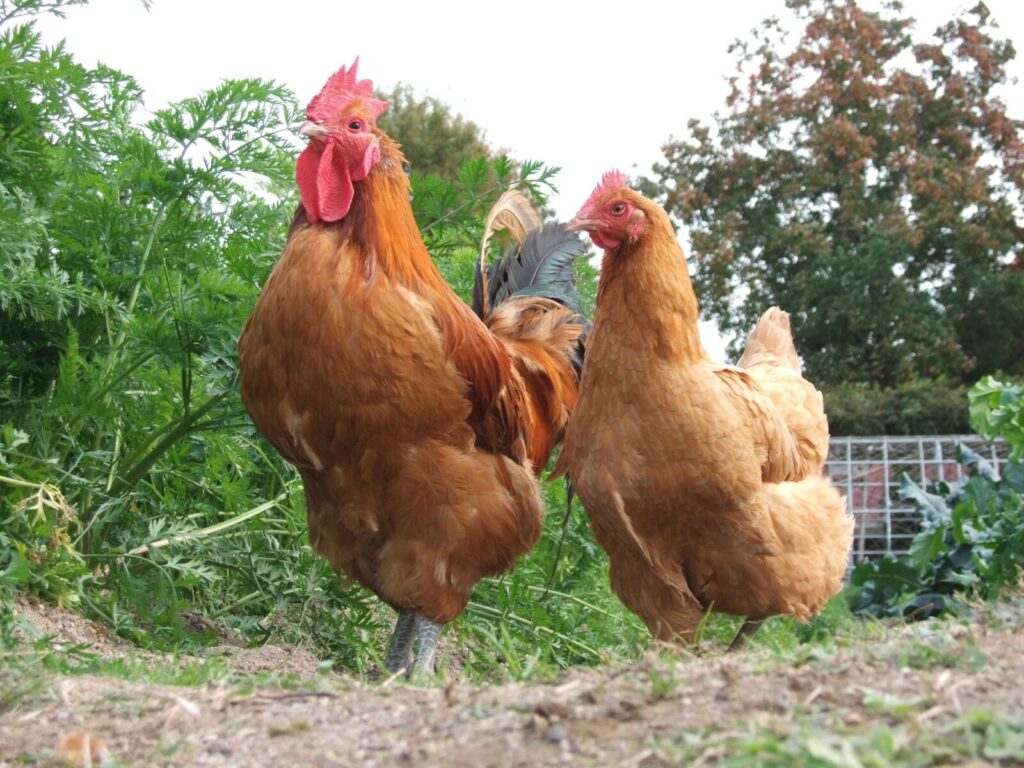
Nagoya Cochin is one of Japan's most famous domestic chicken breeds and one of the country's most important jidori, or native chicken varieties. Unlike commercial chickens raised for efficiency and rapid growth, Nagoya Cochin is prized for quality, flavor, and texture.
The breed originated during the early Meiji Period (1868–1912), a transformative era when Japan rapidly modernized following the collapse of the feudal system. During this time period, the samurai class suddenly found themselves unemployed and struggling to learn new skills to be able to sustain themselves. The Owari Domain (now Aichi Prefecture) established various vocational training programs, including poultry farming, helping many former samurai transition into agriculture and business.
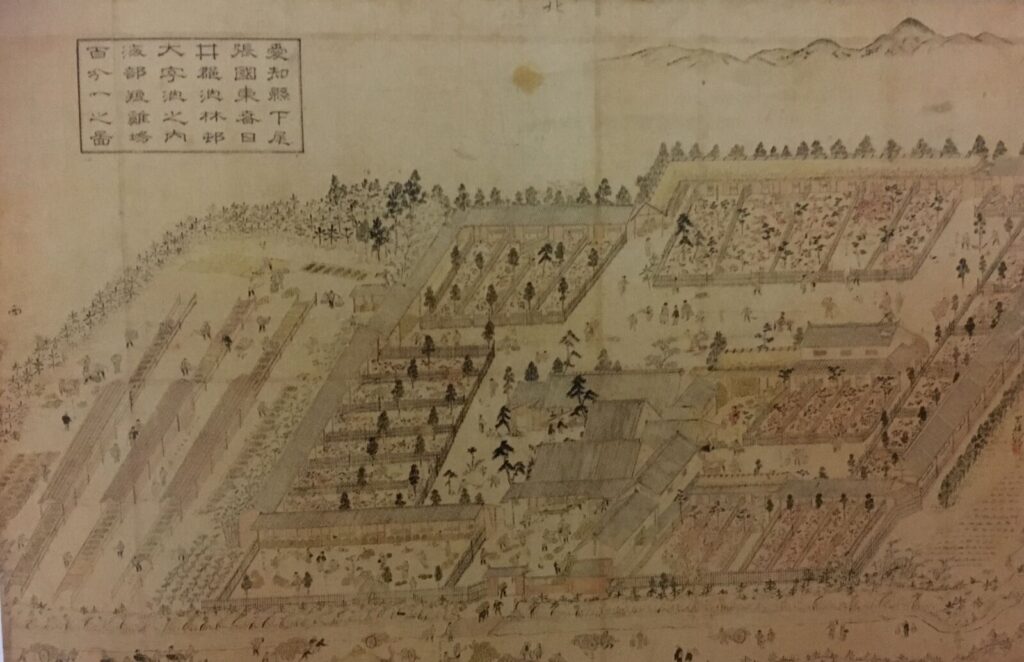
Two former samurai brothers, Sohei Kaifu and Masahide Kaifu, found themselves searching for a new livelihood after losing their stipends during the Meiji Restoration. Recognizing the potential of poultry farming, they began raising chickens in what is now Komaki City. Over more than a decade of experimentation, they crossed local Nagoya chickens with Chinese Buff Cochins, eventually producing a new breed distinguished by its appearance, productivity, and exceptional flavor.
Their efforts culminated in a milestone achievement. On March 10, 1905, the Japan Poultry Association officially recognized Nagoya Cochin as Japan's first domestically developed practical chicken breed.
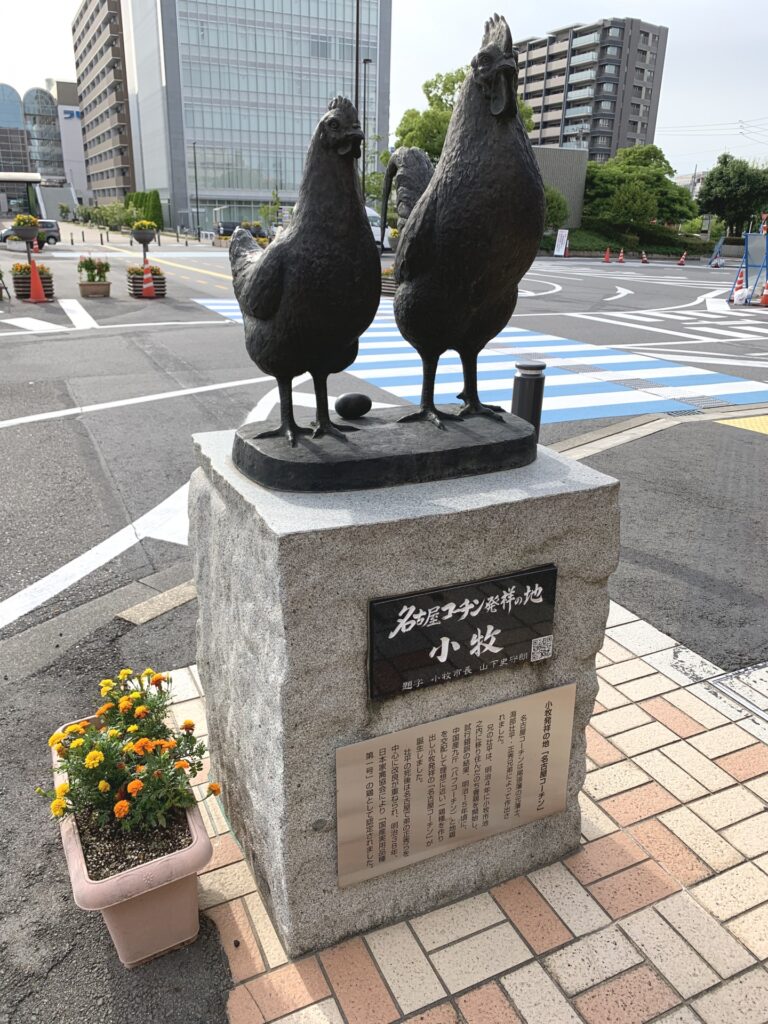
Today, more than a century later, the breed remains one of Aichi Prefecture's most important agricultural products and a source of considerable local pride. And visitors to Komaki City can even find a monument commemorating the birthplace of Nagoya Cochin, a testament to the breed's importance to the region's history and identity.
Why Nagoya Cochin Is Called the Wagyu of Chicken
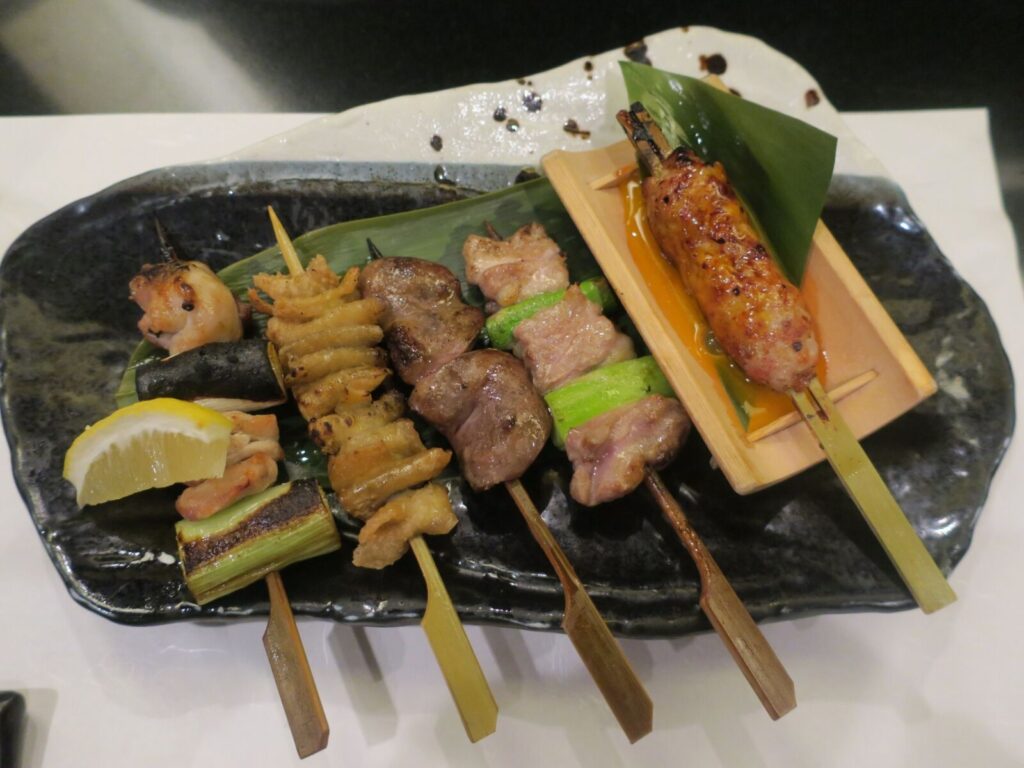
The comparison to wagyu is not simply a marketing slogan. Both wagyu and Nagoya Cochin represent a distinctly Japanese approach to food production that prioritizes quality over efficiency.
Commercial chickens are typically bred to grow quickly and produce large amounts of inexpensive meat. Nagoya Cochin follows a different philosophy. The birds are raised more slowly and under stricter standards, resulting in smaller yields but significantly superior eating quality.
Like wagyu, it is an ingredient that rewards careful cooking rather than excessive seasoning. The quality of the meat is immediately apparent.
Nagoya Cochin meat has a deeper color than ordinary chicken and contains a remarkable concentration of natural umami. The taste is richer, more complex, and more distinctly "chicken" than the mild flavor associated with standard poultry.
Where ordinary chicken is often soft and uniform, Nagoya Cochin possesses a pleasant firmness that provides a satisfying bite while remaining tender. This texture is one of the characteristics most valued by chefs and yakitori specialists.
The Luxury Ingredient Many Chefs Prefer
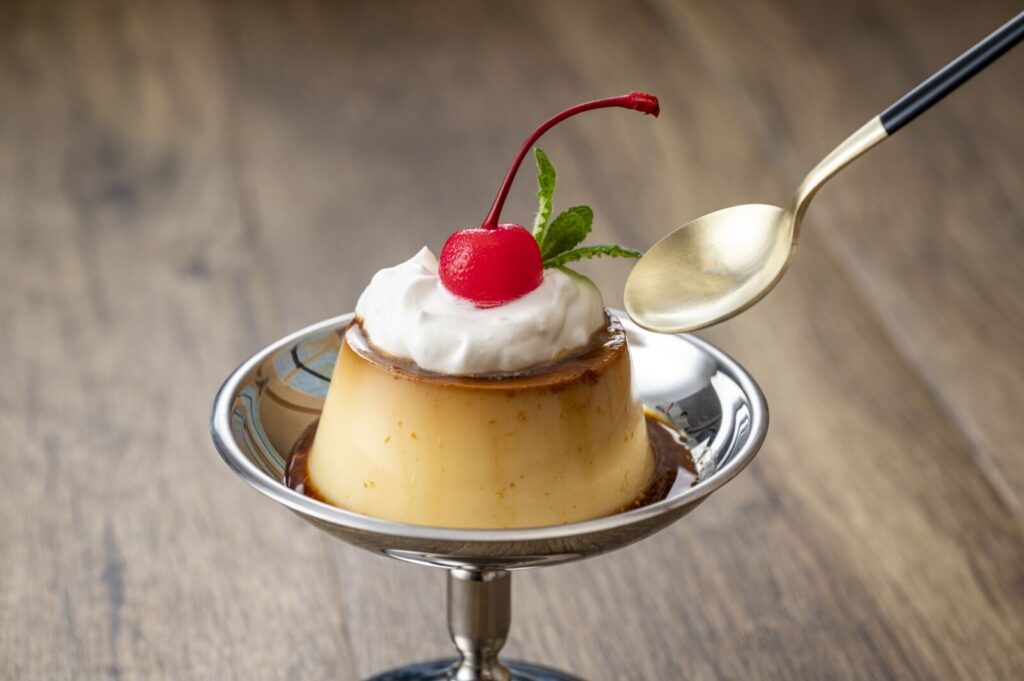
One reason Nagoya Cochin enjoys such a strong reputation among culinary professionals is its versatility.
Yakitori chefs prize the breed because the meat maintains its texture over high heat while developing exceptional flavor when grilled over charcoal.
Traditional Japanese restaurants value it for hot pots, soups, and rice dishes where its rich flavor can enhance broths and sauces.
Western chefs have also embraced the ingredient. Today, it appears in everything from French cuisine to contemporary tasting menus throughout central Japan.
Even the eggs of Nagoya Cochin are considered a premium ingredient and sought after by many chefs and patissiers.
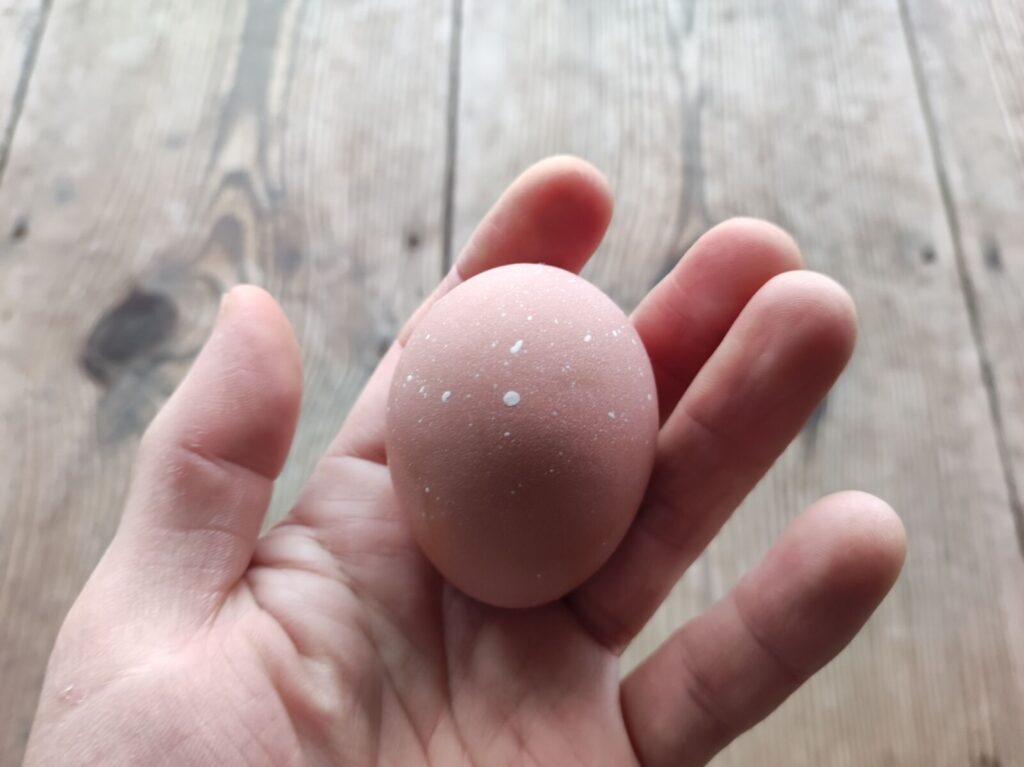
Nagoya Cochin hens lay distinctive eggs with beautiful cherry blossom-pink shells. The yolks are deeply colored and remarkably rich, while the texture is smooth and creamy. The flavor is fuller and more concentrated than ordinary eggs.
One of the simplest and most satisfying ways to enjoy them is tamago kake gohan (fresh egg served over hot rice). But they are also used in many desserts, puddings, and pastries in Nagoya, where their flavor and color create noticeably superior results.
How to Eat Nagoya Cochin Like a Local
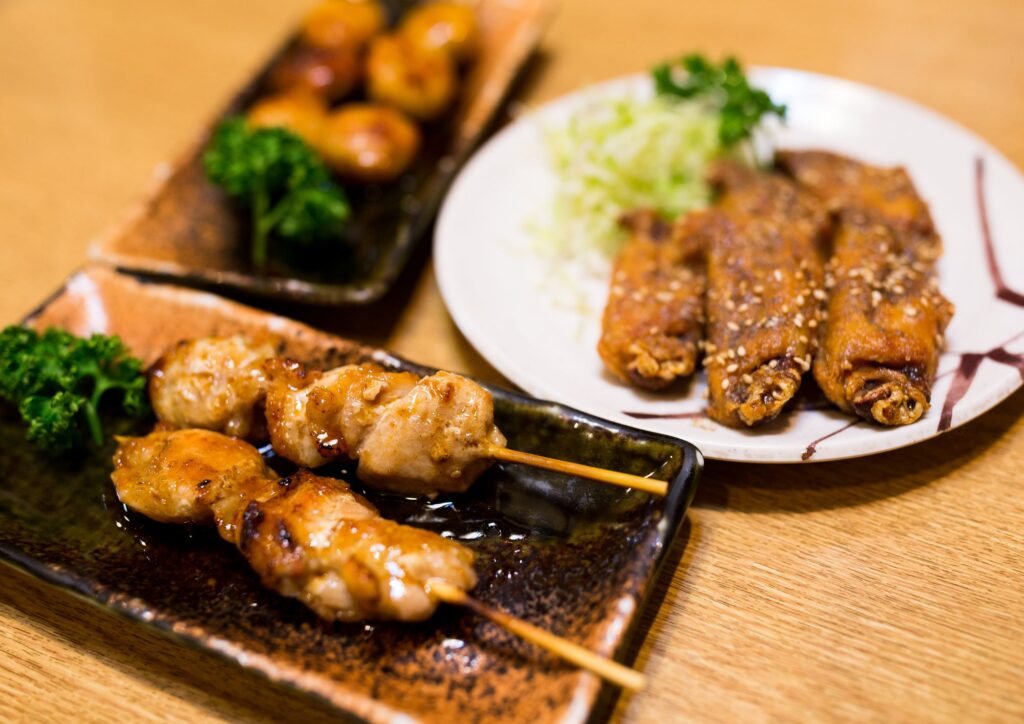
Tebasaki
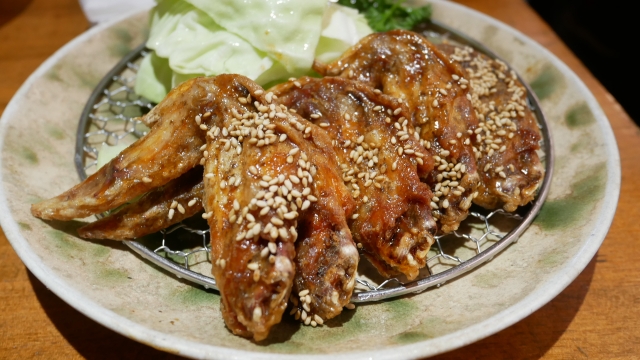
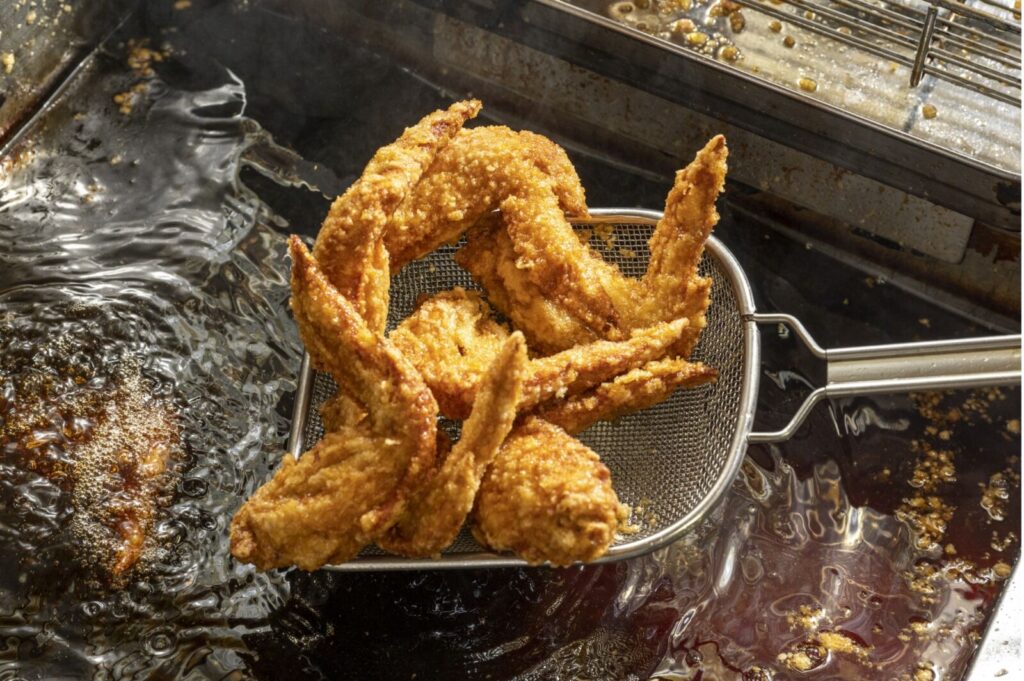
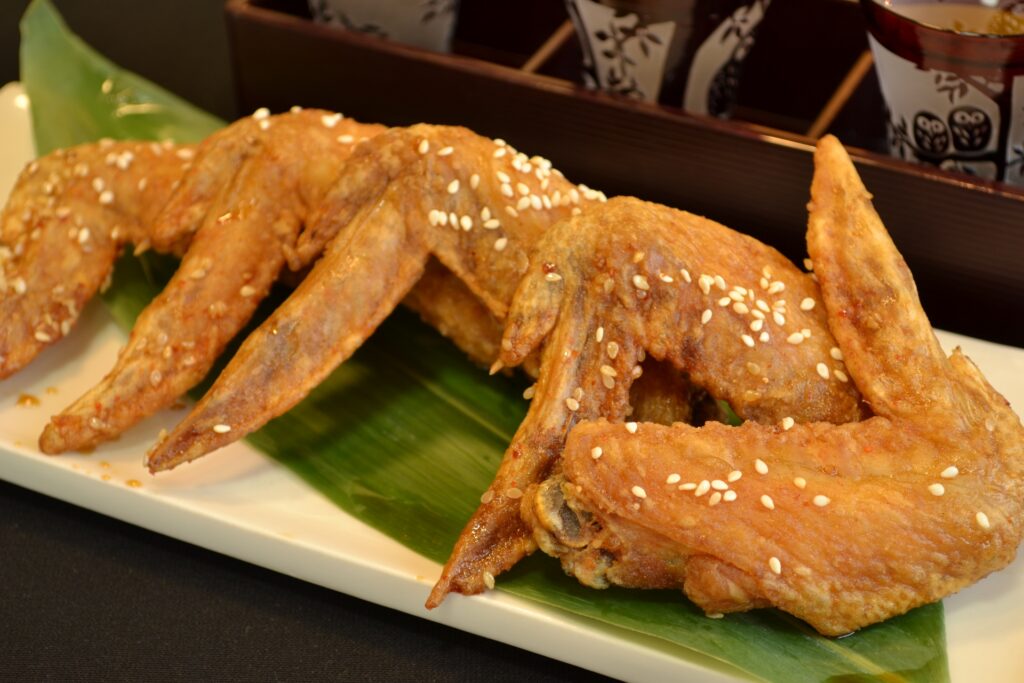
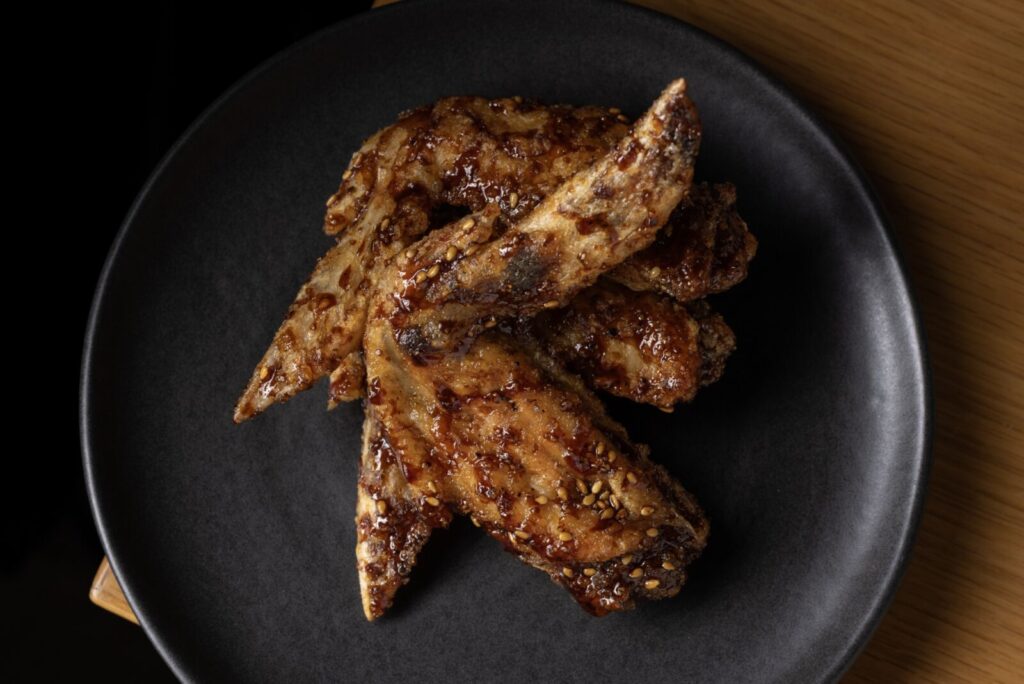
For many visitors, tebasaki is their first encounter with Nagoya Cochin.
Nagoya-style chicken wings are deep-fried without batter, coated in a sweet-and-savory sauce, and finished with generous amounts of black pepper and sesame seeds. Nearly every izakaya in Nagoya serves its own version, often featuring closely guarded spice blends and recipes.
The superior flavor and texture of Nagoya Cochin elevate this local favorite from simple bar food to a regional specialty.
Recommended Tour: Snow Monkey Resort's 1-Day Tour: Nagoya's Highlights and Small Bites will not only give you a taste of the wonderful flavors of the region and introduce you to some of the most notable landmarks in the city (including Nagoya Castle, Sakae, and Osu shopping district), but will also provide you with the confidence to go out and try more "Nagoya Meshi" on your own.
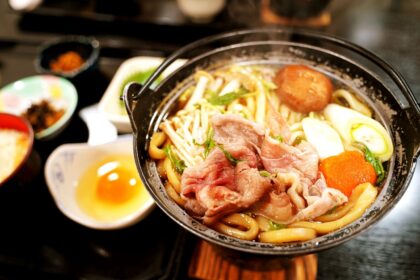
Hikizuri (Chicken Skukiyaki)
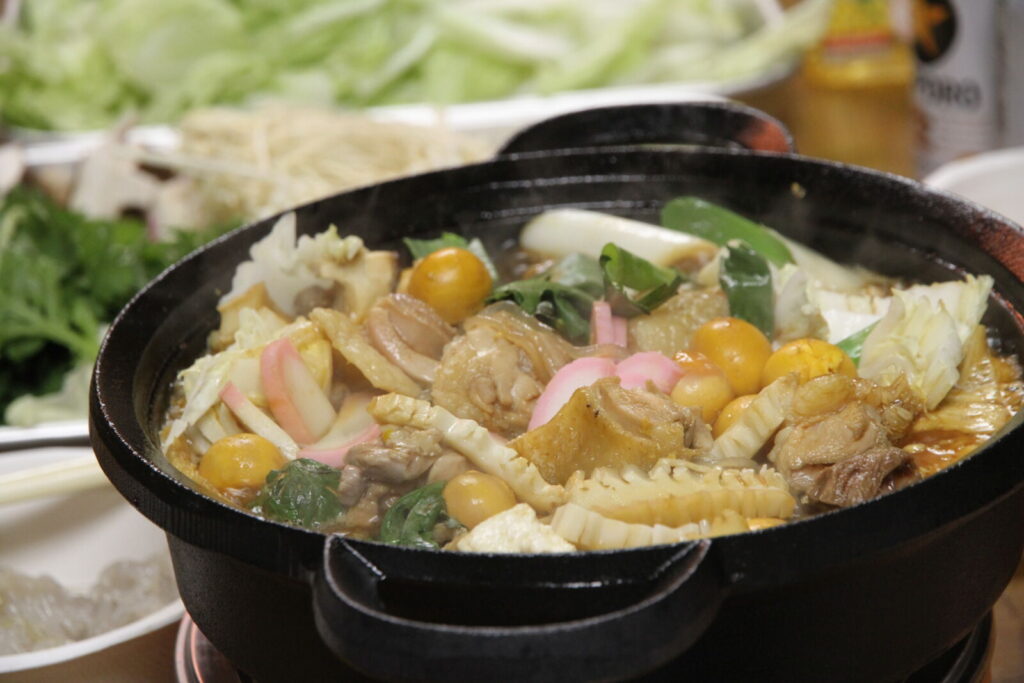
Perhaps the most traditional way to experience Nagoya Cochin is through hikizuri, a local chicken sukiyaki from the Owari region.
The name is said to derive from the practice of dragging pieces of chicken through the simmering pot while eating. Another local explanation suggests it was traditionally enjoyed at the end of the year to avoid carrying misfortune into the next.
In the Ikenouchi district of Komaki, where Nagoya Cochin was first developed, hikizuri was once considered a celebratory dish served during festivals, New Year's gatherings, and community events.
Today, it remains one of the most authentic expressions of local food culture.
Oyakodon
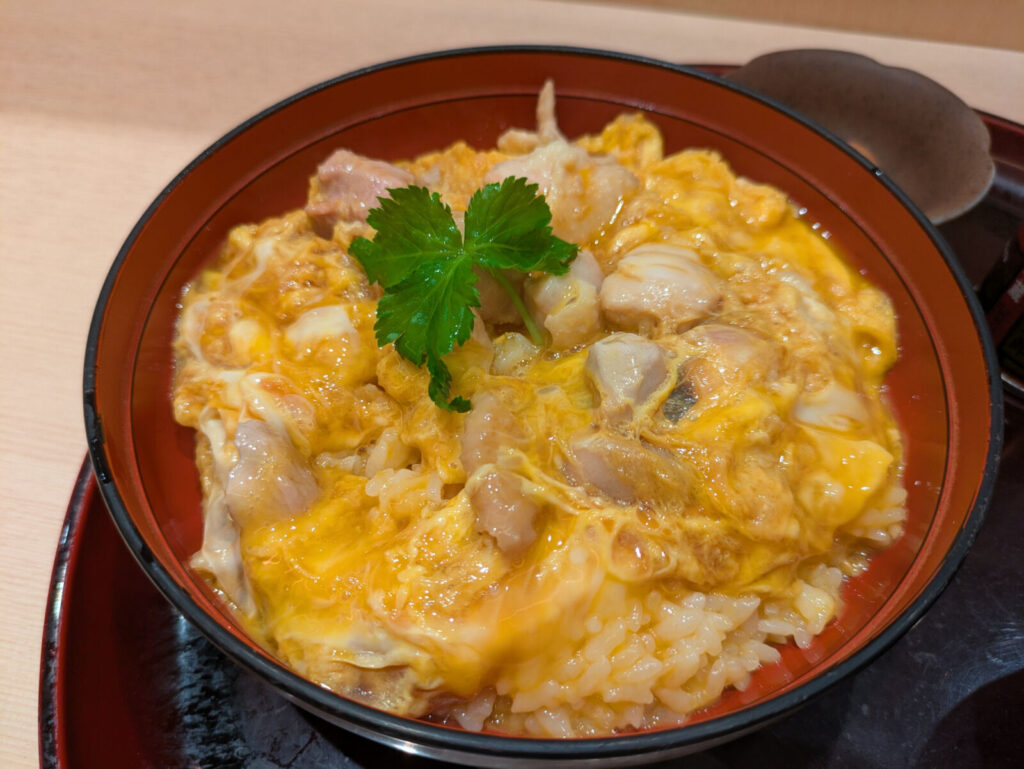
The combination of premium chicken and rich Nagoya Cochin eggs creates one of Japan's finest versions of oyakodon. The dish showcases both the meat and eggs in a single bowl, making it one of the best introductions to the breed.
Ootaya (Komaki)
Located near the birthplace of the breed, Ootaya serves regional favorites including Nagoya Cochin oyakodon and miso-stewed udon made with the famous chicken.
Nagoya Cochin Kana (Komaki)
This restaurant specializes in purebred Nagoya Cochin dishes, including stone-grilled chicken meals and rice bowls that highlight the quality of the meat.
Yakitori
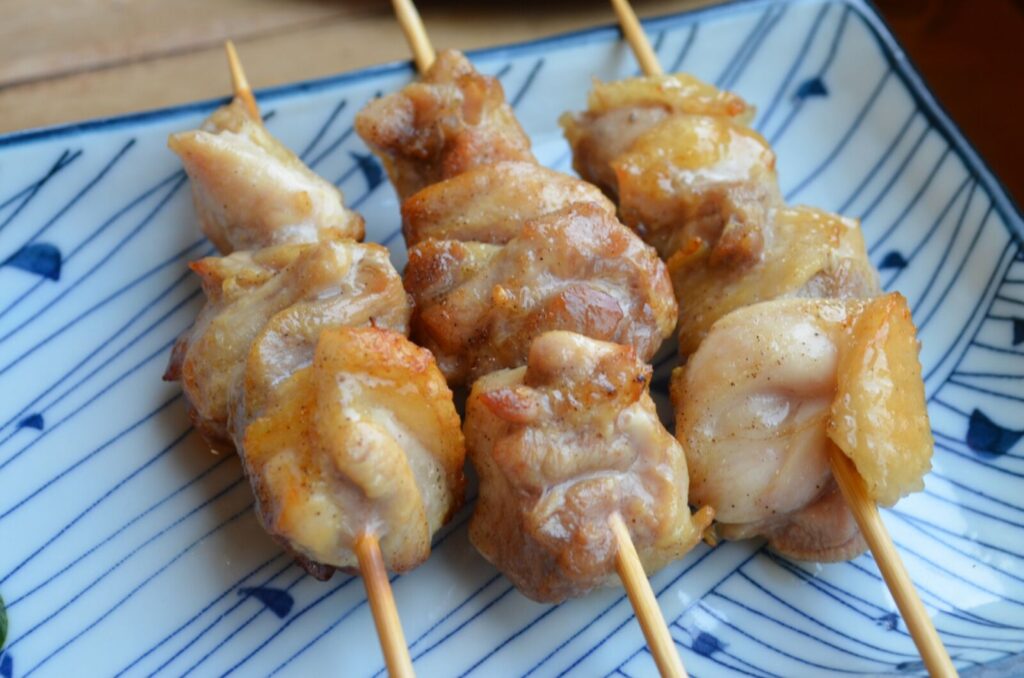
Many chefs argue that charcoal-grilled skewers provide the purest expression of Nagoya Cochin. The grilling process highlights the breed's distinctive texture while concentrating its natural umami.
Toriju (Nagoya)
A yakitori specialist directly operated by a poultry wholesaler, Toriju offers exceptional freshness and access to rare cuts. It is an excellent choice for diners seeking a deeper exploration of the breed beyond standard skewers.
Toriyasu (Nagoya)
Known for carefully grilled Nagoya Cochin skewers, this restaurant also serves specialties such as Nagoya Cochin tataki and zosui, showcasing the versatility of the ingredient.
Where to Experience Nagoya Cochin and Nagoya’s Local Dishes
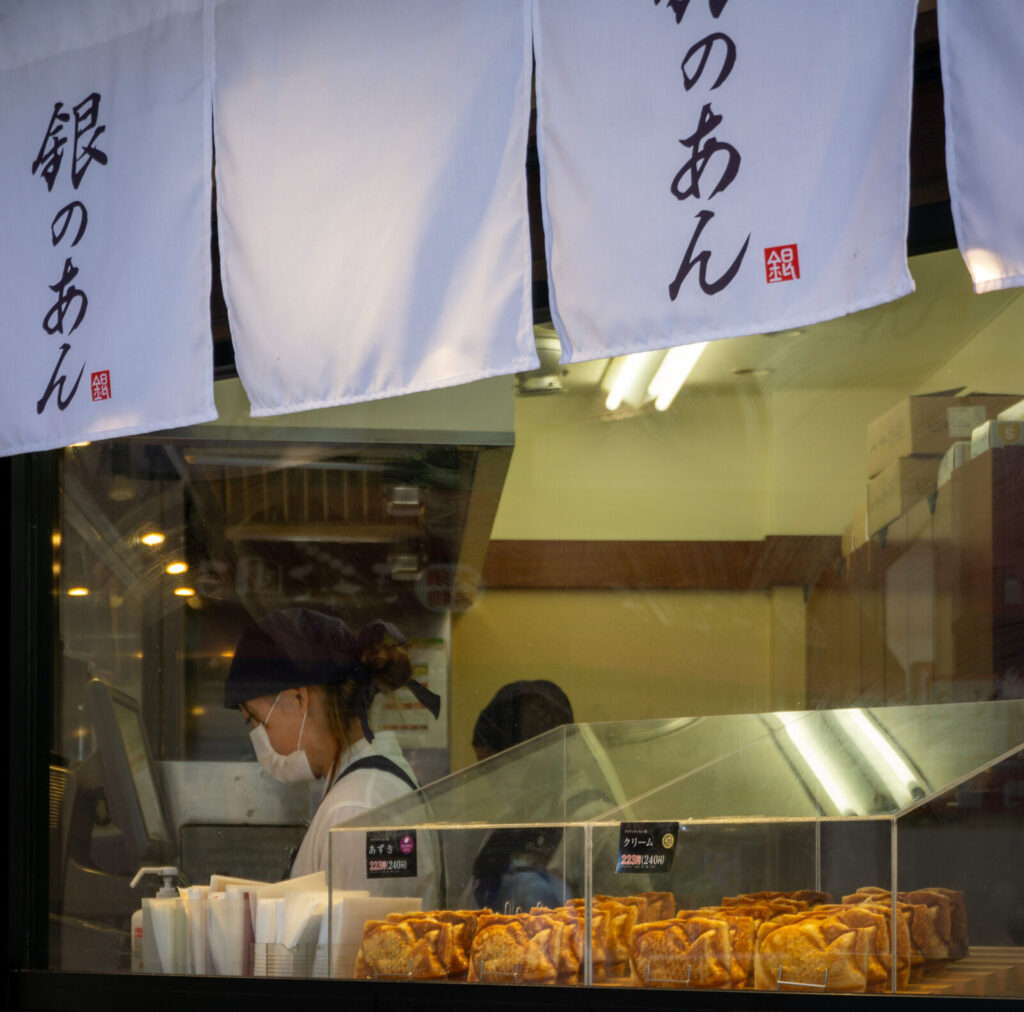
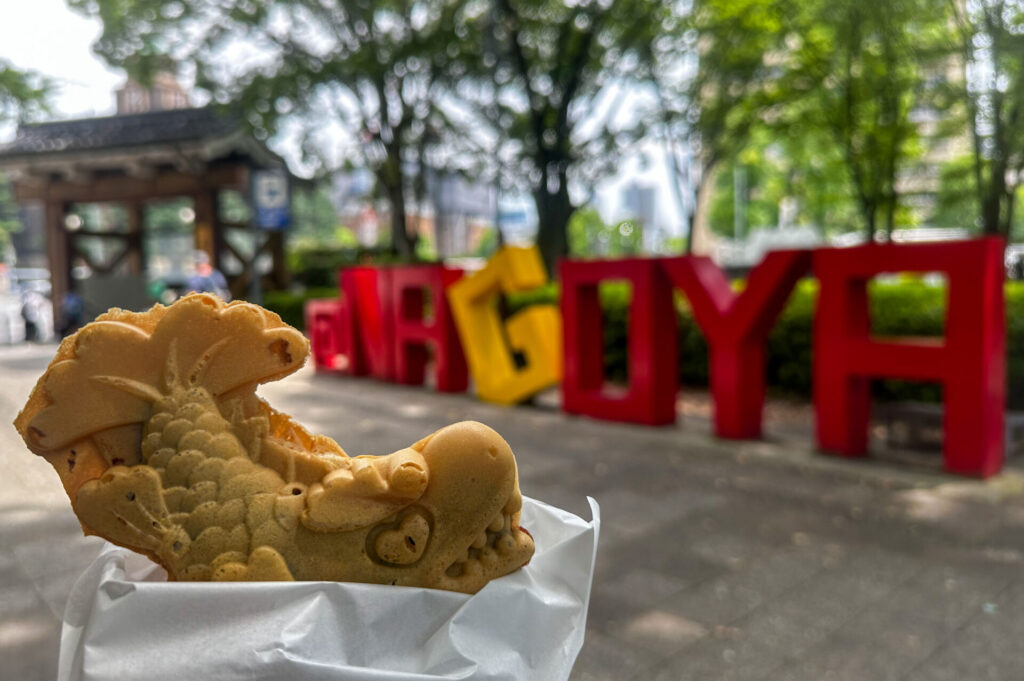
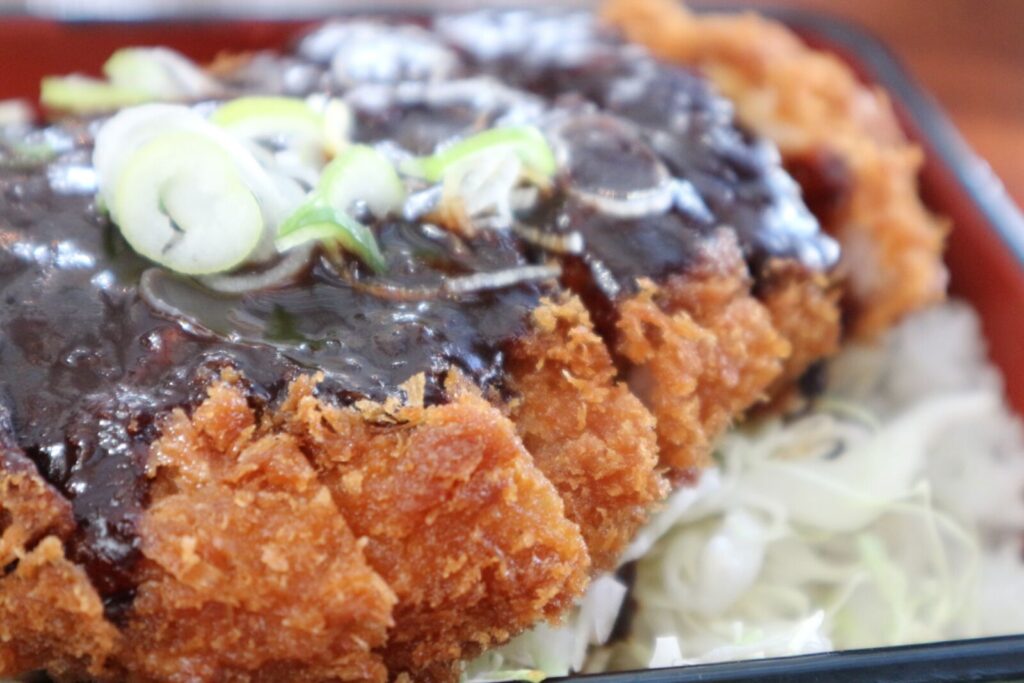

Designed for travelers who want to understand Nagoya through its cuisine, our 1-Day Tour: Nagoya's Highlights and Small Bites combines some of the city's most important landmarks with a guided introduction to the world of “Nagoya Meshi” the distinctive regional food culture of Nagoya, including Nagoya Cochin.
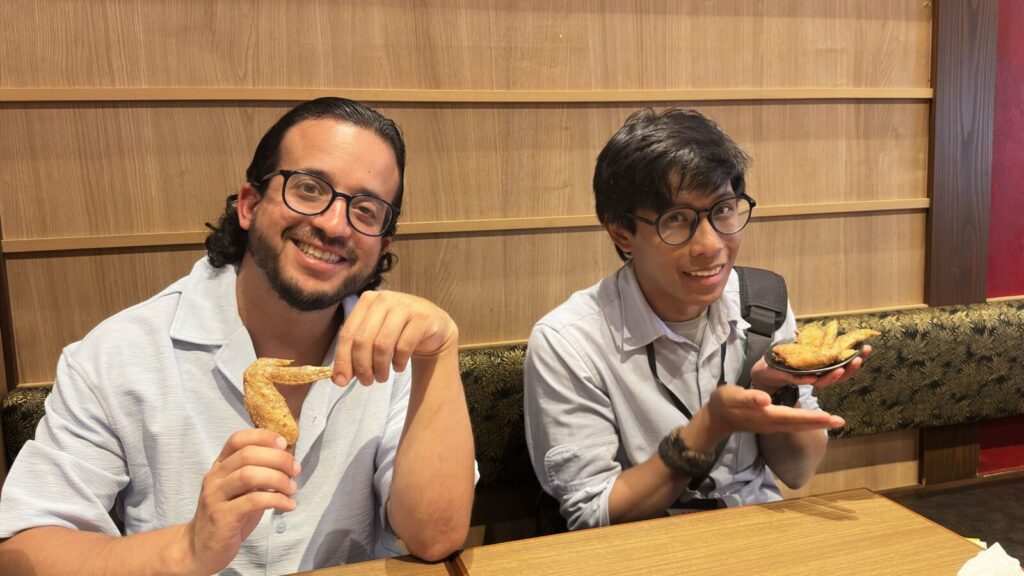
As you explore the city alongside an experienced guide, you'll sample four dishes unique to the Nagoya and Tokai region while learning how local history and traditions helped shape the flavors found here today. One of the dishes included in the tour is Tebasaki, Nagoya's famous chicken wings and one of the most beloved ways to enjoy Nagoya Cochin.
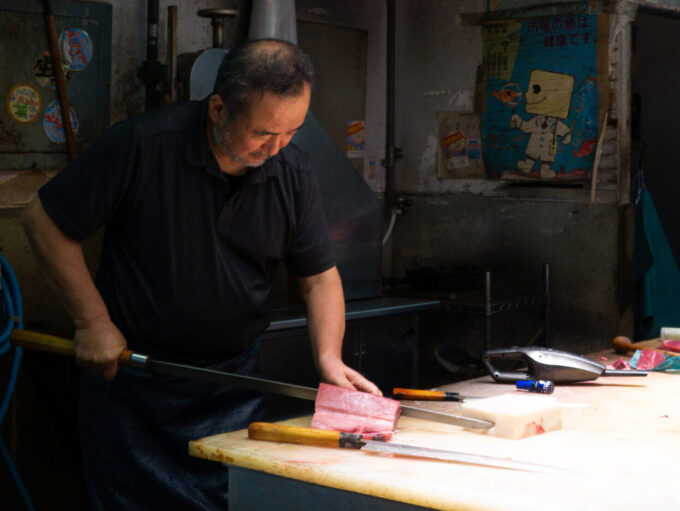
Beyond the food itself, the tour provides valuable context that independent travelers often miss. You'll visit a bustling morning fish market, learn how local chefs source ingredients, stroll through a vibrant covered shopping district, and explore some of the city's most important landmarks, including Nagoya Castle and the magnificent Honmaru Palace.
By the end of the day, you'll not only have tasted some of Nagoya's signature dishes, but you'll also understand the foundations of Nagoya Meshi and know what to look for as you continue your culinary exploration of the region.