






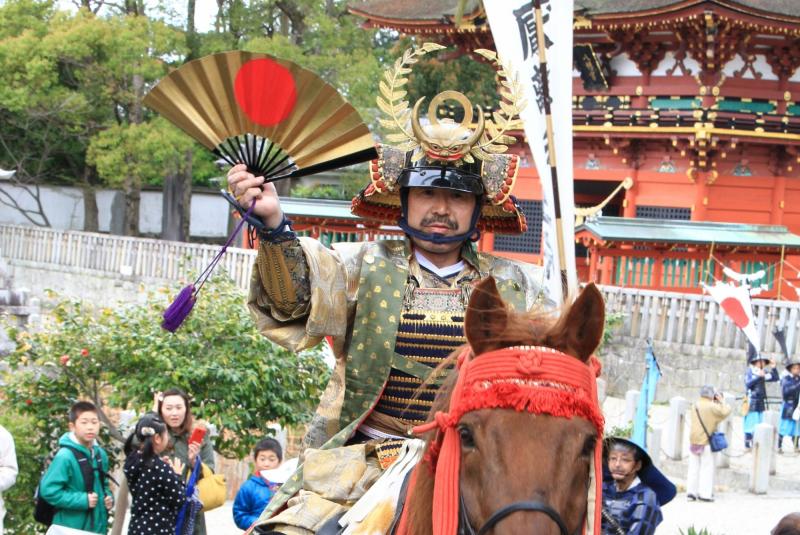
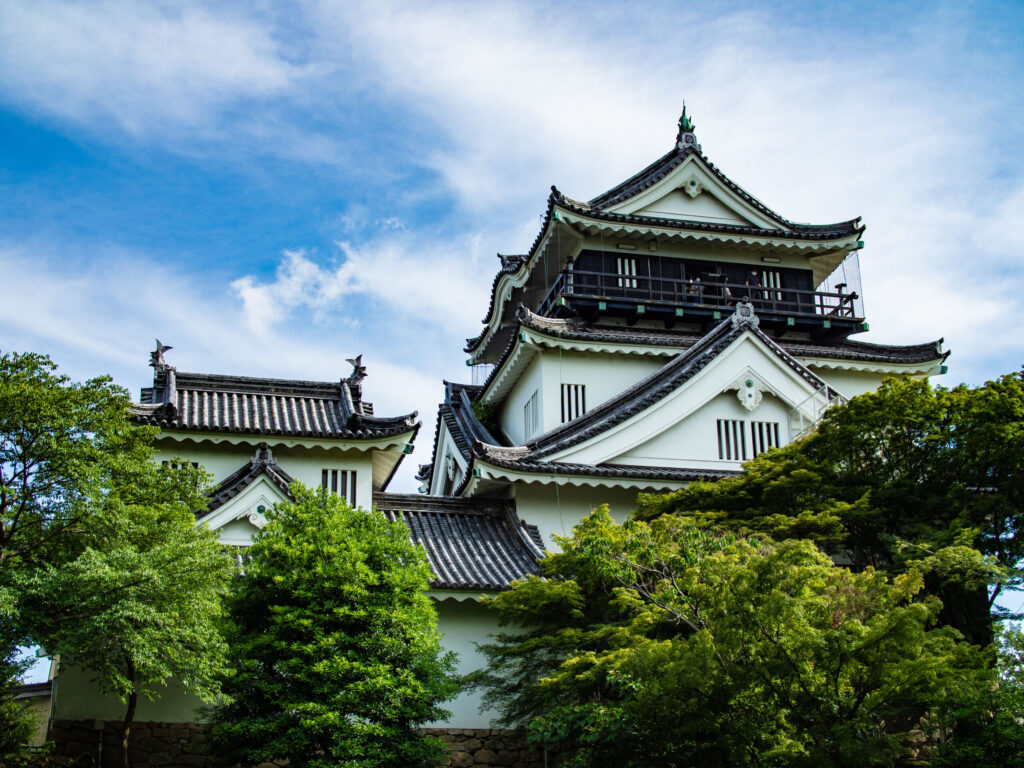
The city of Okazaki in Aichi Prefecture, just 30 minutes outside of Nagoya, is best known as the birthplace of Tokugawa Ieyasu, the founder of the Tokugawa Shogunate and one of the most influential figures in Japanese history. However, Okazaki is also home to one of Japan's most distinctive culinary flavors: Hatcho Miso.
Named after Hatcho Village, located eight cho (an old form of measuring distance—approximately 870 meters) west of Okazaki Castle, this special form of red (mame) miso has been produced in the same area for centuries.
While miso is made throughout Japan, Hatcho Miso (and red miso by extension) occupies a unique place in Japanese food culture due to its ingredients, production methods, and strong connection to the history of the Tokai region.
Why Hatcho Miso Developed in Okazaki
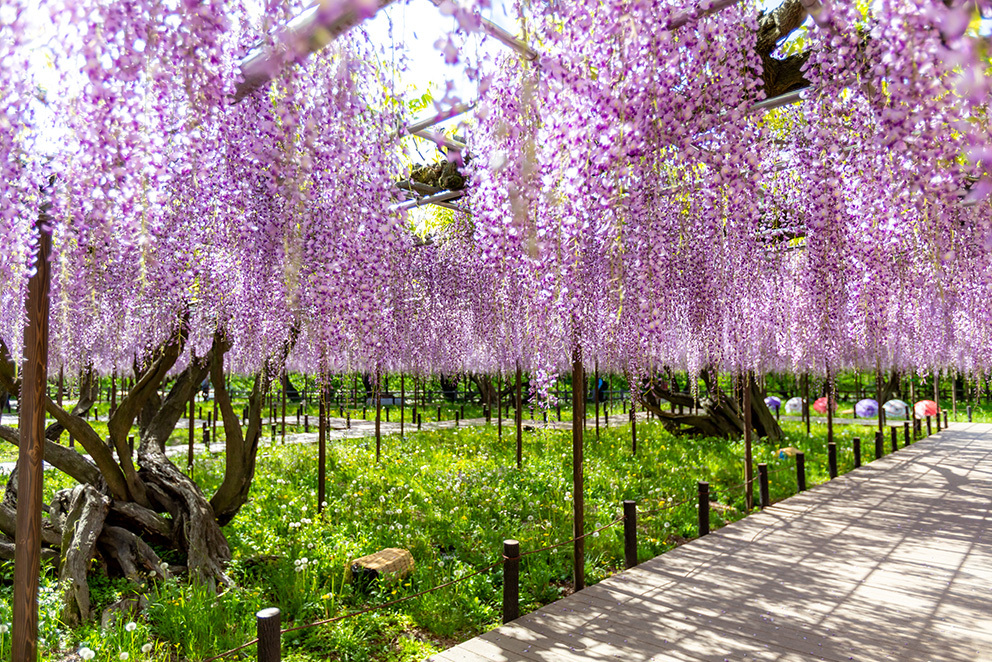
The development of Hatcho Miso was closely linked to geography and transportation.
During the Edo Period (1603–1868), Hatcho Village was situated at an important intersection between the Yahagi River and the Tokaido, the main highway connecting Edo (present-day Tokyo) and Kyoto. This location provided several advantages for food production.
Soybeans and salt, the primary ingredients used in miso making, could be transported by boat along the Yahagi River. Finished products could then be distributed efficiently along the Tokaido. The area also benefited from a reliable supply of clean water and climatic conditions well suited to long-term fermentation.
These factors allowed Hatcho Village to develop into a center for soybean miso production and eventually gave rise to the product now known as Hatcho Miso.
The Two Historic Breweries of Hatcho
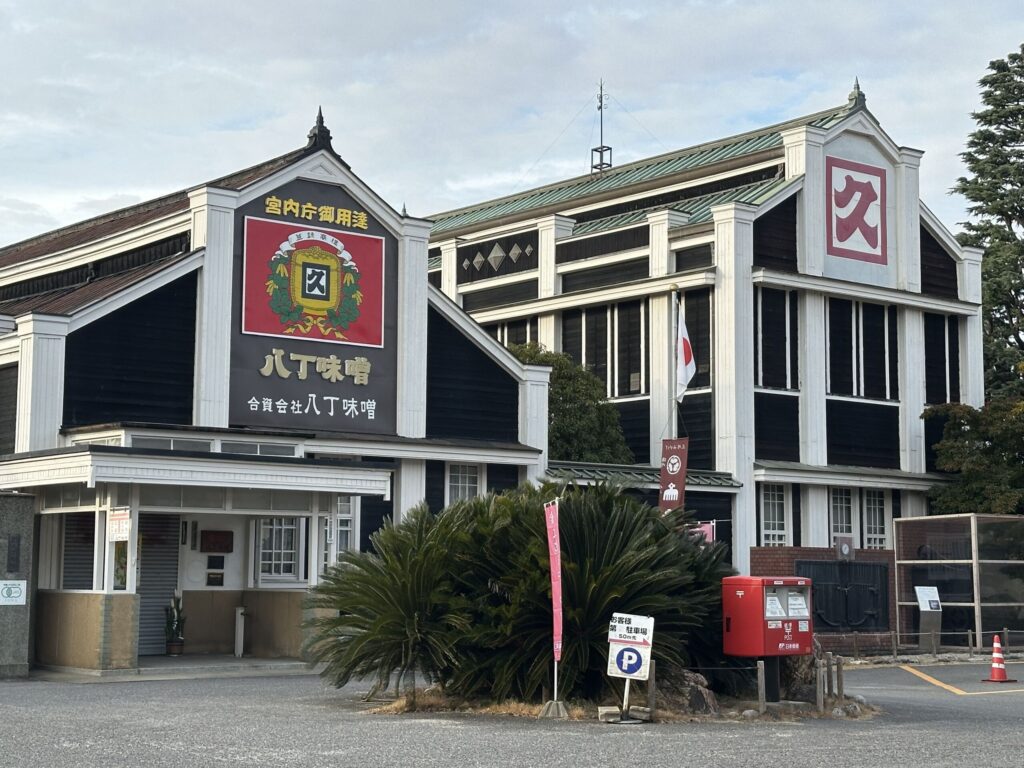
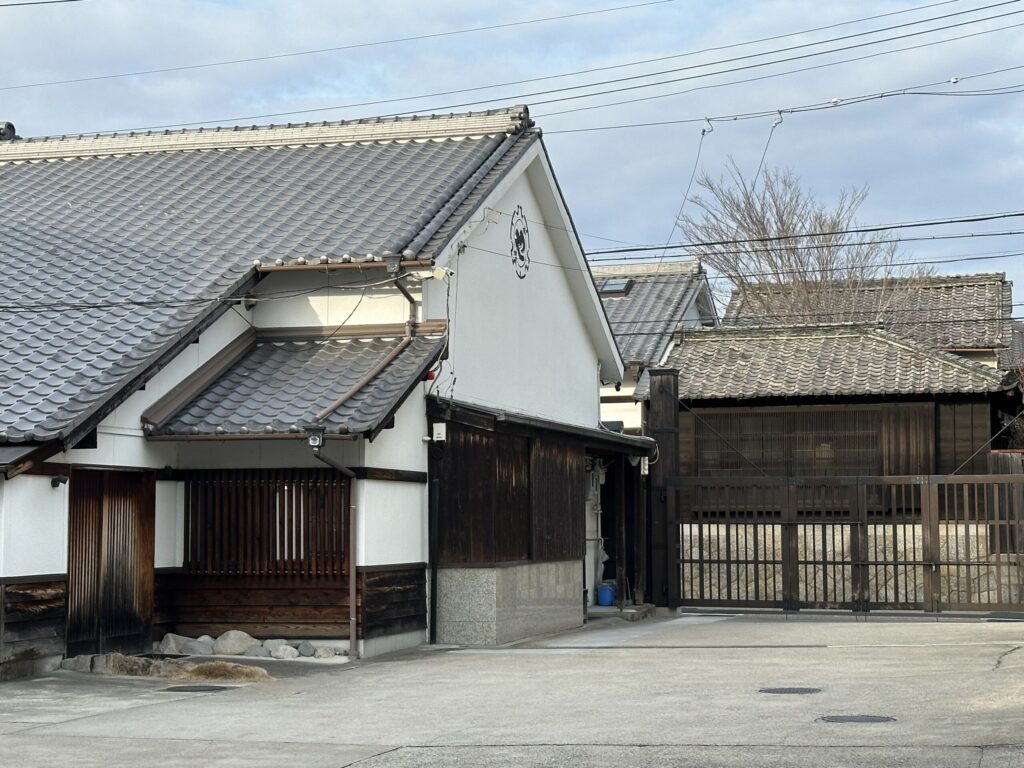
One of the most unusual aspects of Hatcho Miso production is that the two breweries most closely associated with it remain located side-by-side in the original production district.
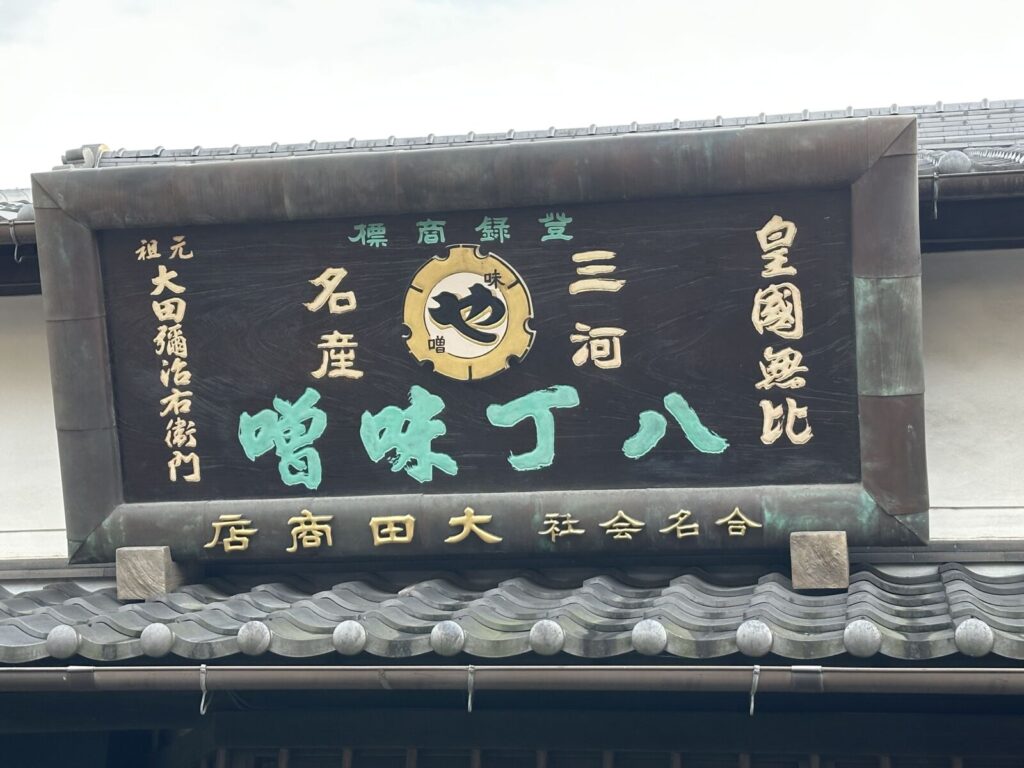
Maruya Hatcho Miso traces its history to 1337 and continues to produce miso using traditional methods.
Its neighbor, Kakukyu Hatcho Miso, officially began commercial production in 1645, although the family's involvement in miso making dates back to the Sengoku Period (around 1560 according to the company’s history).
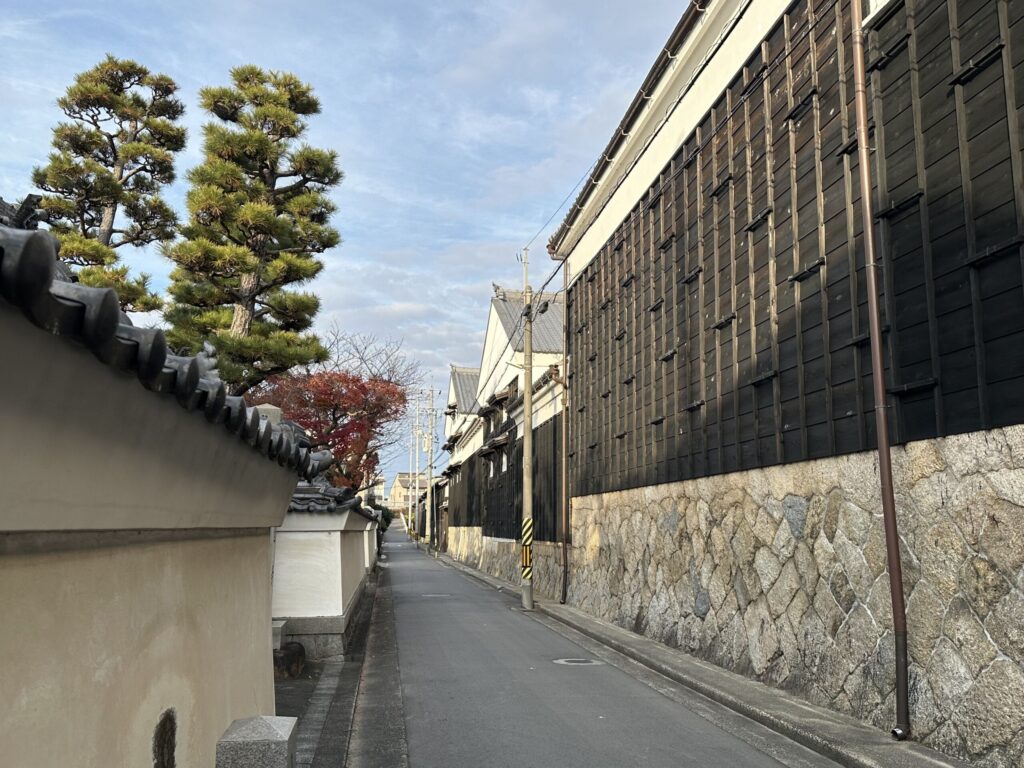
For centuries, these two producers have operated in the same neighborhood, helping preserve the techniques and reputation of Hatcho Miso. Today, remarkably, the two historic breweries that helped define this tradition still stand side-by-side along the old Tokaido Road.
Today, visitors can tour both historic breweries, walk among the centuries-old wooden barrels, and learn how traditional miso production has survived into the modern era.

A Traditional Production Method Preserved Since the Edo Period
What distinguishes Hatcho Miso from most modern miso is its commitment to traditional fermentation methods.
Many contemporary miso producers use stainless steel tanks and temperature-controlled environments to accelerate fermentation. Some products can be completed within a matter of months.
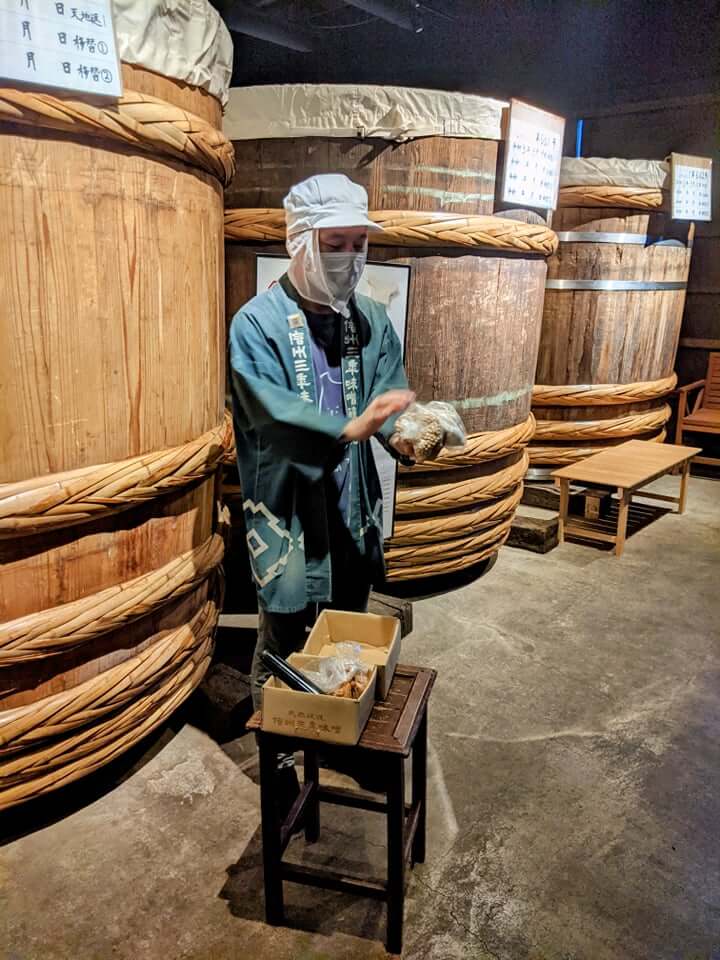
Traditional Hatcho Miso, however, is still produced using wooden barrels and natural fermentation.
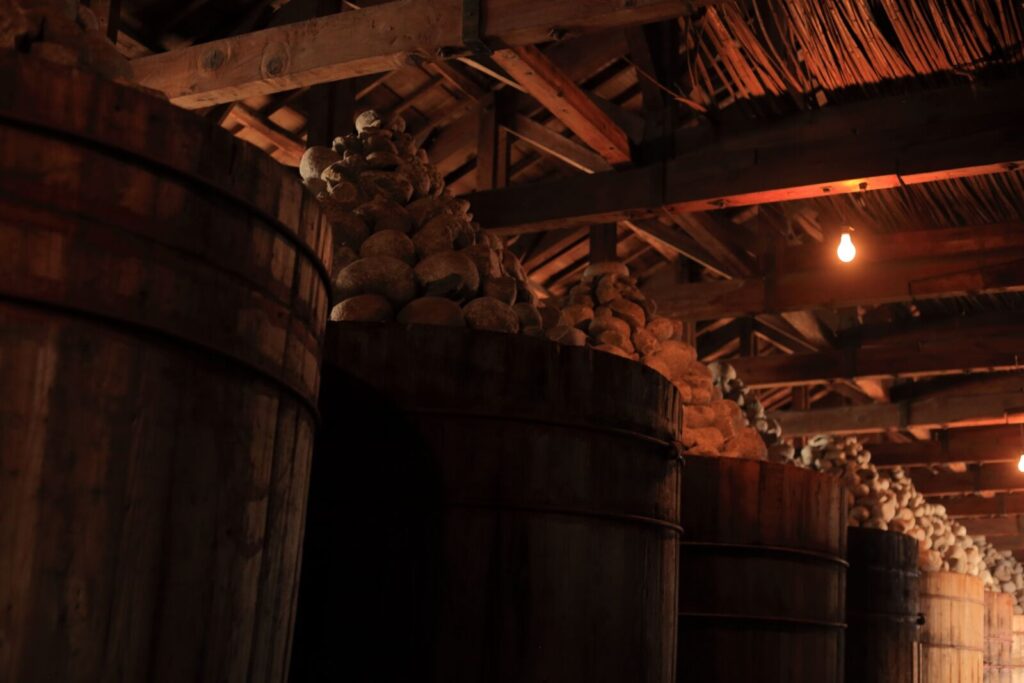
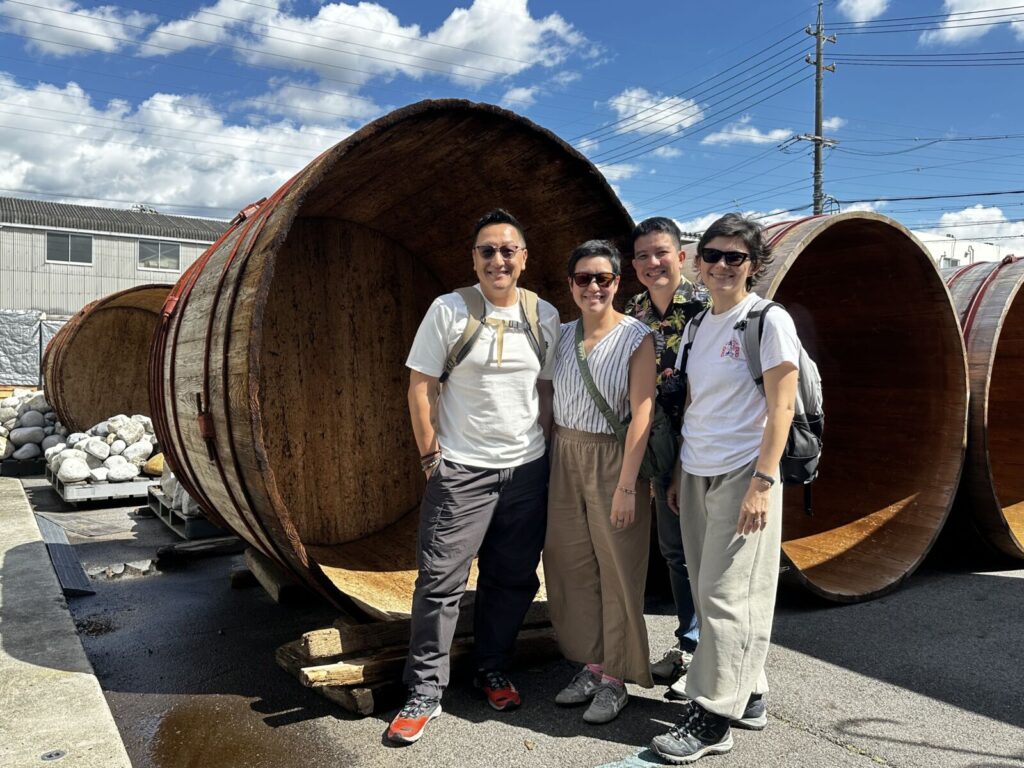
The wooden barrels themselves are an essential part of the process. Each barrel measures approximately two meters in diameter and height and can hold roughly six tons of miso. Empty, a barrel weighs around 700 kilograms.
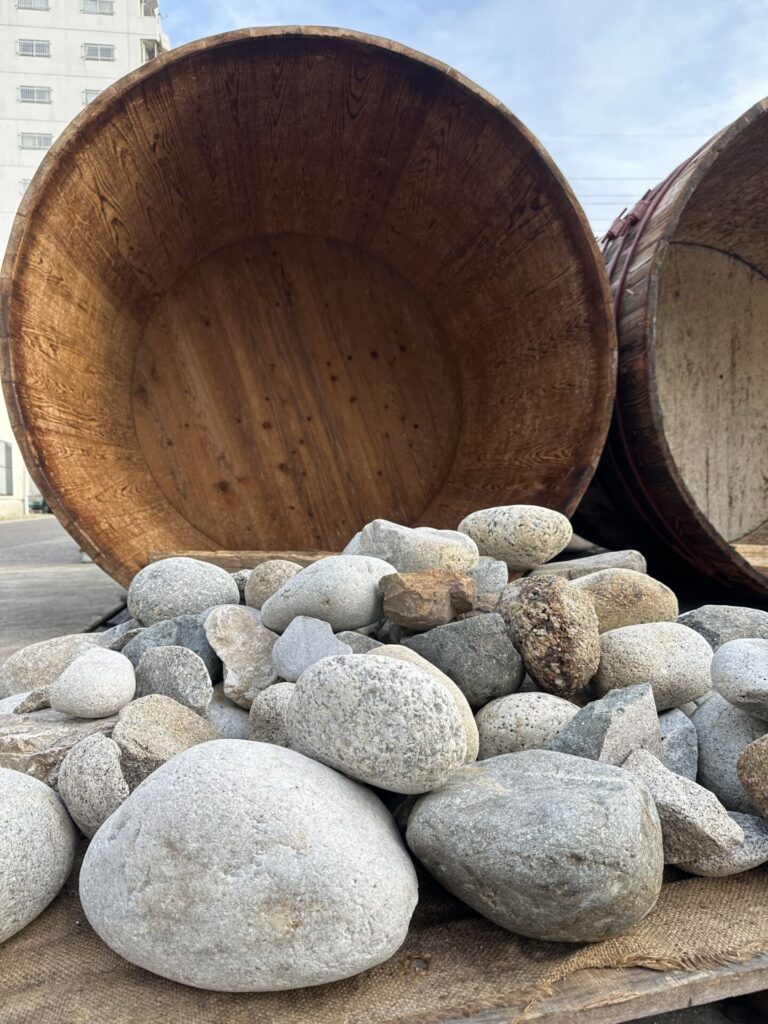
At Maruya Hatcho Miso, some barrels currently in use date all the way back to the nineteenth century. The oldest was made in 1864.
The use of wooden barrels is not simply a matter of tradition. Over decades of use, communities of naturally occurring microorganisms establish themselves within the wood. These microorganisms contribute to fermentation and help create flavors that are difficult to reproduce in stainless steel tanks.
For this reason, many producers regard the barrels themselves as an important production tool rather than merely a storage vessel.
From Soybeans to Miso
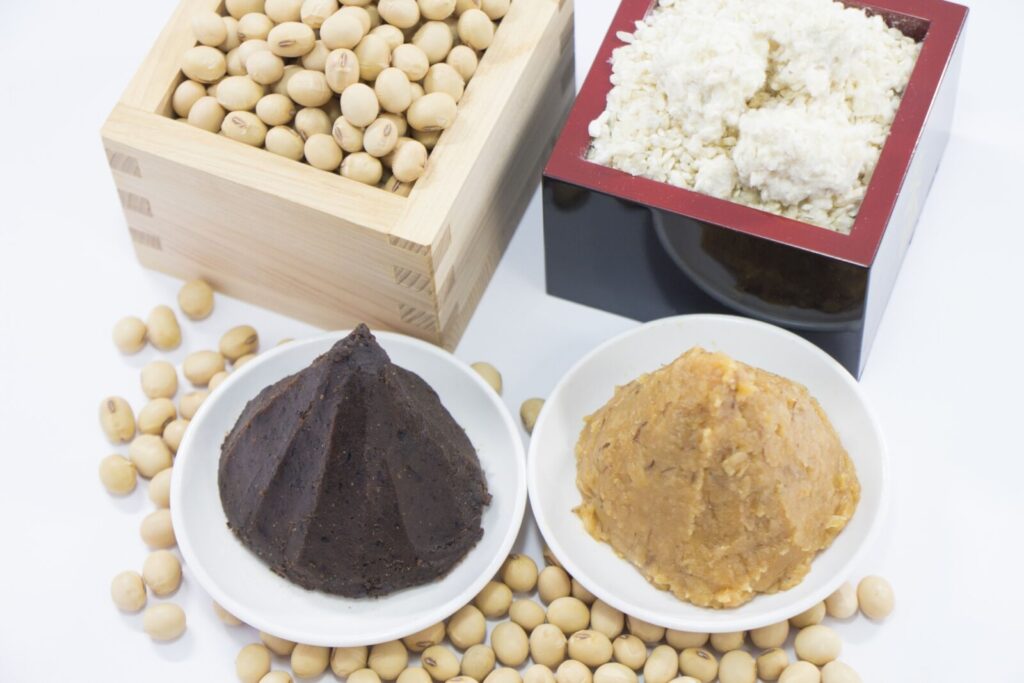
Unlike most Japanese miso varieties, Hatcho Miso uses only soybeans, salt, water, and soybean koji.
The production process begins with the careful selection of soybeans. The beans are soaked, steamed, and formed into large balls. Koji mold is then cultivated on the soybean surface before salt is added.
The prepared mixture is transferred into wooden barrels where it is compacted to remove excess air.
One of the most distinctive aspects of Hatcho Miso production follows immediately afterward.
The Stone Weights
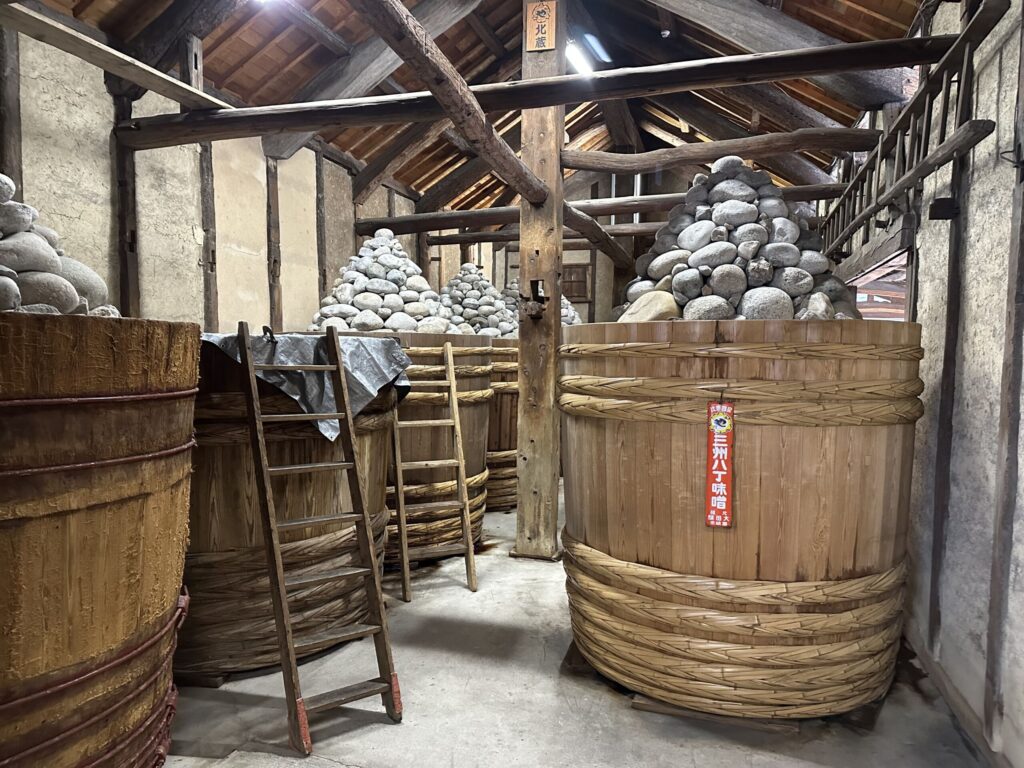
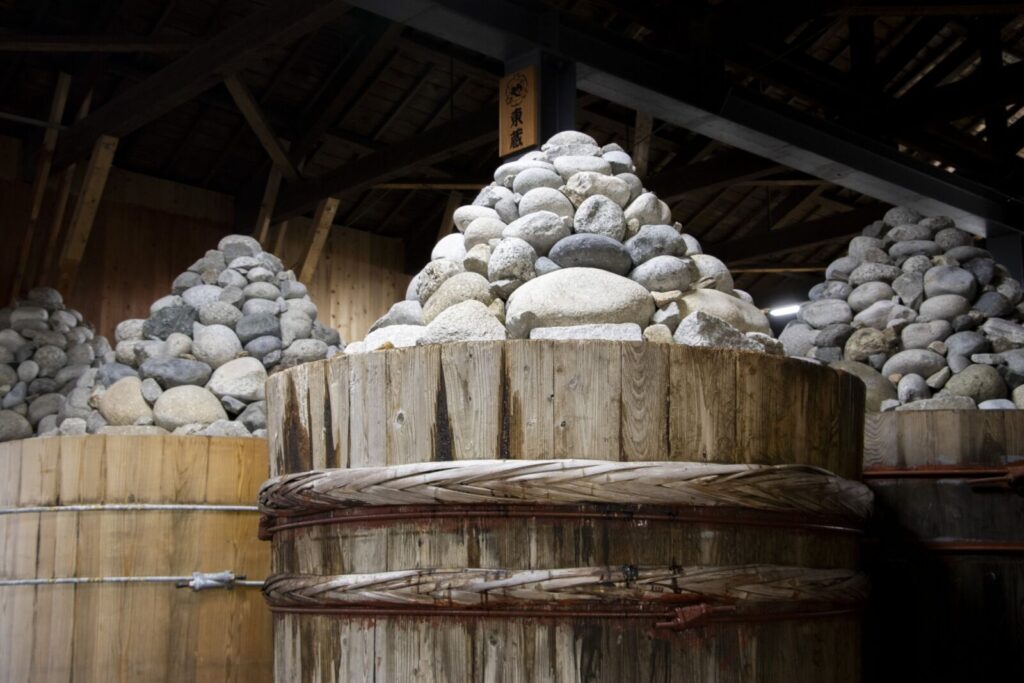
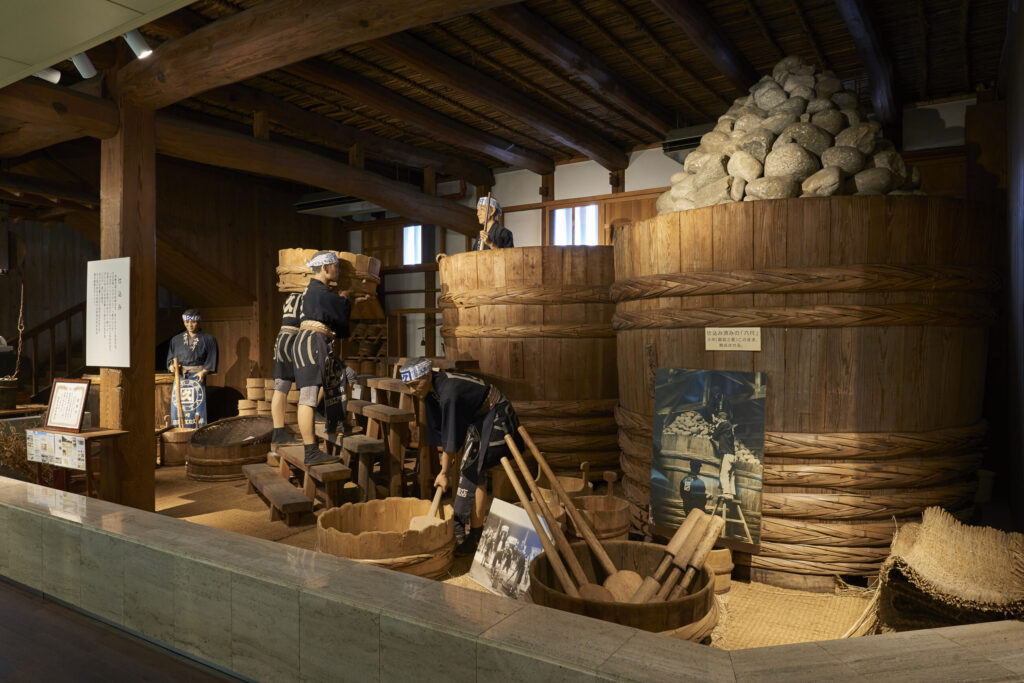
After the barrels are filled, craftsmen construct large pyramids of stone on top of the miso.
Each barrel typically requires 400 to 500 stones weighing a combined total of approximately three tons.
The purpose of the stones is to create pressure which forces moisture upward and helps maintain a consistent moisture content throughout the barrel. Without this pressure, the lower portion of the miso would become excessively wet while the upper layers could dry out.
Constructing these stone pyramids is considered a specialized skill. Workers must understand the shape, balance, and placement of each stone to create a stable structure capable of remaining intact for years.
The resulting stone pyramids have become one of the most recognizable visual symbols of Hatcho Miso production. One of the highlights of a brewery visit is seeing these enormous stone pyramids in person. And if you are lucky, you may even get a chance to see them stacking the stones in person.
Why Hatcho Miso Requires Two Years of Aging
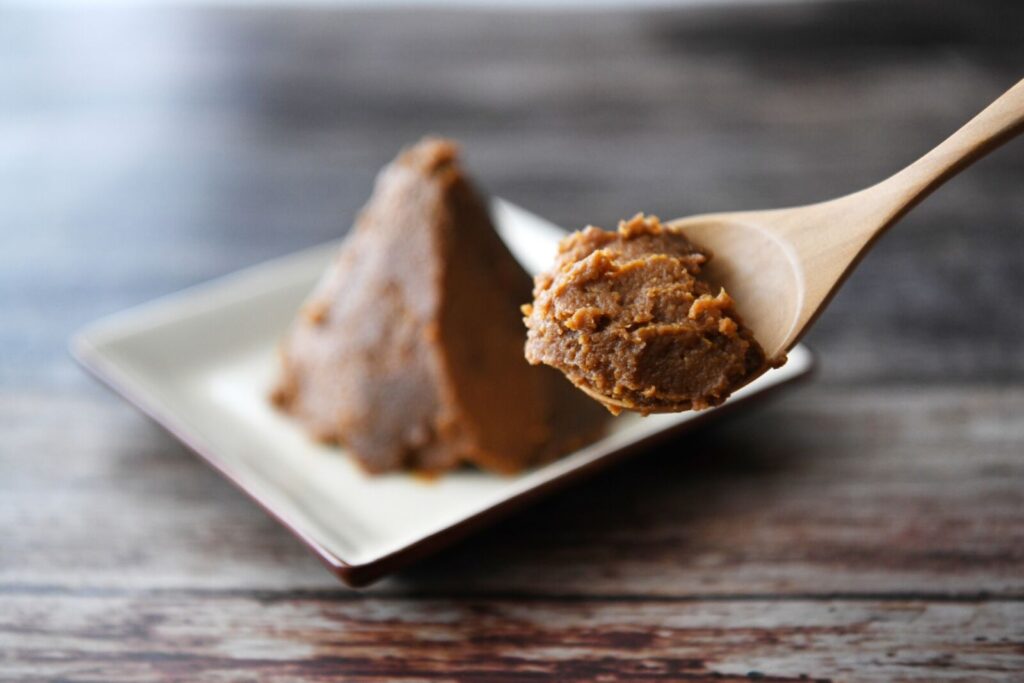
After the barrels have been sealed and weighted, fermentation begins.
Traditional Hatcho Miso is aged for approximately two years, passing through two summers and two winters.
During this time, enzymes, yeasts, lactic acid bacteria, and other microorganisms gradually break down soybean proteins into amino acids and other flavor compounds. This extended fermentation produces the concentrated umami for which Hatcho Miso is known.
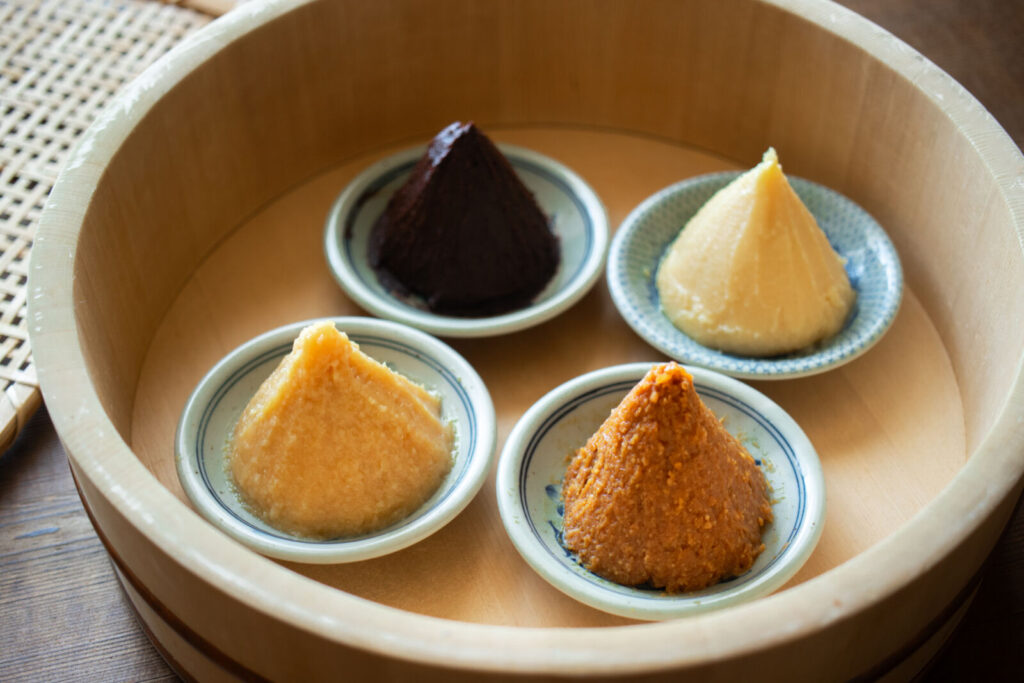
The resulting flavor profile differs significantly from many rice and barley misos. Hatcho Miso is characterized by strong savory notes, moderate acidity, slight bitterness, and a deep, lingering complexity.
The lengthy aging process is one of the primary reasons Hatcho Miso is considered one of Japan's most distinctive fermented foods.
During our guided tours, travelers have the opportunity to taste Hatcho Miso (and other miso products) to see for themselves how this process affects the resulting flavor.
The Science Behind Its Color and Flavor
One of the first things visitors notice about Hatcho Miso is its color.
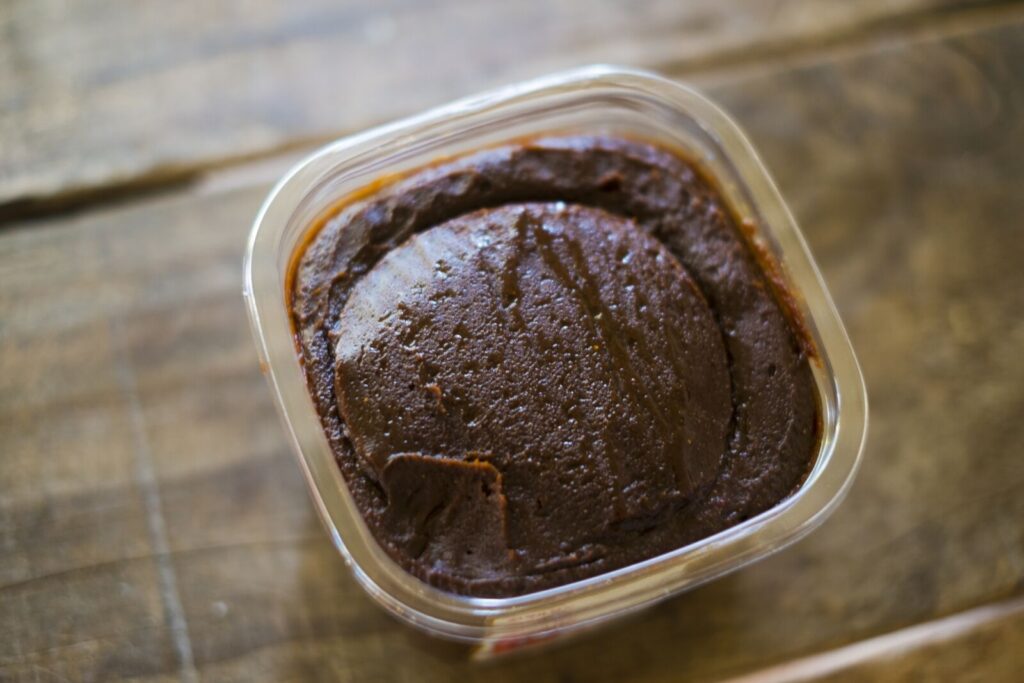
While many Japanese miso range from pale beige to light brown, Hatcho Miso develops a very dark reddish-brown appearance.
This coloration is largely the result of compounds known as melanoidins, which form during extended fermentation and aging. The same chemical reactions contribute to the dark colors found in foods such as roasted coffee and baked bread.
Research has suggested that melanoidins may provide benefits similar to dietary fiber and contribute to the nutritional profile of fermented foods.
In addition to melanoidins, the fermentation process generates amino acids, peptides, and numerous aromatic compounds that contribute to both flavor and nutritional value.
These qualities help explain why miso has long been associated with health and longevity in Japanese culture.
There are many Japanese traditional sayings about these benefits including:
- "A bowl of miso soup gives you the strength to walk three ri."
- "Miso soup is a medicine for eternal youth and longevity."
- "Pay the miso shop instead of the doctor."
The Culinary Identity of the Tokai Region
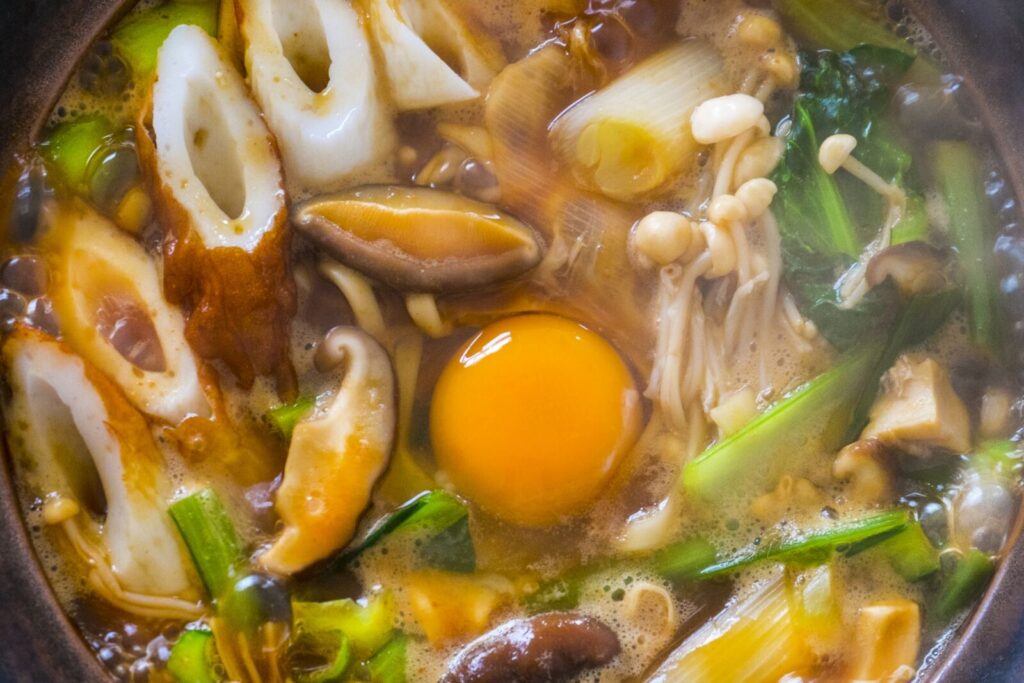
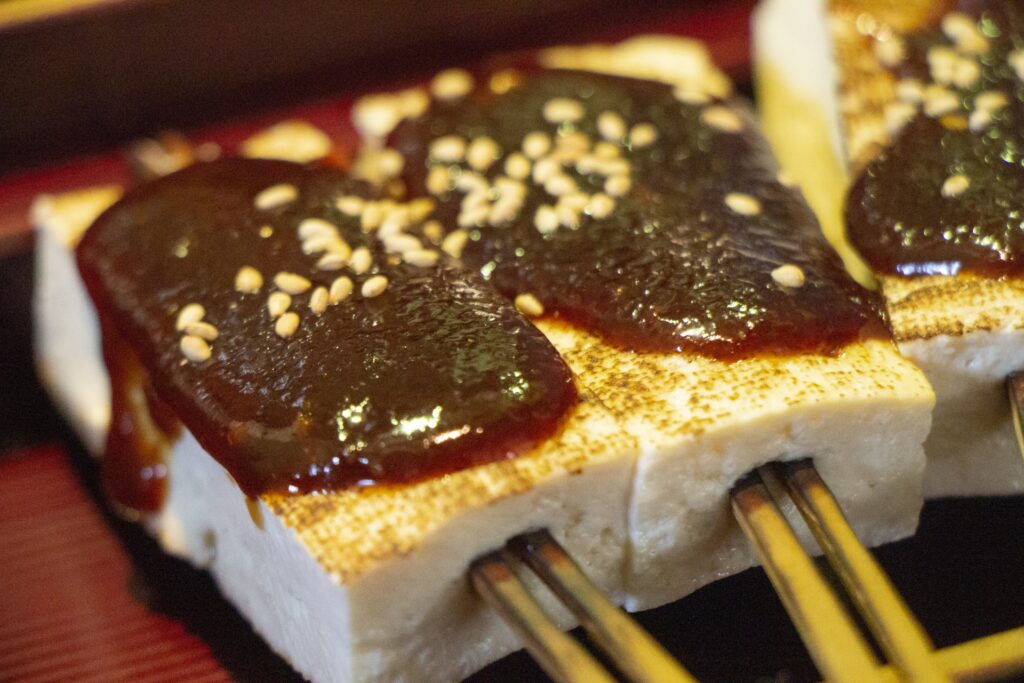
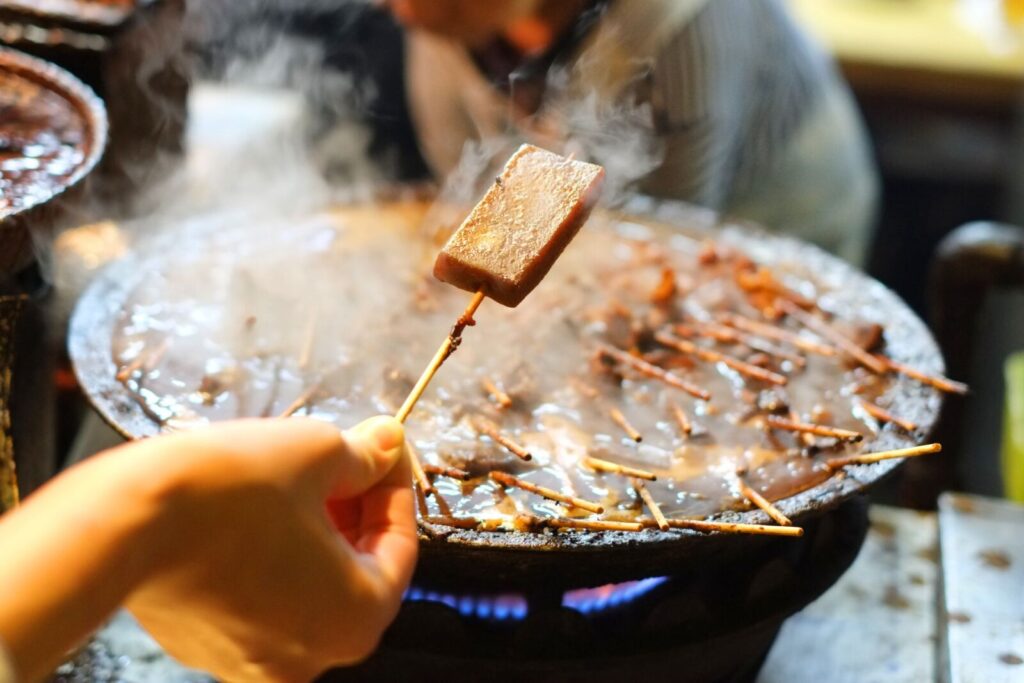
Most miso produced in Japan is rice miso, which uses rice koji as part of the fermentation process.
The Tokai region, however—particularly Aichi, Gifu, and Mie Prefectures—developed a strong tradition of soybean miso.
This regional preference has shaped many of the area's signature dishes.
Visitors to Nagoya and surrounding areas will encounter many regional dishes featuring red miso, including:
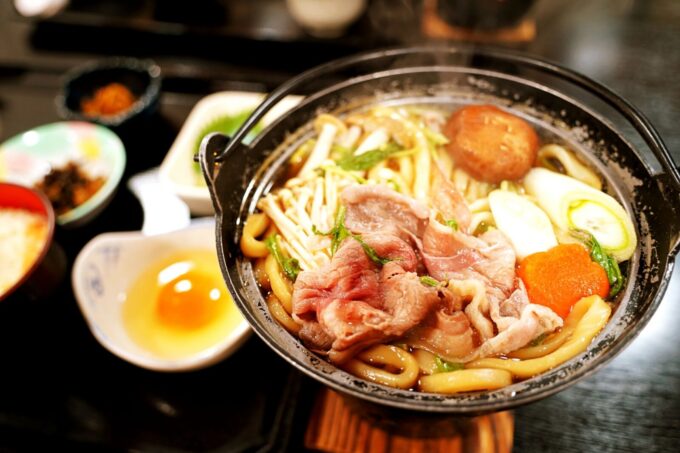
- Misonikomi Udon – thick noodles simmered in soybean miso broth
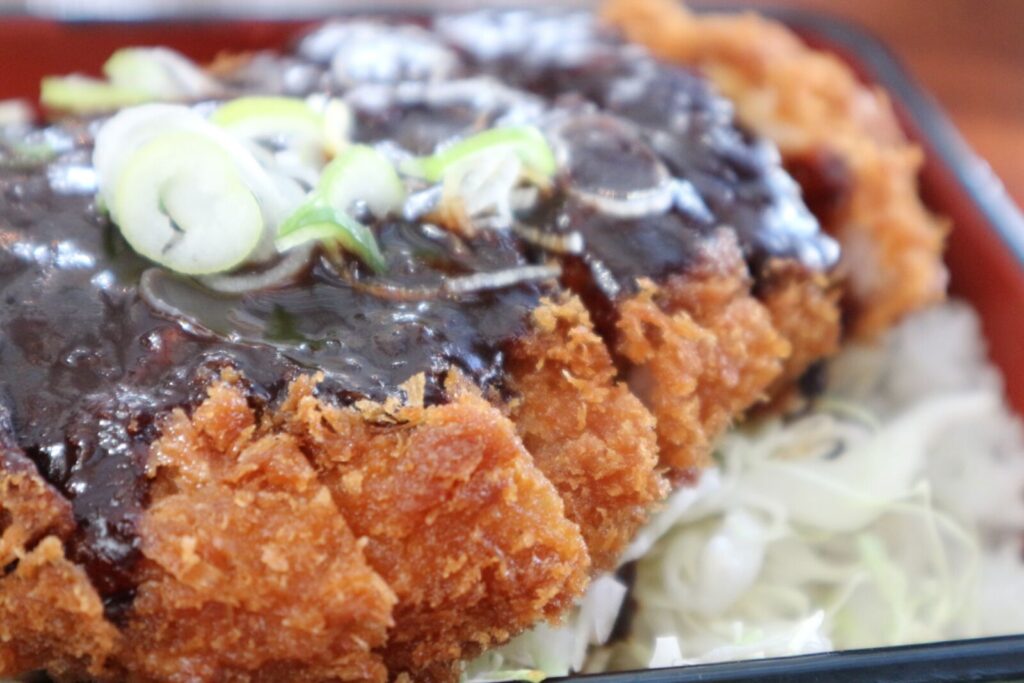
- Miso Katsu – breaded pork cutlet served with a rich miso sauce
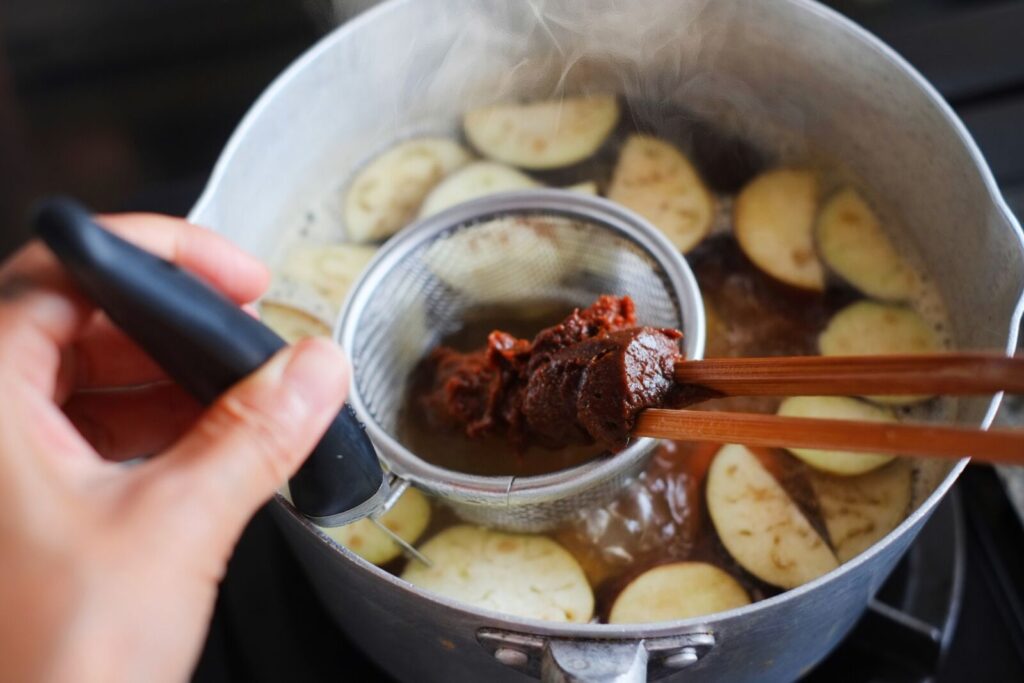
- Miso Oden – vegetables and tofu simmered in miso-based broth
- Doteni – beef tendon slowly stewed in soybean miso
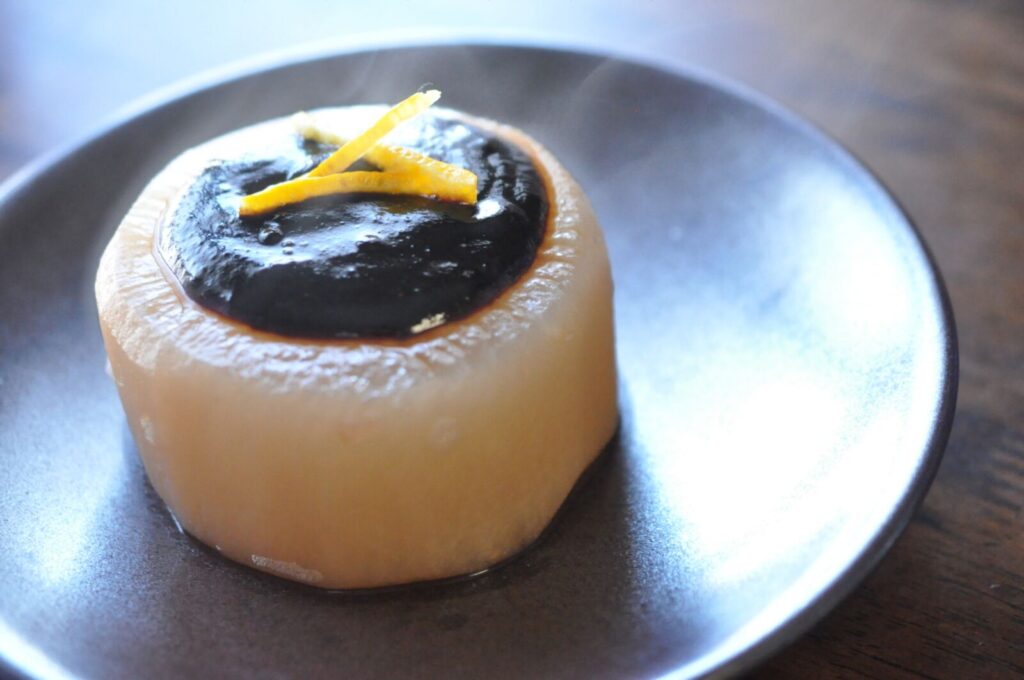
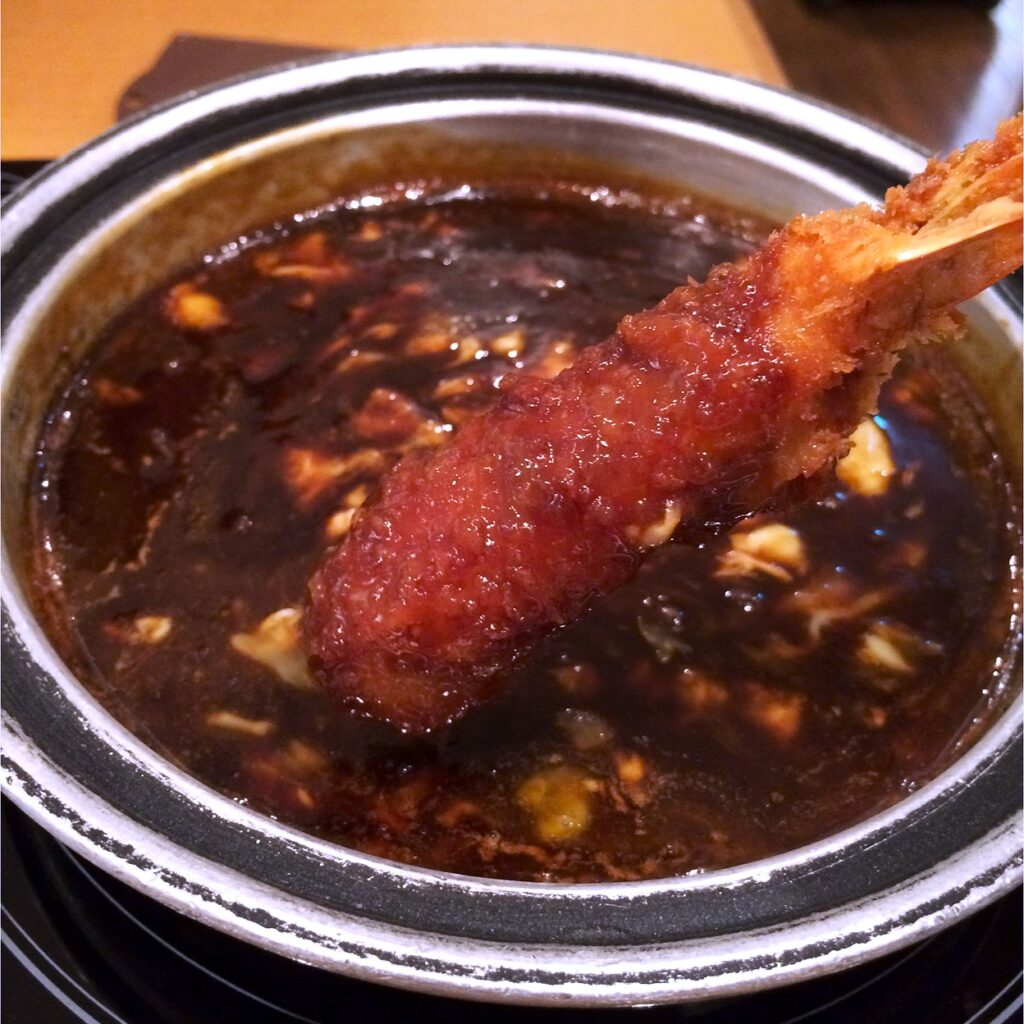
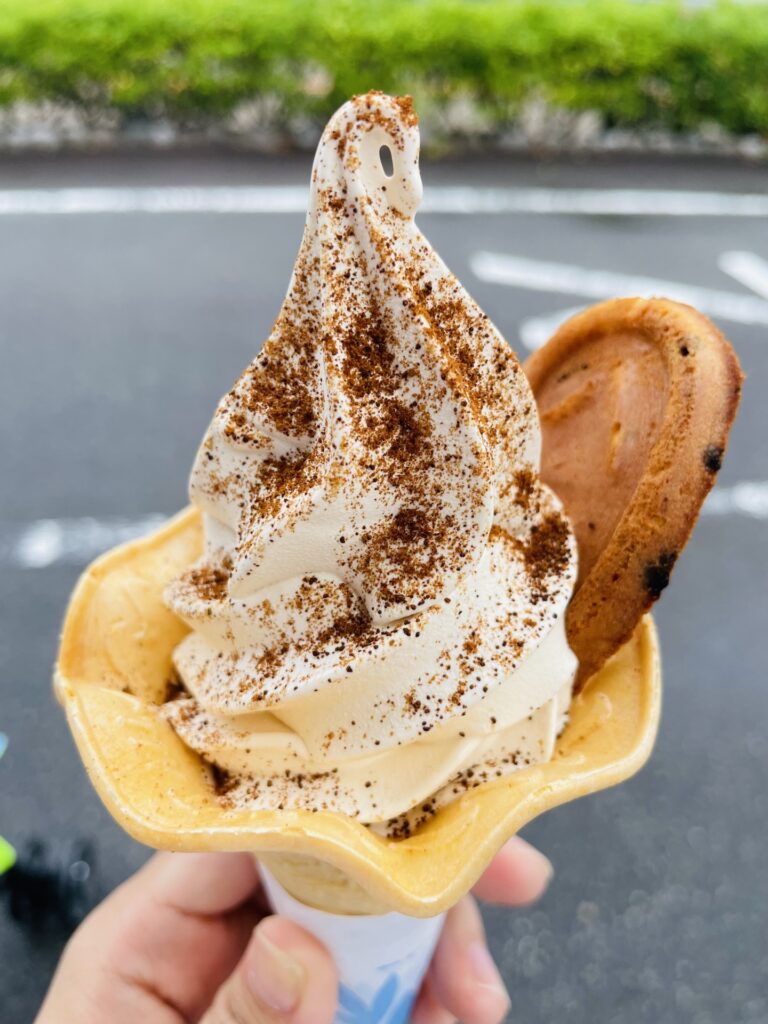
Unlike rice miso and barley miso, whose aromas can diminish during prolonged cooking, soybean miso retains its flavor well under heat. This makes it particularly suitable for simmered dishes and long-cooked regional specialties. It is also surprisingly good on ice cream!
As a result, Hatcho Miso remains one of the defining ingredients of Tokai cuisine. And although most travelers to Nagoya will have a chance to taste Hatcho Miso in one of the city’s many great restaurants, the production area of Okazaki is still overlooked by most tourists.
A Traditional Product with Global Reach
Although Hatcho Miso is strongly associated with local food culture, it has also played a role in introducing Japanese fermentation techniques to international audiences.
Maruya Hatcho Miso began exporting products to the United States during the 1960s. In the decades that followed, the company became an early adopter of organic certification and continued producing miso using traditional fermentation methods.
Today, chefs, food researchers, nutrition professionals, and fermentation enthusiasts visit Okazaki to study a production system that has survived for hundreds of years.
While Hatcho Miso can be purchased throughout Japan, Okazaki remains the only place where visitors can experience its production and history at the source—walking among centuries-old wooden barrels, viewing the iconic stone pyramids, and tasting one of Japan's most distinctive regional flavors where it has been produced for generations.
Join our Hatcho Miso Brewery Tour and discover why this remarkable ingredient has shaped the cuisine of central Japan for more than 400 years.
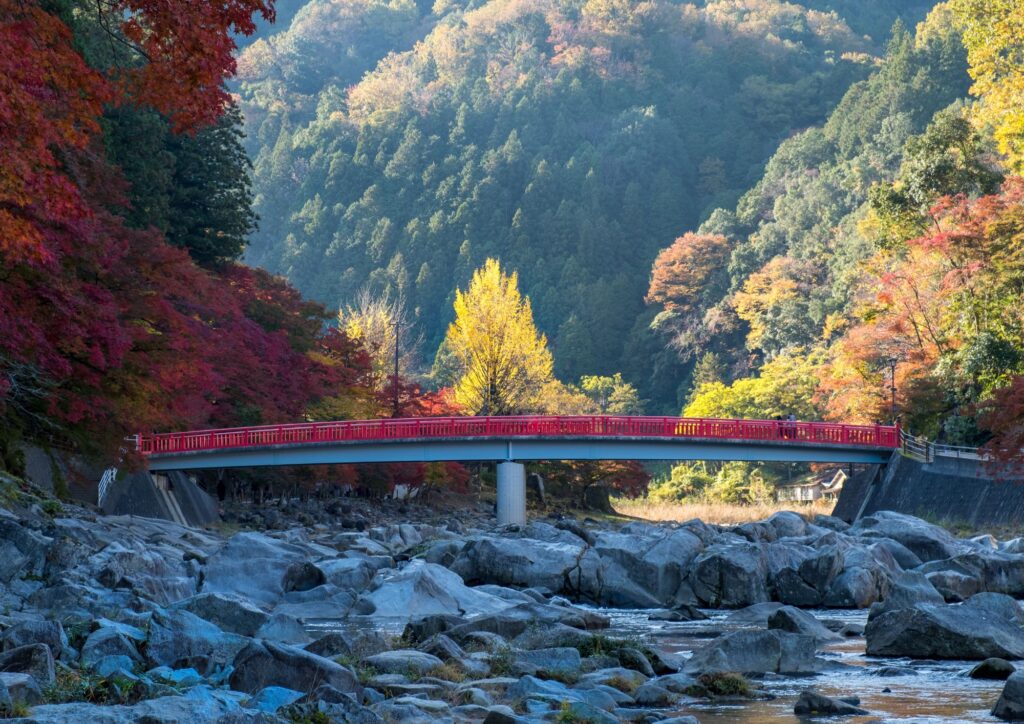
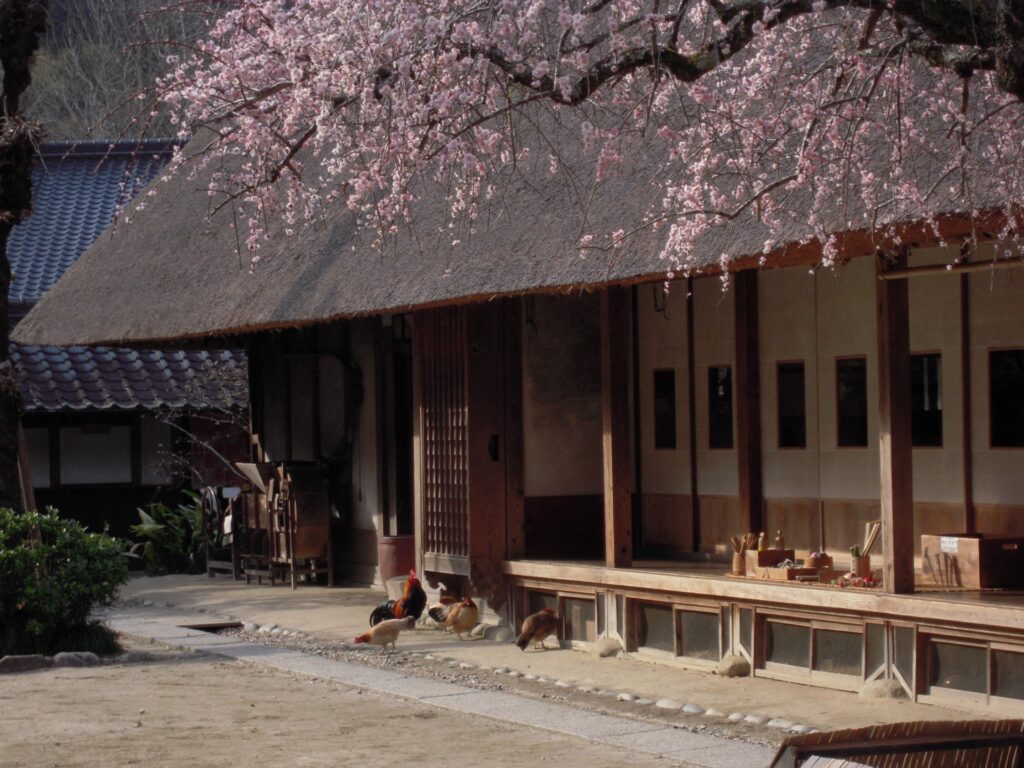
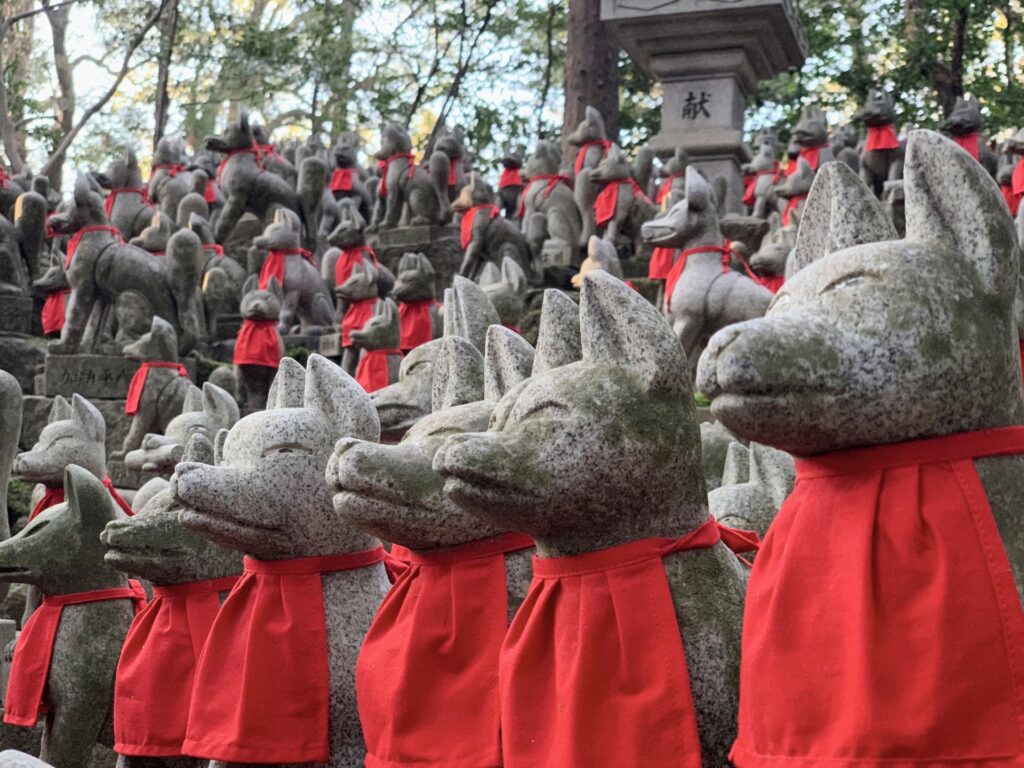
Recommended Tour: Snow Monkey Resort's 1-Day Tour from Nagoya: Korankei Gorge & Fox Shrines—A Photographer's Paradise is not only a photographer’s dream, taking you to some of Nagoya’s most photogenic spots, but also offers a perfect blend of nature, culture, and timeless beauty.
Travel to the iconic Toyokawa Inari Shrine and capture the serene beauty of its one thousand stone foxes. Marvel at the natural beauty of Korankei Gorge, one of Japan’s top spots for autumn foliage, where the vibrant colors of over 4,000 maple trees reflect off the tranquil waters. Explore Sanshu Asuke Yashiki Village, a picturesque open-air museum, where rural charms and traditional crafts await.
Frequently Asked Questions
What is Hatcho Miso?
Hatcho Miso is a traditional soybean miso that has been produced in the Hatcho district of Okazaki, Aichi Prefecture, for centuries. Unlike most miso varieties in Japan, which use rice or barley koji, Hatcho Miso is made primarily from soybeans, salt, water, and soybean koji. It is known for its dark reddish-brown color, rich umami flavor, and long natural fermentation process, which typically lasts around two years.
How is Hatcho Miso Different from Regular Miso?
Most miso consumed in Japan is rice miso (kome miso), which is made by fermenting soybeans with rice koji. Hatcho Miso belongs to a different category known as soybean miso (mame miso), which uses only soybeans and salt.
As a result, Hatcho Miso has a much deeper, more concentrated flavor than many other miso varieties. It is less sweet, richer in umami, and develops complex notes of acidity, bitterness, and earthiness during its extended aging period. It is also more heat-resistant than rice and barley misos, making it ideal for simmered dishes and long-cooked recipes.
Where is Hatcho Miso Made?
Authentic Hatcho Miso is produced in the Hatcho district of Okazaki City in Aichi Prefecture, central Japan. The name "Hatcho" refers to the area's location approximately eight cho (about 870 meters) west of Okazaki Castle.
Today, the two historic breweries most closely associated with Hatcho Miso—Maruya Hatcho Miso and Kakukyu Hatcho Miso—continue to operate in the same district where the tradition began hundreds of years ago.
Red Miso (mame miso) in general is a staple of the Tokai Region of Central Japan, particularly Gifu, Aichi, and Mie Prefectures.
Can Visitors Tour Hatcho Miso Breweries?
Yes. Both of Okazaki's historic Hatcho Miso breweries welcome visitors and offer opportunities to learn about traditional miso production.
Visitors can see the enormous wooden fermentation barrels, some of which are more than a century old, and view the iconic three-ton stone pyramids used during fermentation. Many tours also include explanations of the brewing process and opportunities to sample miso products.
For travelers interested in Japanese food culture, fermentation, or regional cuisine, a brewery visit is one of the most unique experiences available in the Nagoya area.
What Dishes Use Hatcho Miso?
Hatcho Miso is a key ingredient in many of Nagoya's most famous dishes, including:
- Miso Katsu – Breaded pork cutlet served with a rich miso sauce
- Misonikomi Udon – Thick udon noodles simmered in a Hatcho Miso broth
- Doteni – Beef tendon slowly stewed in miso
- Miso Oden – Tofu, vegetables, and other ingredients simmered in a miso-based sauce
- Miso Soup – Particularly in the Tokai region, where soybean miso is commonly used
Its strong flavor and ability to withstand long cooking times make it especially popular in simmered and slow-cooked dishes.
Is Okazaki Worth Visiting from Nagoya?
Absolutely. Okazaki is located approximately 30 minutes from Nagoya.
In addition to visiting the historic Hatcho Miso breweries, travelers can explore other nearby destinations including Toyokawa Inari, or Korankei Gorge.