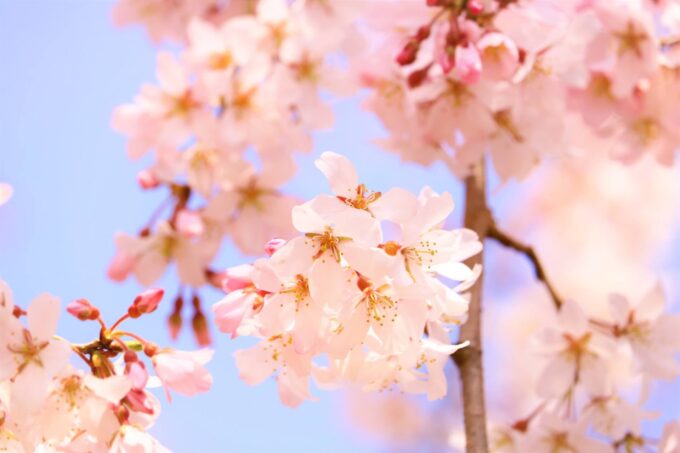
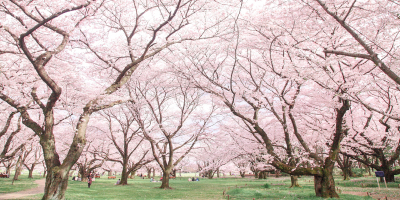



Cherry blossoms get most of the attention in spring. However, around Nagoya, there are many other flowers worth planning your trip around.
From plum groves in late winter to wisteria tunnels and iris gardens in Golden Week, these spots offer clear alternatives with fewer crowds and longer viewing windows.
Plum Blossoms at Nagoya Agricultural Center dela Farm
- Best time: Late February to mid-March
- Entry: Free
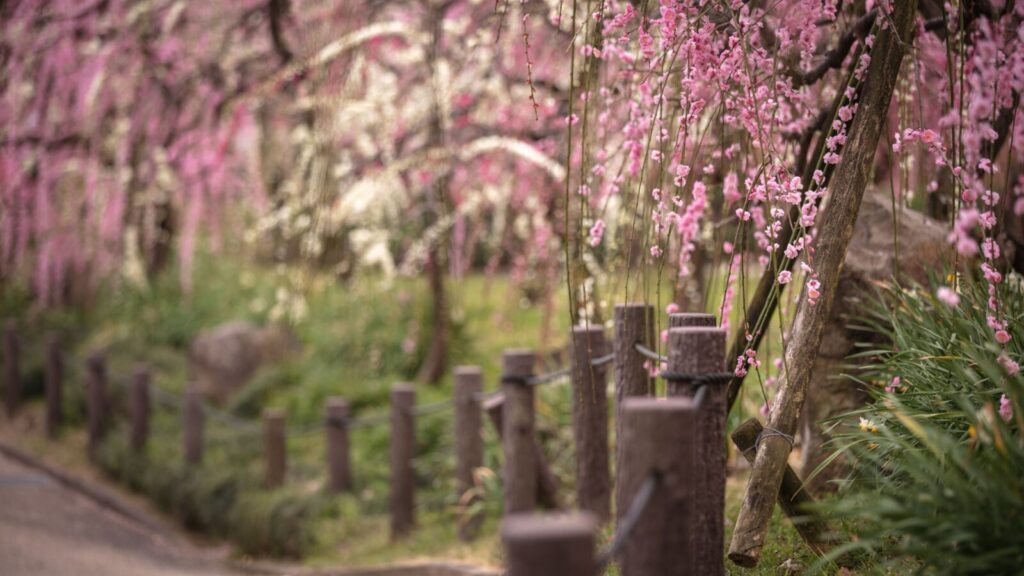
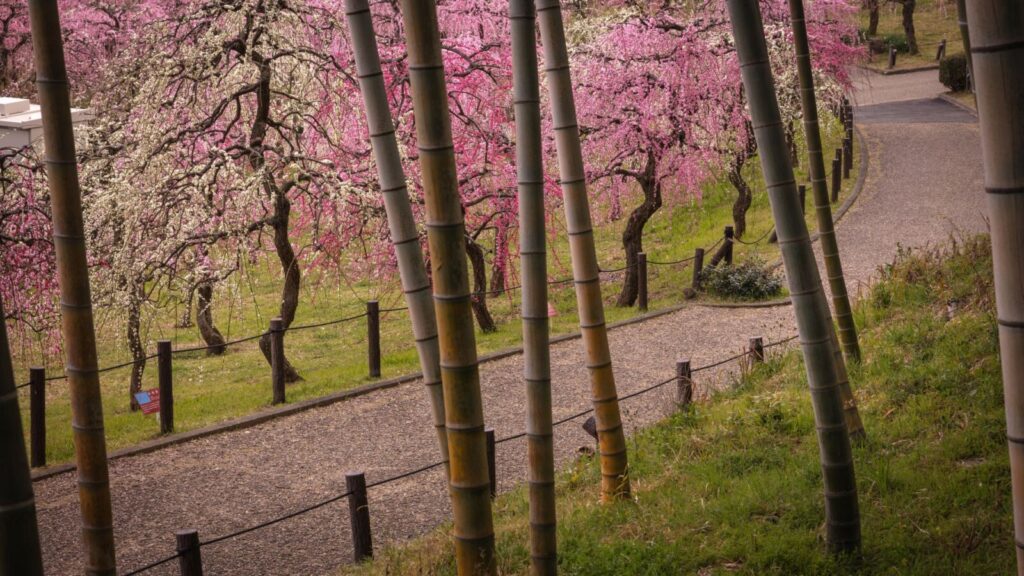
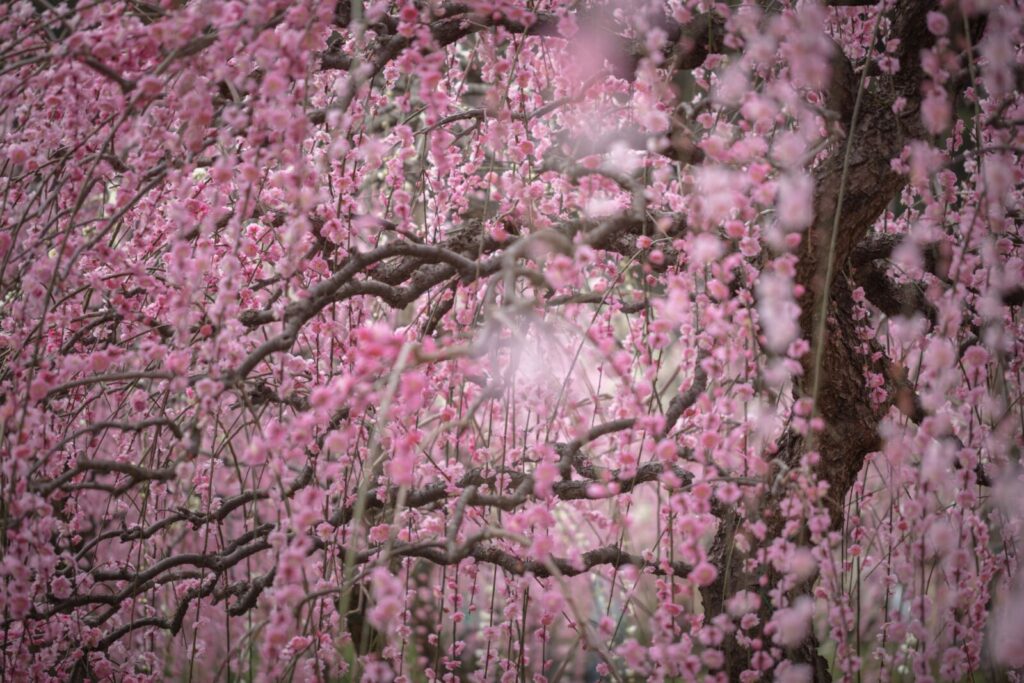
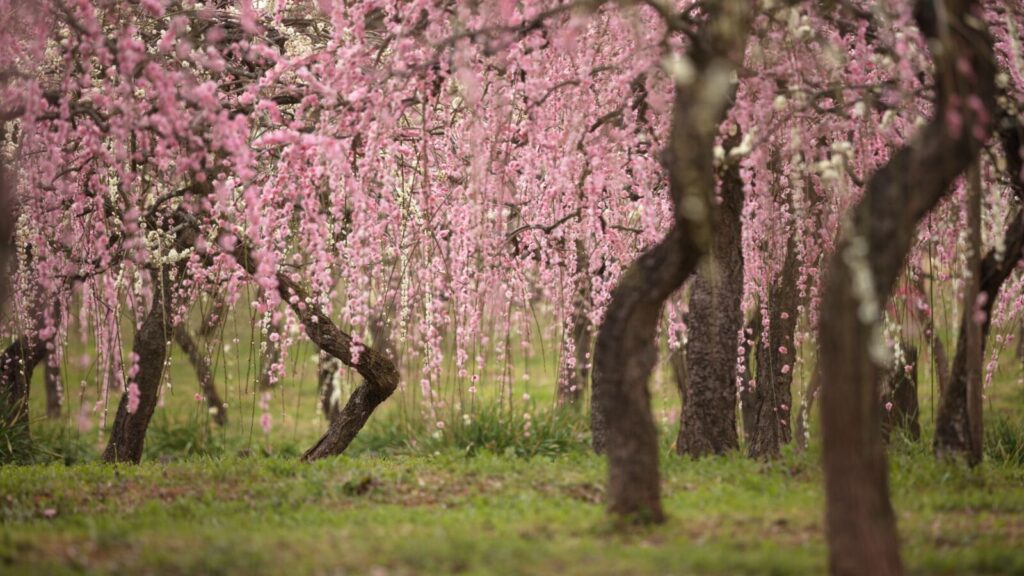
If you arrive before cherry blossom season, this is the most reliable flower spot near Nagoya. The Nagoya Agricultural Center grows around 700 weeping plum trees (shidare-ume) across gently sloping grounds, with 12 varieties in both deep red and white. These trees bloom at slightly different times, which extends the viewing period.
The site opened in 1965 to promote urban agriculture and still functions as an educational farm. You can also see working facilities, livestock areas, and demonstration fields alongside the flower displays.
What to expect:
- Wide, open viewing areas with fewer crowds than cherry blossom spots
- Early spring color when most trees are still bare
Other things to do nearby:
- Try fresh milk and soft-serve ice cream made on-site
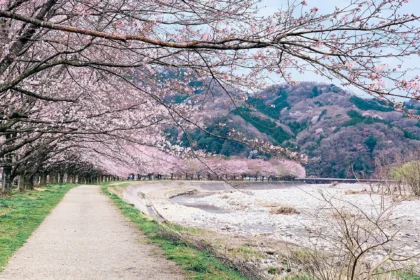
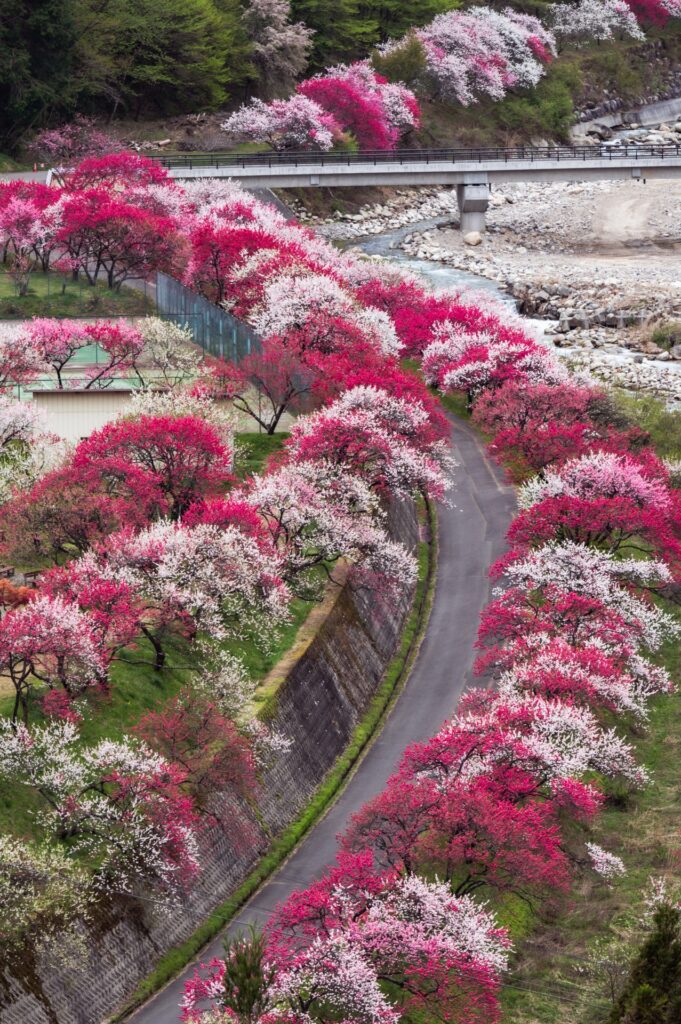
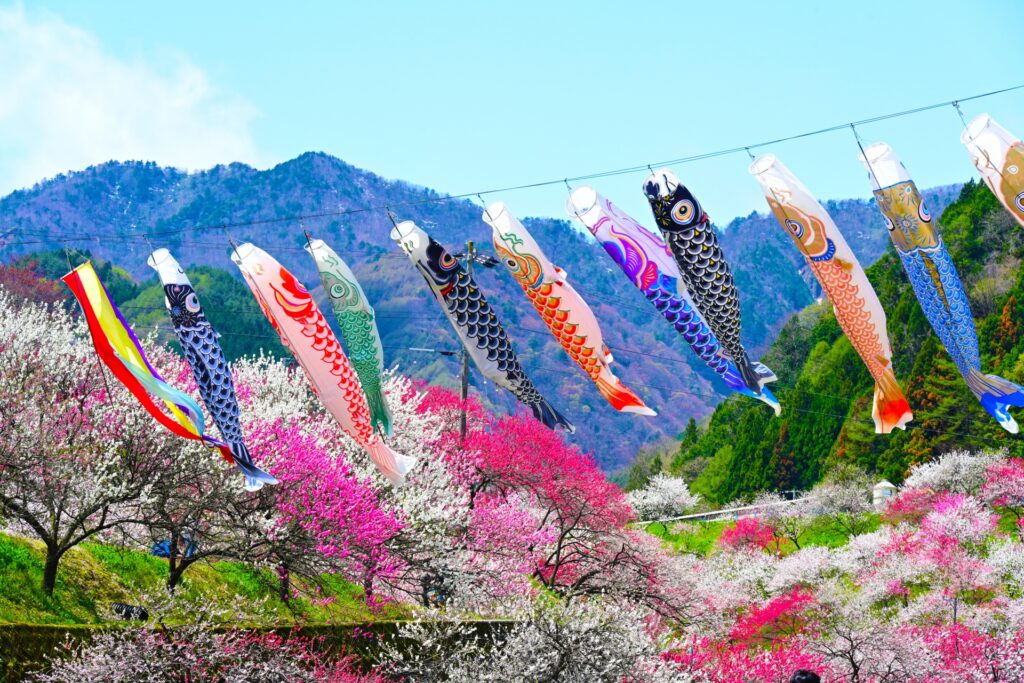
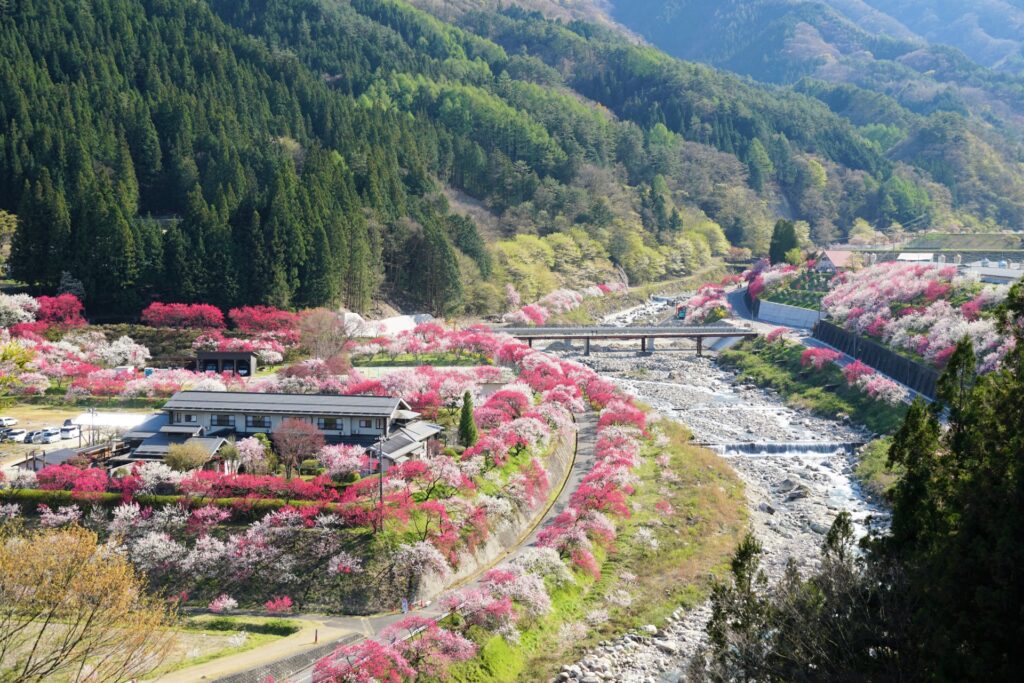
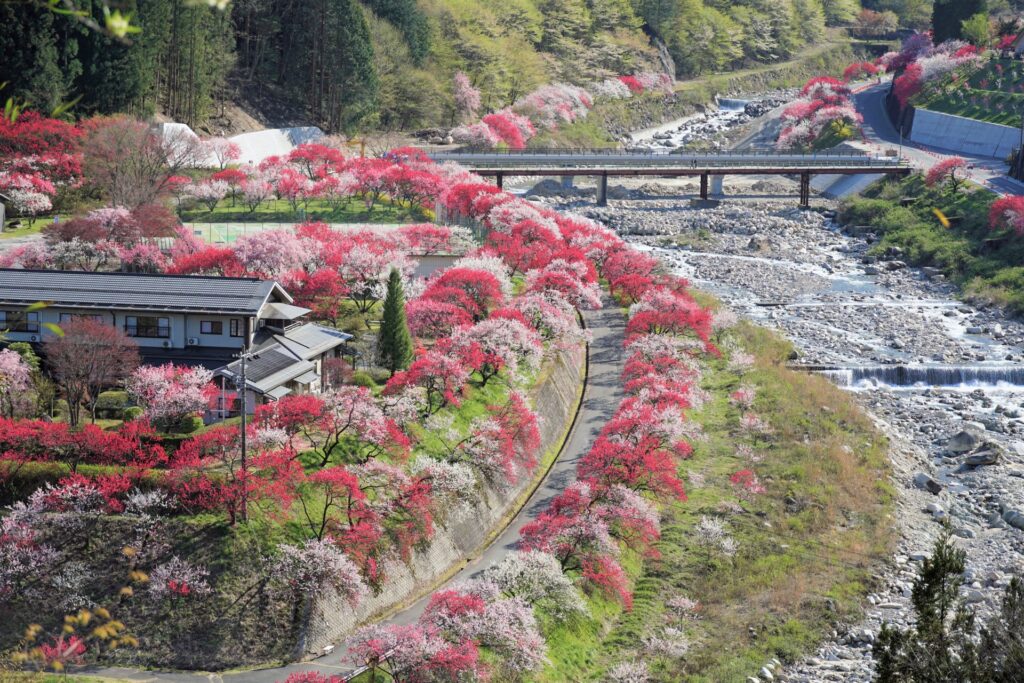
Peach Blossoms "Hanamomo" at Hirugami Onsen
- Best time: Late April to early May
- Entry: Free
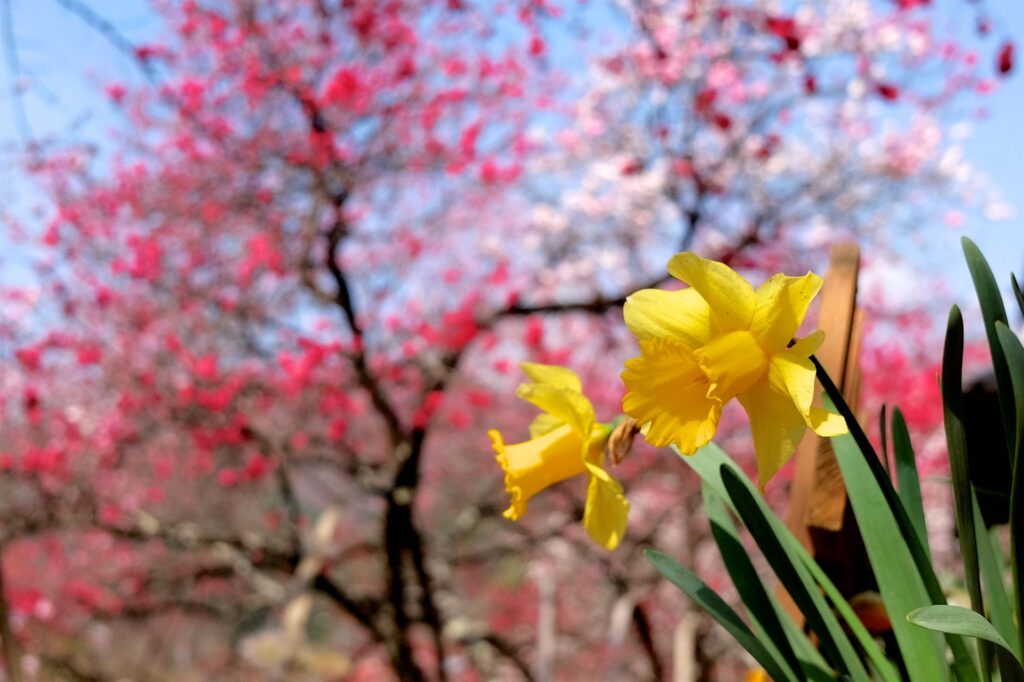
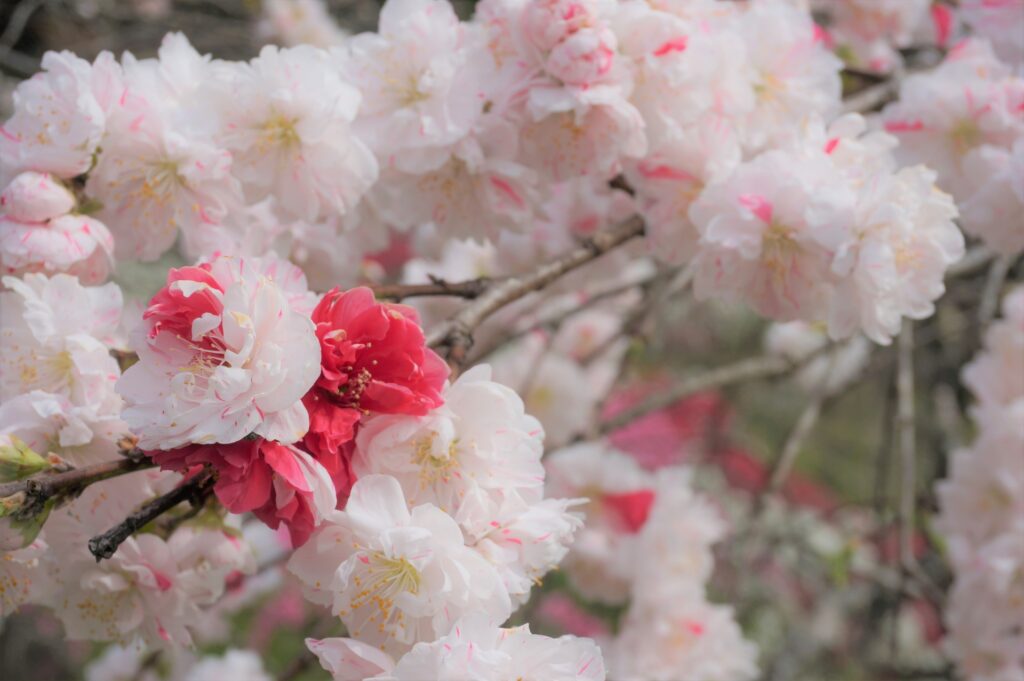
Each spring, thousands of peach trees bloom throughout the Kiso Valley in shades of red, white, and pink, creating one of the largest and most concentrated displays of peach blossoms (hanamomo) in the country.
What to expect:
- Thousands of peach blossom trees scattered throughout the valley, with many lining the river the cuts through Hirugami Onsen.
- A 40 kilometers stretch along National Route 256 lined with peach blossoms.
- A small onsen village with a variety of accommodations and the best night sky in Japan
Other things to do nearby:
- Hike the Nakasendo Trail
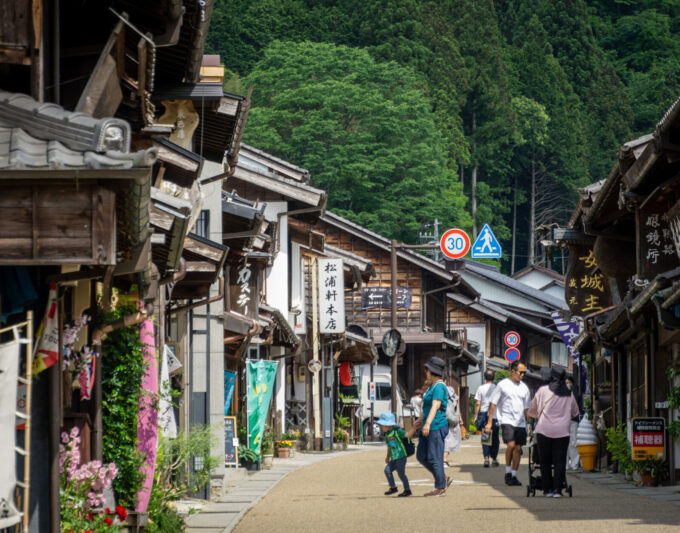
- Explore historic post towns like Magome and Tsumago
Tulips at Bokka no Sato
- Best time: Late April to early May
- Entry:
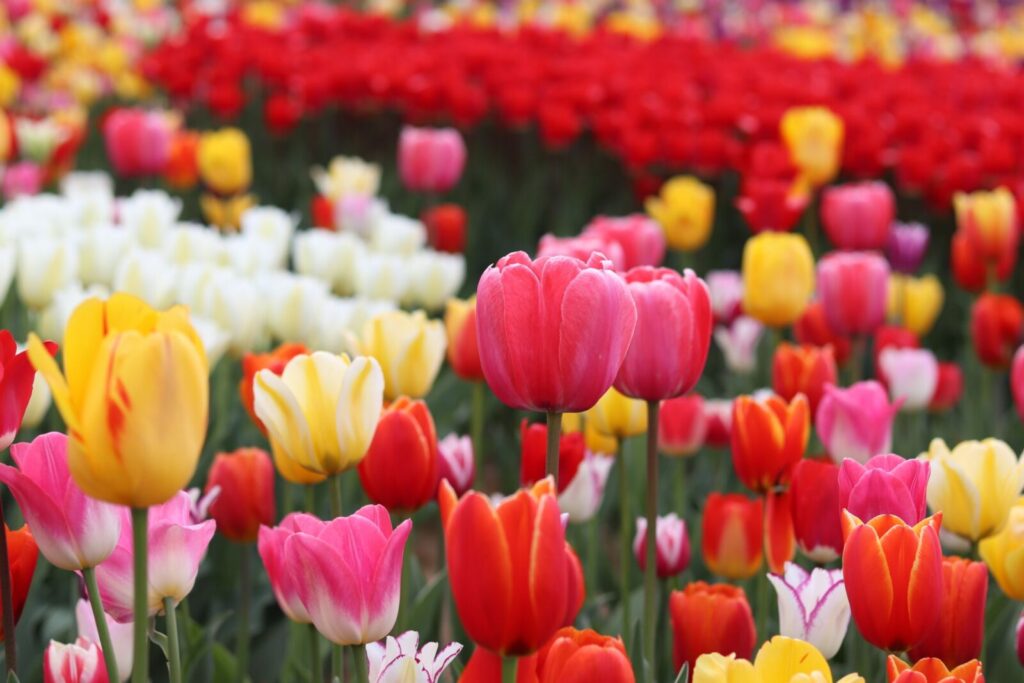
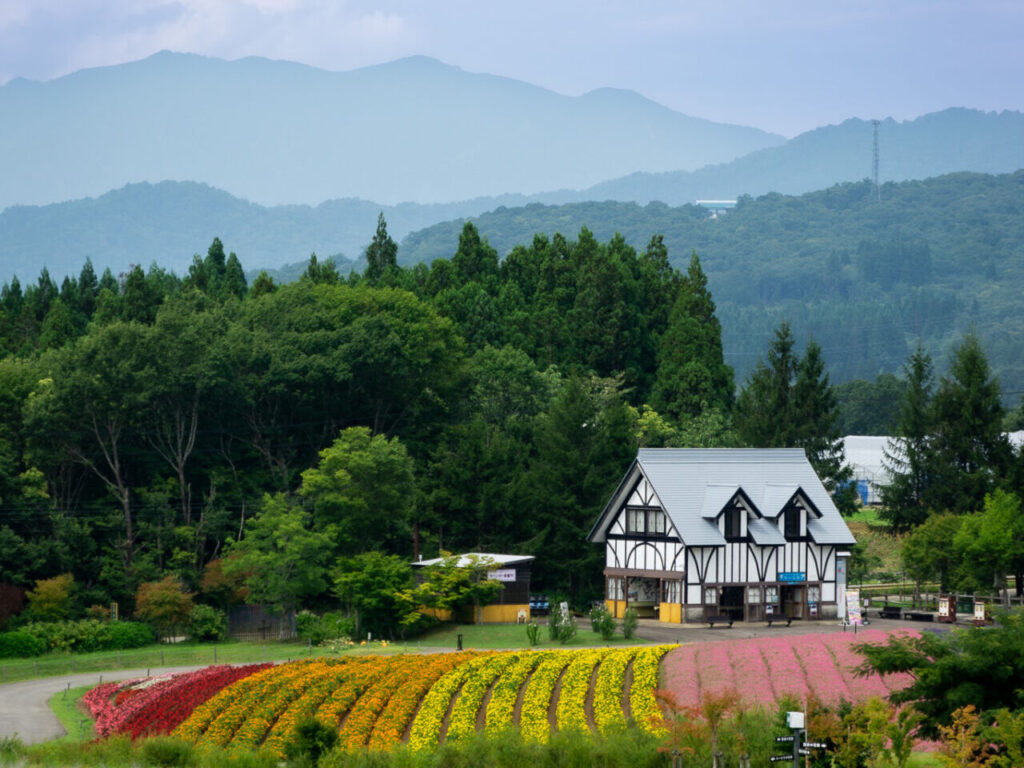
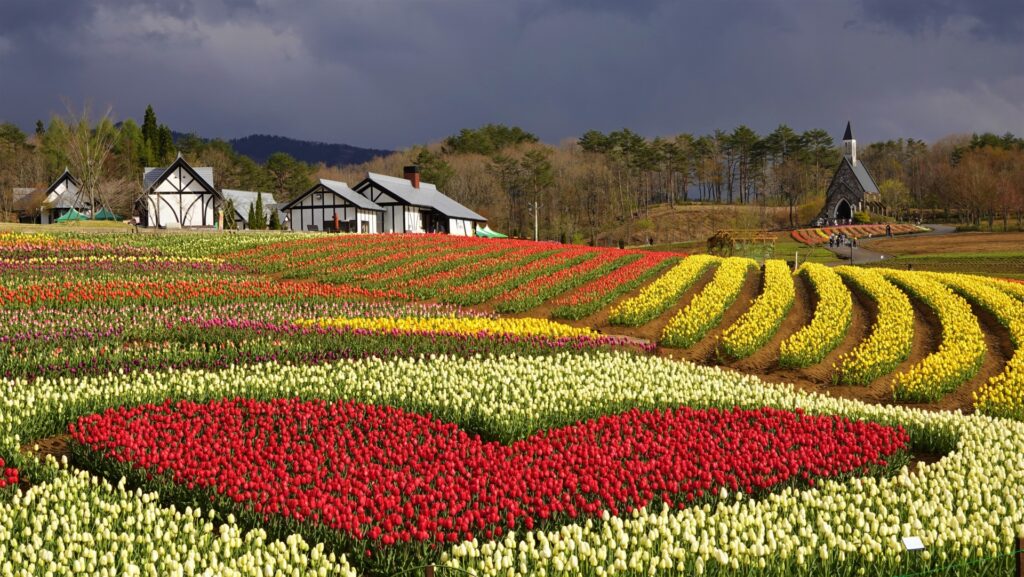
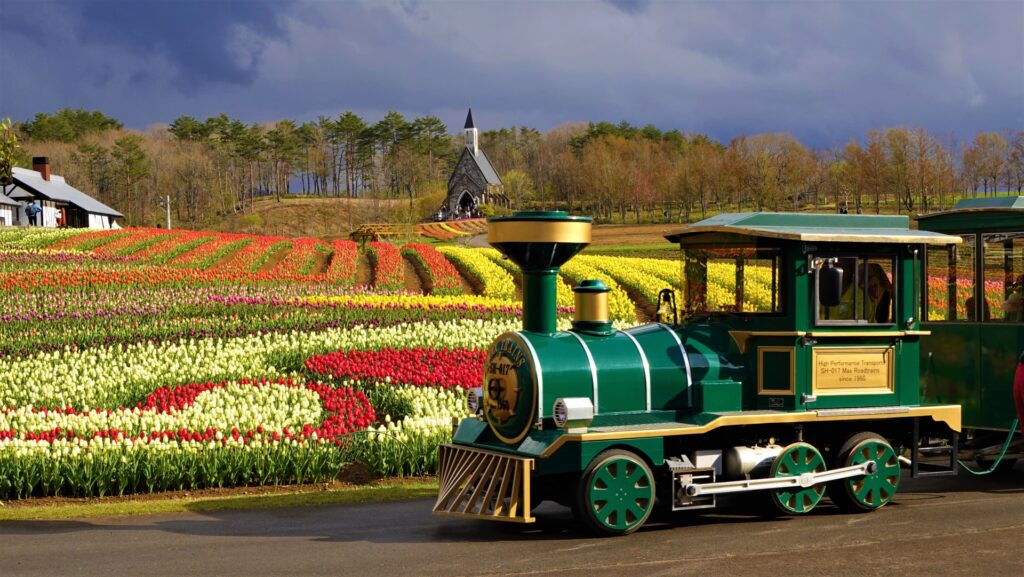
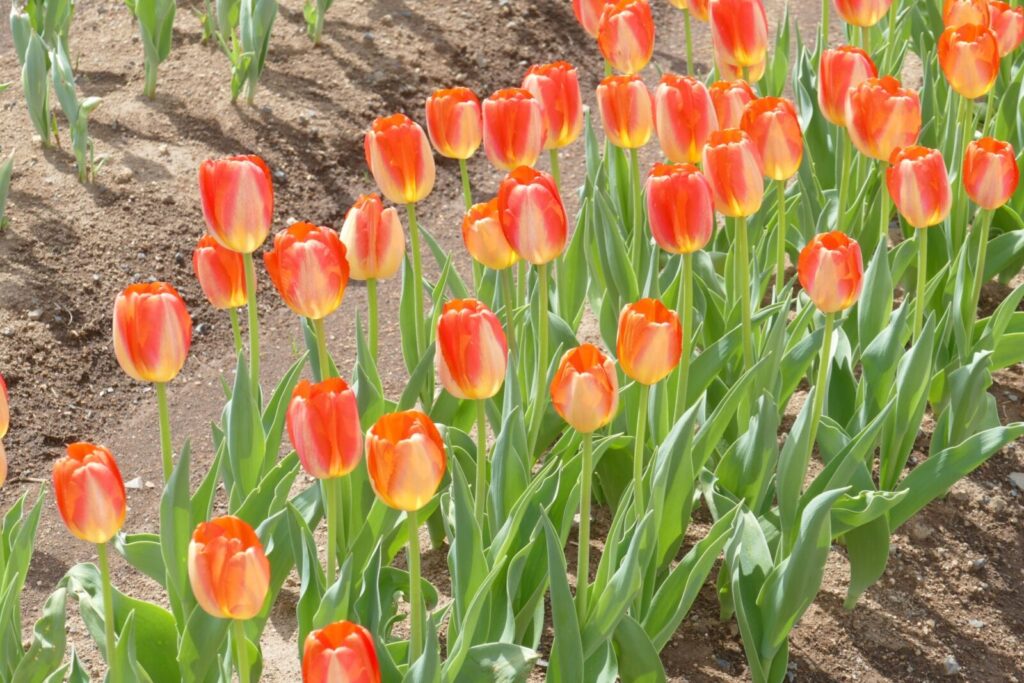
This farm in the Hirugano Highlands boasts one of the most impressive tulip displays in the region. Due to the higher altitude, the tulips typically peak around Golden Week, making it an excellent destination for those who missed the earlier blooms around Nagoya.
The flower garden area of the farm is approximately 4.5 hecters and includes many other flowers such as poppies, nemophila, and lavender, making it an excellent destination for flower lovers throughout the green season.
What to expect:
- Farm animals including cows, llama, horses, sheep, and more.
- Fresh ice cream and dairy products produced from local cows.
- Optional workshops and craft activites.
Other things to do nearby:
- Continue your exploration of the Japanese Northern Alps to Kamikochi
- Explore nearby Shirakawago and Takayama
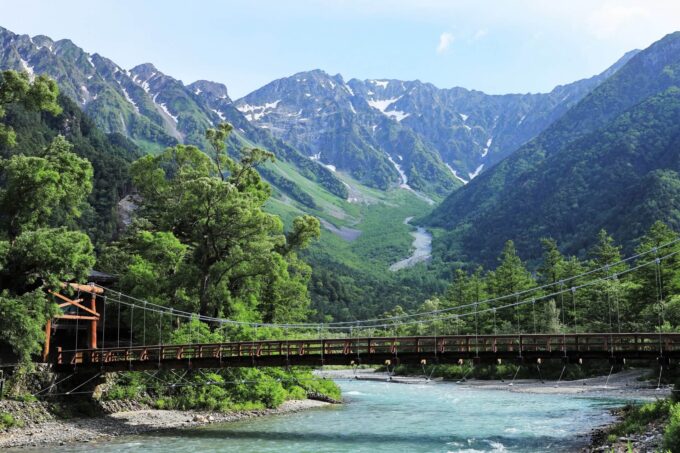
Recommended Tour: Escape the city for a day and immerse yourself in the natural splendor of the Japan Alps on Snow Monkey Resort's 1-Day Tour from Nagoya: Kamikochi – Enchanting Landscapes & Seasonal Beauty.
This tour takes you to a vibrant flower park, a charming mountain farm, and the iconic Kamikochi region of the Chubu Sangaku National Park. Hike the well-maintained trails to Kappa-bashi and capture stunning views of the surrounding mountains.
Wisteria Corridor at Meijo Park
- Best time: Late April to early May
- Entry: Free
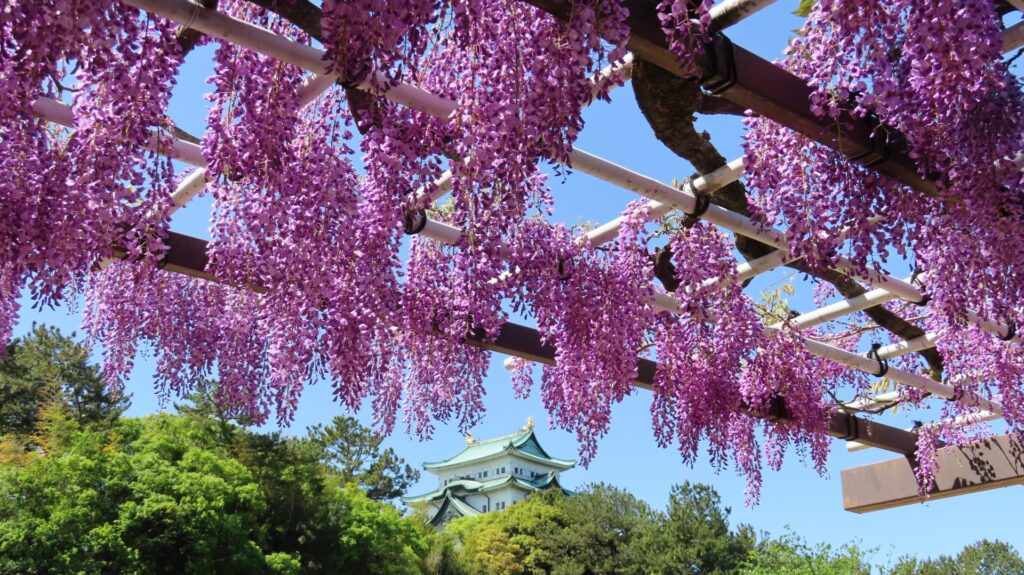
This is the easiest wisteria spot to access within central Nagoya. The 660-meter corridor connects directly to the grounds of Nagoya Castle, with around 85 trees forming a continuous canopy.
Wisteria hangs over walking paths framed by the castle’s stone walls, moats, and historic watch towers, making it a beautiful location for photography.
What to expect:
- A long, linear walking route under consistent wisteria coverage
- Views combining flowers with historic architecture
- Open lawns and water features in the surrounding park
Other things to do nearby:
- Visit Nagoya Castle and its reconstructed Honmaru Palace
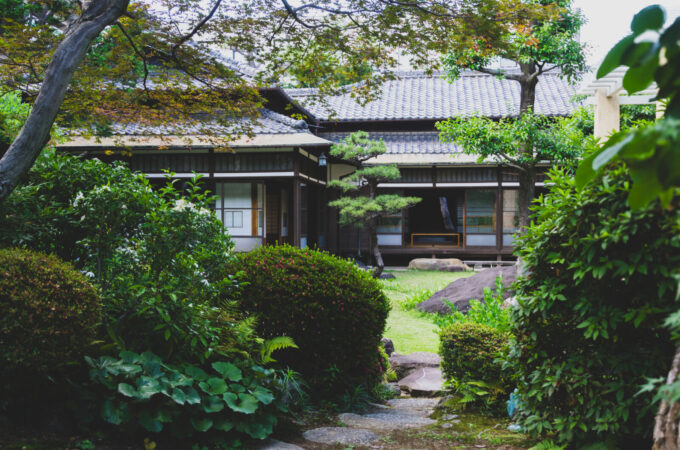
Recommended Tour: Snow Monkey Resort's 1-Day Guided Garden Walk through Nagoya's Castle, Gardens, and Historic Estates will take you into several historical estates and private gardens of Nagoya's titans of industry. Marvel at the gilded artwork and golden screens in Honmaru Palace and sip tea while gazing at a garden designed for a daimyo as you are led by an experienced, English-speaking guide through Nagoya on this full-day tour.
Historic Wisteria at Okazaki Park
- Best time: Late April to early May
- Entry: Free
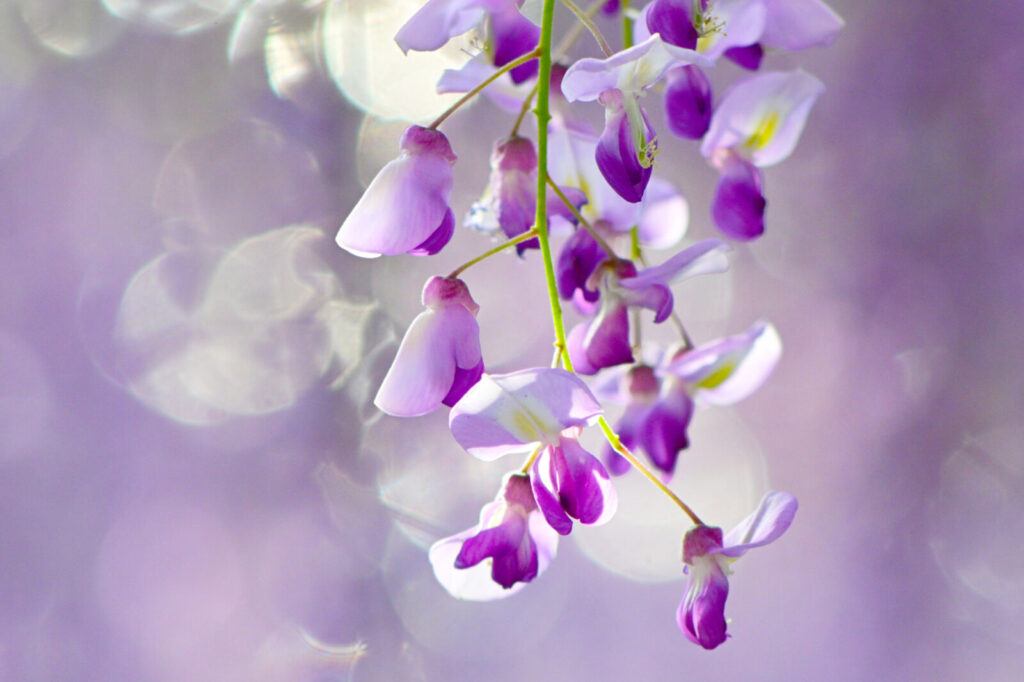
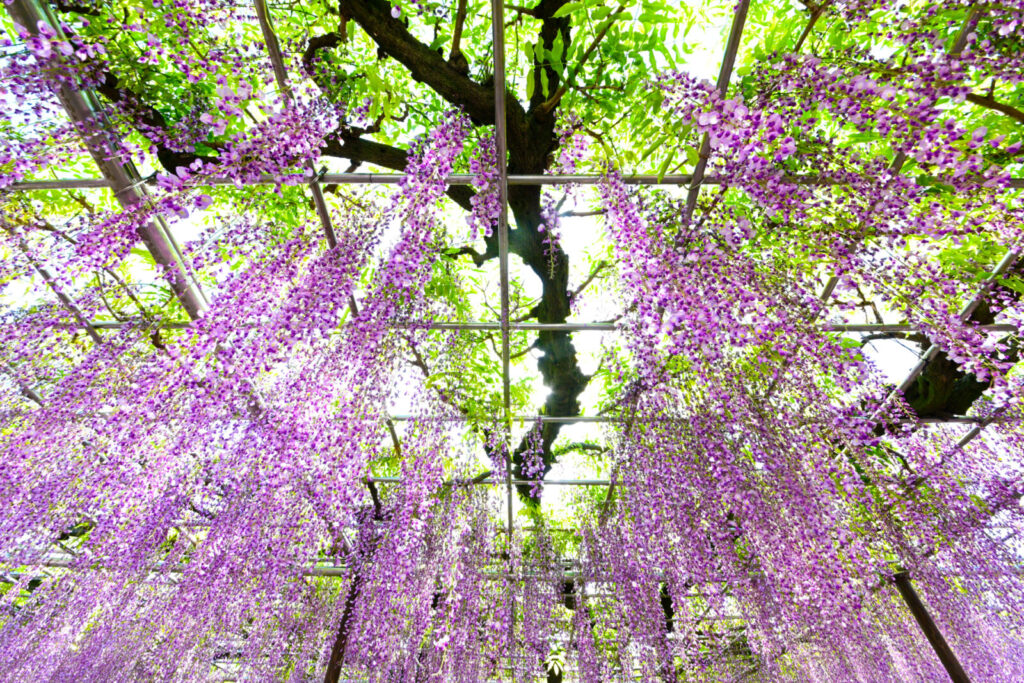
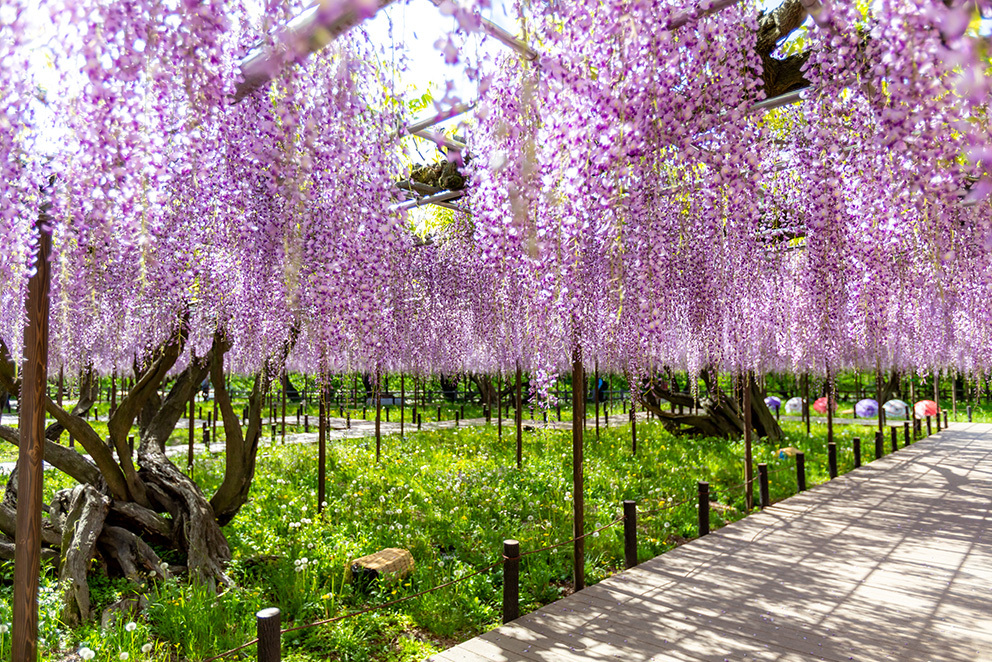
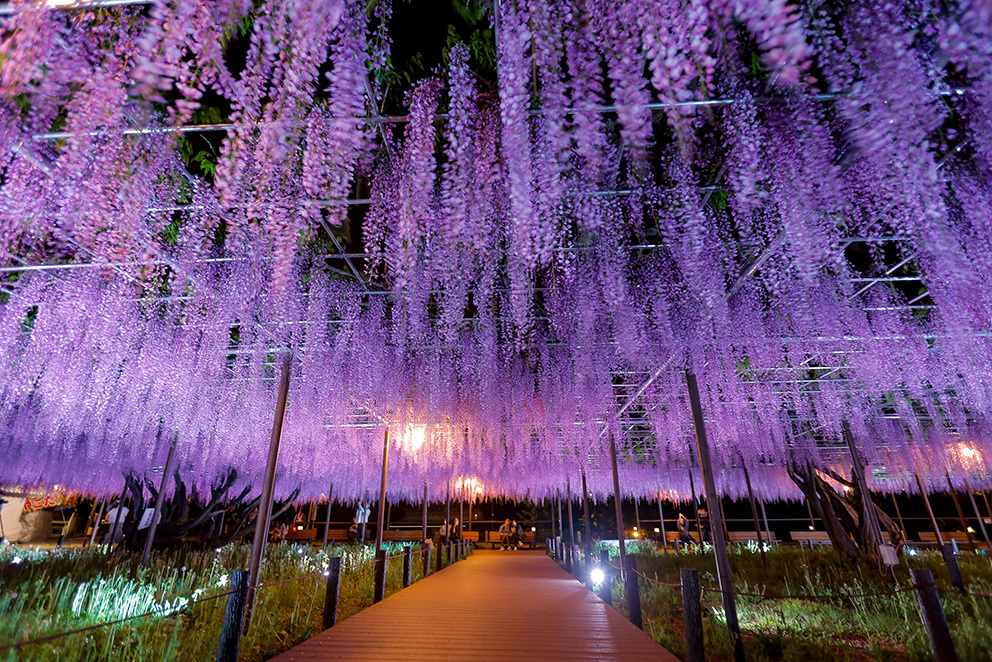
Okazaki Park is known for its wisteria called “Gomangoku Fuji”. The single wisteria vine sprouts flowers covering over 1,300 square meters. The vine has been designated as a cultural property for its impressive size.
What to expect:
- Thick clusters of deep purple wisteria
- Evening illumination during the festival period
- A slightly more traditional festival atmosphere with food stalls
Other things to do nearby:
- Visit Okazaki Castle, birthplace of Tokugawa Ieyasu
- Explore the Mikawa Bushi Ieyasu Museum
- Taste Hacho Miso made in Okazaki
Recommended Tour: Snow Monkey Resort's 1-Day Tour from Nagoya: Korankei Gorge & Fox Shrines—A Photographer's Paradise is not only a photographer’s dream, taking you to some of Nagoya’s most photogenic spots, but also offers a perfect blend of nature, culture, and timeless beauty.
Travel to the iconic Toyokawa Inari Shrine and capture the serene beauty of its one thousand stone foxes. Marvel at the natural beauty of Korankei Gorge, one of Japan’s top spots for autumn foliage, where the vibrant colors of over 4,000 maple trees reflect off the tranquil waters. Explore Sanshu Asuke Yashiki Village, a picturesque open-air museum, where rural charms and traditional crafts await.

Moss Phlox at Chausuyama Plateau
- Best time: Spring (festival period varies slightly each year)
- Highlight: Wide mountain views
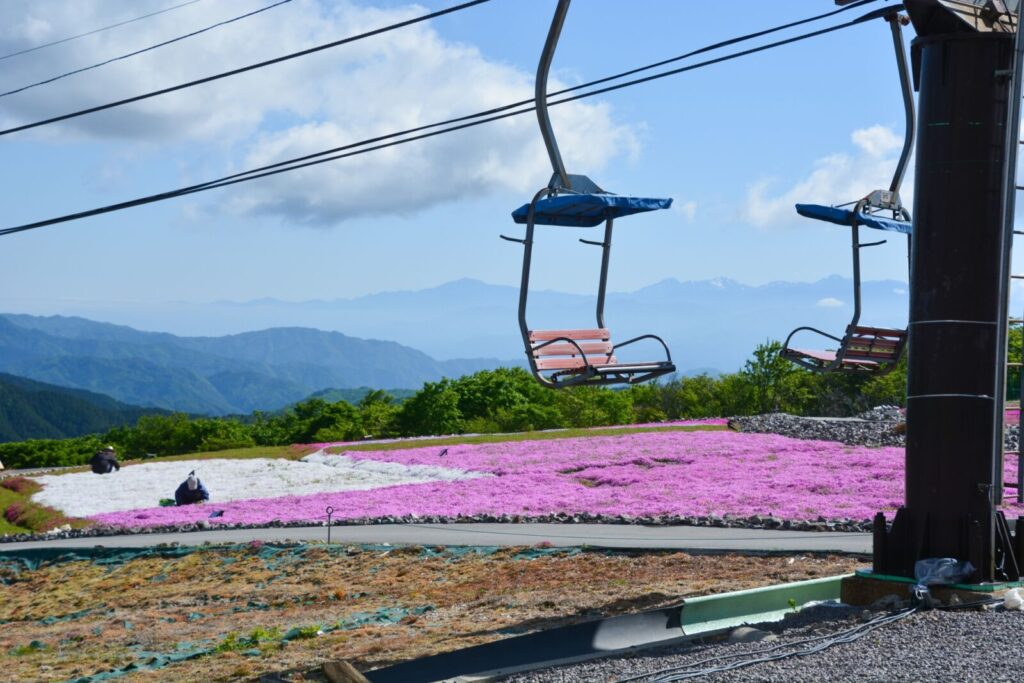
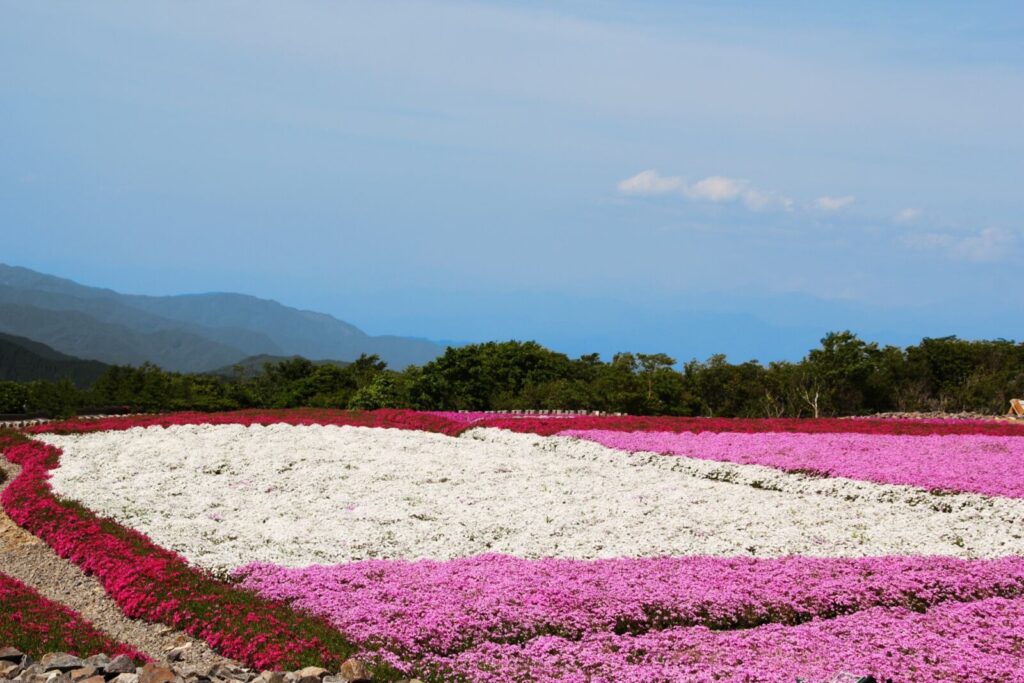
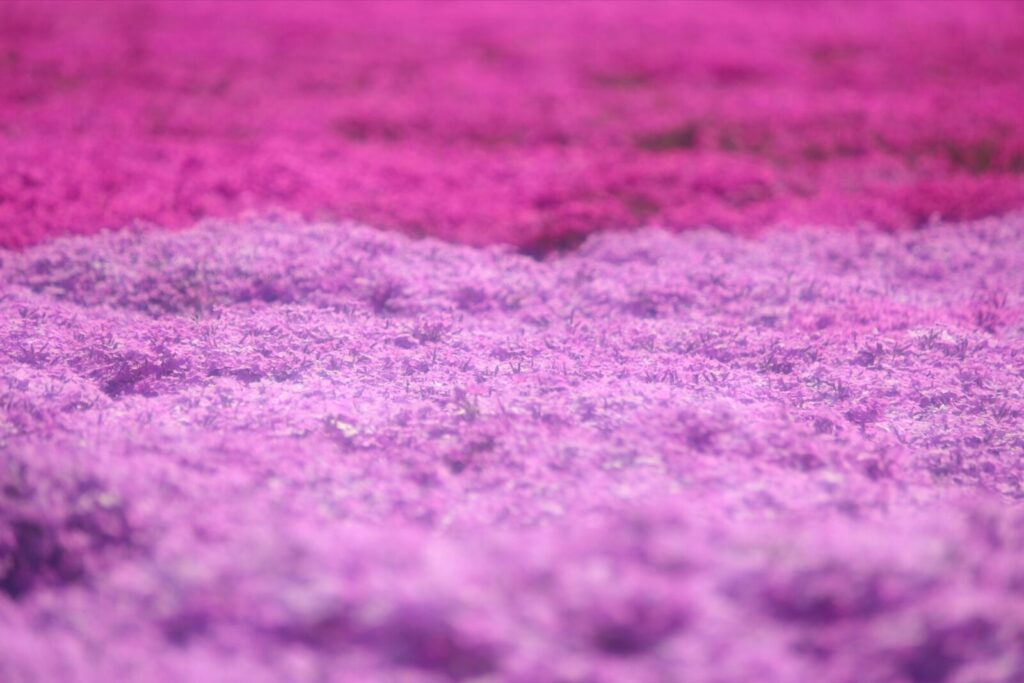
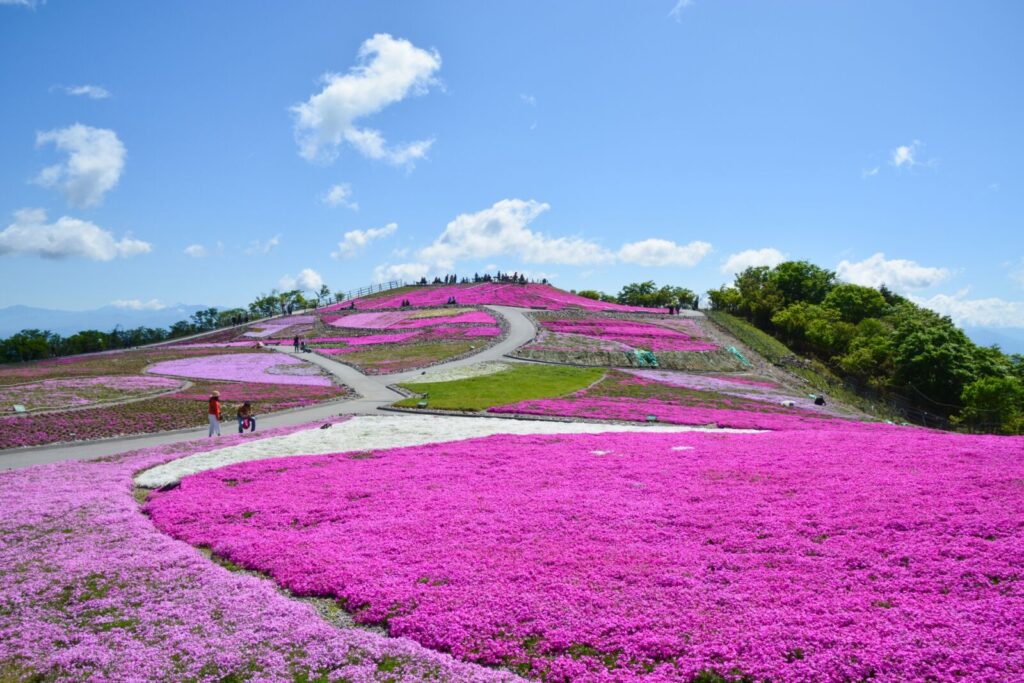
At 1,415 meters, this is the highest point in Aichi Prefecture. Near the summit of Mt. Hagitaro, moss phlox (shibazakura) spreads across the hillside in dense pink and white patches.
As the location is a mountaintop, the views from the flower park are stunning, with clear views toward the Southern Alps.
What to expect:
- Large flower fields forming a "flower carpet"
- Cooler temperatures than Nagoya city
- Clear skies and strong contrast between flowers and landscape
Other things to do nearby:
- Hike around the plateau and nearby trails
- Visit in the evening for illumination during the festival
- Try local food stalls selling regional specialties
Iris at Yatsuhashi Water Iris Garden
- Best time: Late April to mid-May
- Entry: Event-dependent
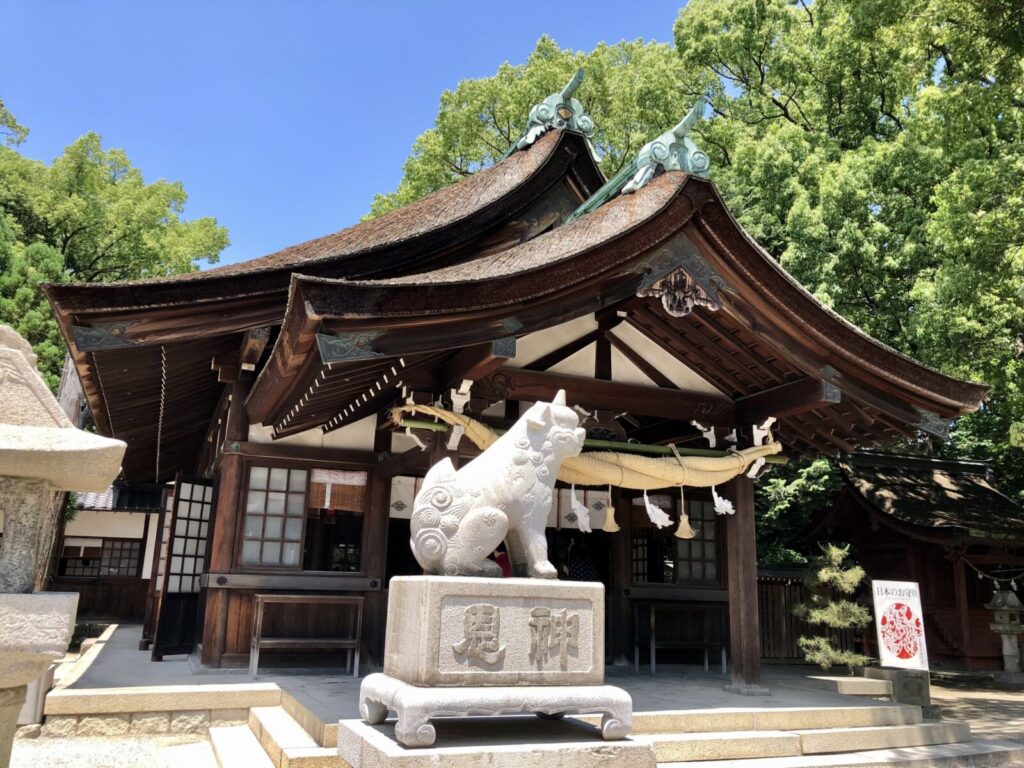
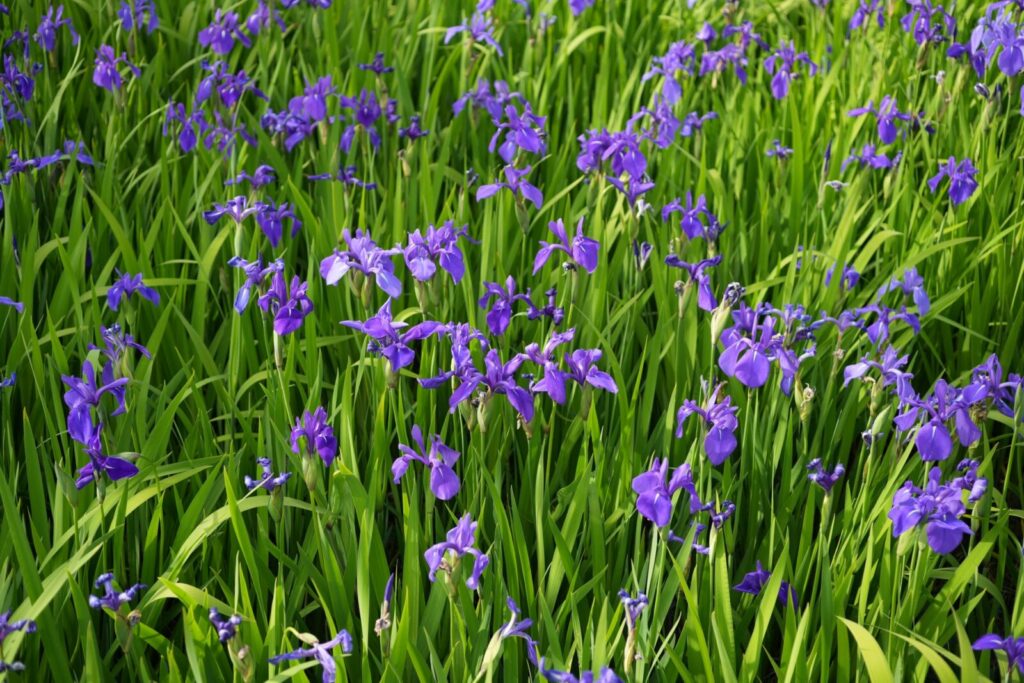
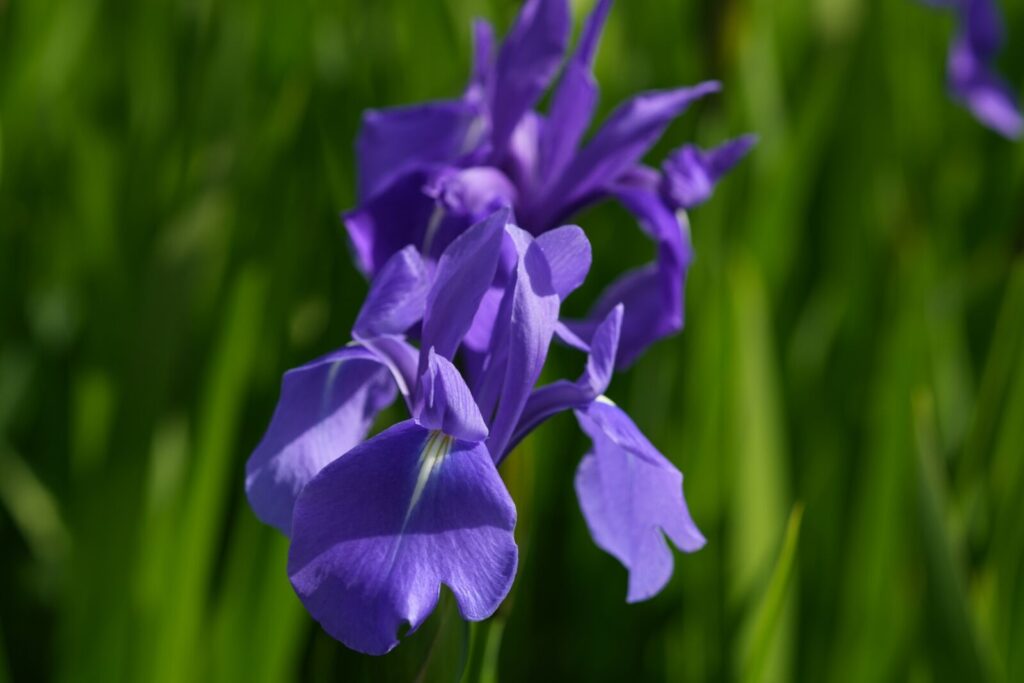
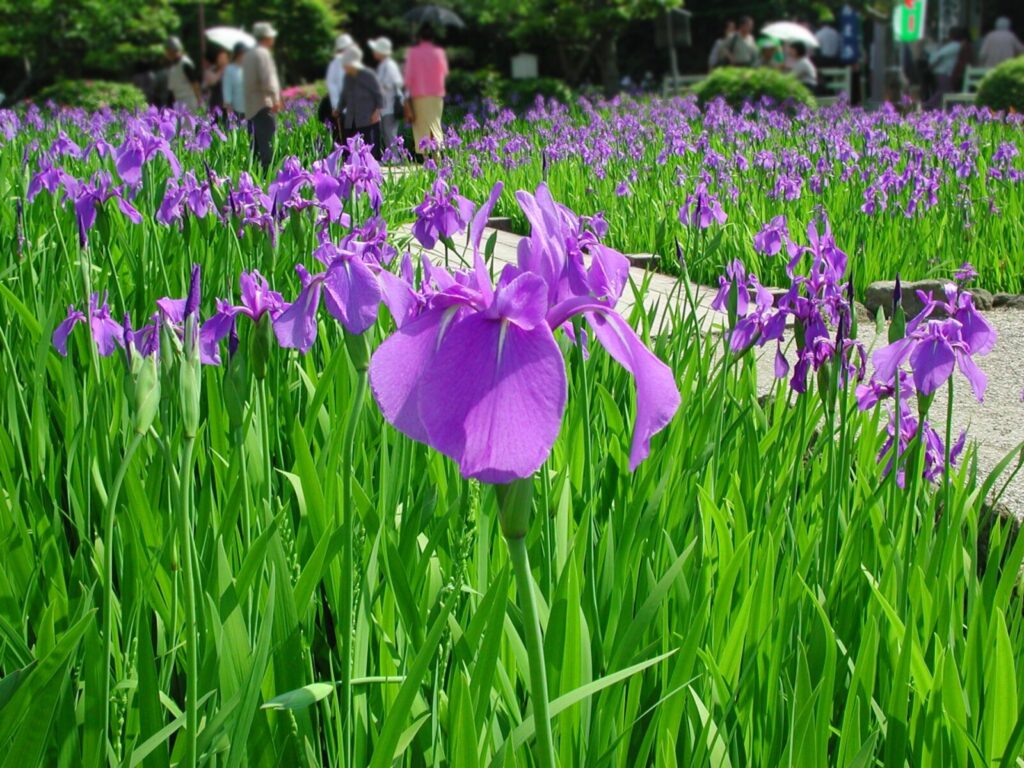
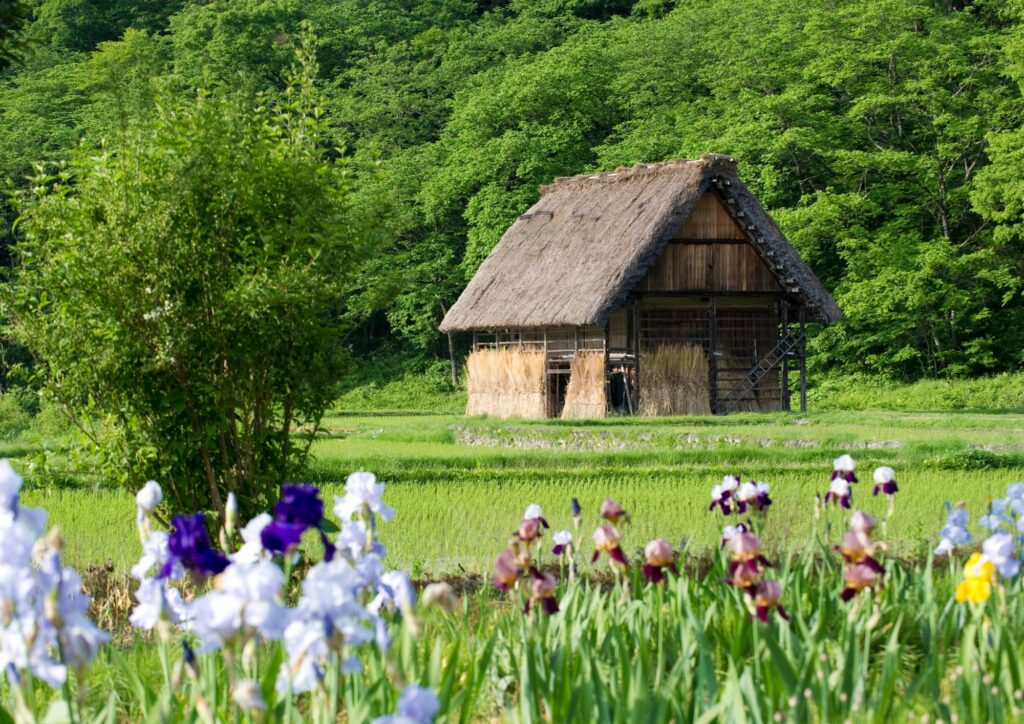
This is one of Aichi’s most established flower festivals, running for over 70 years. The garden spans more than 11,000 square meters with 16 ponds filled with kakitsubata (water irises), the official flower of Aichi Prefecture.
The site is also tied to classical Japanese literature. A poem by Ariwara no Narihira in The Tales of Ise references these irises, giving the location cultural significance beyond the flowers.
What to expect:
- Clear ponds with densely blooming irises
- Peak bloom around Golden Week
- Evening illumination reflecting off the water
Other things to do nearby:
- Visit Muryojuji Temple for festival events
- Attend tea ceremonies held during the festival period
When to See Spring Flowers Around Nagoya
- Late February – March: Plum blossoms (Nagoya Agricultural Center)
- Late April – Early May: Hirugami Onsen
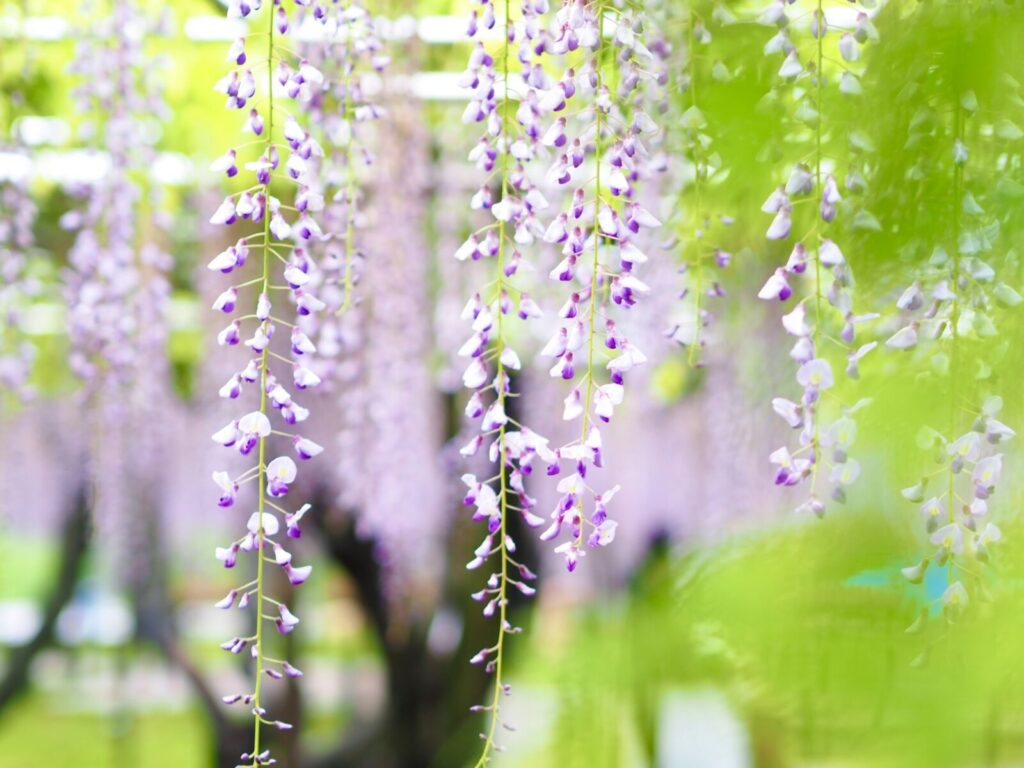
- Late April – Early May: Wisteria (Tsushima, Meijo Park, Okazaki)
- Late April – Mid May: Iris (Yatsuhashi)
- Spring overall: Wildflowers (Bluebonnet), moss phlox (Chausuyama)
If your schedule is flexible, we recommend aiming for late April. You can combine multiple flower types including wisteria, early irises, and spring wildflowers in one trip. If you arrive earlier, plum blossoms offer a quieter alternative to cherry blossom crowds.