










Designated collectively as Japan Heritage Sites in 2017, the Six Ancient Kilns of Japan (六古窯, Rokkoyō) represent the most historically significant and enduring ceramic towns in the country.
The term refers to six pottery-producing regions that have maintained continuous production from the medieval period to the present day. Together, they form the backbone of Japanese pottery history, with each region developing distinct materials, kiln technologies, forms, and firing philosophies.
While stylistic evolution and modernization have occurred over the centuries, the foundational techniques, clay compositions, and aesthetics of these kilns remain rooted in regional identity and centuries-old craftsmanship.
Shigaraki – Shiga Prefecture

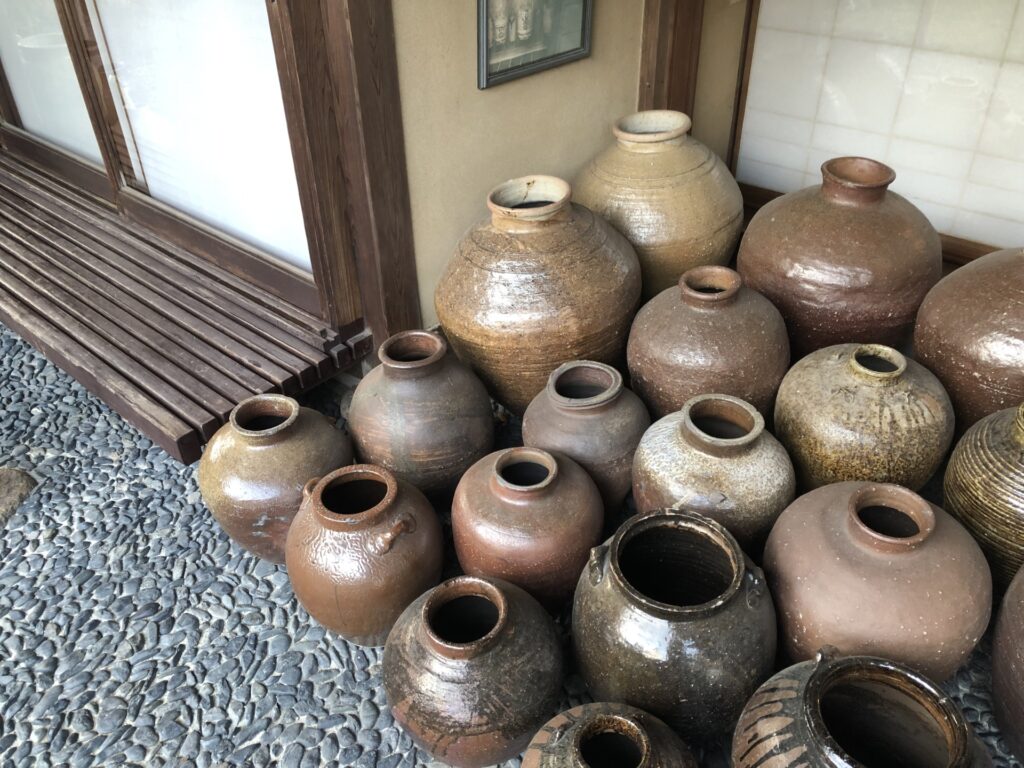
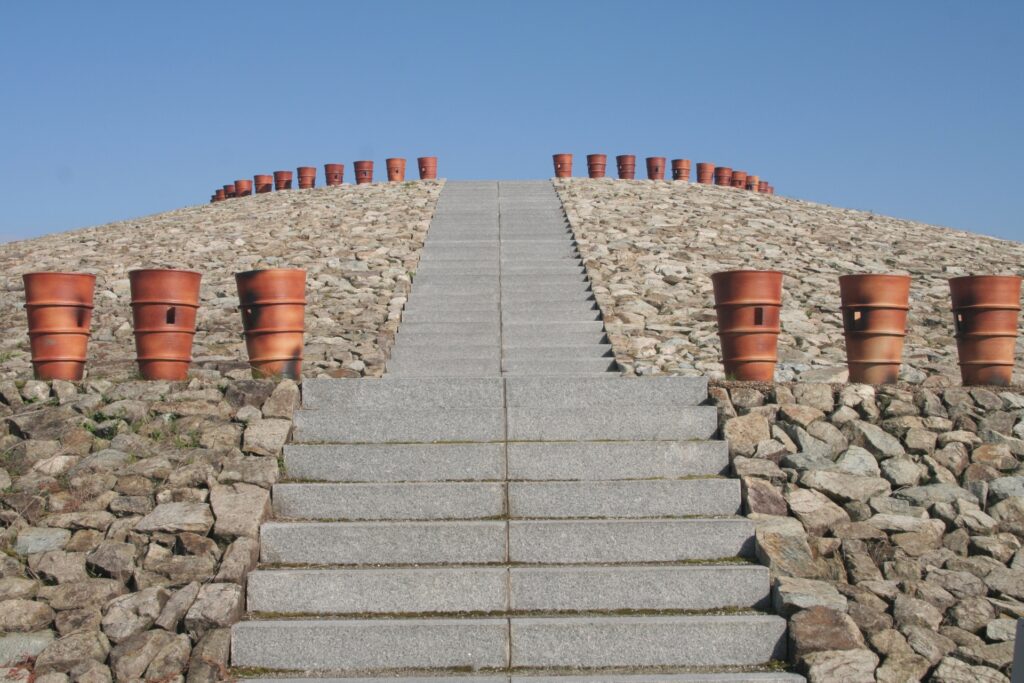
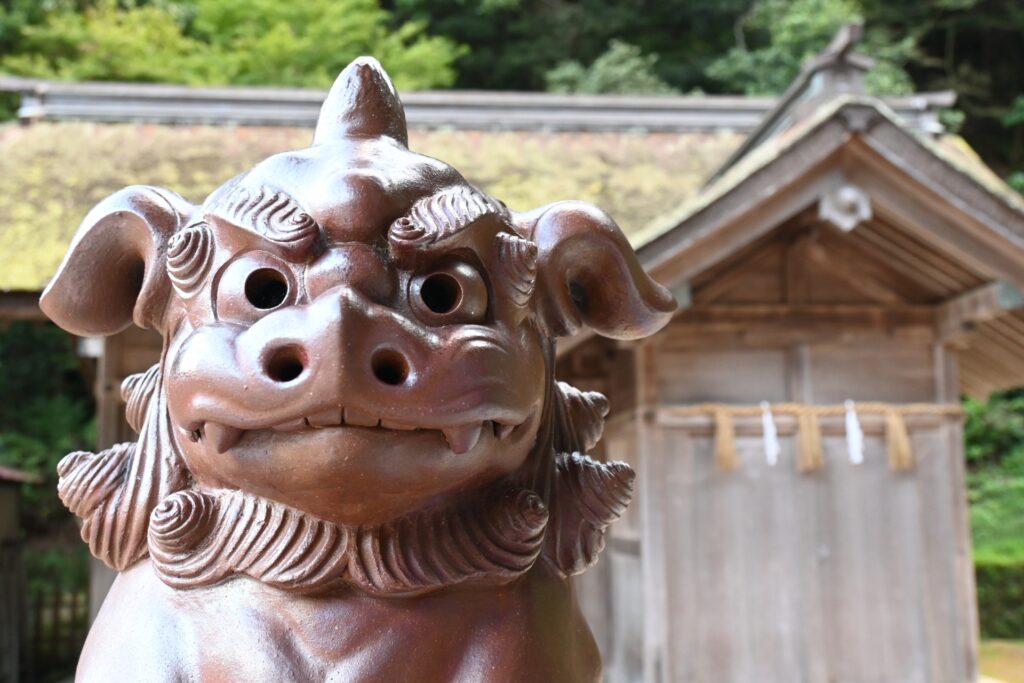
Situated near Lake Biwa, Shigaraki is known for its coarse, feldspar-rich clay, which imparts an earthy texture with occasional white inclusions that melt into glassy spots during high-temperature wood firing. The natural ash glaze (shizen-yu) and flame patterns, are hallmarks of Shigaraki’s aesthetic. The pottery produced here became integral to the wabi-cha tea ceremony aesthetic and remains prized by tea masters.
But perhaps the most famous Shigaraki-ware product are Tanuki figurines. In 1951(Showa 26), in preparation for the emperor's visit, Shigaraki raccoon figurines were displayed holding the Japanese flag. The emperor was so pleased by this sight that he composed a poem about it. Soon, this news spread across Japan and raccoon figurines began to be considered lucky objects.
Key Characteristics:
- Iron-rich stoneware with feldspathic inclusions
- Natural ash glazing with smoky surface variations
- During the Showa era (1926-1989), the region started to produce raccoon dog (tanuki) figurines
Tip for Visitors:
Visit the Shigaraki Ceramic Cultural Park, where many contemporary Japanese and international potters operate and combine traditional techniques with experimental approaches in both form and function.
Bizen – Okayama Prefecture
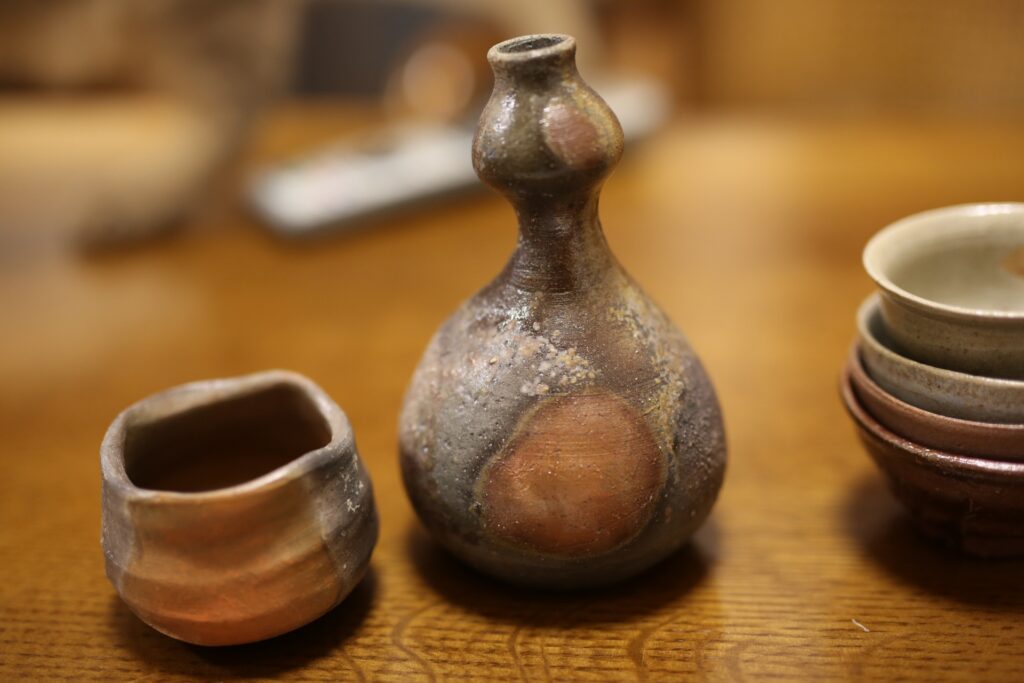
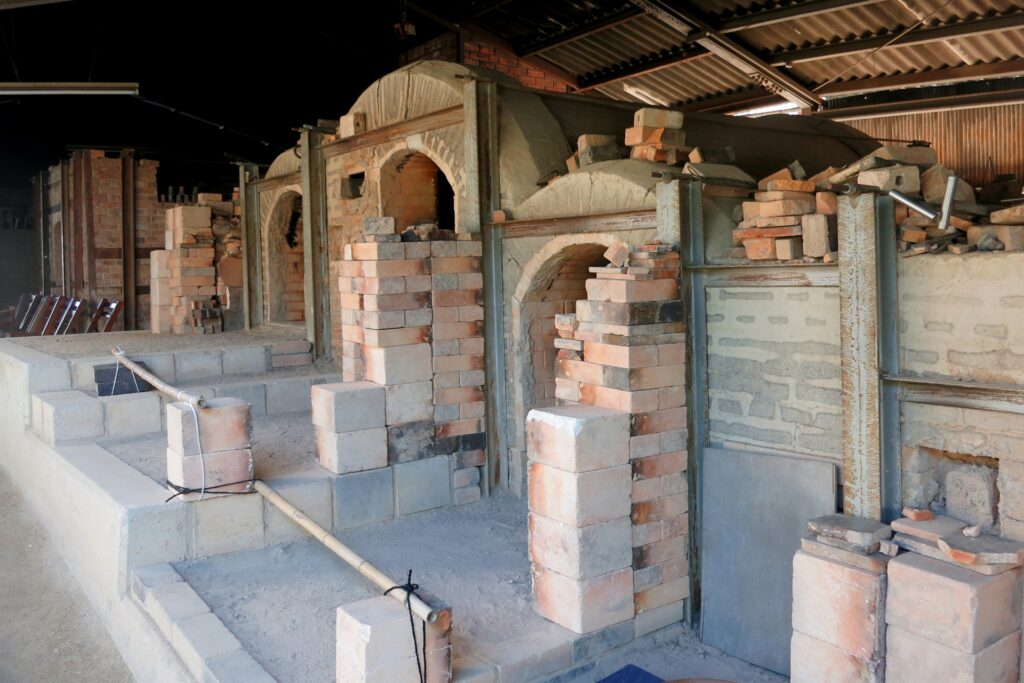
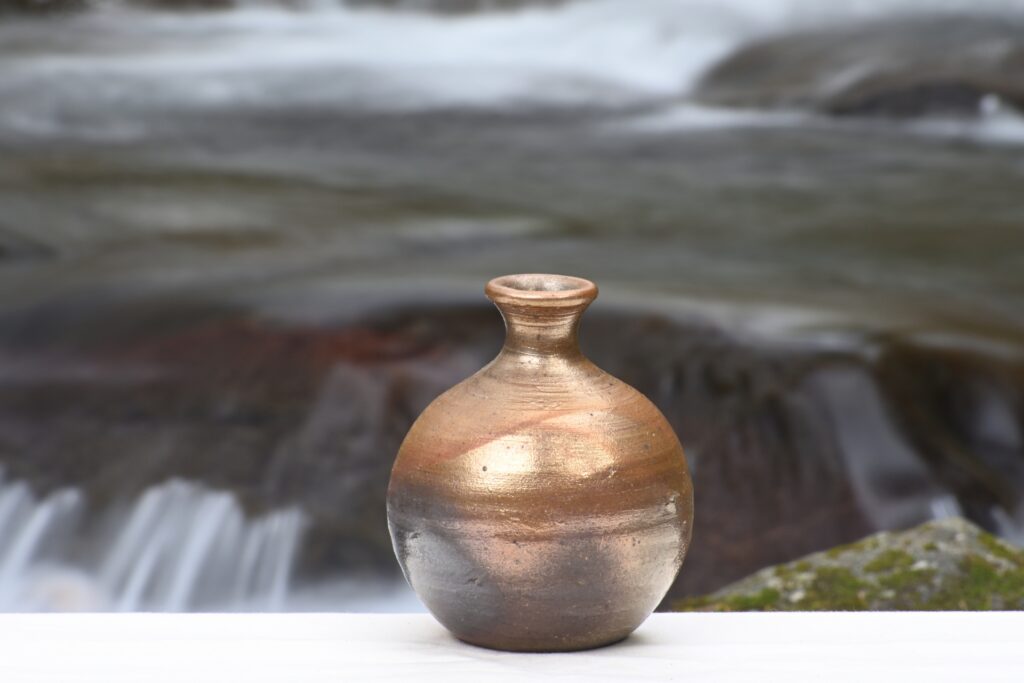
The oldest of the Six Ancient Kilns, pottery from Bizen (or Bizen-ware) has been produced since at least the Heian period. Characterized by its unglazed high-fired stoneware, Bizen pieces rely entirely on the effects of flame, ash, and placement within the kiln to achieve their final surfaces. The process includes long firings (10–14 days), with pine wood fuel contributing to surface deposits and patterns.
Bizen ware was historically favored by samurai and tea masters, and continues to be a preferred medium for tea utensils, flower vases, and minimalist sculptural work.
Key Characteristics:
- No glaze; colors and textures created through firing
- Rich reddish-brown surfaces, ash spots, and scorch patterns
- Extremely dense and durable clay body
Tip for Visitors:
The Bizen Pottery Traditional and Contemporary Art Museum offers a beautiful introduction to the craft, while local potteries often welcome visitors for kiln tours and demonstrations.
Tanba – Hyogo Prefecture

Sometimes referred to as Tanba-Tachikui, this ancient kiln is located in the quiet countryside of Hyōgo Prefecture. It is distinguished by its combination of wheel-thrown forms and natural ash glazes, often fired in multi-chambered climbing kilns. The ware features utilitarian silhouettes developed for agricultural and domestic use, such as water jugs and storage vessels.
Key Characteristics:
- Minimal glazing; surfaces altered by ash accumulation and reduction atmospheres
- Soft, flowing forms with a balance of function and artistry
- Surface variations include “koge” (scorch marks) and subtle gradient effects
Tip for Visitors:
Don’t miss the Tanba Traditional Craft Park, where you can walk through working kilns, meet local potters, and browse high-quality artisan goods.
Echizen – Fukui Prefecture
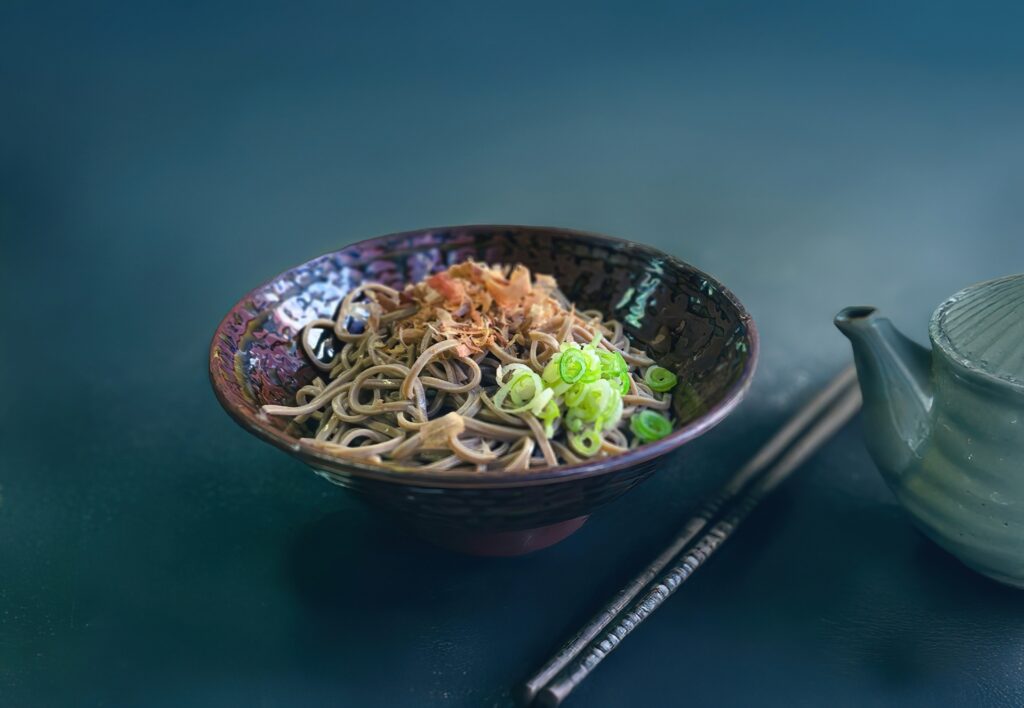
Echizen, perhaps the least known among the Six Ancient Kilns internationally, was a major production center for large-scale storage vessels in medieval Japan. The region typically produced deep-toned stoneware with little or no glaze. Their restrained form and austere surfaces reflect a functional rather than decorative purpose, though modern interpretations embrace both. The ware was transported via the Sea of Japan and distributed widely for agricultural and domestic storage.
Key Characteristics:
- Robust clay bodies, often fired to vitrification
- Surfaces marked by natural ash glaze and oxidation/reduction transitions
- Simple, utilitarian forms ranging from sake jars to mortars
Tip for Visitors:
The Echizen Pottery Village is an ideal place to explore workshops and galleries. Be sure to stop by the Echizen Togei Museum to gain deeper understanding of the history of Echizen-ware.
Seto – Aichi Prefecture
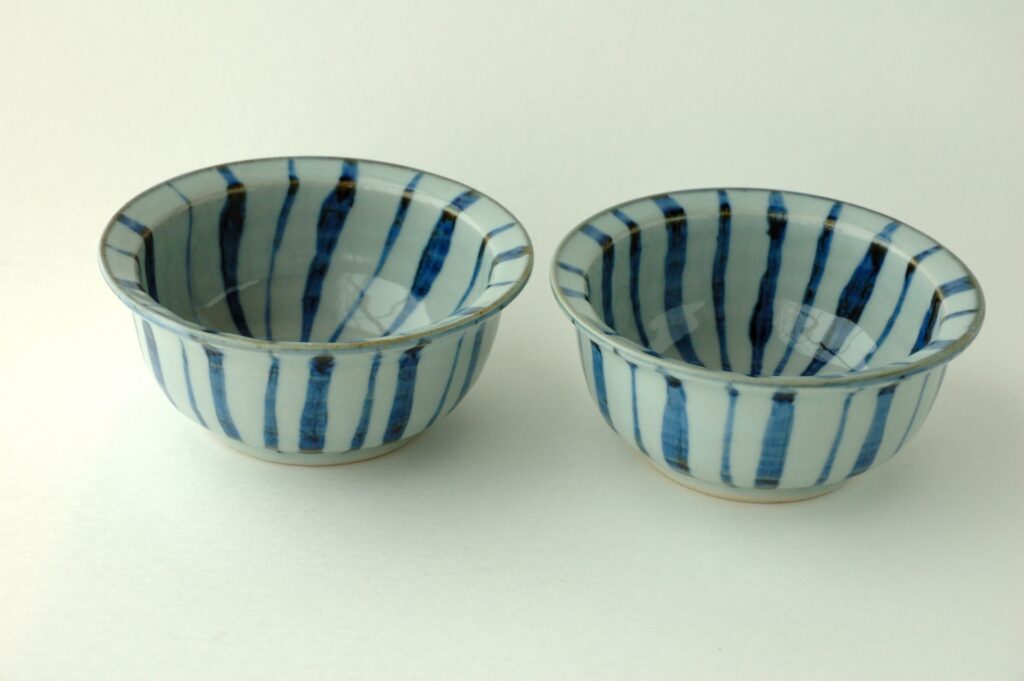
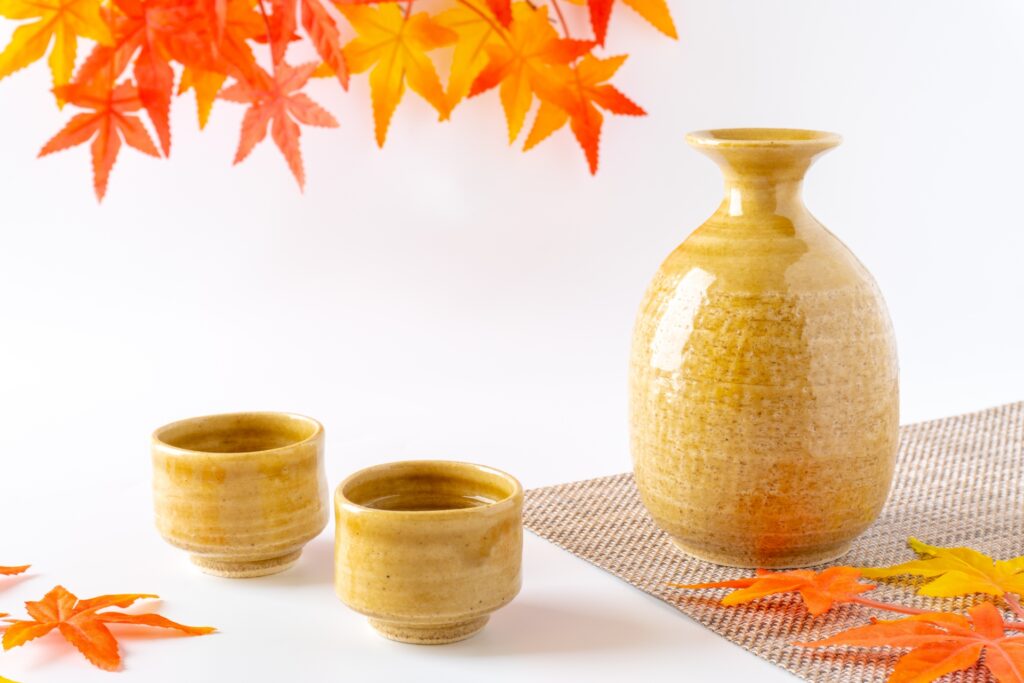
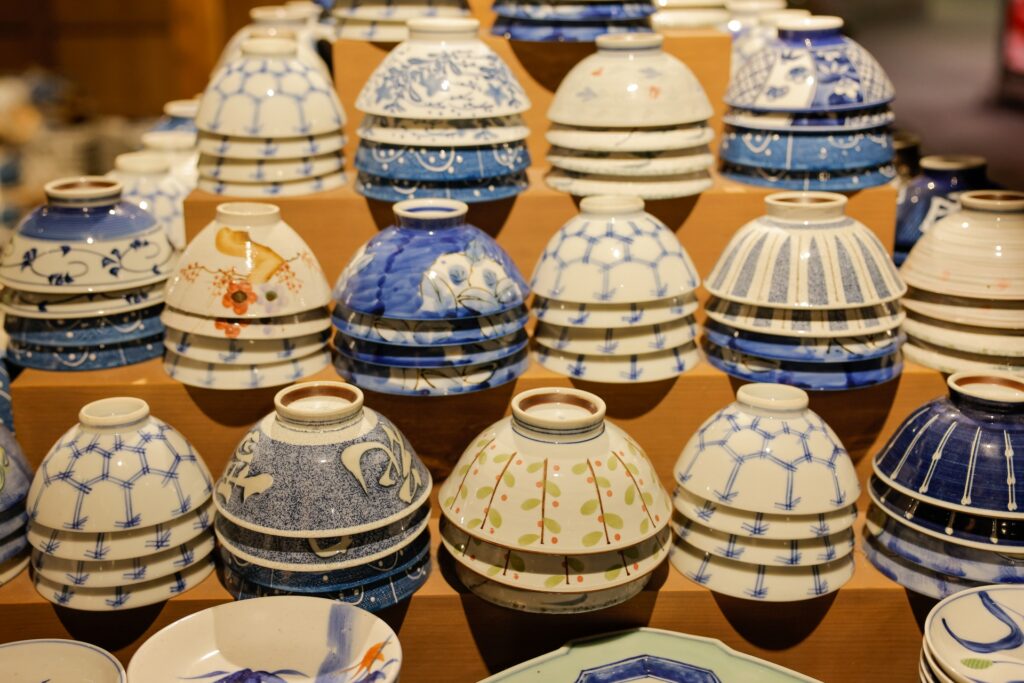
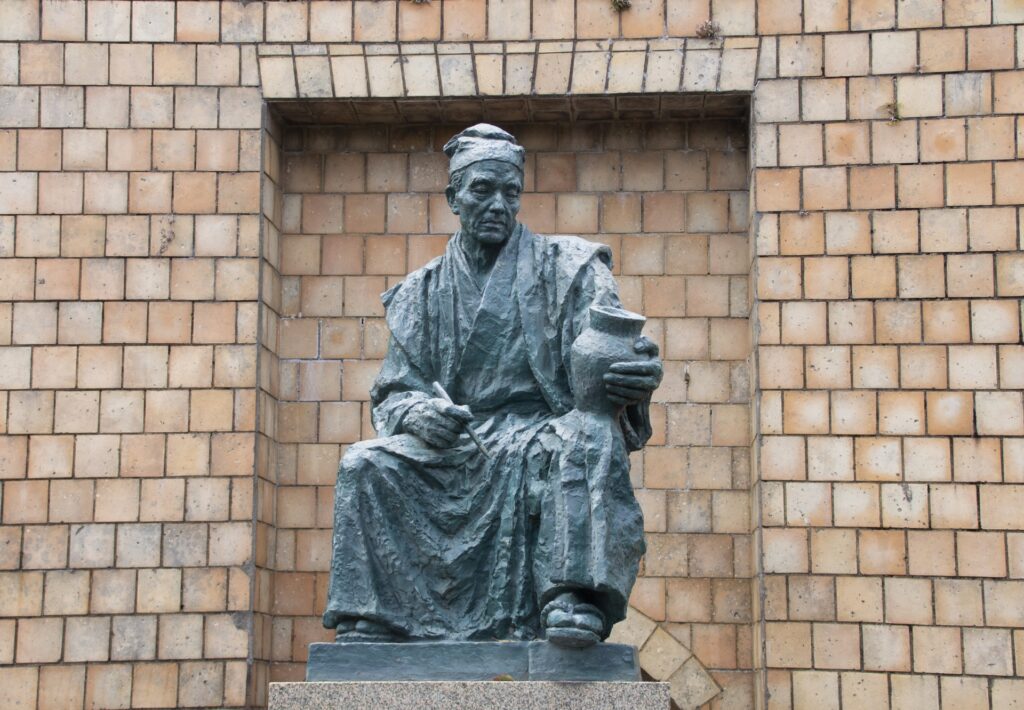
Unlike the other ancient kilns, Seto pioneered the use of glazing technologies in Japan during the Kamakura period. Its central location and ability to adapt Chinese and Korean ceramic techniques allowed Seto to become the most influential and diverse ceramic center in medieval Japan. The term “Setomono” has become synonymous with ceramics in the Japanese language due to its historical dominance in the field. It produced shiro tenmoku, koseto, and oribe-style ware, and is known for its use of ash, iron, copper green, and feldspathic glazes.
Key Characteristics:
- Glazed stoneware and porcelain across a broad stylistic range
- Forms include both ritual and utilitarian wares
- Adaptability to new styles and mass production
Tip for Visitors:
Explore the Seto-Gura Museum and stroll through the Seto Kamagaki no Komichi (Pottery Wall Path) to see traditional streets lined with ceramic walls and mosaics.
Tokoname – Aichi Prefecture
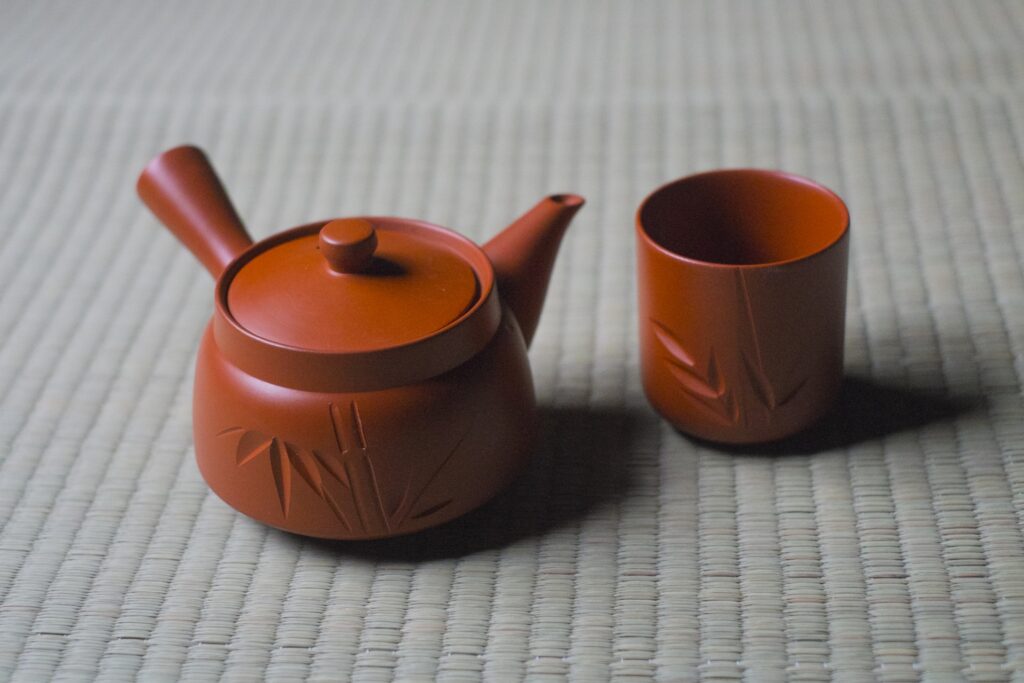
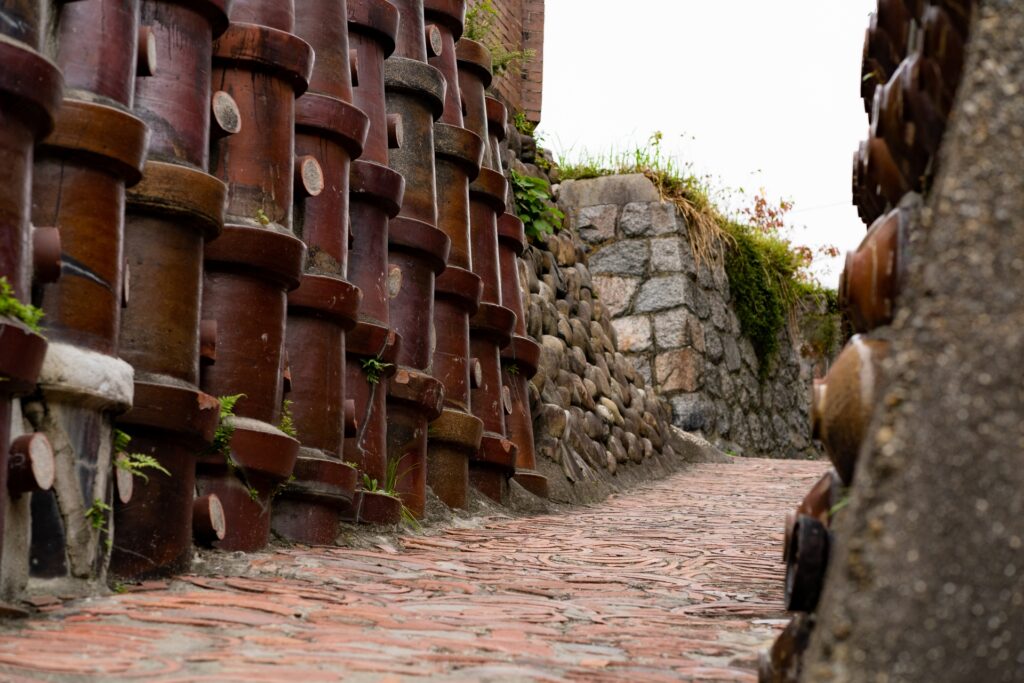
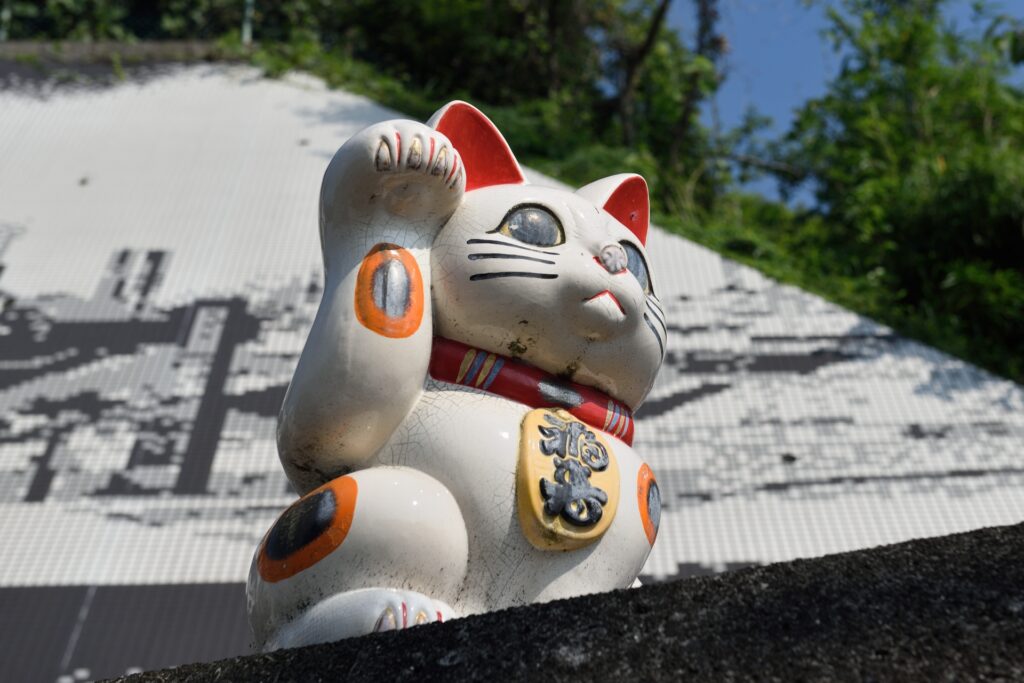
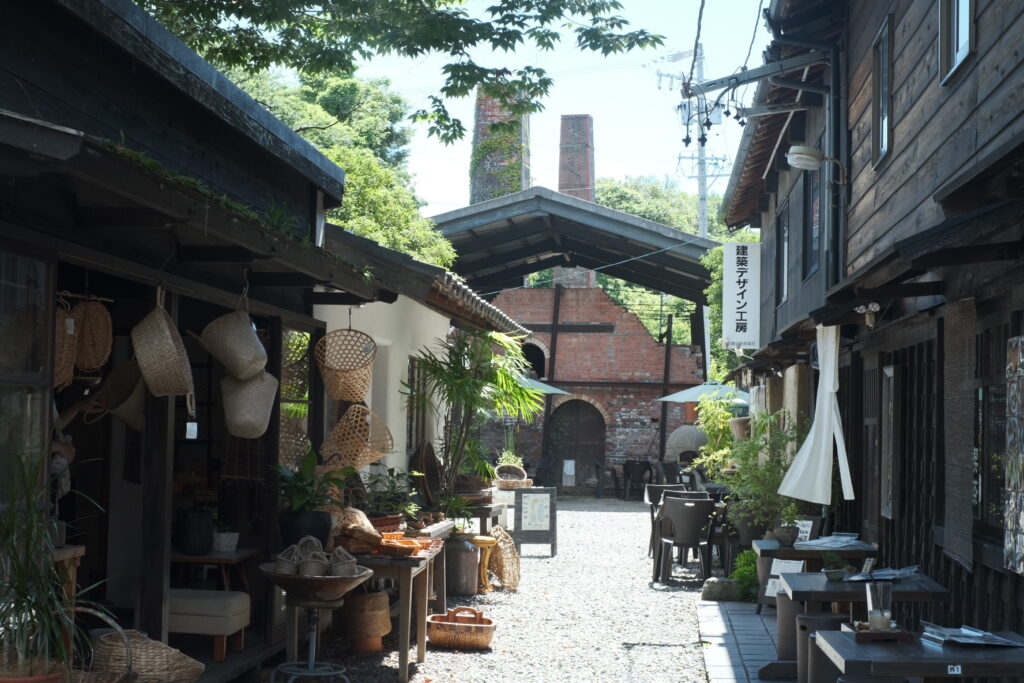
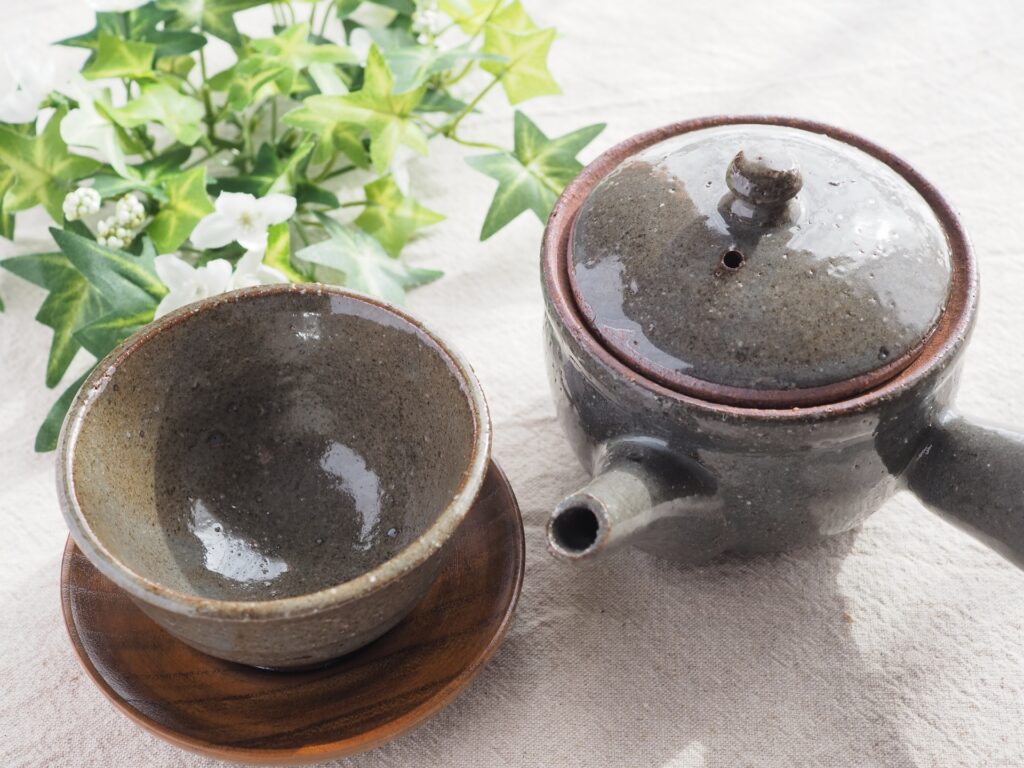
Due to its location on the sea, Tokoname evolved into the largest of Japan's kiln towns. Its iron-rich clay produces a distinct reddish hue, and during the Edo and Meiji periods, Tokoname diversified into roof tiles, clay pipes, teapots (kyūsu), and storage jars. It is especially known today for high-quality unglazed teapots used in brewing green tea.
Today, Tokoname is Japan's leading producer of maneki-neko (lucky cat) figurines. It was also the setting for the popular animated movie A Whisker Away.
Key Characteristics:
- Iron-rich red clay body (shudei) requiring low firing temperatures
- Functional focus: teapots, jars, sewer pipes, maneki-neko figurines
- Advanced use of climbing kilns for large-scale production
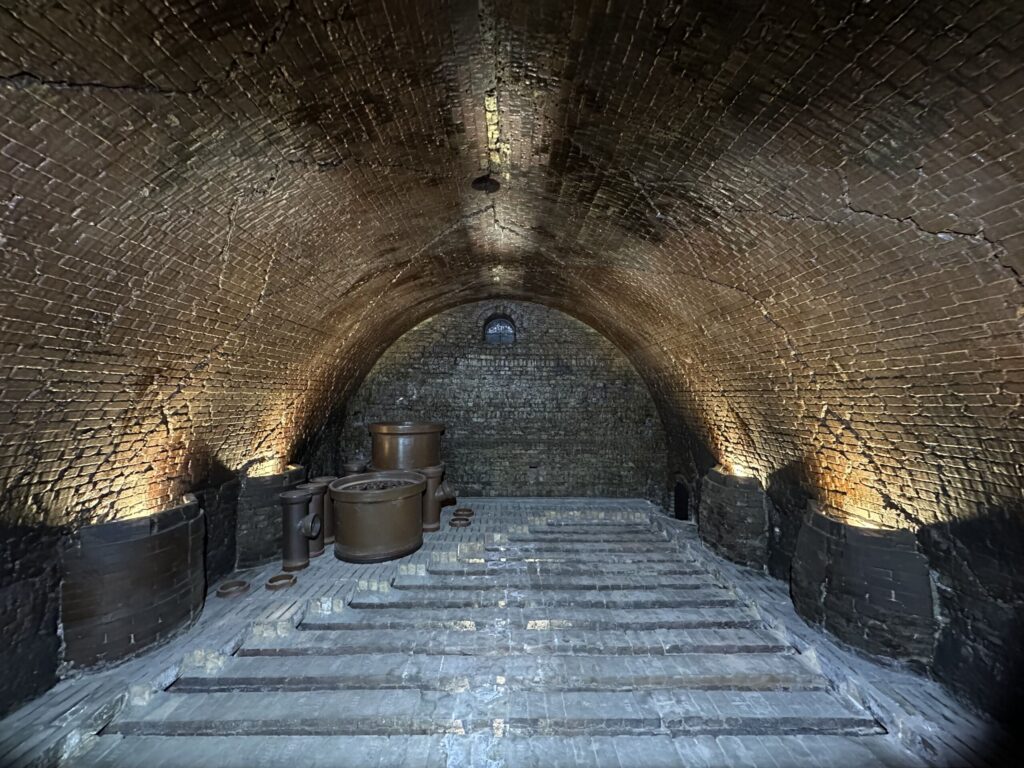
- The Toei Kiln, built in 1887 and operational until 1974, is Japan’s largest existing climbing kiln and has been designated an Important Tangible Cultural Property.
Tip for Visitors:
The Tokoname Pottery Path (Yakimono Sanpomichi) offers visitors a scenic walking route through old kilns, artist studios, and pottery-lined walls.
Recommended Tour: Snow Monkey Resort's 1-Day Tour from Nagoya: Crafting Traditions in Tokoname and Arimatsu offers a unique blend of history, artistry, and local charm, as you are led by an experienced, English speaking guide through two towns famous for their artistic traditions.

How to visit Japan's Six Ancient Kiln Towns
We currently offer a guided tour of Tokoname, including a trip to the Tokoname Pottery Path and the INAX Tile Museum.
Of course, we also offer private tours and transport in and around the Nagoya area, and other regional destinations. We can also arrange for both custom tours with an English-speaking guide or a private charter.
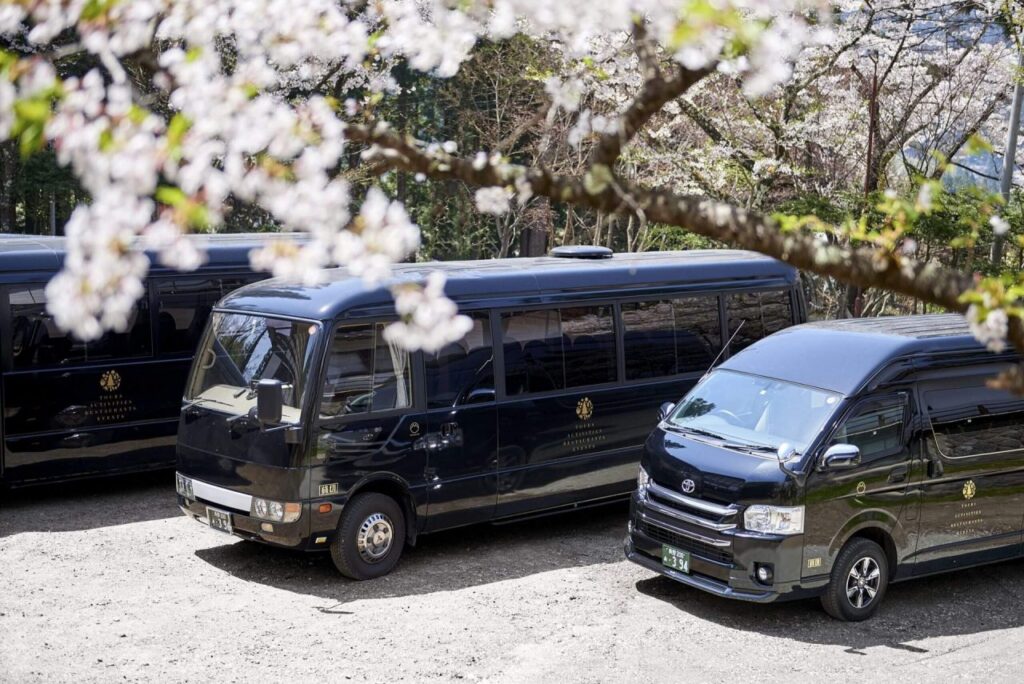
Our drivers and vehicles are fully certified, allowing us to transport you to and from your preferred destinations in combination with any activity that suits your schedule. All vehicles are well-maintained and in good condition, allowing you to relax and enjoy your ride to wherever you are going.
With door-to-door service, we can pick you up from where you are and take you to where you want to go anywhere in Central Japan and the neighboring regions.
For more information, please check our standard charter rates or contact us for a custom trip. We’d love to be part of your adventure in Central Japan and help you discover even more!