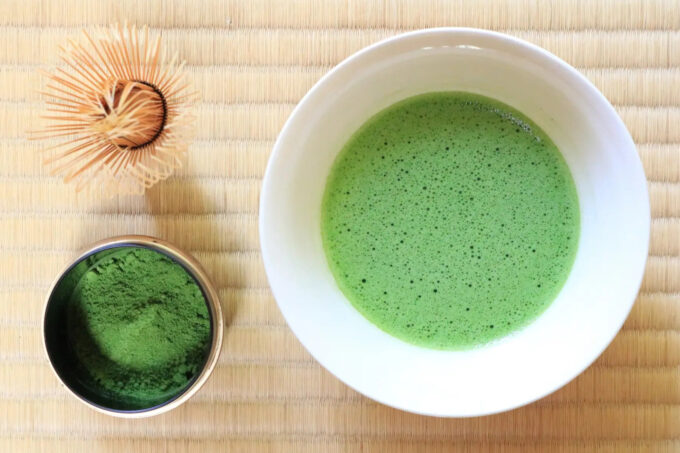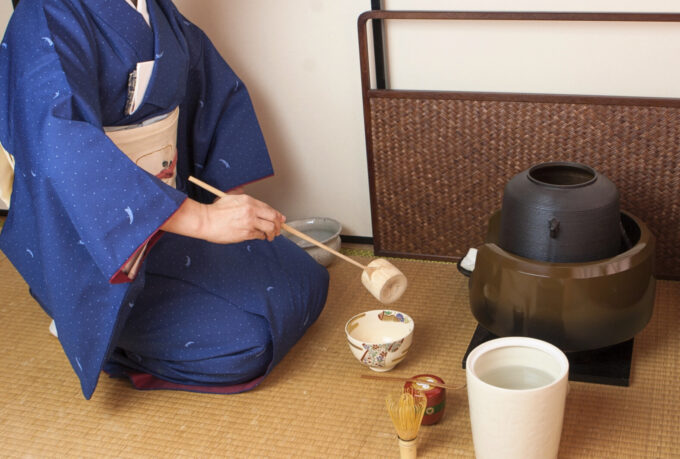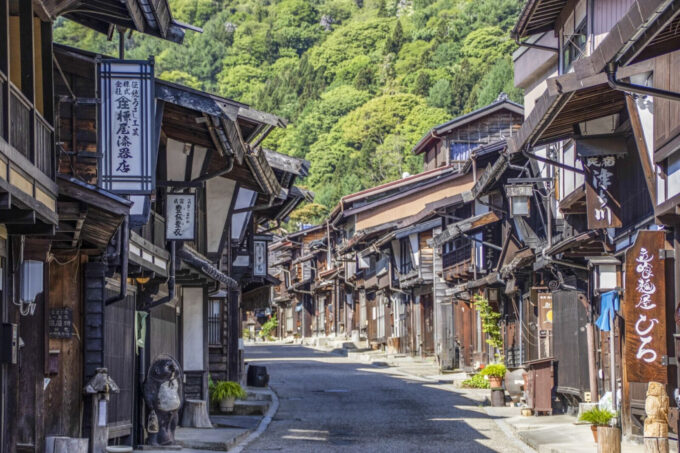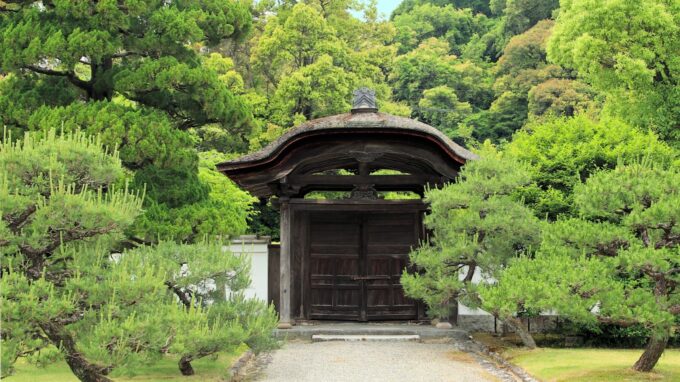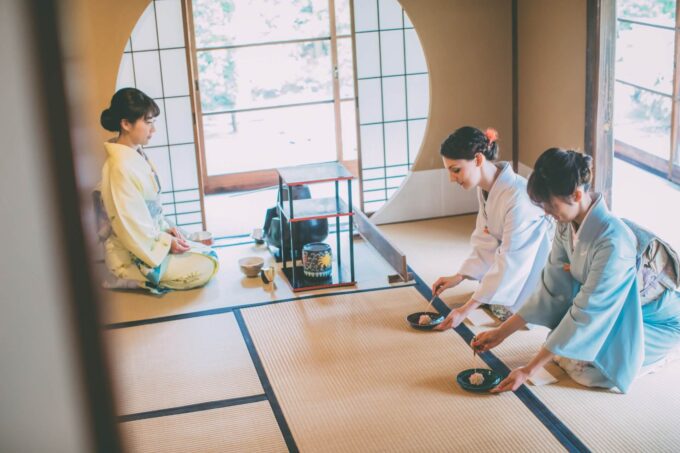








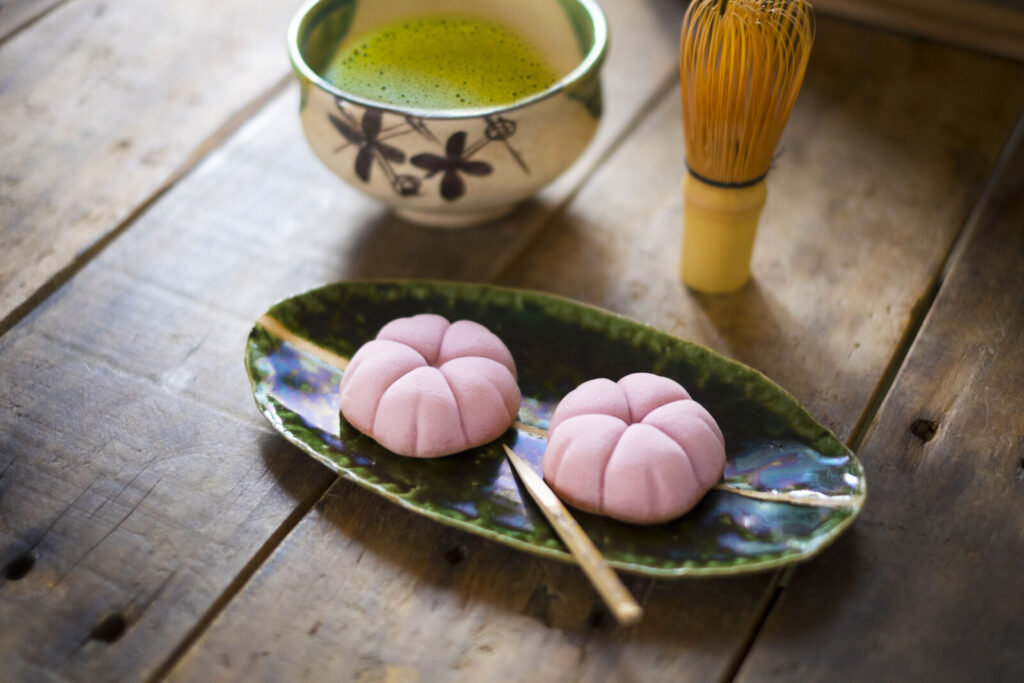
The Japanese tea ceremony, known as chado (茶道) or “the Way of Tea,” is far more than a ritual of drinking matcha. It is a highly refined art form and spiritual practice that reflects centuries of Japanese aesthetics, hospitality, Zen philosophy, and craftsmanship. Participating in a tea ceremony is a wonderful opportunity to learn more about the traditions, etiquette, and philosophies of Japan.
Throughout Japan, travelers can participate in tea ceremonies in various settings, with varying degrees of authenticity, expertise, and cost. In this article we'll go over some of our favorite places for tea ceremony, from mountain temples and castle gardens, to hidden tea houses. These destinations each provide their own unique look into one of Japan’s most iconic art forms.
Nishio (Aichi Prefecture)
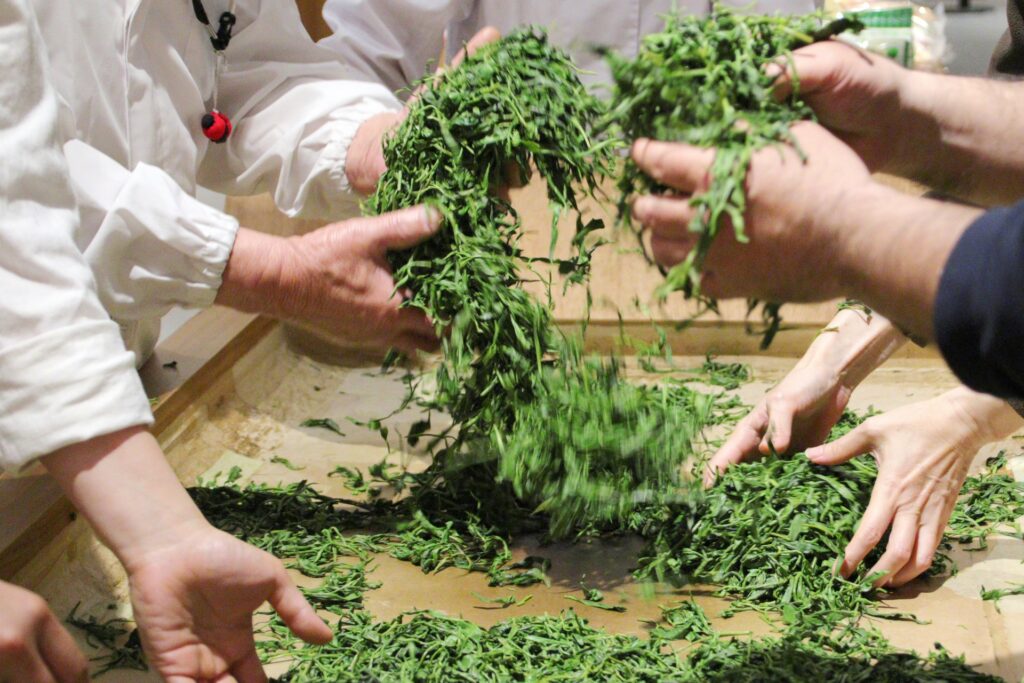
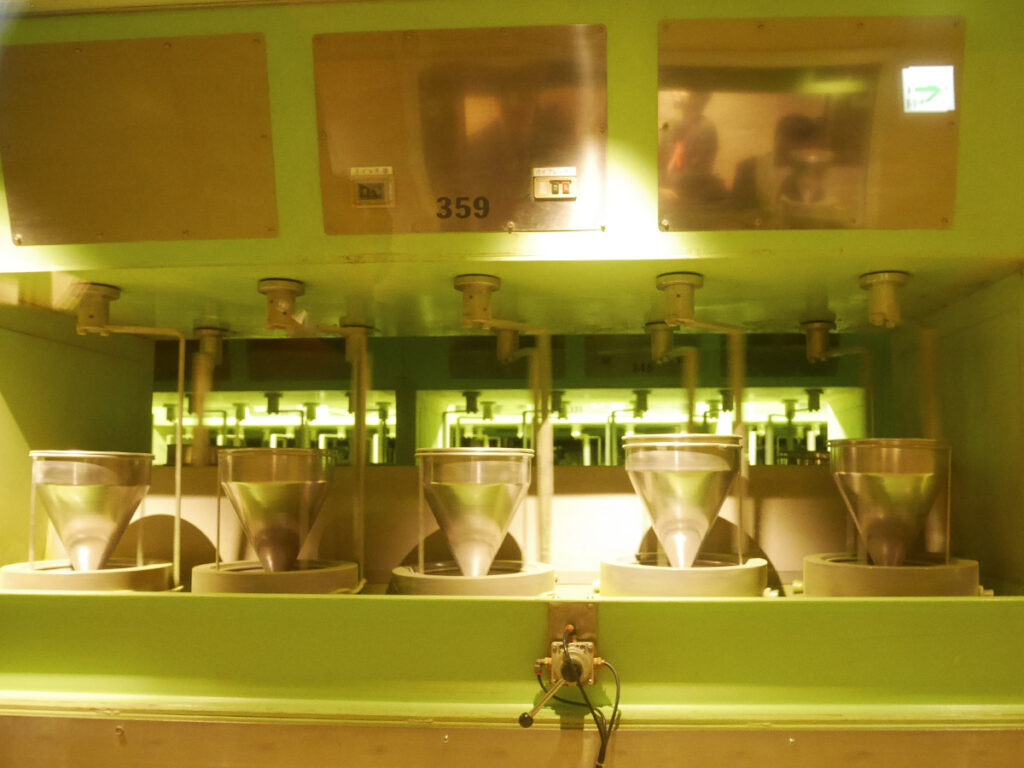
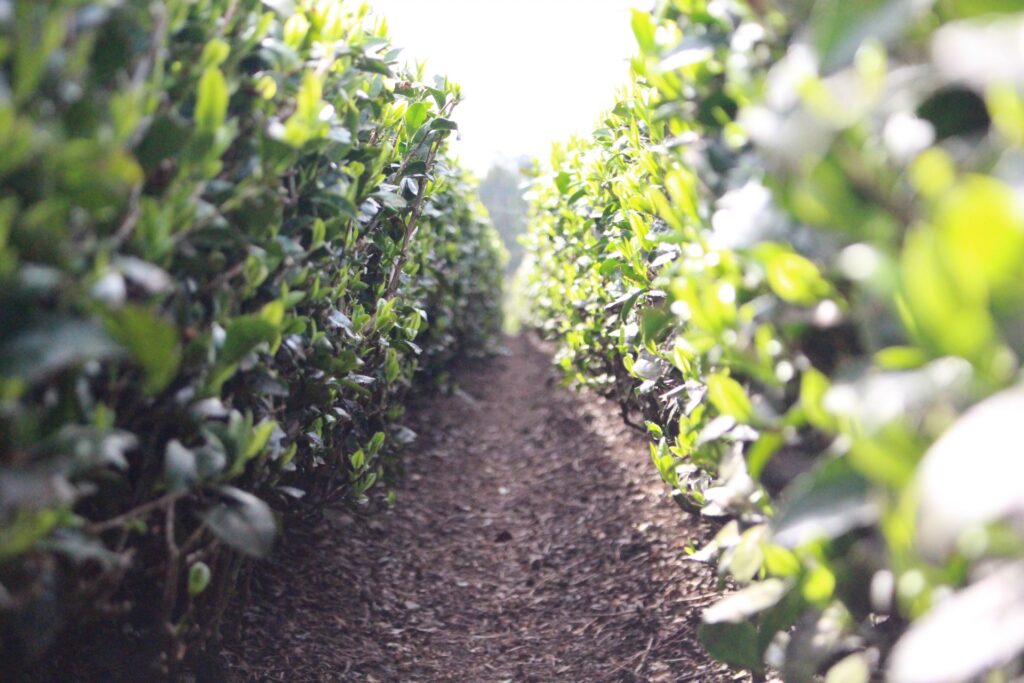
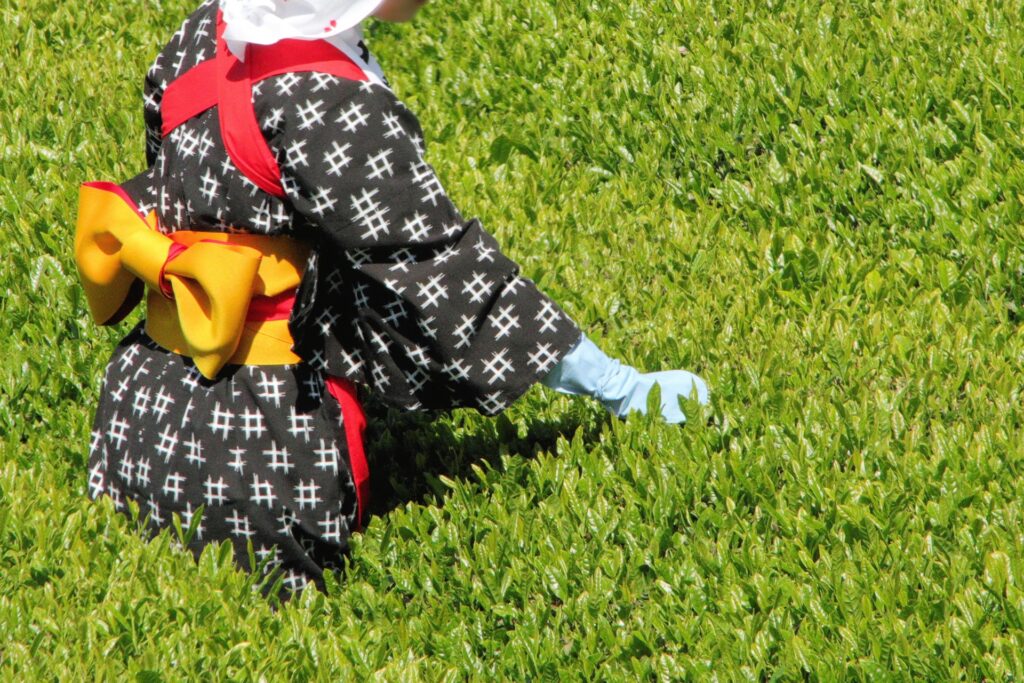
Located in Aichi Prefecture, the city of Nishio is widely recognized as one of Japan’s leading producers of high-grade matcha. Unlike Uji, which is more internationally known, Nishio boasts a deep-rooted tea growing culture and a quieter, less commercial atmosphere.
Participating in a ceremony in Nishio offers insight into the full cycle of tea production, from cultivation to preparation. Here, visitors can experience tea ceremonies surrounded by matcha fields, tour tea processing centers, and participate in matcha grinding experiences.
Recommended Tour of Nishio:
Our 1-Day Tour from Nagoya: Matcha, Confections, and Traditions in Nishio takes you to one of Japan's premier matcha producing towns, Nishio. Not only will you have the chance to taste matcha for yourself, but you'll also be able to tour a tea field, grind matcha, and learn how to make your own traditional wagashi sweets!

Urakuen (Inuyama, Aichi Prefecture)
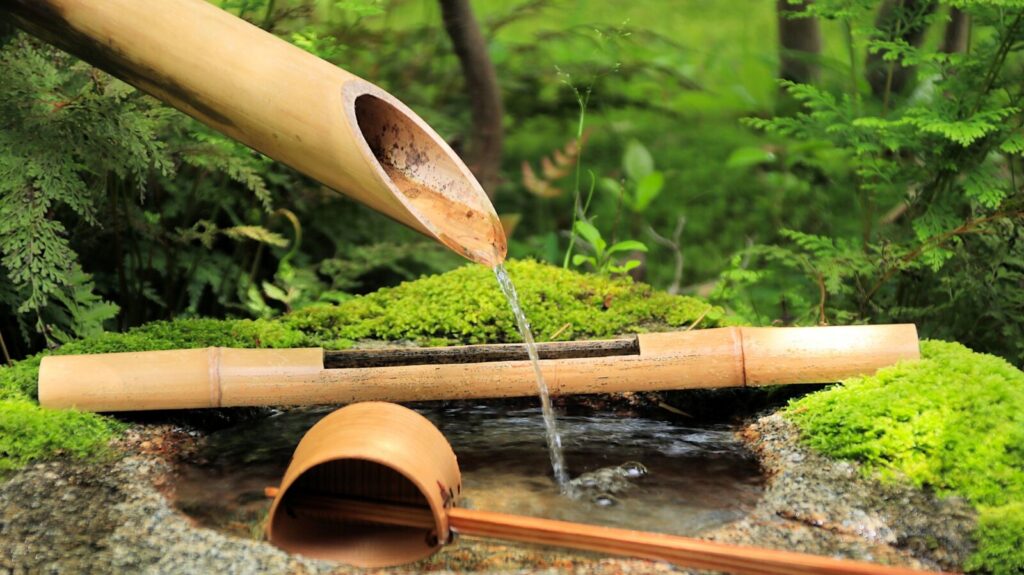
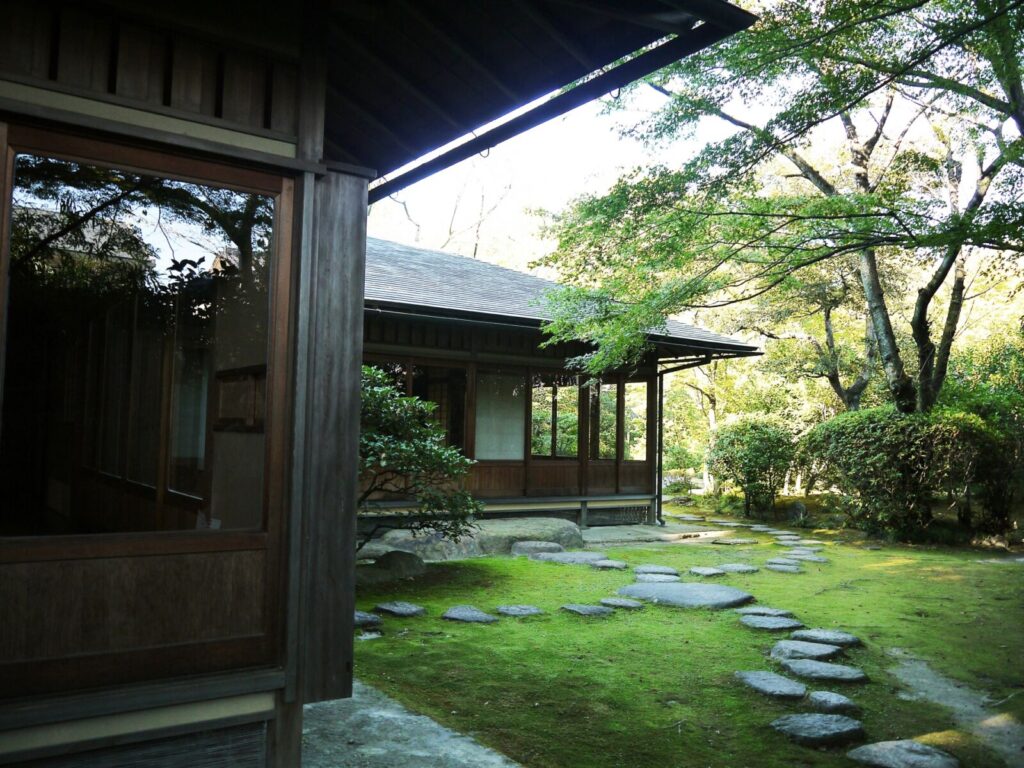
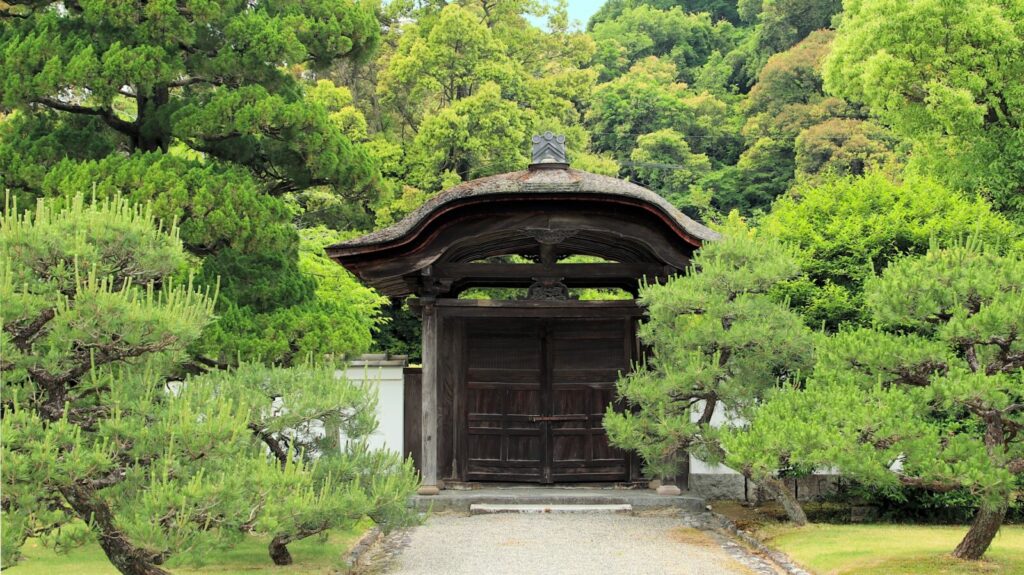

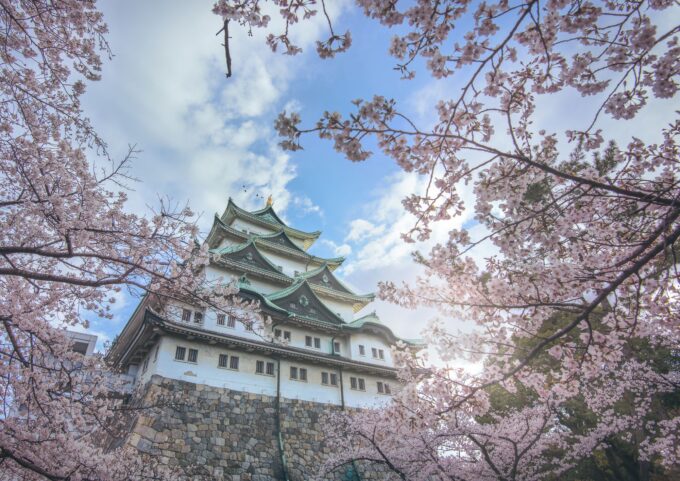
Situated near Inuyama Castle, Urakuen Garden is a carefully preserved Japanese garden that houses the Jo-an tea house, a National Treasure and one of the most historically significant tea houses in Japan. Designed by Oda Uraku, a disciple of Sen no Rikyu and the younger brother of the warlord Oda Nobunaga, Jo-an exemplifies the aesthetics of wabi-sabi, valuing rustic elegance, asymmetry, and spiritual simplicity.
Every detail, from the tea utensils to the architecture of the tearoom itself, reflects a deep reverence for form and function. The garden surrounding the teahouse complements the ceremony with seasonal foliage. For those who wish to experience tea culture as it was practiced during the Edo period, and learn about the history of this art form, Urakuen is a destination not to be missed.
Recommended Tour of Urakuen:
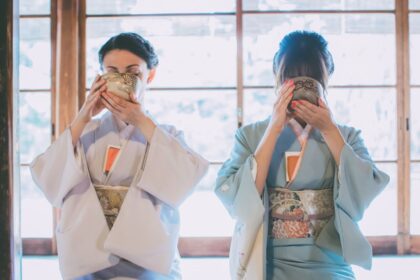
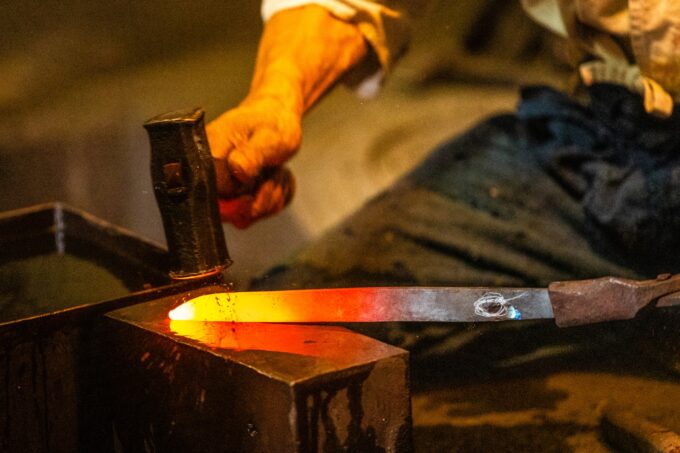
On our 1-Day Tour from Nagoya: Samurai Swords and Japan's Oldest Castle, you will have the chance to tour one of the 3 National Treasure Tea Houses in Japan, the Jo-an tea house in Urakuen Garden in Inuyama, where your guide will lead you through garden designed for one of the founders of tea ceremony as we know it today.
Zenkoji Temple (Nagano Prefecture)
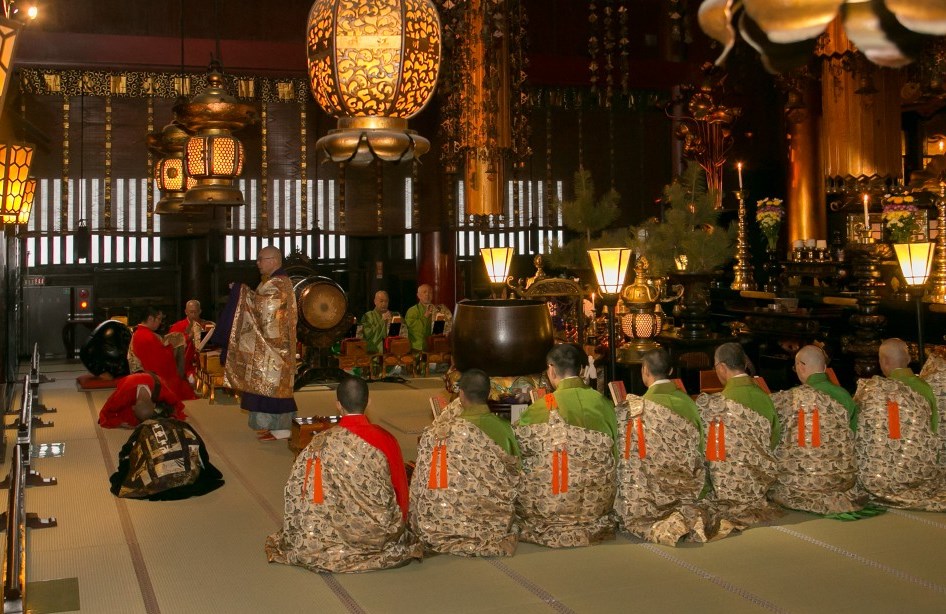

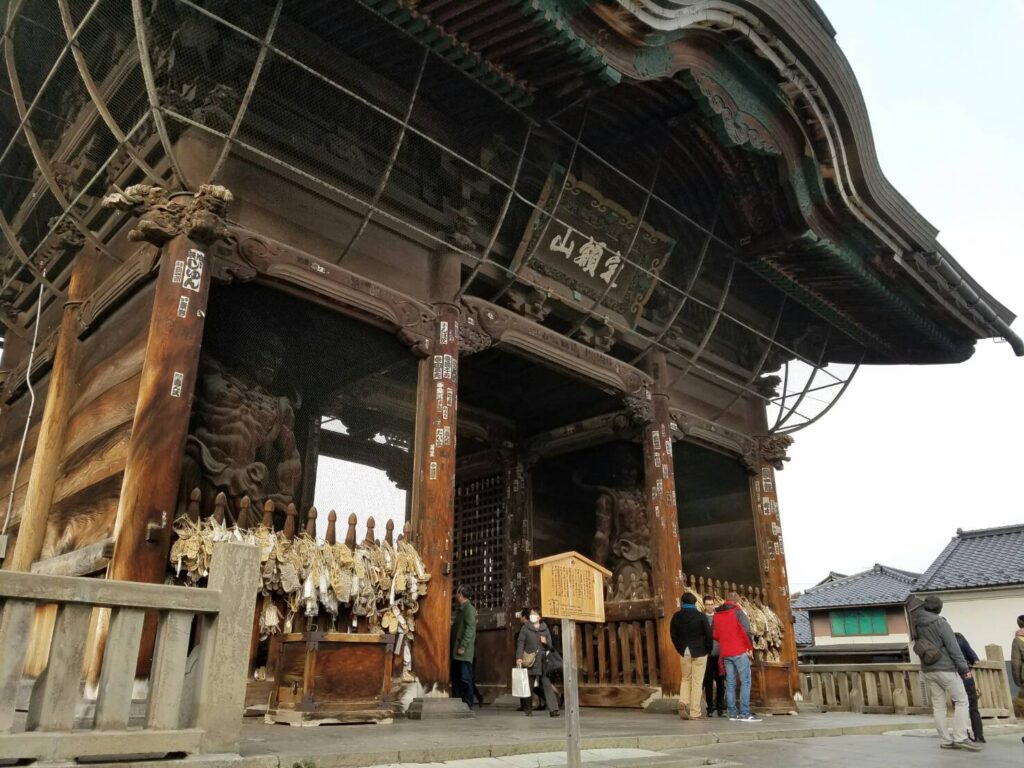
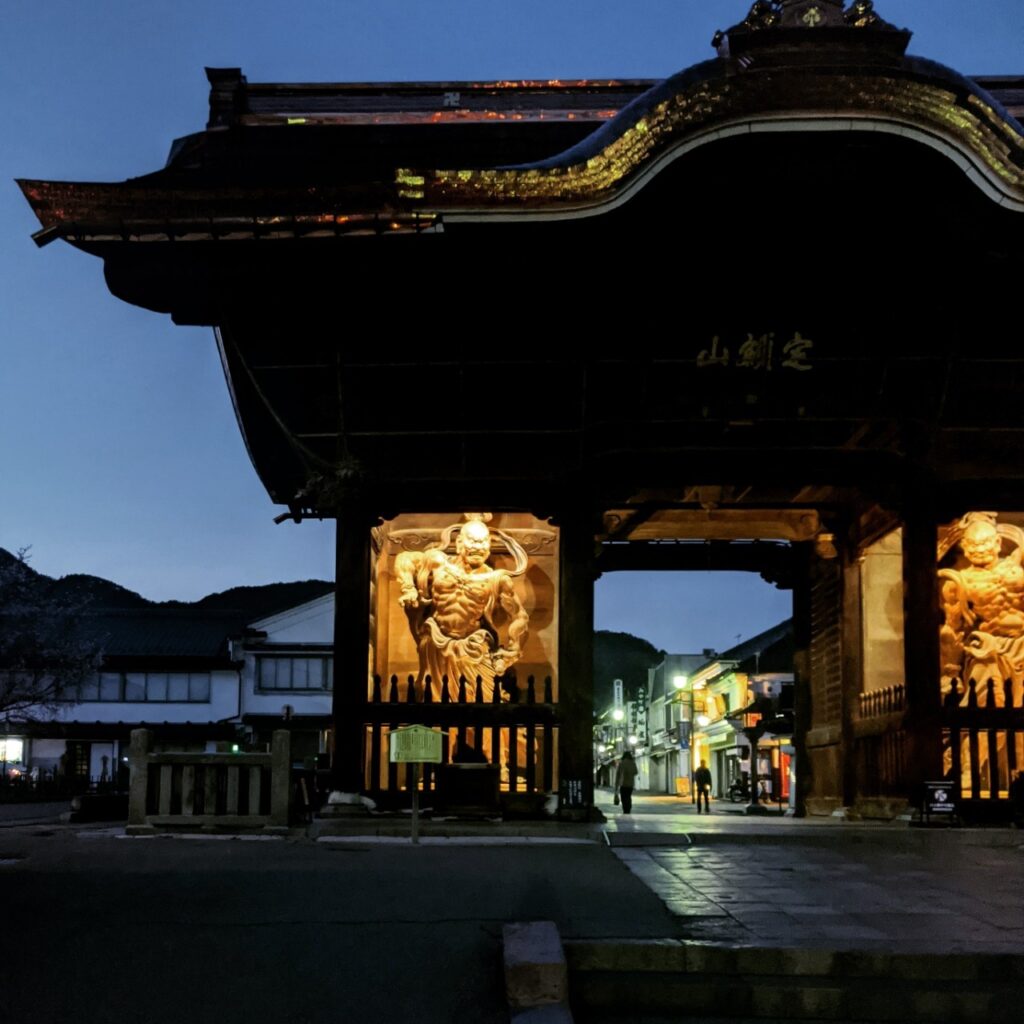
Zenkoji Temple in Nagano offers a unique fusion of sacred space and traditional tea culture. As one of Japan’s oldest and most revered Buddhist temples, Zenkoji serves as a spiritual anchor for the region. While not every temple in Japan integrates tea ceremony programs, Zenkoji distinguishes itself by offering tea gatherings that resonate with the temple’s meditative atmosphere.
Visitors may have the opportunity to participate in seasonal tea events hosted in temple substructures or affiliated tea rooms. These experiences are often modest and deeply spiritual, aligning closely with the four principles of chadō: harmony (wa), respect (kei), purity (sei), and tranquility (jaku).
Recommended Tours of Zenkoji:
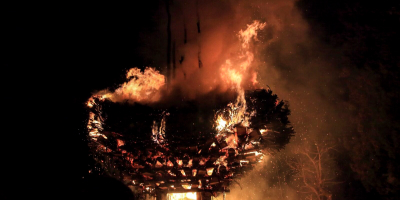
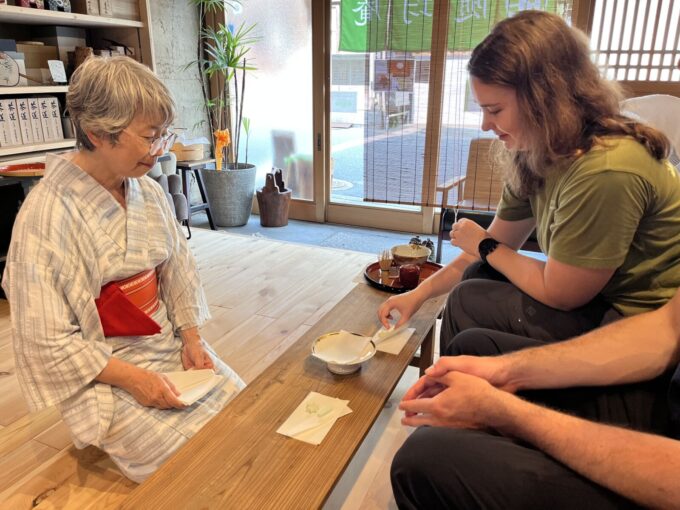
Designed to provide guests with an intimate yet entertaining understanding of Nagano’s near-1,400-year-old Zenkoji temple, our Half-Day and Overnight Zenkoji Tours with Tea Experiences combines a temple tour with a unique fire ceremony as well as a tea experience, sampling of local dumplings, and even 'sake' tasting.

Recommended
Half-Day Zenkoji Tour with Tea Ceremony
- Spots:
- Nagano
- Pick-up:
- Nagano City
- Drop-off:
- Nagano City
Recommended
Tea Ceremony and Zenkoji Experience Tour with 'Shukubo' Temple Lodging Stay
- Spots:
- Nagano
- Pick-up:
- Nagano City
- Drop-off:
- Nagano City
Kenroku-en Garden (Kanazawa, Ishikawa Prefecture)
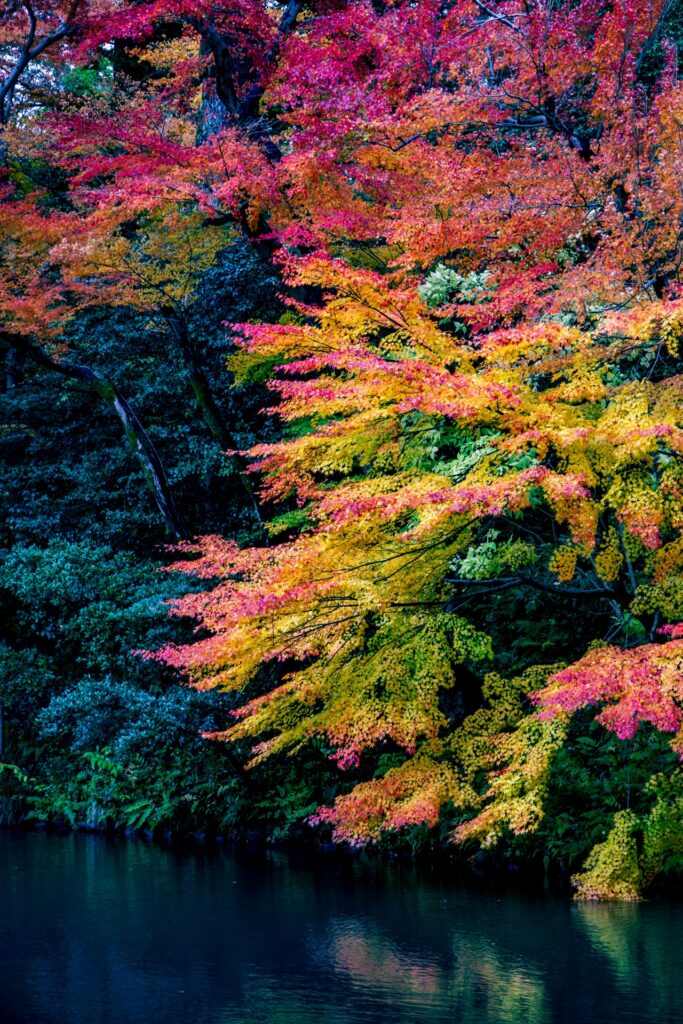
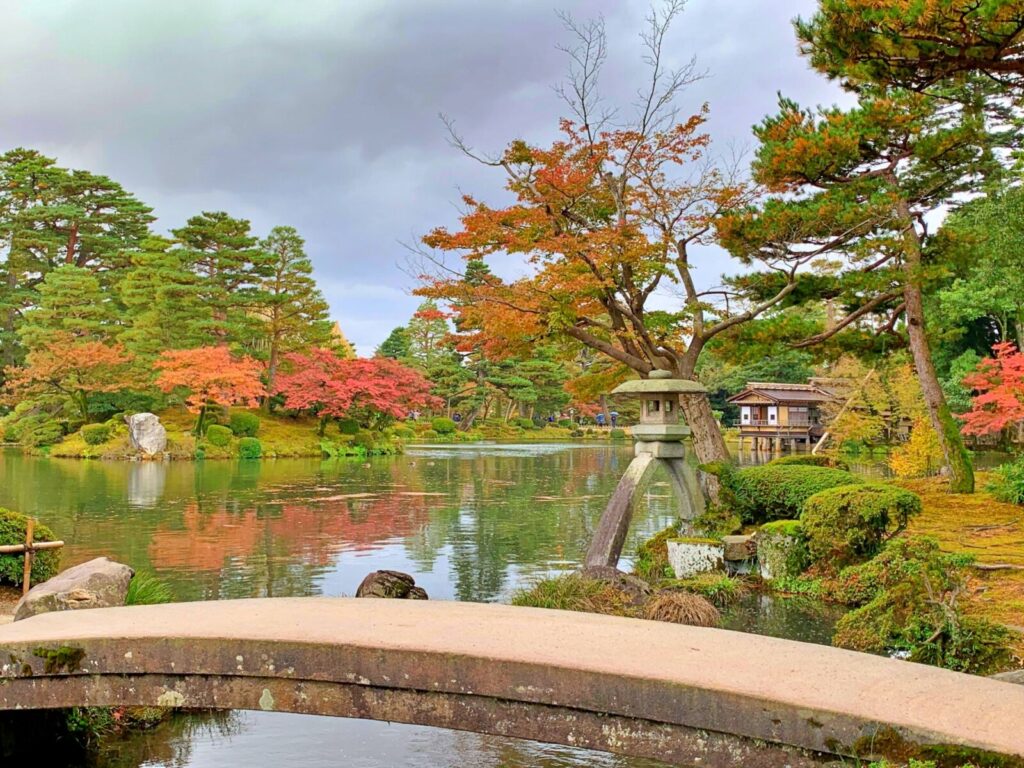
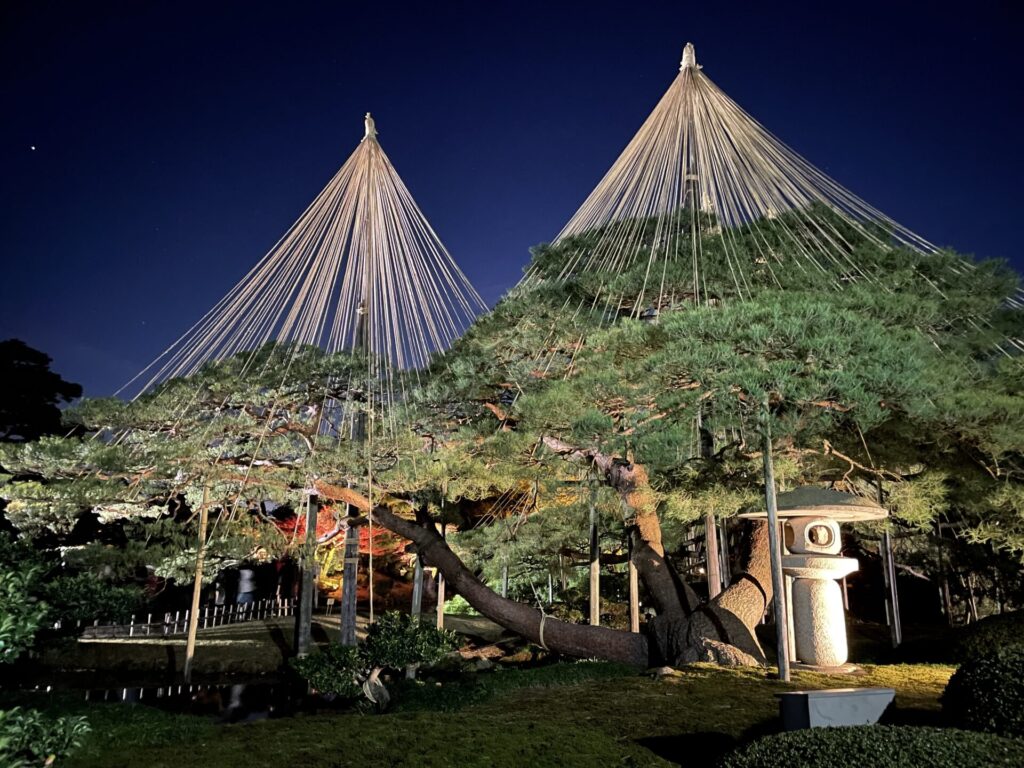
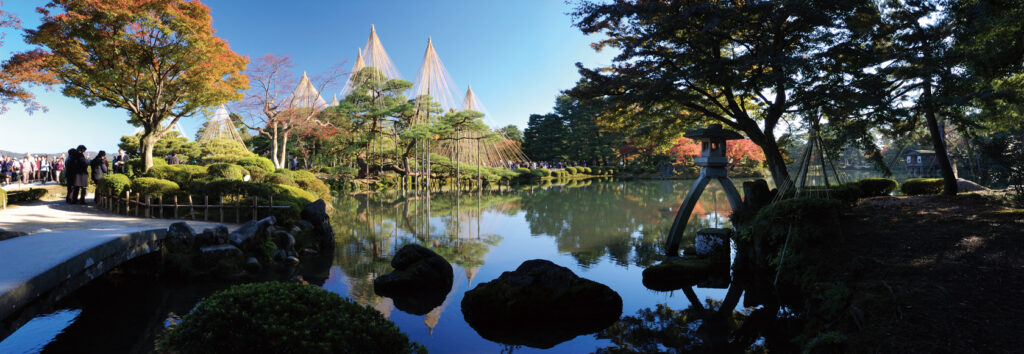
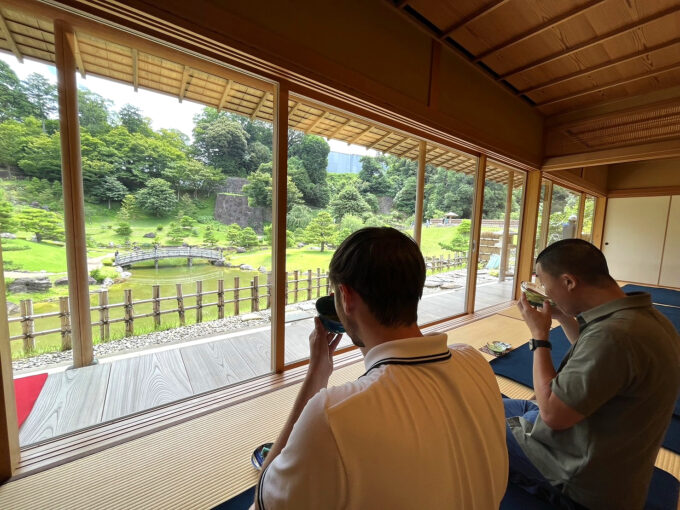
Kenroku-en, located in Kanazawa, is celebrated as one of the Three Great Gardens of Japan, and for good reason. Designed to embody six classic attributes of an ideal landscape—spaciousness, seclusion, antiquity, artificiality, water features, and scenic views—this garden serves as a perfect stage for the Japanese tea ceremony.
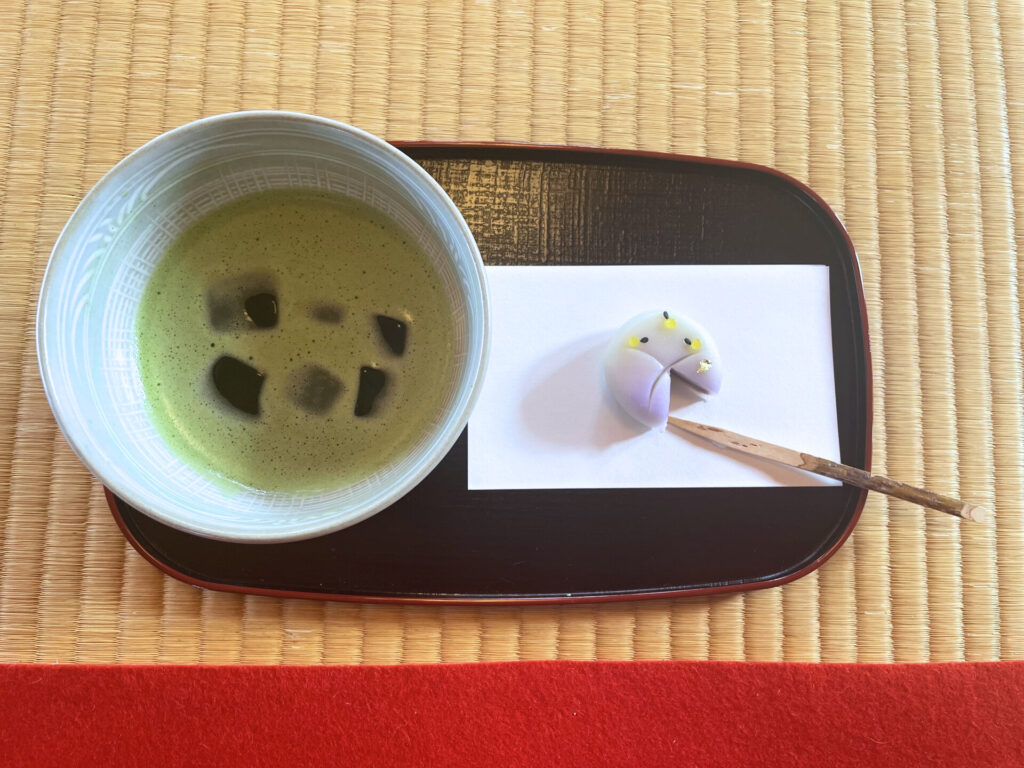
Within Kenroku-en sits a teahouse which provides a beautiful backdrop for tasting matcha. Framed by maple trees in autumn and cherry blossoms in spring, the experience of sipping matcha in this garden is a relaxing and almost meditative.
Kanazawa itself is a city steeped in traditional crafts and samurai history, making it a culturally enriching destination for any traveler with an interest in history, architecture, or tea ceremony.
Recommended Tour of Kenroku-en Garden:
Taste matcha and traditional Japanese sweets while overlooking a beautiful garden on the Kanazawa Castle grounds.
Hamarikyu Gardens (Tokyo)

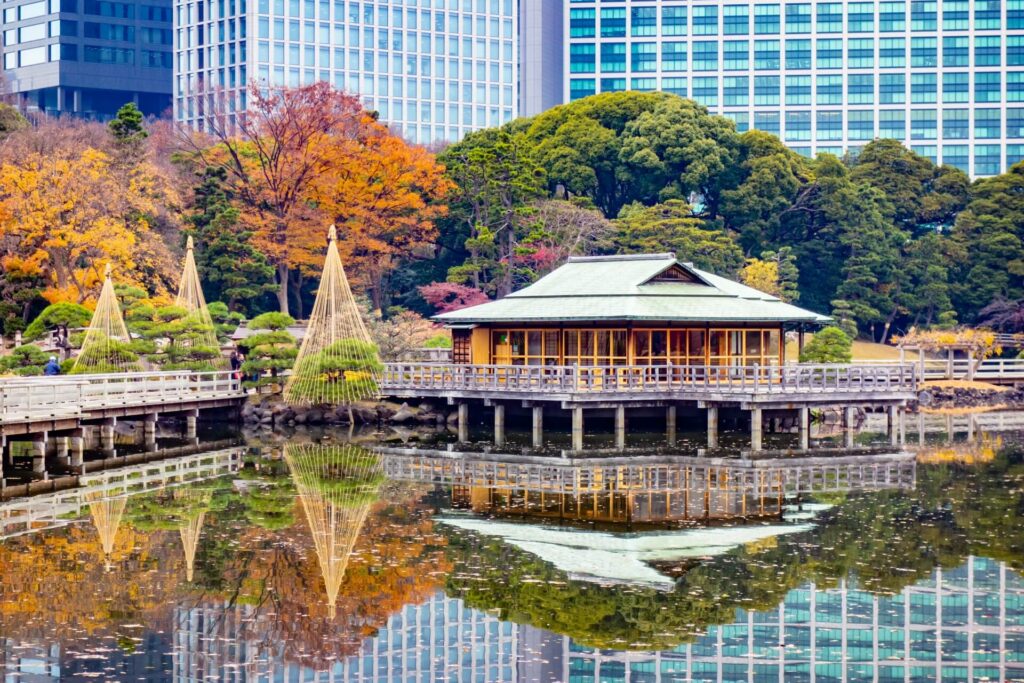
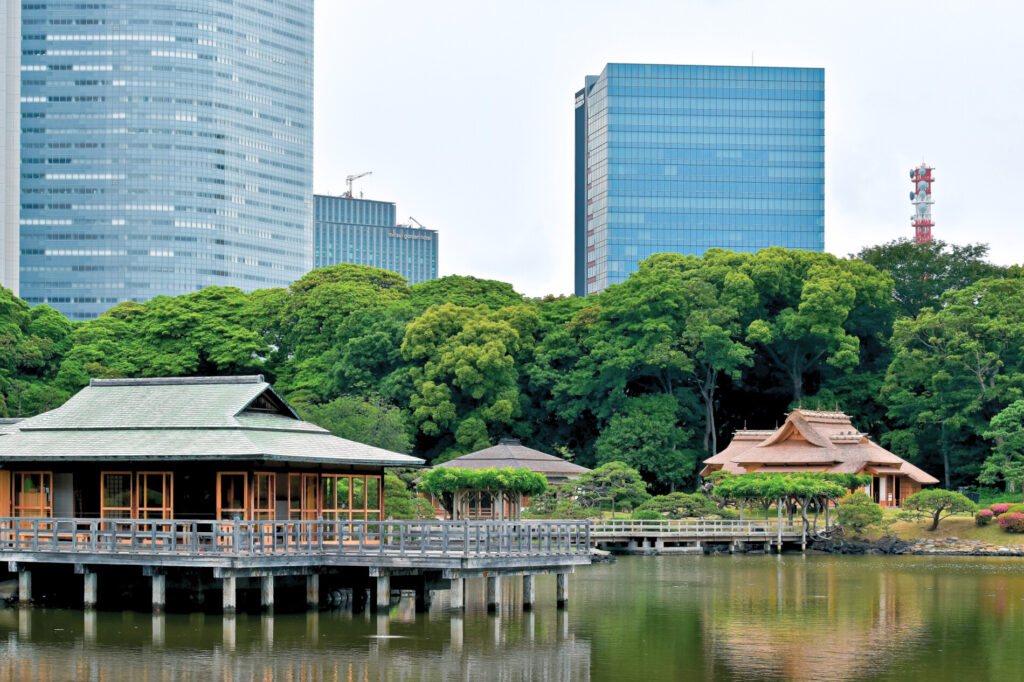
In the heart of Tokyo’s ultramodern skyline lies Hamarikyu Garden, a vestige of the Edo-period that once served as the family garden of the Tokugawa shogunate. Nestled within these manicured grounds is the Nakajima-no-Ochaya, a reconstructed teahouse situated on a tranquil pond island.
Here, the tea ceremony becomes a meditation on contrast. The tea house, with its sliding paper doors and tatami flooring, invites visitors to step back into the world of feudal lords while guests gaze at reflections of skyscrapers on the water.
Hamarikyu is ideal for travelers who wish to experience chadō without leaving Tokyo, yet still crave a moment of quiet and peace.
Recommended Tour of Hamarikyu Garden:
On our Tokyo Highlights Tour : Sumo, Sushi, Tea, Temples and Tokyo Tower, you will have the chance to enjoy a guided introduction to the gardens and its history before having some free time to walk around and enjoy the quietness of the gardens yourself.
Matsumoto (Nagano Prefecture)
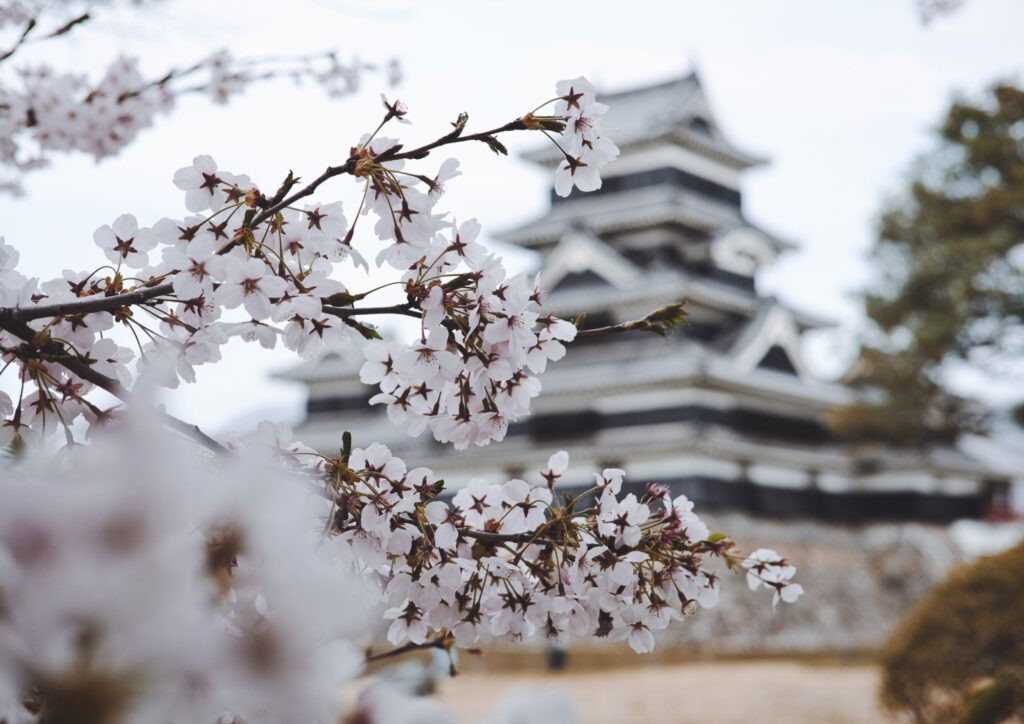
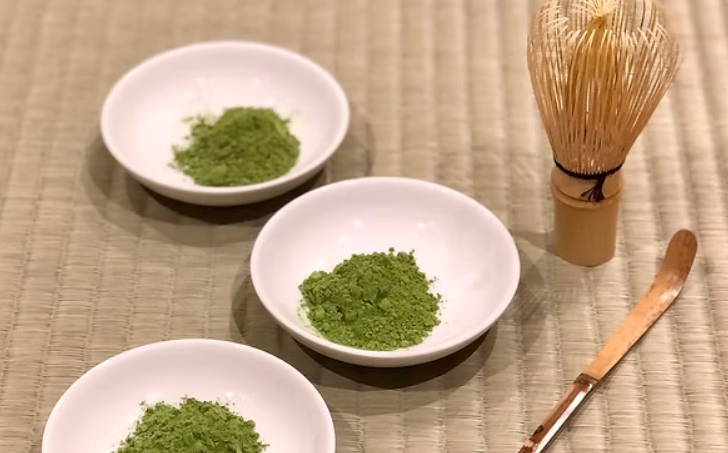
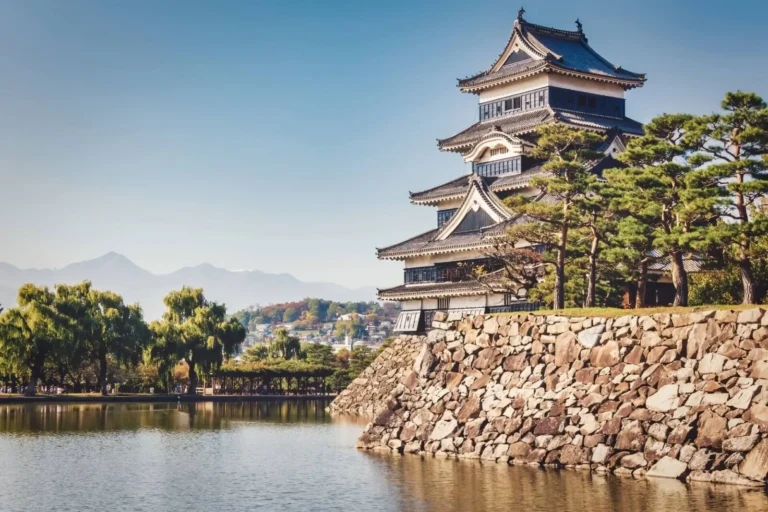
Set against the backdrop of the Japanese Alps, Matsumoto is a castle town with an enduring sense of cultural preservation. While it is best known for Matsumoto Castle—one of Japan’s few remaining original feudal castles—it is also home to a tradition of tea culture.
Visitors can enjoy intimate tea gatherings held in traditional kura (storehouses) or historic homes that have been repurposed as cafes. These forms of tea ceremony emphasize personal interaction and hands-on experiences.
Recommended Tour of Matsumoto:
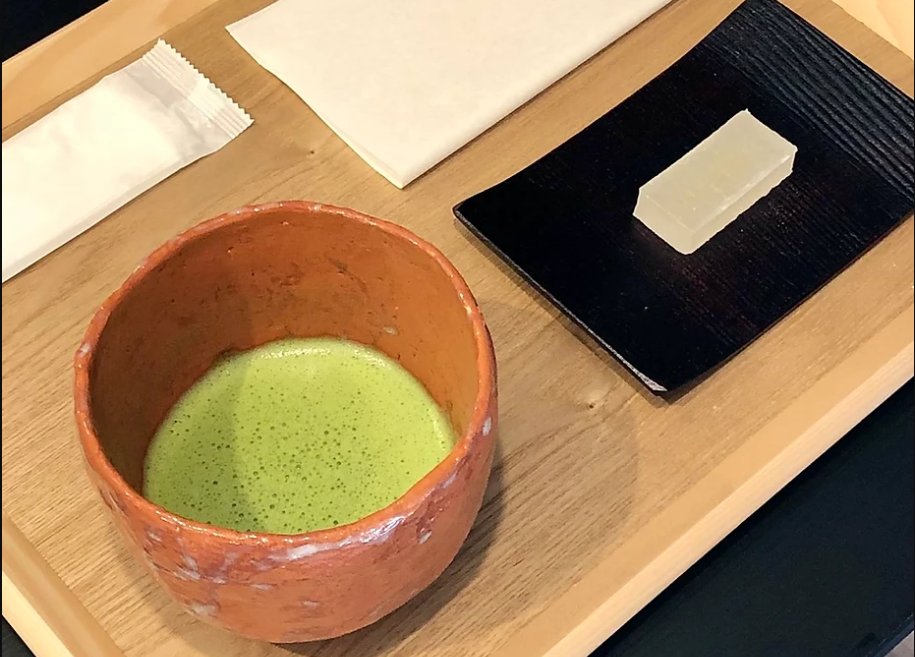
Taste Matcha and Wagashi (Japanese sweets) at a local Matcha Cafe on our 1-Day Walking Tour In Matsumoto: Matcha Tea and Modern Art.