
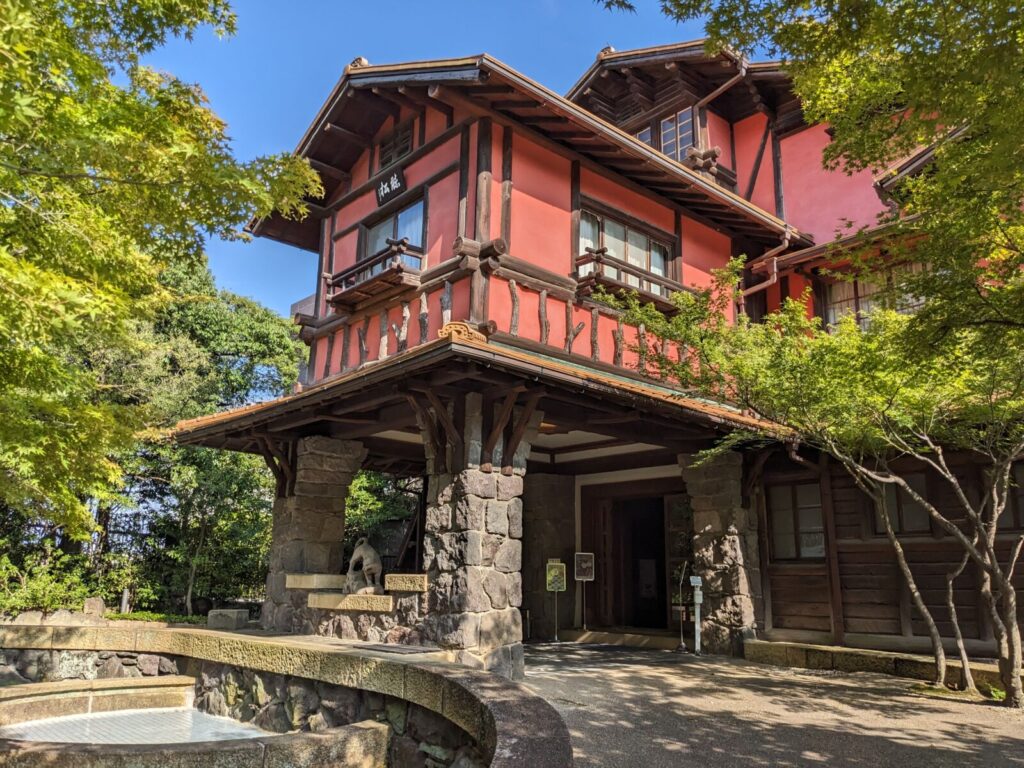
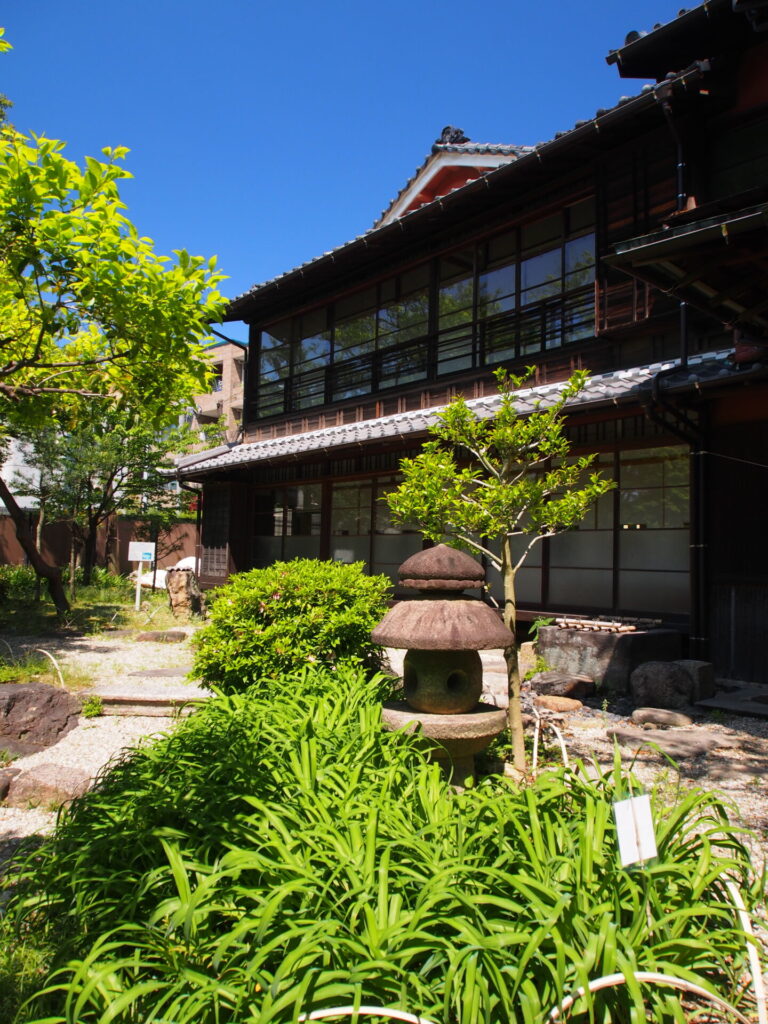
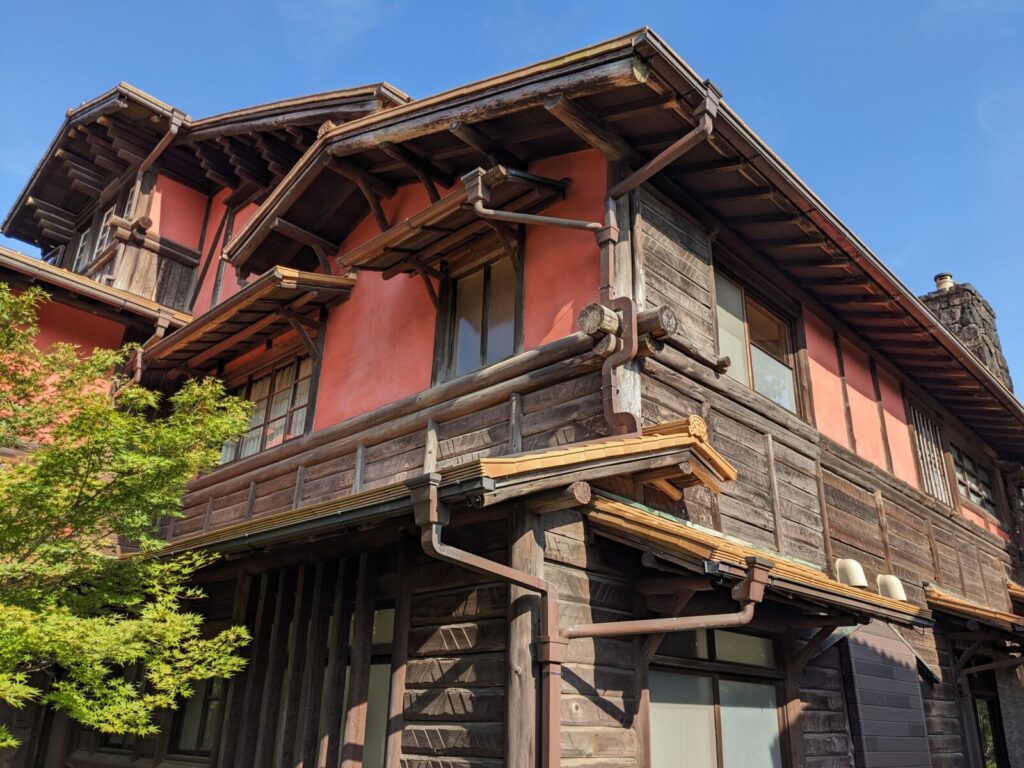
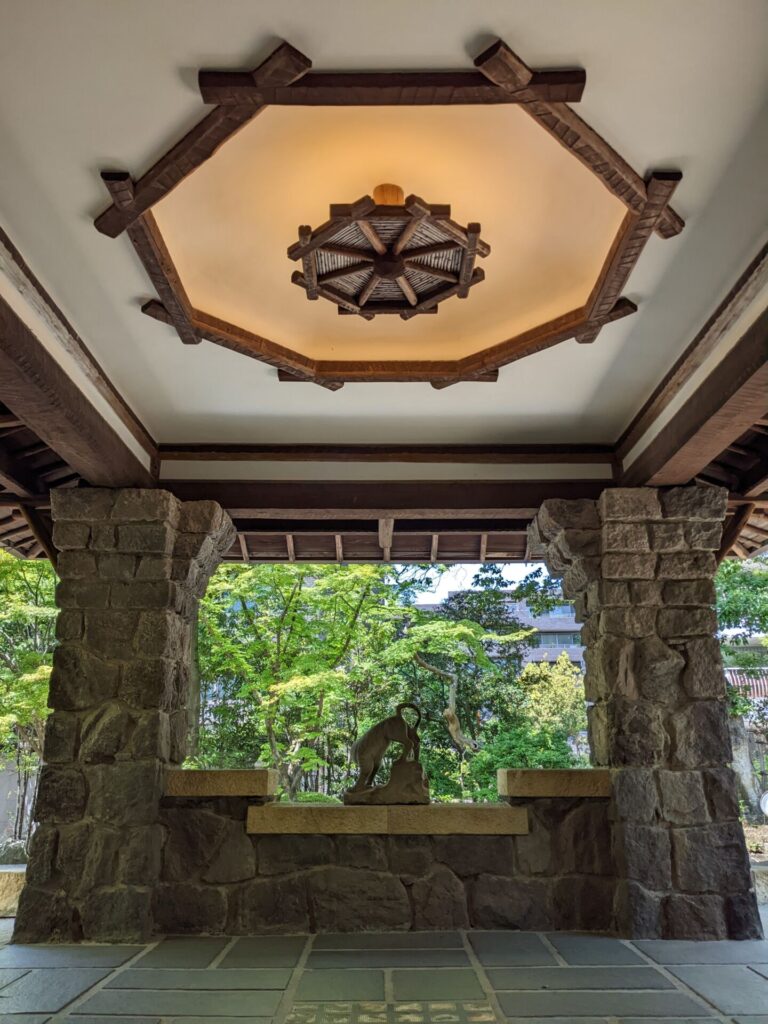
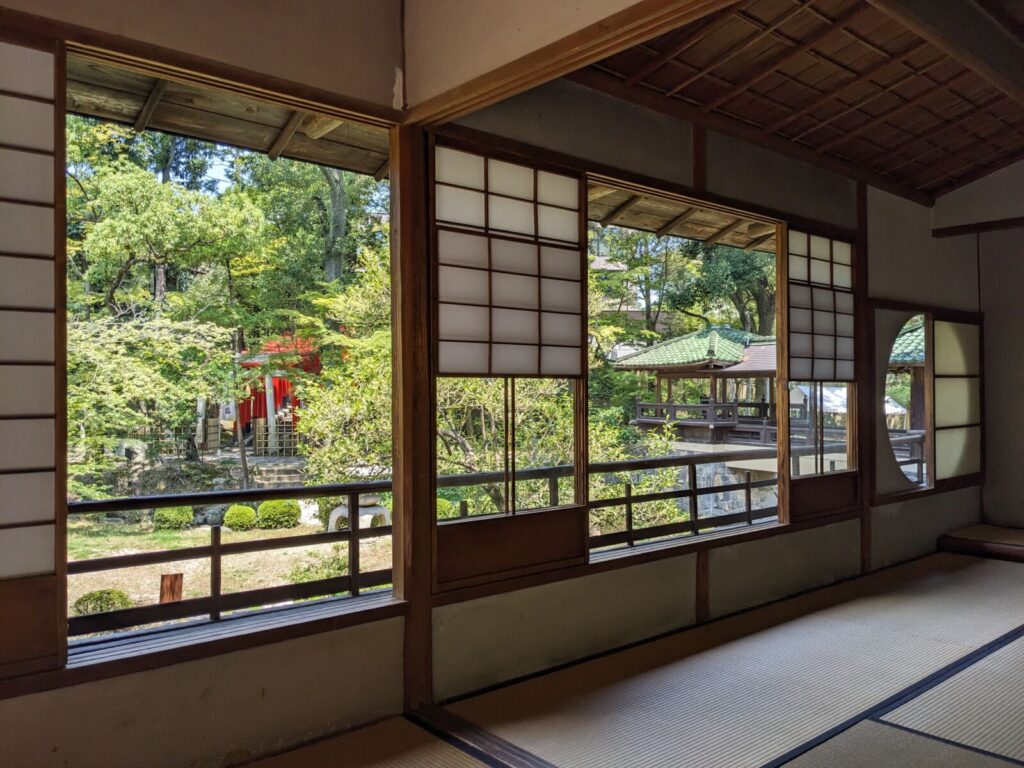
Just a short ride from Nagoya Station, Yokiso is one of Nagoya's most fascinating hidden historical estates. Constructed over a period from the 1910’s to the 1930’s, the villa estate preserves a unique fusion of western and Japanese architecture.
The Yokiso Villa, as well as its picturesque gardens, offers visitors a unique chance to step into the world of pre-war Nagoya. From the unique architecture to the tranquil gardens, Yokiso Villa is a peaceful and architecturally beautiful destination that feels far removed from its modern city surroundings.
A Brief History of Yokiso
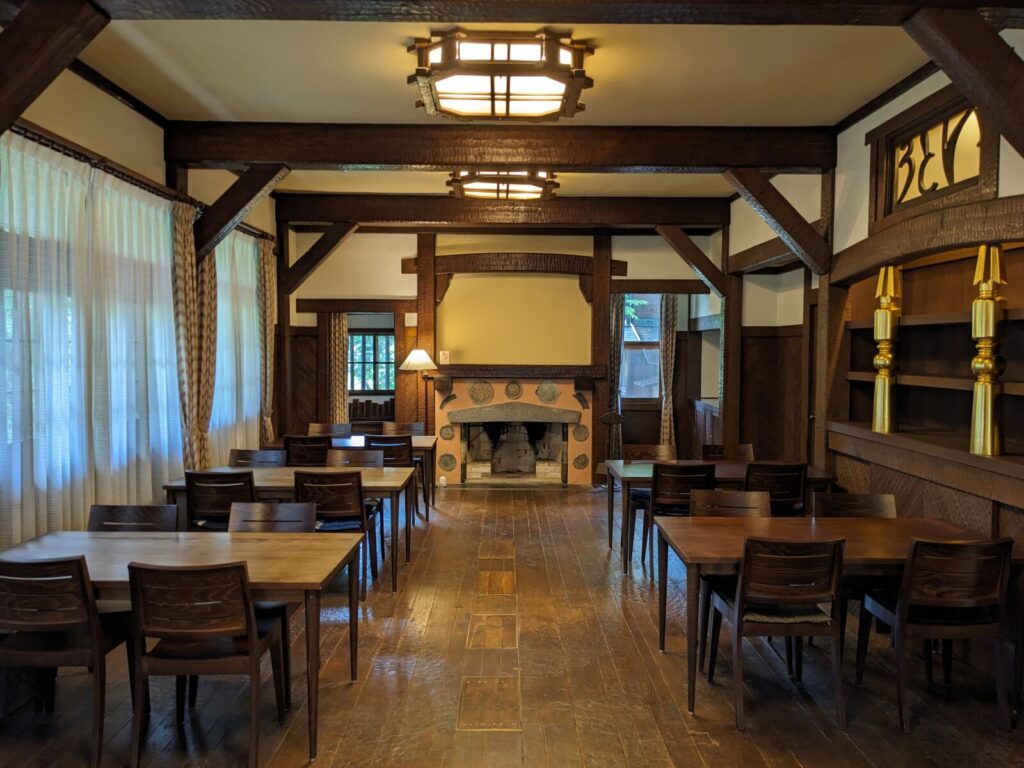
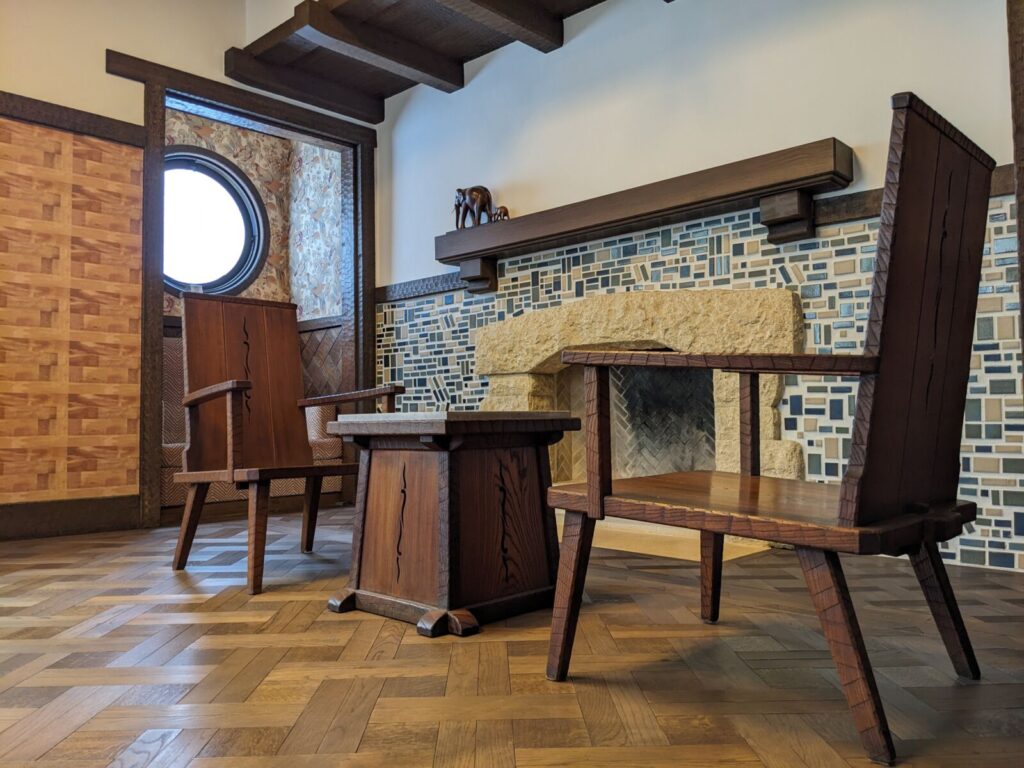
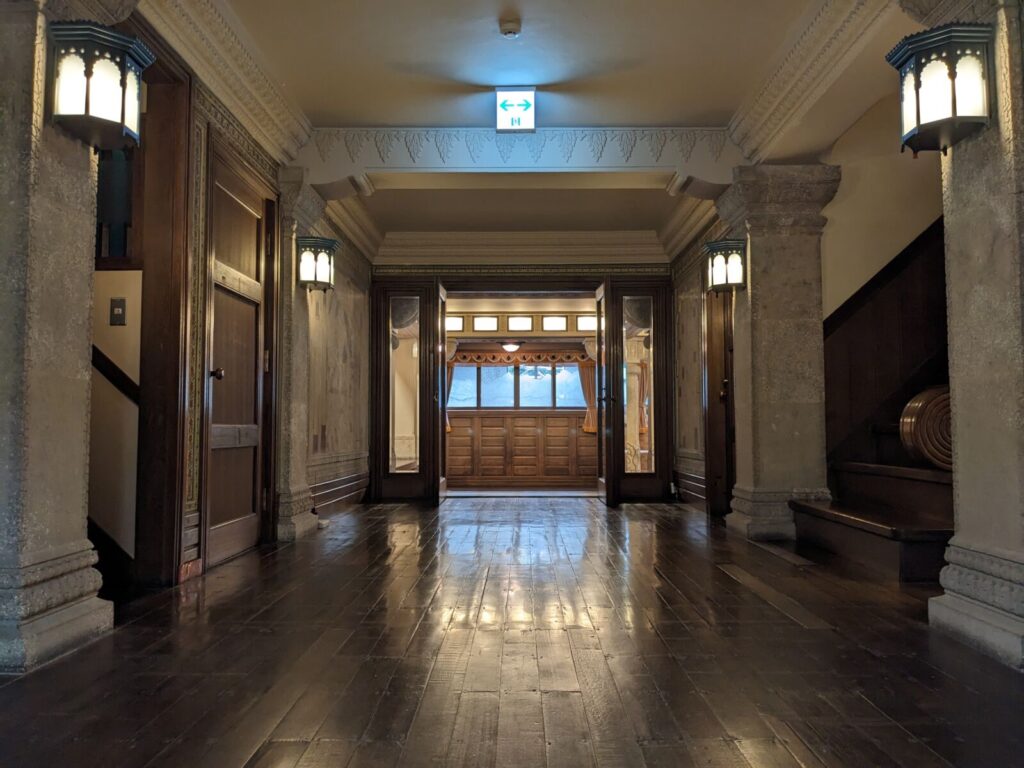
- Yokiso Villa was built from the Taisho period into the early Showa period
- The estate belonged to Ito Jirozaemon Suketami, the first president of Matsuzakaya Department Store
- Yokiso became a place of cultural and international exchange, hosting figures from the worlds of politics, business, culture, and overseas student communities
- Today, five of its buildings are designated Tangible Cultural Properties by the City of Nagoya
Yokiso was created as the private villa estate of Ito Jirozaemon Suketami, the first president of Matsuzakaya, one of Nagoya’s best-known department stores. Developed from the Taisho period into the early Showa era, the estate once featured a remarkable collection of more than 30 buildings, each connected to expansive gardens.
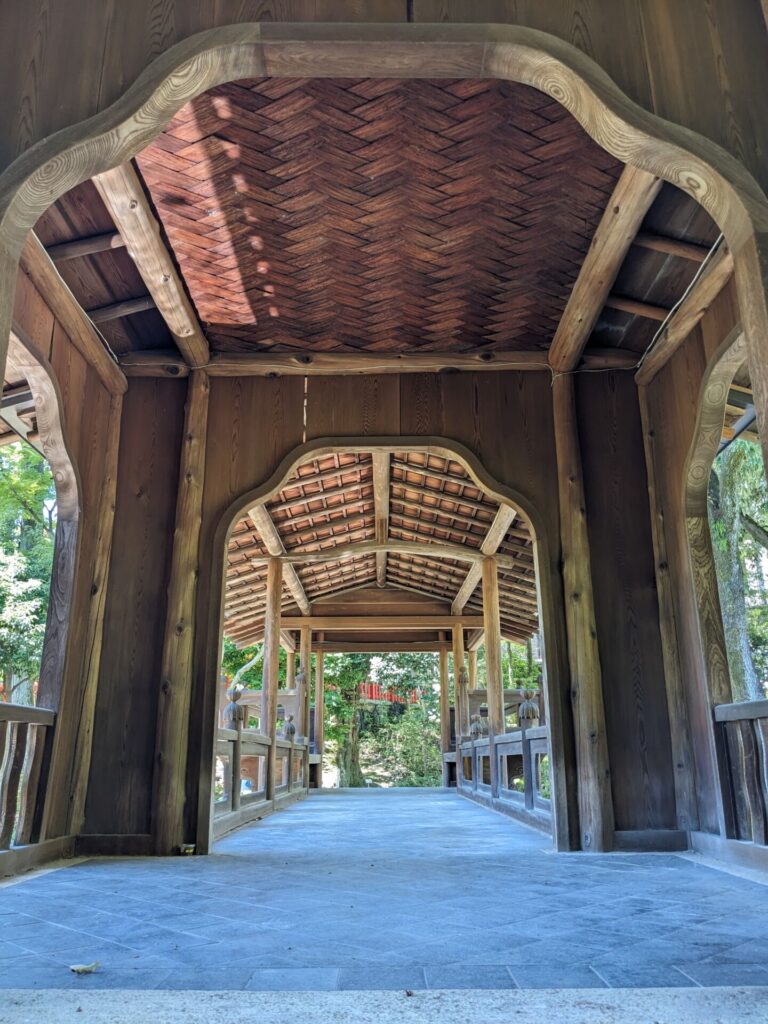
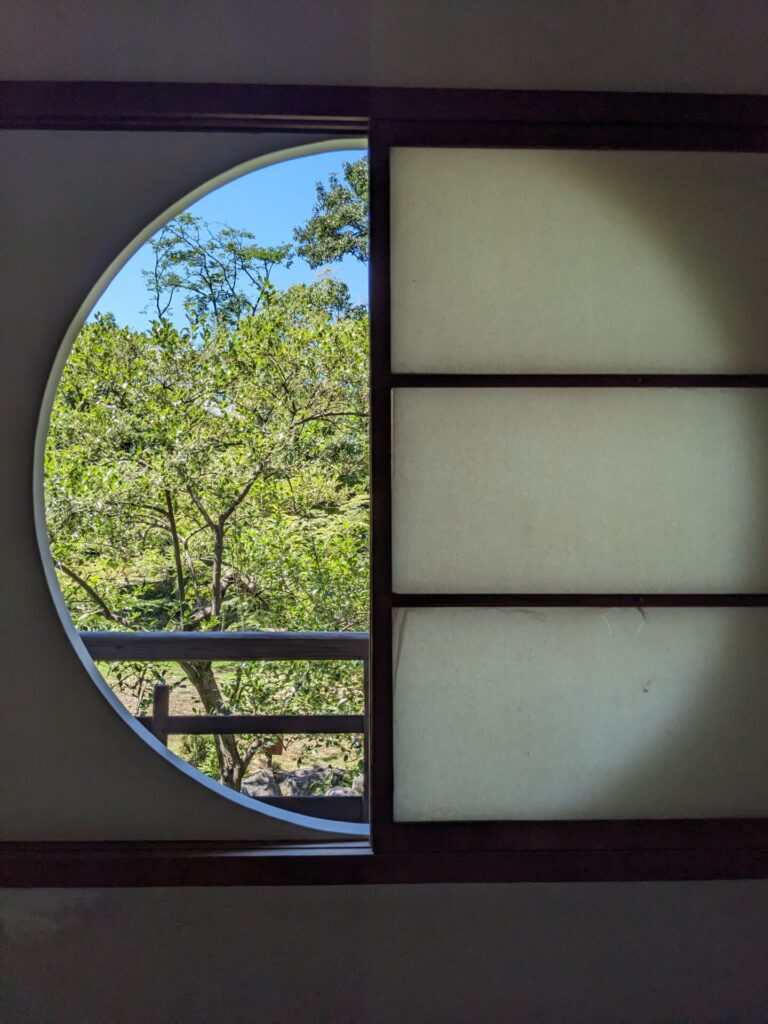
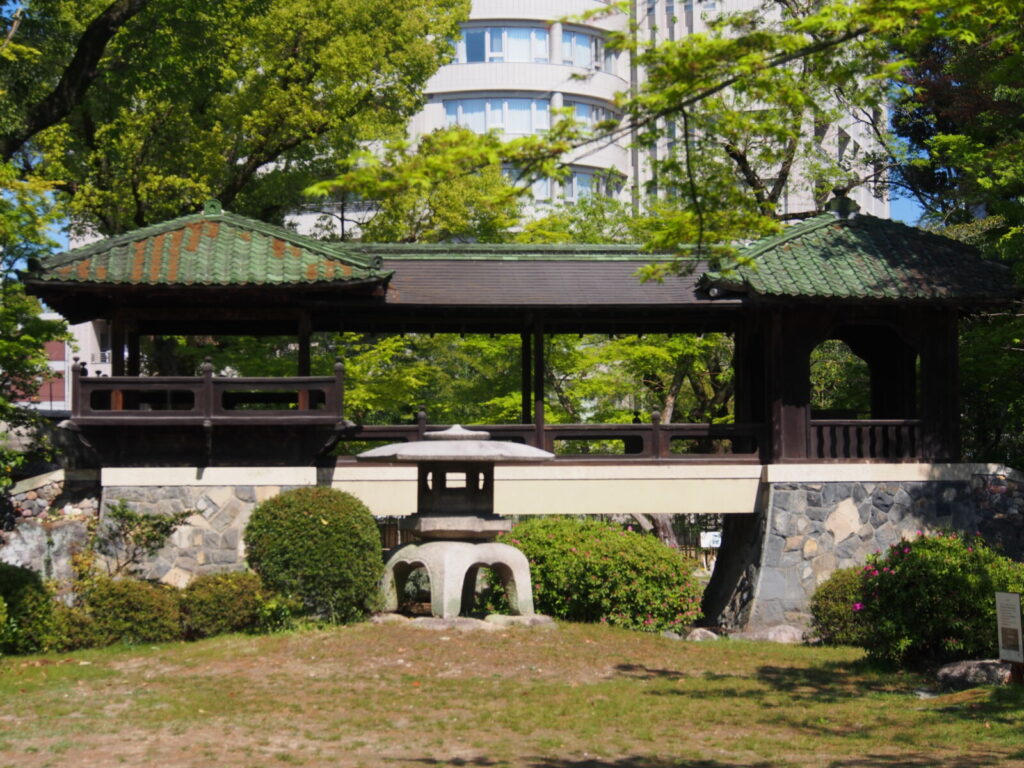
Yokiso also functioned as a social meeting place for the wealthy merchant class of Nagoya's high society. During its prime, it welcomed not only figures from Nagoya’s political and business circles, but also international students and guests, giving it a more cosmopolitan atmosphere than many private villas of its time. This mix of refinement and openness helped make Yokiso a distinctive part of modern Nagoya’s cultural history.
Although some of the estate has not survived in its original form, important sections remain and have been carefully preserved. Today, Yokiso remains an important cultural asset to the area, with five of the structures having been designated Tangible Cultural Properties of the City of Nagoya.
Ito Jirozaemon Suketami: The Businessman Behind Yokiso
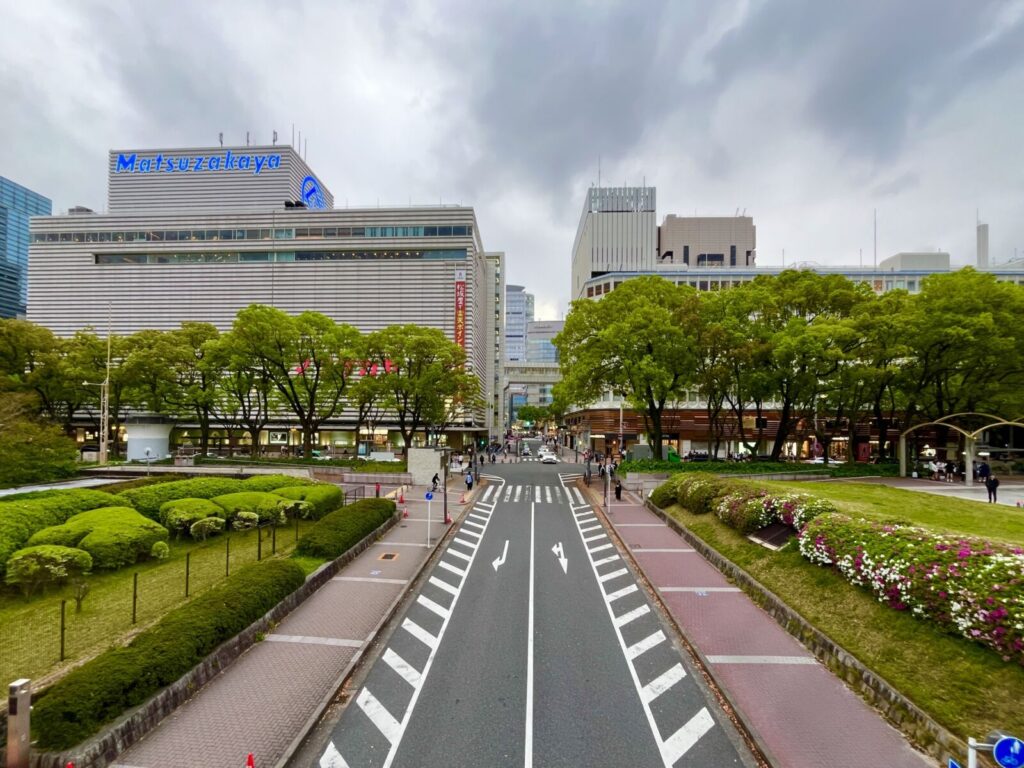
To fully appreciate Yokiso, it helps to understand the man who built it. Ito Jirozaemon Suketami was not only the owner of the estate, but also one of the most influential figures in Nagoya’s modern commercial and cultural history.
The Ito family had deep roots in the region, tracing its lineage back to retainers connected to Oda Nobunaga, the first of Japan’s three great unifiers. Following the construction of Nagoya Castle, and the political shift away from nearby Kiyosu, the family settled in the city and became successful kimono merchants. Over the generations, their business developed into one of Nagoya’s best-known merchant families.
By the time Suketami became the 15th Ito Jirozaemon (head of house) in 1924, he had already helped transform the long-running family kimono business into a modern company, eventually leading it into the department store era. Under his leadership, the business evolved into what would later become Matsuzakaya, the first, and one of the most famous, department store in Nagoya.
He used the estate to host garden parties, moon-viewing parties, Kyogen performances (traditional Japanese comic theater), and tea ceremonies not only to show off his wide range of interests and hobbies, but also to connect with other influential businessmen of the time.
More than just a businessman, Suketami was also involved in welfare and international exchange, through his foundation, the Shuzenkai Foundation, supporting initiatives related to childcare, medical care, and assistance for international students from across Asia.
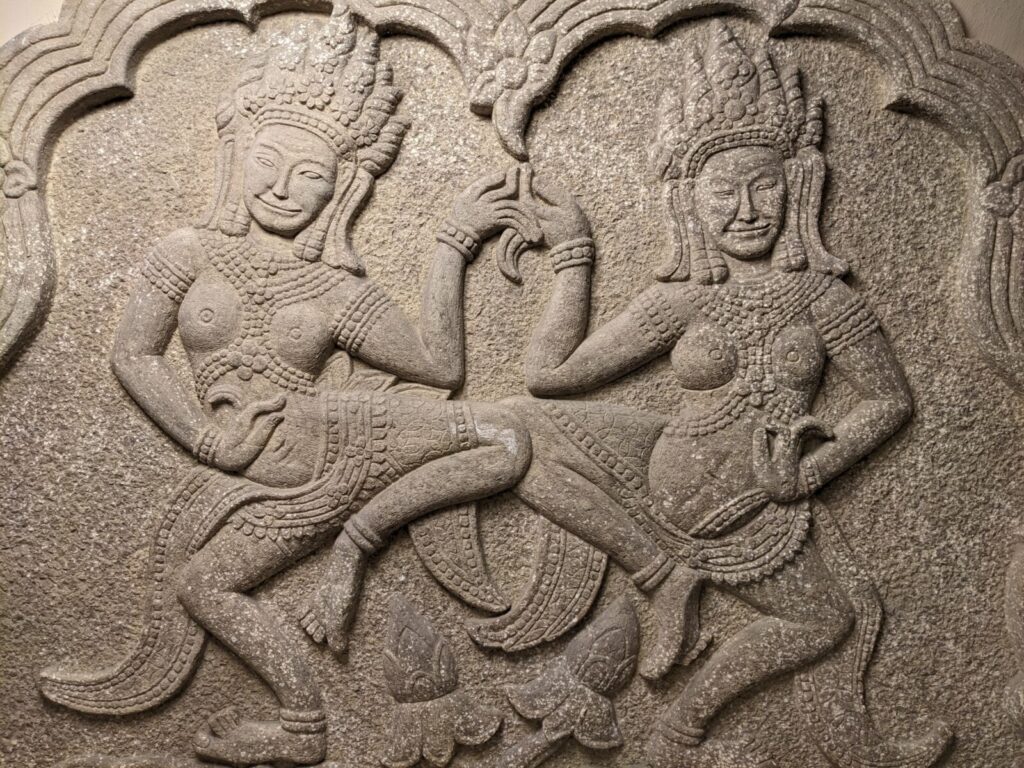
He was also a devout Buddhist, and took a four-month pilgrimage through India and south-east Asia to various Buddhist sites. The strong impression this trip made on him is visible in the furnishings and design of Choshokaku.
Touring Yokiso
Yokiso is ideal for visitors looking to explore a quieter side of Nagoya or for travelers with an interest in architecture or tea gardens.
Today, the estate is divided into two sites, the North Garden and South Garden, each offering unique attractions to visitors with the main residence, Choshokaku in the south, and the garden in the north.
Main Attractions
- Choshokaku: A western-style building constructed 1937 as a guest house
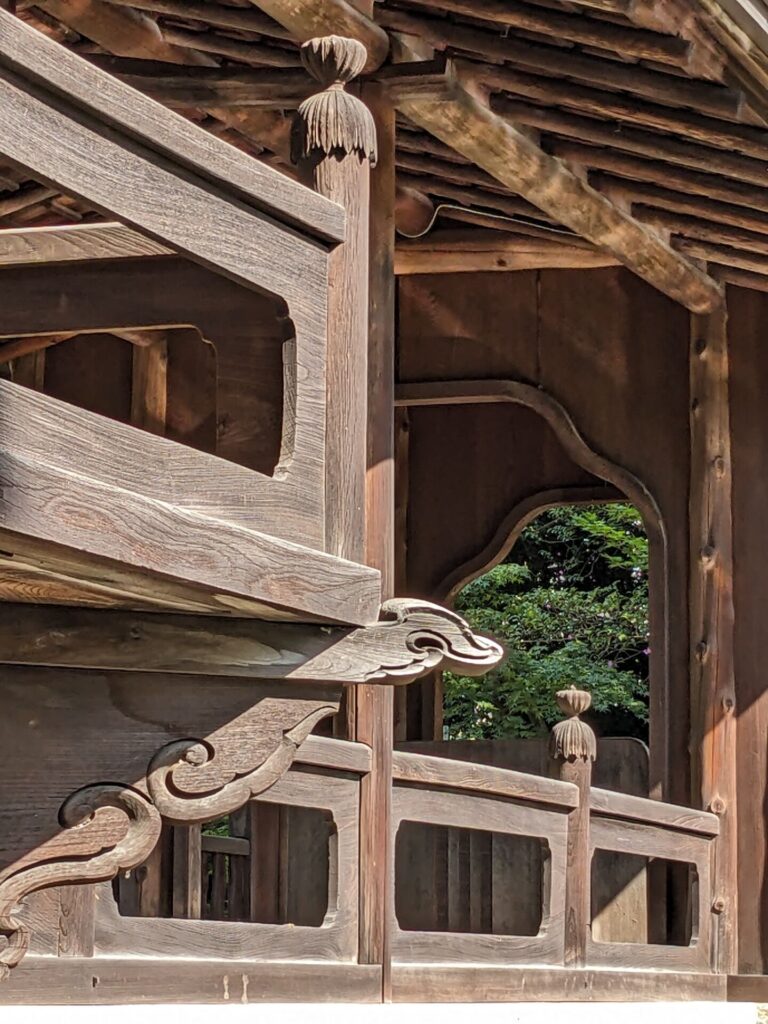
- Hakunkyo Bridge: A beautiful, covered bridge modelled after the Chitose Bridge in Kyoto.
- Sanshotei: The first building constructed at Yokiso, the single-story wooden building was once a tea house.
Visitor Information
- Hours: 9:30 to 16:30
- Closed: Mondays (or the following weekday if Monday is a public holiday), and from December 29th to January 3rd
- Admission: North Garden is free. Choshokaku (South Garden) admission is ¥300 for adults/high school/university students, ¥100 for Nagoya residents aged 65+, and free for junior high school students and younger
Access
Yokiso is located in Nagoya’s Kakuozan area and is easy to reach by public transport. The nearest station is Kakuozan Station, which is a less than 15-minute ride from Nagoya Station, and about a 10-minute walk from the estate. There is no dedicated parking on-site, so public transport is generally the easiest option.
Recommended Tour: Step away from the hustle of modern Japan and into a world where centuries-old traditions meet unparalleled craftsmanship on Snow Monkey Resort's 1-Day Tour from Nagoya: Matcha, Confections, and Traditions in Nishio.
From crafting your own tea ceremony sweets to a behind the scenes look at the production of premium quality matcha, this tour will take you deeper into one of Japan’s most treasured traditions than ever before. Whether you’re a tea connoisseur, a culinary enthusiast, or simply a curious traveler, this is an opportunity to experience Japan in a way that few ever do.

Frequently Asked Questions (FAQ)
Can you go inside Yokiso?
Yes. Visitors can enter Choshokaku, the estate’s most famous surviving building, by paying admission. The North Garden can be visited free of charge.
Is Yokiso worth visiting in Nagoya?
Yes, especially for visitors interested in architecture, gardens, and quieter historical sites. Yokiso offers a very different atmosphere from Nagoya’s larger tourist attractions and is one of the city’s most rewarding hidden cultural spots.
How long should I spend at Yokiso?
Most visitors find that around 1 to 1.5 hours provides a good amount of time to enjoy exploring the area.
What is Yokiso known for?
Yokiso is best known as a historic villa estate built by the first president of Matsuzakaya, and for its unusual blend of architectural designs from both Japanese and western influences.
How do you get to Yokiso?
Yokiso is about a 10-minute walk from Kakuozan Station on the Higashiyama Subway Line in Nagoya.