




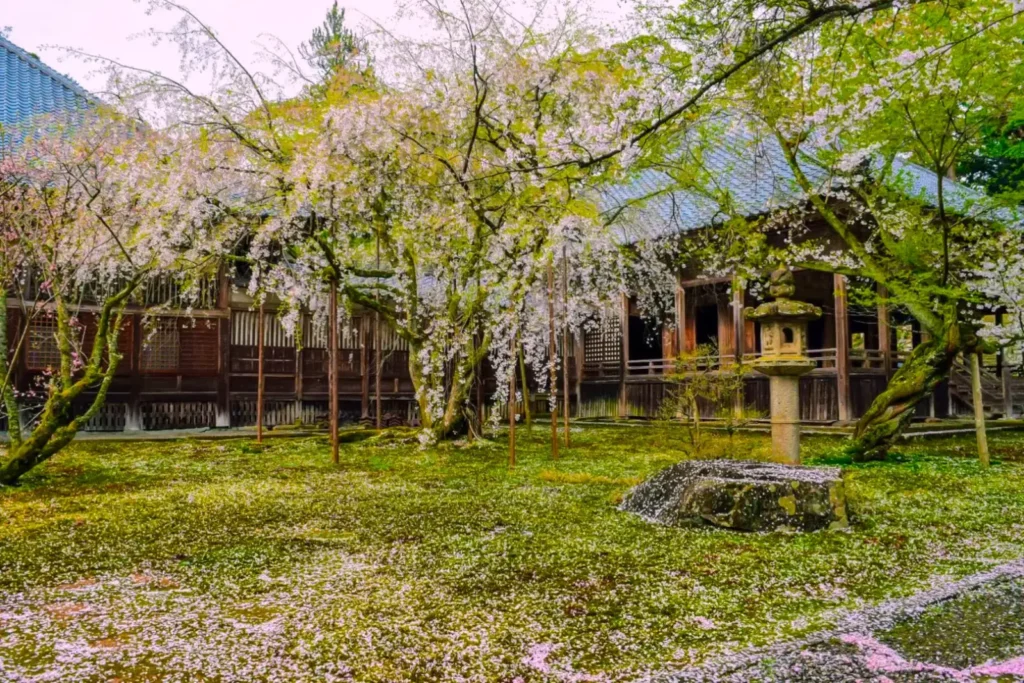
In the northern Fukui town of Mikuni lies Takidanji Temple. The temple has been renowned for its beauty, particularly its mossy garden, for centuries. Once a much grander series of sprawling buildings, the temple as it is now offers a beautiful and quiet place for some serene reflection.
What is Takidanji Temple?
Takidanji Temple is a Buddhist temple belonging to the Shingon sect. It is located in Mikuni town in north Fukui Prefecture. The temple was founded in 1377 during what is known in Japan as the Muromachi Period (1336 - 1573). At the time, Fukui was governed by the Asakura clan who had strong ties to the shogunate. The clan generously donated to the temple. As it housed (and continues to do so today) a statue of the Buddha Yakushi Nyourai said to be carved by a legendary monk from the Nara Period (710 - 794).
Like other religious sites such as Eiheiji Temple and Hakusan Heisenji Shrine, though, Takidanji fell into decline during the Warring States Period (1493 - 1573) when Fukui was ruled by the militant Buddhist sect the Ikko-Ikki for the better part of a century. Once the Ikko-Ikki were defeated and removed from power, the land was given to the son of the Shogun and took on the name "Matsudaira." The Matsudaira clan also patronised the temple frequently as they attempted to curry favour from the Shingon sect.
Takidanji in the Modern Era
Most of the buildings in Takidanji now come from the Edo Period (1603 - 1868). It displays a variety of treasures it has amassed over the years, including a pearl said to be given to the founder of the temple by a dragon.
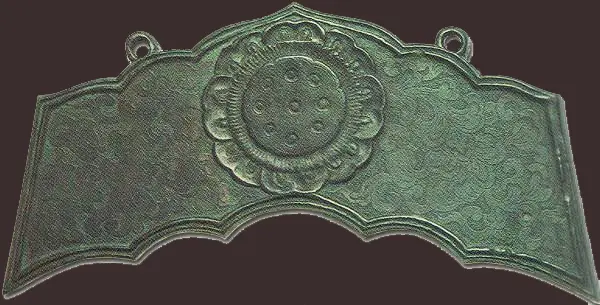
In the hall of treasures, there is also a gilded-bronze chime which has been designated as a national treasure. It was originally an ancient Chinese instrument, but was later adopted by Buddhists to use in prayer. It may be hard to see in the picture above, but the are delicate flower patterns throughout the piece. The chime has more than 1000 years of history and has weathered the test of time well.
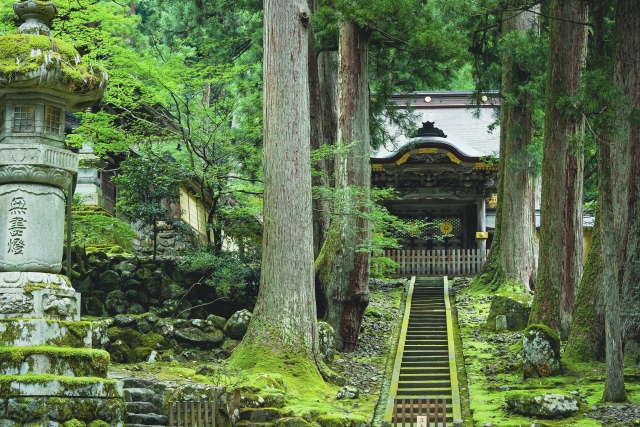
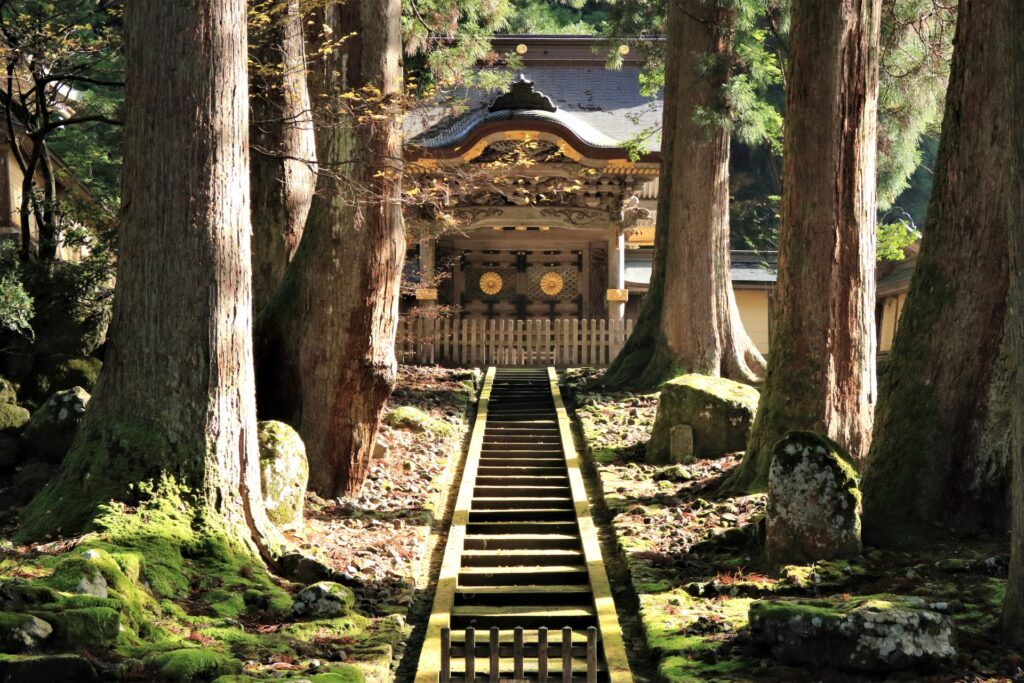
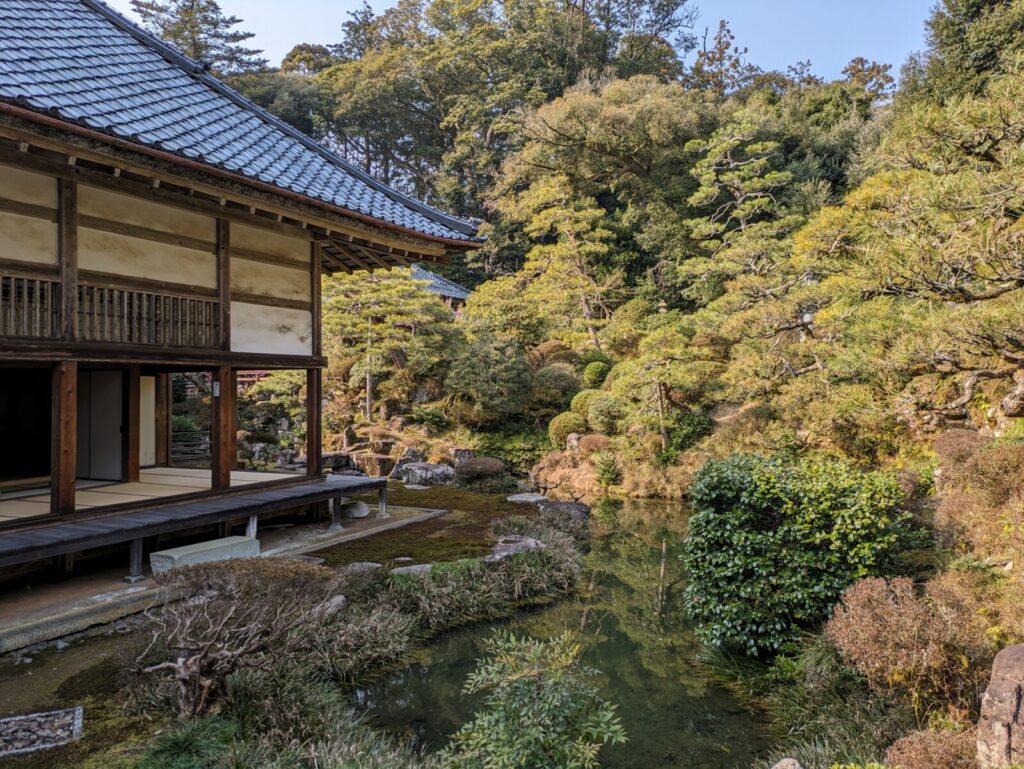
Takidanji is now mostly known for its beautiful garden situated at the back of the temple grounds. It is constructed in a way that gives the impression the garden was carved out of the nearby forest, with tall trees at the back stretching out above. The temple also seems to wrap around the garden, giving numerous different angles which highlight various features of the garden.
Visiting Takidanji Temple
Takidanji Temple is easy enough to get to, as it is situated close to Mikuni Station. It opens at 08:00 A.M. and closes at 17:00 P.M. The route through the temple takes visitors through mountain gate and into the main hall, the Kannon hall dedicated to the Buddhist goddess of compassion, out to the garden and out towards the hall of treasures in a separate building.
There are many small pieces of interest along the route and it's easy to miss them all. You might be interested in a guided tour of Takidanji. If that's the case, Snow Monkey Resorts has got you covered. On our Stunning Cliffs, Spiritual Island and Historical Port tour through the area closes the day with a guided tour around Takidanji Temple.
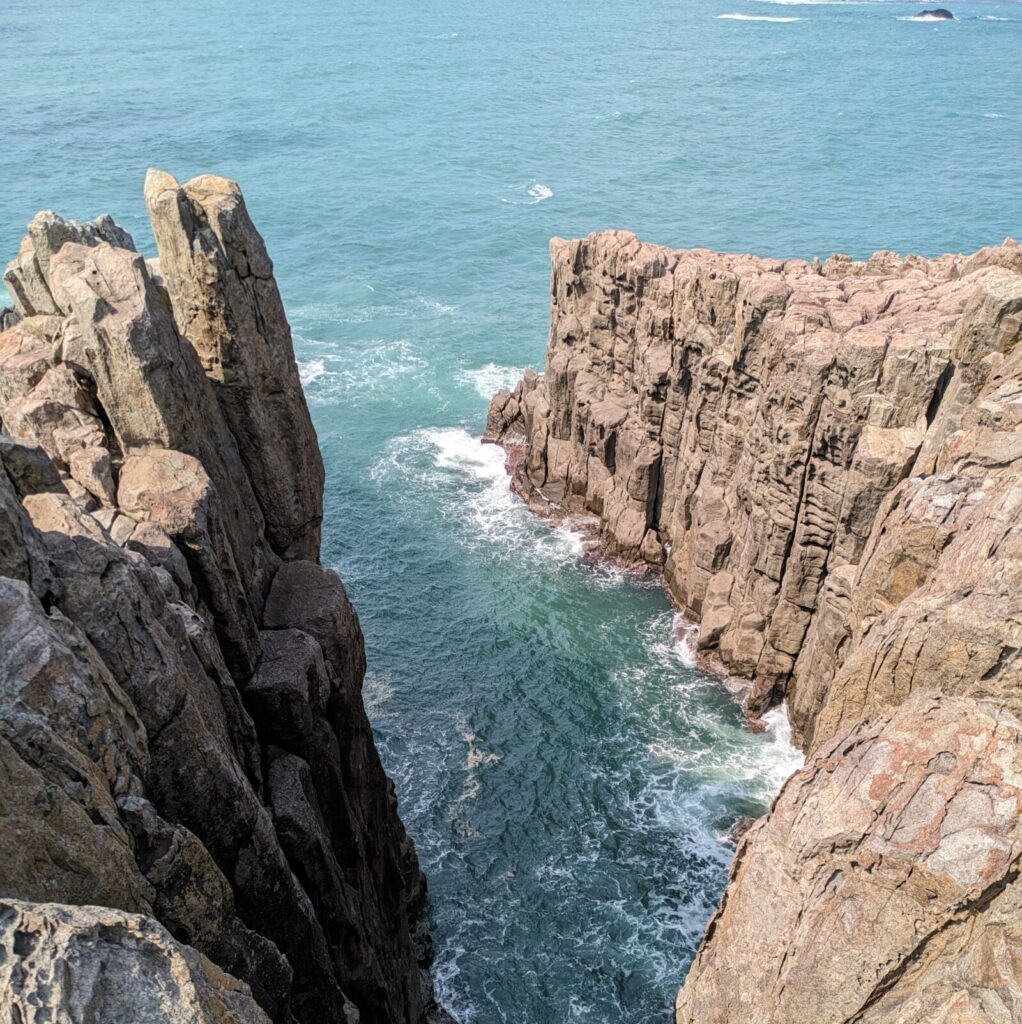
TOJINBO CLIFFS / all year round

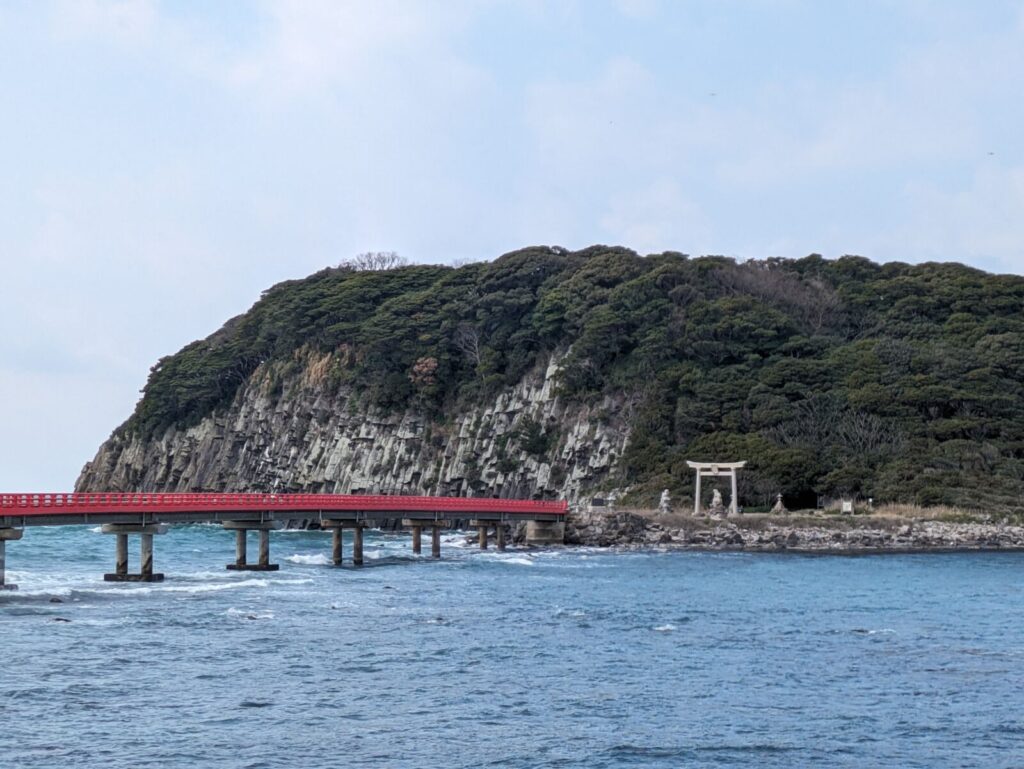
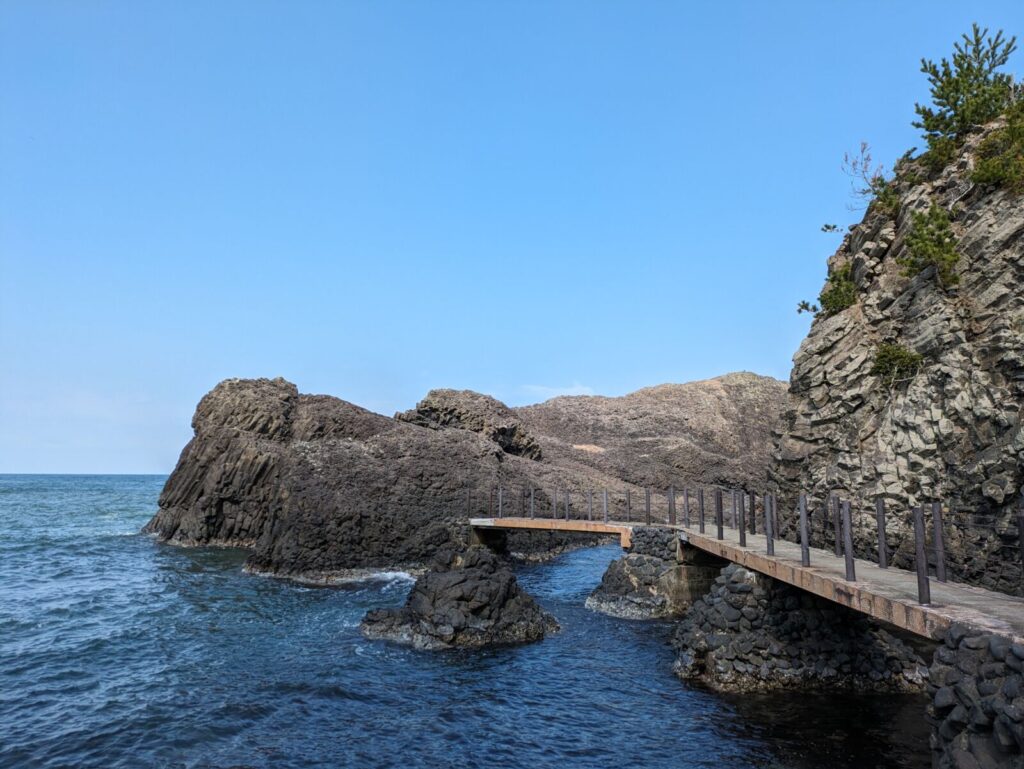
The coast of the Sea of Japan offers incredible variety, from golden beaches to dramatic, rugged cliffs. The Tojinbo area in northwest Fukui is famous for its striking rock formations, sheer cliffs, and a sacred island. This tour allows you to fully explore the region, including a visit to the historic Mikuni Port, once a thriving hub of trade. Stroll along the coastline, discover an uninhabited island, admire the towering cliffs, and visit temples or shrines designated as National Heritage Sites. Immerse yourself in the stunning beauty and rich history of this coastal treasure that began millions of years ago and continues to this day.
Frequently Asked Questions (FAQ)
Is Mikuni worth visiting?
Mikuni is a great place for people who have been to Japan before and taken in most of the main "tourist" areas like Tokyo, Kyoto and Osaka and are looking to visit somewhere that's a little off the beaten path. Mikuni is steeped in history, owing largely to its famous port and the trade that was brought through that. Fukui Prefecture was once one of the most important areas in Japan so has many historical sites, ancient temples and traditional crafts. If you're thinking about visiting the area, check out our Things do to in Fukui guide for more!
Can I take pictures inside Takidanji Temple?
It depends on the area. Like the vast majority of shrines and temples in Japan, taking pictures into the main worship area (where the statue is) is strictly prohibited. This area is seen as holy and devoted to the gods, so should be respected. Other areas of the temple looking out to the gardens allow photos.
Is Takidanji a Zen temple?
No, Takidanji belongs to the Shingon sect of Buddhism. Shingon places more emphasis on ritual and practices, while Zen Buddhist value meditation. While different, they have a common root called Mahayana Buddhism which originally comes from India.
When is the best time to visit Takidanji?
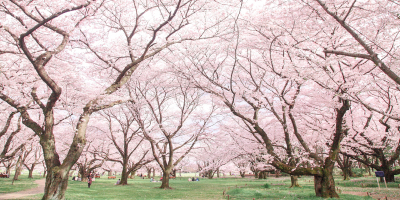
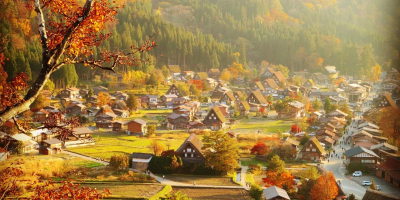
Because of its mossy garden with a variety of trees, including cedar, pine and maple, we recommend spring and autumn as the best times to visit Takidanji. In spring, all the trees and flowers are in full force while, in autumn, the changing of the leaves gives the temple a wonderful, almost melancholy atmosphere.