





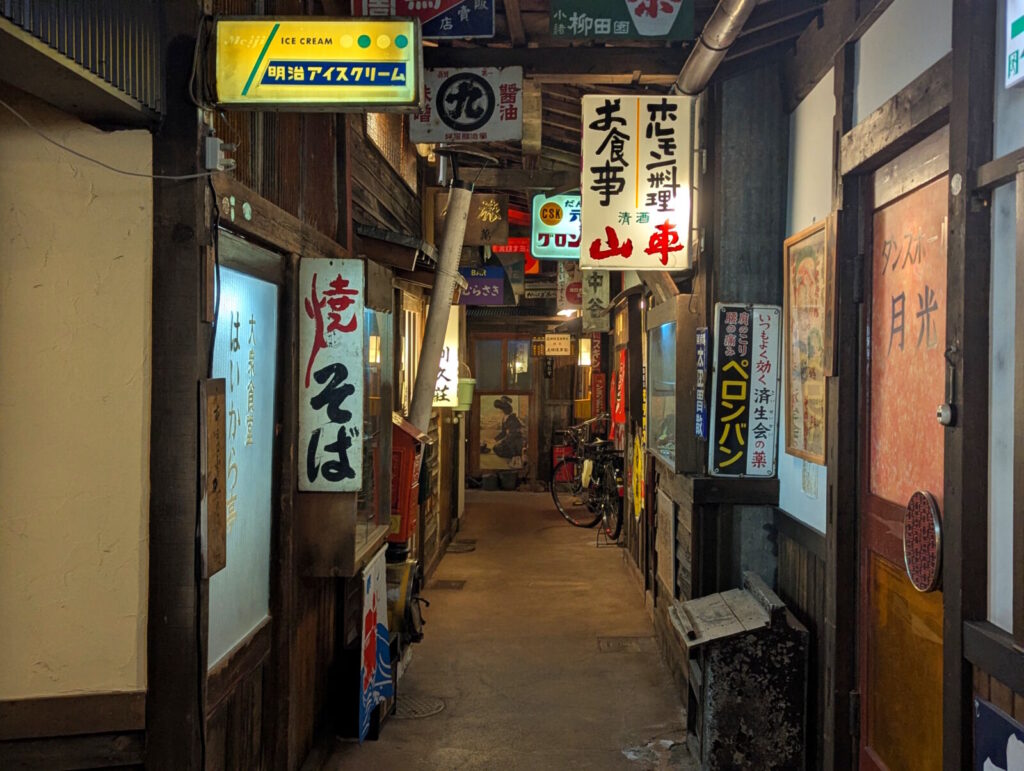
A Showa era museum is an indoor museum in central Takayama that recreates everyday life in Japan during the Showa period. Rather than focusing on major historical events, these museums present daily life through detailed recreations of streets, shops, homes, and public spaces from the mid 20th century.
In central Takayama, there are two museums dedicated to the Showa period. While they share a similar historical focus, each offers its own nostalgic and immersive look at everyday life in mid-20th-century Japan.
Located close to Takayama’s historic old town, the Takayama Showa Museum and the Hida Takayama Retro Museum offer a contrast to traditional cultural sites by focusing on more recent history and the rapid social changes that shaped modern Japan.
What Visitors See
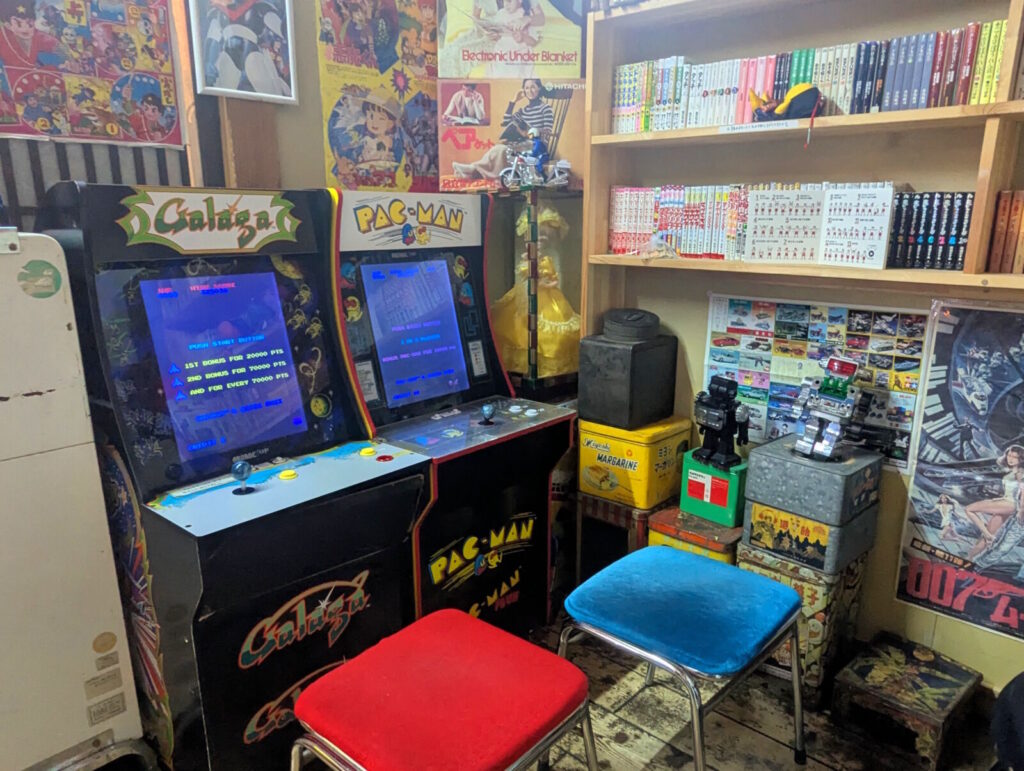
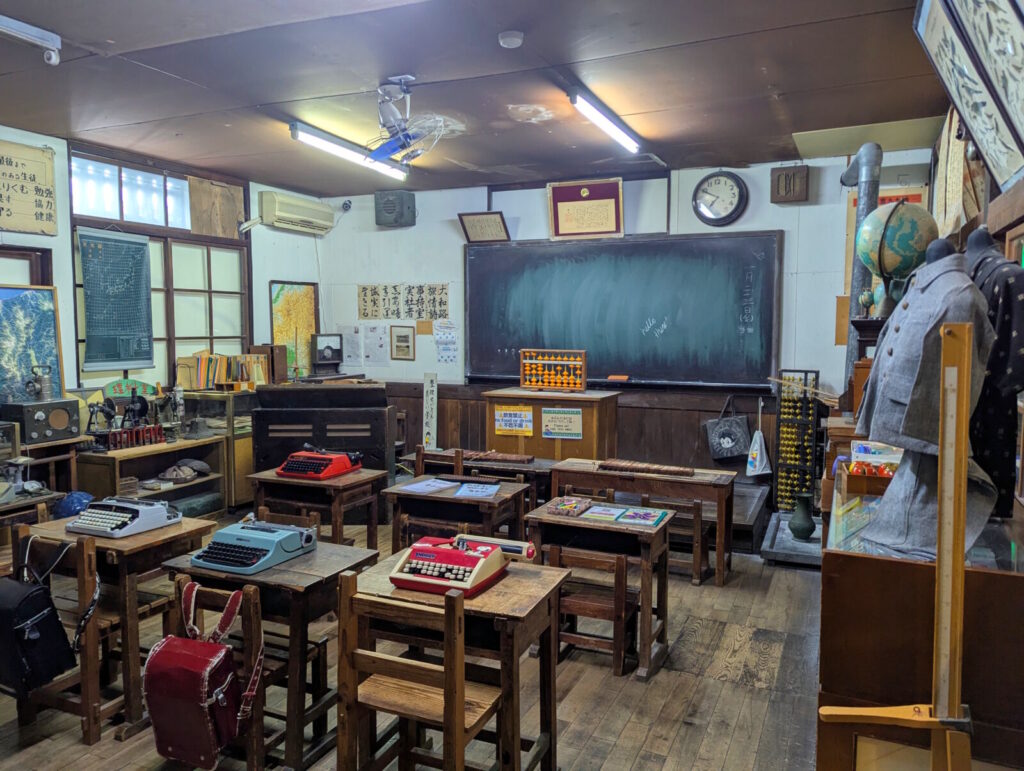
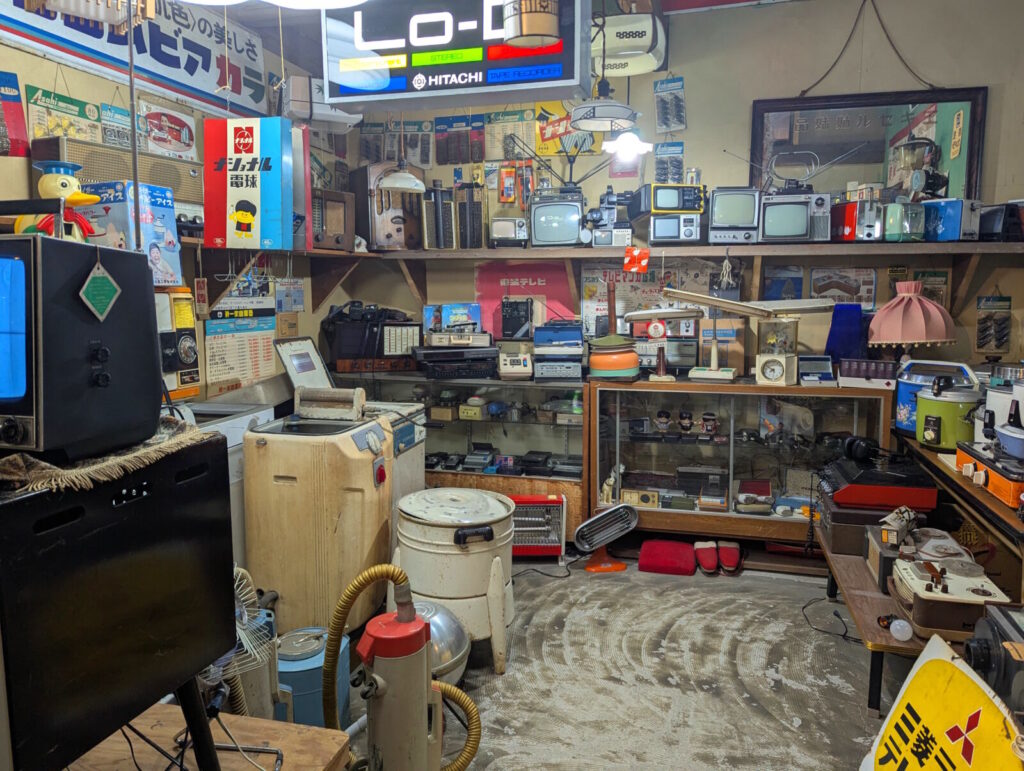
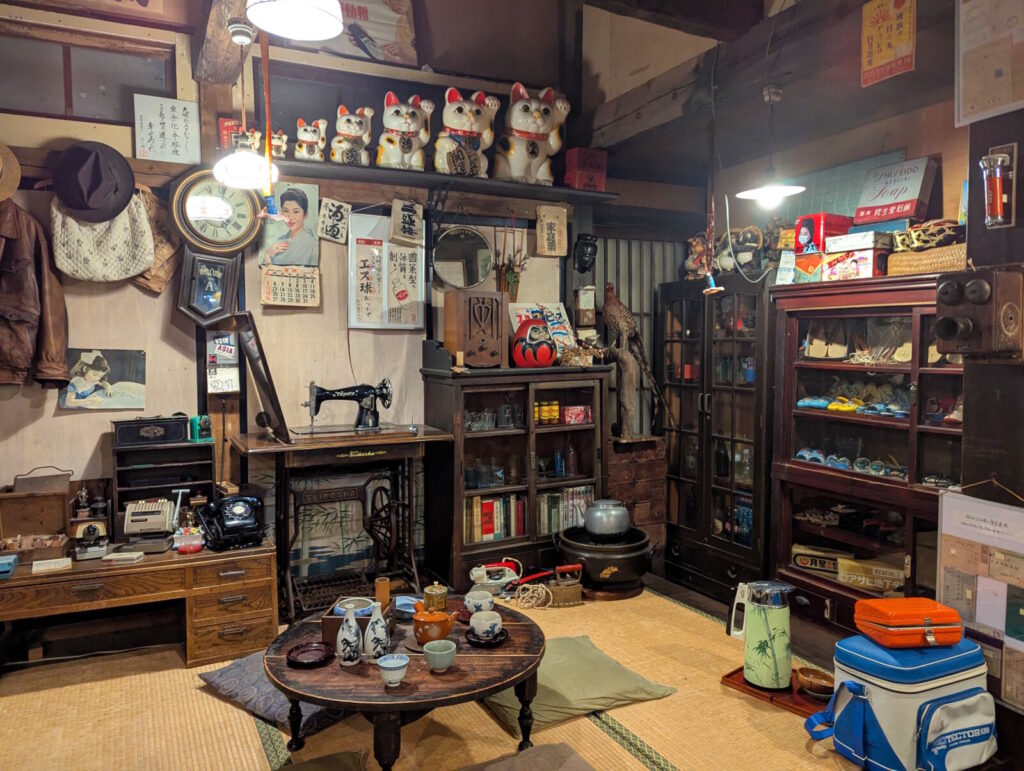
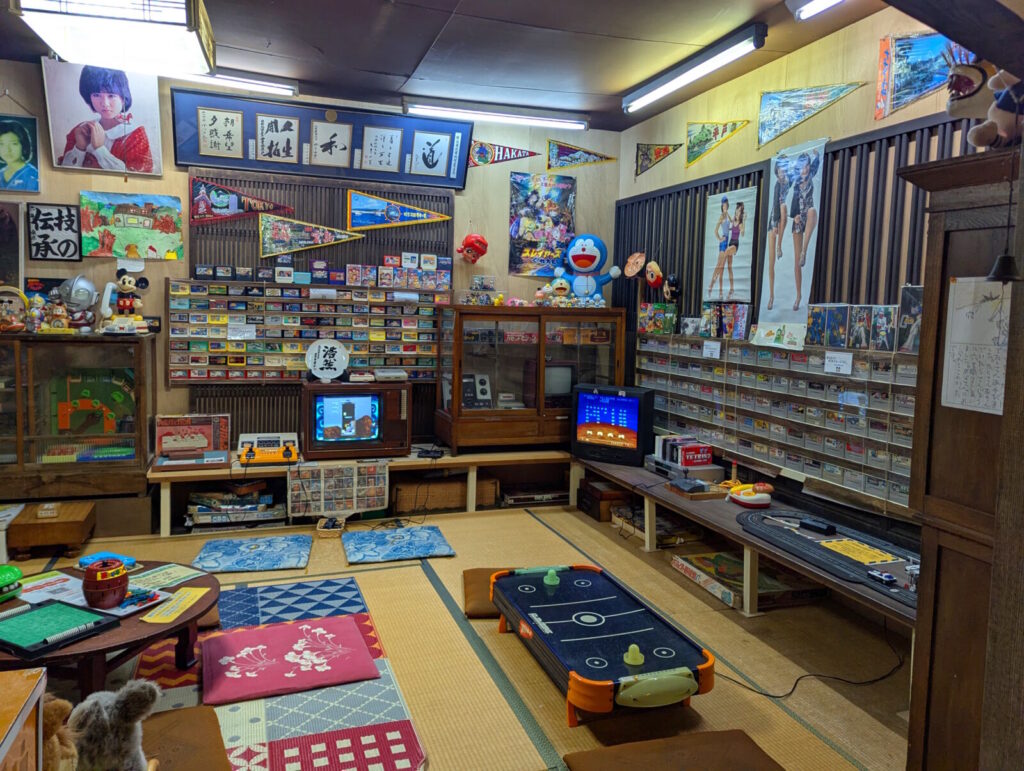
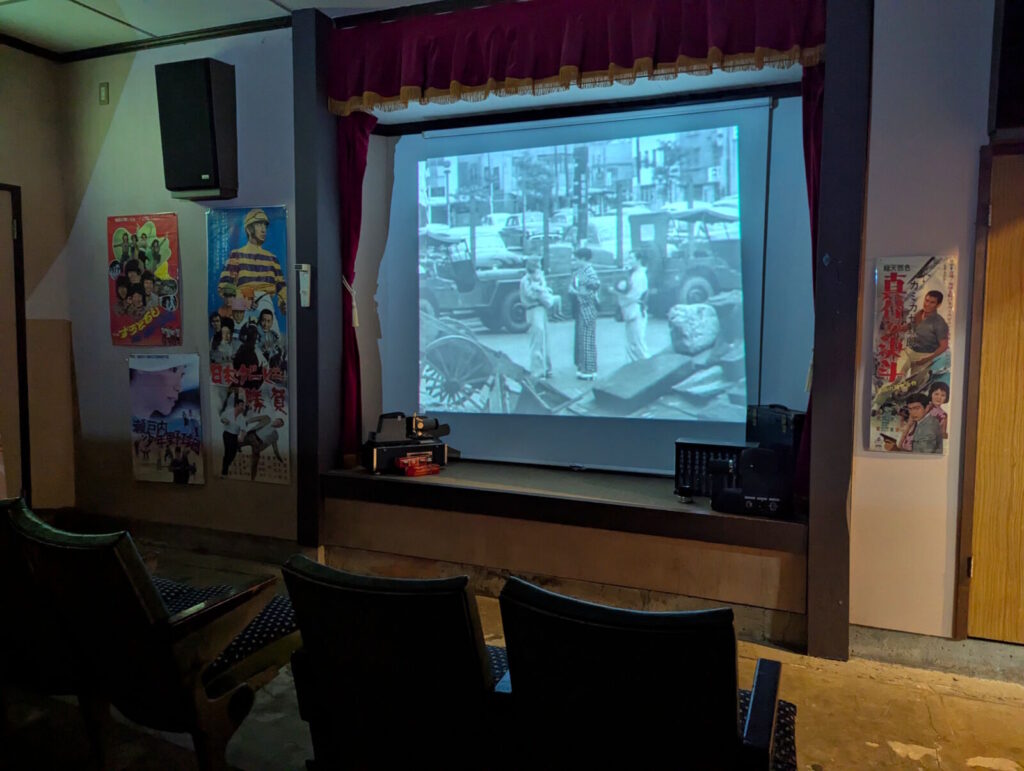
Visitors walk through recreated indoor streets and rooms designed to reflect everyday life during the Showa period. These spaces include small local shops, cafés, living areas, classrooms, and neighbourhood streets, all arranged to resemble how towns and homes once looked rather than formal exhibition spaces.
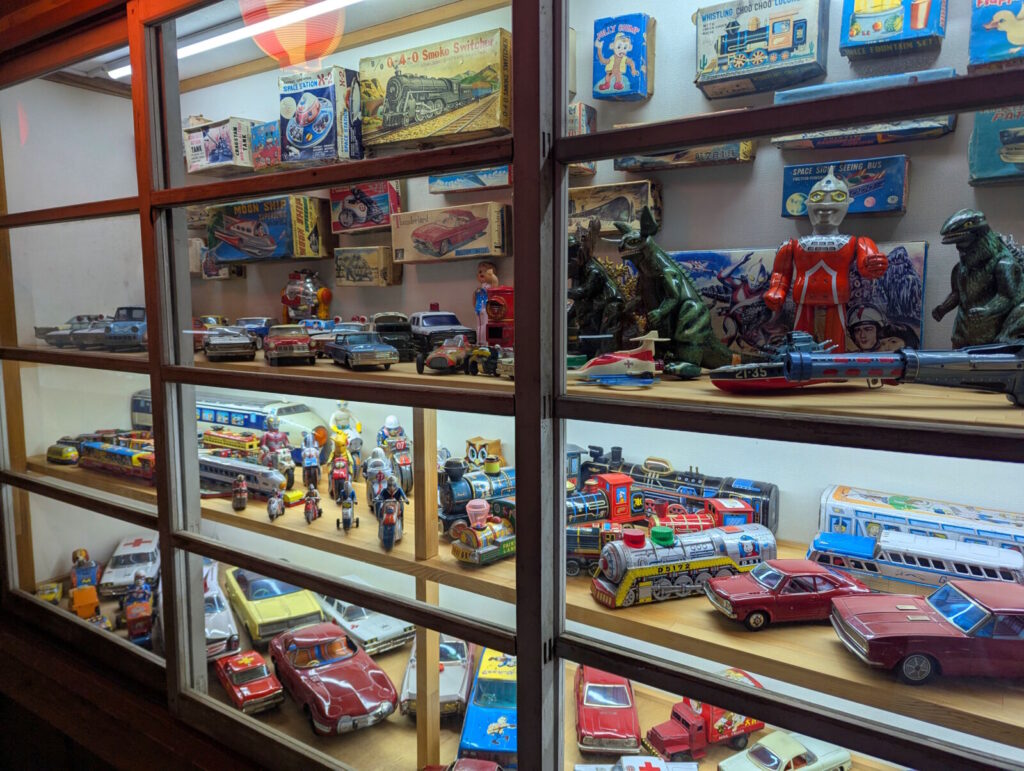
Displays focus on everyday objects and environments, with items such as radios, televisions, toys, school materials, household goods, and shop signage placed within full scale settings. This helps visitors understand how these objects were used in daily life rather than viewing them as isolated artefacts.
Instead of glass cases and traditional displays, the museum emphasises immersion. Visitors move freely through the spaces, allowing them to observe details up close and gain a clearer sense of how everyday life was organised during the Showa era.
Cultural and Historical Context
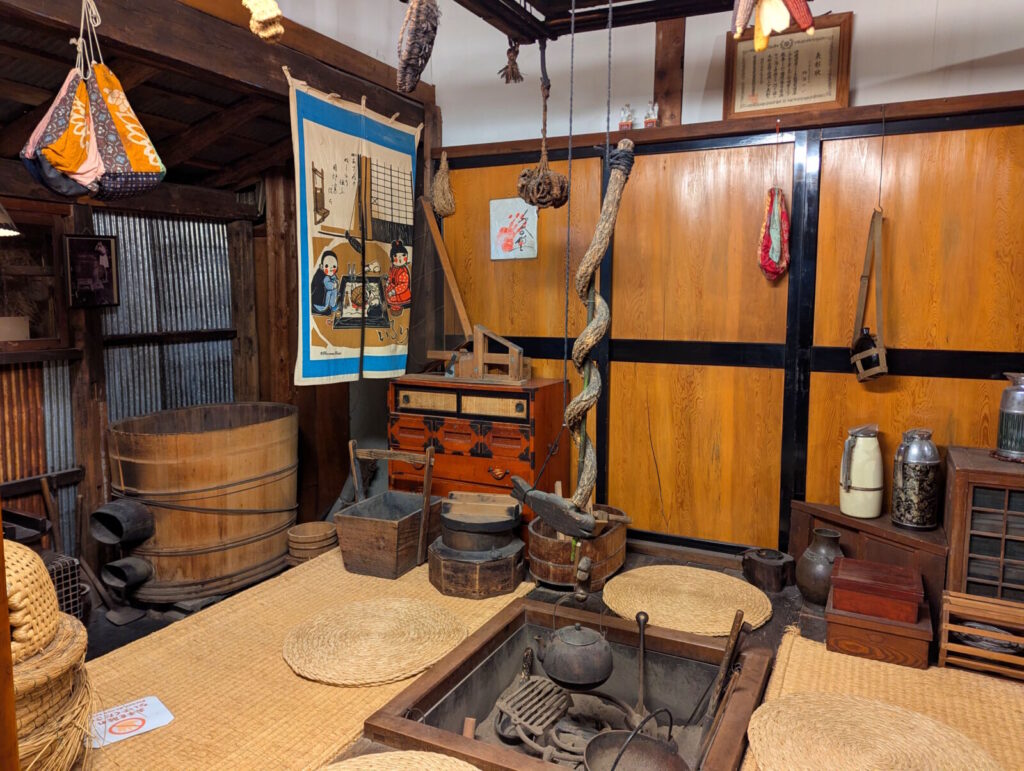
The Showa period, which lasted from 1926 to 1989, was a time of significant change in Japan, particularly in the decades following the Second World War. Daily life evolved rapidly as households gained access to new technologies, consumer goods, and modern infrastructure, reshaping how people lived, worked, and interacted within their communities.
This period saw a shift from traditional lifestyles toward a more urban and consumer focused society. Televisions, household appliances, and mass produced goods gradually became common, influencing family life, leisure, and education.
Showa era museums focus on this everyday experience of change rather than major historical events. By recreating familiar spaces such as homes, shops, and classrooms, they help visitors understand how national transformation was felt through daily routines and neighbourhood life.
Visitor Experience
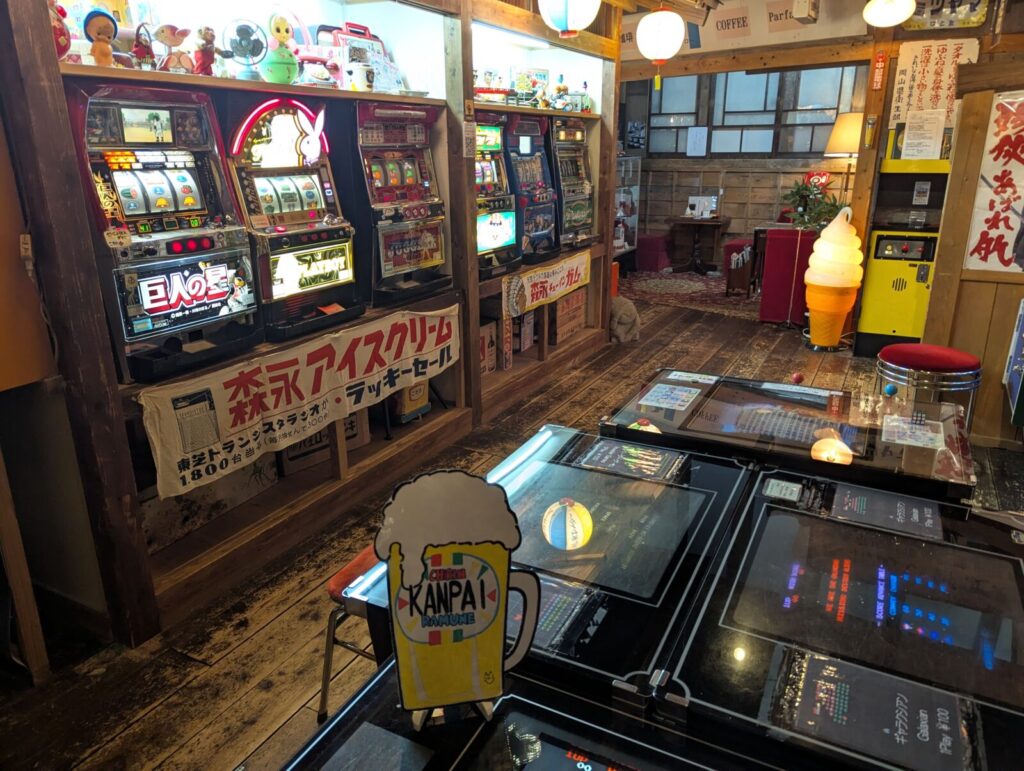
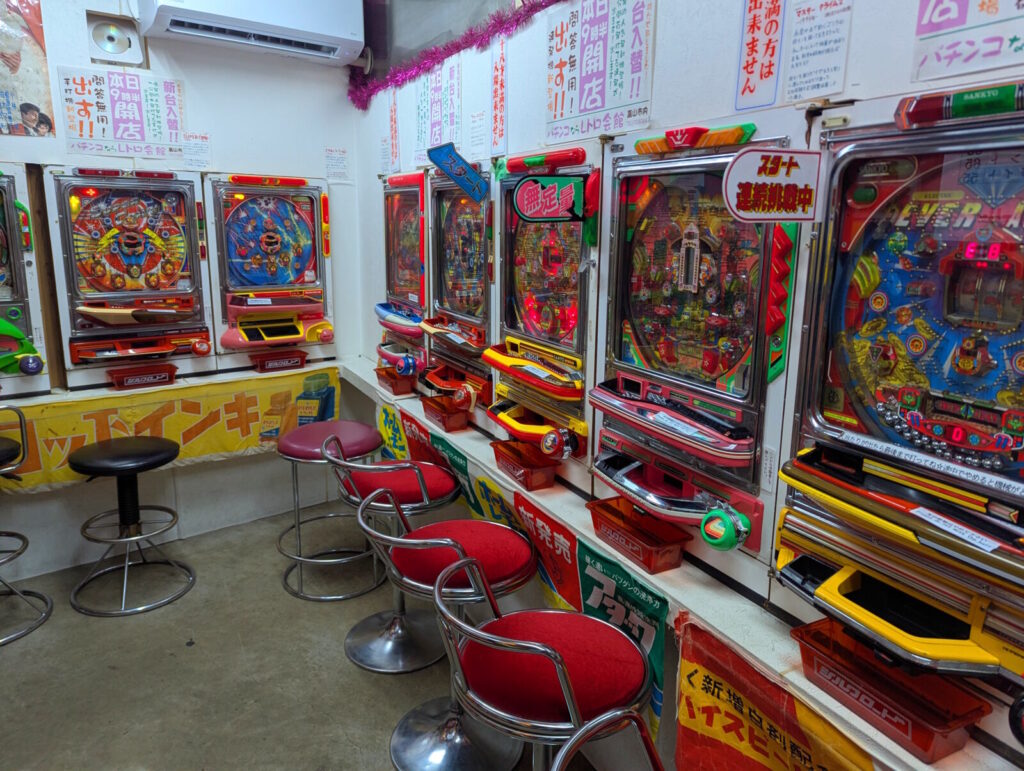
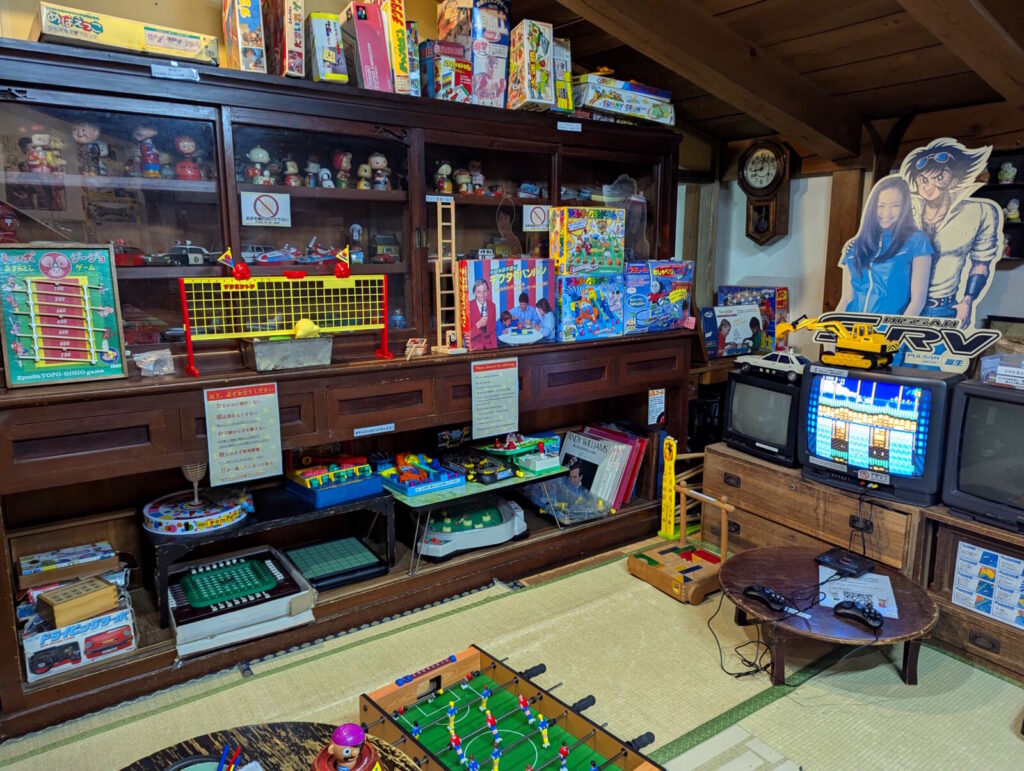
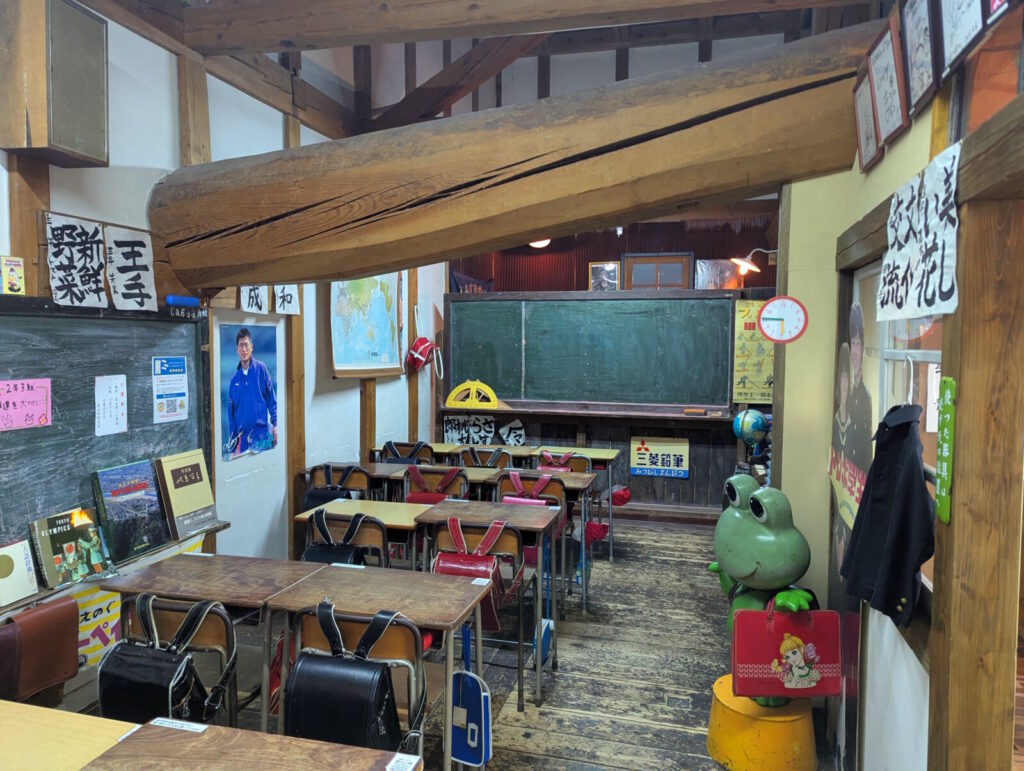
The museum is explored on foot, with visitors moving freely through indoor spaces designed to feel like real neighbourhood streets rather than exhibition rooms. The layout encourages a slow pace, allowing time to look closely at shop displays, household interiors, and small details that reflect everyday life during the Showa period.
The experience is self guided, with visitors choosing their own route through the displays. Many areas allow close observation of objects and environments, creating a sense of immersion without relying heavily on written explanations or multimedia elements.
As the museum is entirely indoors, it works well as a weather independent activity and can be visited comfortably at any time of year. Most visitors spend a moderate amount of time exploring, making it an easy addition to a wider sightseeing day in Takayama.
Who It Is Suitable For
Showa era museums are suitable for a wide range of visitors, including families, couples, and those interested in modern Japanese history and everyday life. The indoor setting and generally flat layout make them accessible for most visitors, including those who prefer a relaxed pace.
Visitors with an interest in social history, design, or nostalgia often find the experience particularly engaging. Children may enjoy recognising everyday objects and environments, while older visitors may appreciate seeing how daily life has changed over time.
Those seeking traditional historical sites or large scale interactive exhibits may find the experience less engaging. For visitors looking for a calm, informative activity that contrasts with temples and outdoor attractions, a Showa era museum offers a worthwhile stop.
Location and Access Context
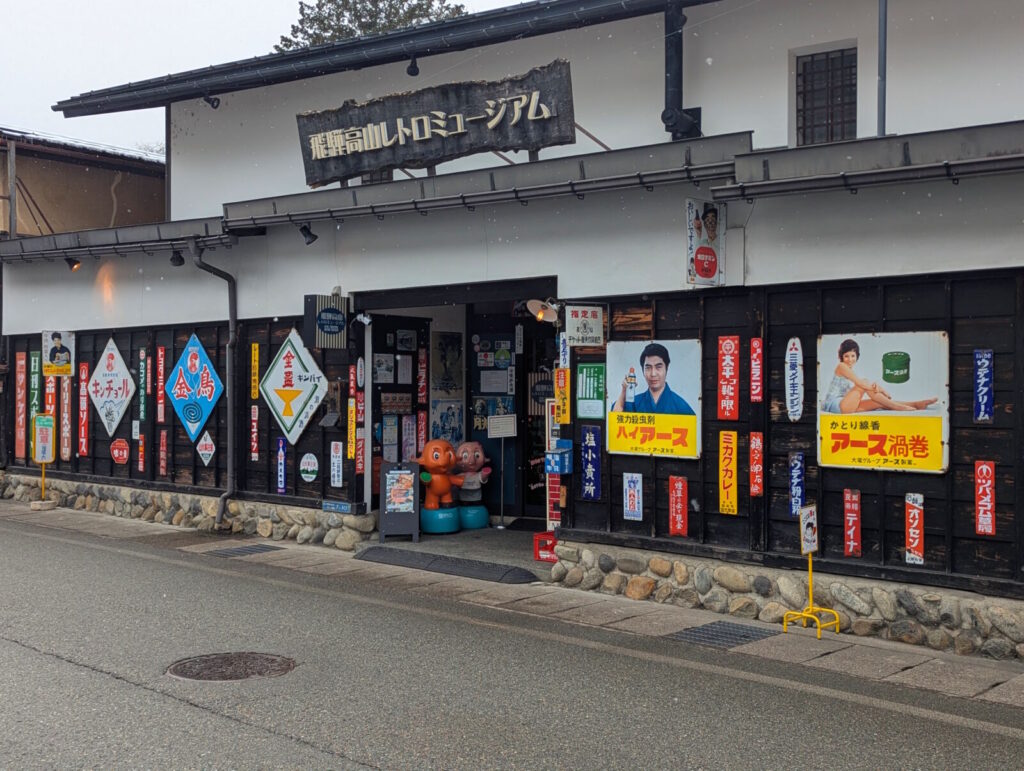
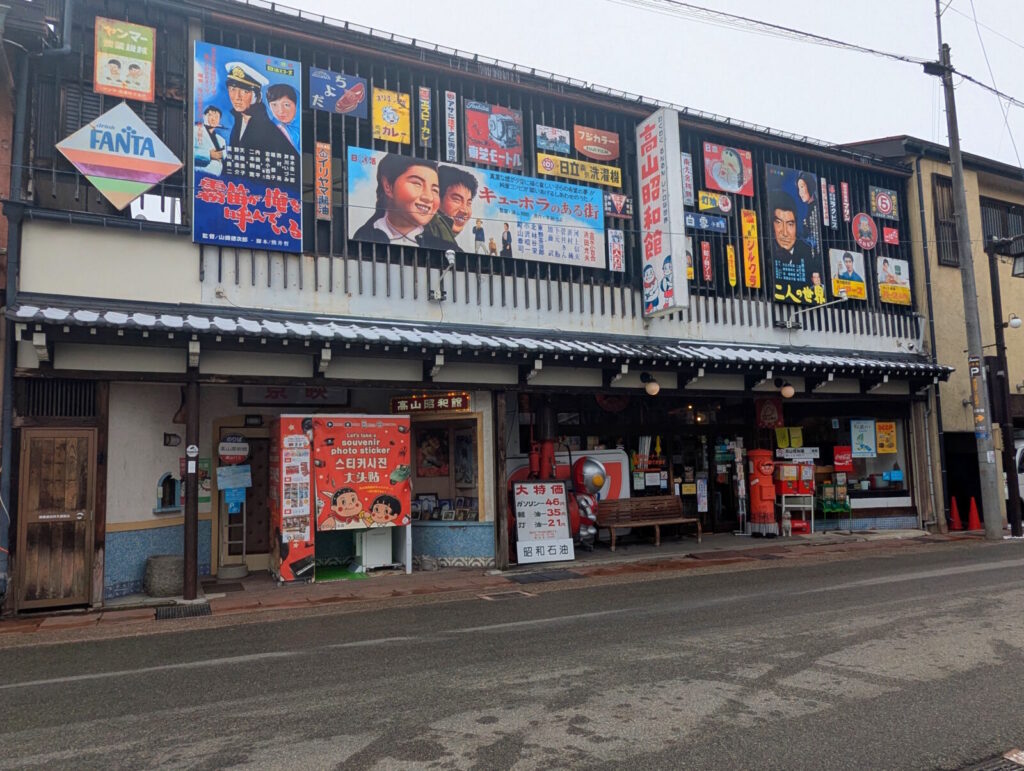
There are two separate Showa era themed museums located in central Takayama. Although they share a similar theme and are within walking distance of one another, they are independent attractions and are visited separately.
Takayama Showa Museum
The Takayama Showa Museum is located close to Takayama’s historic old town, making it easy to include alongside sightseeing in the surrounding district. Its central location allows visitors to combine the museum with walks through the old town, nearby museums, and other cultural sites.
Admission Fees
- Adults: ¥1,200
- Children: ¥500
Hida Takayama Retro Museum
The Hida Takayama Retro Museum is located a short walk away in another part of central Takayama. It also focuses on recreating Showa era environments and everyday scenes, and some visitors choose to visit both museums on the same day depending on interest and available time.
Admission Fees
- Adults: ¥900
- Children: ¥500
Both museums are easily reached on foot when exploring central Takayama and can be added flexibly to a wider day of sightseeing.
Tours Including the Takayama Showa Museum
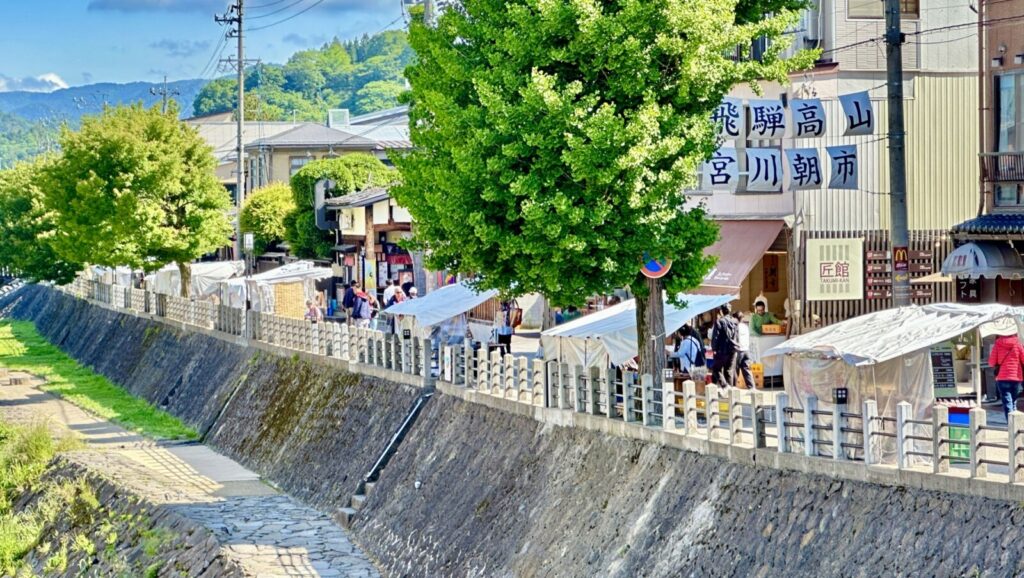
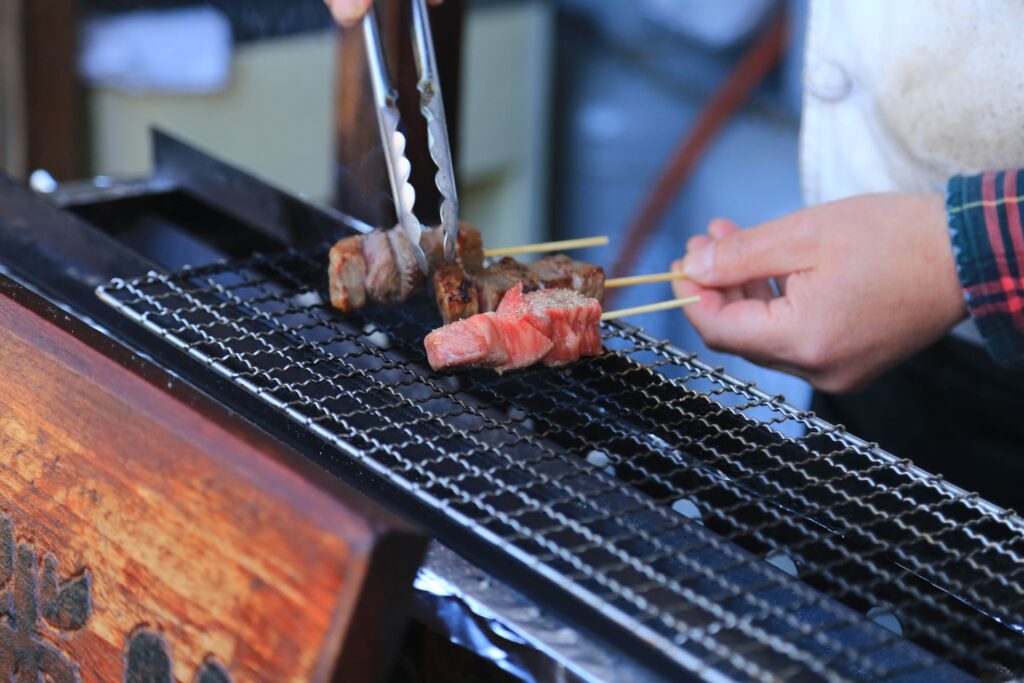
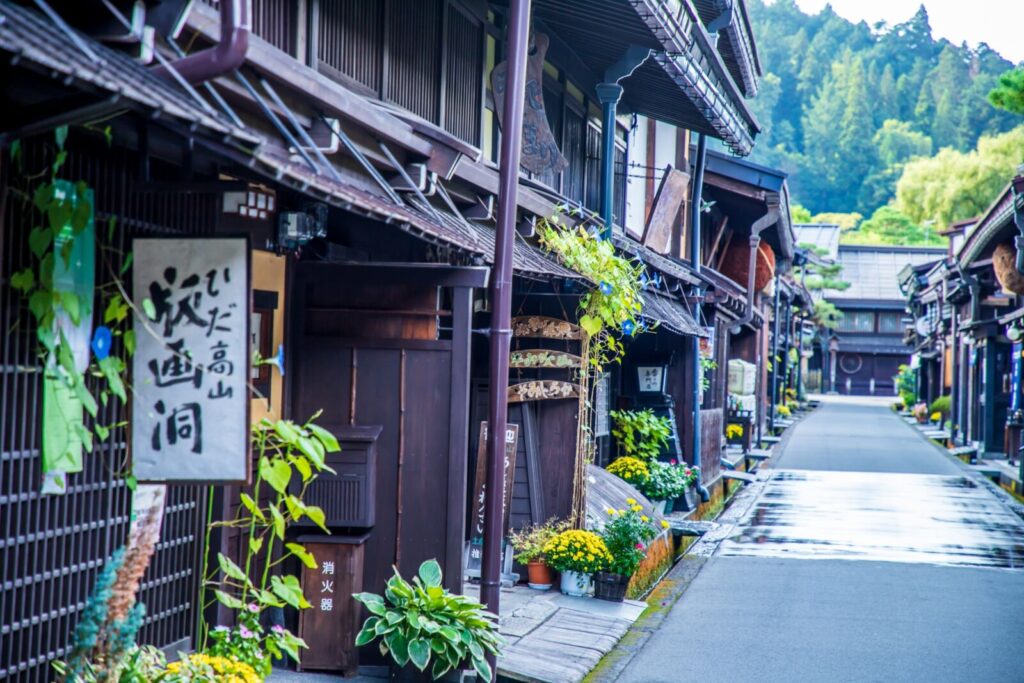
While the Hida Takayama Retro Museum is not included in our tours, the Takayama Foodie Tour includes a visit to a Showa era museum in central Takayama. This stop adds cultural context to the experience by introducing everyday life and social change in postwar Japan alongside the city’s food culture.
Takayama Foodie Tour
This guided walking tour explores Takayama through its local food scene while visiting key sights in the historic centre. The Showa era museum visit offers insight into daily life during the mid 20th century, providing a contrast to traditional architecture and historical landmarks encountered along the route.
Highlights:
- Visit a Showa era museum and explore recreated streets and interiors
- Sample a variety of local foods while walking through Takayama’s historic districts
- Learn how daily life and food culture in Takayama have evolved over time
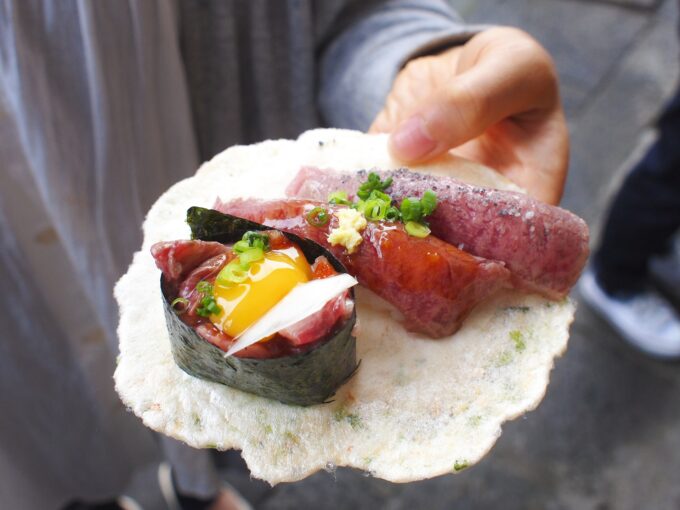
For visitors interested in exploring more of the Takayama area, you can view our other tours in Takayama, or contact us to discuss private and customisable itineraries for those who would like to tailor their experience or combine multiple locations into a single day.
Frequently Asked Questions (FAQ)
Are the Takayama Showa Museum and the Hida Takayama Retro Museum the same place?
No. They are two separate museums located in central Takayama. While both focus on everyday life during the Showa period, they are independently operated and visited separately.
How long does a visit to a Showa era museum usually take?
Most visitors spend around 45 to 60 minutes at a Showa era museum, depending on interest and pace. It can be comfortably combined with other sightseeing in central Takayama.
Is the museum suitable for children?
Yes. Showa era museums are suitable for children and families. Many visitors find the recreated streets, shops, and household items engaging and easy to understand, even without extensive written explanations.
Is the museum indoors?
Yes. Showa era museums are entirely indoors, making them a good option in bad weather or during colder months.
Can I visit both Showa era museums in one day?
Yes. The two museums are within walking distance of each other, and some visitors choose to visit both on the same day while exploring central Takayama. Each museum requires a separate admission ticket.
Are Showa era museums included in any tours?
While the Hida Takayama Retro Museum is not included in our tours, a Showa era museum visit is included as part of the Takayama Foodie Tour, which combines food, culture, and sightseeing in central Takayama.