








Located in Tajimi City in Gifu Prefecture, the Tajimi Mosaic Tile Museum celebrates the region's most famous industry. Through exhibitions exploring the history, design, and manufacture of mosaic tiles, the museum introduces visitors to a craft that has shaped buildings and everyday life across Japan for more than a century.
For visitors interested in design, architecture, ceramics, or local craftsmanship, it offers an engaging insight into one of Japan's leading centres of mosaic tile production.
About the Tajimi Mosaic Tile Museum

- Designed by architect Terunobu Fujimori
- Celebrates the history and culture of mosaic tiles
- Combines permanent exhibitions with special exhibitions and workshops
The Tajimi Mosaic Tile Museum opened in 2016 with the aim of preserving and sharing the history of mosaic tiles and the communities that have produced them. Although mosaic tiles can be found throughout Japan, the Tono region of Gifu Prefecture has long been recognized as the country's leading production area, making Tajimi a natural location for a museum dedicated to their story.
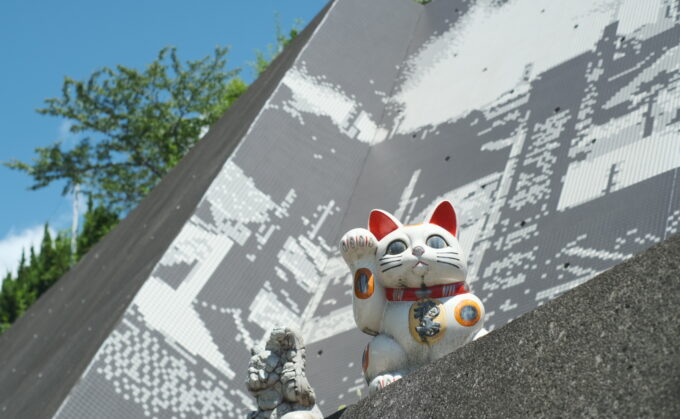
The museum building was designed by architect Terunobu Fujimori, whose distinctive design draws inspiration from the clay hills that once supplied the raw materials for the local ceramic industry. Its unusual exterior has become one of the museum's defining features and reflects the close relationship between the region's landscape and its centuries-old pottery traditions.
Since opening, the museum has introduced visitors to the craftsmanship, creativity, and technological innovation behind mosaic tile production, while helping to preserve an important part of the region's industrial heritage.
Why Tajimi Became Japan's Mosaic Tile Centre


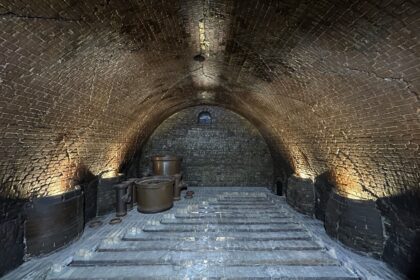
The museum explains how the Tono region developed into Japan's leading centre for mosaic tile production. Rich clay deposits, a long-established pottery industry, and generations of skilled craftspeople created the ideal conditions for the manufacturing of ceramic tiles, allowing the industry to flourish throughout the twentieth century.
Permanent exhibitions trace the development of mosaic tiles from practical building materials to decorative architectural features. Visitors can explore displays of historic and contemporary tiles, learn about the manufacturing process, and discover how colours, patterns, and glazing techniques have evolved over time.
The museum also introduces the people behind the industry, highlighting the craftsmanship required to produce mosaic tiles and the role they continue to play in architecture, interior design, and public spaces throughout Japan.
Touring the Tajimi Mosaic Tile Museum

The museum can be explored at a relaxed pace, with most visitors spending between one and two hours enjoying the exhibits. Alongside the permanent galleries, temporary exhibitions and hands-on workshops provide opportunities to discover different aspects of mosaic tile design throughout the year.
Main Attractions
- The museum's distinctive building, designed by Terunobu Fujimori.
- Permanent exhibitions exploring the history, design, and manufacturing of mosaic tiles.
- Displays showcasing historic and contemporary mosaic tiles from across Japan.
- Temporary exhibitions highlighting artists, designers, and ceramic culture.
- Mosaic tile craft workshops (availability varies).
- Museum shop featuring mosaic tile products and locally made souvenirs.
Visitor Information
- Hours: 9:00 to 17:00 (last admission 16:30)
- Closed: Mondays (or the following day if Monday is a public holiday), the Year-end and New Year holidays
- Visit time: Approximately 1 to 2 hours
- Important note: Workshop schedules and special exhibitions vary throughout the year. Visitors should check the official website before visiting.
Access
The Tajimi Mosaic Tile Museum is located in Tajimi City in Gifu Prefecture. Visitors travelling from Nagoya Station can reach JR Tajimi Station in around 40 minutes by train. From Tajimi Station, the museum can be reached by local bus or taxi. Its location also makes it easy to combine with other attractions celebrating the region's ceramic heritage.
Of course, we also offer private tours and transport in and around the Nagoya area, and other regional destinations. We can also arrange for both custom tours with an English-speaking guide or a private charter.
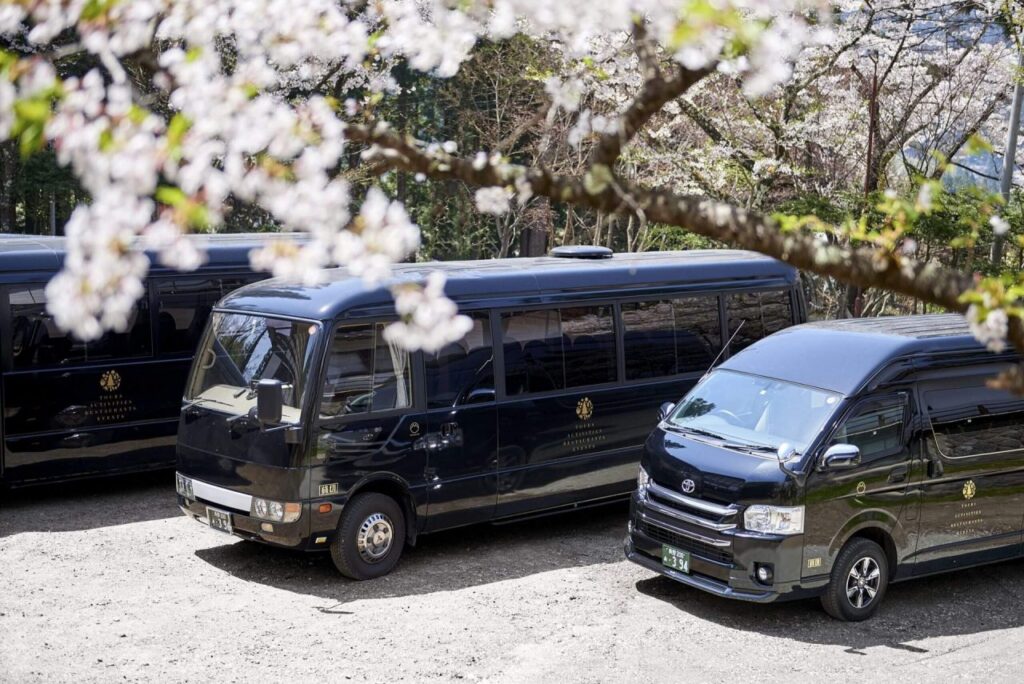
Our drivers and vehicles are fully certified, allowing us to transport you to and from your preferred destinations in combination with any activity that suits your schedule. All vehicles are well-maintained and in good condition, allowing you to relax and enjoy your ride to wherever you are going.
With door-to-door service, we can pick you up from where you are and take you to where you want to go anywhere in Central Japan and the neighboring regions.
For more information, please check our standard charter rates or contact us for a custom trip. We’d love to be part of your adventure in Central Japan and help you discover even more!
Frequently Asked Questions
What is the Tajimi Mosaic Tile Museum?
The Tajimi Mosaic Tile Museum is dedicated to the history, craftsmanship, and design of mosaic tiles, highlighting the Tono region's important role in Japan's ceramic tile industry.
Who designed the Tajimi Mosaic Tile Museum?
The museum was designed by Japanese architect Terunobu Fujimori. Its distinctive appearance was inspired by the clay excavation sites that supported the local ceramic industry.
How long should I spend at the Tajimi Mosaic Tile Museum?
Most visitors spend around one to two hours exploring the permanent exhibitions, temporary displays, and museum shop. Those taking part in a workshop should allow additional time.
Does the museum offer workshops?
Yes. The museum offers mosaic tile workshops at selected times. Availability varies, so visitors should check the official website before their visit.
Is the Tajimi Mosaic Tile Museum worth visiting?
Yes. The museum offers an engaging introduction to one of Japan's most distinctive ceramic industries while showcasing impressive architecture, interactive exhibitions, and the craftsmanship behind mosaic tile production.