







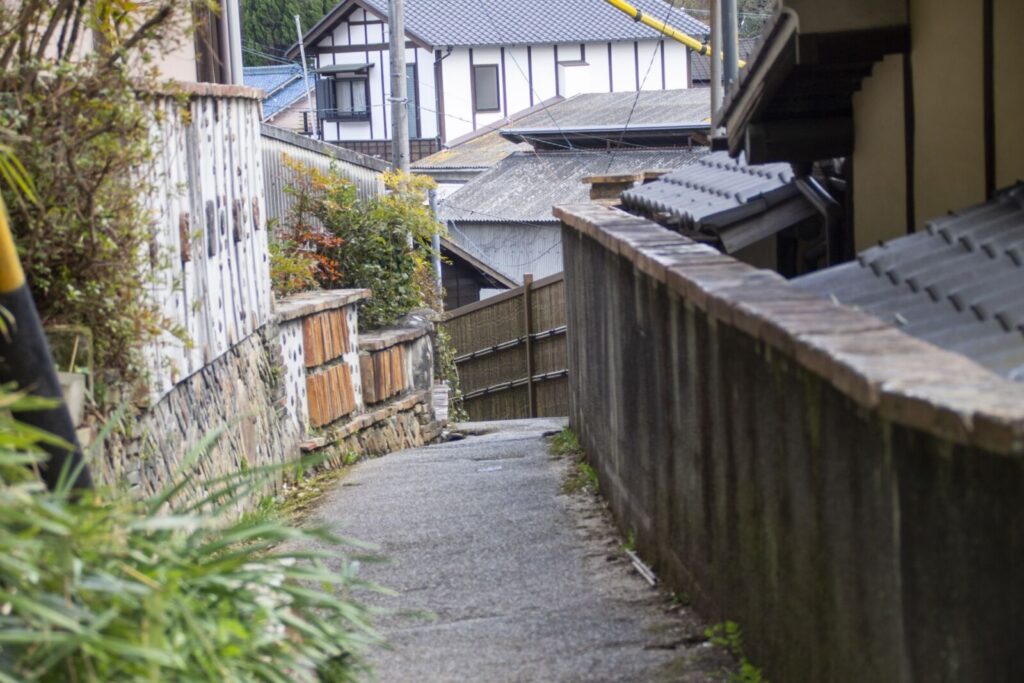
Located in Seto City in Aichi Prefecture, Seto Pottery Street, officially known as "Kamagaki no Komichi", is a narrow historic walking route lined with walls made from old pottery kiln tools.
Seto has long been one of Japan’s major ceramic centers, and even the Japanese word "setomono", meaning pottery or ceramics, comes from the city’s name. Along this quiet street, visitors can see a landscape shaped directly by the city’s pottery industry, with reused kiln furniture, ceramic fragments, old kiln-owner residences, small galleries, and workshop areas preserving the atmosphere of Seto’s past.
For travellers interested in Japanese crafts, local history, or quieter cultural walks near Nagoya, Seto Pottery Street is an enjoyable place to discover the history and character of one of Japan's best-known pottery towns.
About Seto Pottery Street
- Seto Pottery Street is officially known as Kamagaki no Komichi, or “the path of kiln walls”
- The route is located in Seto City, an area historically associated with pottery production
- The street is about 400 metres long and follows a narrow, winding route through a former kiln district
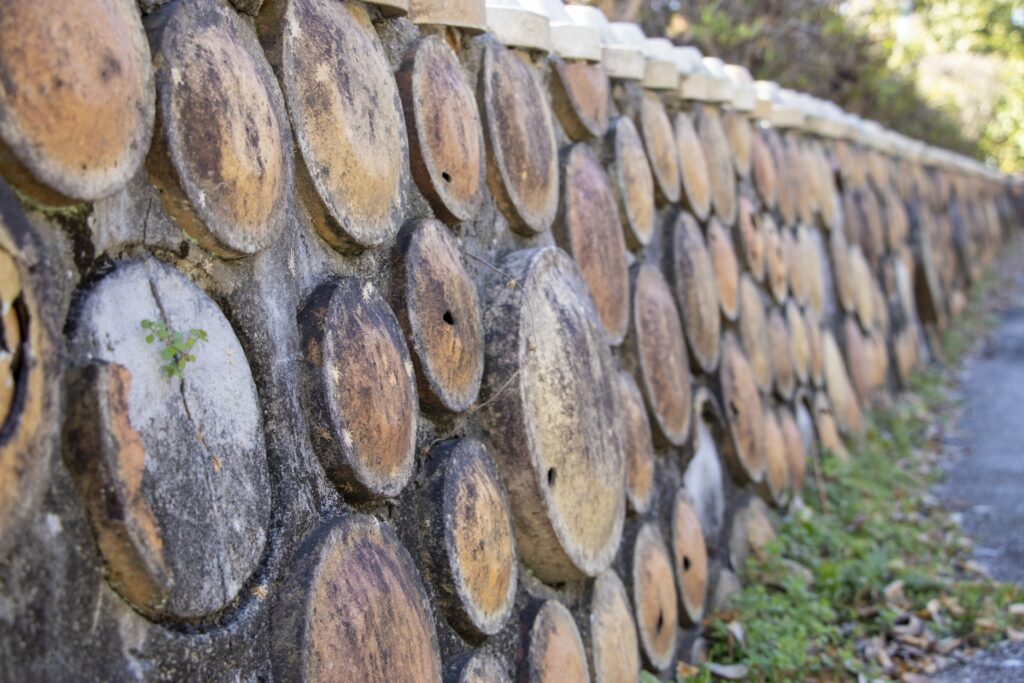
- The distinctive walls are made from old kiln tools and ceramic materials once used in pottery production
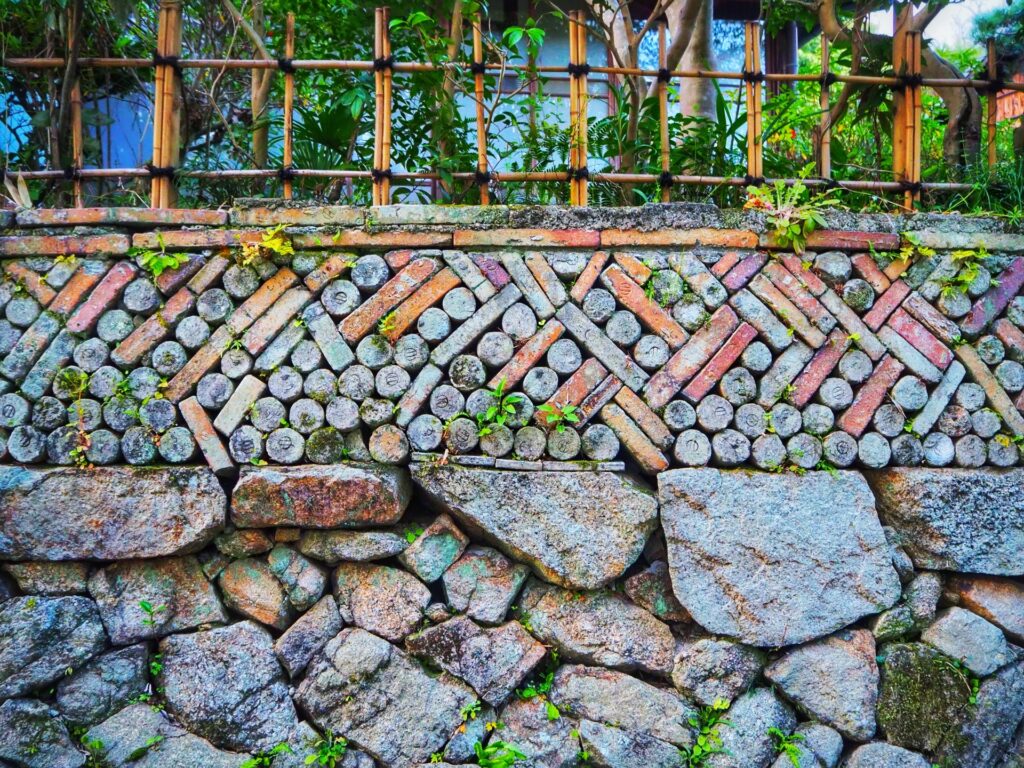
Seto Pottery Street is not a single attraction, but a historic walking route shaped by the city’s long ceramic tradition. The word “kamagaki” refers to walls or fences made by stacking old kiln tools, including items once used inside pottery kilns. As these tools became worn, cracked, or unusable, they were reused in walls around the district, creating the distinctive patterns that still line the path today.
The street runs through the Hora district, where kiln owners, potters, and ceramic-related businesses once gathered. Its narrow lanes, slopes, and old residential atmosphere reflect the geography and working life of a pottery town, where workshops, homes, and transport routes developed closely together.
Today, Seto Pottery Street gives visitors a compact but meaningful way to understand Seto’s identity. Rather than viewing pottery only as a finished product, the route shows how the industry shaped the streets, buildings, walls, and everyday scenery of the city itself.
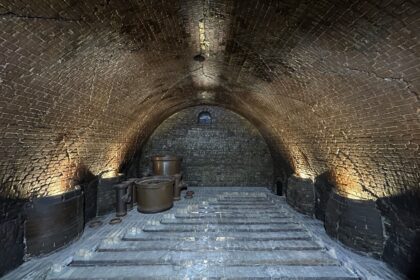
What Are Kamagaki Walls?
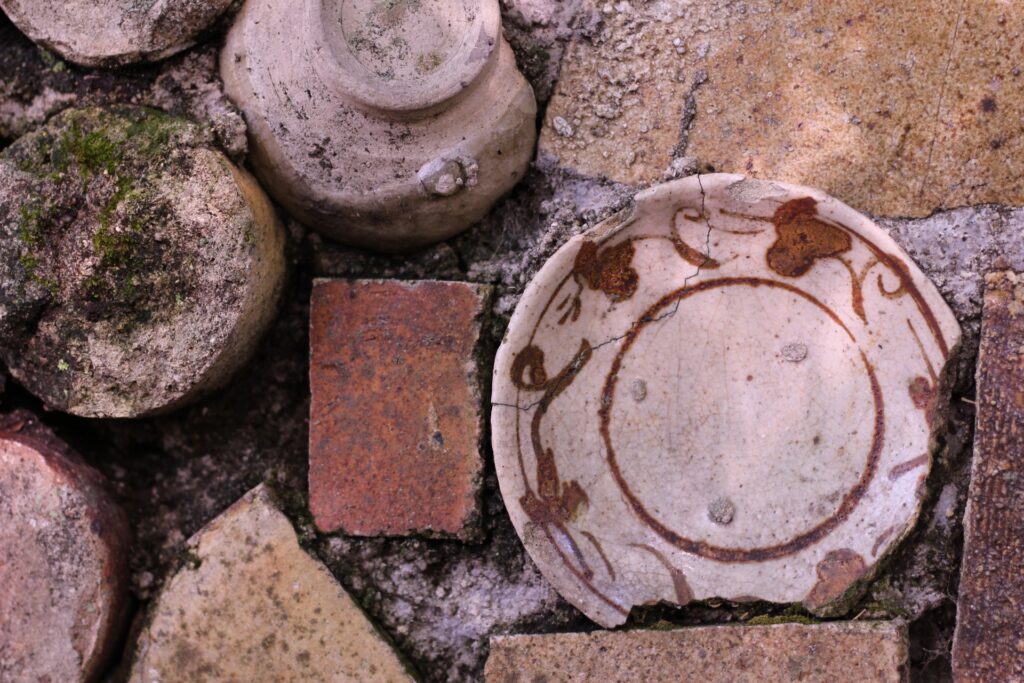
The defining feature of Seto Pottery Street is its kamagaki walls. These walls were built using old kiln tools, rather than ordinary stone or brick. During pottery production, tools such as supports, shelves, and protective covers were used repeatedly inside hot kilns. Once they could no longer be used for firing ceramics, they were given a second life as building materials.
This practical form of recycling created walls with striking geometric patterns. For visitors, the appeal lies in how directly these walls connect the street to Seto’s working history. They are not decorative reconstructions, but part of the material culture of a pottery town, showing how production waste was absorbed into the local landscape.
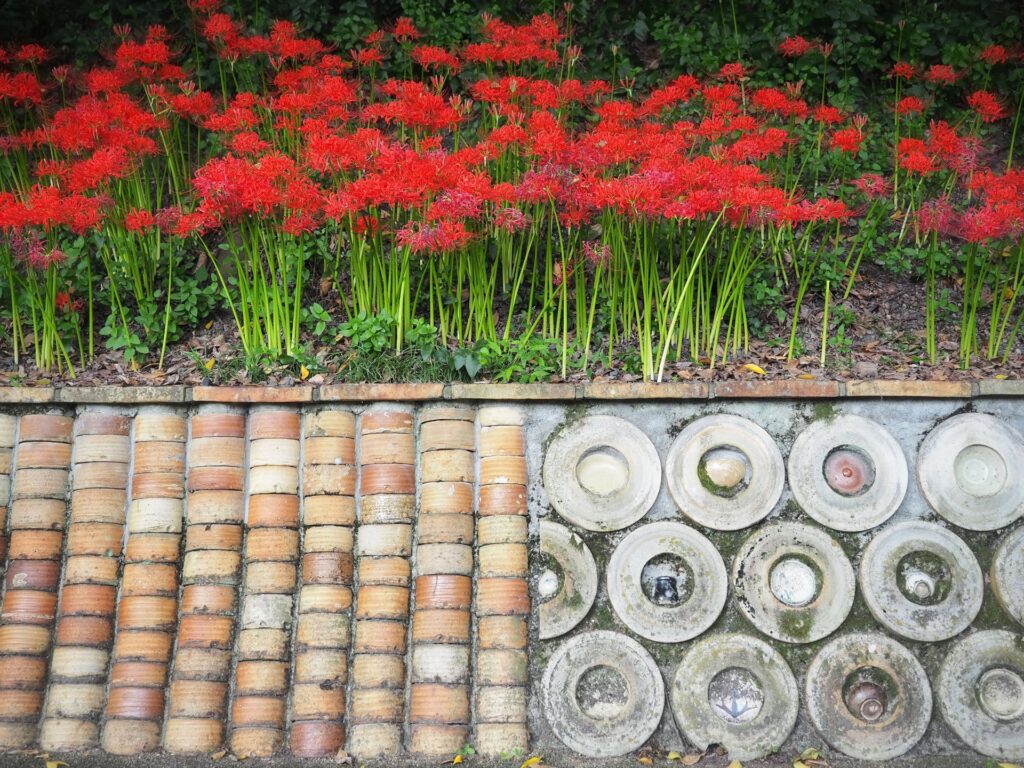
Walking the street also helps explain why Seto feels different from a conventional museum experience. The ceramics are not only displayed behind glass. They appear in walls, pathways, homes, galleries, and small details across the neighbourhood. This gives Kamagaki no Komichi a character unlike most historic streets, where the pottery industry can still be seen in the walls, buildings, and everyday streetscape.
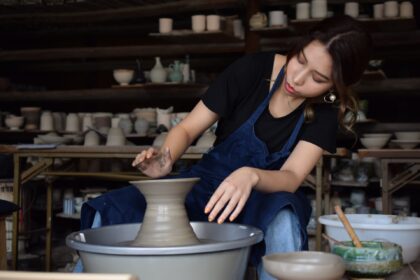
Touring Seto Pottery Street
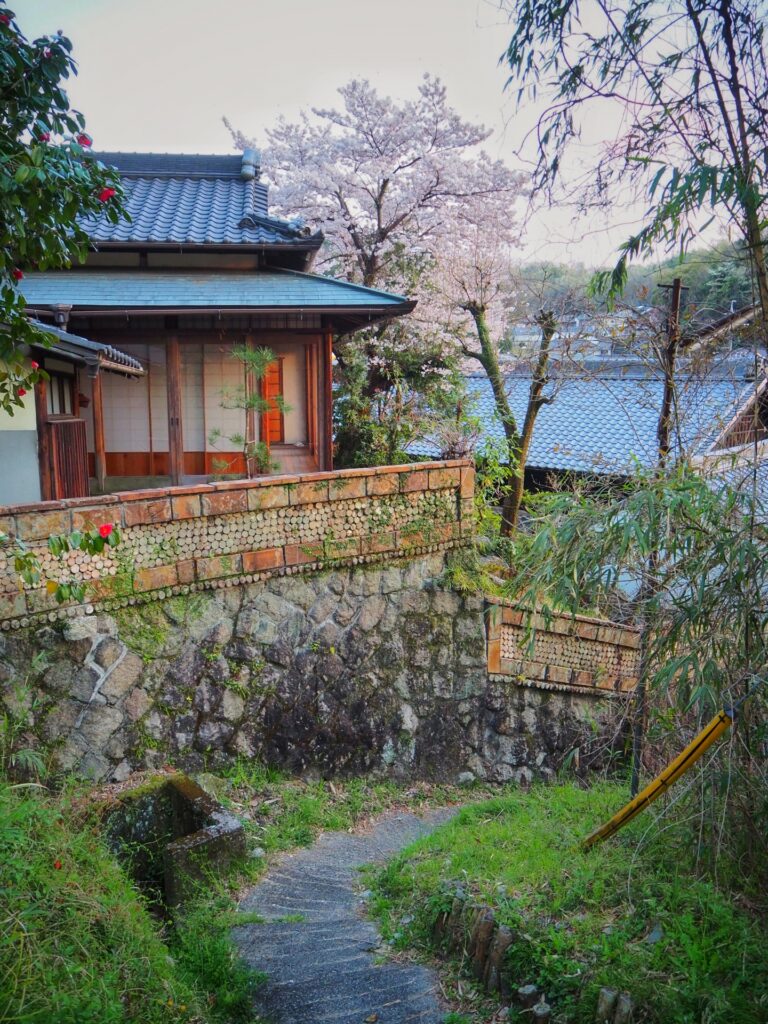
Seto Pottery Street is a good choice for visitors who enjoy slow walks, local craft history, and neighbourhood scenery. The main route is not long, but it is best experienced at an unhurried pace, leaving time to look closely at the wall patterns, side streets, museum exhibits, and surrounding ceramic-related buildings.
Main Attractions
- Kamagaki no Komichi: A narrow walking route of around 400 metres lined with distinctive kiln-tool walls
- Kamagaki no Komichi Museum: A small museum introducing the history and culture of the surrounding Hora district
- Kamagaki no Komichi Gallery: A gallery space housed in a renovated former kiln building, open during exhibitions
Visitor Information
- Area: Nakabora-cho, Seto City, Aichi Prefecture
- Street access: The walking route itself can be explored freely
- Museum hours: 11:00 to 15:00
- Gallery hours: 10:00 to 16:00, open during exhibitions only
- Closed: The museum is generally closed on Mondays, Tuesdays, Wednesdays, and during the Year-end and New Year period
- Admission: Free
- Important note: Museum and gallery opening days may vary, so visitors who want to enter the buildings should check current information before visiting
Access
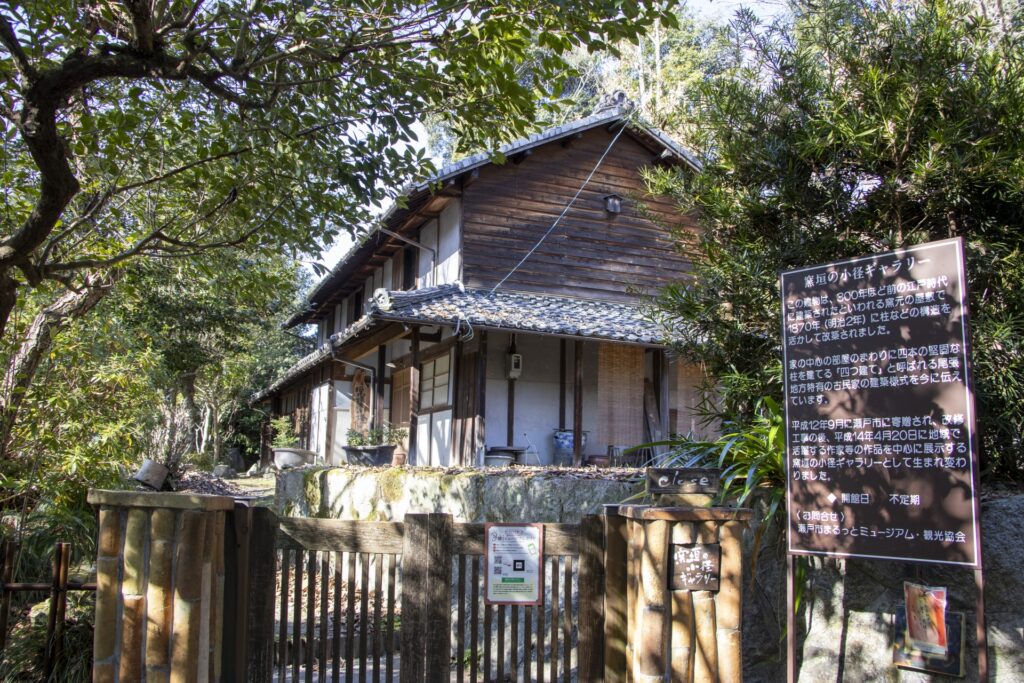
Seto Pottery Street is located in Seto City in Aichi Prefecture. From Sakae Station in central Nagoya, visitors can use the Seto Line to reach Owari Seto Station. The street is around a 20-minute walk from Owari Seto Station, making it possible to visit independently by public transport. For those travelling by car, parking is available near the site.
Recommended Tour: Snow Monkey Resort's 1-Day Tour from Nagoya: Crafting Traditions in Tokoname and Arimatsu offers a unique blend of history, artistry, and local charm, as you are led by an experienced, English speaking guide through two towns famous for their artistic traditions.
Frequently Asked Questions
What is Seto Pottery Street known for?
Seto Pottery Street is known for its kamagaki walls, which are made from old pottery kiln tools and ceramic materials. These walls create a streetscape closely tied to Seto’s long history as a pottery town.
Is Seto Pottery Street the same as Kamagaki no Komichi?
Yes. Seto Pottery Street is a visitor-friendly English title for Kamagaki no Komichi, the official Japanese name of the route.
How long should I spend at Seto Pottery Street?
Most visitors should allow around 45 minutes to 1.5 hours, depending on whether they only walk the route or also visit the museum, gallery, and nearby pottery-related streets.
Is Seto Pottery Street worth visiting?
Yes, especially for visitors interested in ceramics, local craft, quiet neighbourhood walks, or places connected to everyday industry rather than large-scale sightseeing. It is a good introduction to why Seto is so closely associated with pottery.
Can you visit Seto Pottery Street for free?
Yes. The walking route, museum, and listed facilities are free to visit, although gallery opening depends on exhibition schedules and some surrounding shops or workshops may operate separately.