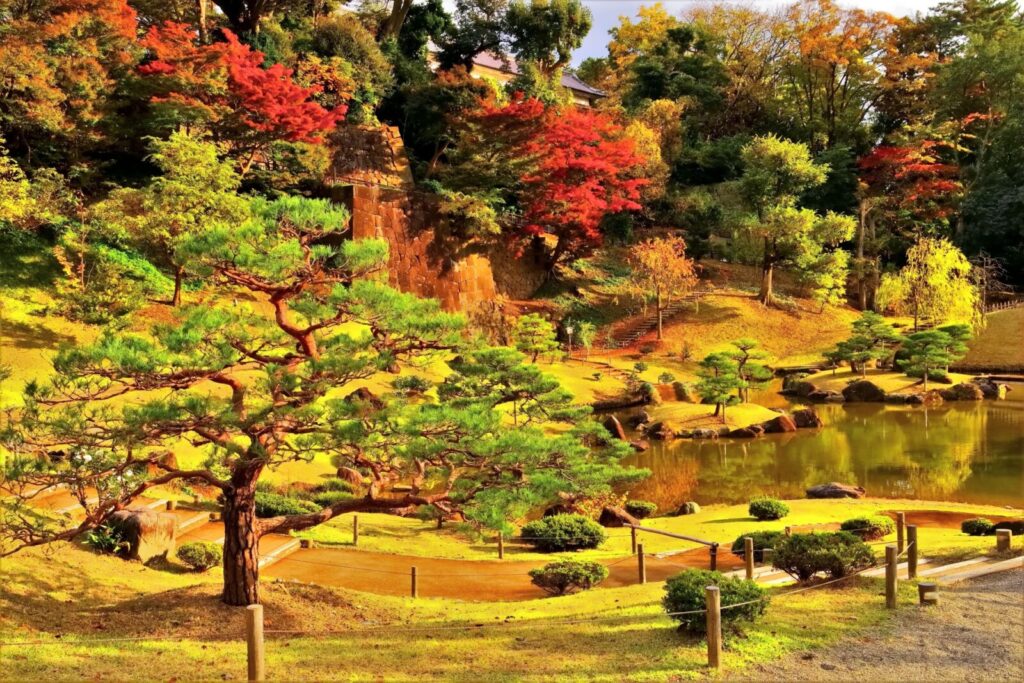




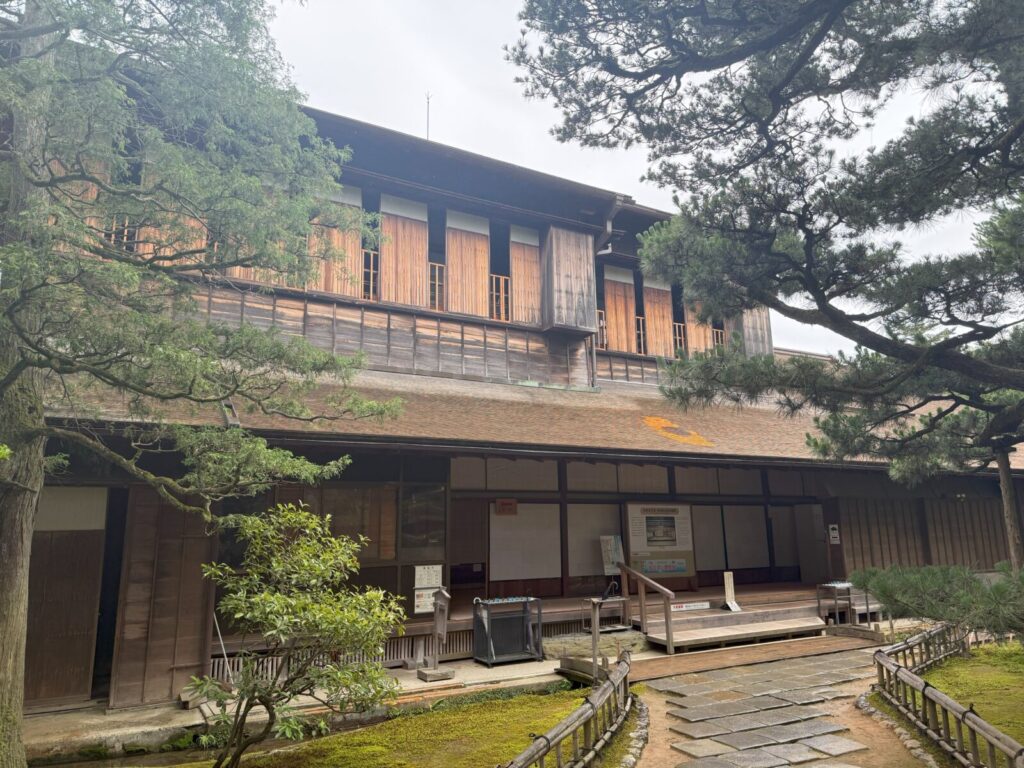
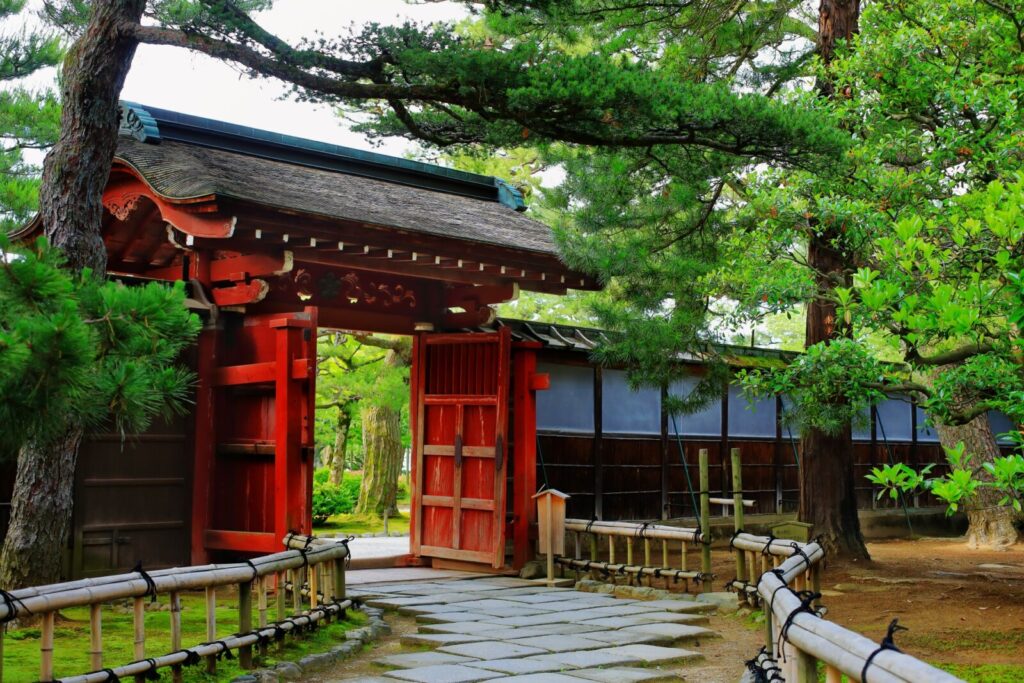
This samurai villa tucked away in the back of Kenrokuen Garden was built for the mother of the 13th Lord of Kanazawa. The lord had a particular affinity for the garden, and so wanted his mother to enjoy her twilight years in the strolling garden and pond he had built. Today, Seisonkaku is an exceptionally well-preserved villa showcasing the wealth and opulence of the lords.
Built by the 13th Lord
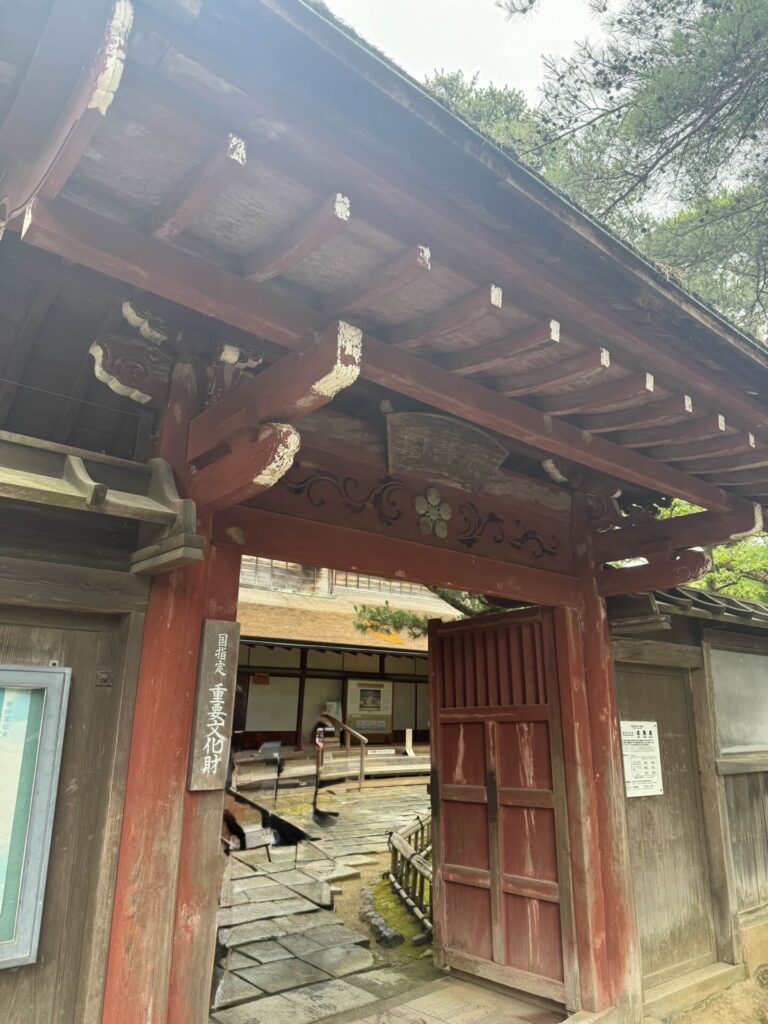
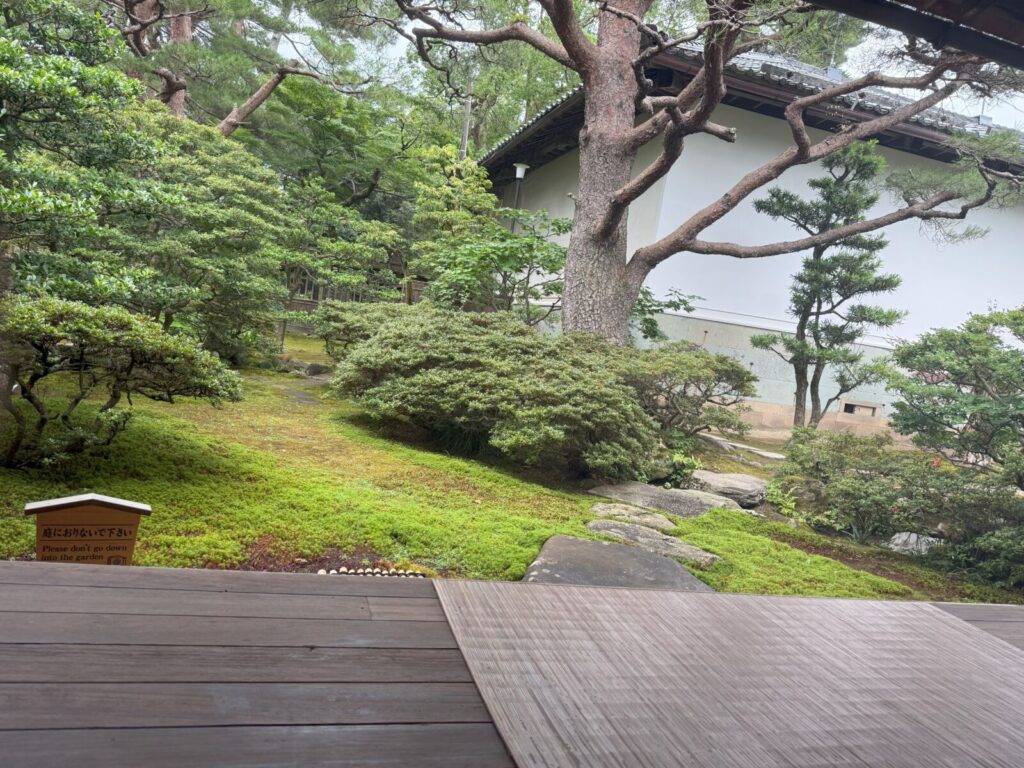
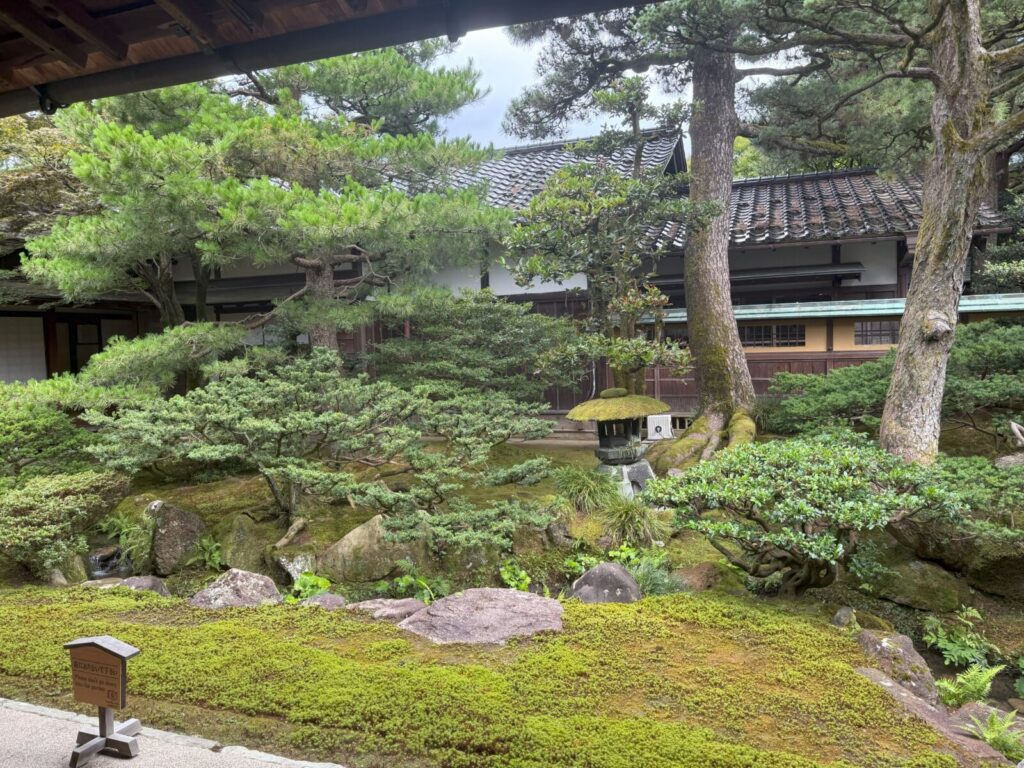
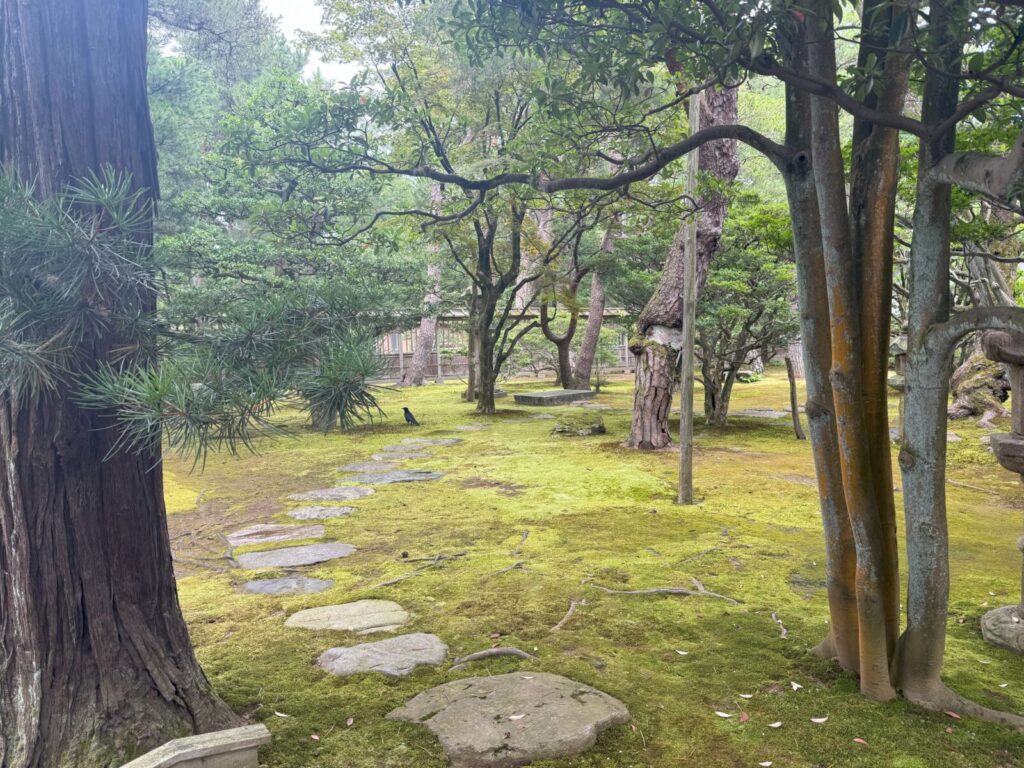
The Maeda clan first come to Kanazawa in 1683 and brought with them immense power, prestige and wealth. From Kanazawa Castle, they invested heavily in the city and its infrastructure. At their peak, they owned 1.2 million koku (taxable measurements of rice equal to an estimated USD 750 million in 2025) which afforded them the most lavish lifestyle of any family in Japan except the Tokugawa Shogun.
By the late-1820s, Kanazawa had been solidified as a centre of arts and culture in Edo Period Japan (1603 - 1868). However, the sudden death of the 12th Daimyo left just 12-year-old Nariyasu as the head of one of the most powerful clans in the country. The young lord took a keen interest in the family's private Kenrokeun Garden. Many of the trees in its uppermost-area were planted directly by him. He demolished a massive 13,000sqft villa his father had spent 3 years building before his death in order to further expand the garden. Later, in the early 1860s, he began construction on Seisonkaku for his mother, Takako. She lived there until her death in 1870.
Inside the Villa
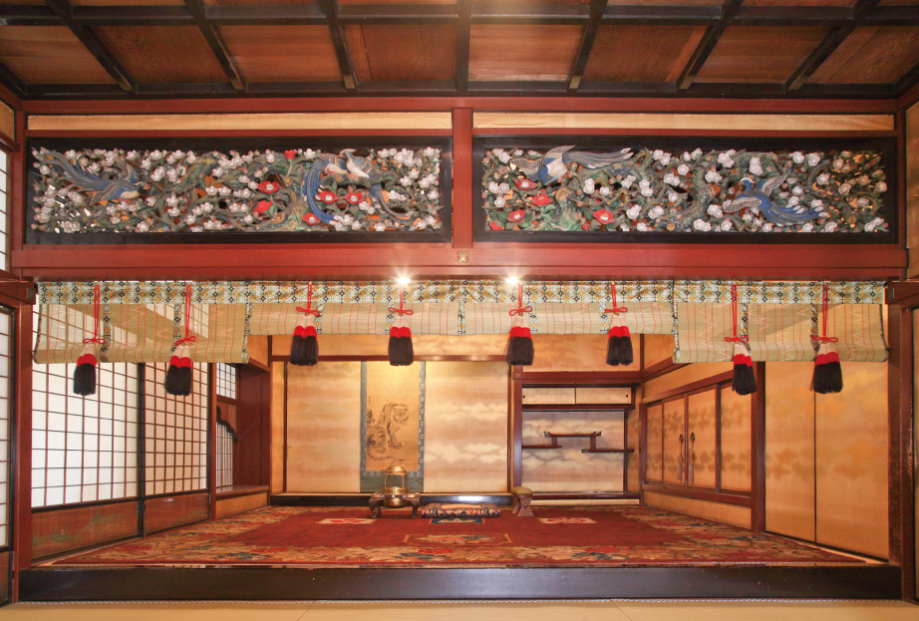
Immediately upon stepping inside the villa, you are struck by the sheer opulence of the building. The ceilings, sliding doors and many of the rooms are lined with Kanazawa's famous gold leaf. The picture above showcases the Ekken-no-ma (entrance chamber), where guests would be welcomed. Hanging above the veiled entrance are ranma, traditional Japanese woodcarvings, which depict delicately carved birds and flowers. Only the wealthiest were able to afford painted ranma and we see the bright colours on full display here.
Other rooms on the first floor of Seisonkaku all contribute to this grand elegance we see in the entrance chamber. The sliding doors of each room have beautiful pictures painted on them which is where the rooms get their names from. The "Tortoise Room" was Takako's bedroom, reflecting the lord's wish for his mother to share the tortoises' longevity.
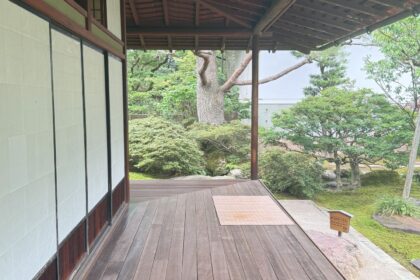
The outer corridor shown here is built using "Nightingale Nails" which intentionally make a soft chirping sound when stepped on. These nails were used across Edo Japan as a way to warn against intruders.
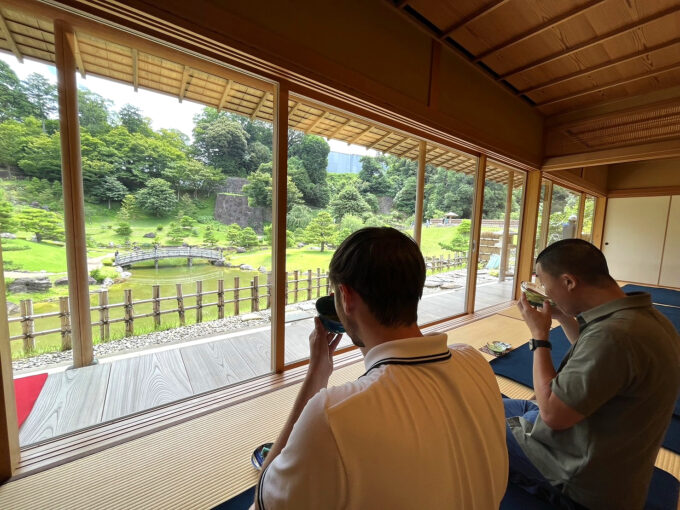
The whole building was constructed with the aim of using as few pillars on the outside as possible, giving a (largely) unobstructed view of the garden. This process was, unsurprisingly, extremely expensive and time-consuming. Takako must have been a pretty good mother to have her son put so much thought and care into the construction!
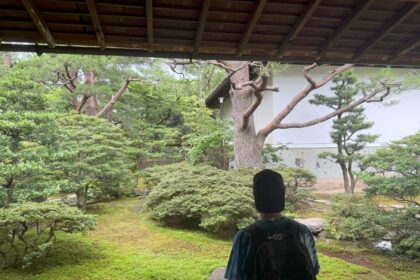
Upstairs is where Seisonkaku's most famous area is. The second floor is largely made up of seven "reading rooms" each offering different views of the garden and named for their unique ceiling designs. These areas were among the most private built in the houses of feudal lords and are made in a style called sukiya-fu ("The Enjoyed Style"), designed specifically to the lord's taste.
The Ultramarine Room
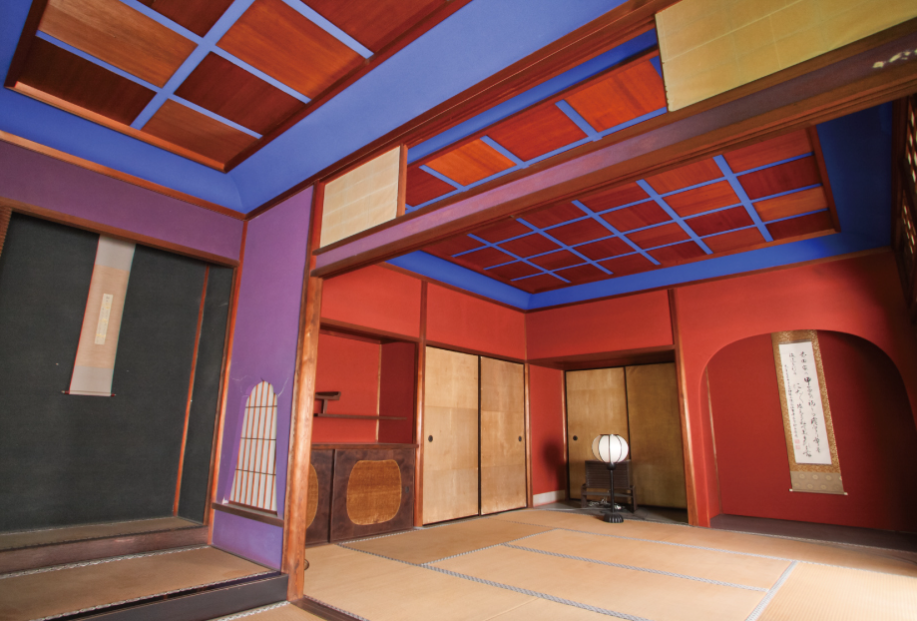
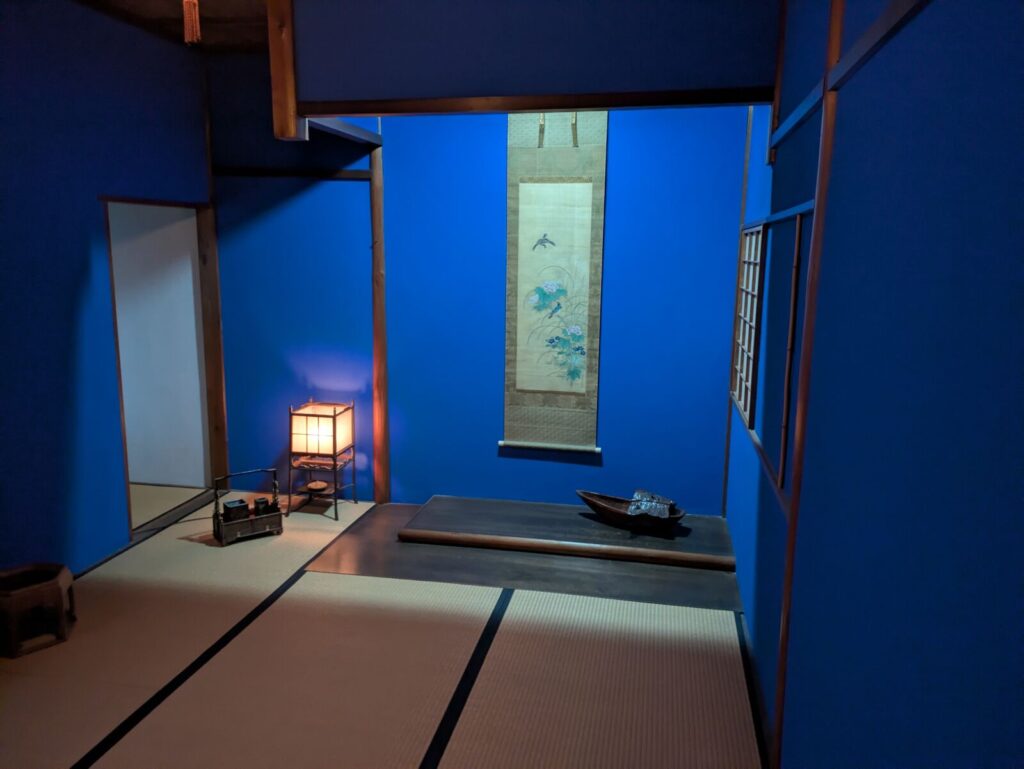
This room, the highlight of Seisonkaku, is the Gunjo-shoken-no-ma, the Ultramarine Room. This colour has become synonymous with feudal-era Kanazawa. This room, and the purple room adjacent to it, were the most important on the floor. The pigment used to make the ultramarine was discovered just two years before the villa was built. It's said that part of the first batch of the colour was used here. Cedar, extremely rare in Japan at the time, is used extensively throughout the house and on full display here: the pillars are carved in a way to showcase the wood grain.
Getting to the Villa
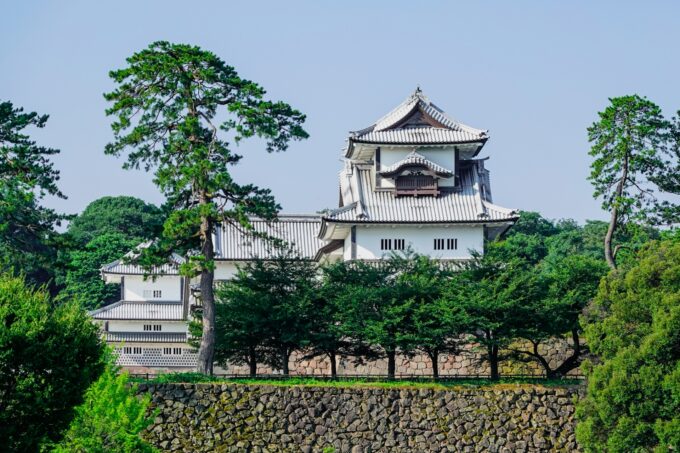
Kanazawa is quite a friendly place for those interested in walking around the city. There are many sites within a 5 - 20-minute walk of Kanazawa Castle. It directly adjoins Kenrokuen Park at its entrance and it is here where you can access the Seisonkaku villa. From there, it is a short walk down to Ishiura Shrine, famous for its pond and tunnel of torii gates. The Higashichaya Teahouse District, Oyama Shrine, DT Suzuki Museum, 21st Century Museum and Kazuemachi Geisha District are all also within a comfortable walk and help you dive even deeper into this fascinating city.
Are you interested in a guided tour around this beautiful city? See the castle and many of the other sites mentioned above and all in one day!
KANAZAWA FAMOUS SIGHTS TOUR / all year round
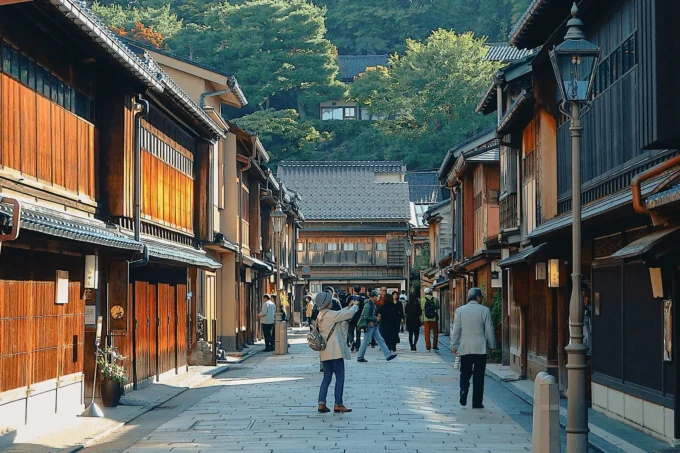
This tour invites you to start your journey in Higashi Chayamachi, the historic geisha district, where you can shop, savor local treats, and tour a former tea house once frequented by geisha. Wander through Kenroku-en Garden, once enjoyed by Edo period daimyos, and marvel at the intricate landscaping of both the land and the trees. You'll even get a chance to go inside one of the old villas of the time! Finally, follow in the footsteps of Kaga clan samurai as you pass through the castle and see the shrine that houses the spirit of the first lord of Kanazawa. This tour through history is one not to miss!
Frequently Asked Questions (FAQ)
Can you go inside Seisonkaku?
Yes, you can! Inside is a wonderful museum showcasing many interesting pieces of art, clothes, writings and gifts that were given to the powerful Maeda family.
When does Seisonkaku open?
Seisonkaku is open from 09:00 A.M. to 05:00 P.M. every day except Wednesdays.
Can I take pictures inside?
Pictures are strictly prohibited inside the villa. However, it is ok to take pictures of the gardens and out of the windows.
Do I have to take my shoes off to go inside?
Like most historical residences, yes, you have to take your shoes off. They can be stored in lockers to the side of the entrance while you explore the house.
How long does it take to fully enjoy Seisonkaku?
The villa is 7000sqm and is filled with beautiful rooms, intricate carvings and delicate designs. If that appeals to you, it can take up to an hour to get the most out of Seisonkaku. However, you can also walk through the house, enjoying the opulence, then sit by the garden and relax in just 30 minutes.