

Yamadera is an iconic Buddhist temple located in Yamagata Prefecture. It is just a short 20 train ride from Yamagata Station or an hour train ride from Sendai Station. Yamadera is famous for its temple grounds being located high within the mountain as well as being one of the most picturesque and important Zen temples of Tohoku.
This article will tell you a little bit about the temple, the area, and what you can expect during a visit there.
Where is Yamadera Temple?
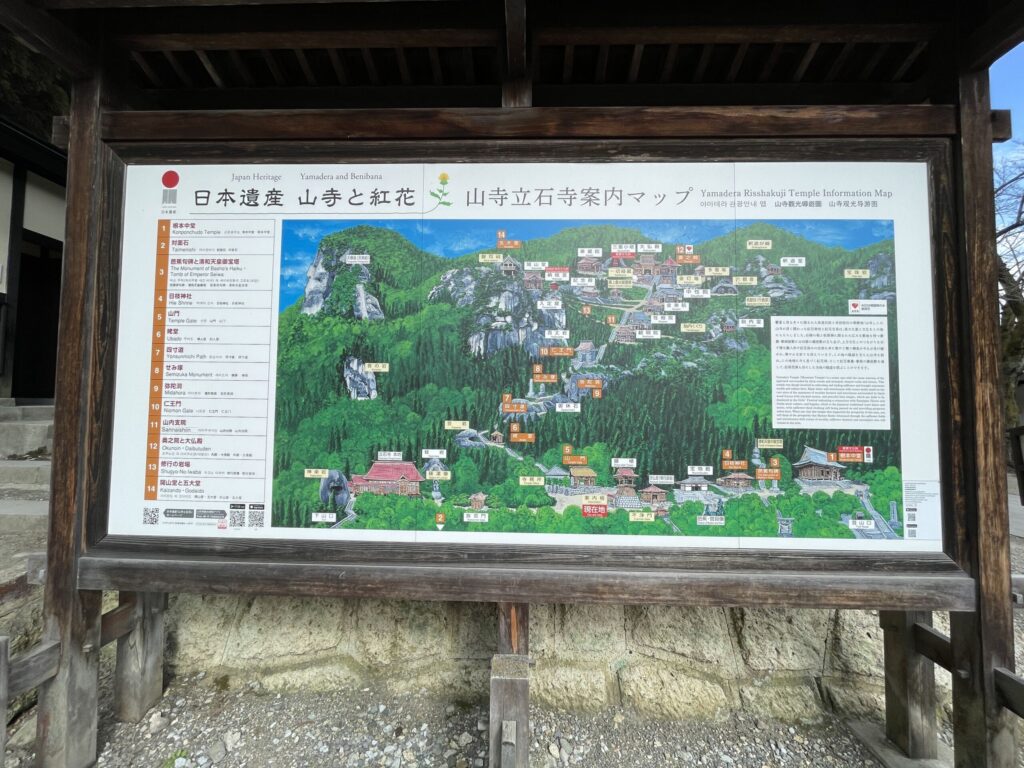
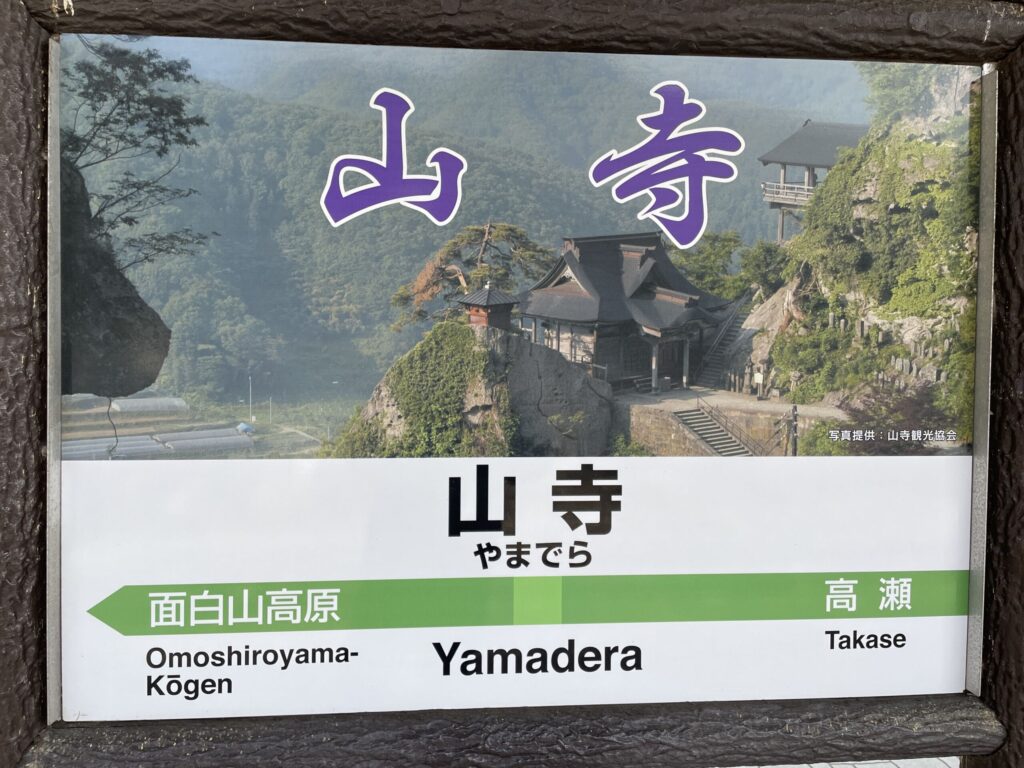
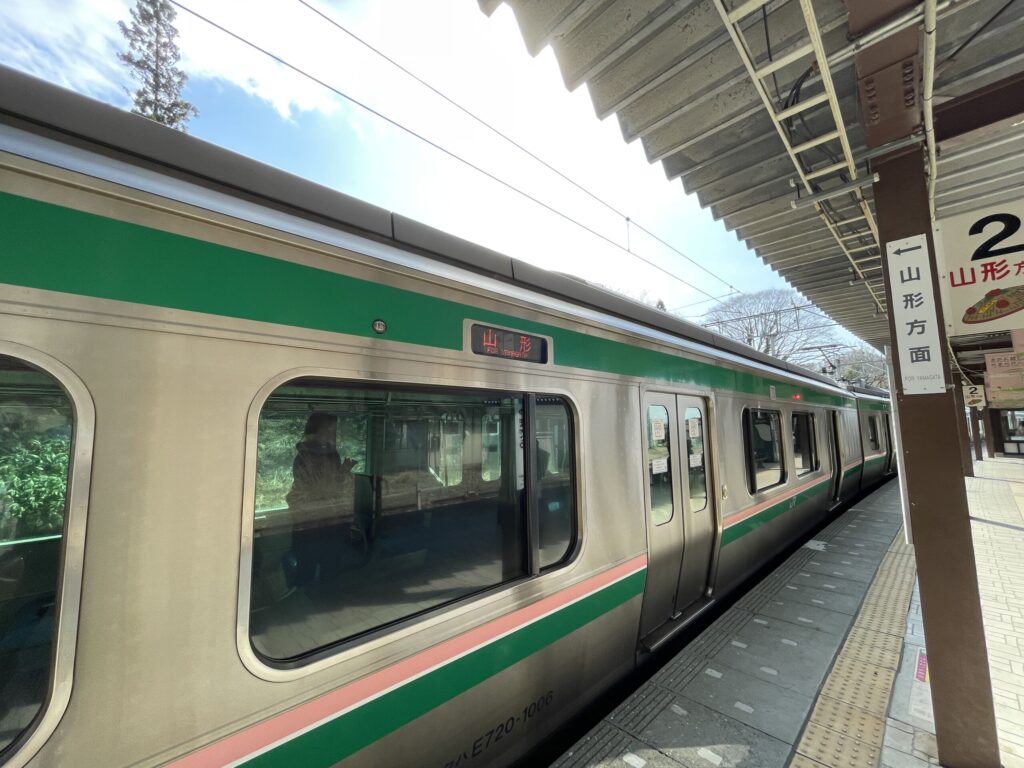
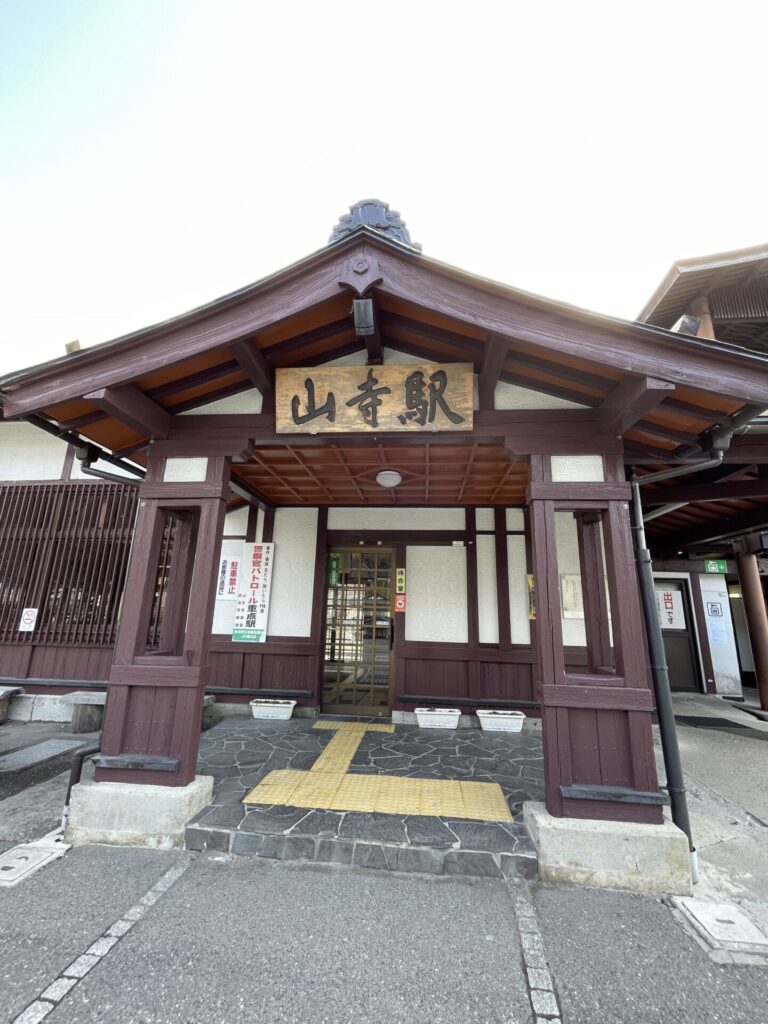
Yamadera is located west of Sendai in the Yamagata Prefecture. You can take the Senzan Line train for about an hour and arrive at the station closest to the temple, appropriately named Yamadera Station.
From Yamagata Station, you can take the Senzan Line (Sendai bound) for 5 stops, about 23 minutes to Yamadera Station.
It’s also about an hour drive from the Mt. Zao hot springs area.
A Brief History
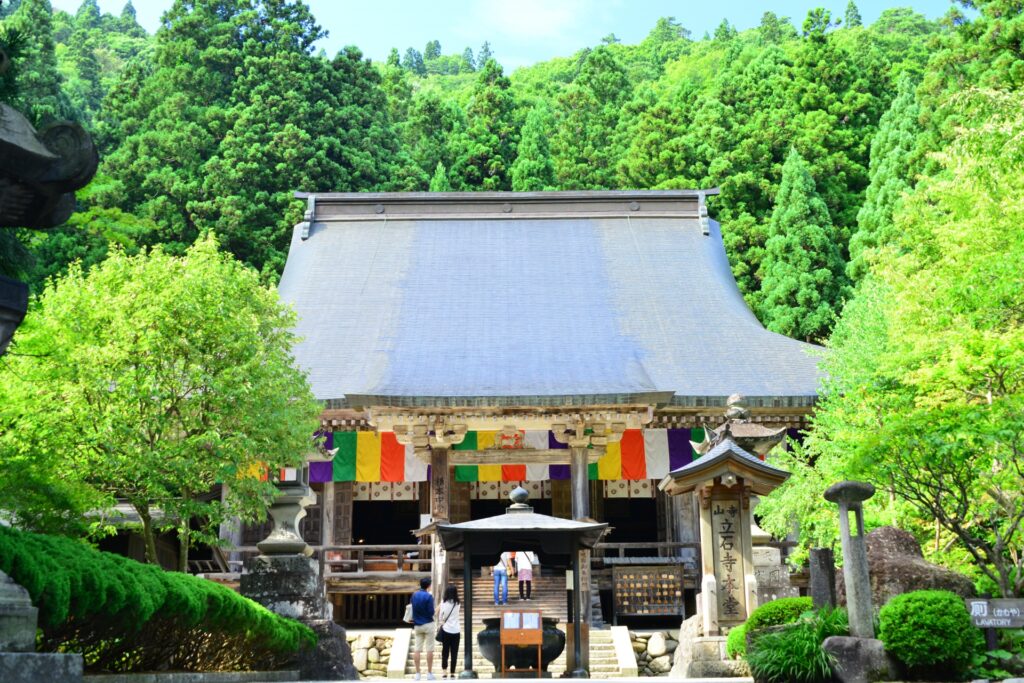
Yamadera is officially named Risshaku-ji, but it is colloquially referred to as Yamadera which literally means “mountain temple” in Japanese. This sacred temple was founded in 860 by a traveling monk named Ennin (also known as Jikaku Daishi). Ennin was wandering northern Japan to spread Tendai Buddhism under the orders of the Emperor and chose the prefecture’s sacred Mount Hoju for the new temple.
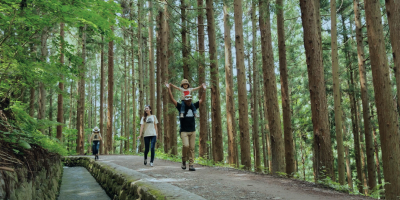
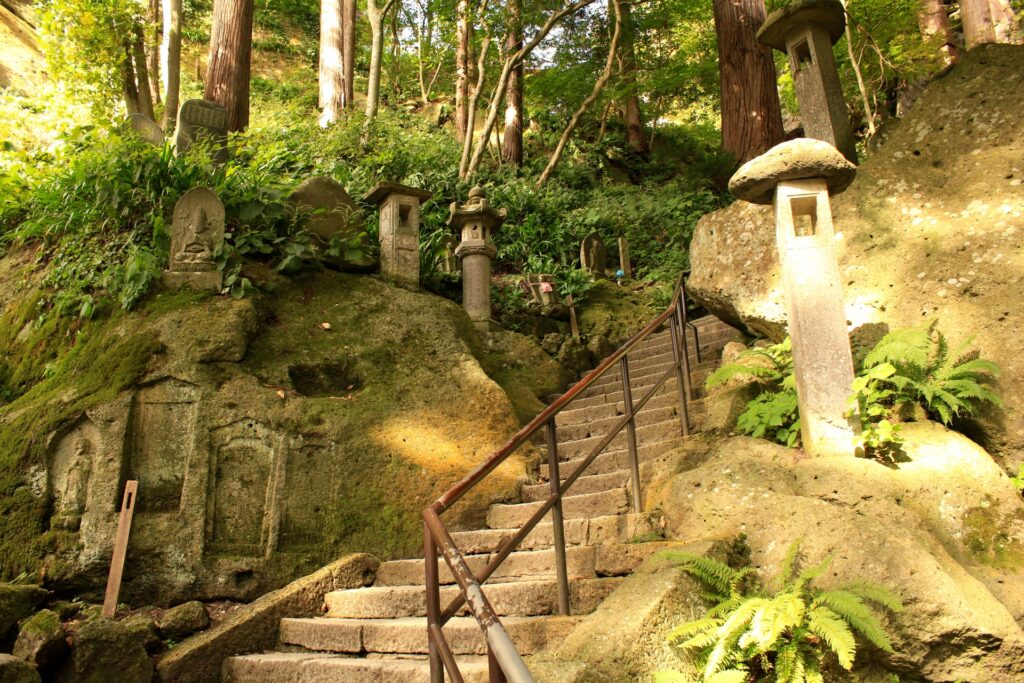
This temple is designated as a National Historic Site as well as a place of great scenic beauty. It is often referred to as one of the most famous attractions in Yamagata Prefecture. Making the spiritual climb up the stone steps reveals lush ferns, cedar trees, moss covered rocks, as well as rich history.
- Many of the historic halls house sacred artifacts and even an “eternal flame” said to have been kept burning continuously from the same flame for a thousand years.
- There are 1,015 stone steps to the top of the temple.
- From the mountain trail head, up the steps, to the peak, and back down again is often seen as a sacred pilgrimage that signifies death and rebirth into Buddhism.
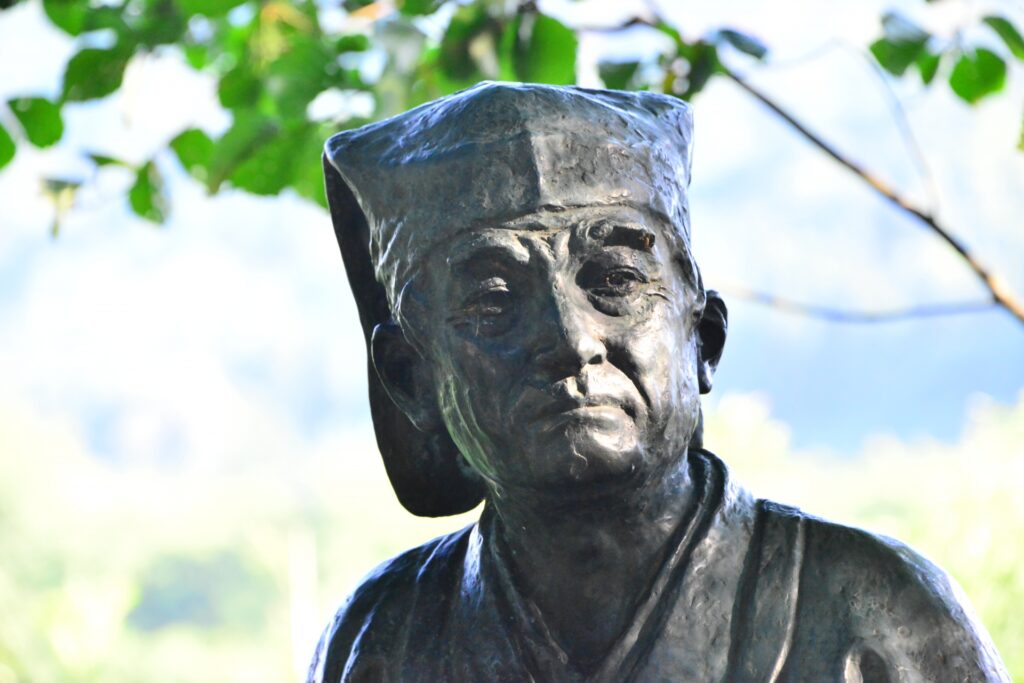
- Famous haiku poet Matsuo Basho visited here after being strongly recommended by locals. He was impressed by the temple’s natural beauty and wrote a haiku about it.
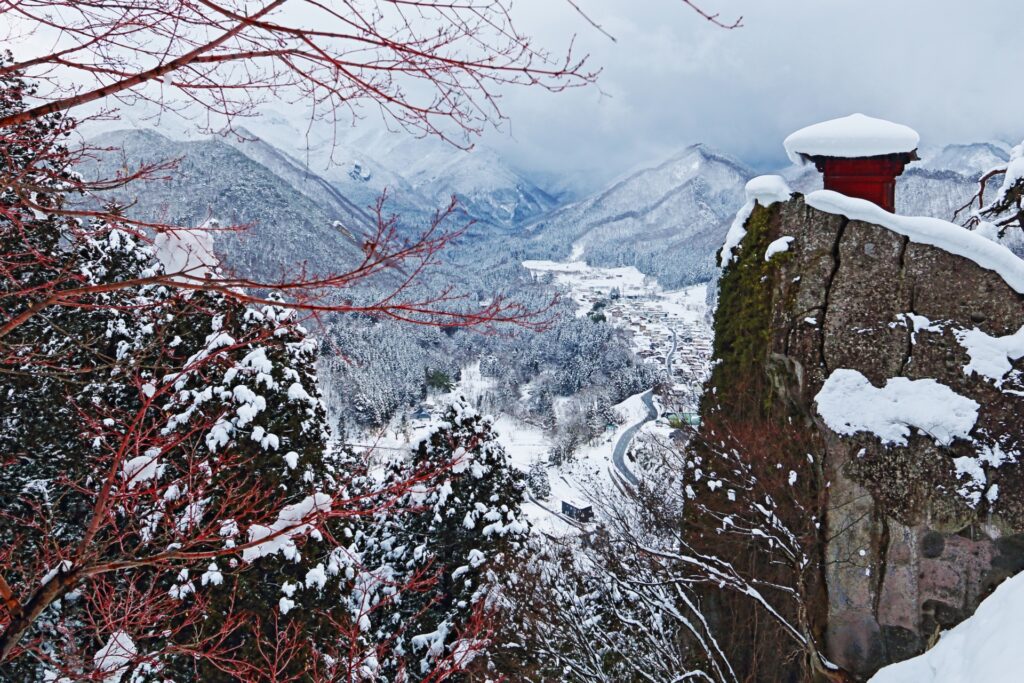
- The temple can be visited during all seasons, but due to the excessive amounts of snowfall in winter, the climb to the top is often cut-off halfway.
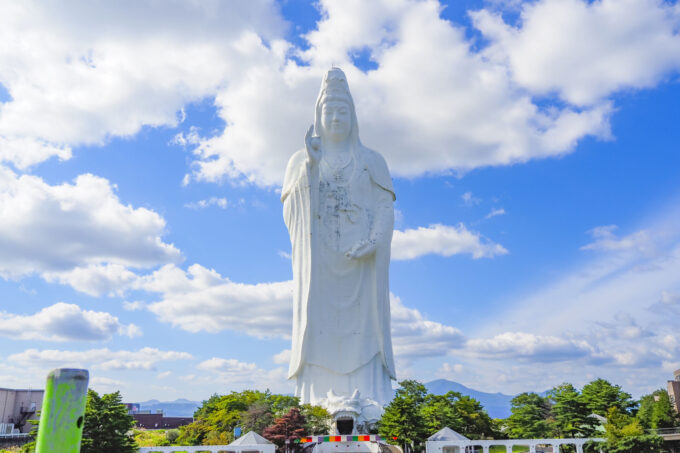
Recommended Tour: Snow Monkey Resort’s 1-Day Tour from Sendai: Sendai Daikannon Statue and Yamadera Temple – Spiritual Pilgrimages of Tohoku offers you a chance to witness the natural beauty of Yamadera while also giving you an opportunity to visit another one of Tohoku’s impressive spiritual sites, the Sendai Daikannon Statue. This tour goes into great detail about the history of Zen Buddhism and the importance it plays at both of these locations.
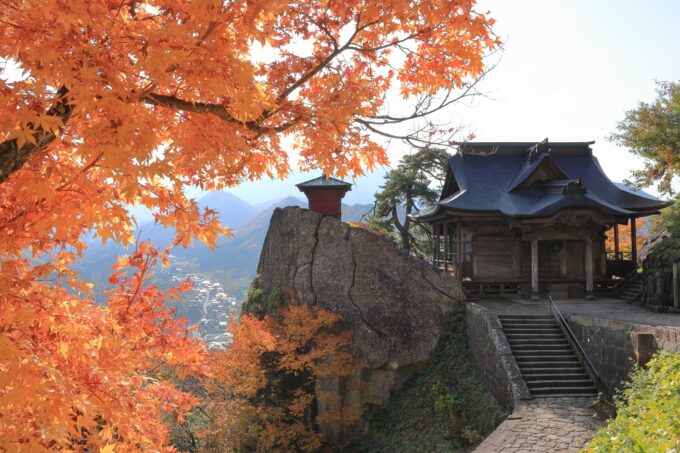
Nokyodo and Kaisando
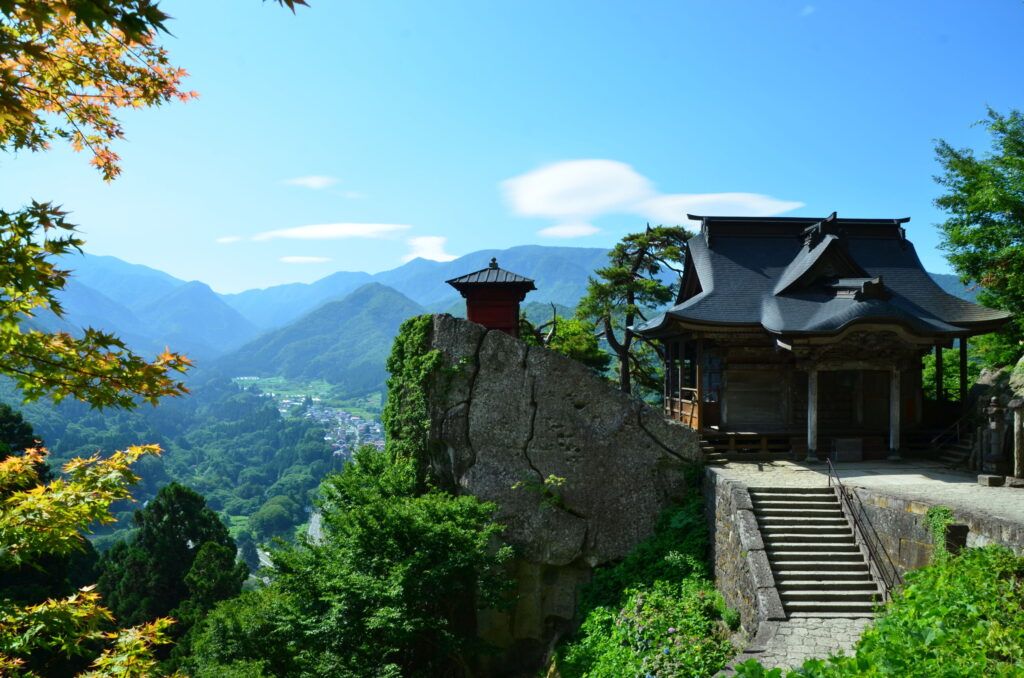
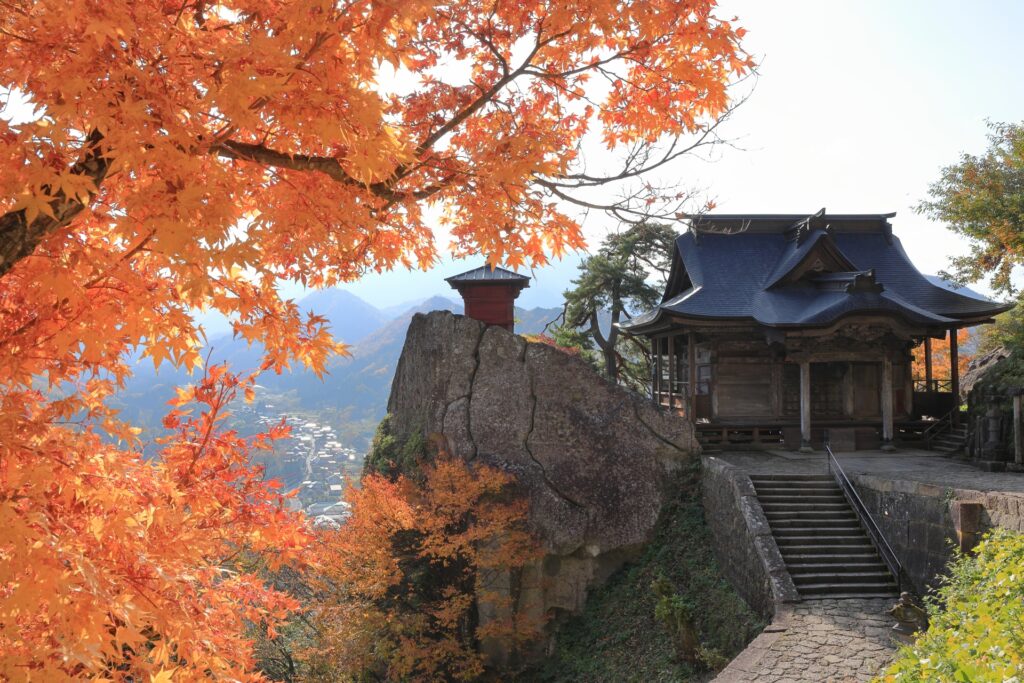
When looking up Risshaku-ji Temple (Yamadera), it is nearly impossible to miss the breathtaking photos where these two structures are the main focal point. Nokyodo is the smaller red structure sitting precariously on top of a large boulder. Beneath it lies the remains of Yamadera Temple’s founder, Ennin. Next to Nokyodo is Kaisando Hall. This historic building enshrines a statue of Ennin. Due to the statue's highly sacred nature, it is only opened once a year to the public.
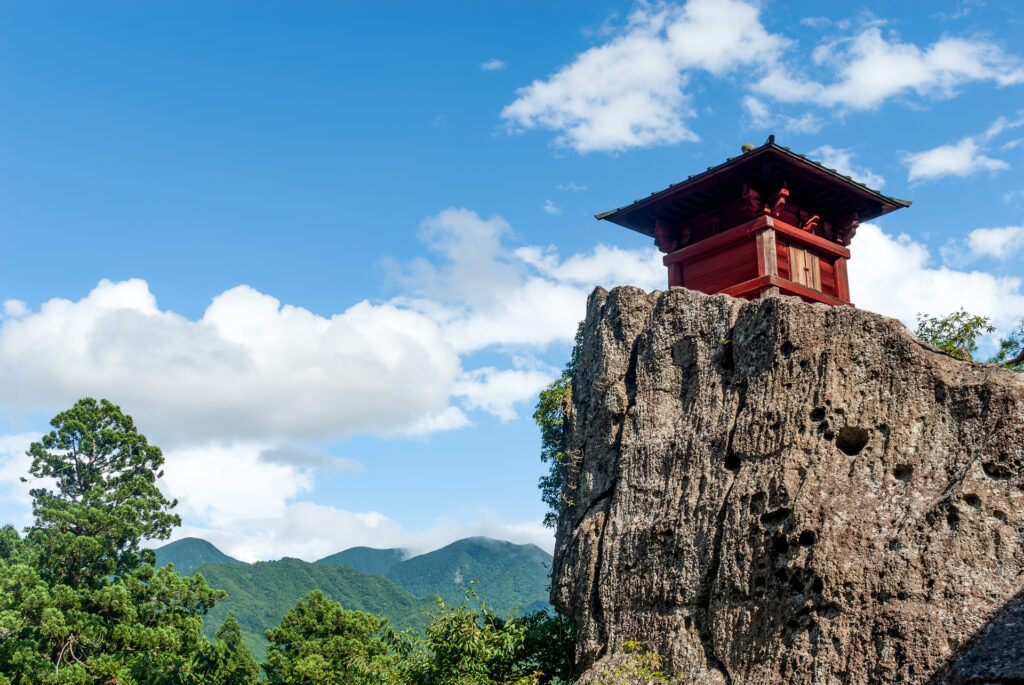
These buildings can be seen even from your first glances toward the mountain once stepping off the train. For photographers, make sure to walk along the trail toward the main hall at the top of the mountain temple for an iconic shot.
Godaido Observation Deck
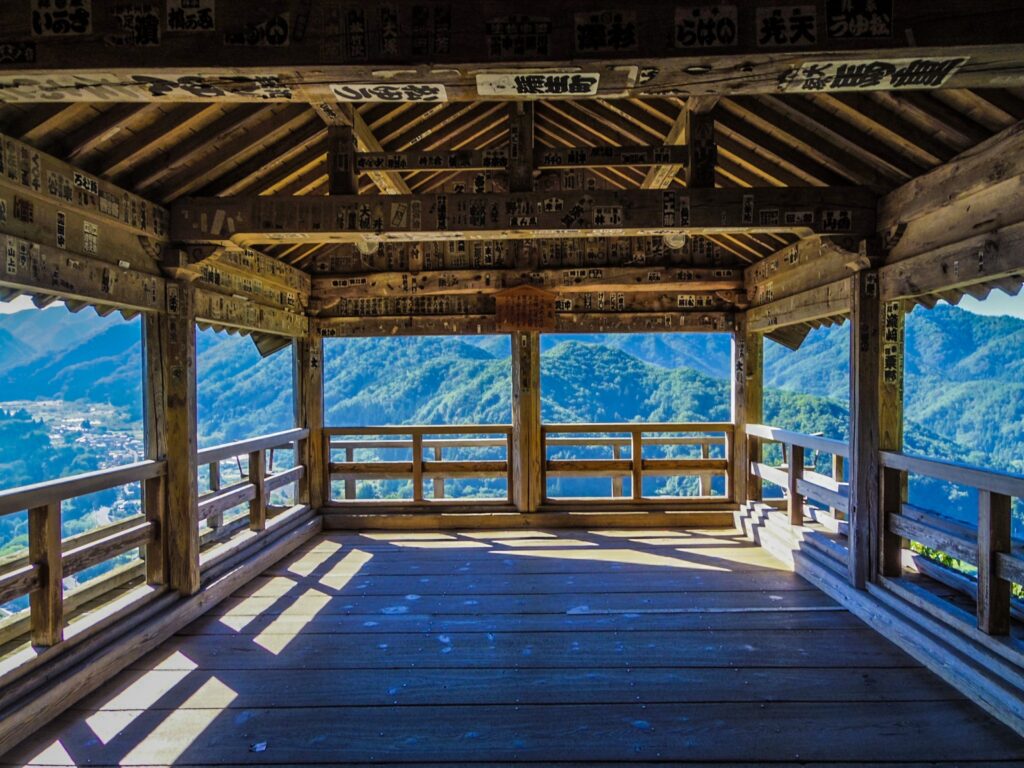
This observation deck is located just a small stairway to the right of Kaisando Hall. It is a wide wooden structure built in the 1700s and is covered in senjafuda paper talismans. From here, you can see a magnificent panoramic view of the mountain valley below. Take some time to take in your surroundings here. You are at the top of a sacred mountain temple, undergoing the transformative spiritual journey many pilgrims hundreds of years before you have partaken in. Let yourself truly take in the unsullied nature and picturesque scenery as you reflect and find a little bit of peace.
This breathtaking view truly gives you time to take in the natural beauty that the Tohoku region so abundantly has to offer. Sometimes you can even spot a train pulling into the station, which offers a lovely and somewhat nostalgic feel to the overall scene.
Seasonal Highlights:
- April - July: Enjoy the lush greenery and the cries of cicadas famous poet Matsuo Basho wrote about.
- September - November: Gorgeous fall foliage that makes for a photogenic paradise.
How to Get to Yamadera Temple
From Tokyo:
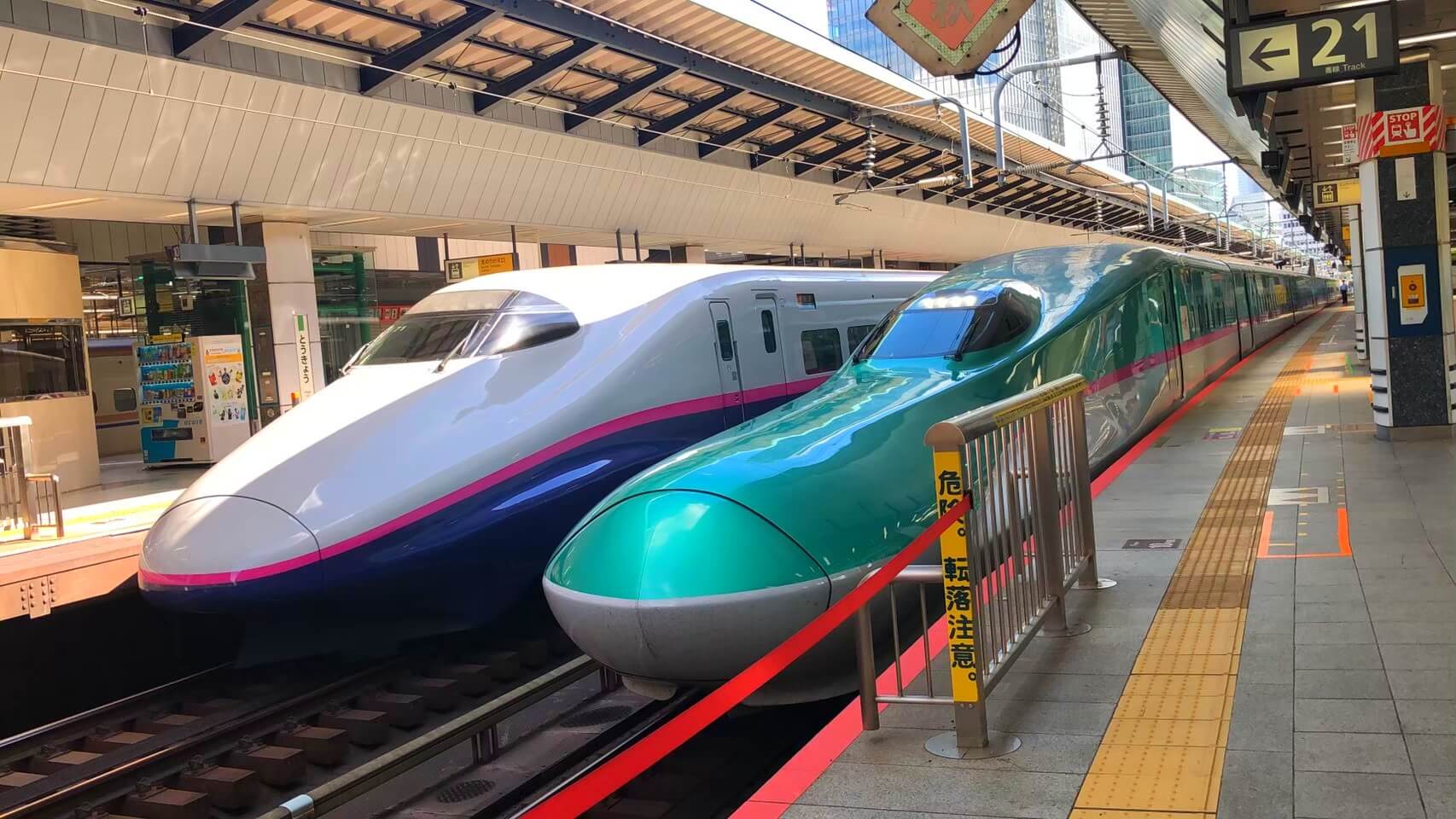
Take the Tohoku Shinkansen from Tokyo Station and get off at Sendai Station. From Sendai Station, transfer to the local lines. Take the Senzan Line toward Yamagata and get off at Yamadera Station. The trip in total can take upwards to about 4 hours including waiting times. It can cost up to 12,820 yen one-way.
Purchasing a JR Pass or a JR East Pass is great for those planning on traveling long distances or using the shinkansen many times throughout their trip.
From Sendai Station:
Take the Senzan Line bound toward Yamagata and get off at Yamadera Station. The trip in total is 1 hour and 11 minutes. There are no transfers and costs 910 yen. The trains on the Senzan Line that stop at Yamadera Station run only once every hour.
From Yamagata Station:
Similarly, take the Senzan Line. However, make sure it is bound toward Sendai. The trip takes 20 minutes. There are no transfers and costs 260 yen. The train to Yamadera Station from Yamagata Station runs only once every hour.
Frequently Asked Questions (FAQ)
Is it difficult to hike?
No. The climb itself is not very steep and, rather than a natural hiking trail, it has stone steps and periodic handrails. Due to the sheer amount (1,000+), however, it could be difficult for some visitors. It is highly recommended to bring water and take breaks when needed. On average the climb to the top can take anywhere from 30 to 50 minutes depending on your speed.
In the winter months, the temple remains open, but the stone steps can become incredibly slippery. Please be careful while ascending the temple grounds if you visit during snowy months.
How do I get to Yamadera?
From Tokyo:
Take the Tohoku Shinkansen from Tokyo Station and get off at Sendai Station. From Sendai Station, transfer to the local lines. Take the Senzan Line toward Yamagata and get off at Yamadera Station. The trip in total can take upwards to about 4 hours including waiting times.
Purchasing a JR Pass or a JR East Pass is great for those planning on traveling long distances or using the shinkansen many times throughout their trip.
From Sendai Station:
Take the Senzan Line bound toward Yamagata and get off at Yamadera Station. The trip in total can take a little over an hour and there are no transfers. The trains on the Senzan Line that stop at Yamadera Station run only once every hour.
From Yamagata Station:
Similarly, take the Senzan Line. However, make sure it is bound toward Sendai. The trip takes about 18 to 20 minutes and there are no transfers. The trains to Yamadera Station run only once every hour.
Is there food sold here or nearby?
Yes! There are plenty of local shops located within a convenient walking distance between Yamadera station and the temple itself.
We highly recommend ita soba, handmade buckwheat noodles served on a wooden board. It is a Yamagata Prefecture specialty and many of the shops in the area serve it.
What is chikara konnyaku?
Chikara konnyaku (power konjac) is a popular snack food sold throughout Yamagata, but especially near Yamadera. Chikara konnyaku is sold at multiple shops in the area. It has a soy sauce flavor and a firm but chewy texture of konjac; a root vegetable native to Asia. It is believed to give you strength to make the long ascent if you eat it before visiting the temple.
Is the temple wheelchair accessible?
Unfortunately no. Due to the unchanged historic nature of the mountain temple, the sacred climb up the stairs does not have wheelchair accessibility.
Additional Tips
- Respect the rituals: Although it is a popular tourist destination, it is first and foremost a place of worship. Please be respectful and mindful of the space. Even if you are just observing, take a moment to bow and cleanse your hands at the temizuya (purification basin).
- Prepare for Inclement weather: Due to the mountainous location, the weather conditions can sometimes be unpredictable. Be prepared for drops in temperature as well as strong wind gusts.
- Combine with a visit to Sendai: With its convenient straight-shot train ride from Sendai, the city of trees is a great companion for your trip to the less beaten paths of Tohoku.