
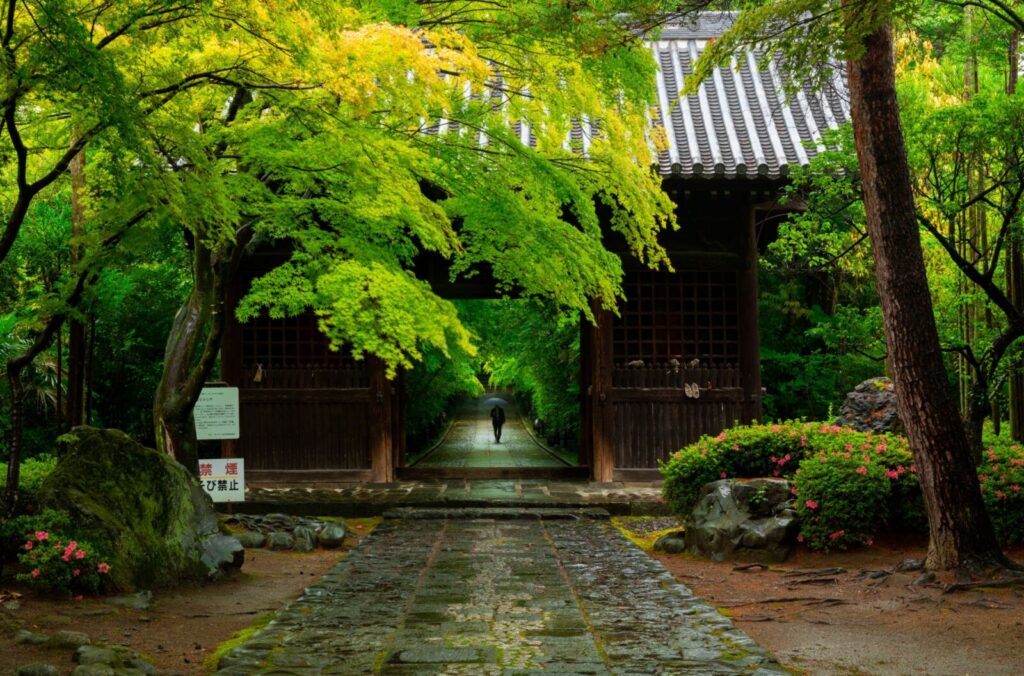
This article will tell you a little bit about the temple and what you can expect during a visit.
Where is Rinnoji Temple?
Rinnoji Temple is located in the northern Kitayama neighborhood of Sendai. It is tucked away amongst shops, restaurants, and houses – blending into the daily lives of locals.
From Sendai Station, you can take the Senzan Line (Sendai bound) for 3 stops, about 15 minutes to Kitayama Station. Then it is about another 15 minute walk to the temple's entrance.
A Brief History
- A gorgeous 3-story pagoda that houses a Cultural Asset of Sendai City
- Traditional Japanese garden open to the public for a small admission fee of 300 yen
- Strong connections to the famous Date Clan of the Tohoku region
- Historic gravesite of a Byakkotai Warrior
Rinnoji Temple of Sendai was originally founded in 1441 in Yamagata Prefecture by Date Mochimune who was the 11th lord of the Date Clan. Since its foundation, the temple's site has changed multiple times as it was moved in tandem with the movements of the Date Clan. Its final and current location in Sendai occurred in 1602 under the reign of Date Masamune, one of the most famous samurai lords of the Tohoku region during the Edo period.
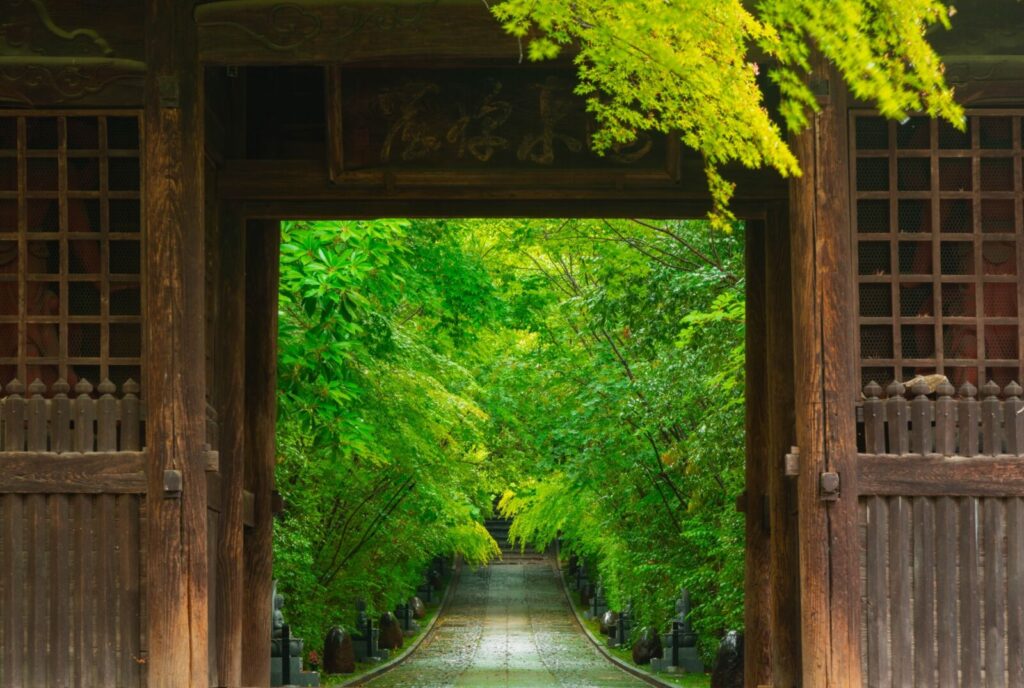
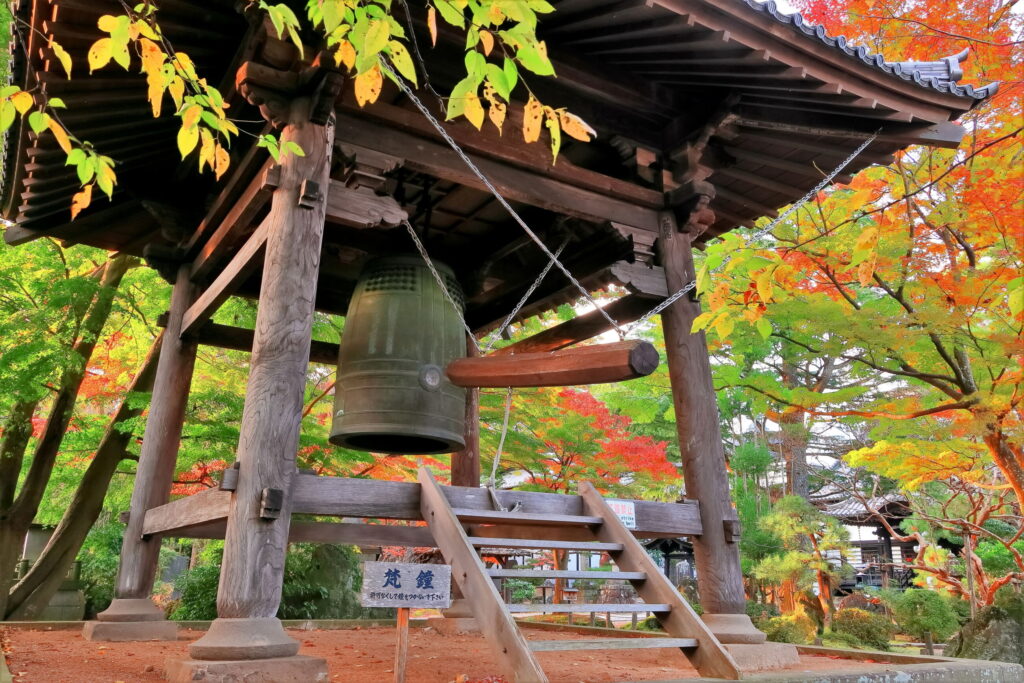
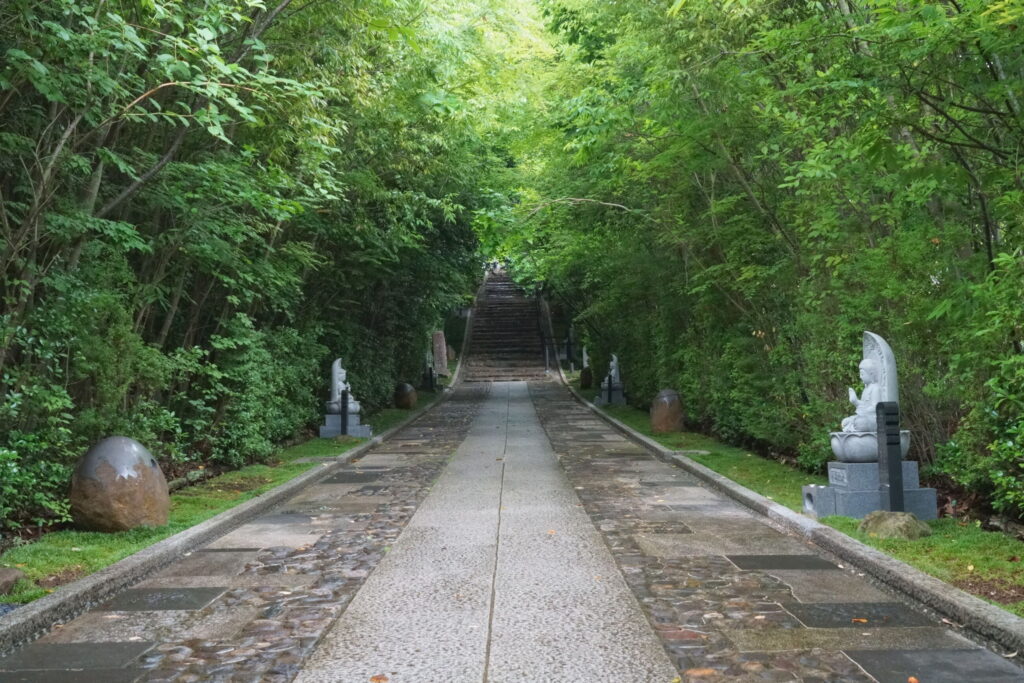
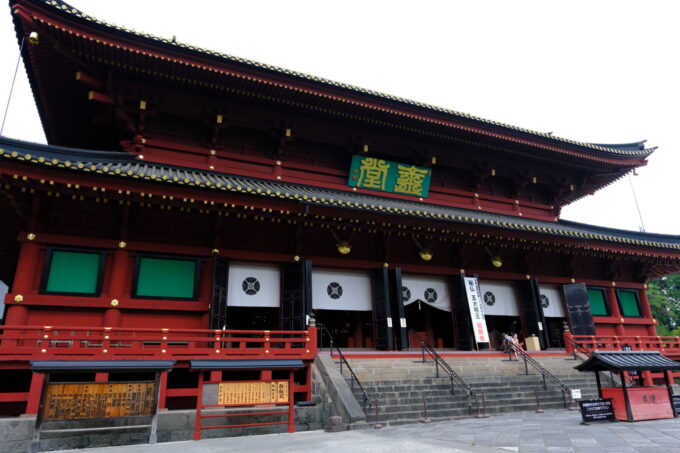
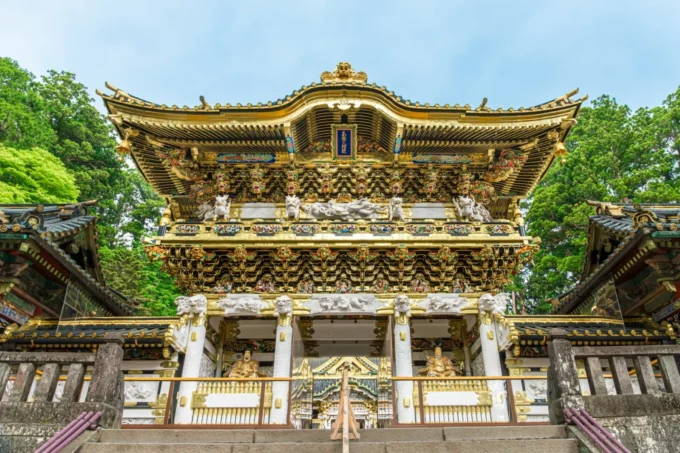
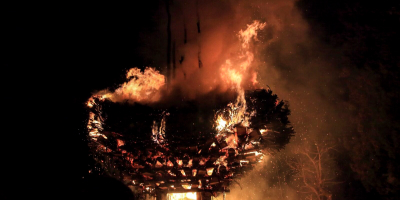
The temple prospered for more than 300 years under the protection and patronage of the Date family and served as the central temple of the Zen sect of Buddhism within Tohoku. Although it wasn't originally a part of the 5 Mountain/Temple System, today it is included into the group since it moved into the location of one of the original temples. It is popular for its naturally aesthetic temple grounds and well-kept garden and reflection pond. Most of the original structures were unfortunately destroyed in a large fire in 1876, but thankfully the main gate was spared and can still be viewed today upon entering the grounds.
Recommended Tour: Snow Monkey Resort’s Half-Day Tour in Sendai: Kitayama Gozan & Sendai Daikannon Statue – Day of Zen offers you an intimate guided tour of historic temples of a local neighborhood of Sendai, including Rinnoji Temple. Perfect for history lovers and those who want to be able to go at their own pace.
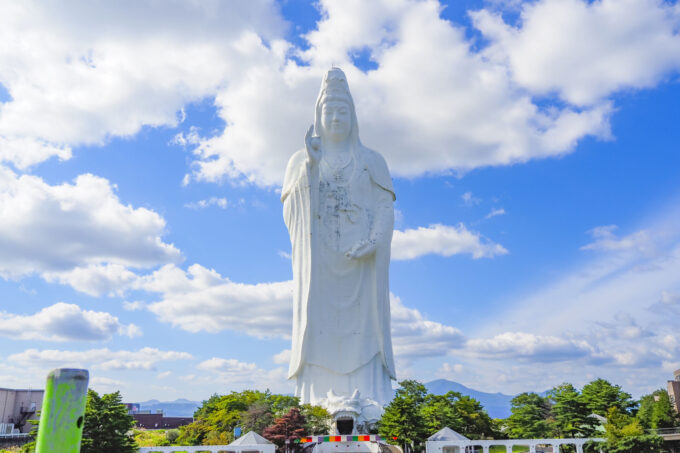
3-Story Pagoda
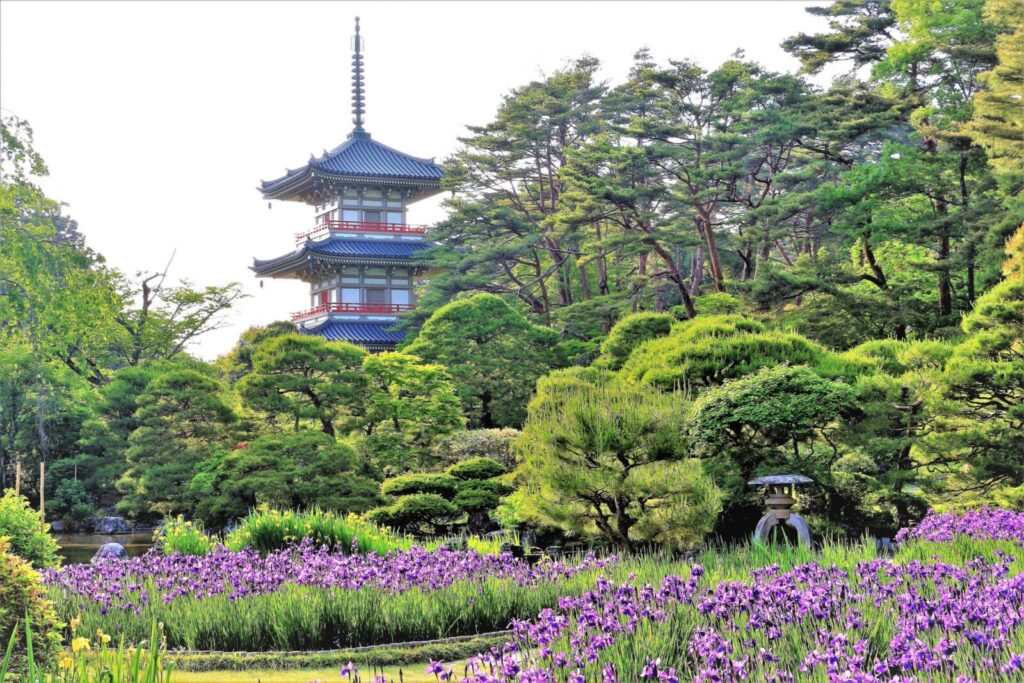
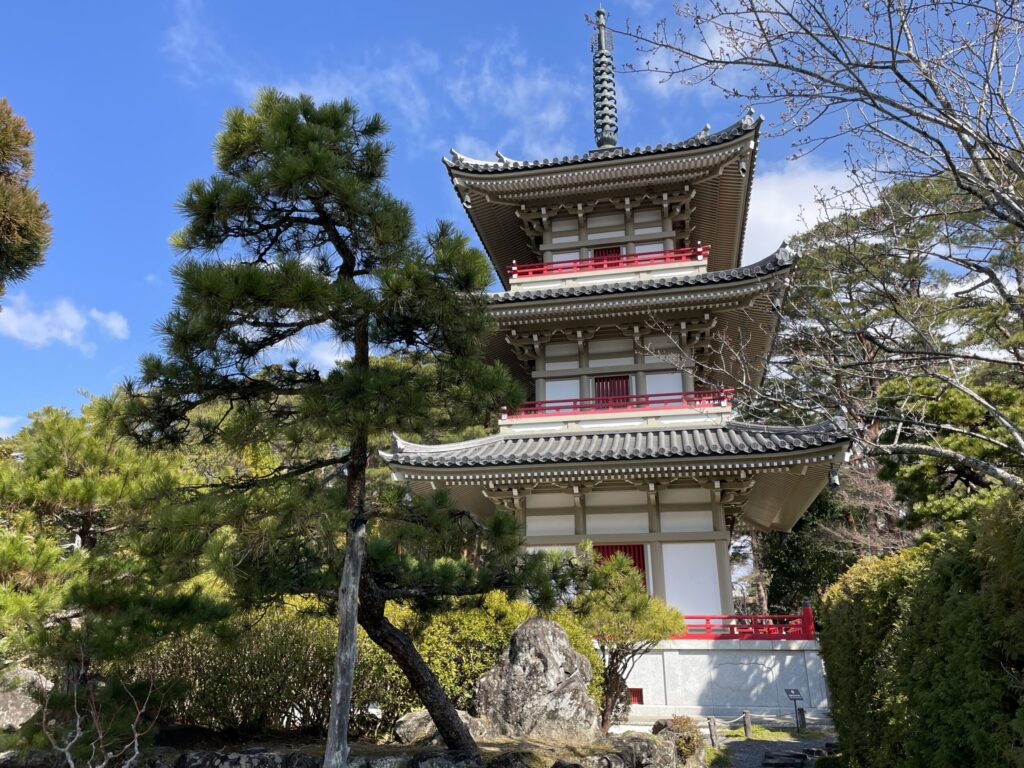
This structure was erected in 1981 to commemorate the 500th anniversary of the temple's founder's passing. It enshrines a seated statue of Shaka Nyorai (Buddha) whose Zen-style posture is said to give off a well-balanced impression to those who gaze upon it. The Buddha statue is only open for viewing by the public every 1st and 15th of each month. The statue is also designated as an Important Tangible Cultural Property of the city of Sendai.
Reflection Pond
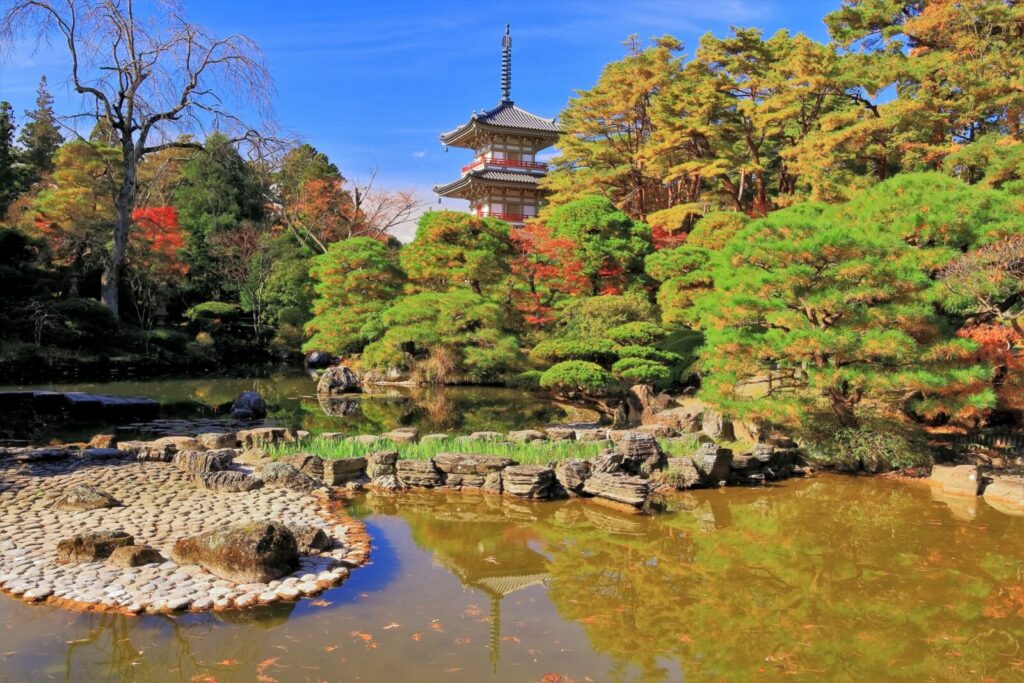
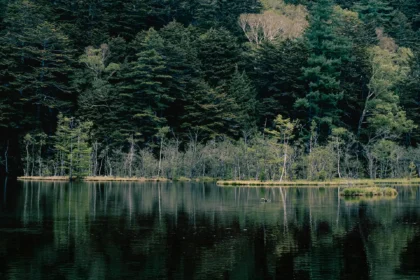
Within the temple grounds is this lovely example of a traditional Japanese garden. The pond within the garden is celebrated for its natural beauty and offers a subtle calmness it adds to the overall aesthetic of the temple. The garden and pond were refined during the late 1800s by the chief priest in efforts to restore the temple to its former glory after years of natural disasters such as fires.
Tomb of a Byakkotai Warrior
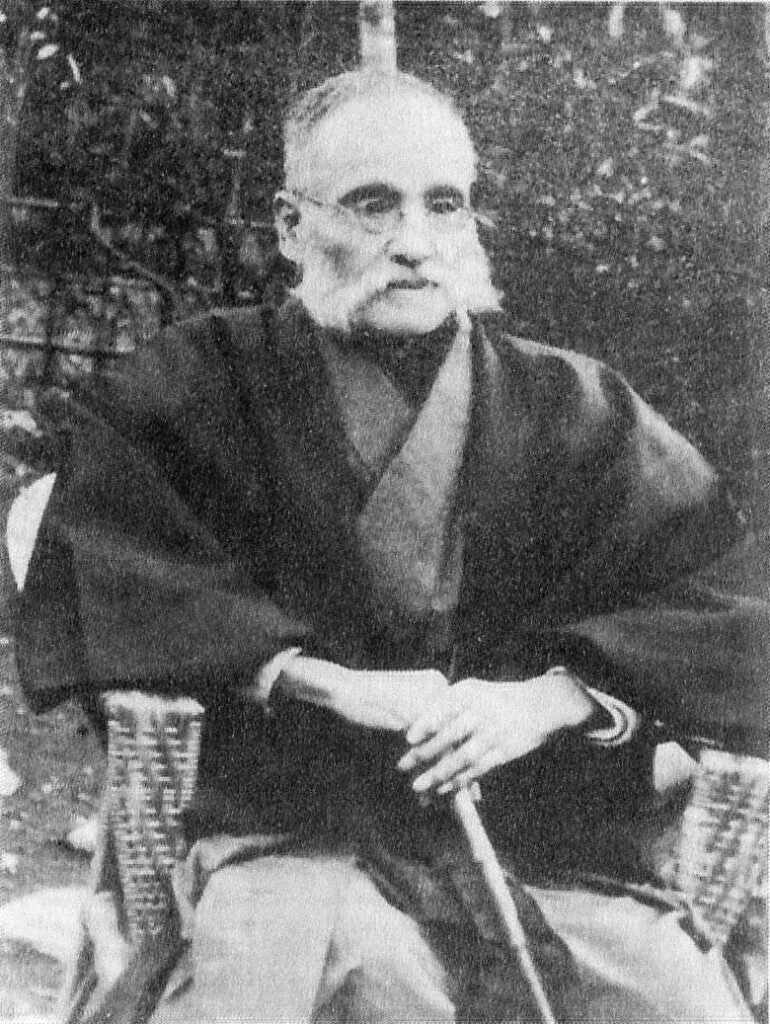
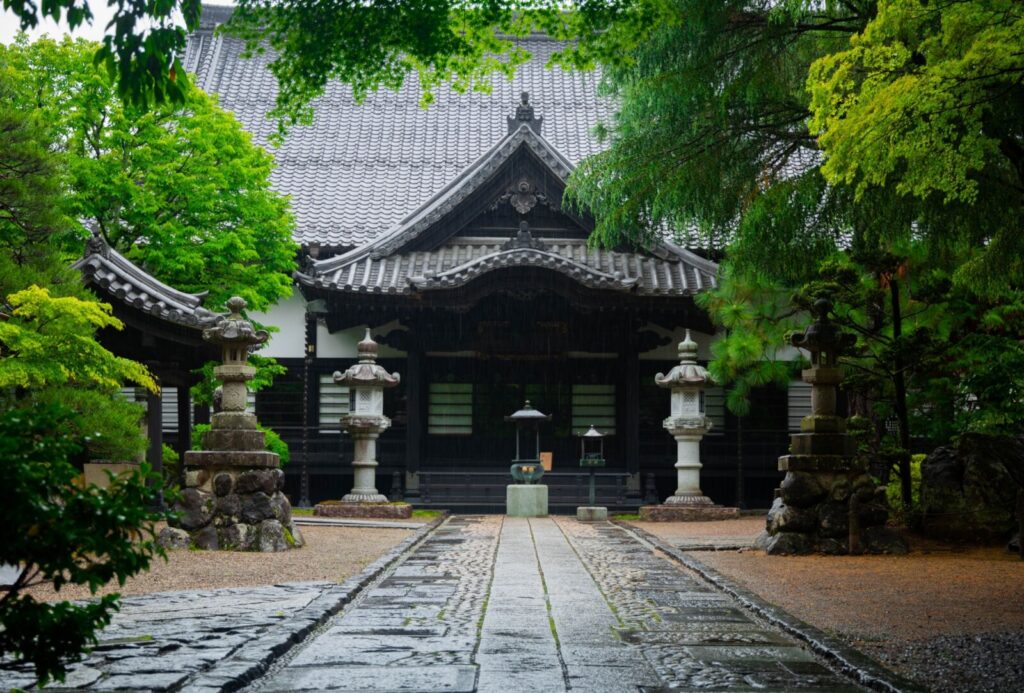
The gravestone of a Byakkotai Warrior named Iinuma Sakadichi is on the Rinnoji Temple Grounds. You can visit the grave if you follow a path to the left of the main temple building and follow it up a short walk uphill toward the cemetery. There is a sign off to the side of the grave with a brief introduction to Iinuma and his importance to preserving Japanese history as the sole survivor of the Byakkotai Warriors' group ritualistic suicide.
Seasonal Highlights at Rinnoji:
- April - July: Enjoy the lush greenery and reflective blue skies in the central pond.
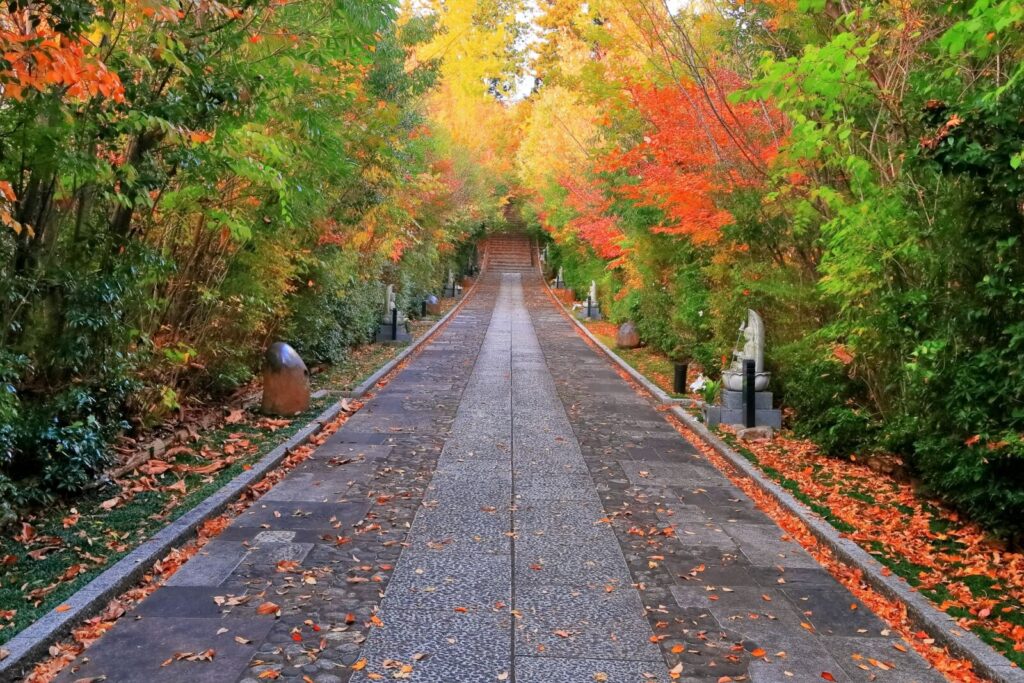
- September - November: Gorgeous fall foliage that makes for great photographs.
Frequently Asked Questions (FAQ)
Is it difficult to walk through?
No. Although there is uneven ground and stepping stones within the temple garden, it should not prove to be difficult for most visitors. We recommend taking your time and watching your step, especially if it's raining or snowing.
How do I get to Rinnoji Temple?
From Tokyo:
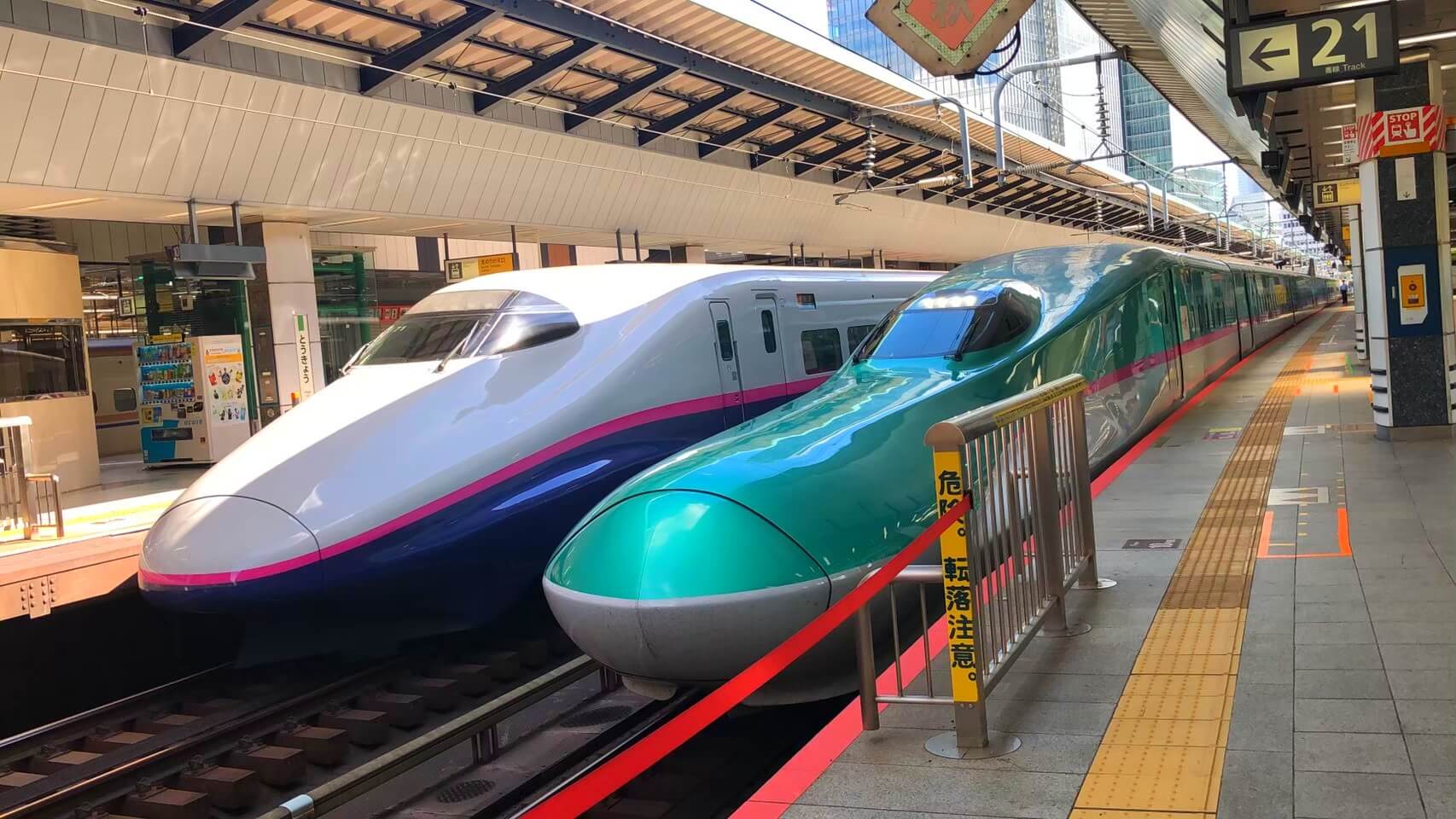
Take the Tohoku Shinkansen from Tokyo Station and get off at Sendai Station. From Sendai Station, transfer to the local lines. Take the Senzan Line toward Ayashi or Yamagata (both will stop at your necessary station) and ride for about 22 minutes and get off at Kitayama Station. From there you will walk about 10 to 15 minutes until you reach Rinnoji Temple's entrance.
Purchasing a JR Pass or JR East Pass is great for those planning on traveling long distances or using the shinkansen many times throughout their trip.
From Sendai Station:
Enter through the central ticket gates on the main concourse (2F). You can use your IC card or purchase a paper ticket at the machines to the left of the gates. It will be 210 yen one way.
Take the Senzan Line toward Ayashi or Yamagata (both will stop at your necessary station) and ride for about 22 minutes and get off at Kitayama Station. From there you will walk about 10 to 15 minutes until you reach Rinnoji Temple's entrance.
Is there food sold here or nearby?
There is no food allowed inside the temple garden. However, the temple is located in a neighborhood of Sendai which has plenty of convenience stores and restaurants surrounding it so food is not far away!
What is a pagoda?
Pagodas are structural tower-like buildings with multiple eaves located typically within the grounds of a Japanese Buddhist temple (although pagodas can also be found around the world at Taoist or Hindu destinations). They are sacred architectural towers and often house relics. They are most often spiritual monuments rather than functional buildings and very often are made of wood.
What is the Byakkotai?
The Byakkotai division was a reserve division of soldiers meant to be deployed in an emergency during the Edo period and beyond. This particular group was made up of young boys whose tragic dedication to their samurai lord Matsudaira Katamori during the Boshin Civil War in 1868 went down in history near Aizuwakamatsu Castle (present day Tsuruga Castle).
Is the temple wheelchair accessible?
Unfortunately no. Due to the uneven terrain of the garden and the stone step approach to the temple grounds, Rinnoji Temple is not suitable for visitors using wheelchairs.
Additional Tips
- Respect the rituals: Although it is a popular tourist destination, it is first and foremost a place of worship. Please be respectful and mindful of the space. Even if you are just observing, take a moment in front of the main temple building and offer respects with a small bow.
- Prepare for Inclement weather: Since the temple is open most days of the year and is located outdoors with little to no shelters, be prepared for rainy or snowy days by packing appropriately.
- Combine with a visit to Sendai: Located right in a cozy northern neighborhood of Sendai, this is the perfect opportunity to travel the less beaten paths of Tohoku.