


Oiwasan Nisseki-ji Temple, nestled in Kamiichi Town, Toyama Prefecture, is a historic Shingon Buddhist temple founded in 725 AD by Gyōki. It is most famous for its powerful Fudō Myō-ō image carved directly into a natural rock face and its practice of ascetic waterfall meditation.
Where is the Oiwasan Nisseki Temple?
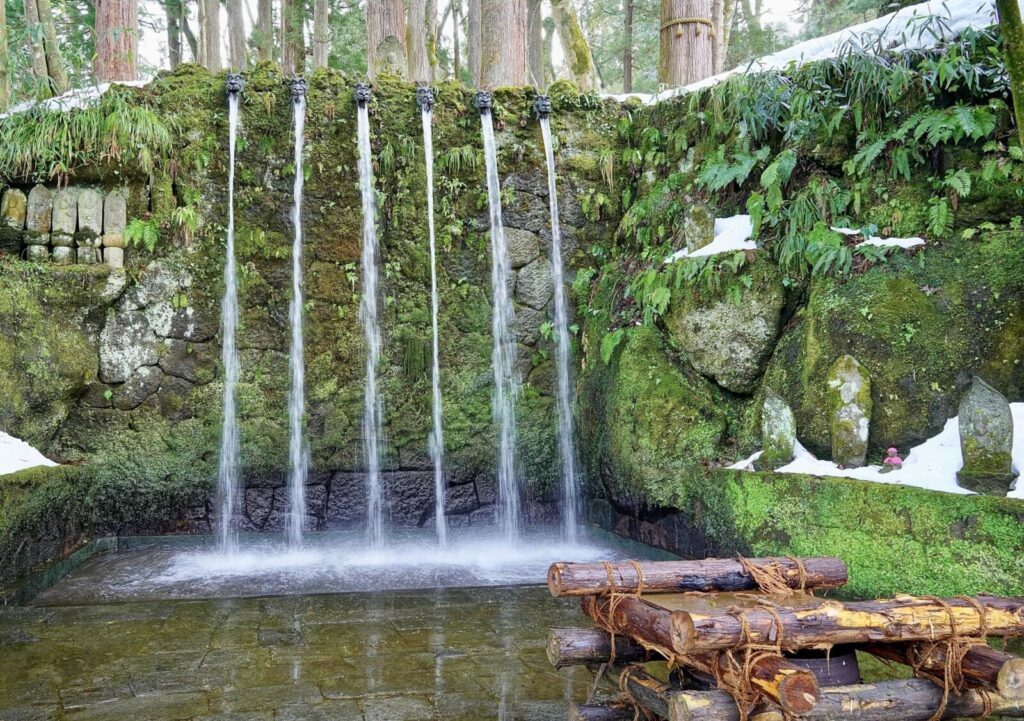
Oiwasan Nisseki-ji Temple is situated in Kamiichi Town, in western Toyama Prefecture. It is located in the northern Japanese Alps, close to Tateyama and the Alpine Route. The temple is accessible from Kamiichi Station on the Toyama Chiho Railway, typically a short bus or taxi ride away.
A Short History
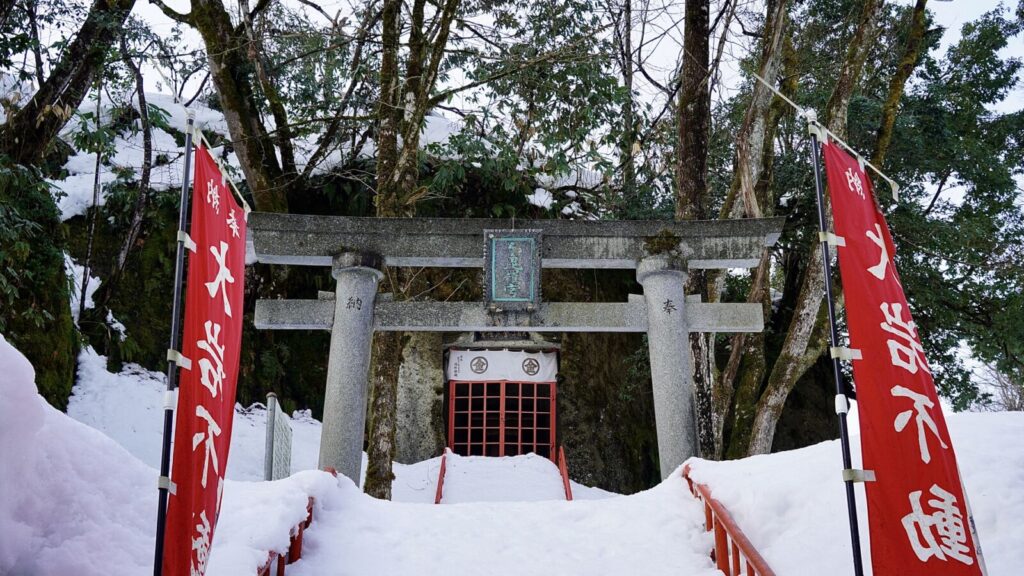
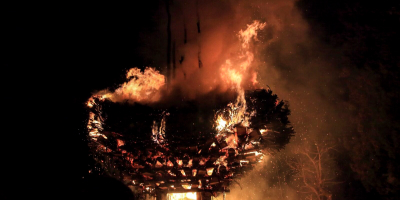
Oiwasan Nisseki-ji Temple boasts a rich history dating back to 725 AD, when it is said to have been founded by the influential monk Gyōki. Historically, it thrived as a significant center for the Tateyama mountain worship faith. At its peak reportedly housing 21 subsidiary shrines and 60 monks. After Oiwasan Nisseki Temple was set ablaze by Uesugi forces in the Muromachi period, the temple was meticulously rebuilt. It then served as the family temple for generations of the powerful Maeda Clan of Kanazawa, who financed its restoration. Today, while its Fudō-dō (main hall) has seen multiple reconstructions, including after a 1967 fire, its most revered element has stood the test of time. The impressive Fudō Myō-ō image carved directly into a natural rock face, survived these events and continues to be a central focus of worship and ascetic practices like waterfall meditation.
What to do at the Oiwasan Nisseki Temple
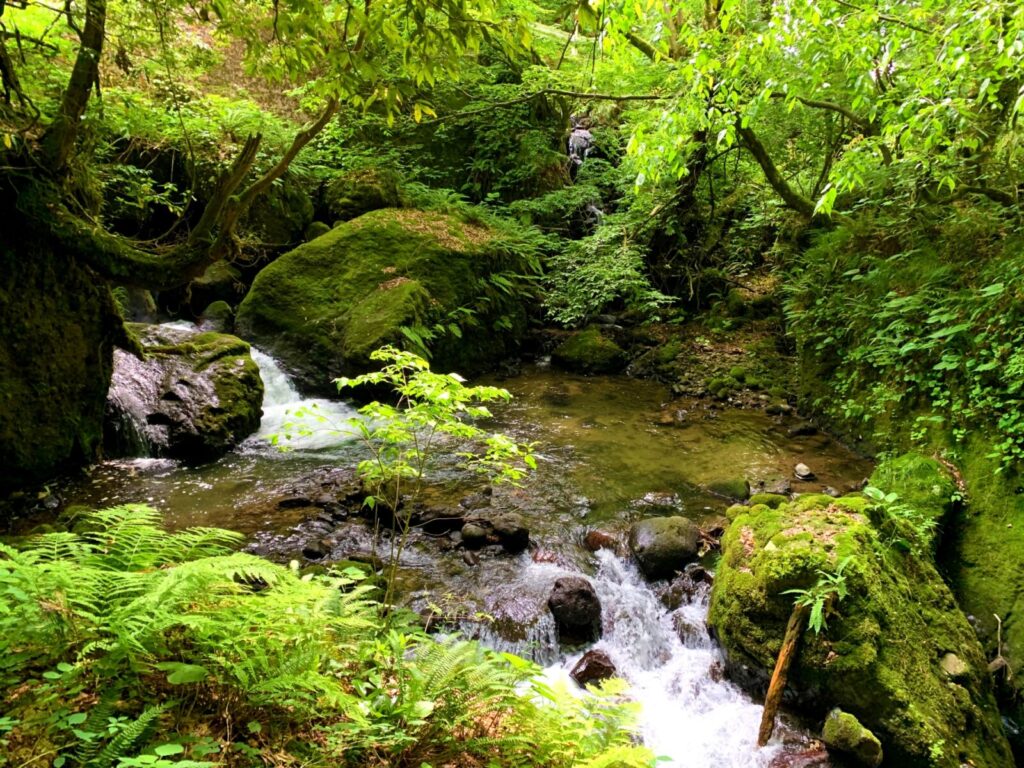
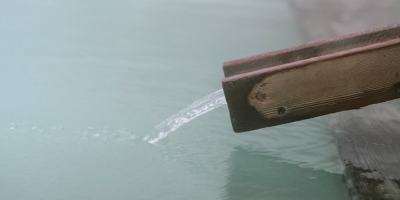
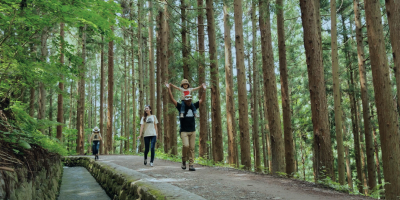
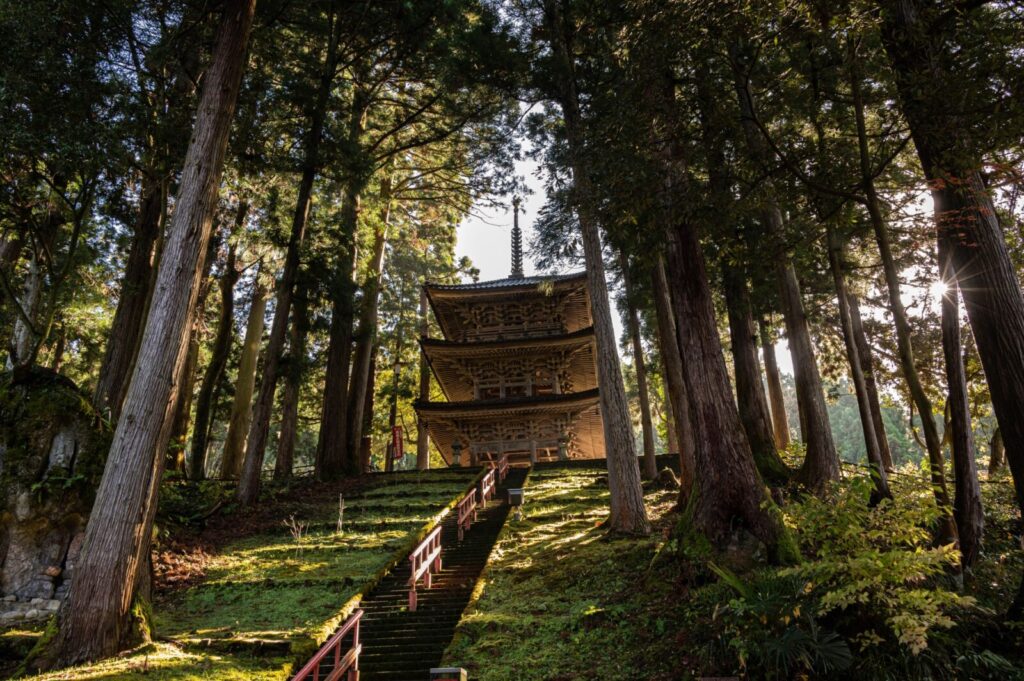
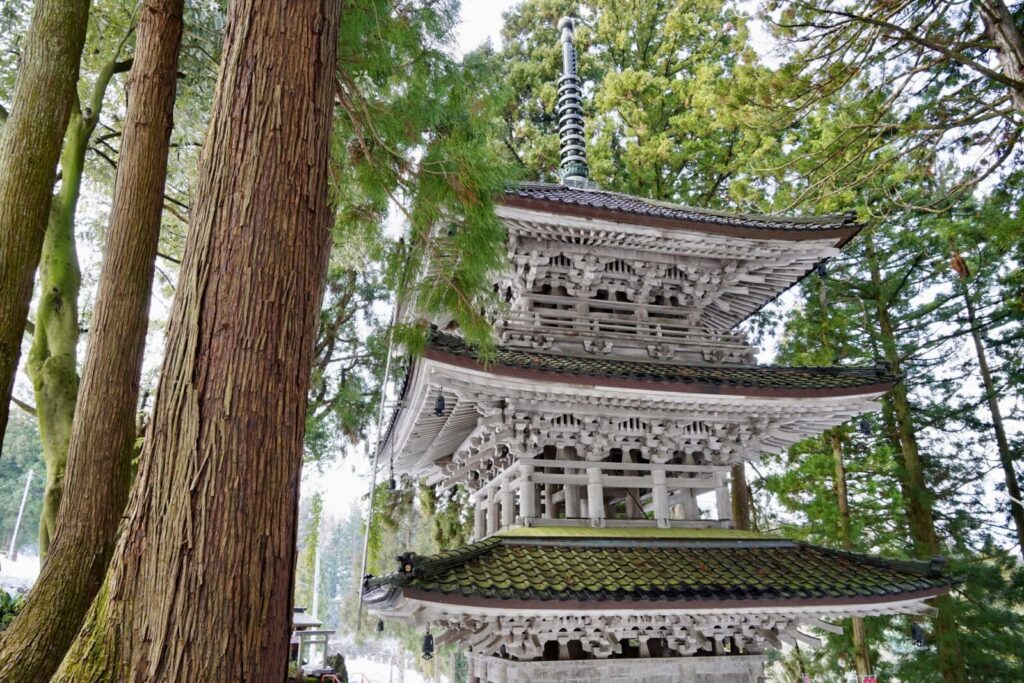
There are various spiritual and natural attractions at the temple and in the area. The primary draw is the awe-inspiring Fudō Myō-ō stone carving within the main hall, a powerful ancient artwork. Unique to the temple are its six waterfalls, where visitors can observe or, with prior reservation, even participate in traditional ascetic waterfall meditation (takigyō). Beyond the spiritual, guests can explore the serene grounds, admiring historical structures like the three-story pagoda, before venturing to the picturesque Sengankei Gorge for a scenic walk. The visit can be rounded off by enjoying local "Oiwa Somen" noodles at nearby restaurants or unwinding at the Oiwa Fudo-no-Yu Onsen.
Visiting Oiwasan-Nisseki Temple
The easiest way to access the temple is by car but it is possible to go by train/bus. If you ride the Toyama Chiho Railway from Toyama Station to Kamiichi Station and then get on the local bus bound for Oiwa. The bus runs very infrequently so check the times before leaving.
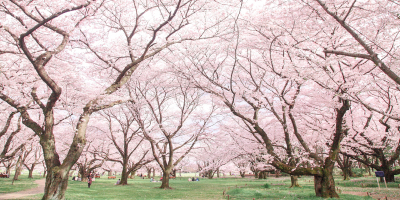
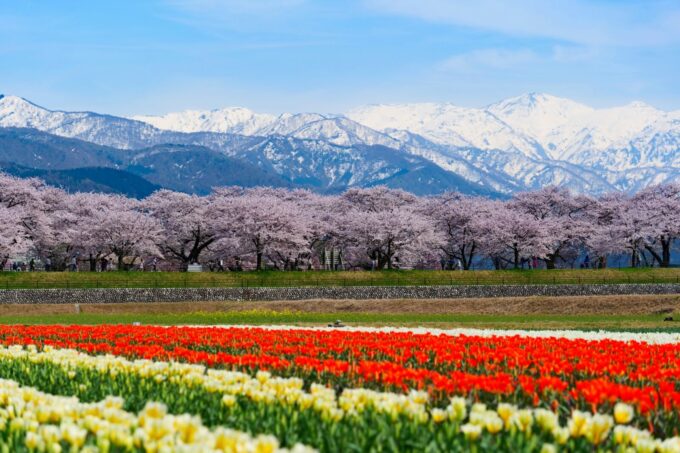
The simplest way is to join a tour and our company has one that leaves from either Toyama or Kanazawa that runs in the spring only! You can see the beautiful Spring Quartet in the morning and then go deep into the mountains to see a temple with a 1300 rock carving. See the tour below!
Also, if you are interested in a private or charter tour, feel free to contact us.
Interesting Sites Near Oiwasan-Nisseki Temple
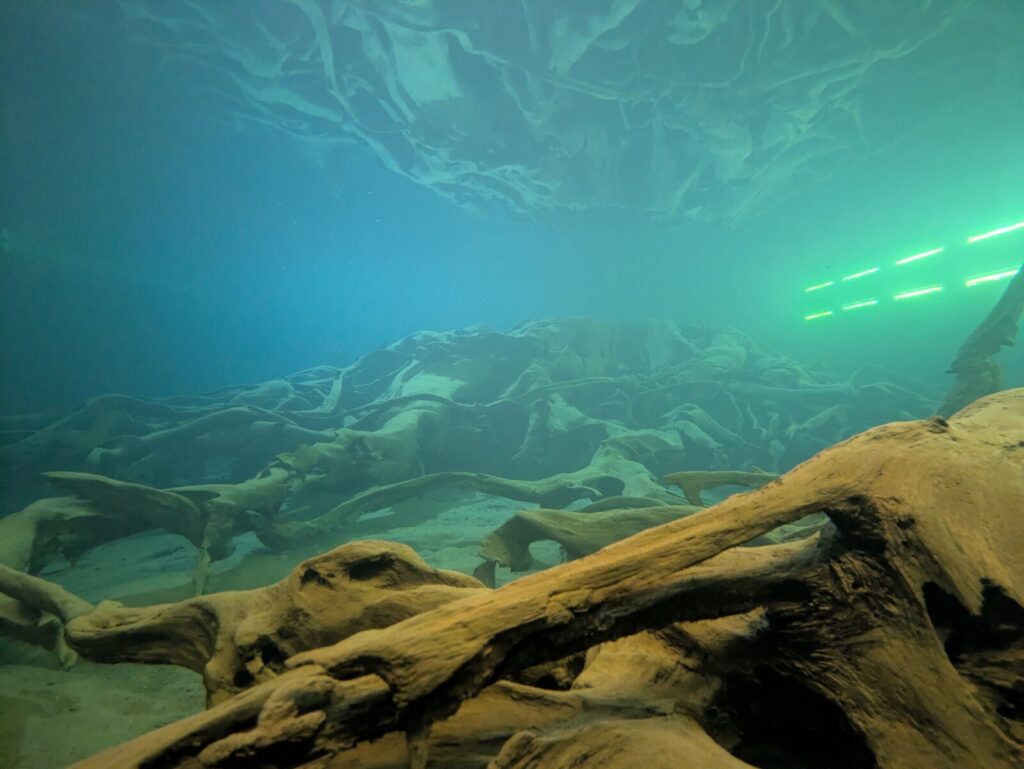
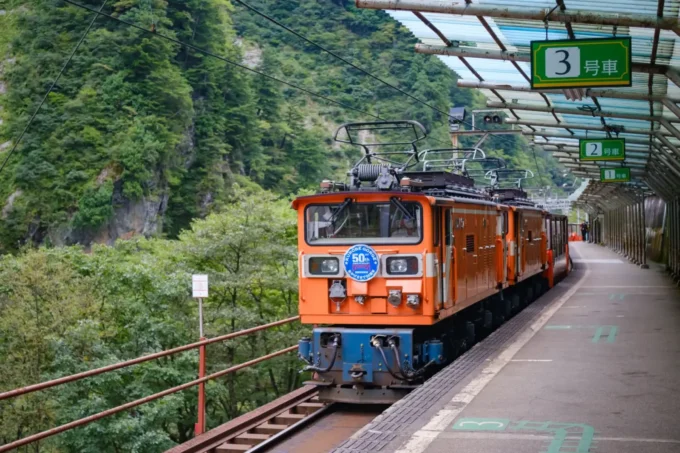
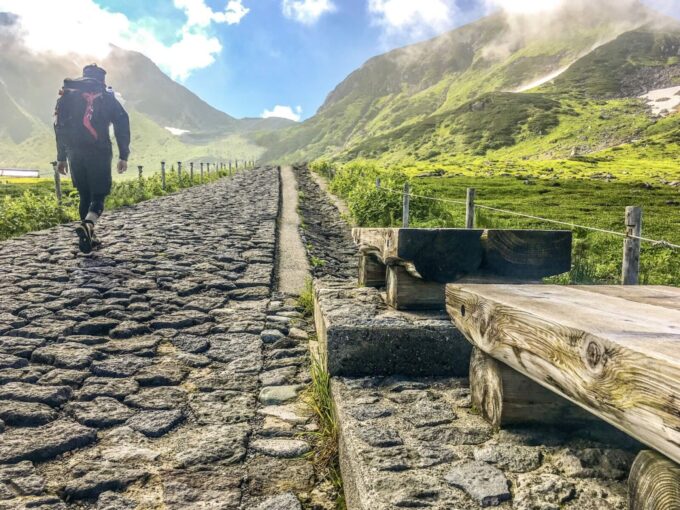
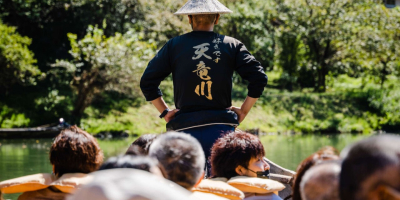
Eastern Toyama is home to several notable cultural and natural sites, including the beautiful Spring Quartet of Flowers and the historic Ganmokuzan-Nyusenji Temple. For those interested in unique natural history, the area features the fascinating Sugisawa Sawasugi, which reveal an ancient buried village, and the Uozu Buried Forest Museum, which preserves a prehistoric forest. The region is also the gateway to two of Japan's most famous mountain excursions: the spectacular Kurobe Gorge, which can be explored by a scenic railway, and the renowned Tateyama Kurobe Alpine Route. These diverse sites, from cultural landmarks to breathtaking natural wonders, highlight the rich history and dramatic landscapes of eastern Toyama Prefecture.
Frequently Asked Questions (FAQ)
What is Oiwasan Nisseki Temple most famous for?
Oiwasan Nisseki-ji Temple is most famous for its impressive Fudō Myō-ō image carved directly into a natural rock face within its main hall and for its ascetic waterfall meditation practices.
When is the best time to go?
The best time to visit Oiwasan Nisseki-ji Temple depends on your preference: late spring, summer, and autumn offer comfortable weather and beautiful scenery, with autumn bringing vibrant foliage. However, winter provides a unique, serene atmosphere and the chance to witness ascetic waterfall training in the snow.
How long should I spend here?
If you want to explore the main hall with the Fudō Myō-ō carving, walk through the temple grounds, observe the waterfalls (or even participate in takigyō if pre-arranged), enjoy a bowl of local Oiwa Somen noodles, and take a stroll into the scenic Sengankei Gorge, it will take about 2 to 3 hours.
Is there food nearby?
Yes, there is a restaurant that serves a local type of somen.
What else is there in Toyama Prefecture?
Our "Things to Do in Toyama" page has everything you need to get started! The city is located conveniently between the mountains and the sea, so there is easy access to either scenery. If you're looking for a skiing, check out our "Best Ski Resorts in Toyama" or if onsen are more your things check out "Best Onsen Hot Springs in Toyama!" Nature types might be interested in our "Best Spots for Autumn Leaves Around Toyama" guide for fall foliage photography! If it's not just museums, but shrines and temples that you're interested in, you should have a look at our "Best Goshuin near Toyama" to get more info about the red stamps that are growing in popularity as well as the general "Best Shrines and Temples in Toyama." Foodies can't miss out on our "Toyama's Famous Foods" guide - it'll help you learn more about the local food and where to eat it.