









Located in central Kyoto, Nishiki Market is one of the city's best-known food destinations. Stretching approximately 390 metres along Nishiki-koji Street, this narrow covered shopping arcade is lined with around 130 shops selling fresh seafood, seasonal vegetables, Japanese sweets, pickles, tea, kitchenware and local specialities.
Known as "Kyoto's Kitchen," Nishiki Market has played an important role in the city's food culture for centuries. It is a great place to discover traditional Kyoto ingredients, try local snacks and see how the city's culinary traditions continue to be part of everyday life.
The History of Nishiki Market

Nishiki Market has a history stretching back several centuries. Although local market activity may have existed here as early as the Heian Period (794–1185), the first reliable records of its development as a fish market date to the early 14th century.
In 1615, the Edo shogunate officially recognised Nishiki as one of Kyoto's three privileged fish wholesale markets. Its central location made it convenient for supplying fresh ingredients to the city's residents, restaurants and the Imperial Palace.
The area's natural groundwater was another important factor. Nishiki was blessed with cold, clean underground water that remained around 15–18°C throughout the year. Before refrigeration, shops used wells to keep fish and other fresh produce cool. This water, known locally as Nishiki no Mizu, helped establish the market as an important centre for fresh food.
The market gradually expanded beyond seafood. In 1774, it received official recognition as a market, and in 1928, businesses selling vegetables, meat and other groceries helped establish its role as Kyoto's wider food market.
Today, Nishiki continues to serve both local customers and visitors, although its character has changed considerably as it has become one of Kyoto's most popular sightseeing destinations.
Why Is It Called Nishiki Market?
The market takes its name from Nishiki-koji Street, where it developed. According to the market's historical records, the street was previously known as Gusoku-koji before being renamed Nishiki-koji in 1054 by Emperor Go-Reizei.
The Japanese word nishiki can mean brocade, a richly woven decorative fabric. However, the precise reason this particular name was chosen is not clearly established in the market's historical account.
The name has remained associated with the street and its market ever since.
Kyoto's Food Culture: What to Look For

Nishiki Market is a good introduction to the ingredients and flavours that make Kyoto cuisine distinctive. Many of the products sold here are traditionally used in Kyo-ryori (Kyoto cuisine) and obanzai, the style of everyday home cooking associated with Kyoto.
Some local specialities to look out for include:
- Kyoto vegetables (Kyo-yasai): Traditional vegetables grown in and around Kyoto, including varieties of turnip, eggplant, daikon and leafy greens.
- Yuba: Thin sheets of soy milk skin, traditionally used in Kyoto's Buddhist vegetarian cuisine.
- Nama-fu: Soft, chewy wheat gluten, often served in soups, grilled with miso or used in traditional sweets.
- Tsukemono: Japanese pickles, including Kyoto-style pickles made with seasonal vegetables.
- Hamo: Pike conger eel, a popular summer ingredient in Kyoto.
- Sweets and snacks: Look for traditional Japanese sweets, mochi, rice crackers and seasonal treats.
You will also find fresh seafood, dried fish, tea, sake and specialist ingredients used by Kyoto's restaurants. Many vendors have years of experience and can explain how their products are traditionally prepared and enjoyed.
Historic Shops and Long-Established Businesses
One of the most interesting aspects of Nishiki Market is that some businesses have operated here for generations. These shops help preserve the market's traditional character and offer a glimpse into Kyoto's food culture beyond the usual street-food stalls.
A few examples include:
- Kimura: A long-established fish shop dating back to the early 17th century. It supplies fresh seafood to traditional restaurants and also sells fish and seafood products to the public.
- Tsunoki: Founded in 1787, this shop specialises in sake, particularly locally brewed Kyoto varieties.
- Yubakichi: Established in 1790, this family business specialises in yuba and continues to produce it using traditional methods. The current owner represents the ninth generation.
- Tanabeya: A dried-food specialist established in 1830, selling ingredients such as kombu and dried bonito used in traditional Japanese cooking.
These businesses are more than old shops. They represent the specialist knowledge, family traditions and relationships with local restaurants that have helped make Nishiki Market an important part of Kyoto's culinary history.
Visiting Nishiki Market: Manners and Etiquette

Nishiki Market is narrow and often extremely busy, so a little consideration makes the experience better for everyone. Visitors should keep a few simple points in mind:
- Avoid eating while walking: This is strongly discouraged by the market association. If you buy something to eat, enjoy it in front of the shop where you purchased it or in a designated eating area.
- Be considerate when taking photographs: Ask permission before photographing shopkeepers, staff or customers, and avoid blocking the narrow walkway.
- Follow sampling instructions: Some vendors offer samples, but wait for an invitation rather than helping yourself.
- Dispose of rubbish properly: Use the bins provided by shops or take your rubbish with you. Public rubbish bins are limited in Japan.
- Remember that this is a working market: Many businesses still serve local residents, restaurants and professional customers. Be mindful of people trying to shop or work.
The market is a place to enjoy Kyoto's food culture, but it is also a working shopping street with a long history.
Explore Nishiki Market on a Guided Kyoto Tour
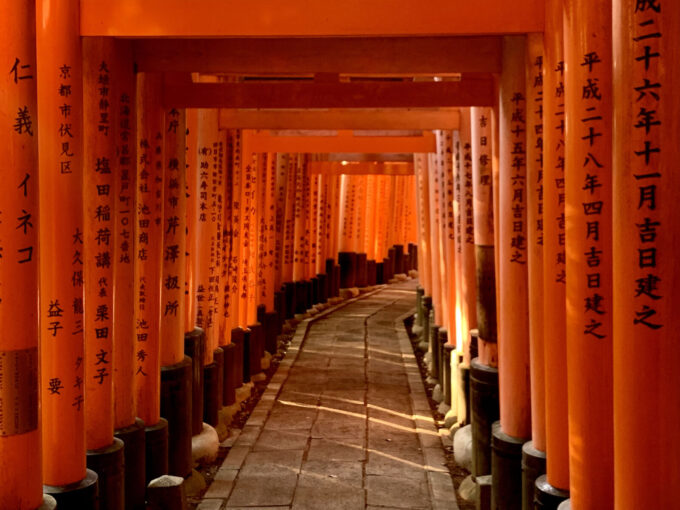
Our Kyoto Heritage Path – From Fushimi Inari's Mystery to Kiyomizu Temple Majesty includes a visit to Nishiki Market as part of a full day exploring the city's history, food and traditional districts.
The day begins at Fushimi Inari Shrine before continuing to Nishiki Market, where you have free time to explore the food stalls and choose lunch. In the afternoon, visit Kennin-ji Temple, walk through Gion and explore the historic streets leading to Kiyomizu-dera.
It is a good way to combine Kyoto's culinary culture with some of its most famous historical sights.
Exploring Beyond Nishiki Market

Nishiki Market intersects with Teramachi Street, making it easy to continue exploring the area after visiting the market. The nearby Teramachi shopping district is known for its antique shops, vintage stores and independent boutiques.
If you are interested in exploring more of Kyoto's food and drink traditions, see our guide to Top 10 Sake Breweries to Visit in Kansai.
Plan Your Kyoto Trip with Us
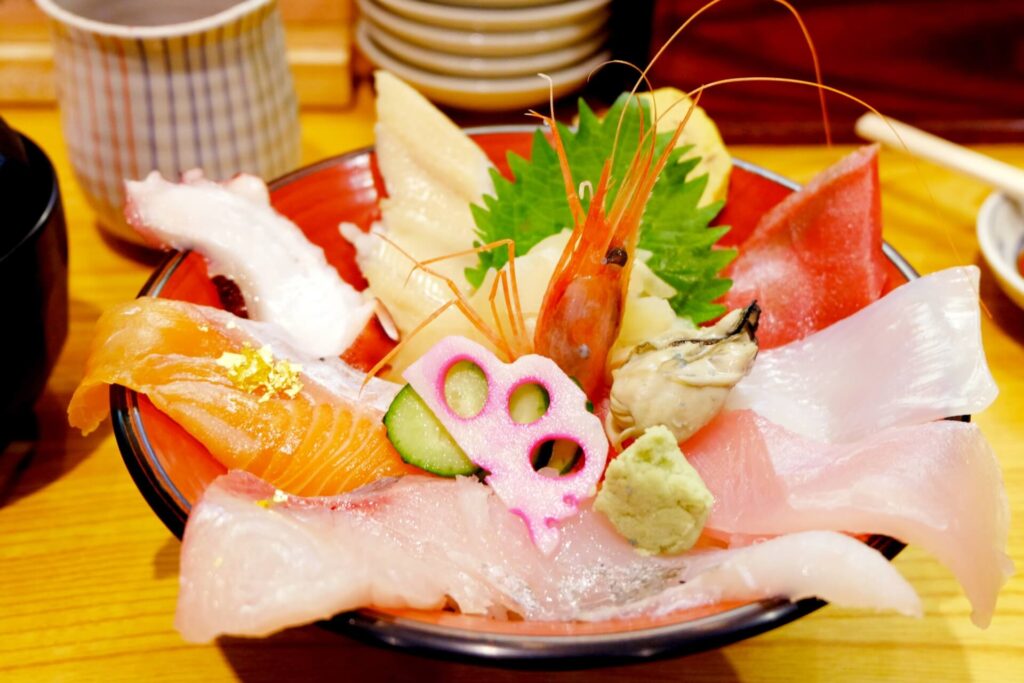
Start with our 7-Day Kansai Japan Highlights Itinerary, which combines Kyoto, Osaka, and Nara into a balanced first visit. For more ideas, check out page, Stay in Kyoto or Osaka? A Traveller's Guide to Choosing Your Base.
Looking to explore more deeply? Our Best Tours in Kyoto and Best Tours in Osaka highlight unique cultural experiences that go beyond the usual sights. For themed travel, you can also explore our Essential Guide to Geisha in Kyoto, Cherry Blossoms in Osaka, or discover local brewing traditions in our Top 10 Sake Breweries to Visit in Kansai.
Wondering when to visit? Read our guide to the Best Time to Visit Kyoto for seasonal highlights, weather and travel advice.
Frequently Asked Questions About Nishiki Market
Why is Nishiki Market called Kyoto's Kitchen?
Nishiki has traditionally supplied fresh fish, vegetables, seafood and specialist ingredients to Kyoto's restaurants, inns and local households. Its long history as a food market earned it the nickname Kyoto's Kitchen.
How old is Nishiki Market?
Market activity in the area may date back to the Heian Period, but its development as an officially recognised fish market began in 1615. The market has therefore been operating in its recognised form for more than 400 years.
What food should I try at Nishiki Market?
Look out for Kyoto specialities such as yuba, nama-fu, pickles, seasonal vegetables, fresh seafood and traditional Japanese sweets. The selection changes with the seasons.
Can I eat while walking through Nishiki Market?
No. Eating while walking is discouraged. Visitors should enjoy food in front of the shop where it was purchased or in a designated eating area.
Are shops at Nishiki Market open every day?
No. Although the market is generally open throughout the week, individual shops choose their own opening days. Many close on Wednesdays or Sundays.
How long does it take to visit Nishiki Market?
Around 45–90 minutes is usually enough to explore the main street. Allow longer if you want to sample food, shop or visit the surrounding streets.
Is Nishiki Market worth visiting?
Yes, particularly if you are interested in Japanese food and Kyoto's local culture. Beyond the snacks and souvenirs, the market offers a chance to discover traditional ingredients and family-run businesses with long histories.