












Located in downtown Nagoya, the Nagoya Science Museum is one of Japan's leading science museums, combining interactive exhibitions with hands-on learning across astronomy, physics, chemistry, biology, and environmental science.
Best known for housing one of the world's largest planetariums, the museum encourages visitors to explore scientific concepts through experiments, demonstrations, and immersive displays.
Suitable for both children and adults, it offers an engaging experience that combines education with discovery. Its central location also makes it easy to combine with nearby attractions such as the Nagoya City Art Museum and Shirakawa Park.
About the Nagoya Science Museum
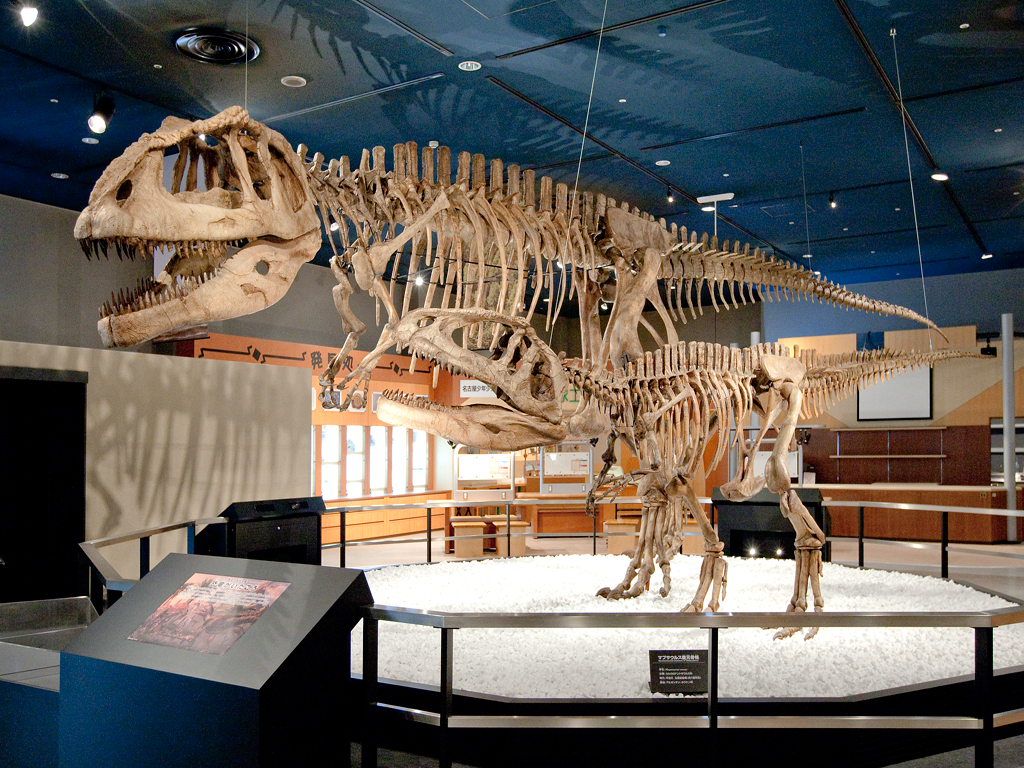
- Originally opened in 1962
- Reopened following a major redevelopment in 2011
- Home to one of the world's largest planetariums
- Features three exhibition buildings dedicated to science and technology
The Nagoya Science Museum first opened in 1962 as a place where visitors could explore science through observation and experimentation. Over the following decades, it expanded its exhibitions and educational programmes, becoming one of Japan's most famous science museums.
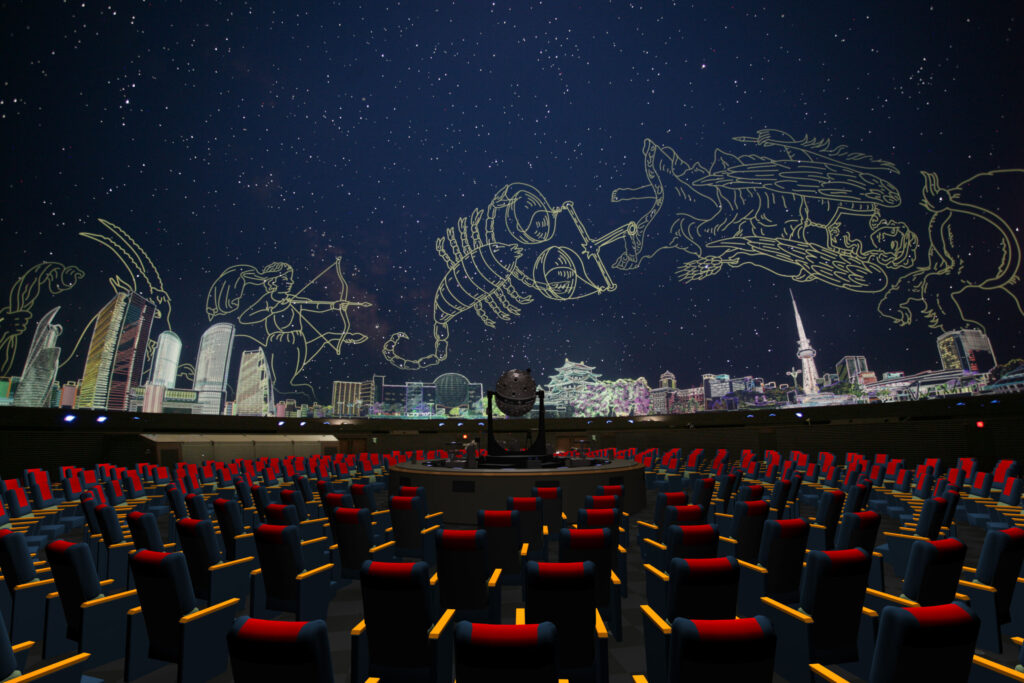
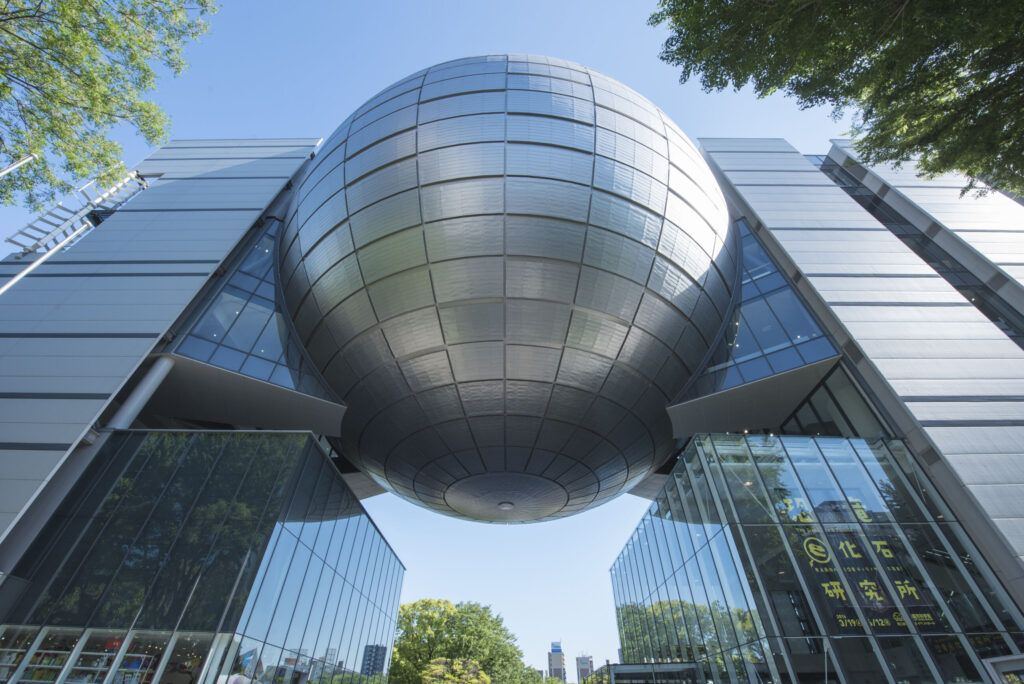
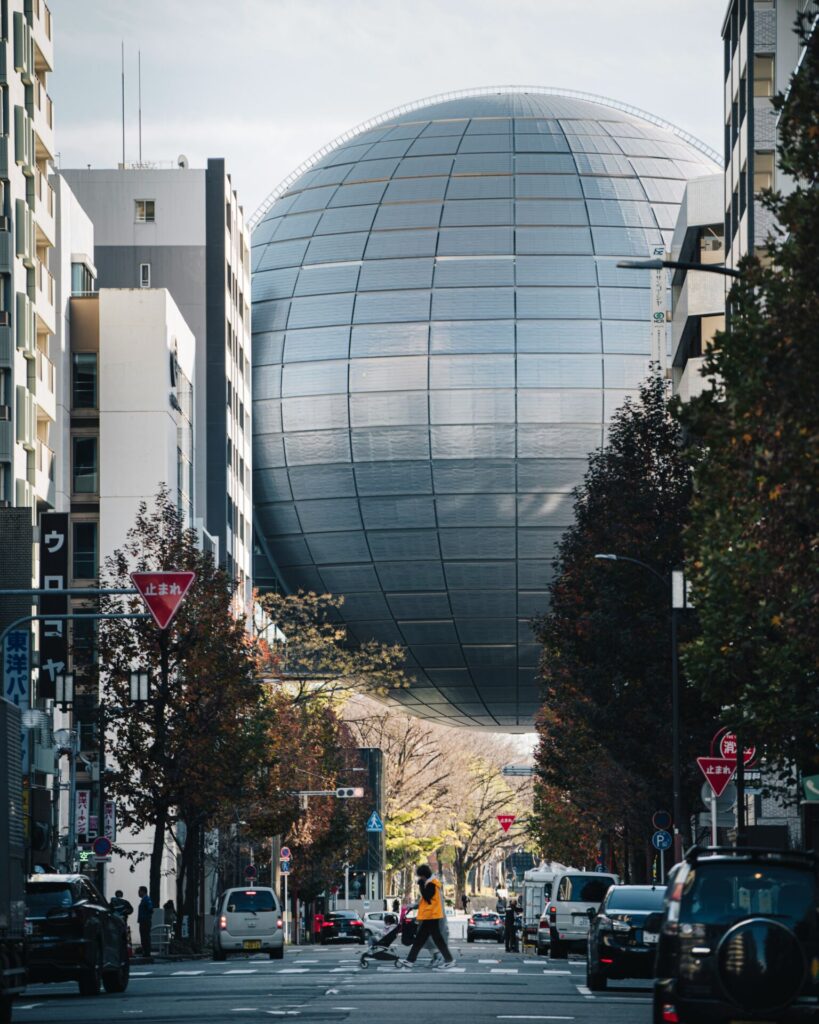
A major redevelopment was completed in 2011, introducing a new main building and the impressive planetarium dome that has since become one of the museum's defining features. Alongside updated exhibition spaces, the redevelopment created a more interactive visitor experience, encouraging people of all ages to learn through hands-on participation.
The Nagoya Science Museum continues to promote scientific curiosity through permanent exhibitions, temporary displays, demonstrations, and educational programs that explore both everyday science, as well as the latest developments in research and technology.

Exhibits at the Nagoya Science Museum
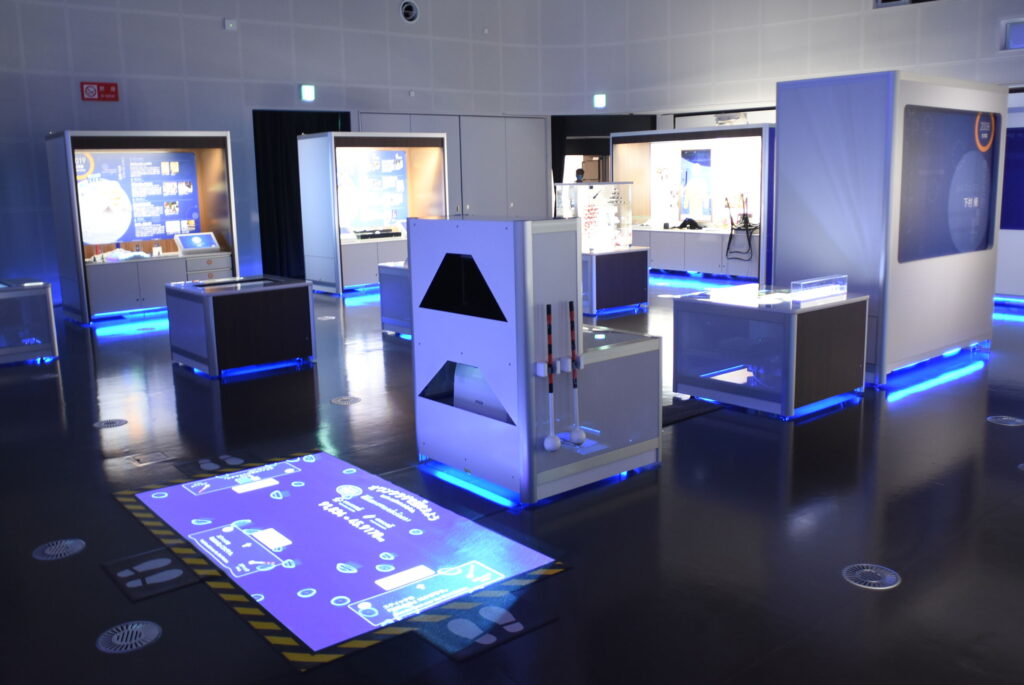
The Nagoya Science Museum encourages visitors to learn by experimenting, observing, and taking part. Across its three exhibition buildings, hundreds of interactive exhibits explore a wide range of subjects, including electricity, robotics, weather, space, chemistry, and the human body.
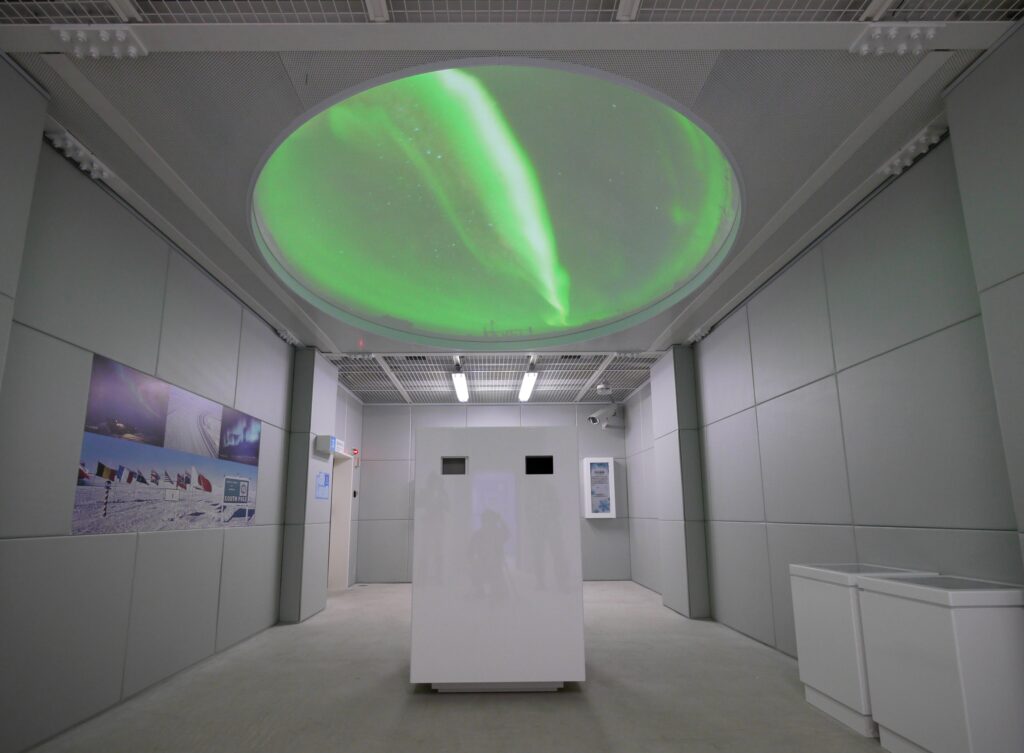
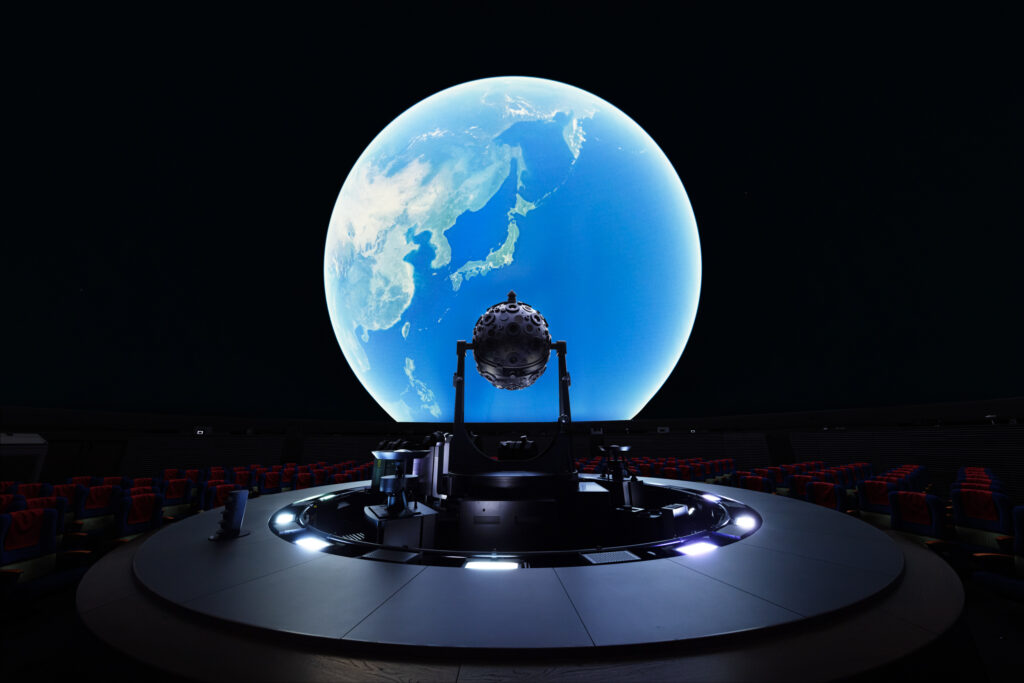
One of the museum's highlights is the ‘Brother Earth’ Planetarium, housed beneath the museum's distinctive silver sphere. Officially recognised as one of the world's largest planetariums, it combines a high-resolution projection system with immersive sound to recreate the night sky and introduce visitors to the world of astronomy and space exploration.
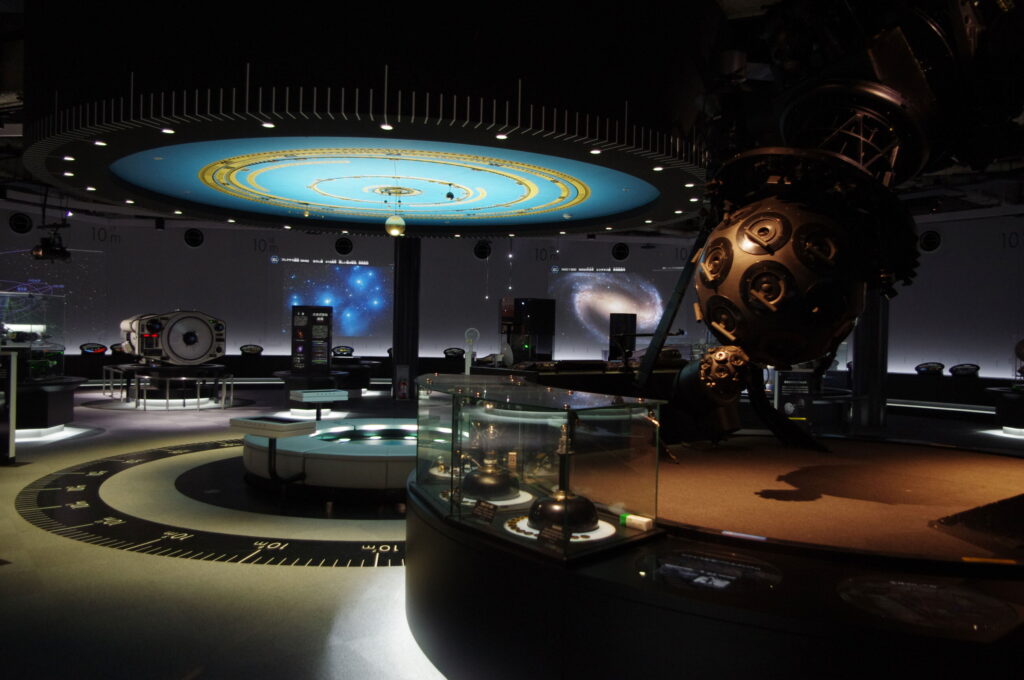
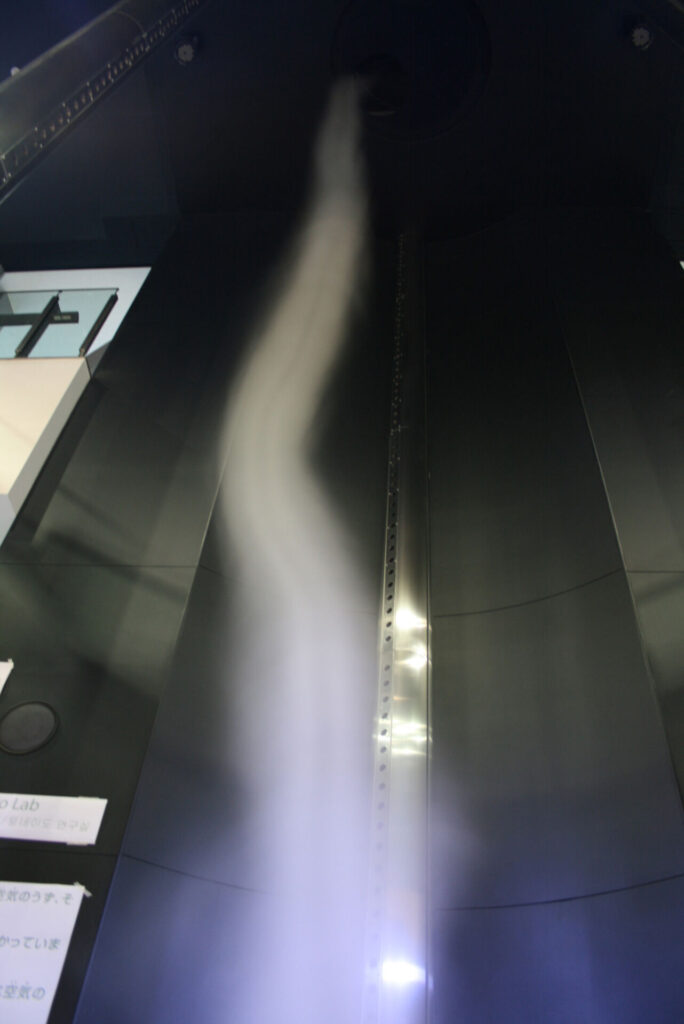
Elsewhere, visitors can experience large-scale demonstrations that illustrate natural phenomena in memorable ways. Popular exhibits include an artificial tornado, one of the world's largest indoor displays demonstrating this phenomenon, as well as science shows and live demonstrations that explain complex ideas through practical experiments. Together, these experiences make science accessible and engaging for visitors of all ages.
Touring the Nagoya Science Museum
The museum is best explored over half a day, allowing time to visit the exhibition halls, attend demonstrations, and enjoy a planetarium programme if available. With exhibits designed for a wide range of ages, it is equally suitable for families, students, and adults with an interest in science and technology.
Main Attractions
- Brother Earth Planetarium: one of the world's largest planetariums
- Interactive Science Exhibits: hands-on displays covering physics, chemistry, biology, environmental science, astronomy, and engineering.
- Artificial Tornado Demonstration: Observe one of the museum's best-known large-scale scientific exhibits.
- Science Shows: Attend demonstrations and experiments presented throughout the day.
Visitor Information
- Hours: 9:30 to 17:00 (last admission 16:30)
- Closed: Mondays (or the following weekday if Monday is a public holiday), the third Friday of each month, and the Year-end and New Year holidays
- Admission: Separate admission fees apply for the exhibition halls and the planetarium. Combination tickets are also available.
- Visit time: Approximately 3 to 4 hours
- Important note: Planetarium programmes are extremely popular and may sell out, particularly during weekends, holidays, and school vacation periods. Visitors are encouraged to arrive early or check ticket availability in advance.
Access
The Nagoya Science Museum is located in Shirakawa Park in central Nagoya. Visitors travelling from Nagoya Station can reach the museum in just a few minutes via the Higashiyama Subway Line, while it is also within easy walking distance of Sakae Station. Its central location makes it easy to combine with the Nagoya City Art Museum, shopping in Sakae, or other attractions in central Nagoya.
Frequently Asked Questions
What is the Nagoya Science Museum known for?
The Nagoya Science Museum is best known for its interactive science exhibitions and the Brother Earth Planetarium, one of the world's largest planetariums.
How long should I spend at the Nagoya Science Museum?
Most visitors spend around three to four hours exploring the exhibitions and attending a planetarium programme or science demonstration.
Is the Nagoya Science Museum suitable for children?
Yes. Many exhibits are designed to encourage hands-on learning, making the museum particularly popular with families, while older visitors can also enjoy the more detailed scientific displays and planetarium programmes.
Do I need a separate ticket for the planetarium?
Yes. The planetarium requires its own admission, although combination tickets covering both the exhibitions and planetarium are also available.
Is the Nagoya Science Museum worth visiting?
Yes. Its combination of interactive exhibits, live demonstrations, and one of the world's largest planetariums makes it one of Nagoya's leading attractions for families, science enthusiasts, or anyone looking for an engaging day out.