


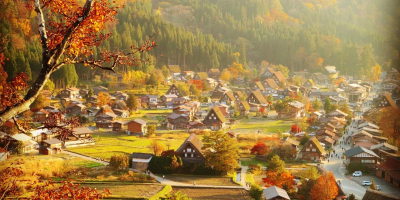





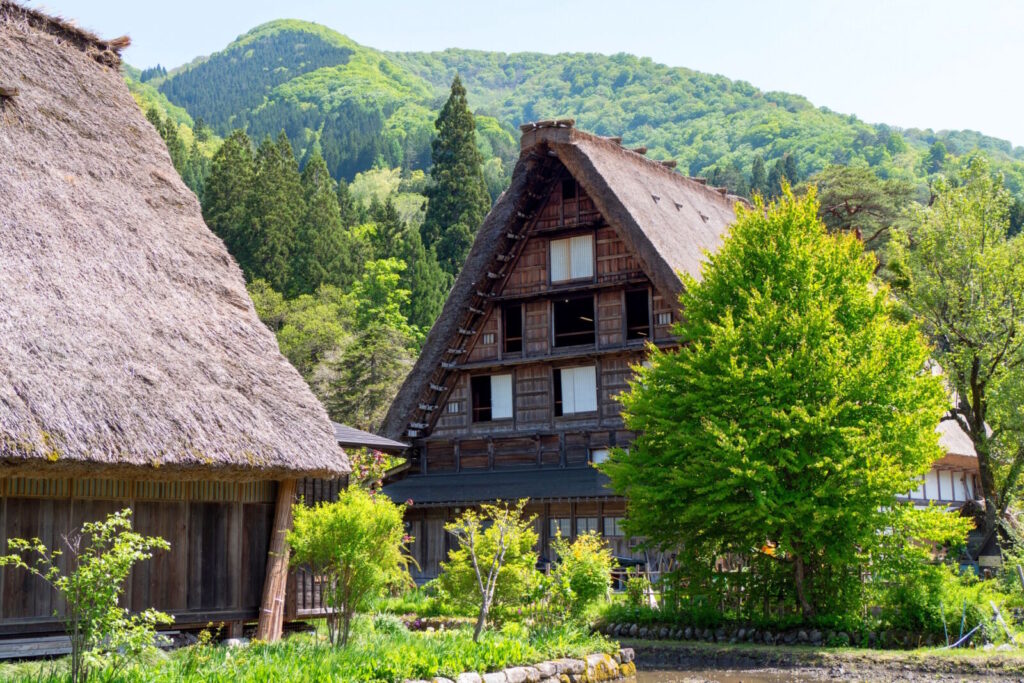
Myozenji Temple is a historic Buddhist temple located within Shirakawa-go’s Ogimachi village. Surrounded by traditional gassho-zukuri farmhouses, the temple is particularly distinctive for its thatched buildings, which reflect the architectural traditions that developed in this isolated mountain community.
The temple belongs to the Jodo Shinshu school of Buddhism and has long been connected to the religious and community life of Ogimachi. Its grounds include the main temple hall, bell tower gate, and the neighbouring Myozenji Museum, housed within a large traditional thatched building.
Visitors can explore the museum to learn more about life in Shirakawa-go through historic household objects, tools, and other materials preserved from the region. Together, the temple and museum provide a different perspective on the village, showing how religion, traditional architecture, and everyday community life developed alongside one another.
History of Myozenji Temple
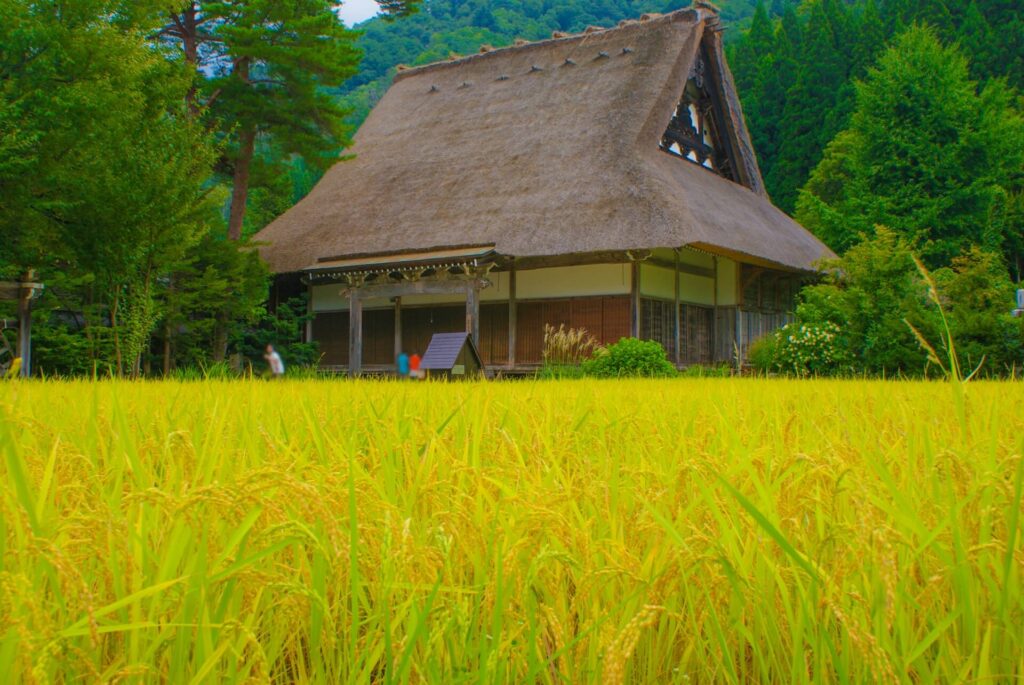
Myozenji Temple has been part of the religious life of Shirakawa-go for generations and belongs to the Jodo Shinshu tradition of Buddhism. The temple developed within the isolated mountain community of Ogimachi, where religious institutions played an important role in both spiritual life and the wider community.
The present temple complex reflects several periods of construction, with its buildings maintained and rebuilt over time by the local community. The use of thatched roofs and traditional building techniques allowed the temple to develop in a way that closely reflects the architectural character of the surrounding village.
Beyond its religious role, Myozenji provides insight into how Buddhism became part of everyday life in Shirakawa-go. Its continued presence among the gassho-zukuri farmhouses of Ogimachi demonstrates the close relationship between religious practice, community life, and the distinctive culture that developed in the region.
Myozenji’s Thatched Architecture
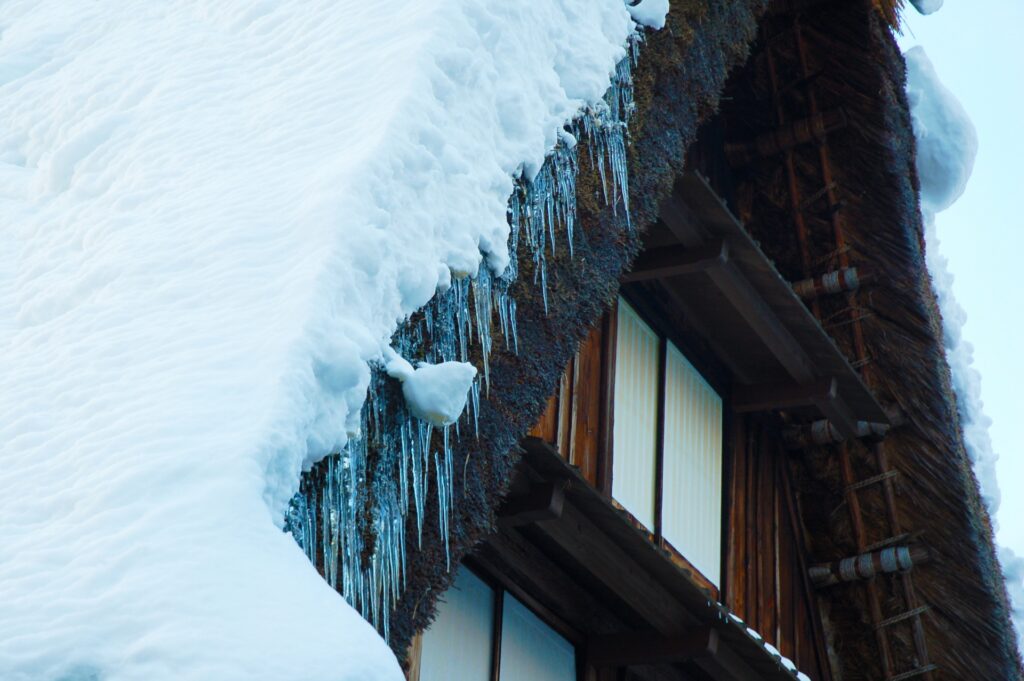
Myozenji Temple stands out within Shirakawa-go for the use of traditional thatched roofing across its historic buildings. While steep thatched roofs are most commonly associated with the village’s gassho-zukuri farmhouses, Myozenji demonstrates how similar local materials and building traditions were also incorporated into religious architecture.
One of the most distinctive structures is the temple’s bell tower gate, which combines the entrance to the temple grounds with a traditional bell tower beneath a thatched roof. Alongside the main hall and neighbouring museum building, it creates a temple complex that fits naturally into the historic landscape of Ogimachi.
Maintaining these large thatched roofs requires considerable care and periodic replacement. Like the traditional houses surrounding the temple, their preservation helps maintain the architectural character that makes Shirakawa-go distinctive today.
Inside the Myozenji Museum
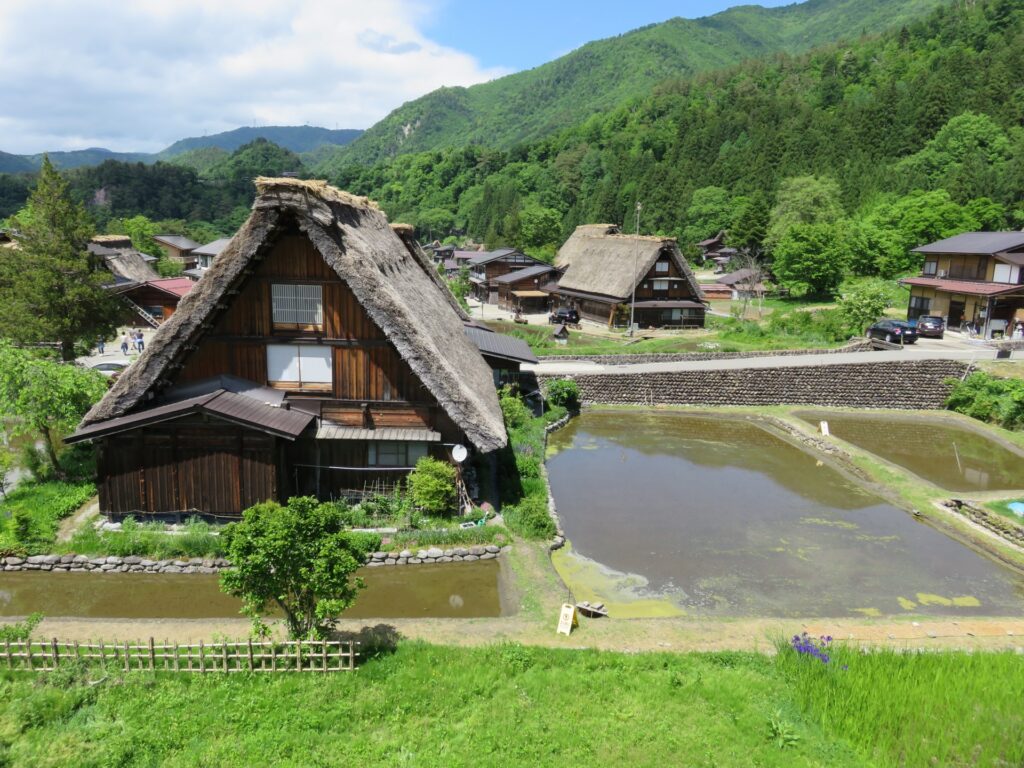
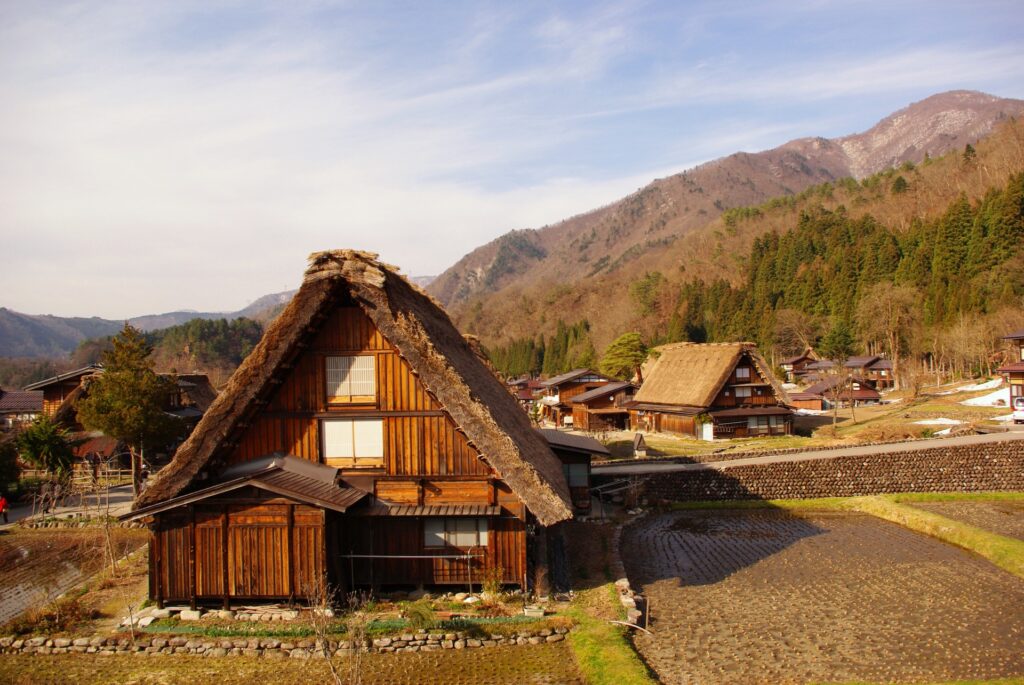
The Myozenji Museum is housed within a large traditional gassho-zukuri building beside the temple. The building itself is an important part of the experience, allowing visitors to explore the interior of a traditional structure while learning more about everyday life in Shirakawa-go.
Inside, visitors can see household objects, agricultural tools, furniture, and other items once used by people living in the region. The displays provide insight into domestic life and the work required to support families in an isolated mountain environment, particularly before the arrival of modern infrastructure and conveniences.
The upper levels also provide a closer look at the timber framework beneath the steep thatched roof. From these spaces, visitors can appreciate the scale of the building and see how the large upper floors typical of gassho-zukuri structures were incorporated into daily and working life.
Cultural and Religious Importance
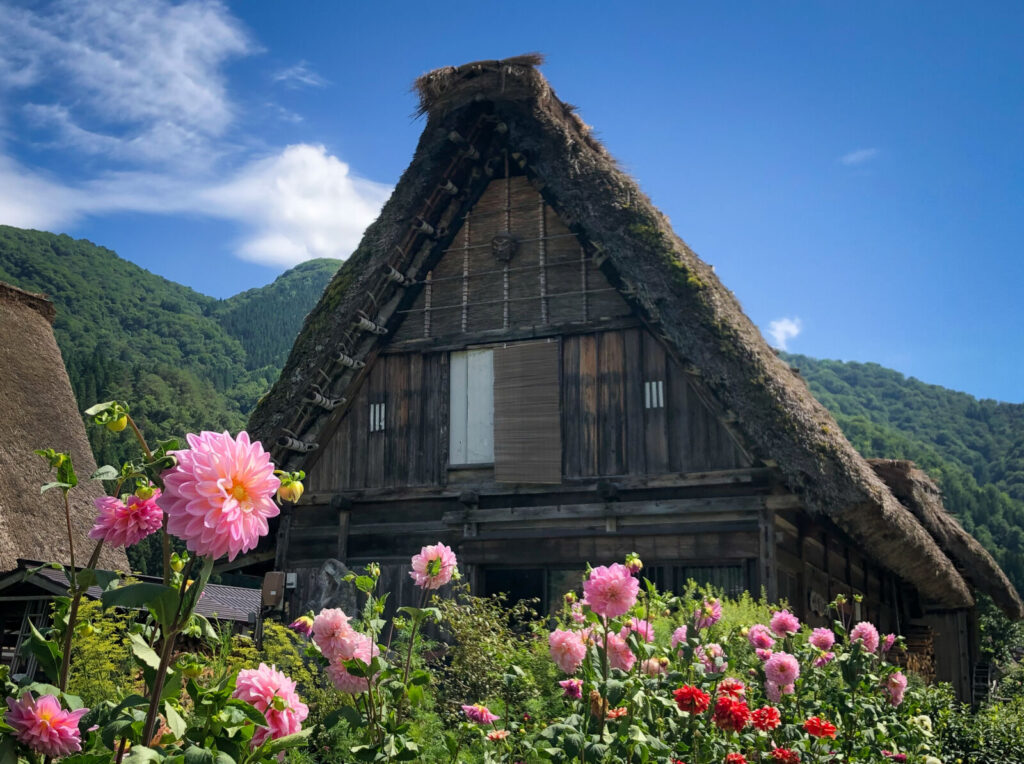
Religion formed an important part of community life in Shirakawa-go, and Myozenji Temple provides insight into the spiritual traditions that developed alongside the village’s distinctive way of life. As a Jodo Shinshu Buddhist temple, it served the local community while remaining closely connected to the families living throughout Ogimachi.
In an isolated mountain settlement, temples were more than places of worship. Religious observances, ceremonies, and community gatherings brought residents together and became part of the traditions passed between generations.
The location of Myozenji among the gassho-zukuri houses of Ogimachi helps illustrate this relationship between religion and everyday life. Together with the neighbouring museum, the temple preserves another part of Shirakawa-go’s cultural history beyond the farmhouses for which the village is best known.
Visitor Experience
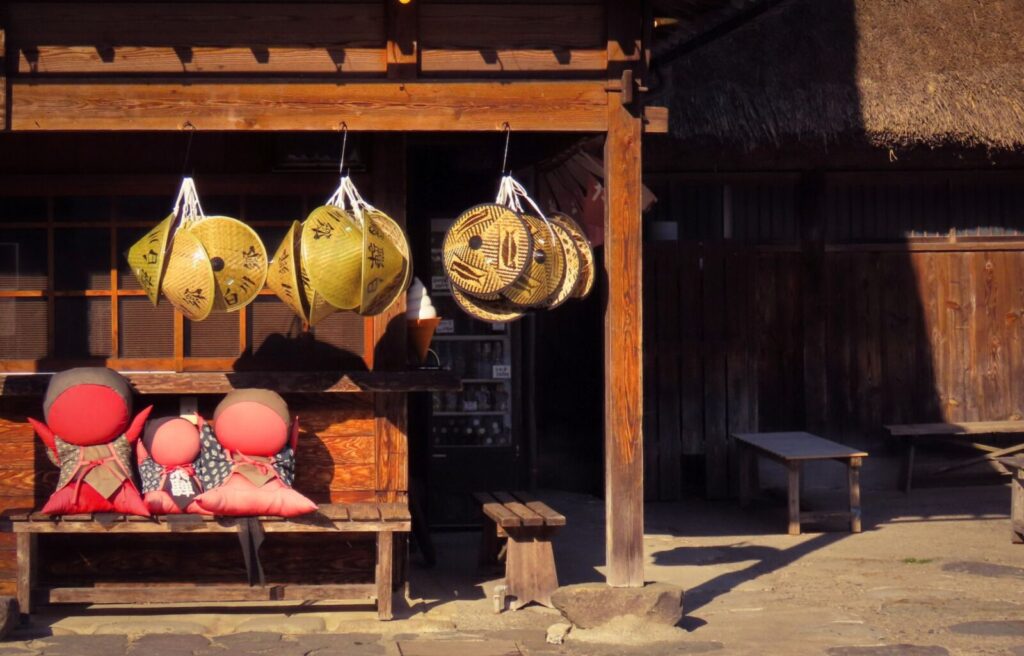
A visit to Myozenji offers a different experience from entering one of Shirakawa-go’s traditional family homes. Visitors can explore the temple surroundings before entering the Myozenji Museum, where displays and preserved interiors provide further insight into the history and everyday life of the village.
Inside the museum, visitors remove their shoes and move through the traditional building at their own pace. The combination of household objects, agricultural tools, living spaces, and exposed roof structure allows visitors to examine both the practical and architectural aspects of life in a gassho-zukuri building.
The site can be comfortably included as part of a wider walk through Ogimachi. Visiting Myozenji alongside the surrounding farmhouses provides a broader understanding of Shirakawa-go, showing how religious life and community traditions existed alongside the domestic and working lives of local families.
Location and Access
Myozenji Temple and the Myozenji Museum are located within Ogimachi, the main village of Shirakawa-go and part of the UNESCO World Heritage area. The temple is surrounded by traditional gassho-zukuri houses, making it easy to include while exploring the village on foot.
Visitors arriving at the Shirakawa-go Bus Terminal can reach Myozenji on foot while walking through the centre of Ogimachi. Its location also makes it easy to combine with nearby attractions such as Nagase House and other historic buildings throughout the village.
Admission is required to enter the Myozenji Museum, while the temple grounds can be viewed separately. Opening hours and admission fees may change, so visitors should check the latest information when planning their visit.
Tours to Shirakawa-go
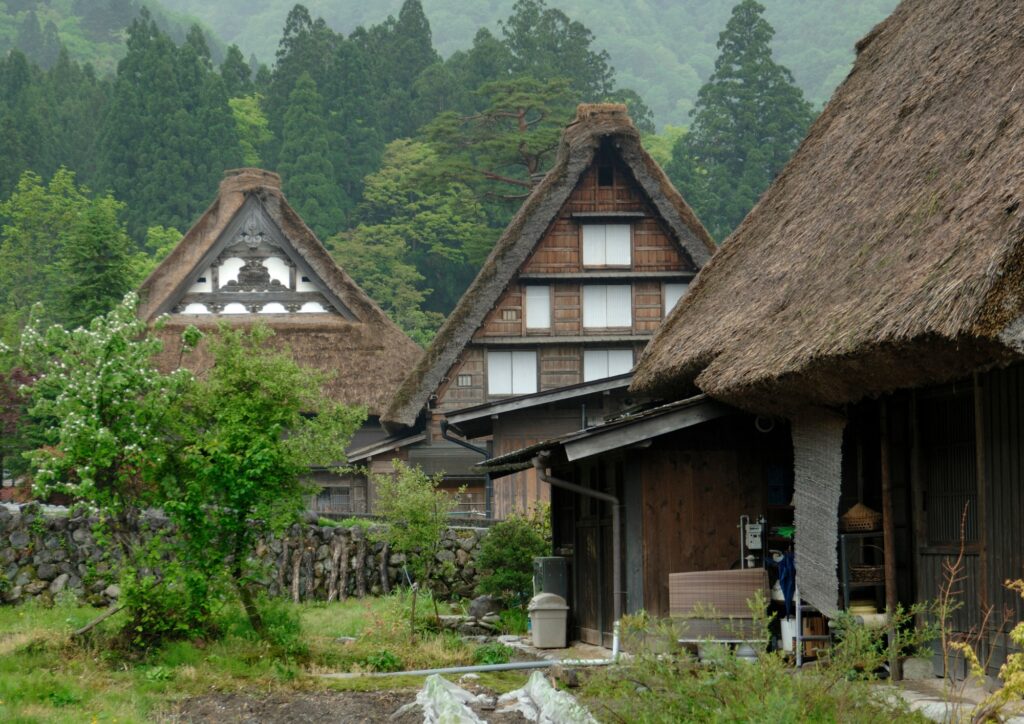
Myozenji Temple and Museum can be easily included while exploring Ogimachi independently. For visitors looking to experience Shirakawa-go with a guide, our tours provide an introduction to the village, its gassho-zukuri architecture, history, and traditional way of life.
1-Day Tour from Takayama: Explore Scenic Old Japan in Takayama and Shirakawa-go
This full-day tour combines the historic streets and cultural sites of Takayama with a guided visit to the UNESCO World Heritage village of Shirakawa-go. While Myozenji Temple and Museum are not scheduled stops on the tour, visitors explore Ogimachi with a guide and gain a broader understanding of the history, architecture, and culture that shaped the village.
Highlights:
- Explore the UNESCO World Heritage village of Shirakawa-go with a guide
- Enter a traditional gassho-zukuri farmhouse and learn how families lived and worked
- Experience Takayama’s historic old town and important cultural sites as part of the same day
For visitors interested in exploring more of Shirakawa-go, you can view our other Shirakawa-go tours and charters for additional ways to experience the village and surrounding region. Alternatively, contact us to discuss a private or customisable itinerary that can be tailored around the places you would most like to visit.
Frequently Asked Questions
What is Myozenji Temple?
Myozenji is a historic Jodo Shinshu Buddhist temple located in Shirakawa-go’s Ogimachi village. It is particularly known for its traditional thatched architecture and its connection to the religious and community life of the village.
What is the Myozenji Museum?
The Myozenji Museum is located beside the temple within a traditional gassho-zukuri building. It displays household objects, agricultural tools, furniture, and other items relating to everyday life in Shirakawa-go.
Can you enter Myozenji Temple and Museum?
Visitors can explore the Myozenji Museum and view the historic temple complex. Access to individual temple buildings may differ, so visitors should follow signs and guidance provided at the site.
How long should I spend at Myozenji?
Around 30 minutes is suitable for most visitors who want to explore the museum and see the temple surroundings. Those particularly interested in traditional architecture, Buddhism, or local history may want to allow additional time.
Do I need to remove my shoes inside the Myozenji Museum?
Yes. Visitors should remove their shoes before entering the traditional interior areas of the museum.
Is Myozenji a working Buddhist temple?
Yes. Myozenji is a Buddhist temple belonging to the Jodo Shinshu tradition. Visitors should therefore be respectful of the religious nature of the site while exploring the temple grounds.
Where is Myozenji located?
Myozenji is located within Ogimachi, the main village of Shirakawa-go. It can be reached on foot from the Shirakawa-go Bus Terminal and easily included while walking through the village.
Is Myozenji included in tours of Shirakawa-go?
Myozenji Temple and Museum are not scheduled stops on our standard Takayama and Shirakawa-go tour. However, the tour includes guided exploration of Ogimachi and introduces the history, architecture, and traditional culture of Shirakawa-go.