




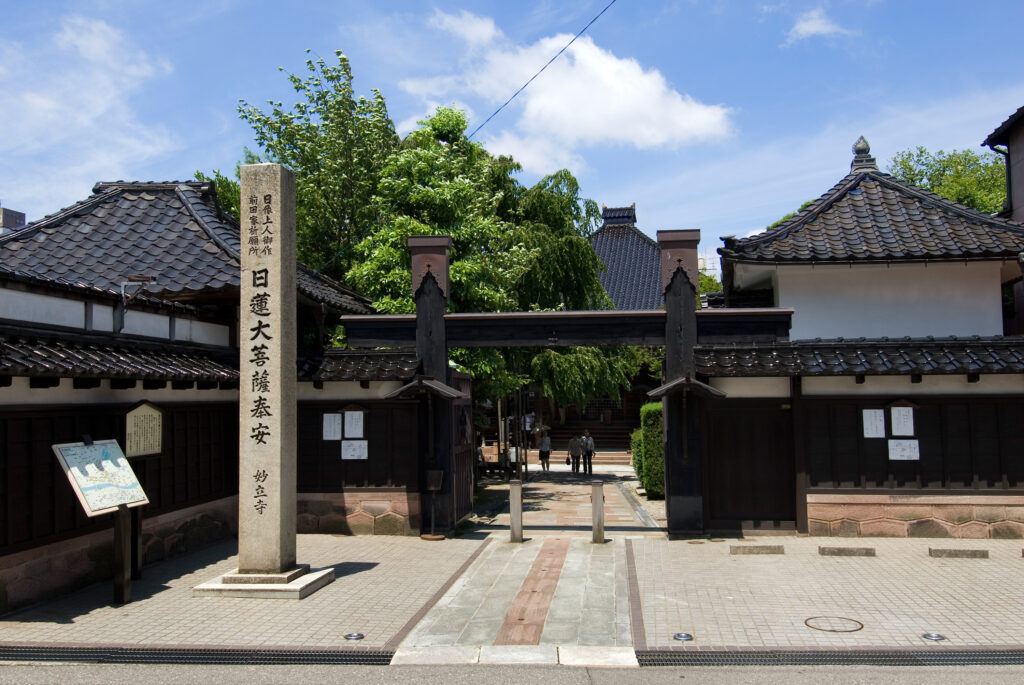
History of Myoryuji
In the early days of the Edo Period (1603 - 1868), Japan was in an uneasy and fragile peace. The country had been divided for more than 100 years, with warlords vying for control. The lords of Kanazawa, the Maeda clan, were among the richest and most powerful of these warlords, second only to the Tokugawa family, the eventual shogun.
Although the Maeda and Tokugawa had been allies for decades in service to previous daimyo, their own relationship during early Edo was tenuous. To stop the Maeda fortifying Kanazawa, at the time Japan's third most-populous city, the Tokugawa enacted a law that each city could only have one castle.
Why is it called Ninja Temple?
Hidden tunnels, secret rooms, corridors and staircases reveal that Myoryuji was in reality a military outpost, disguised and designed so that samurai could move to and from it, unseen by the enemy. The entire district was originally built as a way to create a massive fortress of temples in order to possibly block incoming invasions from the south. This temple was the epitome of strategic defensive construction that characterized the ruling Maeda lords during the 1600s.
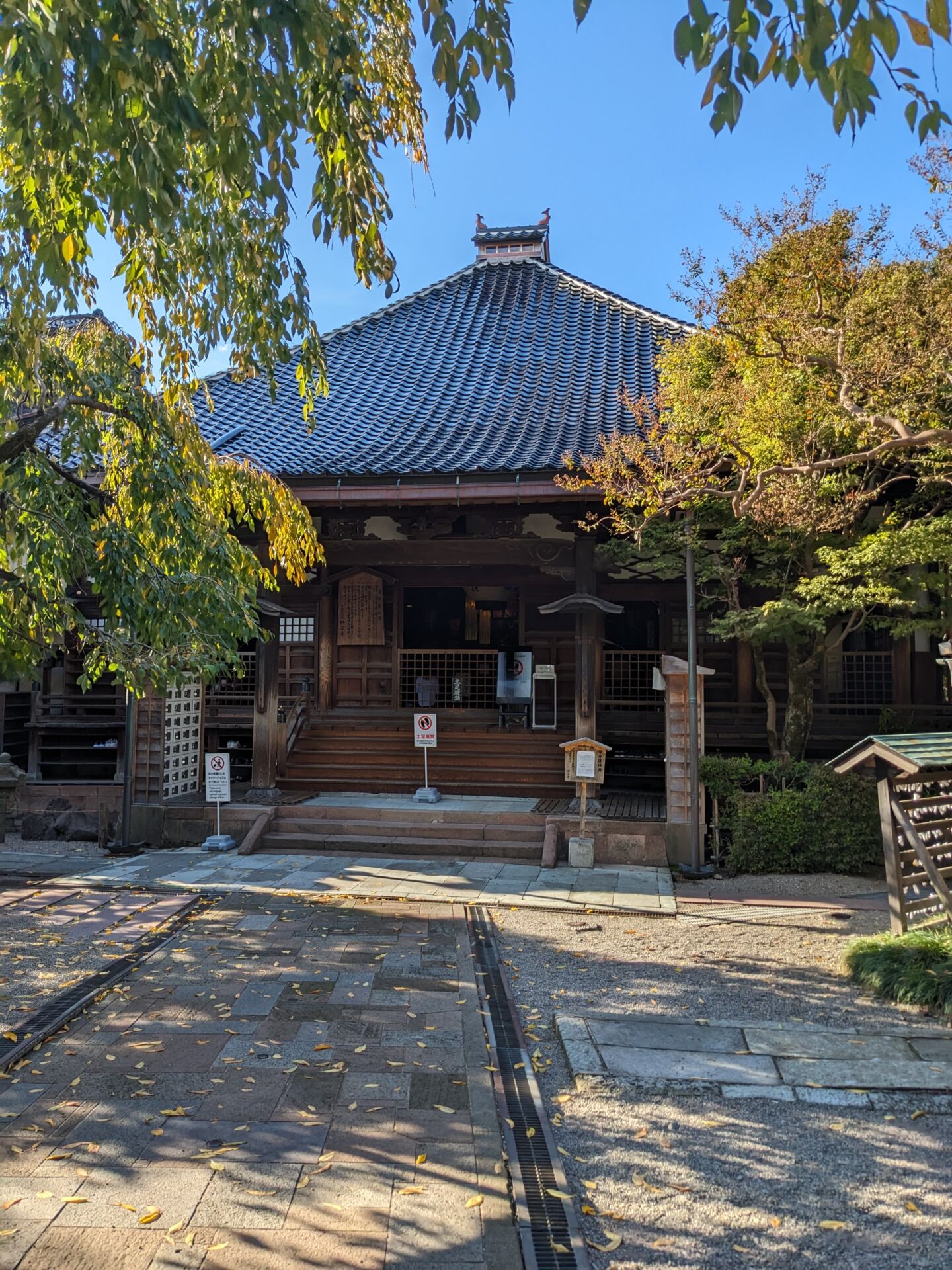
Inside are a variety of traps dedicated to ambush an invading army and it's here that Ninja Temple earns its name. Local legends say that the well inside leads to a secret tunnel connecting to the castle itself - an escape route for the lord and his family if the worst were to happen, or to allow a messenger to arrive there unseen. The whole temple is made so that the well can be accessed quickly from any room. Stairs have secret rooms hidden behind them and the lighting is designed so those inside can see the feet of intruders and attack when the moment is right.
At the offering box where prayers are usually done is another trap. Here, a trap door opens into a pitfall. It was originally much bigger, but has been modified so that visitors to the temple can enjoy it without worry of accidentally falling in themselves!
The last place we'll point out is the tea room. This room can only be accessed through a hidden staircase. It's built at a height so that those inside couldn't swing a sword - it would catch on the roof. You can't see out the window, so a beautiful scene of Mt. Fuji is painted on the wall, with shelved decorated to look like clouds. This hidden room was a safe space to talk privately.
There are many more secrets the temple has in store. We won't spoil them all, lest we anger some ninja, and leave you to discover the rest for yourself!
Visiting Ninja Temple
The temple can only be entered on a guided group tour. Tours are arranged at the temple with reservations required on busy days. Tours are only conducted in Japanese however non-Japanese speakers can make use of good English language guidebooks to join in. These are given to guests as they before starting the tour so it is easier to understand the explanations. Although, the building does speak for itself and as you see the amazing building techniques your reaction will mostly likely be audible. This is a must see if you have time and are able to get a reservation. The cost of a tour is 1200 yen per person for adults and 800 yen for children up to 12 years old.
Touring Kanazawa
Kanazawa is quite friendly for those who are walking around the city and there are many sites that are within a 5-20 minute walk of the center of the city. Myoryuji Temple is right next to the Nishichaya Teahouse District, which houses the Ninja Weapons Museum. This area is in a corner away from the other major attractions but is a 15-20 minute walk away from the Nagamachi Samurai District or Oyama Shrine. From those places it is a short journey to Kanazawa Castle, which then directly adjoins Kenrokuen Park at its entrance. The daimyo villa of Seisonkaku and Ishiura shrine, famous for its pond and tunnel of torii gates, are both excellent places to visit. The Higashichaya Teahouse District, Oyama Shrine, DT Suzuki Museum, 21st Century Museum, Nishichaya Teahouse District and Kazuemachi Geisha District are all also within a nice walk and help you dive even deeper into this fascinating city.
Are you interested in a guided tour around this beautiful city? Do you want to try your hand at using ninja throwing stars, among other experiences? Although the Ninja Temple may not be included, there are so many other interesting attractions to see around the city through a tour with us!
KANAZAWA EXPERIENCES WALKING TOUR / January through November
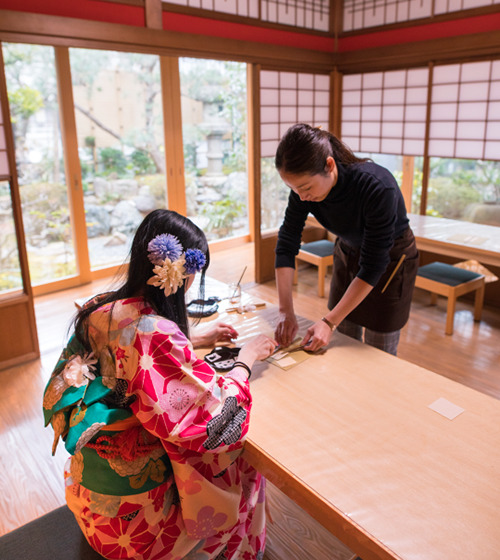
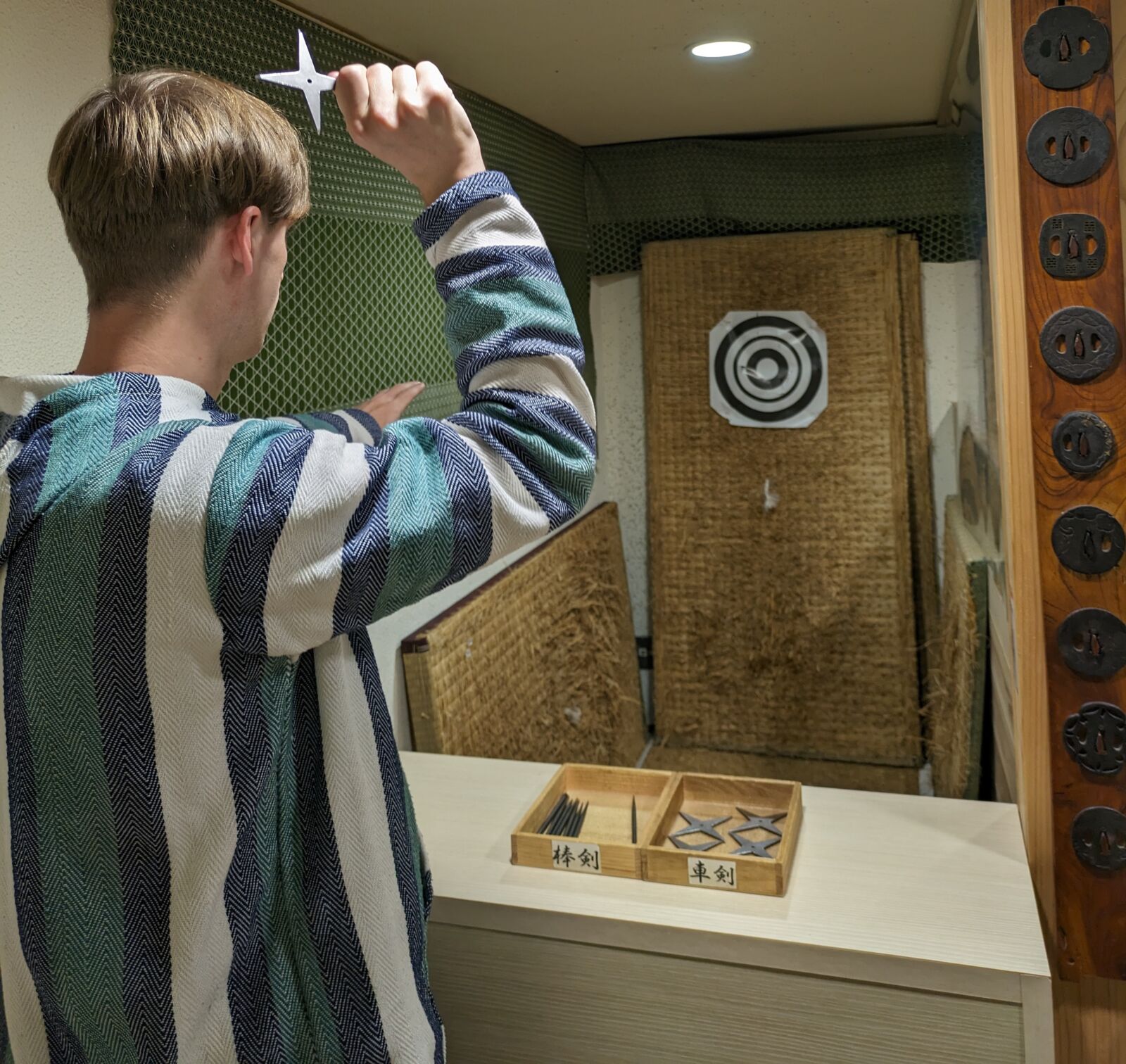
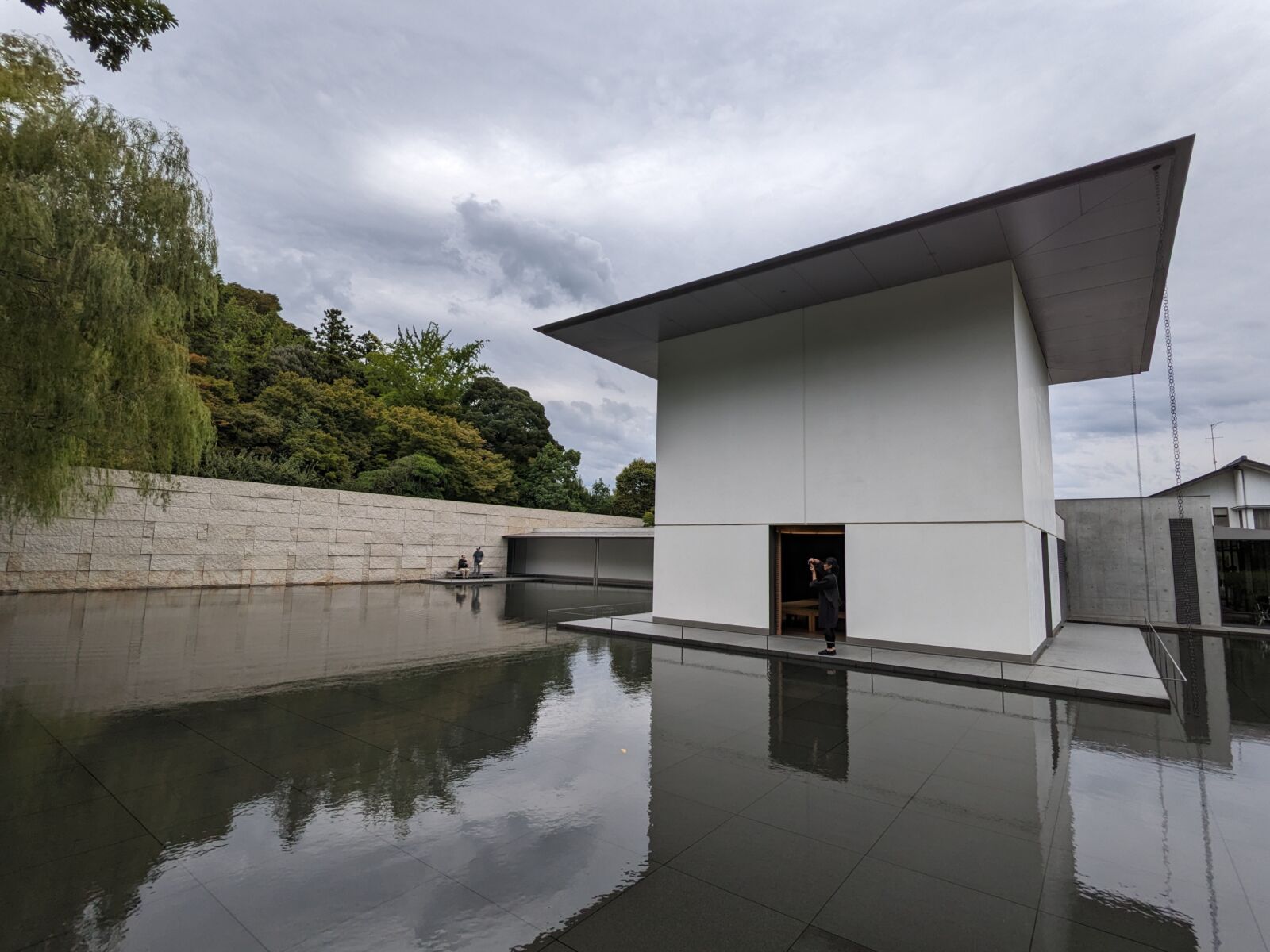
The wealth of the Kaga domain was the greatest of all the daimyo and that shows in the art and culture that was produced in Kanazawa over the course of the Edo period. These traditions are still alive in the city today and you can try them out for yourself. The art of gold leaf is a special one to Kanazawa, which is 99% of Japan's production. Here you can experience the craft for yourself and make a plate with gold leaf elements on it. If Japanese sweets are your things, on the tour you will make the sweets that go the best with matcha, wagashi. Finally, you will get to try ninja throwing stars and needles. There is something for everyone to enjoy as you walk around the city and see parts that are not as commonly explored. We'll also explore the Higashi Chaya District, see the beautiful water mirror garden at the D.T. Suzuki Museum and see real weapons used by Japanese assassins at the Ninja Weapon Museum.
Frequently Asked Questions (FAQ)
Did ninja actually use this temple?
The temple was never used by ninja. Its moniker "Ninja Temple" comes from all the ninja-like traps and hidden rooms around the building. However, that's exactly what a ninja would want you to think...
What time does the temple open?
The temple is open from 9:00 A.M. to 4:00 P.M.
Do I need a reservation to visit the temple?
The temple asks that everyone who wishes to enter make a reservation, especially during the peak season (April - May and September - November). As visitors are not allowed to wander freely inside the temple, the ability to go inside is limited by the availability of the temple's staff.
Is the temple wheelchair accessible?
Unfortunately, the temple is not wheelchair accessible.
Can I take photos inside?
Photography is explicitly banned inside the temple. You will be attacked by ninja who see the flash.