






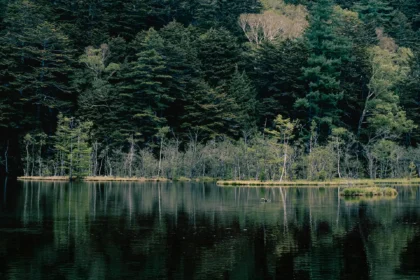


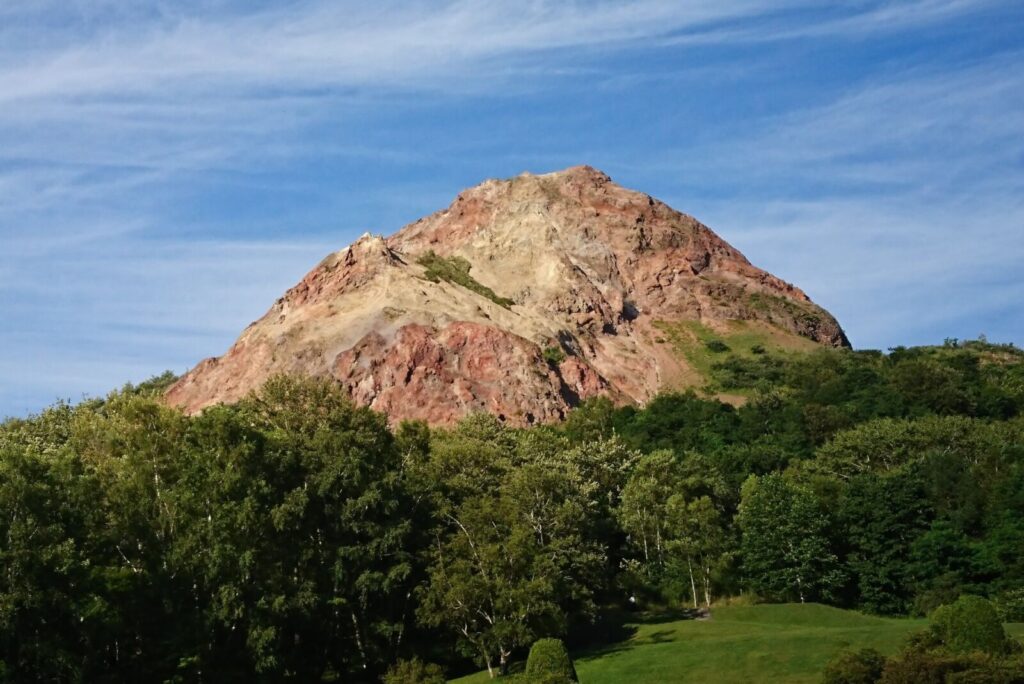
Located within Shikotsu–Toya National Park in southwestern Hokkaido, Mount Usu is one of Japan's most accessible active volcanoes and one of the region's most fascinating natural attractions. Rising above the southern shore of Lake Toya, this dramatic volcanic landscape offers visitors the rare opportunity to experience an active volcano up close while enjoying panoramic views of one of Hokkaido's most beautiful lakes.
Unlike many volcanoes around the world that can only be viewed from a distance, Mount Usu allows visitors to safely explore crater viewpoints, eruption sites, and volcanic terrain through a network of walking trails and observation decks. Combined with nearby hot springs, scenic viewpoints, and the famous Showa-Shinzan lava dome, Mount Usu is one of the top things to do in Shikotsu–Toya National Park.
Whether you're interested in geology, photography, nature walks, or simply experiencing one of Hokkaido's most unique landscapes, Mount Usu is a destination that shouldn't be missed.
What Makes Mount Usu Unique?
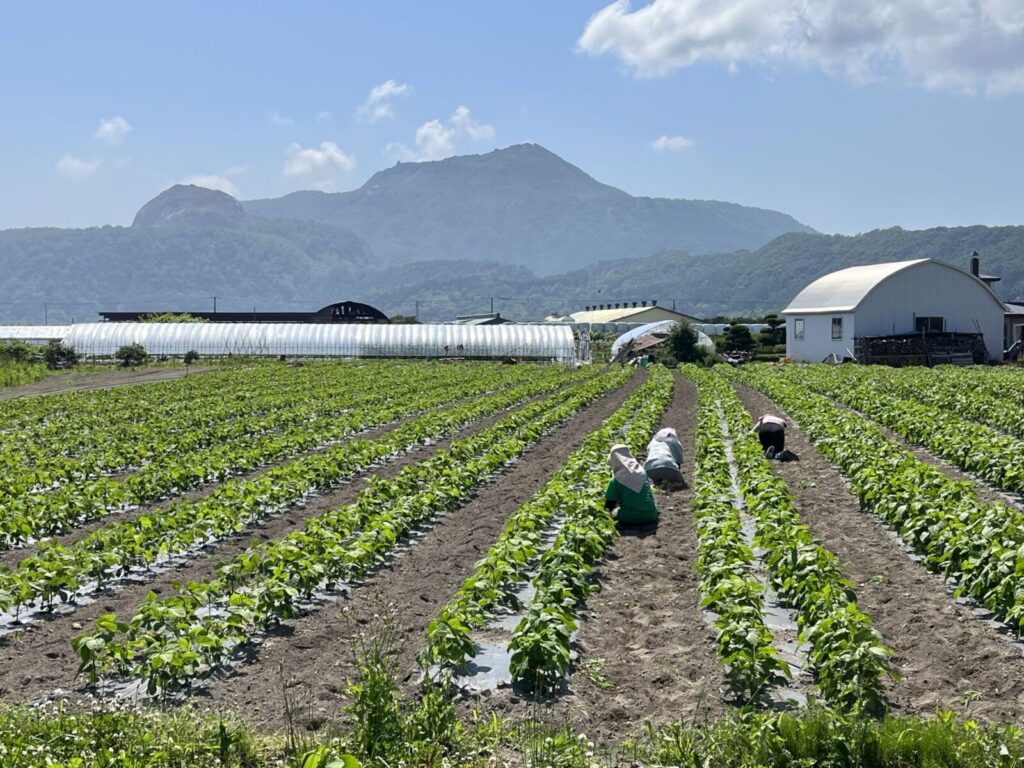
Few places in Japan allow visitors to experience active volcanic landscapes as easily as Mount Usu.
A visit offers the opportunity to:
- Ride the Usuzan Ropeway to panoramic viewpoints
- See crater rims and volcanic terrain up close
- Enjoy breathtaking views over Lake Toya and the Pacific Ocean
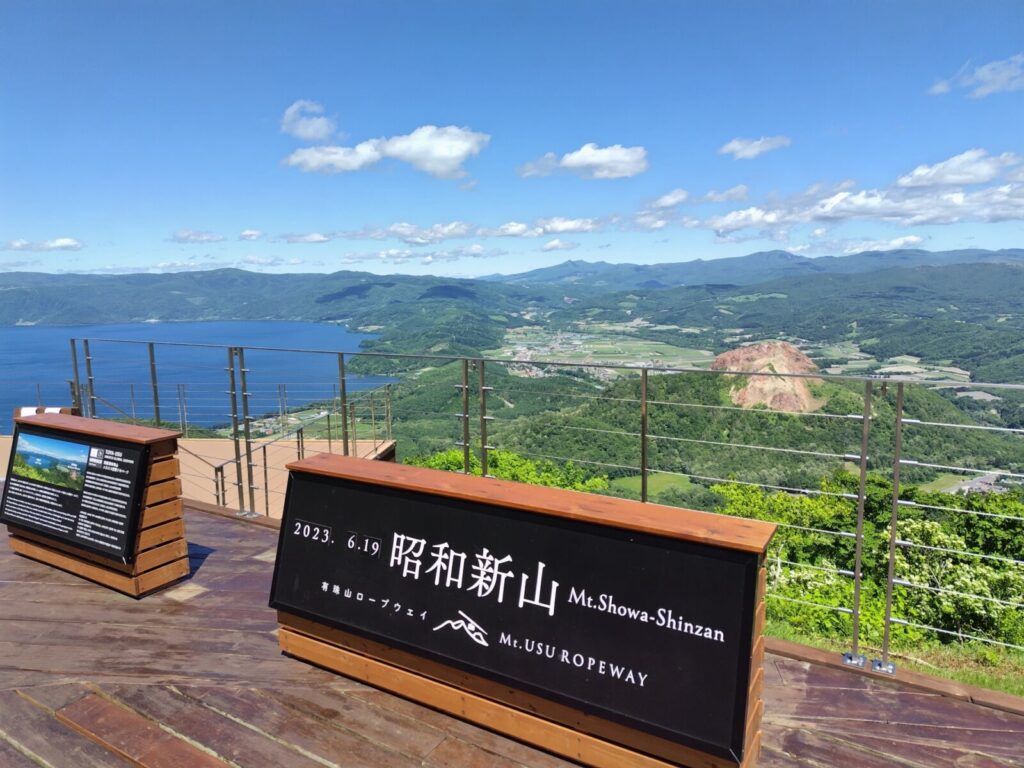
- Visit the famous Showa-Shinzan lava dome
- Walk through landscapes shaped by recent eruptions
- Learn how volcanic activity continues to shape Hokkaido today
The combination of dramatic scenery, accessible walking trails, and active geology makes Mount Usu one of the most memorable destinations in northern Japan.
Mount Usu at a Glance
- Active stratovolcano located within Shikotsu–Toya National Park
- Summit elevation: 733 meters (2,405 feet)
- Base diameter: approximately 10 kilometers
- One of Japan's most active volcanoes
- Closely monitored by the Japan Meteorological Agency (JMA)
- Most recent major eruption occurred in 2000
- Accessible via the Usuzan Ropeway
- Stunning views of Lake Toya, nearby mountains, and the Pacific Ocean
For thousands of years, volcanic activity has shaped the landscape surrounding Lake Toya. Mount Usu sits on the southern rim of the lake's caldera and continues to evolve through periodic eruptions.
Unlike many volcanoes that remain dormant for centuries, Mount Usu has erupted numerous times throughout recorded history. These eruptions have reshaped the surrounding landscape, created new craters, and produced remarkable geological features that visitors can still see today.
Exploring Mount Usu
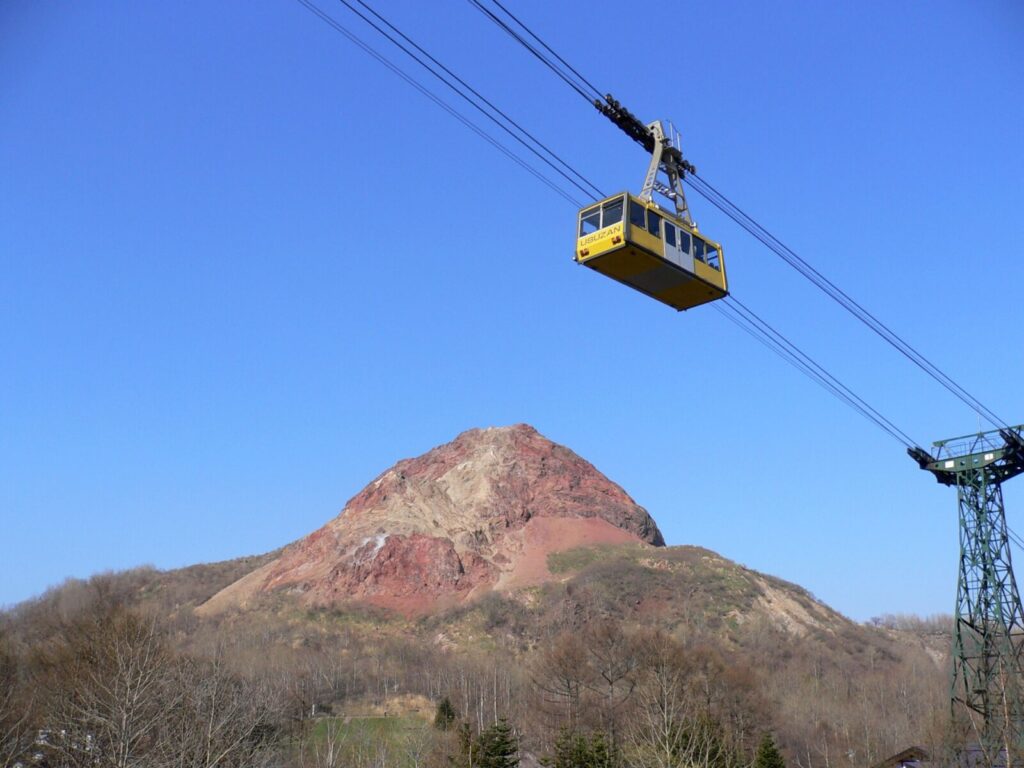
One of the biggest advantages of visiting Mount Usu is that experiencing the volcano requires very little physical effort.
Rather than undertaking a strenuous mountain climb, visitors can ride the Usuzan Ropeway, which carries passengers high up the volcano's slopes in just a few minutes. During the journey, sweeping views begin to unfold across Lake Toya, surrounding forests, and the volcanic terrain below.
Upon reaching the upper station, a network of easy walking trails leads to several observation decks overlooking the volcano and surrounding region.
The summit viewpoints provide some of the best scenery in Hokkaido. To the north lies the deep blue waters of Lake Toya, while clear days reveal distant views of the Pacific Ocean. The contrast between the tranquil lake and the rugged volcanic landscape creates an unforgettable scene.
Visitors can also get a close look at crater rims, volcanic vents, and terrain altered by previous eruptions, offering a fascinating glimpse into the powerful geological forces that continue to shape the area today.
Remnants of Eruptions: What You Can See at Mount Usu
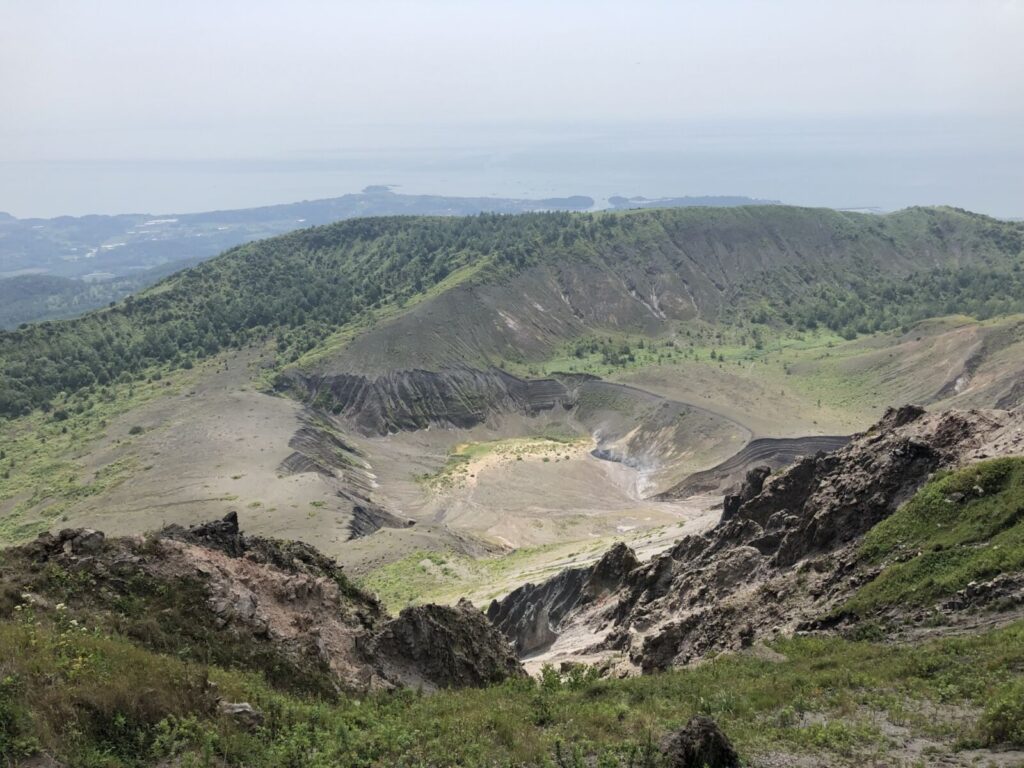
Summit Observation Decks
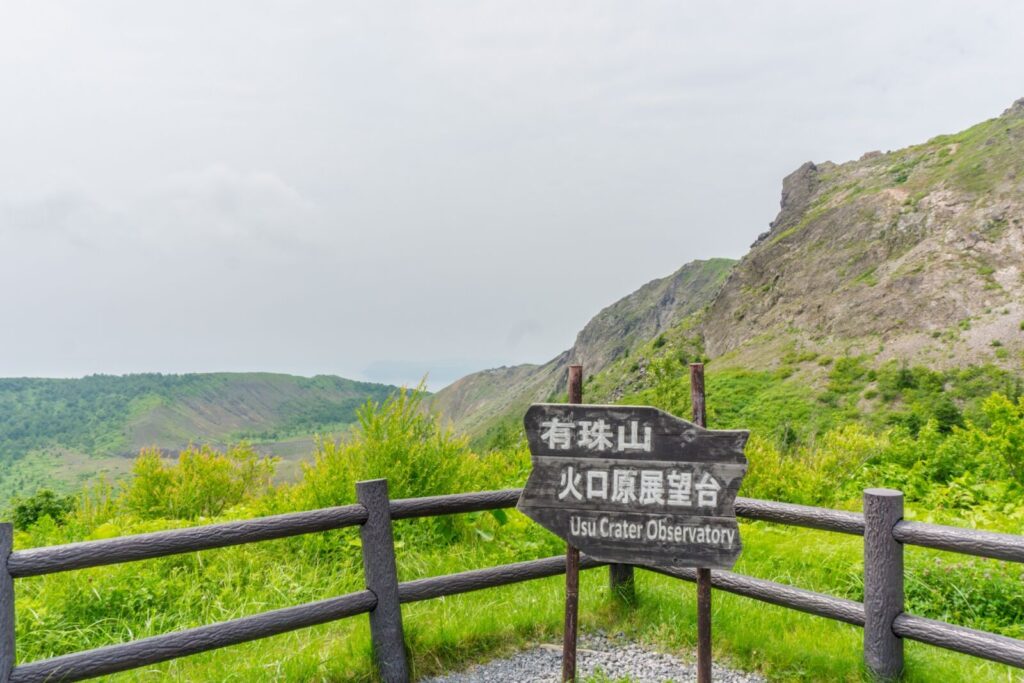
The observation platforms near the ropeway station offer panoramic views across Lake Toya, surrounding mountains, and the volcanic landscape below.
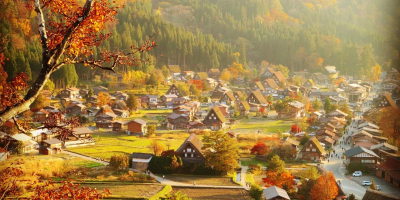
These viewpoints are especially popular during autumn when colorful foliage blankets the mountainsides and creates some of Hokkaido's most photogenic scenery.
Nishiyama Crater Walking Trail
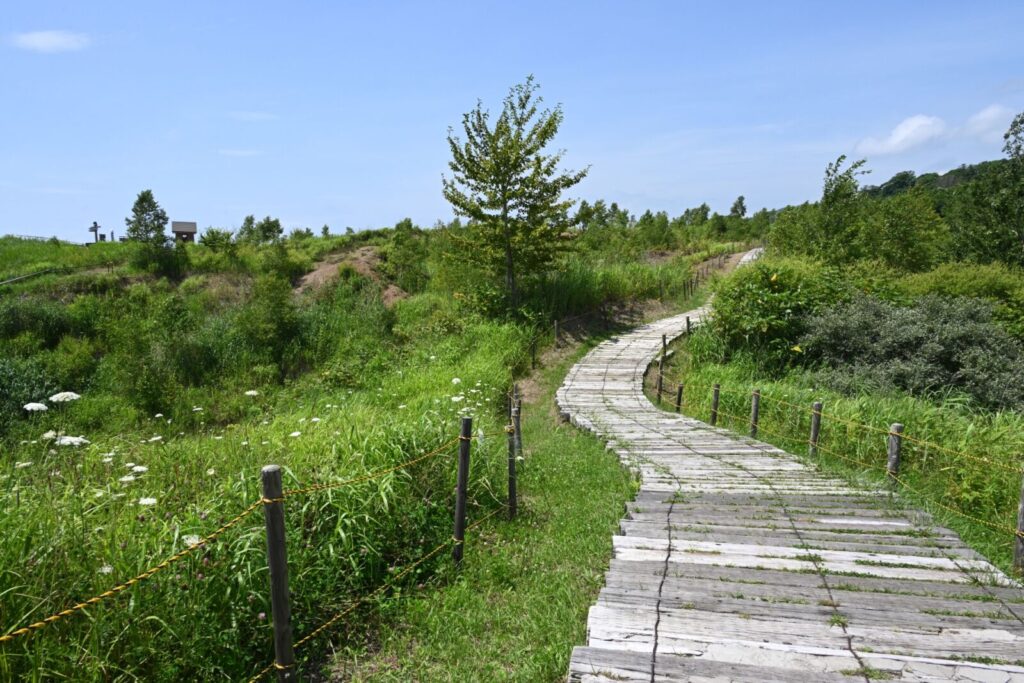
One of the most fascinating attractions near Mount Usu is the Nishiyama Crater Walking Trail.
This trail showcases the aftermath of Mount Usu's 2000 eruption. Along the route, visitors can see roads that were lifted by volcanic activity, damaged buildings, newly formed craters, and terrain dramatically altered by the eruption.
Interpretive displays help explain the events of 2000 and provide insight into how quickly volcanic landscapes can change.
Showa-Shinzan Lava Dome
At the southeastern base of Mount Usu stands one of Japan's most remarkable geological landmarks: Showa-Shinzan.
This lava dome emerged between 1943 and 1945 when a series of earthquakes and eruptions caused magma to push upward beneath a wheat field. Over time, an entirely new mountain formed.
Today, Showa-Shinzan remains largely unchanged and serves as a powerful reminder of the region's ongoing volcanic activity.
Konpira-yama Trail
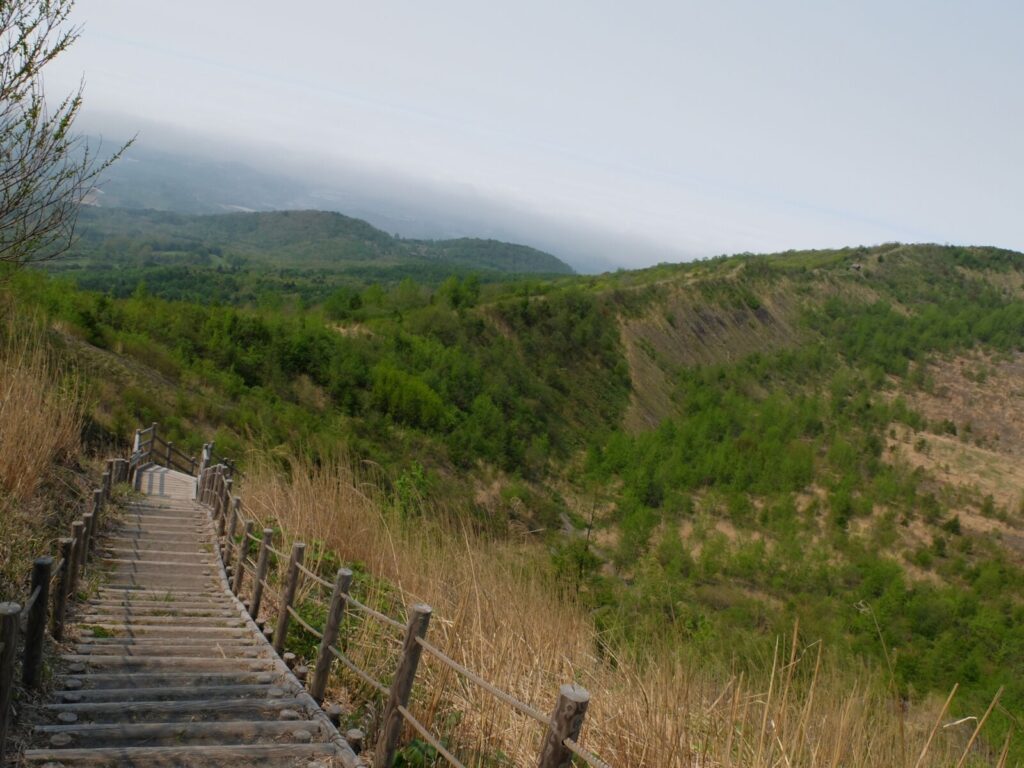
Visitors looking to explore beyond the ropeway area can enjoy the Konpira-yama Trail.
This route offers excellent views of both Mount Usu and Showa-Shinzan while passing through landscapes shaped by past eruptions. The trail provides a deeper appreciation of the volcanic forces that continue to define the region.
Best Time to Visit Mount Usu
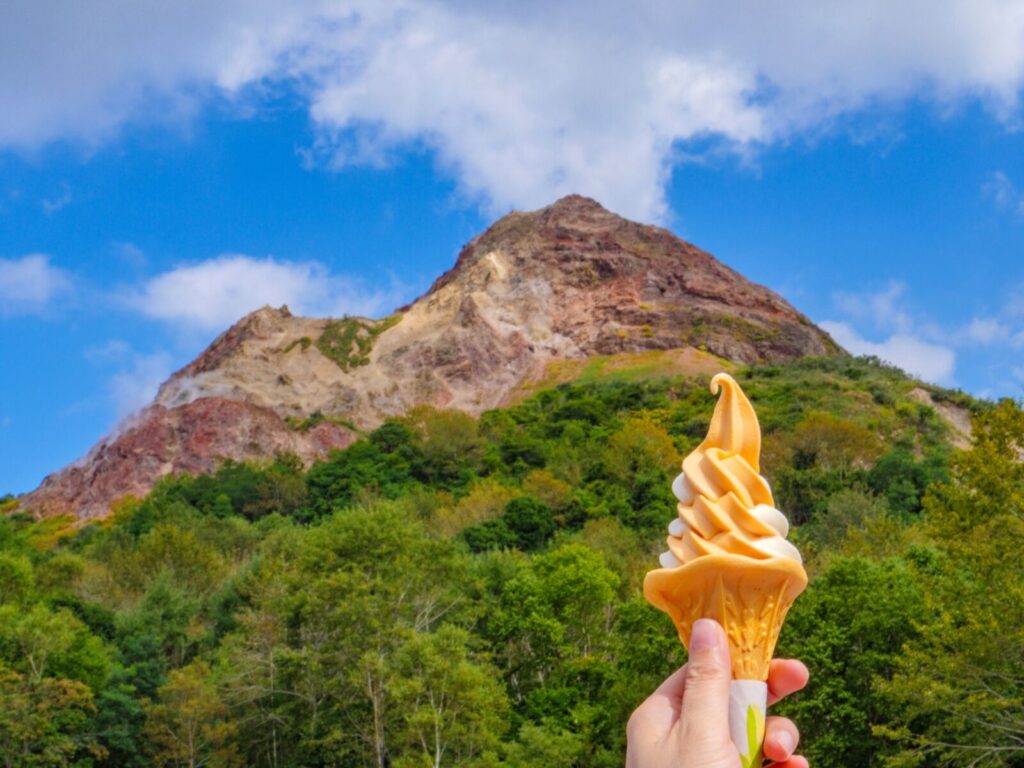
Mount Usu can be visited throughout the year, with each season offering a different experience.
Spring (April–May)
Fresh greenery begins to cover the surrounding forests, while comfortable temperatures make walking trails particularly enjoyable.
Summer (June–August)
Summer offers the clearest weather conditions and excellent visibility from the summit observation decks. It's an ideal time for photography and sightseeing around Lake Toya.
Autumn (September–October)
Autumn is one of the most popular times to visit. Vibrant red, orange, and yellow foliage transforms the volcanic landscape, creating spectacular views from the ropeway and observation points.
Winter (November–March)
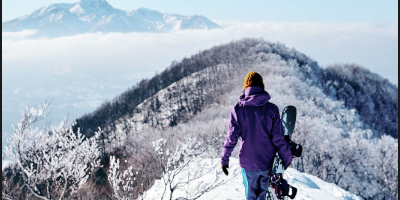
Snow-covered volcanic terrain creates a striking contrast against the blue waters of Lake Toya. The quieter atmosphere also makes winter an appealing time for visitors seeking fewer crowds.
Frequently Asked Questions (FAQ)
Is Mount Usu still active?
Yes. Mount Usu remains an active volcano and is closely monitored by the Japan Meteorological Agency. The most recent major eruption occurred in 2000.
Can I hike to the summit?
Most visitors reach the upper area using the Usuzan Ropeway. From there, several easy walking paths lead to observation decks and viewpoints. Access to active crater areas is restricted for safety reasons.
Is Mount Usu dangerous to visit?
No. Visitor areas are carefully managed and monitored. Observation points and walking trails are designed to provide safe access while maintaining appropriate distance from active volcanic zones.
Can You Visit Mount Usu as a Day Trip from Sapporo?
Yes. Mount Usu is one of the most rewarding day trips from Sapporo.
The area can typically be reached in approximately two hours using a combination of train and bus services. However, public transportation schedules can be limited, particularly outside peak tourist seasons.
For many international visitors, joining a guided tour provides a more convenient way to experience Mount Usu and the surrounding Lake Toya area without worrying about transportation logistics.
What is Showa-Shinzan?
Showa-Shinzan is a lava dome created between 1943 and 1945 during a period of volcanic activity associated with Mount Usu. It remains one of Japan's most famous geological landmarks.
Is Mount Usu worth visiting if I'm already visiting Lake Toya?
Absolutely. Mount Usu and Lake Toya are closely connected. Together they offer one of Japan's most impressive combinations of volcanic landscapes, caldera scenery, and natural hot springs.