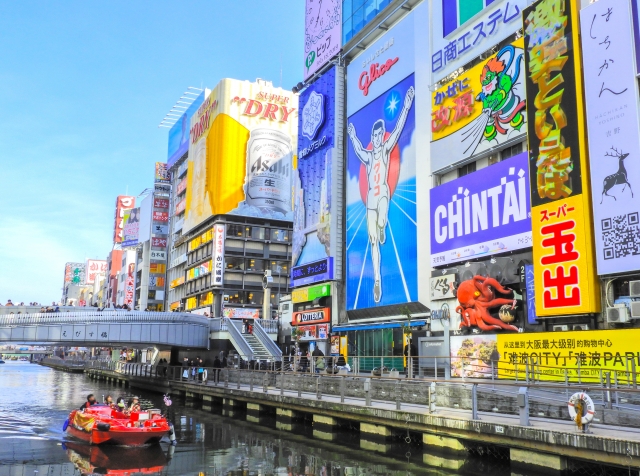
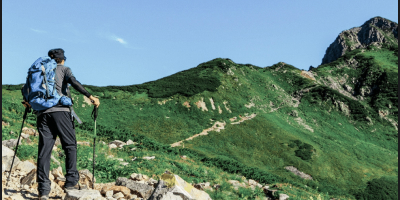

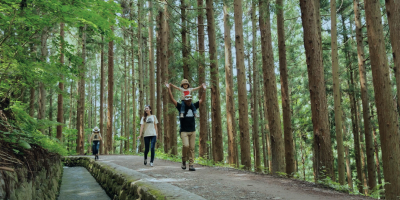

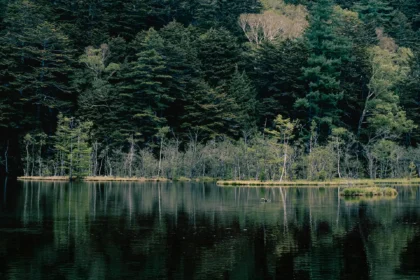

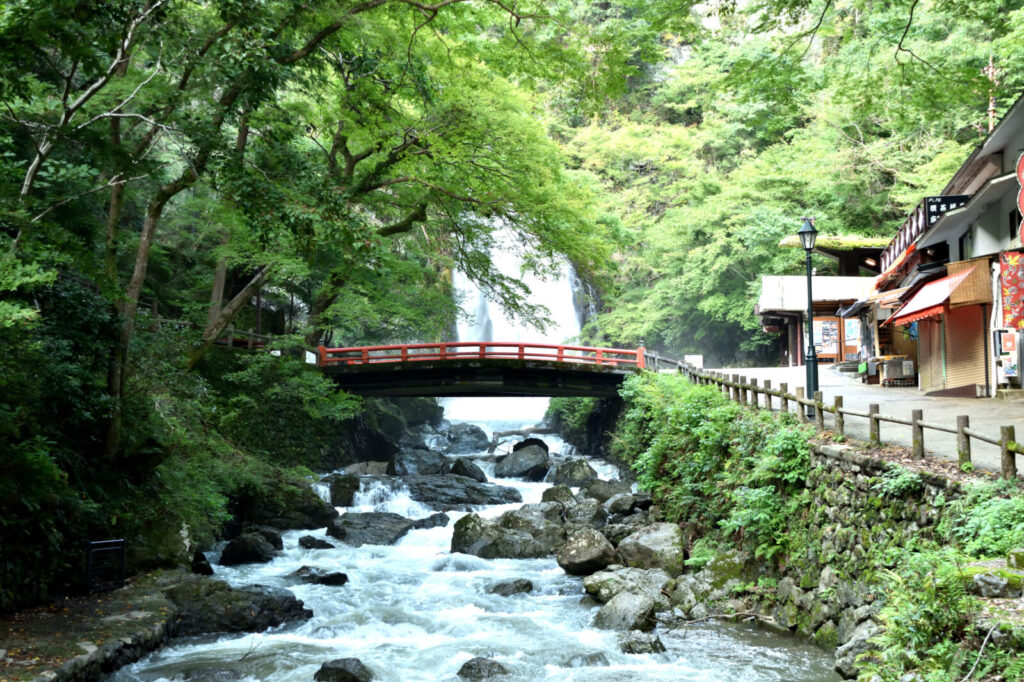
Minoh Falls is one of Osaka’s best-kept secrets — a 33-meter waterfall tucked into the forested hills about 30 minutes north of Umeda. Despite its proximity to the city, Minoh feels worlds away from the neon glow of downtown. Often overlooked by visitors focused on central Osaka’s bright lights and urban sprawl, this natural escape offers a refreshing change of pace. Shaded by dense maple and cedar trees, the trail to the falls winds through Minoh Park—an area rich with wildlife, history, and spiritual energy. The air is cooler, the light softer, and the pace noticeably slower. It’s the kind of place where locals go to recharge, and where visitors can tap into a quieter, more meditative side of Japan that’s often hidden in plain sight.
Best Viewing time: Nov to Early Dec
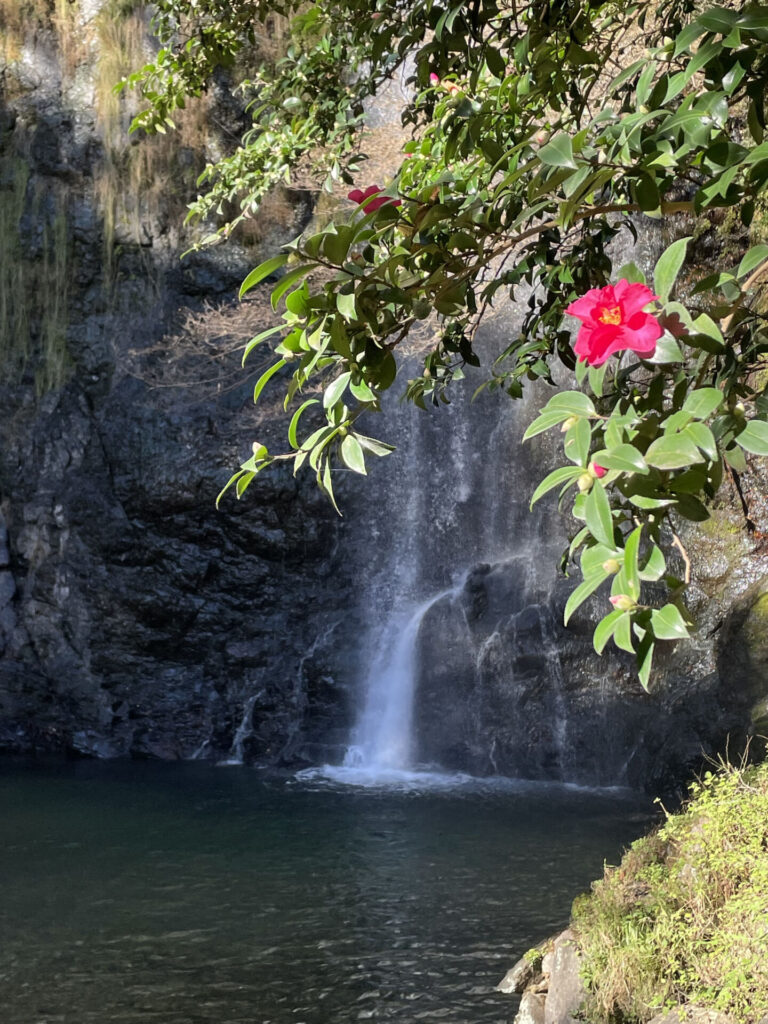
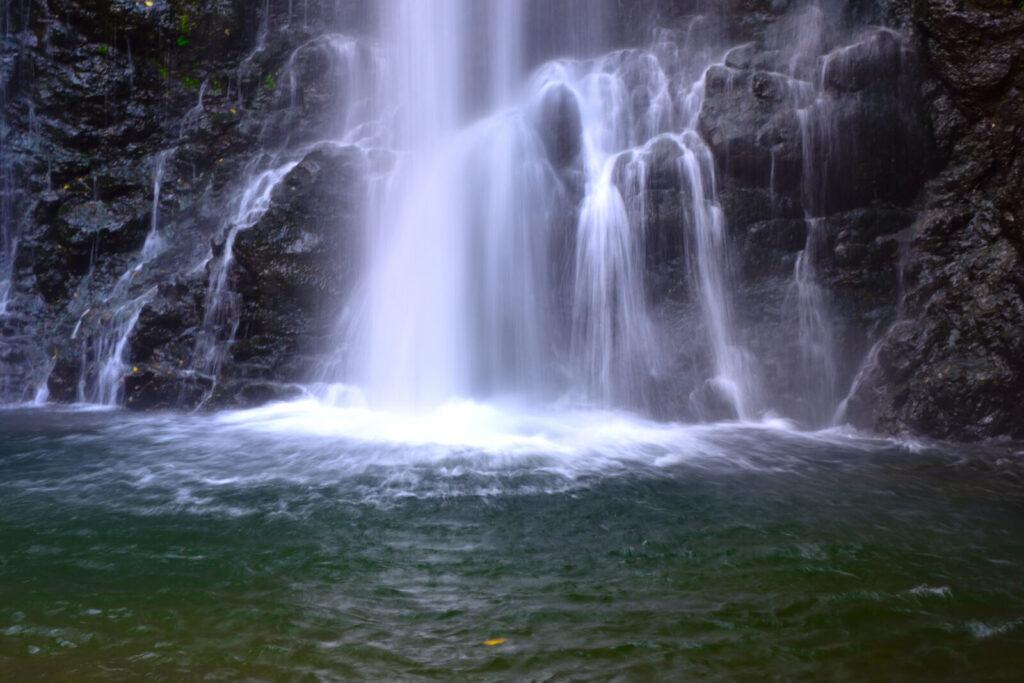
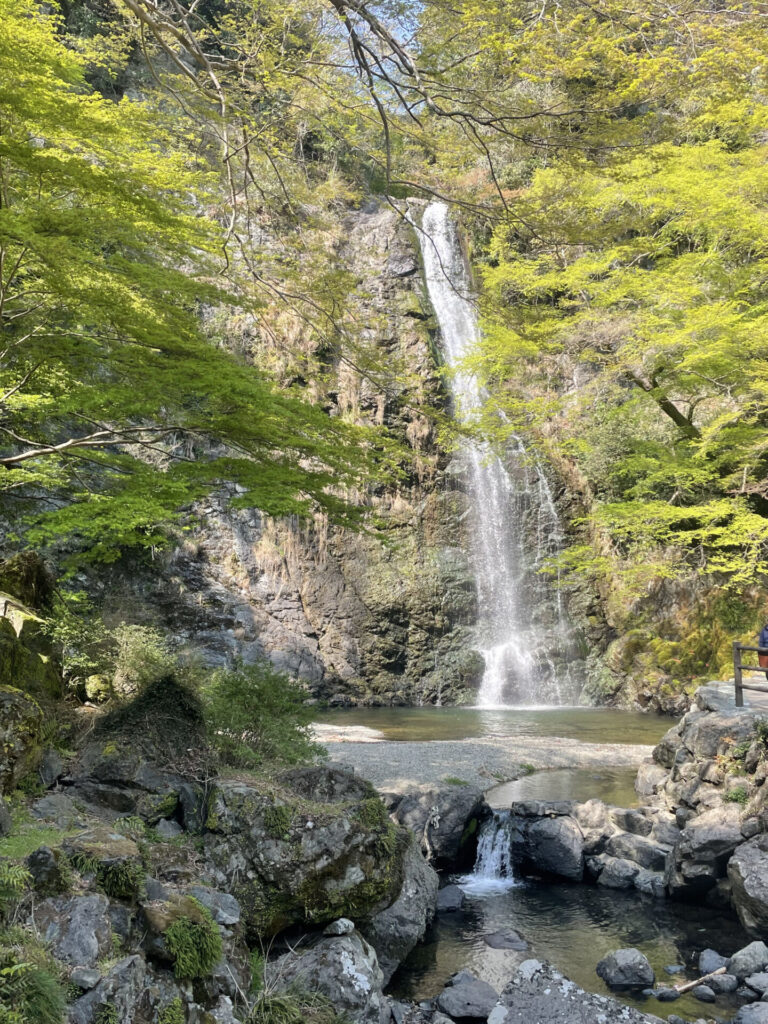
Ideal for: Nature hikes, peaceful walks, photography
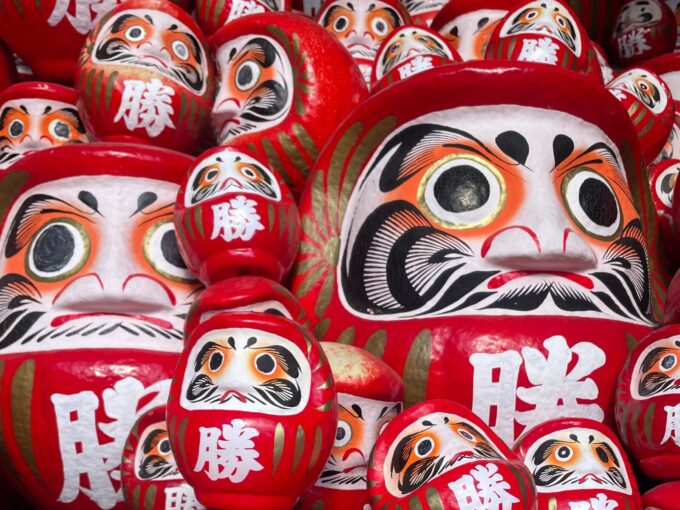
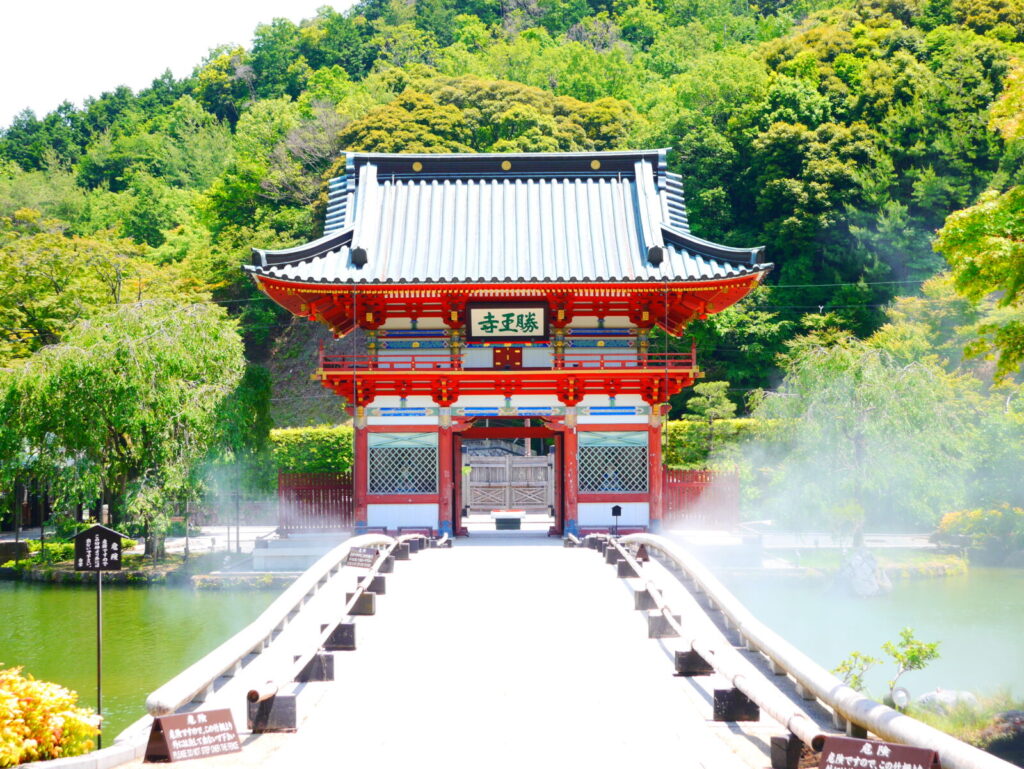
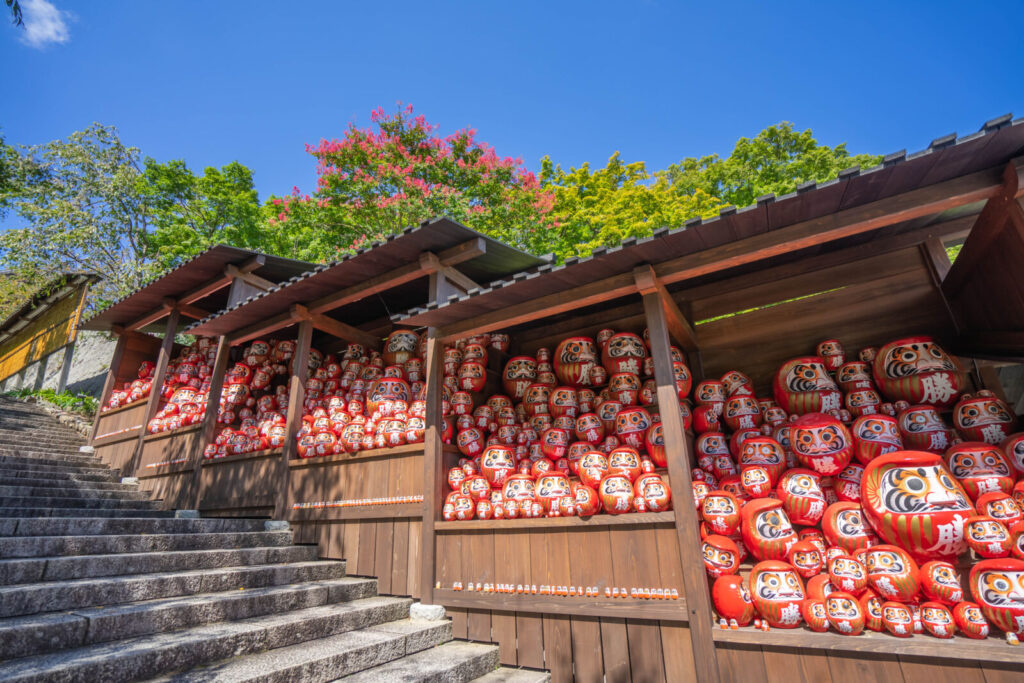
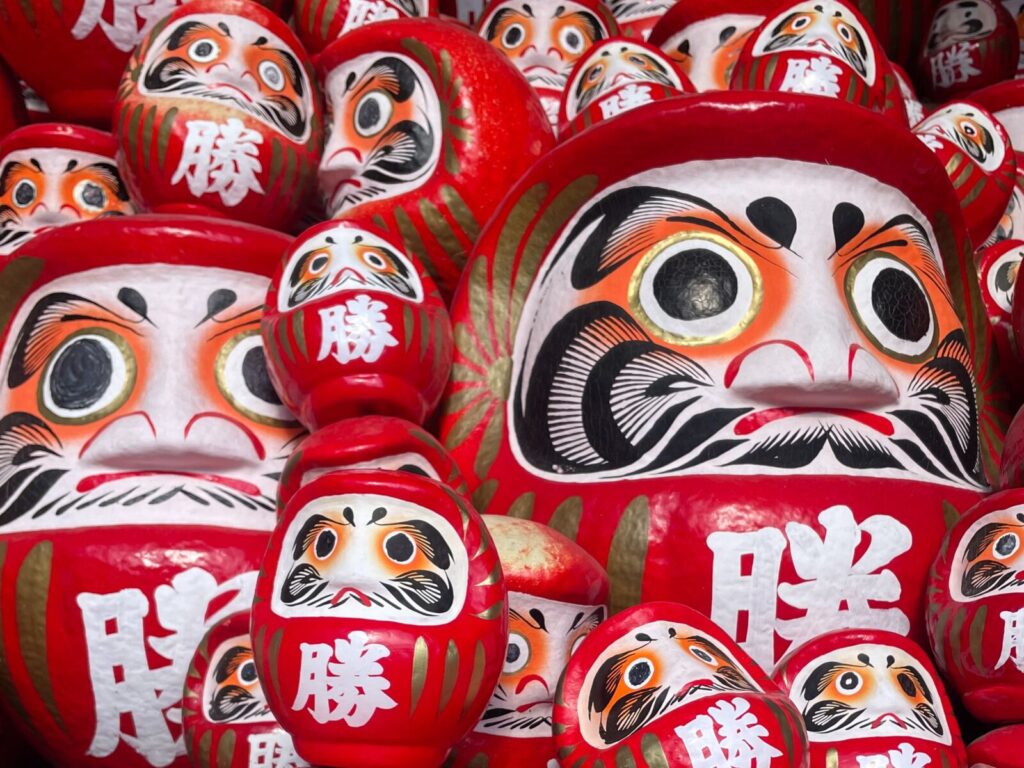
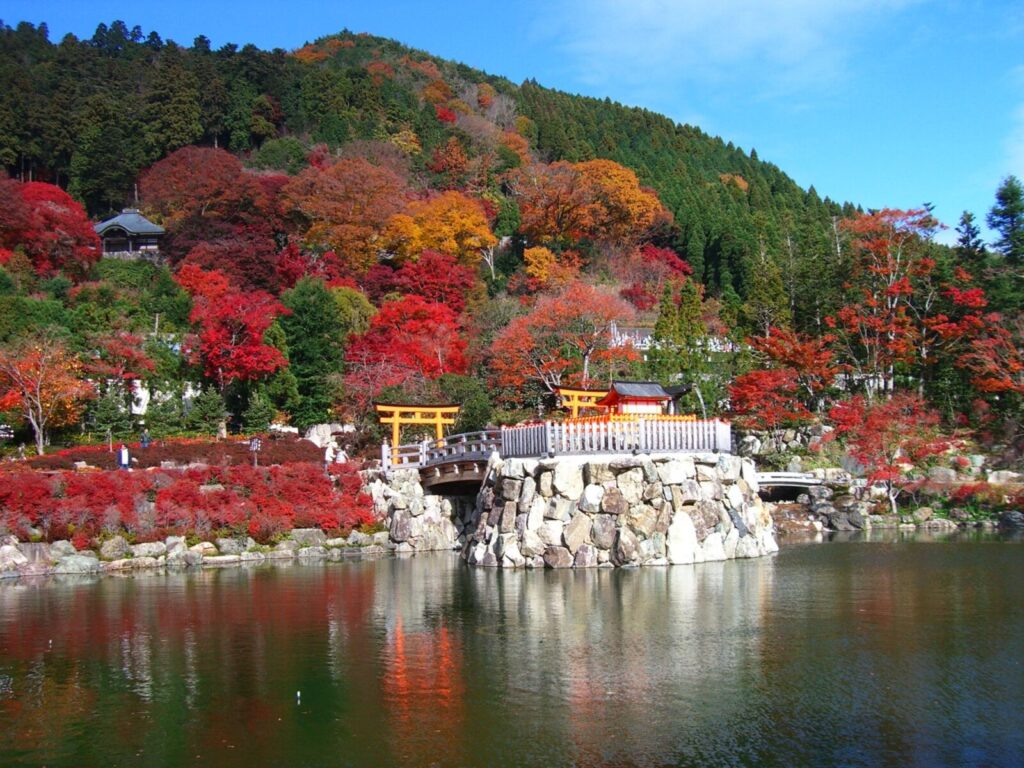
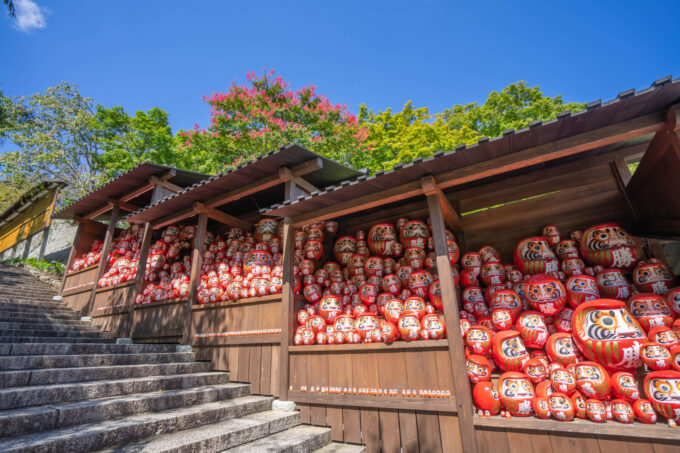
But Minoh is more than just a pretty waterfall. It’s also the gateway to Katsuo-ji Temple, a mountaintop sanctuary famous for its thousands of red daruma dolls symbolizing perseverance and good luck. Nearby Ryuanji Temple and a hidden Benzaiten shrine round out a day of nature, history, and quiet reflection. These sites can easily be visited together, offering a deeper dive into Osaka’s deep spiritual and natural heritage.
Getting to Minoh is straightforward from central Osaka by train and foot. But if you want to go beyond the obvious, hear the stories behind the sights, and uncover some hidden gems along the way, our guided tours make the experience seamless and far more rewarding.
For a Guided Tour of Katsuoji Temple and Minoh Falls
Join our 1-day tour of Osaka's Secret Adventures - Discover Daruma Magic and the Beauty of Minoh Falls. This tour will take you to Katsuoji Temple, where you can discover the power of Daruma and pray for victory, followed by a nature walk to the gorgeous Minoh Falls.
For visitors wanting to combine nature, history, and one of Osaka’s most unique temples in a single day, this is our most popular escape from the city.
How to Get to Minoh Falls & Katsuo-ji Temple
Option 1: Via Minoo Station (Waterfall First)
From central Osaka, take the Hankyu Takarazuka Line to Ishibashi Handai-mae Station, then transfer to the Hankyu Minoo Line. From Minoo Station, it’s approximately a 45–60 minute walk along a paved forest trail to Minoh Falls.
Reaching Katsuo-ji from the waterfall requires a 3.5 Km uphill walk or a 10 minute taxi, as the temple sits higher in the mountains.
Option 2: Via Minoh-Kayano Station (Temple First)
Take the Midosuji Line north to Minoh-Kayano Station. From there, local buses run to Katsuo-ji Temple (approximately ¥800 one way). Buses generally operate every 20–30 minutes, with increased frequency during peak seasons. During peak seasons, buses can become crowded, especially in autumn. Planning your timing carefully is important if you're visiting independently.
Important:
- Load your IC card in advance — there are no charging machines at the temple.
- During busy autumn weekends, arriving early for the bus is recommended.
- Taxis are available from the station and may be convenient for groups.
Coordinating both the temple and waterfall in one day using public transport is possible, but it requires careful timing and transfers.
If you’d prefer a seamless experience that connects both locations in one smooth itinerary, our Osaka's Secret Adventure Tour takes care of the logistics — allowing you to focus on the scenery, stories, and seasonal beauty instead of train schedules.
Seasonal Trail Notice
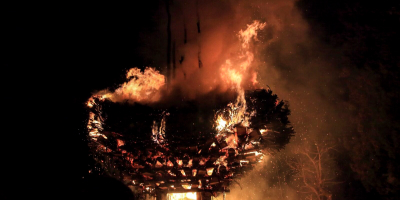
Please note that the tea house near Minoh Falls was unfortunately lost to a fire last year and is currently not operating. The waterfall itself remains fully accessible; however, a short detour is required to reach it.
Due to ongoing trail maintenance (expected until May 2026), part of the usual walking route is temporarily closed. Visitors must follow an alternate path that includes stairs, narrow sections, and uneven surfaces.
This detour is not suitable for guests with mobility concerns or for strollers. We recommend sturdy footwear and a moderate level of fitness for this portion of the walk.
For more information on Minoh Park
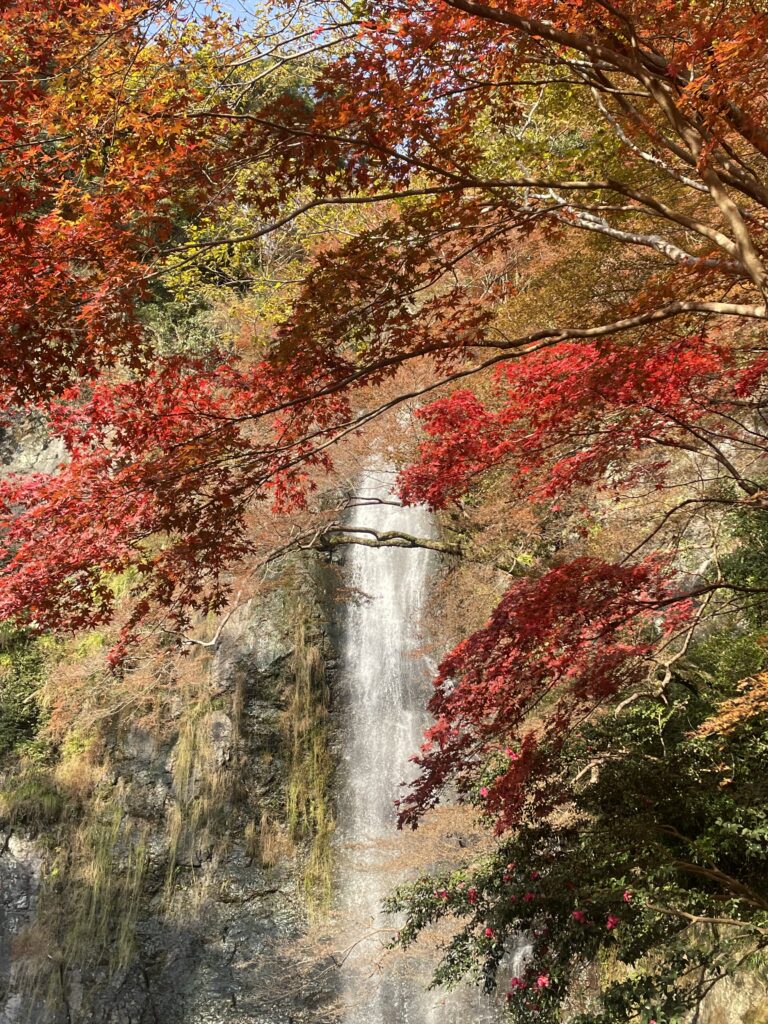
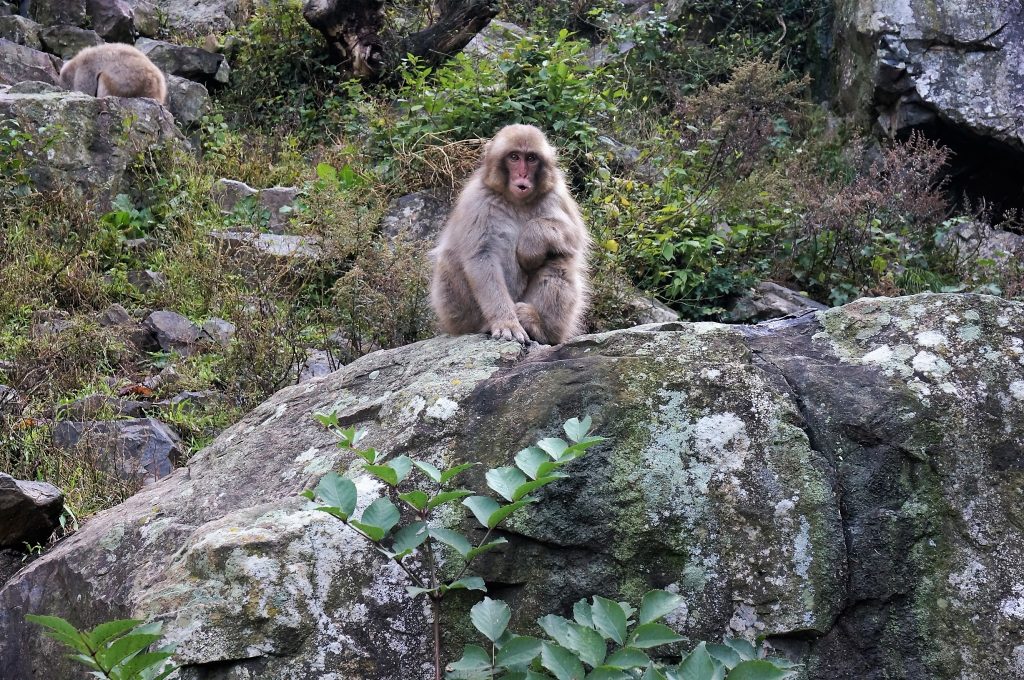
Minoh Park itself—technically a quasi-national park (Meiji no Mori Minoh Quasi-National Park)—was established in 1967 to preserve the rich biodiversity of this mountainous area. The park is home to over 980 plant species and hundreds of animal species, including the Japanese macaque. It’s especially stunning in autumn when the maple trees explode in red and gold.
Minoh Park's spiritual roots run deep. According to legend, En no Gyoja, the founder of the Shugendo mountain ascetic tradition, discovered Minoh Falls over 1,300 years ago. While meditating beneath the waterfall, he had a vision of Benzaiten, the goddess of music, water, and wisdom. Moved by the encounter, he enshrined her nearby. The temple he founded—Benten-do—is still hidden in the forest near Ryuanji Temple.
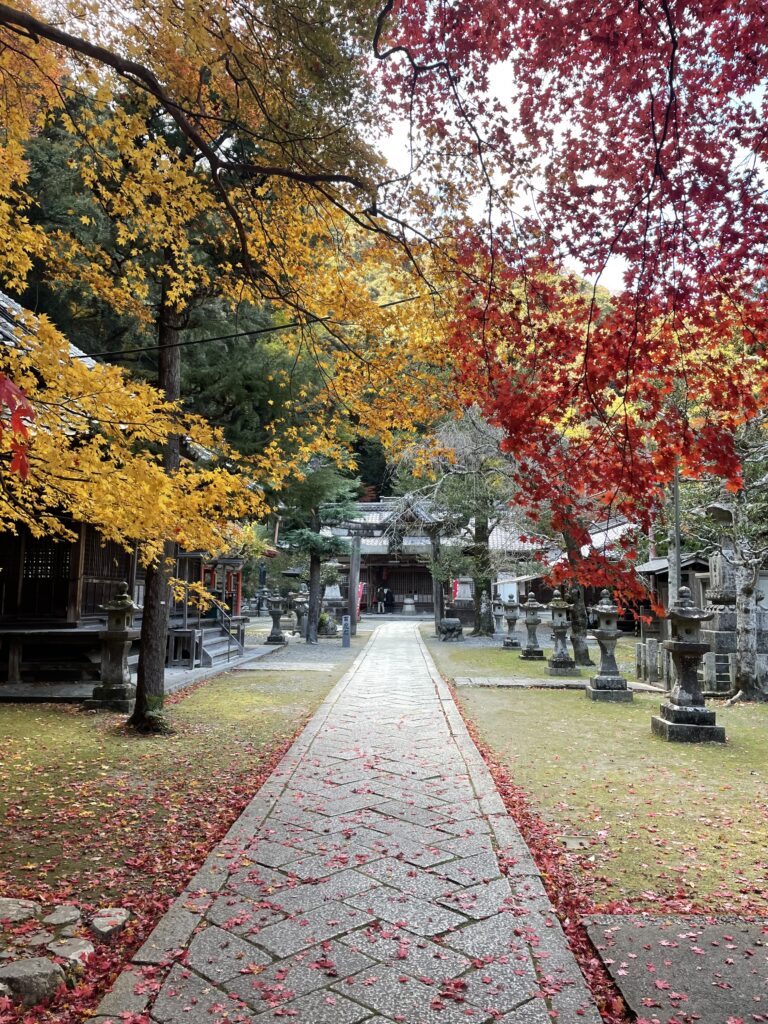
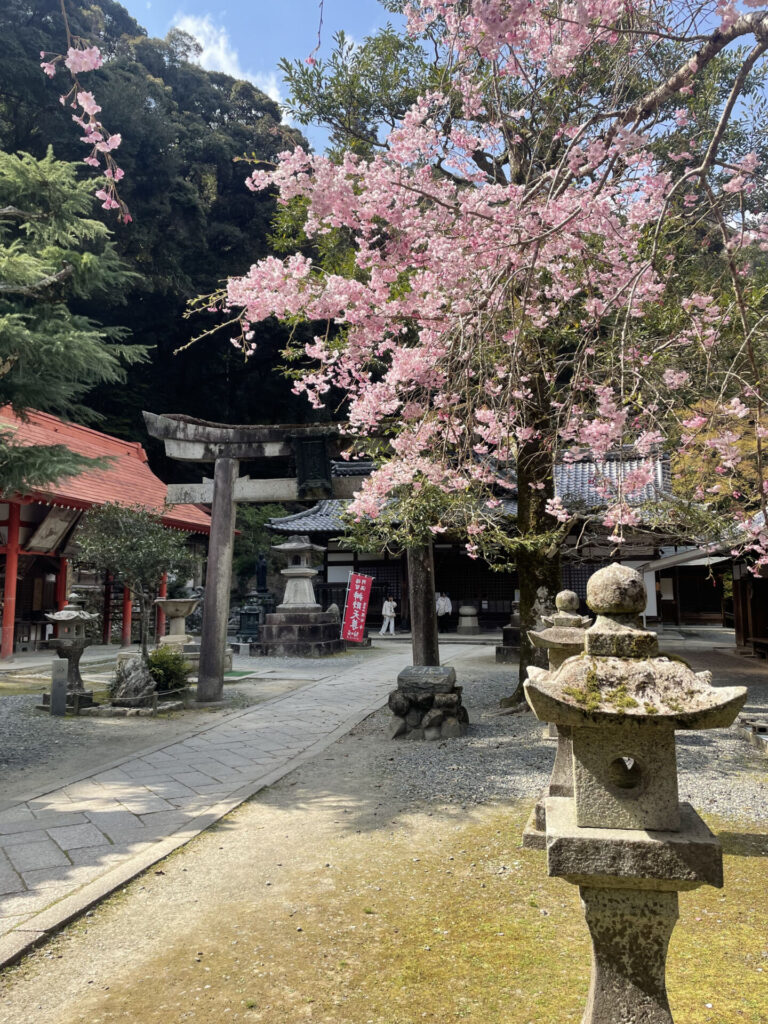
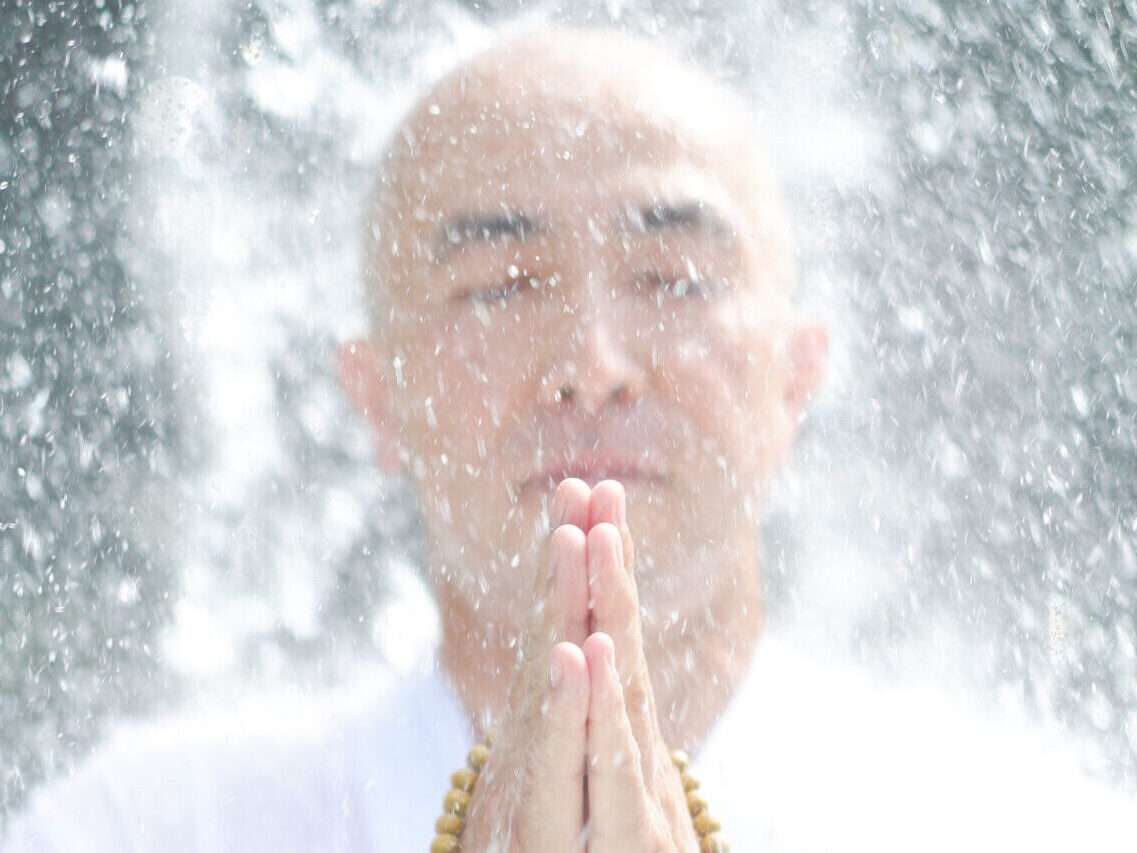
Shugendo practitioners like En no Gyoja believed that enlightenment came through discipline and communion with nature. One of their key practices is taki-gyo—meditating under waterfalls to purify body and spirit. This ritual continues to this day. On early mornings, you might even spot a solitary monk standing beneath the falls, cloaked in water and mist.
Ever wonder where the name “Minoh” comes from? The character 箕 (mi) refers to a traditional straw winnowing basket used in farming—shaped like a scoop or fan. It’s also tied to the mino (蓑), a straw raincoat from old Japan with a similar outline. The “noh” (面) means “face” or “surface.” Put together, the name evokes a wide, curved valley or waterfall—like the surface of that tool. It’s poetic, grounded in practical imagery, and a nod to the agrarian past.
As you walk the forest path toward the waterfall, the sounds of birds and rustling leaves replace the buzz of the city. Minoh is home to a wild troop of Japanese macaques. They're fun to watch—but a word of advice: they’re clever and quick to grab any unattended snacks.
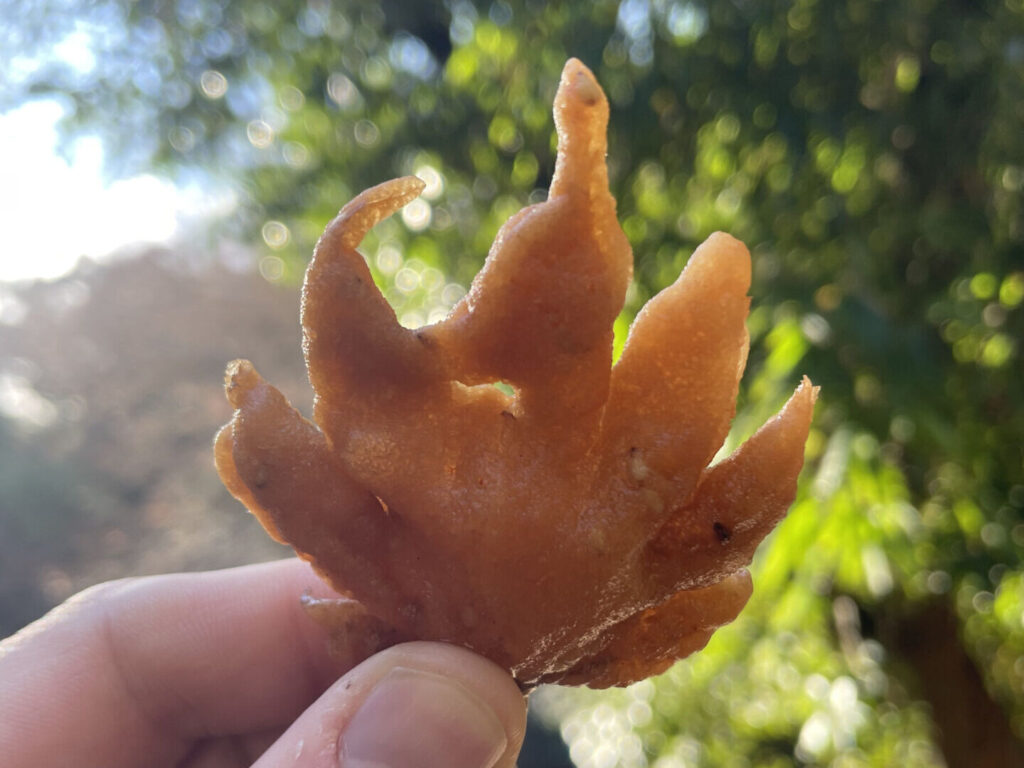
Speaking of snacks—Minoh is famous for momiji tempura, or deep-fried maple leaves. This regional treat sounds unusual, but it’s surprisingly tasty. The leaves are preserved, dipped in sweet batter, and fried to a crispy golden brown. You’ll find them sold fresh along the trail—just one more reason to slow down and enjoy the walk.
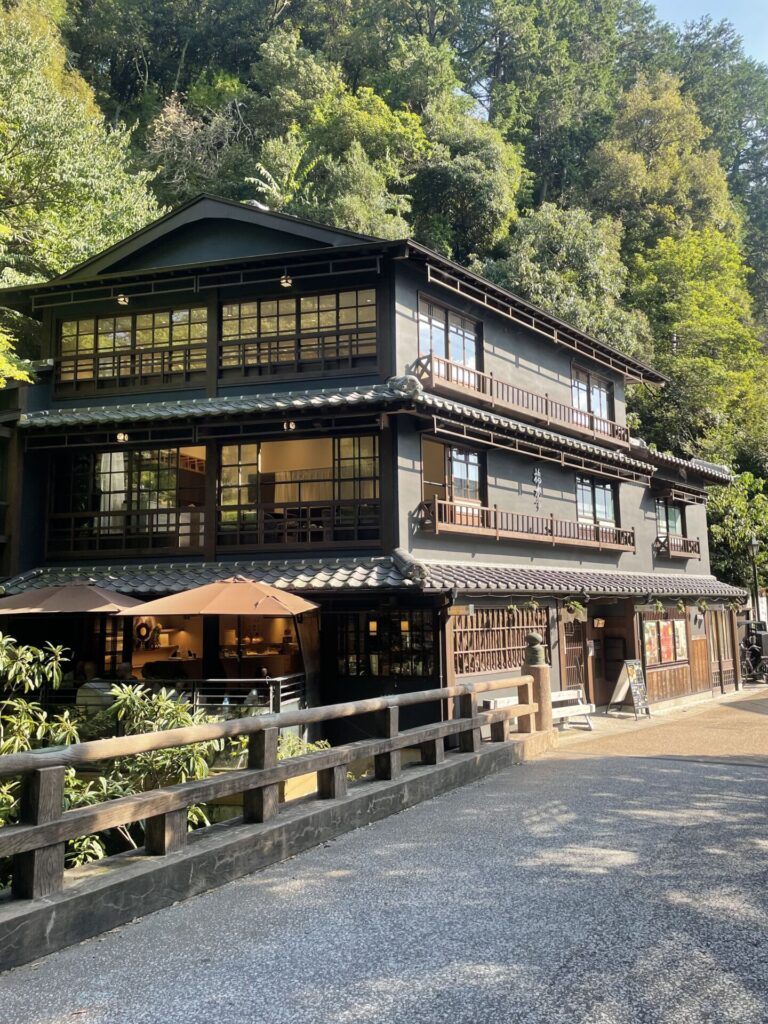
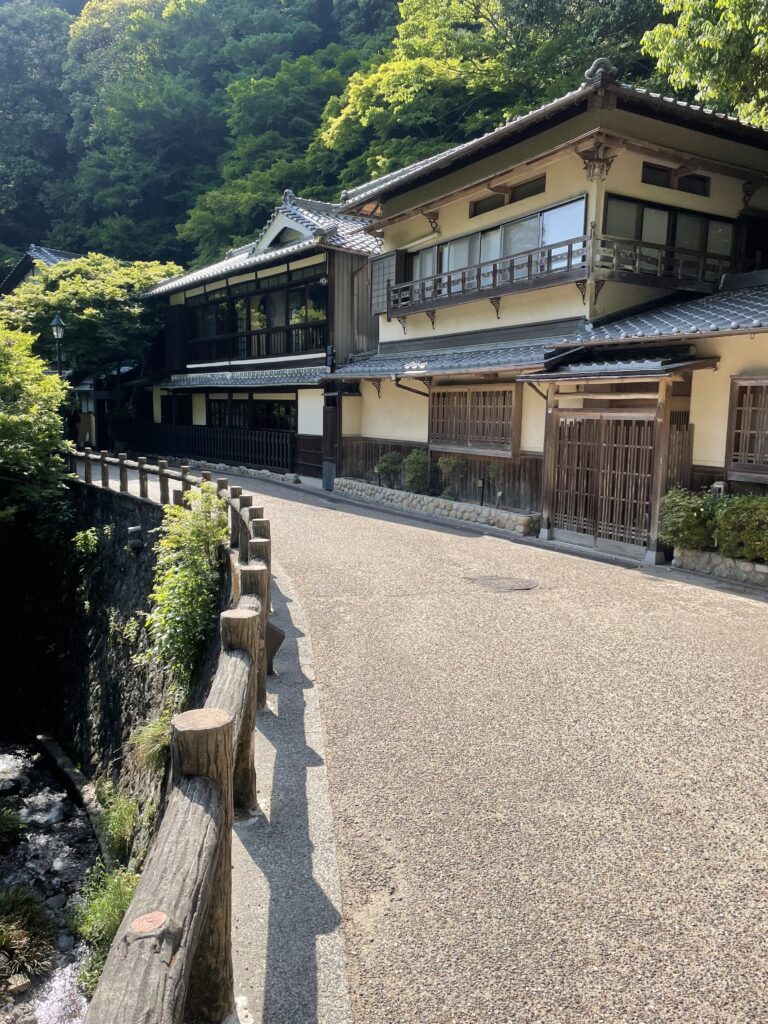
The trail to the falls is dotted with local restaurants, tea houses, and souvenir shops. It’s a relaxing stroll, gentle enough for most visitors, with just the right balance of nature and nostalgia. What many don’t realize is that in the early 20th century, Minoh Park had its wild side: there was once a hotel, a circus, and even a small amusement park here. Most of that has vanished, reclaimed by the forest, but there’s still something dreamlike in the air—part peaceful retreat, part forgotten past.
Planning Your Osaka Trip?
If you’re still shaping your itinerary, start with our 7-Day Kansai Japan Highlights Itinerary, which combines Kyoto, Osaka, and Nara into a balanced first visit. For inspiration and practical tips, see our 40 Things to Do in Kyoto, Nara, and Osaka, including seasonal ideas and neighborhood recommendations.
Looking to go deeper? Our Best Tours in Osaka page highlights cultural experiences that go beyond the usual sights. If you’re deciding where to base yourself, our guide on staying in Osaka or Kyoto breaks down the pros and cons of each.
For themed travel, don’t miss our Cherry Blossoms in Osaka page, or explore Kansai’s brewing heritage with our Top 10 Sake Breweries to Visit in Kansai. If you have tattoos, but want to experience the rejuvenating power of onsen, then check out our Tattoo friendly Onsen and Sentos in Osaka page. Finally, for help deciding where to stay check out our Where to Stay in Osaka page.
Frequently Asked Questions
When is the best time to visit Minoh Park and Minoh Falls?
Autumn (late November) is the most popular season, with vivid red and orange foliage. Spring also brings fresh greenery with a dappling of cherry blossoms throughout the park. Winter can also be beautiful with occasional snowfalls and fewer visitors, but it does get cold. Summer in Japan is very hot and humid, but the canopy of green trees, the cascading waterfall, and the meandering river, make this a refreshing getaway.
Is Minoh Park a good day trip from Osaka?
Yes! Destinations like Minoh Falls and Minoh Park can be visited on a 1-day tour from Osaka. Choose from guided group tours or private day trips depending on your preference and group size. Check out our Osaka tour Page for a full list of tours in the region!
Can I visit Katsuo-ji Temple and Minoh Falls in one day?
You can — but it’s not easy without a car. Public transport to both locations involves multiple transfers and a good bit of walking. That’s why our guided tour is a popular option: we take care of the logistics so you can focus on enjoying both of these hidden gems in one smooth, stress-free day.
Why take a tour instead of going on your own?
Because you’ll see more and stress less. This area isn’t crowded with tourists, but that also means it's not always easy to access. Our tour includes transport, local insight, and a well-paced itinerary that lets you enjoy both Minoh Falls and Katsuo-ji Temple without rushing or getting lost in translation.
What is momiji tempura? Where can I try momiji tempura?
Momiji tempura is a local snack of maple leaves deep-fried in sweet batter. Several shops along the trail to the falls sell this crunchy treat.
Is Minoh Park suitable for children or older visitors?
Definitely. The walking path is paved and mostly flat. There are benches, snack shops, and restrooms along the way. However, people with mobility issues or parents using strollers may struggle with a few steeper sections.
Can I see monkeys in Minoh Park?
Yes! Minoh Park is home to a troop of Japanese macaques that roam freely. They're wild animals, so sightings aren’t guaranteed — but they’re often spotted along the trail, especially in the mornings. (And don’t worry — we’ll go over how to safely observe them).
What is there to do at Minoh Park besides seeing the waterfall?
A lot more than most people expect! The park is home to wild monkeys (yes, really), seasonal flowers, scenic bridges, and the famous deep-fried maple leaf snack called momiji tempura. The peaceful forest trail is lined with shrines, tea houses, an insect museum and great photo spots — especially in autumn.