
This article will tell you all about the area, the climate, and what you can expect during a visit there.
Where is Matsushima?
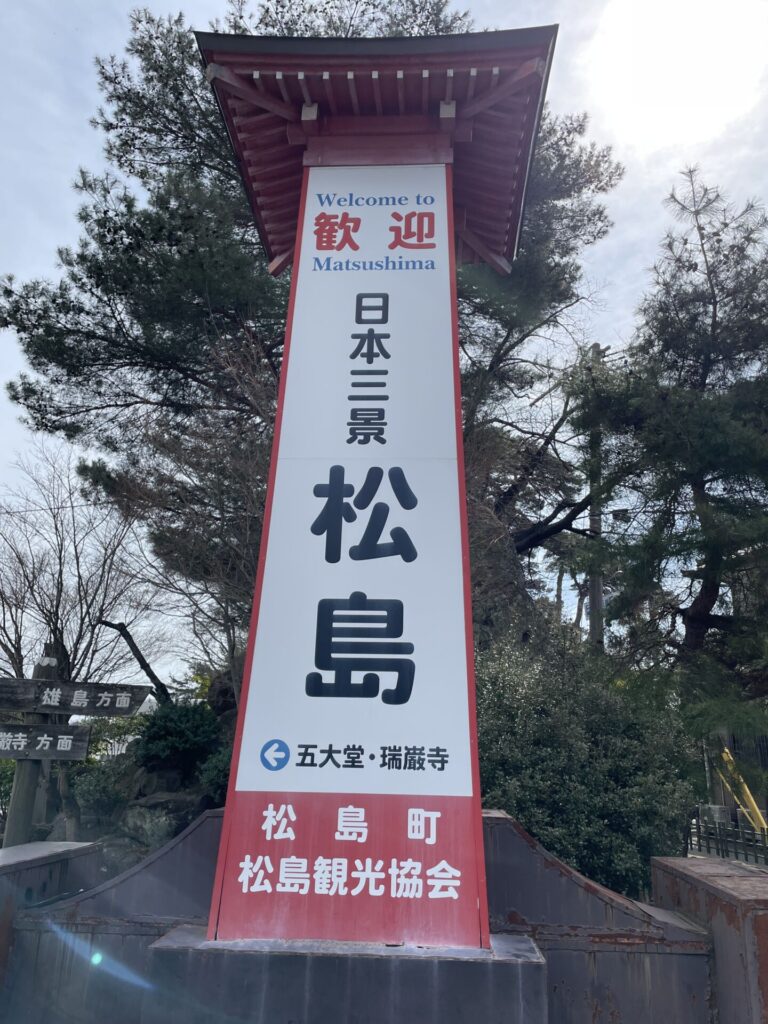
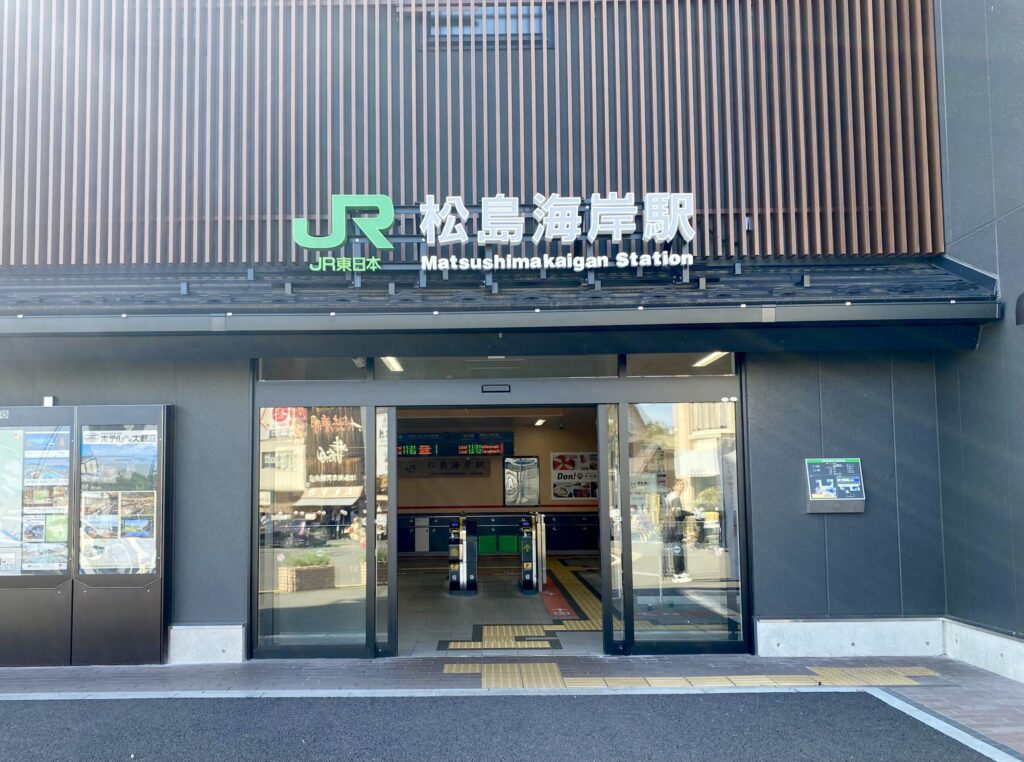
Matsushima is a bayside town located north of Sendai along the coastlines of the Miyagi Prefecture. From Sendai Station, you can take the Senseki Line train for about 40 minutes and arrive at the JR Matsushimakaigan Station which is a quick 5 minute walk from the Matsushima Bay shoreline.
From Sendai Airport, take the Sendaikuko Access Line all the way to Sendai Station which will take about 25 minutes. The train will change from the Sendaikuko Access Line to the Tohoku Line, but you do not need to disembark. From Sendai Station, follow the same instructions written above.
A Brief Summary
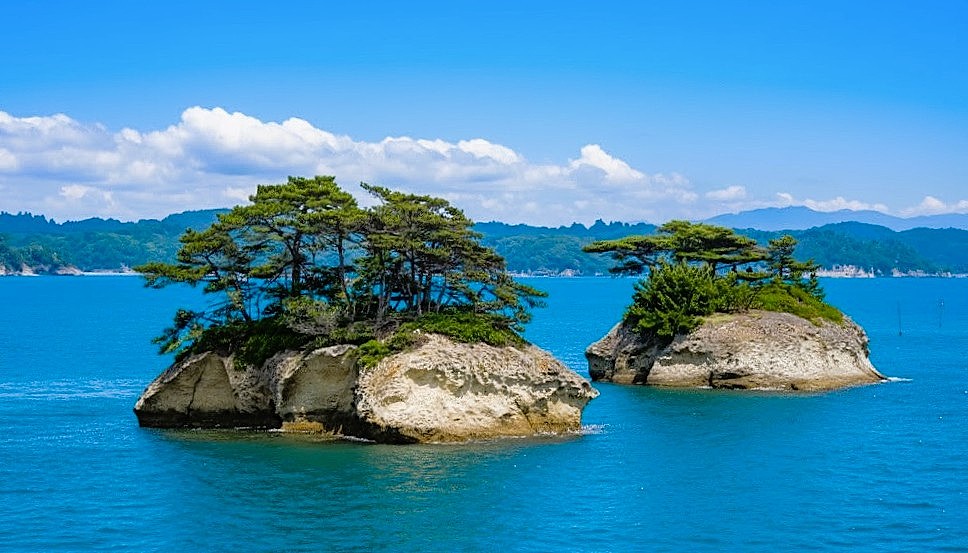
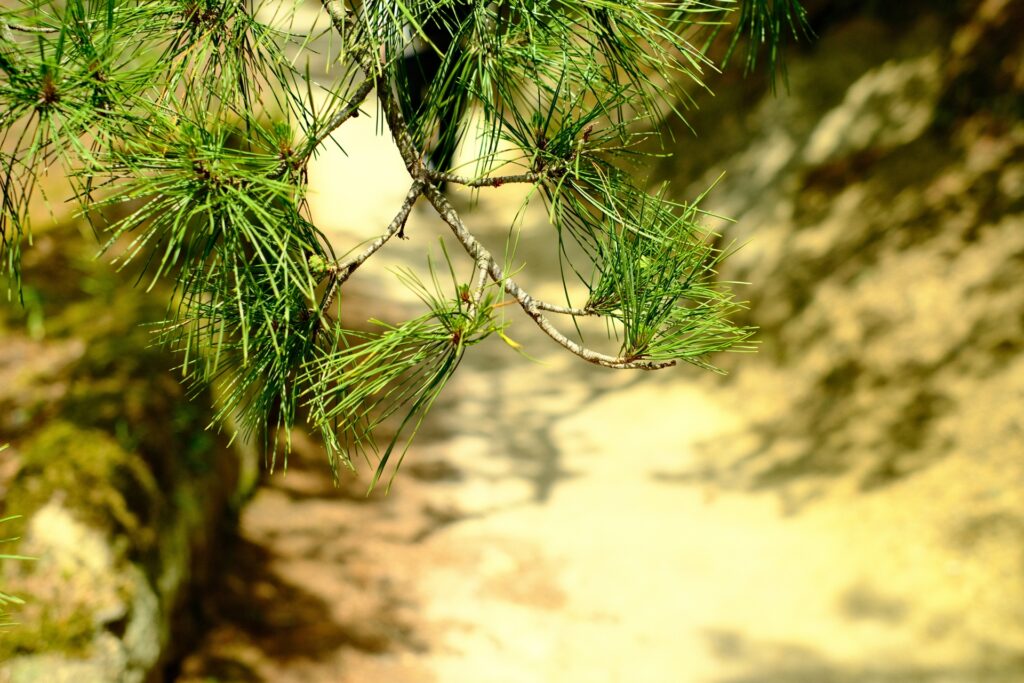
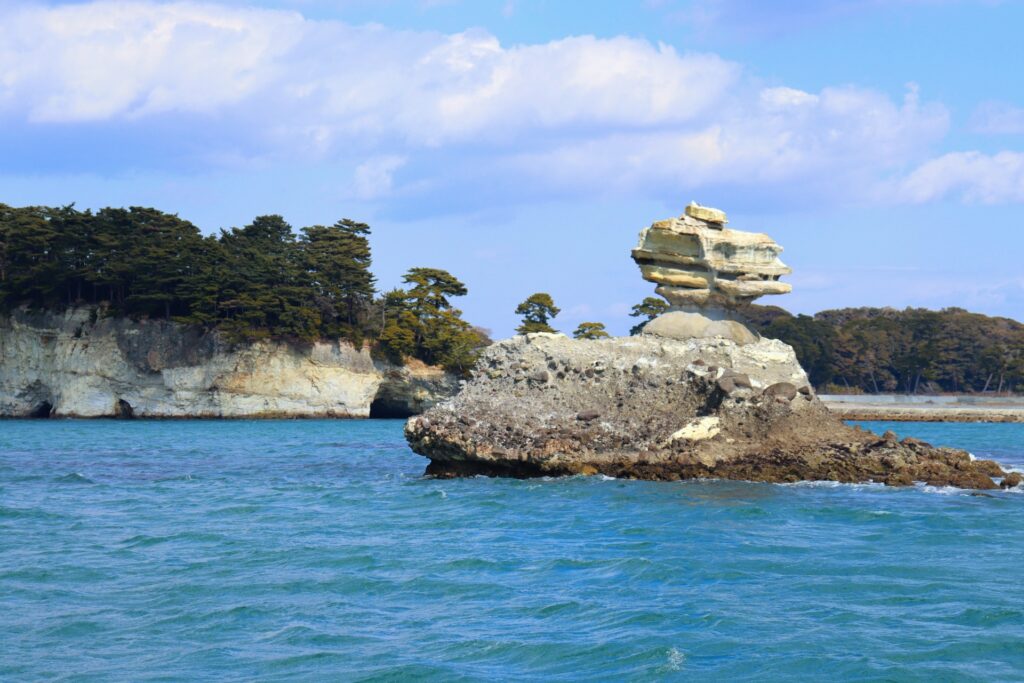
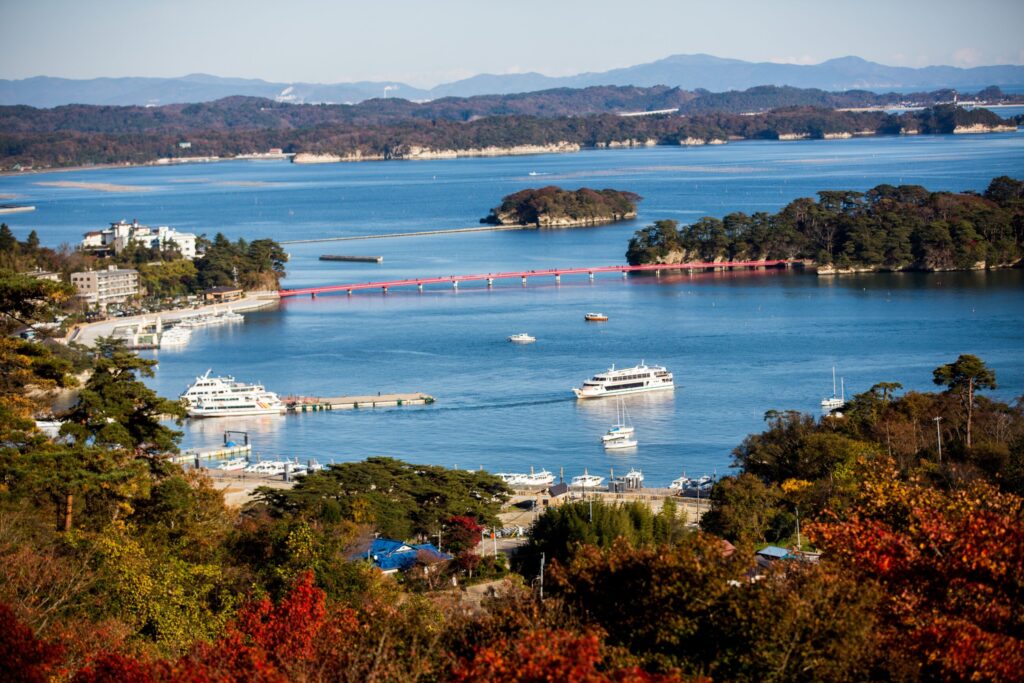
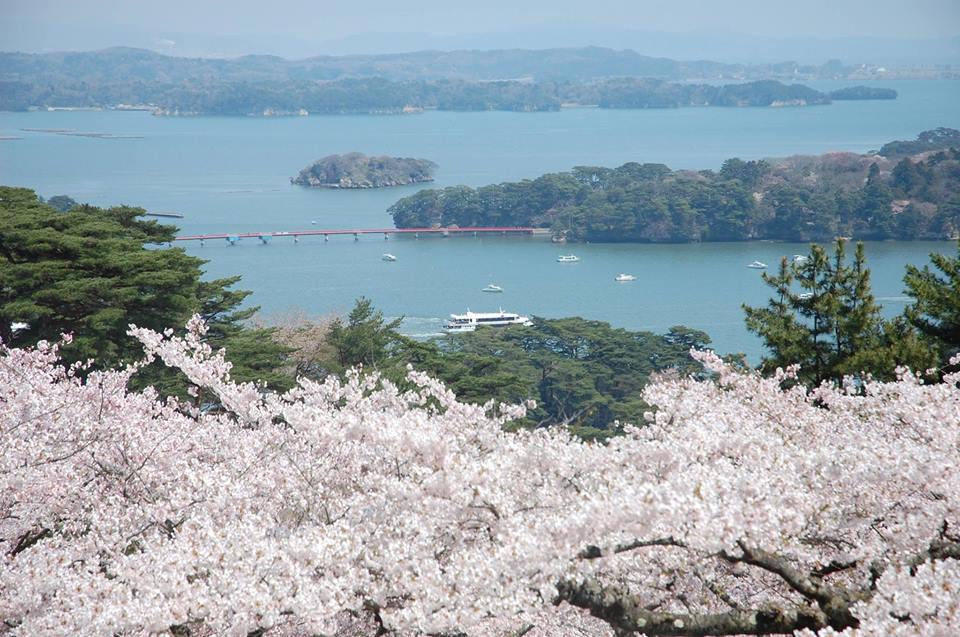
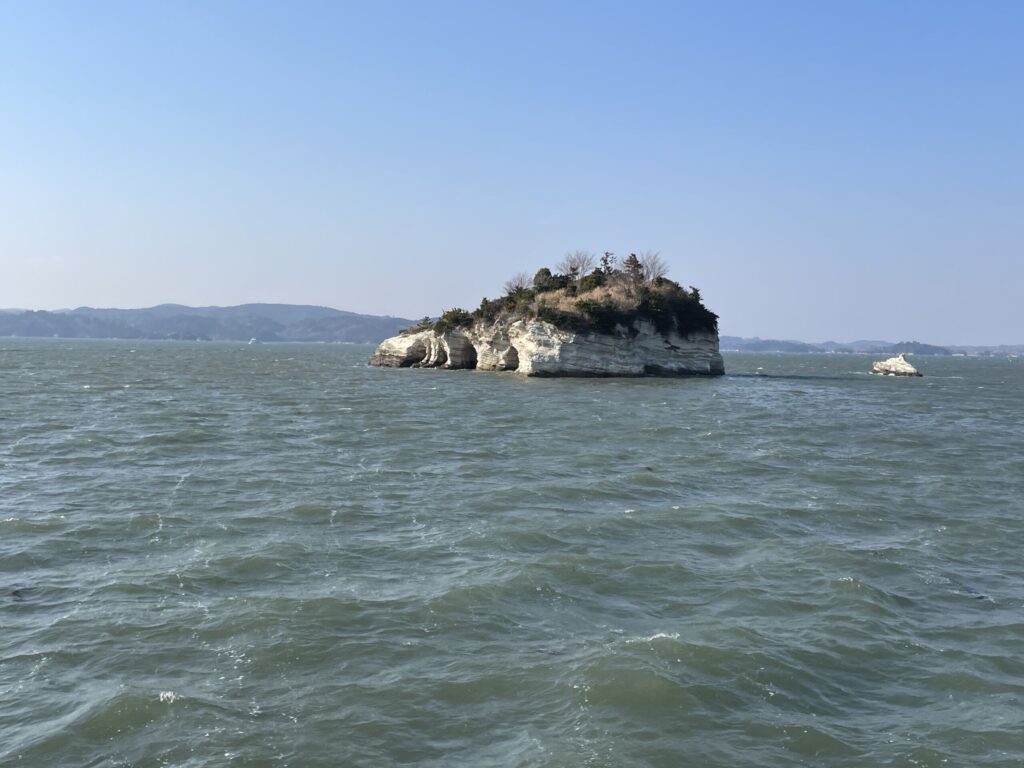
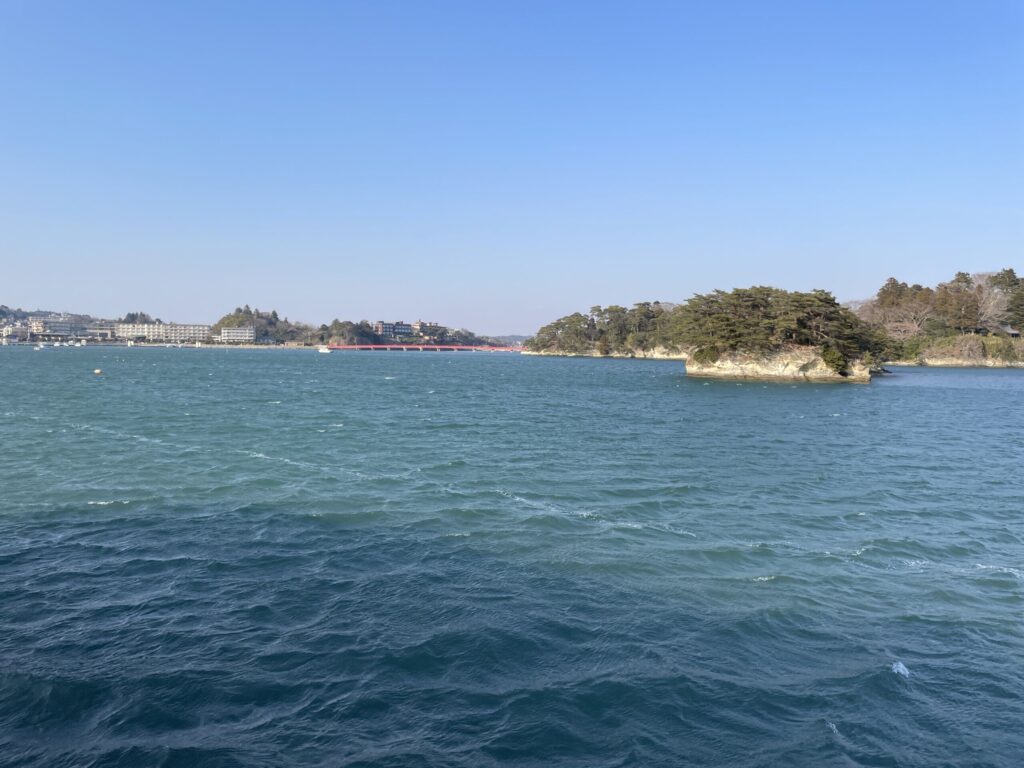
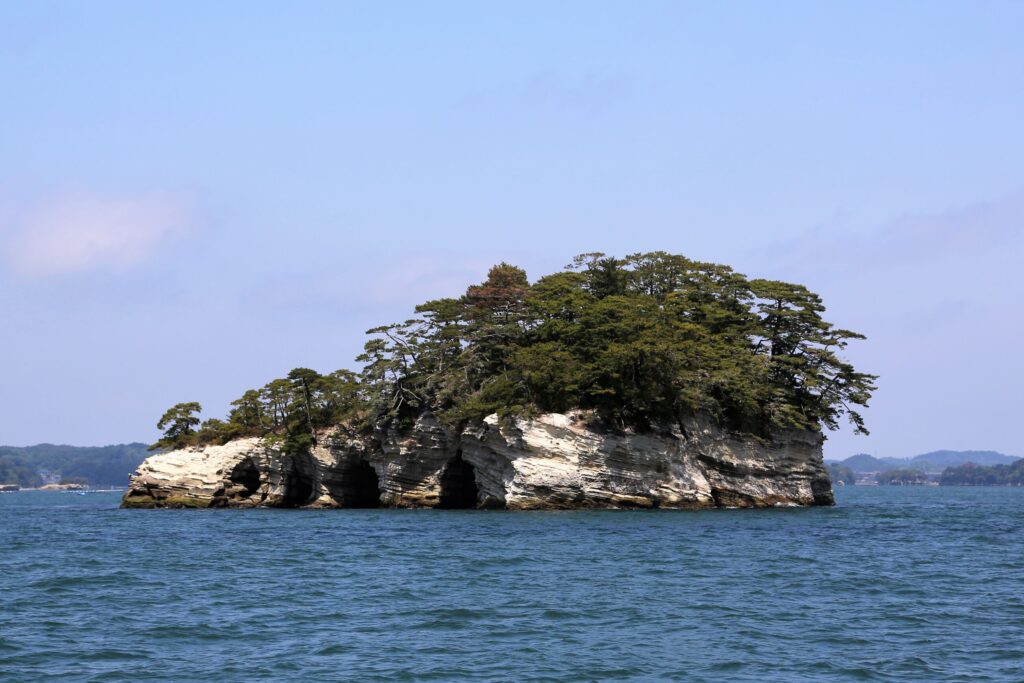
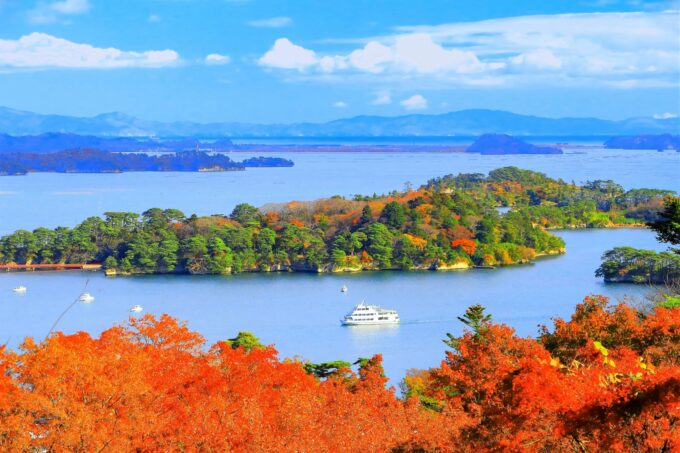
Matsushima is praised as one of Japan’s “Top Three Scenic Spots” thanks to its breathtaking views of the some 260 pine tree covered islands that are scattered throughout the bay. In fact, the town gets its name from this exact phenomenon. Matsu (松) means pine tree and shima (島) means island. These islands are located just off the shoreline and are scattered across most of the bay. They offer a spectacular view to all who visit, especially at sunrise, sunset, and even during the evening when the moon reflects sparkling off the water.
- The famous poet Matsuo Basho traveled to Matsushima during his “The Narrow Road to the Deep North” travels and was left speechless by the area’s beauty.
- There are two stations in the town, Matsushimakaigan Station and Matsushima Station. Both are technically within walking distance from tourist attractions, but Matsushimakaigan is the main station tourists travel to thanks to its convenient distance from the bay and shopping areas.
- The area was protected by the 260 islands in the bay and suffered little damage during the 2011 Great East Japan Earthquake and following tsunami. However, some of the islands were permanently changed due to the tremors.
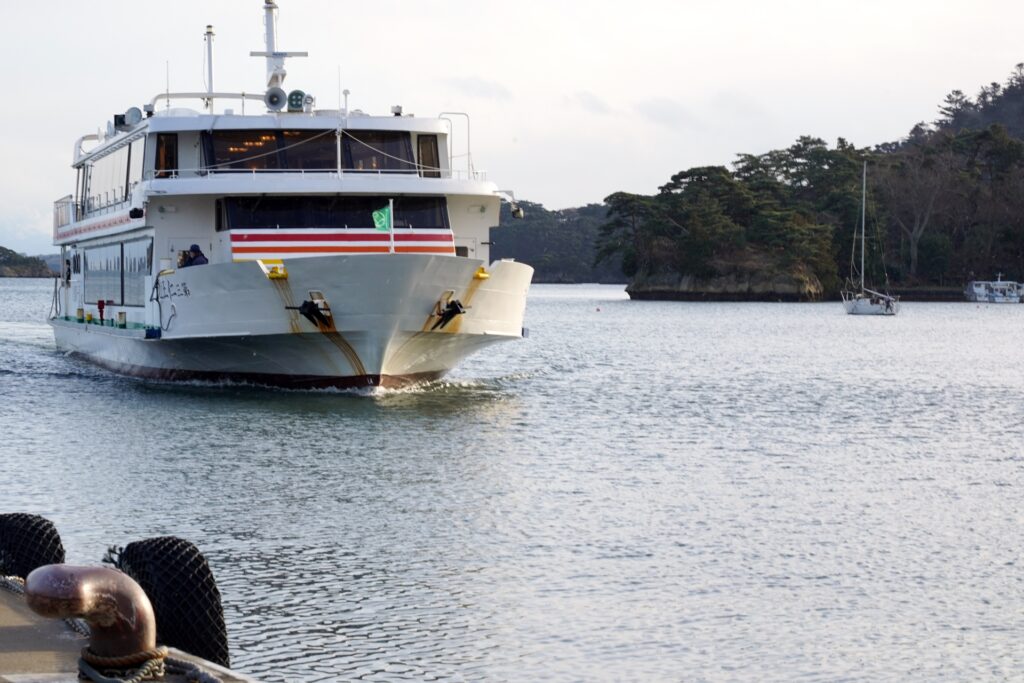
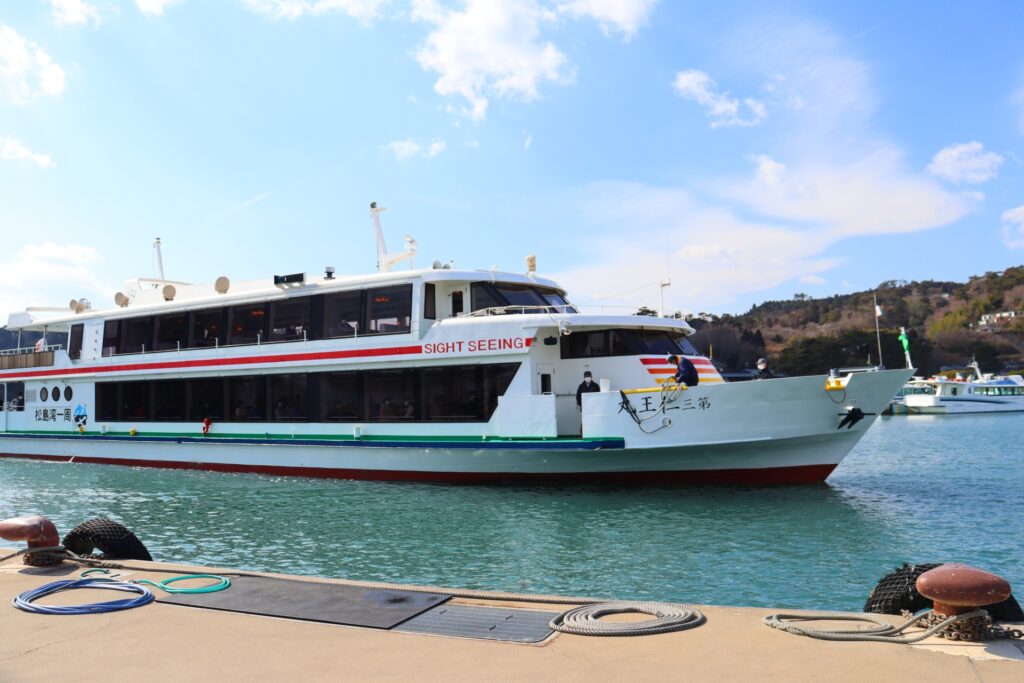
- Many visitors take the opportunity to cruise the bay through sightseeing boat tours which are available almost daily.
Climate in Matsushima
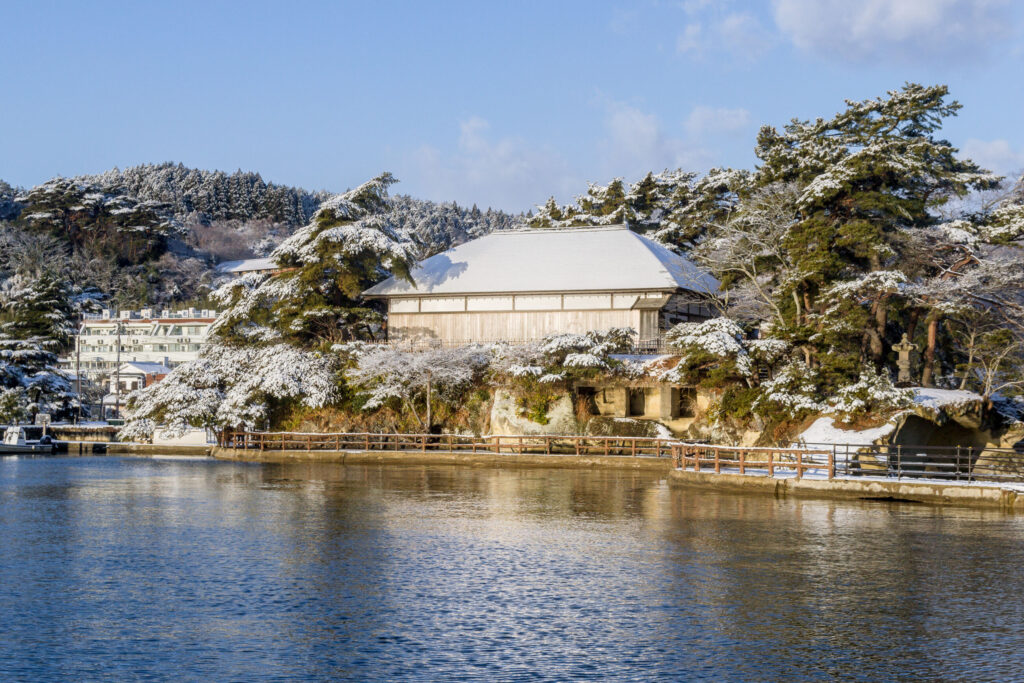
Thanks to its location in Miyagi Prefecture, Matsushima is relatively milder than inland Tohoku regions, but is colder than Tokyo. The summers are typically warm, muggy, wet, and mostly cloudy. Meanwhile the winters are very cold and somewhat snowy, but mostly clear. Throughout the year, temperatures typically vary from -2°C to 26°C (27°F - 80°F) , and are rarely below -6° (20°F) or above 30°C (87°F).
On average, its rainiest months are June and July with an average chance of precipitation at around 34% - 47%. Lastly, its hottest month is August with an average high of 27°C (80°F).
Shitaikan (Four Panoramic Views)
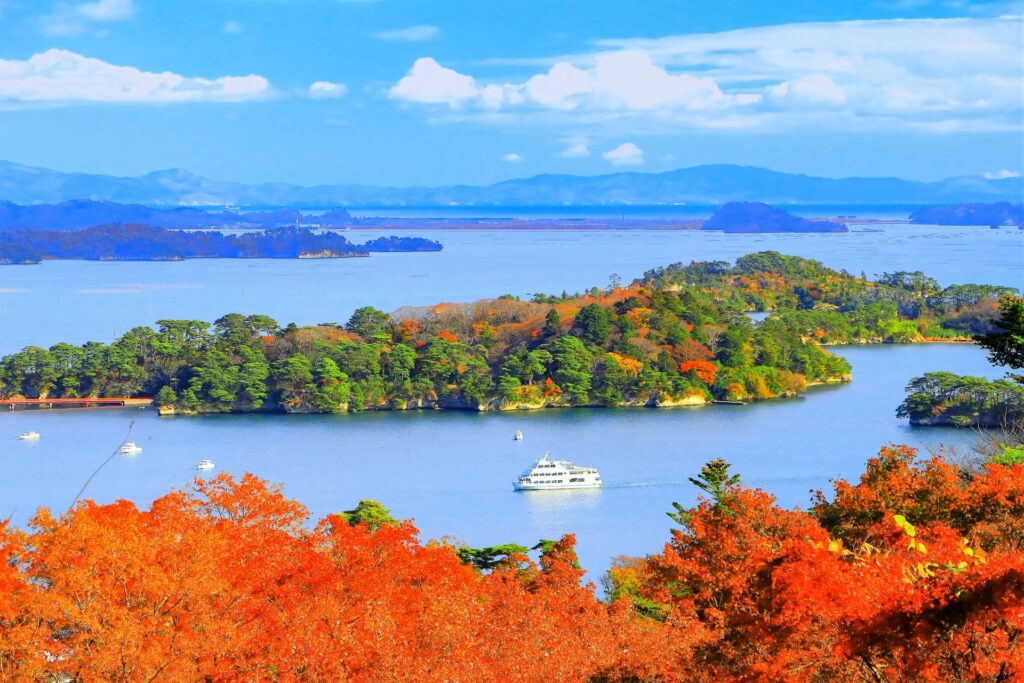
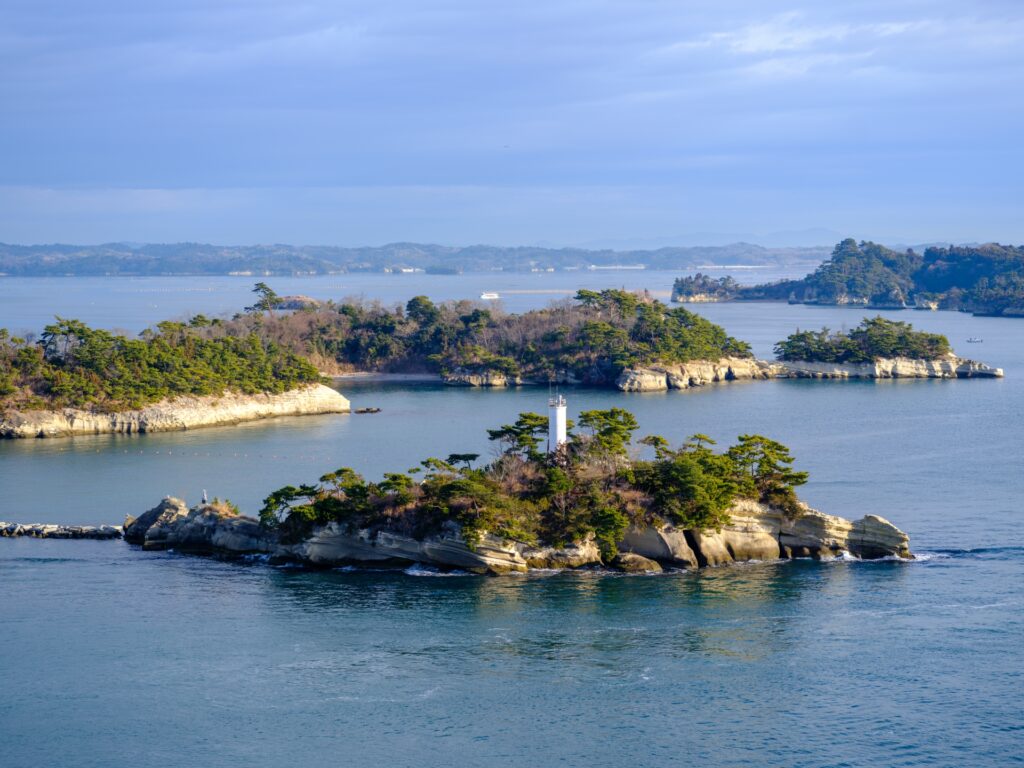
As one of Japan’s Top Three Scenic Spots, Matsushima locals have appointed areas that many say have the best panoramic views of the bay. Each location offers a beautiful and distinct view. They each have a nickname determined by what kind of view the location offers of the bay.
- Mount Otakamori: The Sokan, magnificent view.
- Mount Tomiyama: The Reikan, elegant view.
- Mount Tamon: The Ikan, dynamic view
- Ogidani: The Yukan, mysterious view.
No one view is more gorgeous than the other, but depending on the season you can get just the right photographic and panoramic shot of the bay from one of these locations.
Be advised: Not all of these locations are walkable from Matsushimakaigan Station, so a taxi or car is recommended for those unable to walk long distances.
Local Specialties and Sightseeing
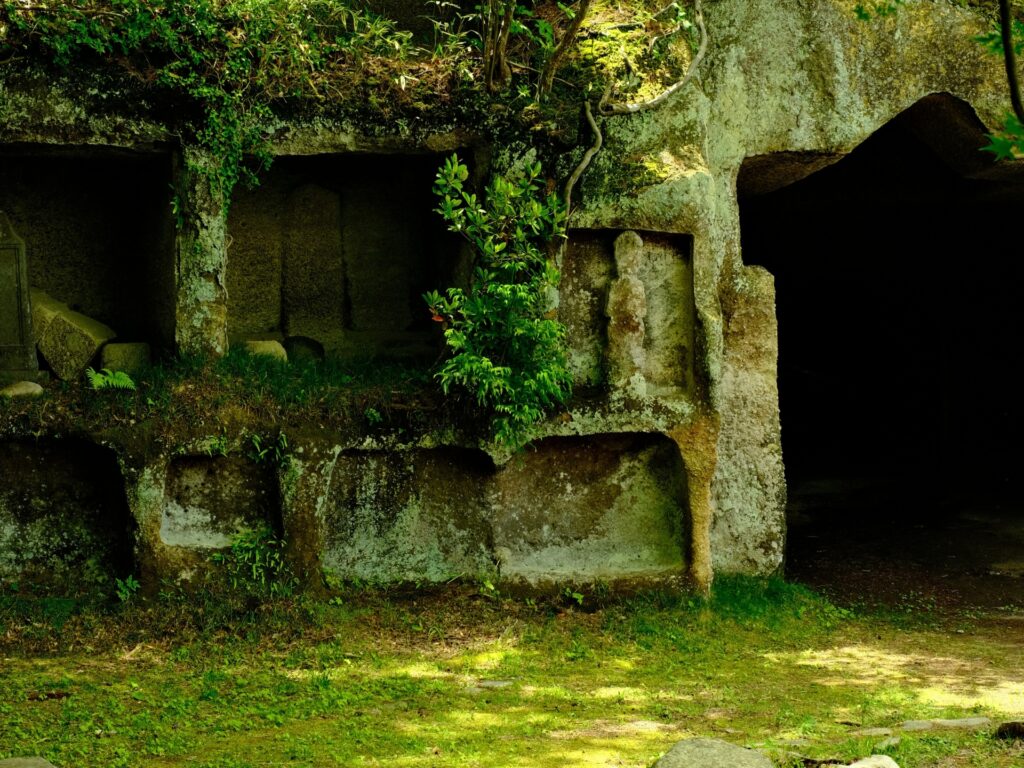
Entsuin Temple
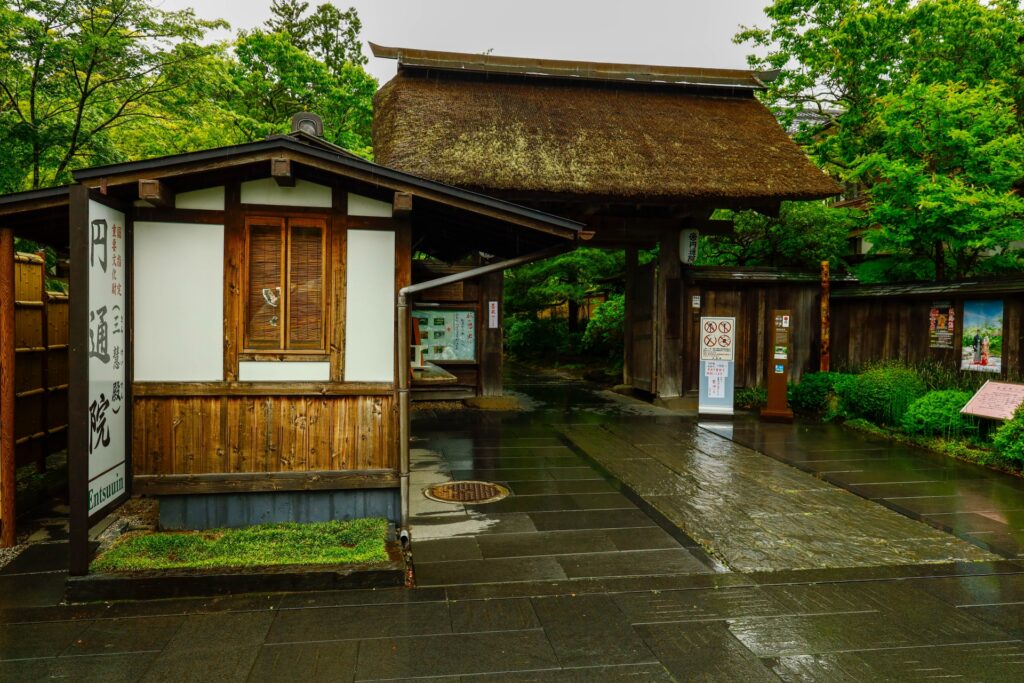
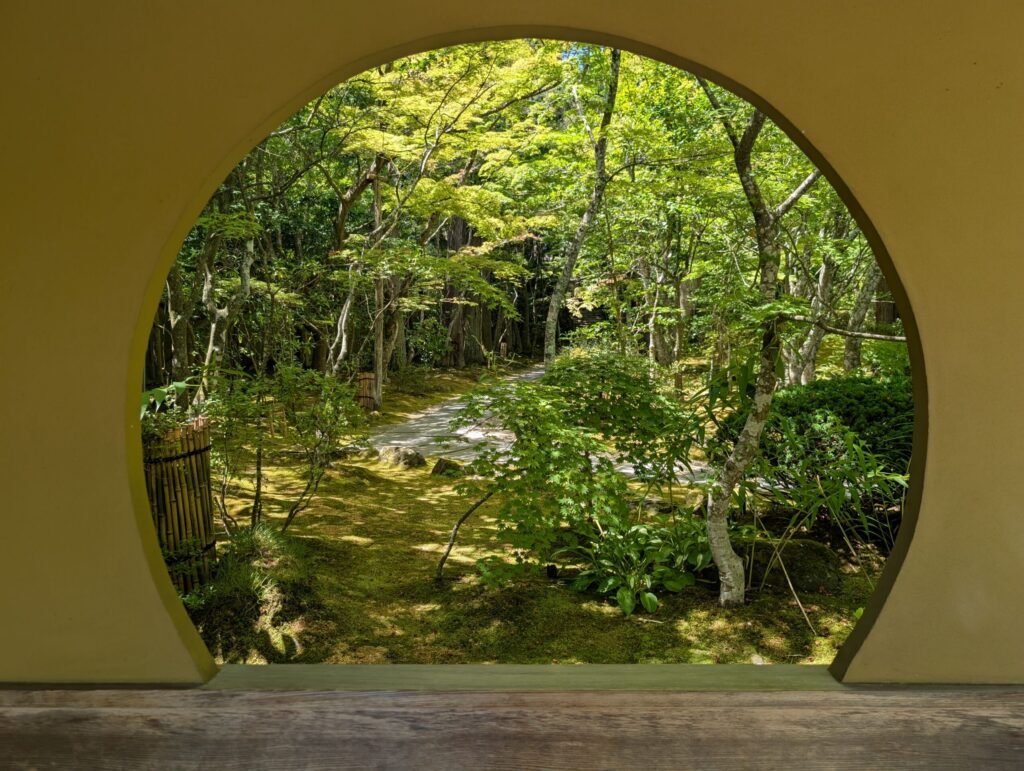
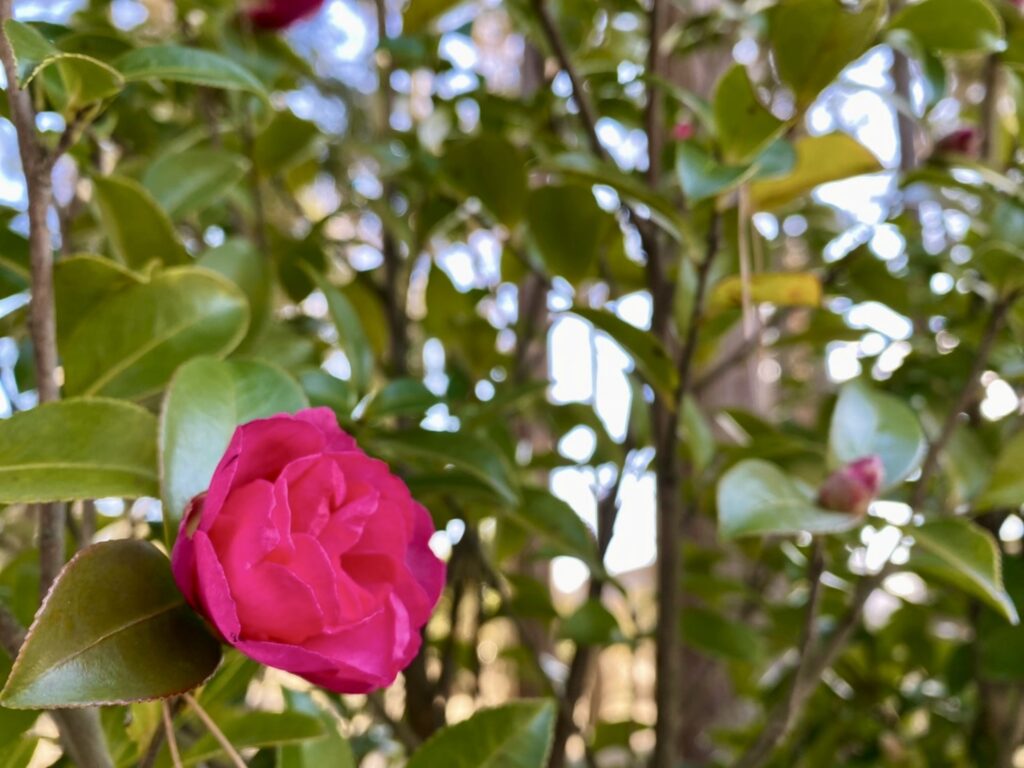
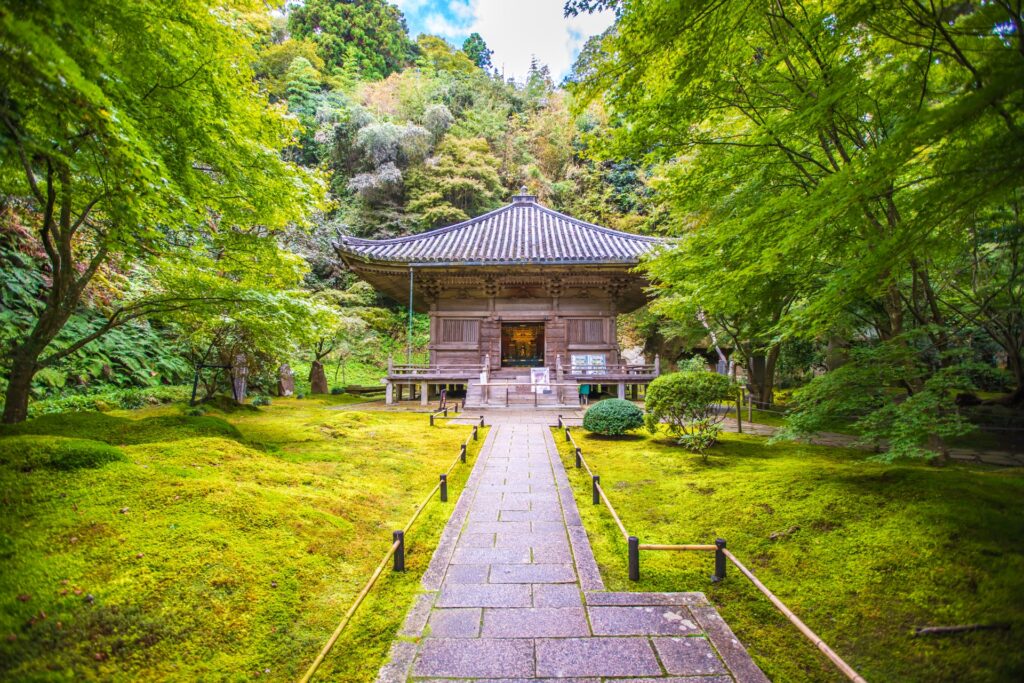
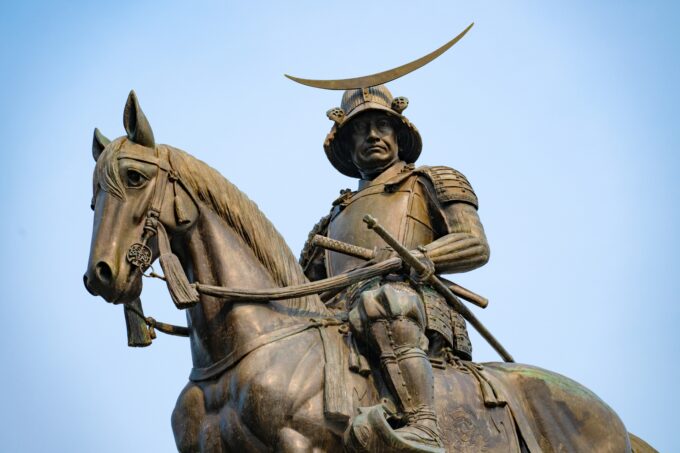
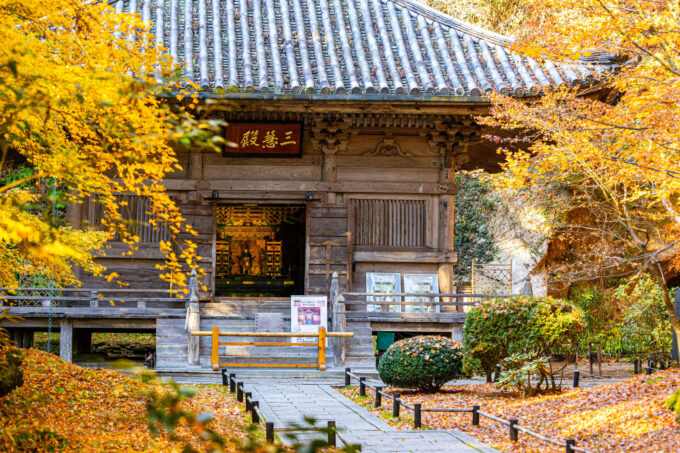
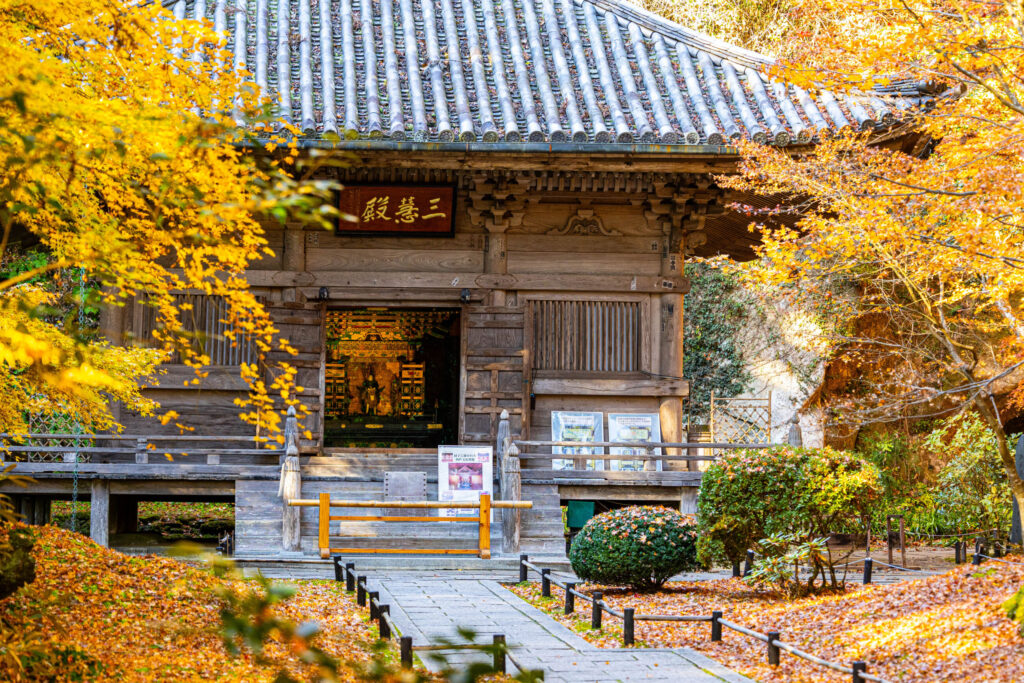
Entsuin Temple is a Zen Buddhist temple built in 1647 as a memorial for Date Mitsumune, the grandson of the Date Clan’s most illustrious leader Date Masamune. Mitsumune passed away mysteriously at the age of 19 and his father, Tadamune, had Entsuin built to honor him. Entsuin has a tranquil rock garden, a meditation cedar grove, a Western-style rose garden, and various designated Important Cultural Properties within the grounds. Visitors come here for a short, peaceful break from the busy outside world and spend time strolling through the gardens while taking in the beautiful yet somewhat somber aura the temple emits overall.
The temple is open to the public for a small fee of 500 yen and is conveniently located just a short walk from Zuiganji Temple.
Zuiganji Temple and Godaido Hall
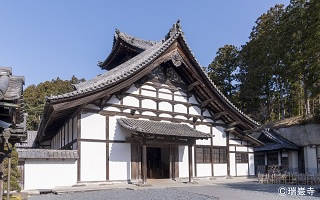
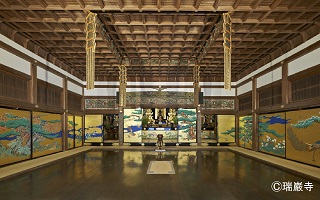
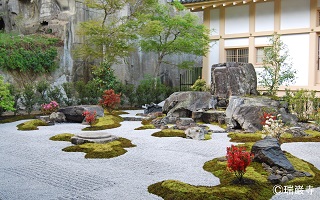
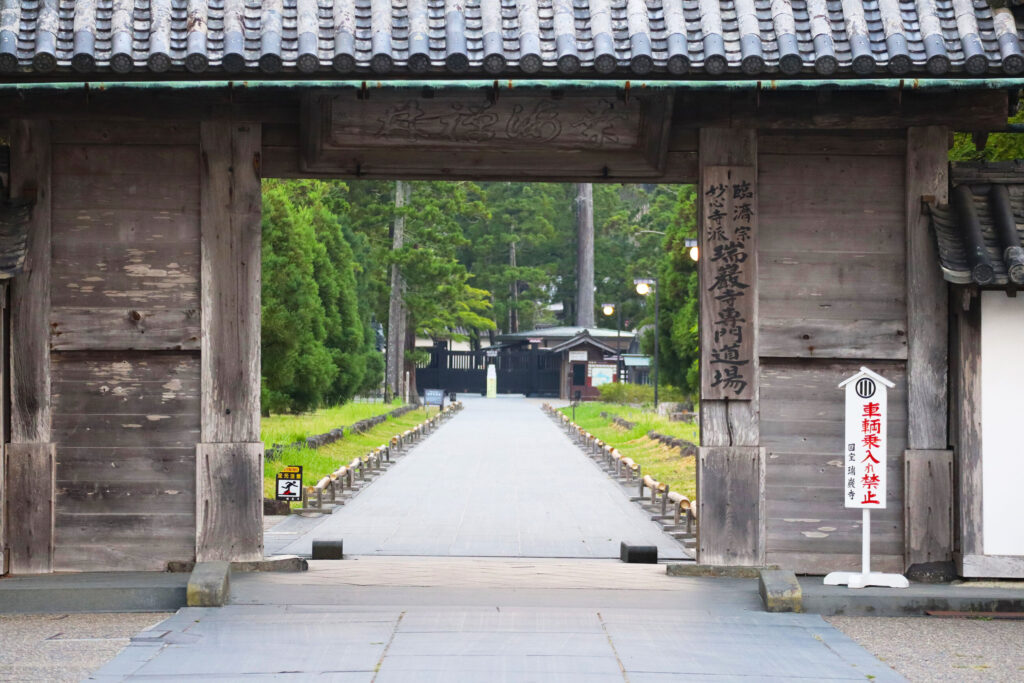
Zuiganji Temple was a Zen Buddhist temple restored by the power feudal lord Date Masamune in 1609 and added gorgeous gold-leaf interiors and ornate exteriors that epitomize the artistic and architectural styles of the Azuchi-Momoyama period (1568–1600).
There are Designated National Treasures as well as important cultural properties on the temple grounds, as well as a museum that houses over 30,000 historical items including but not limited to artifacts directly related to the illustrious Date Clan of Tohoku.
The temple is open to the public and the admission fee covers access to the main hall, the grounds, and museum.
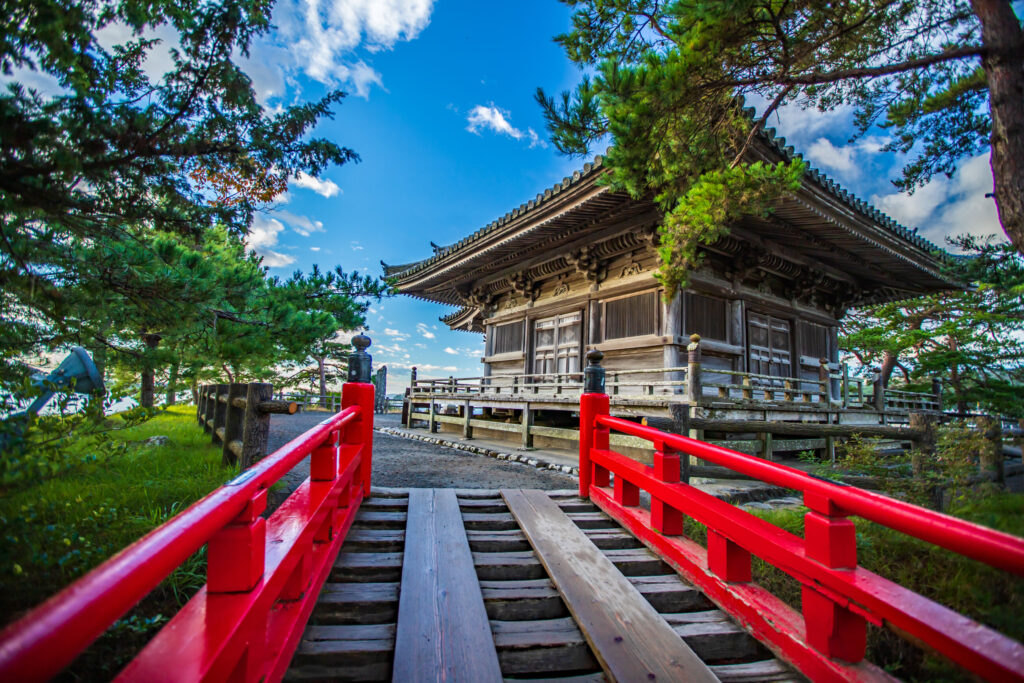
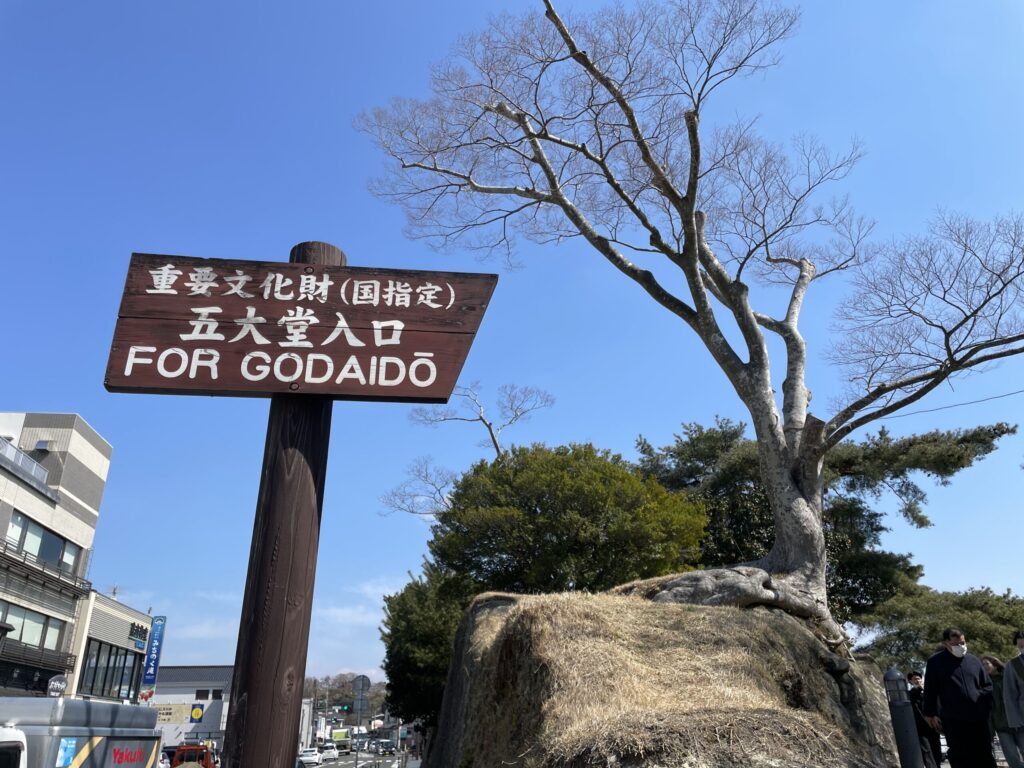
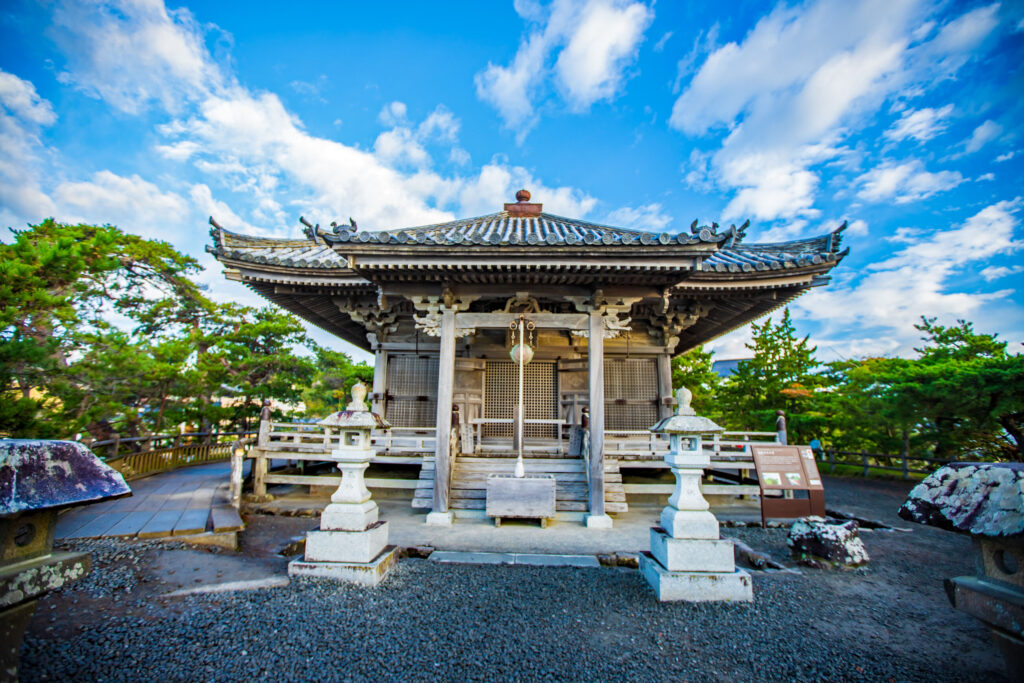
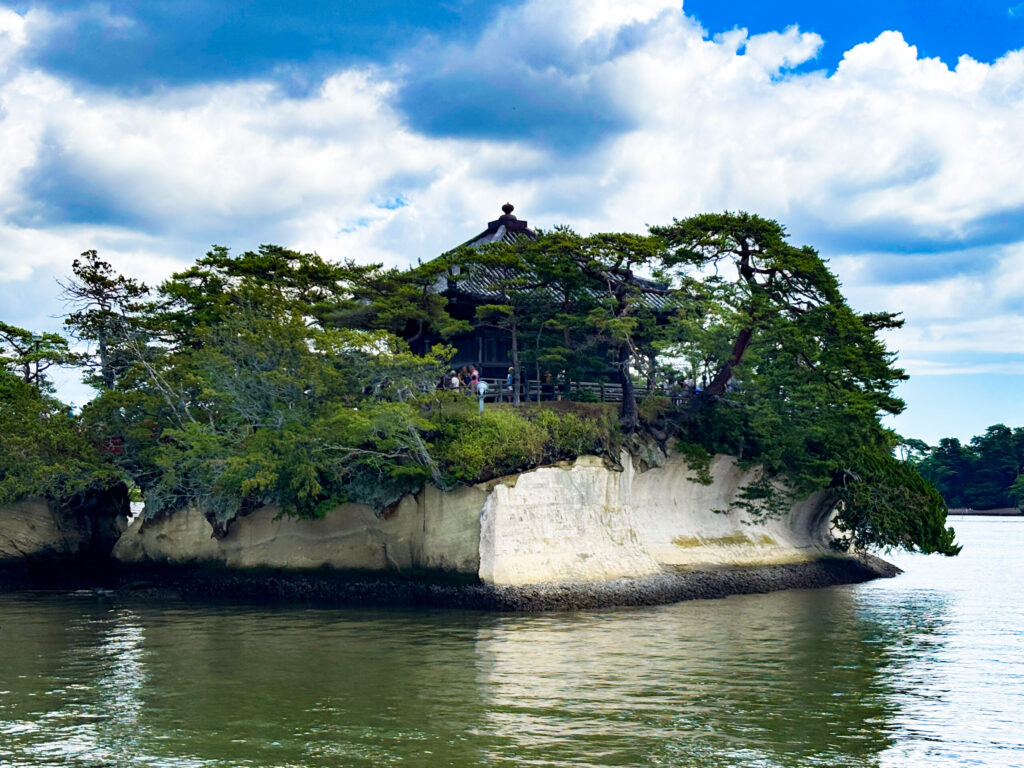
Godaido Hall of Zuiganji Temple is a structure located straight along the walking path connected from Zuiganji Temple to the bay's shore. Godaido Hall is an extension of the temple and does not have any extra admission fee to visit. It is accessible via a short red bridge connected to the walking paths near the main pedestrian street.
Godaido Hall was also restored by Date Masamune and happens to be the oldest Momoyama-style building in northeastern Japan
Kanrantei Teahouse
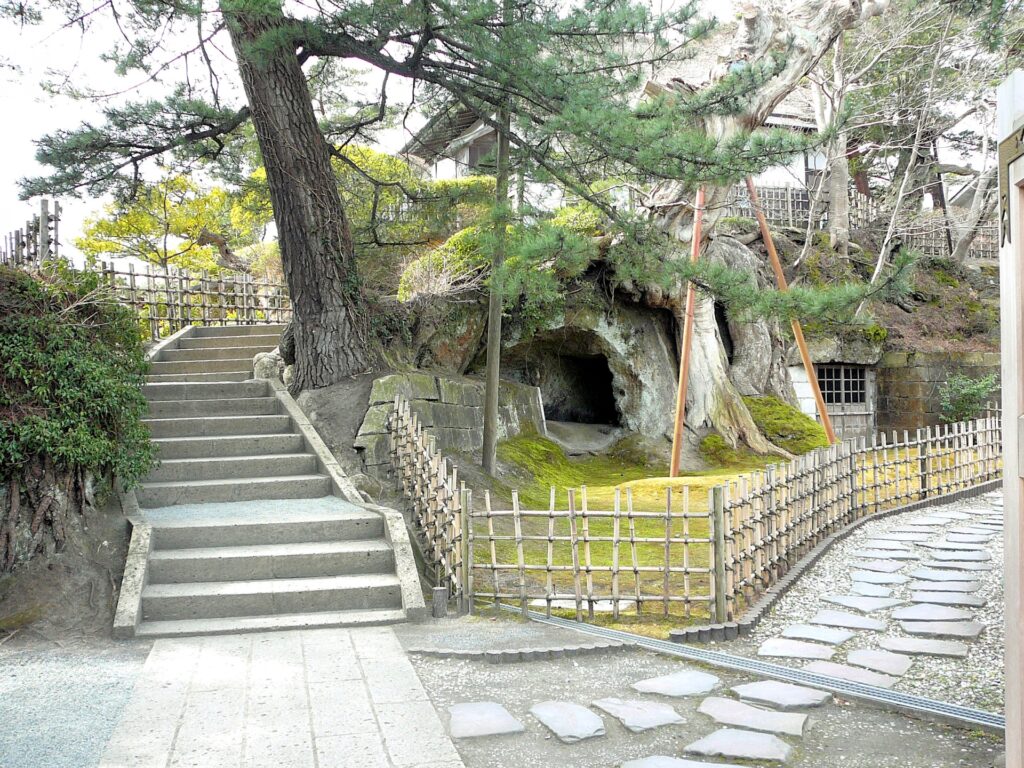
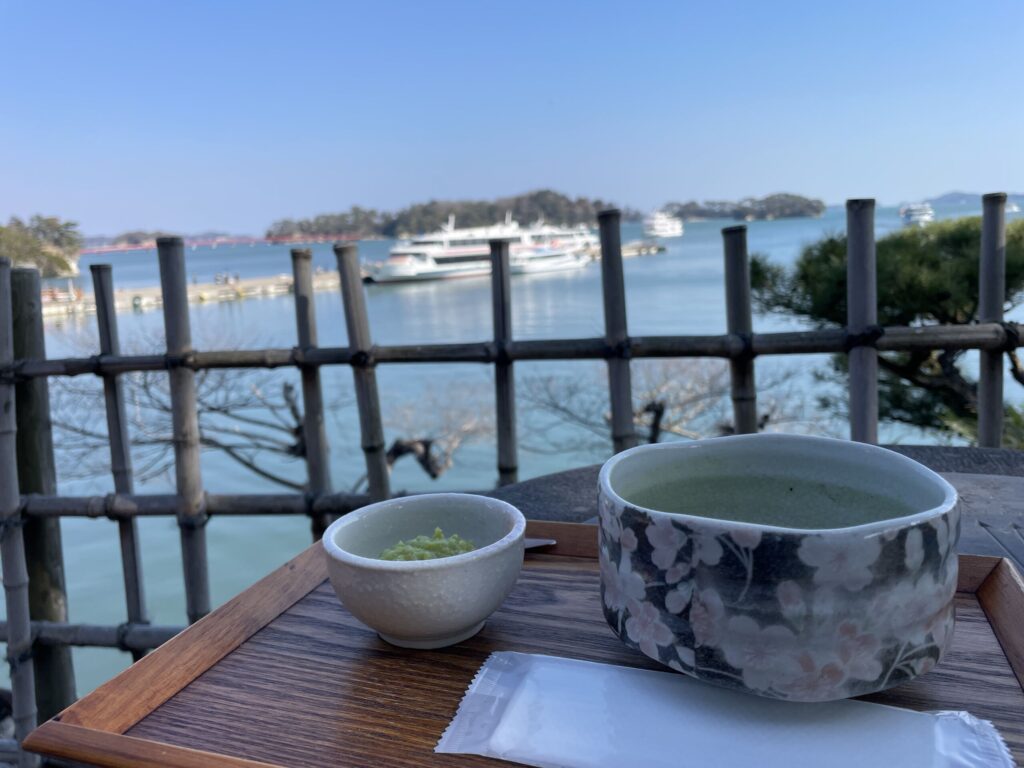
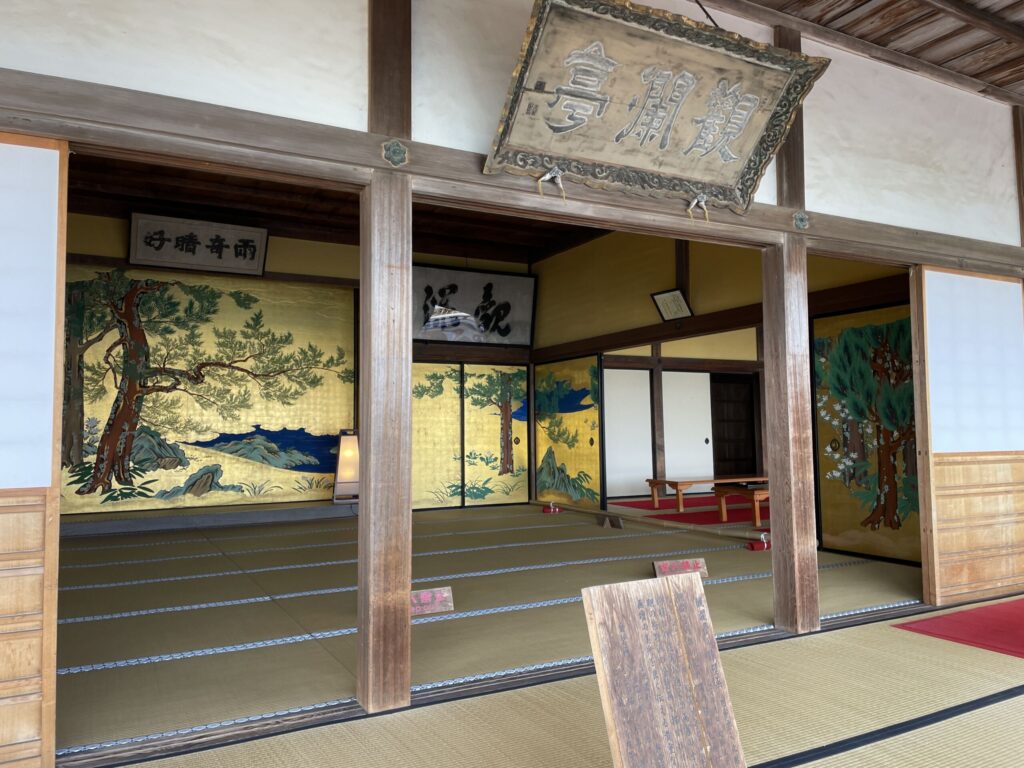
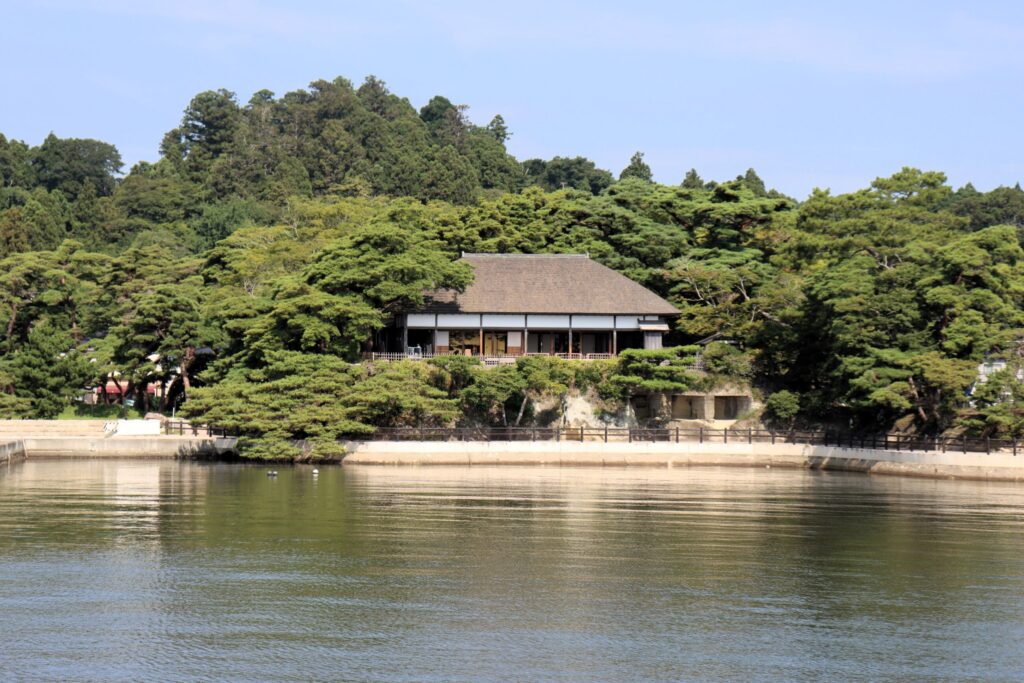
Kanrantei Tea House is a historic, ceremonial chashitsu (tea room), located just on the edge of Matsushima Bay. Its name means “to watch the ripples of the water,” and it is an appropriate name thanks to the gorgeous view one can enjoy from the open-air veranda. The building itself was used as a temporary residence for important visitors of the feudal lords of the time. Kanrantei was also used as a moon viewing room, especially during the fall when the harvest moon’s reflection shone bright and full on the water.
There is a small admission fee to enter into the teahouse and an additional fee for the matcha and traditional sweets set.
Matsushima Fish Market
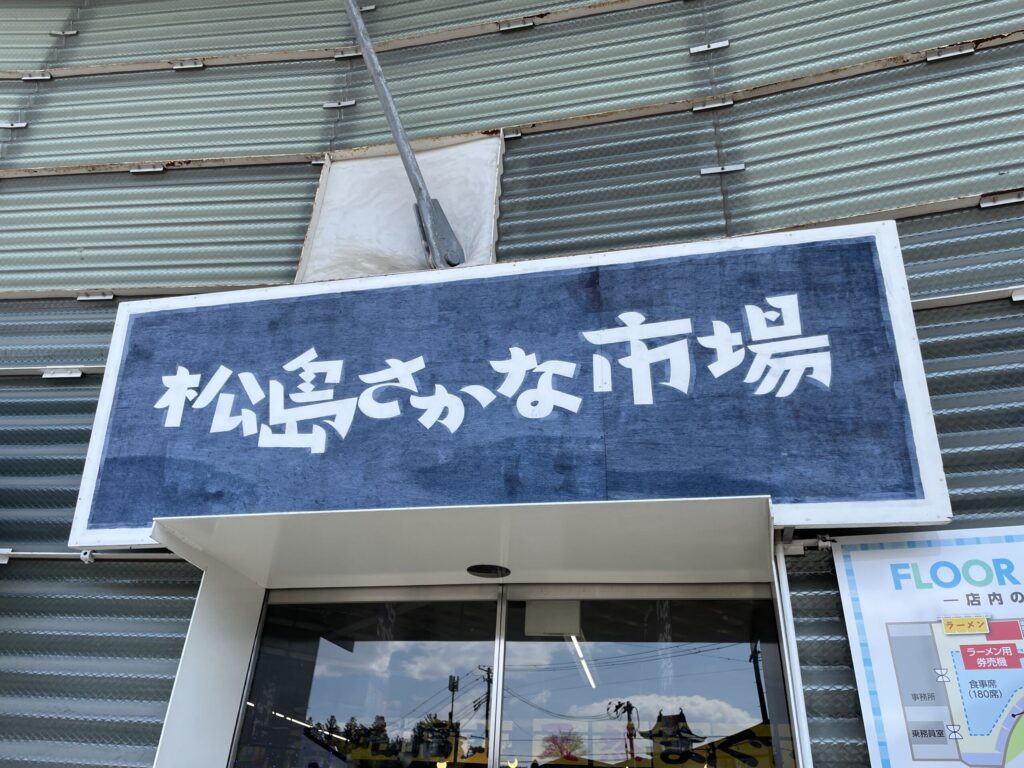
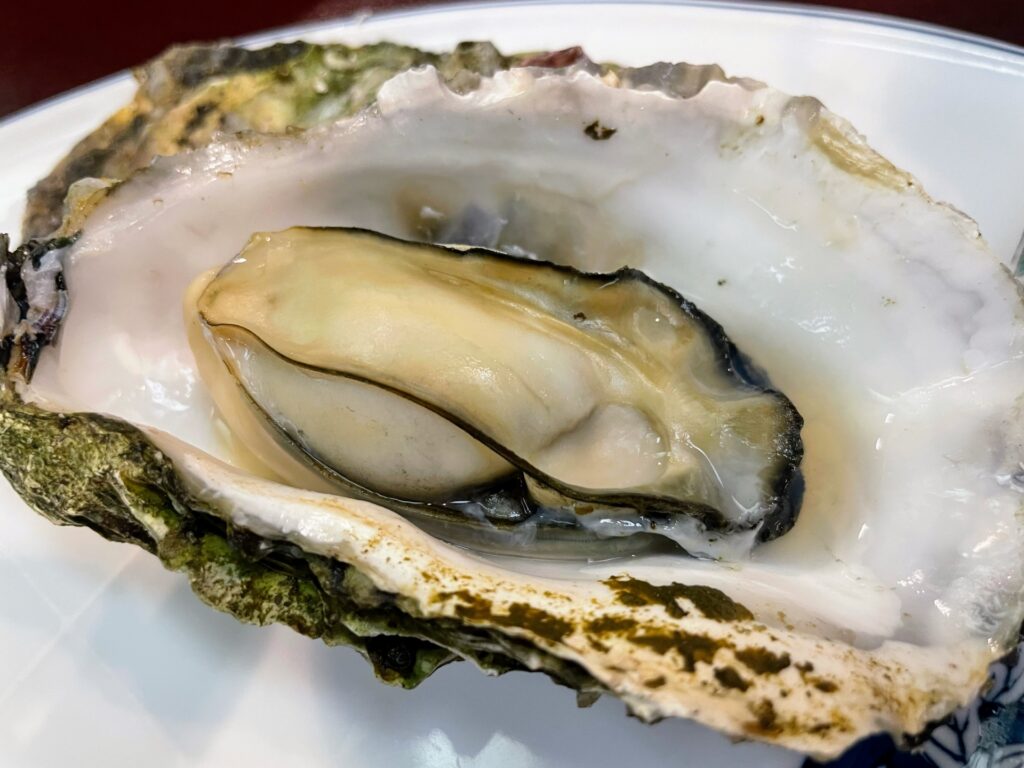
This fish market is about a 13 minute leisurely walk from Matsushimakaigan Station and is the go-to location for freshly caught fish and other seafood. Matsushima is especially praised for its fresh oysters–often eaten raw or grilled with some lemon drizzled on top. The Matsushima Fish Market also sells oyster burgers for a fun twist on this seafood classic.
Inside the market there is a variety of “food court” style options such as sushi, rice bowls, beef tongue skewers, ramen, and all you can eat oysters. You can also purchase packaged foods to take with you to eat or cook with later.
There is a souvenir shop and restaurant conveniently located next to the market as well for those wishing to find some more Matsushima or Miyagi specific goods.
Fukuura Island
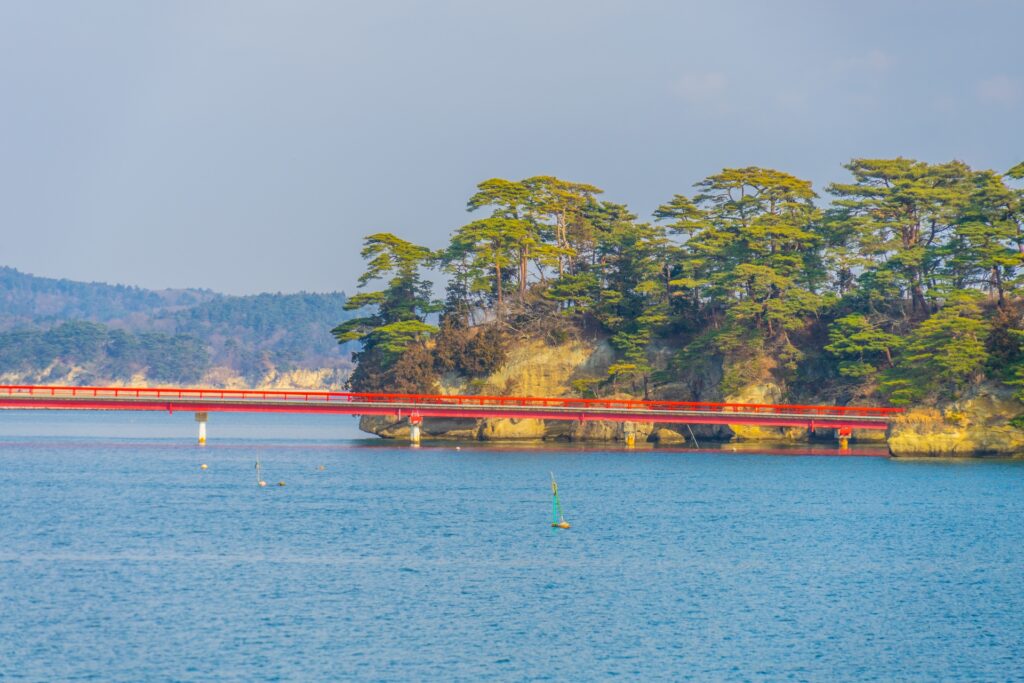
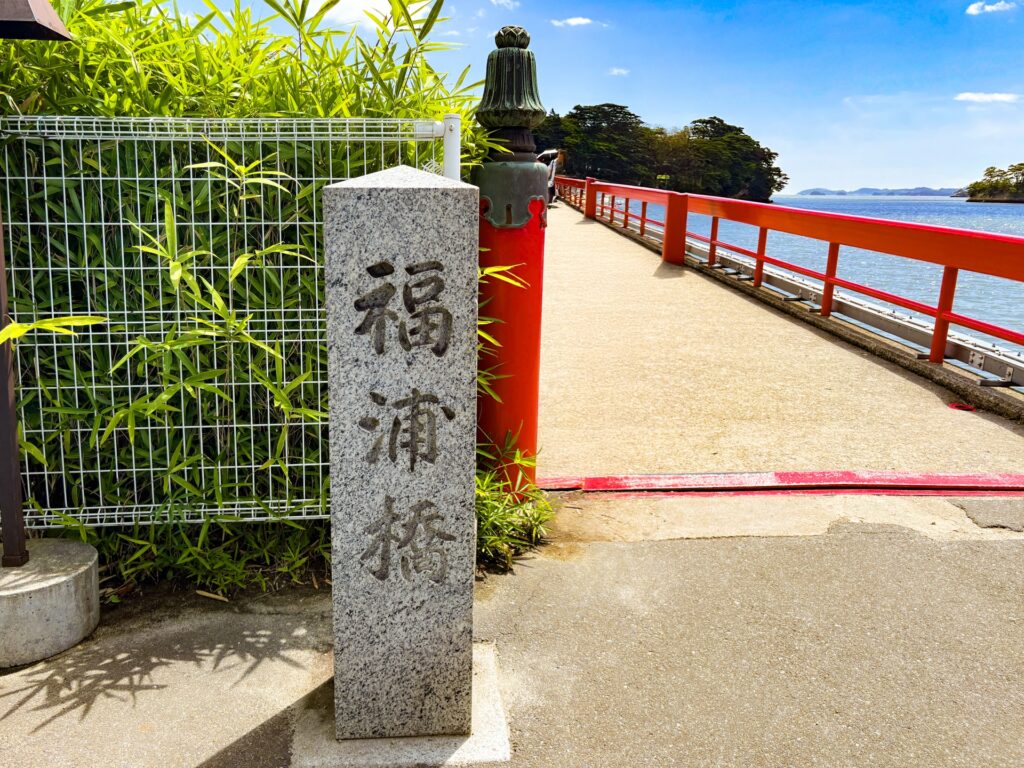
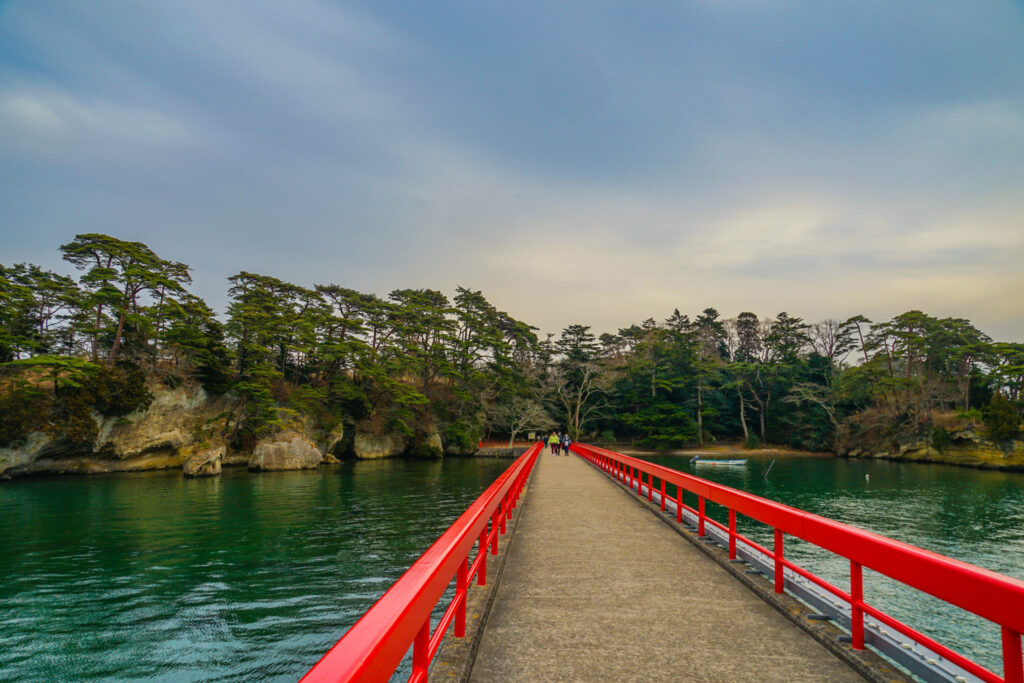
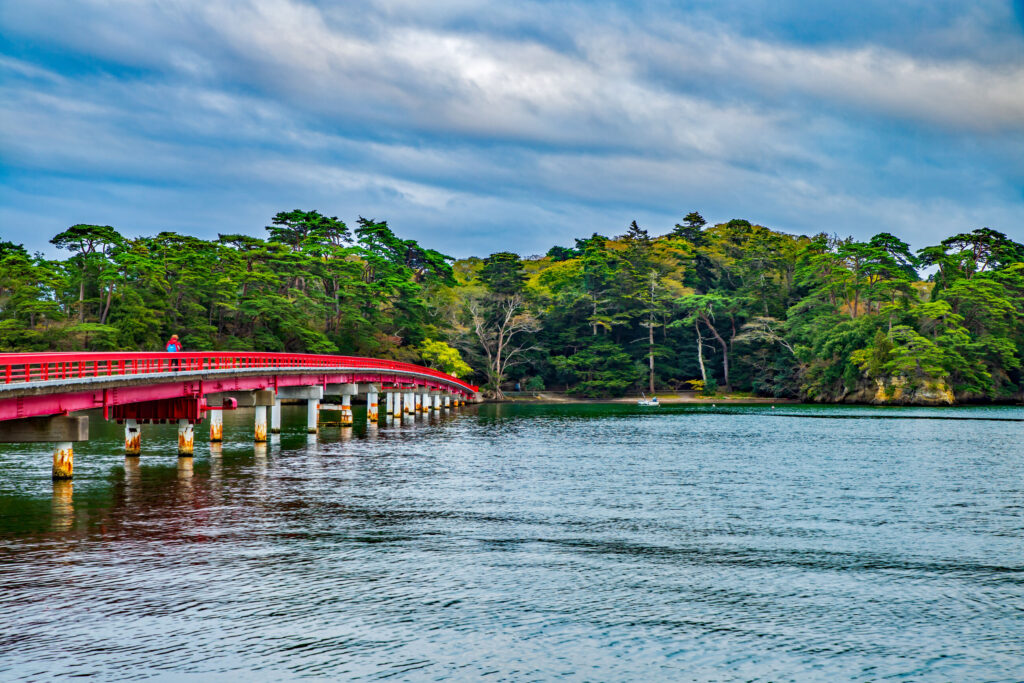
Fukuura Island, also known as Fukuurajima, is one of the pine-covered islands that is accessible to the public. It’s a popular photo spot thanks to its 252 meter long red bridge. For a fee of 300 yen (100 yen for children), visitors can cross the footbridge and access the island. While there isn’t much on the island itself, it’s a nice place to walk around and take in the scenery and views of the bay. There are some pavilions, a park, a small shrine, and public restrooms (Japanese style only). There is also a quaint cafe called the Fukuura Island Teahouse that sells a mix of traditional and modern Japanese sweet treats, food, and drinks.
Seasonal Highlights in Matsushima:
- April - July: Take advantage of the mild weather to enjoy the spectacular views of the bay.
- September - November: Gorgeous fall foliage and the bright harvest moon make for a photogenic paradise.
Frequently Asked Questions (FAQ)
How do I get to Matsushima?
From Tokyo:
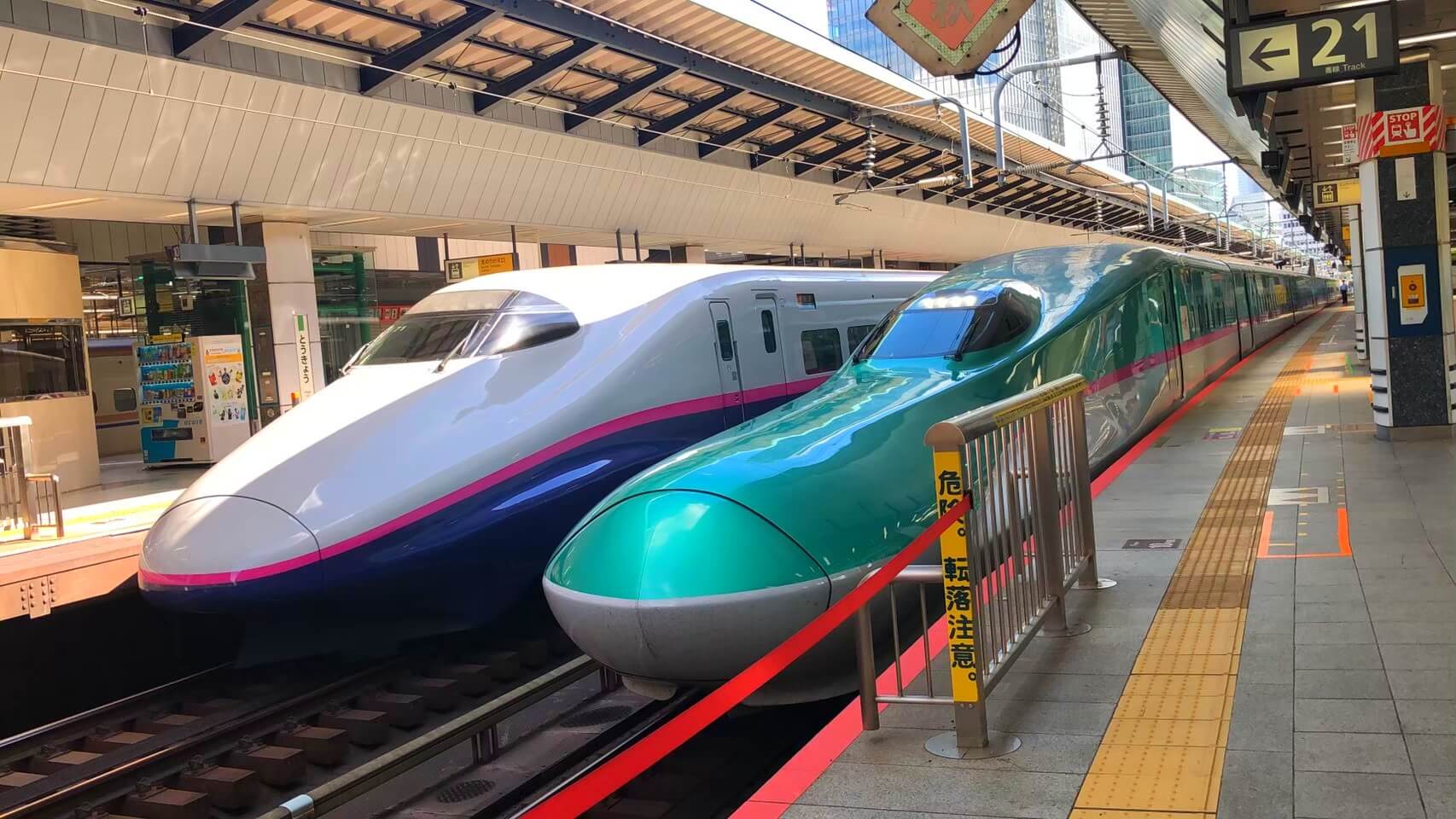
Take the Akita or Tohoku Shinkansen from Tokyo Station and alight at Sendai Station. At Sendai Station, transfer to the local lines. From Platform 10, take the Senseki Line bound for Ishinomaki or Takagimachi Station and get off at Matsushimakaigan Station. The trip in total can take upwards to 3 or more hours including waiting times.
Purchasing a JR Pass or JR East Pass is great for those planning on traveling long distances or using the shinkansen many times throughout their trip.
From Sendai Station:
From Platform 10, take the Senseki Line bound for Ishinomaki or Takagimachi Station and get off at Matsushimakaigan Station. The trip takes about 40 minutes and there are no transfers. Trains on the Senseki Line that stop at Matsushimakaigan Station run about 3 times an hour.
Can I walk on the islands?
Most of the 260 islands cannot be accessed, but Fukuura Island and Oshima Island are both accessible to the public. Fukuura charges a fee to cross the long footbridge, but Oshima is accessible via the Togetsukyo Bridge and is free of charge.
Are there bikes available for rent?
Yes. There are a few locations that offer bicycle renting. One such location is Aihara Shoten Shop. Aihara Shoten Shop is near Matsushimakaigan Station and offers a bike rental fee of 500 yen per 2 hours. This location also has luggage storage available for a fee.
I’d like to take a tour to Matsushima. Can you help?
Yes! Snow Monkey Resorts currently offers a tour running to Matsushima. On the tour, 1-Day Tour from Sendai: Matsushima Bay — Highlights from One of Japan’s Three Most Scenic Views you will get to see many of the amazing highlights that Matsushima has to offer. This tour includes a scenic stroll through Entsuin’s garden, a visit to Zuiganji, among other memorable stops. The tour has a grand finale of a scenic boat cruise of the bay.
Small Group
1-Day Tour from Sendai: Matsushima Bay — Highlights from One of Japan’s Three Most Scenic Views
- Spots:
- Matsushima
- Pick-up:
- Sendai
- Drop-off:
- Sendai
Additional Tips
- Wear Comfortable Shoes: This town is walkable, so be prepared to get your steps in. It’s recommended to wear comfortable shoes that are easy to take on and off should you visit Zuiganji Temple.
- Mind the Wind: Being next to the ocean gives it a nice breeze, but some days can be quite gusty. Be prepared to bring layers of clothing especially in early spring and the autumn months.
- Combine with a visit to Sendai: With its convenient straight-shot train ride from Sendai, the city of trees is a great companion for your trip to the less beaten paths of Tohoku.