





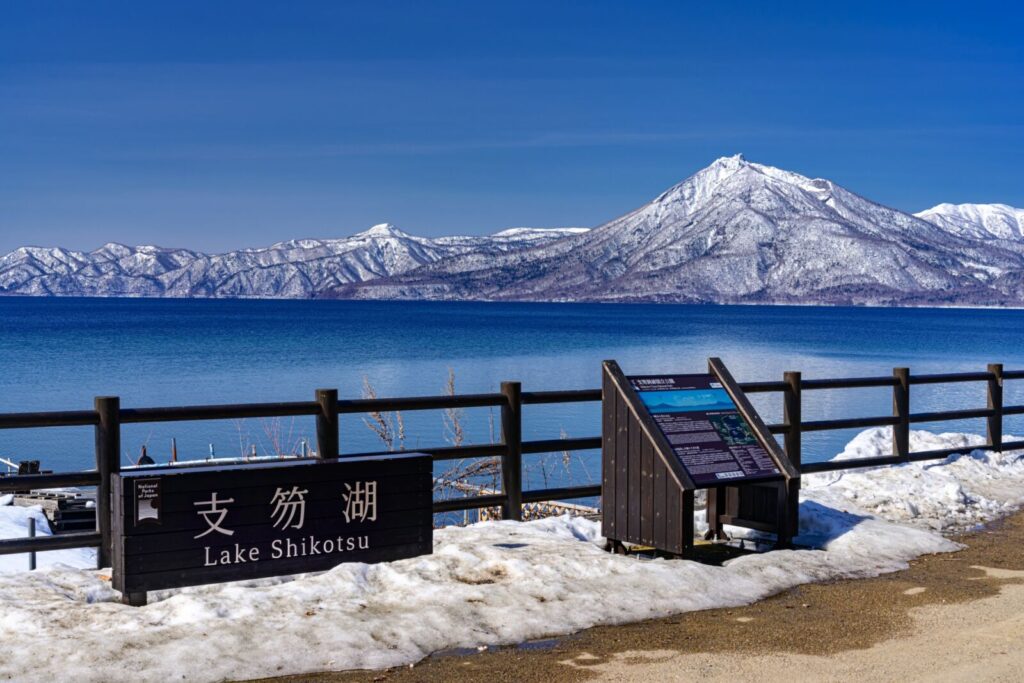
Lake Shikotsu (支笏湖), located within Shikotsu-Toya National Park, is one of Japan’s clearest and deepest lakes. Formed by powerful volcanic eruptions, this caldera lake is surrounded by forested mountains and remains remarkably pristine, with water so clear it ranks among the most transparent in the country.
What Makes Lake Shikotsu So Unique
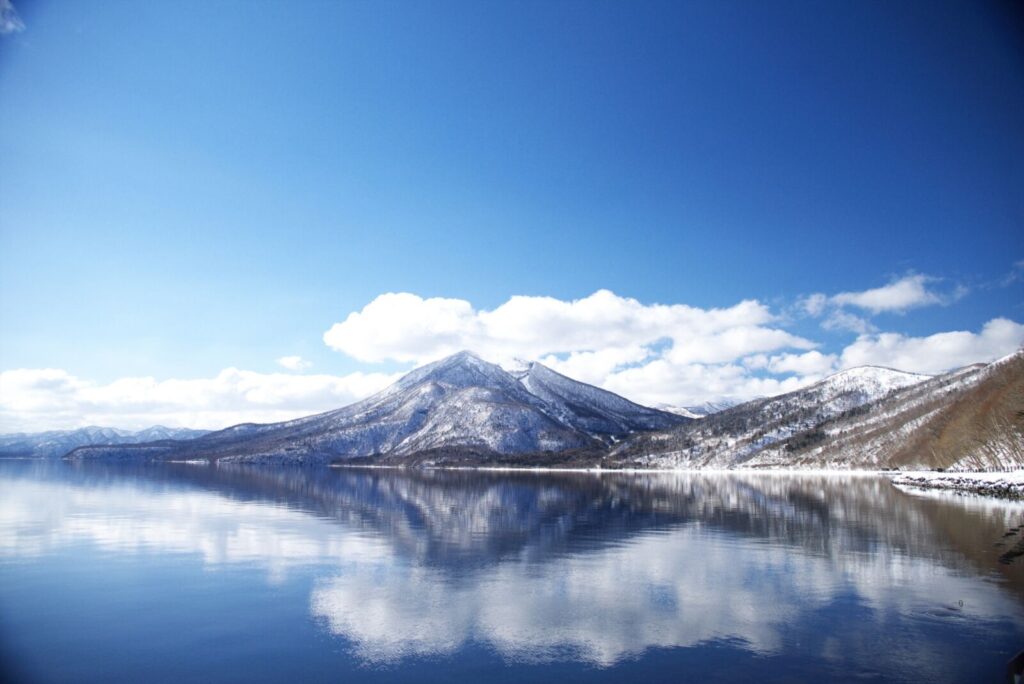
- Japan’s 2nd deepest lake.
- Approx. 13 km (north to south) and 15 km (east to west)
- Surface area about 78.5 km²
- Max Depth: 360 meters (1,181 ft) Average Depth: ~265 meters
- Shoreline Length: ~40 km
- Elevation: 248 meters (814 ft) above sea level
- One of Japan’s most transparent lakes and a major caldera lake
Lake Shikotsu was formed around 40,000 years ago by a series of massive volcanic eruptions, which created a large caldera. Unlike many lakes, it has no large inflowing rivers, which contributes to its exceptional clarity.
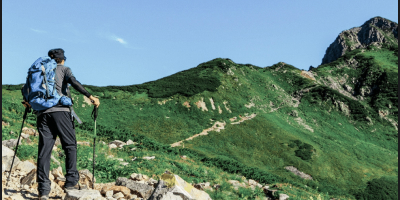
The lake is encircled by mountains, including Mount Tarumae, an active volcano that continues to shape the surrounding landscape. Its geothermal activity helps keep parts of the lake from freezing even in winter.
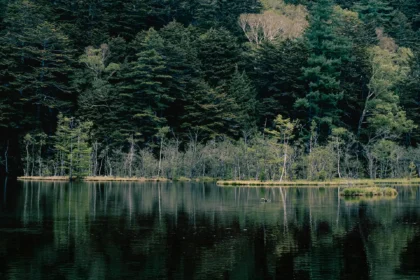
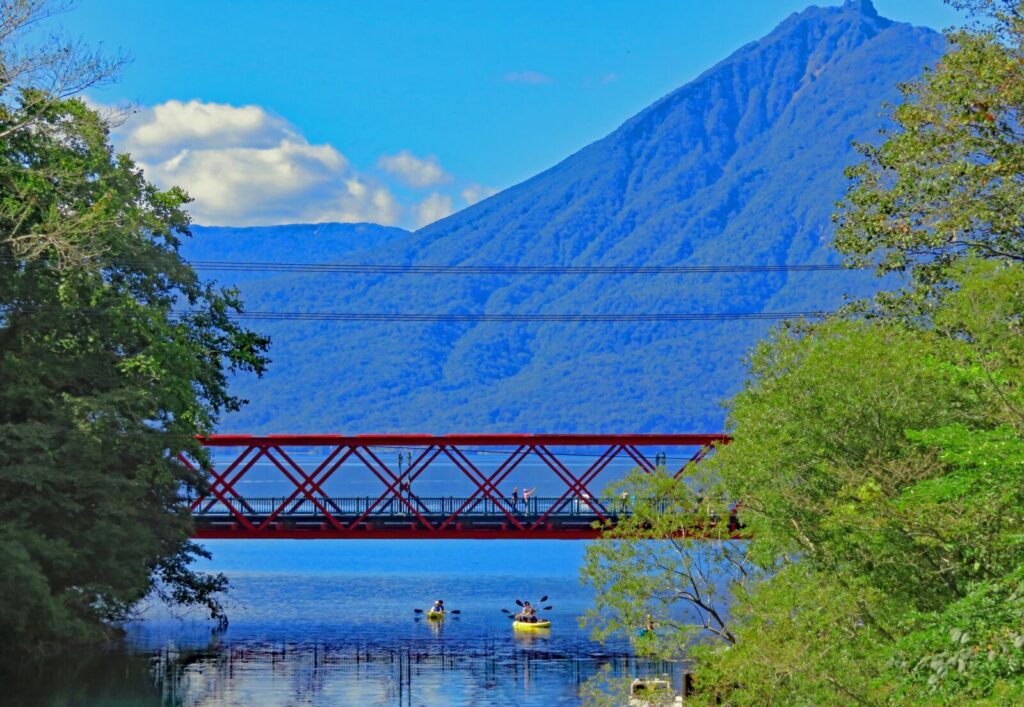
Thanks to its depth and minimal sediment inflow, Lake Shikotsu is often noted for its vivid blue waters, sometimes called “Shikotsu Blue,” which change subtly depending on light and weather conditions.
Touring Lake Shikotsu
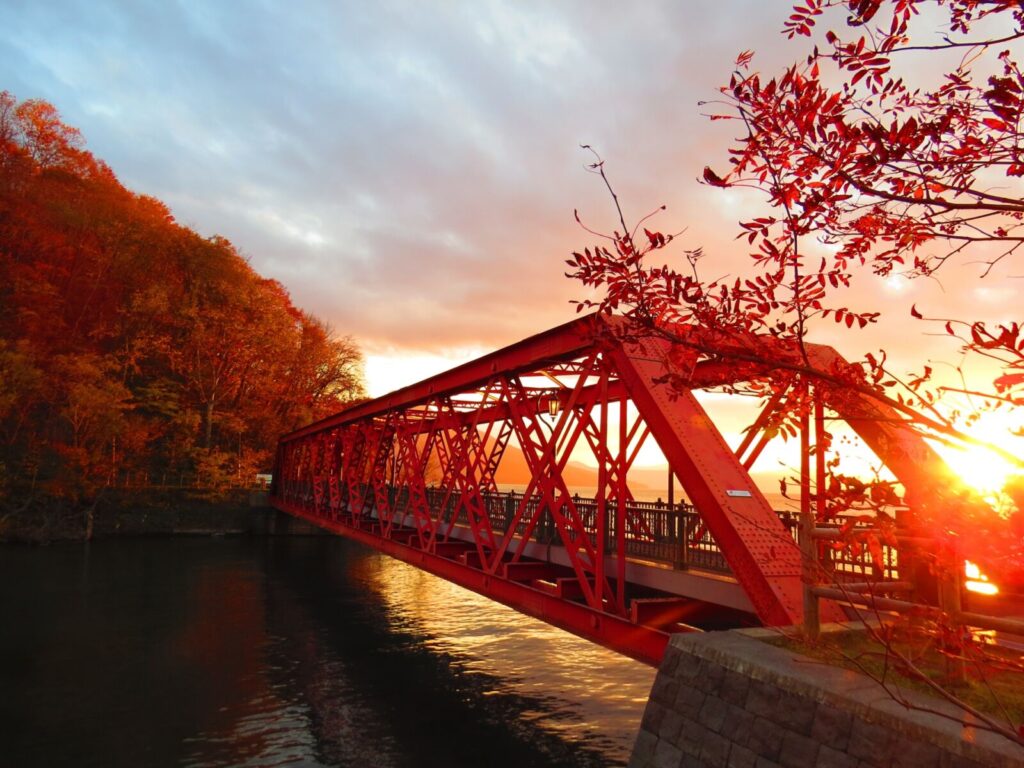
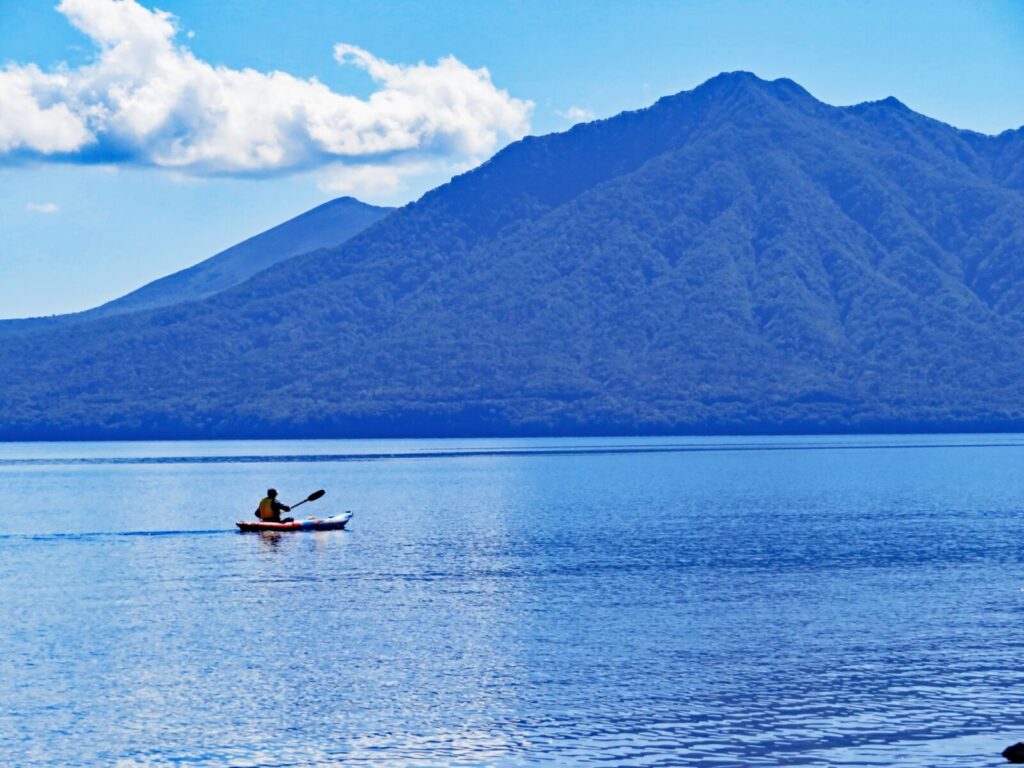
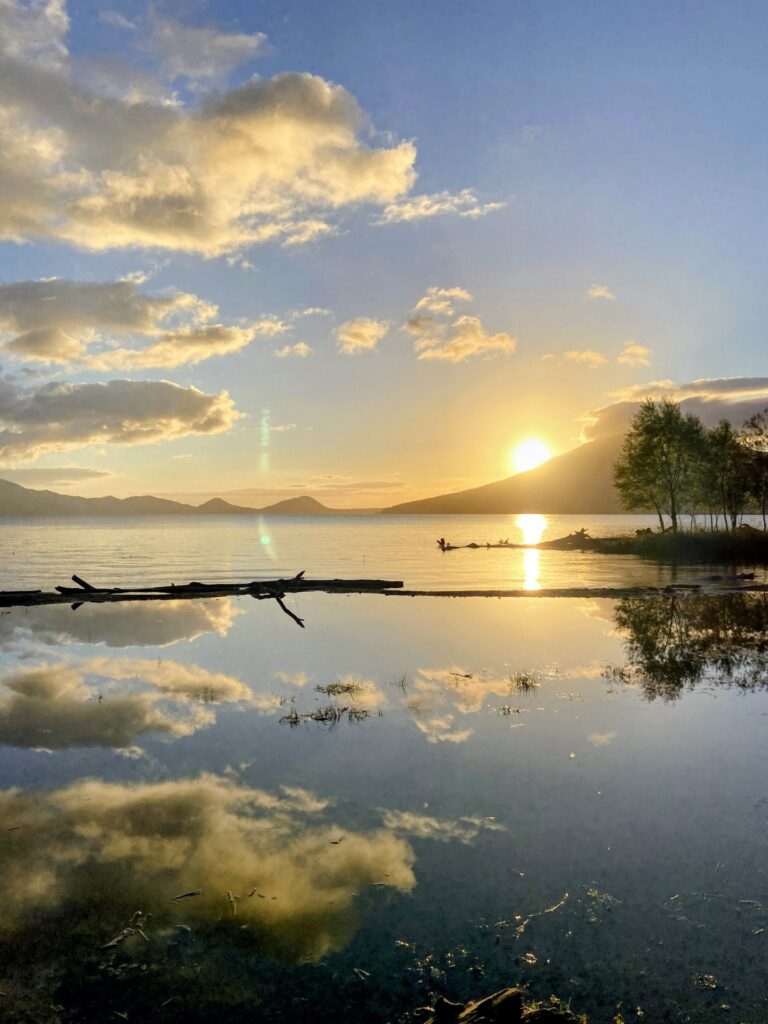
Lake Shikotsu is ideal for travelers seeking a quieter alternative to more crowded destinations in Hokkaidō. While it can be visited as a day trip, staying overnight allows time to fully experience its changing moods, especially at sunrise and sunset.
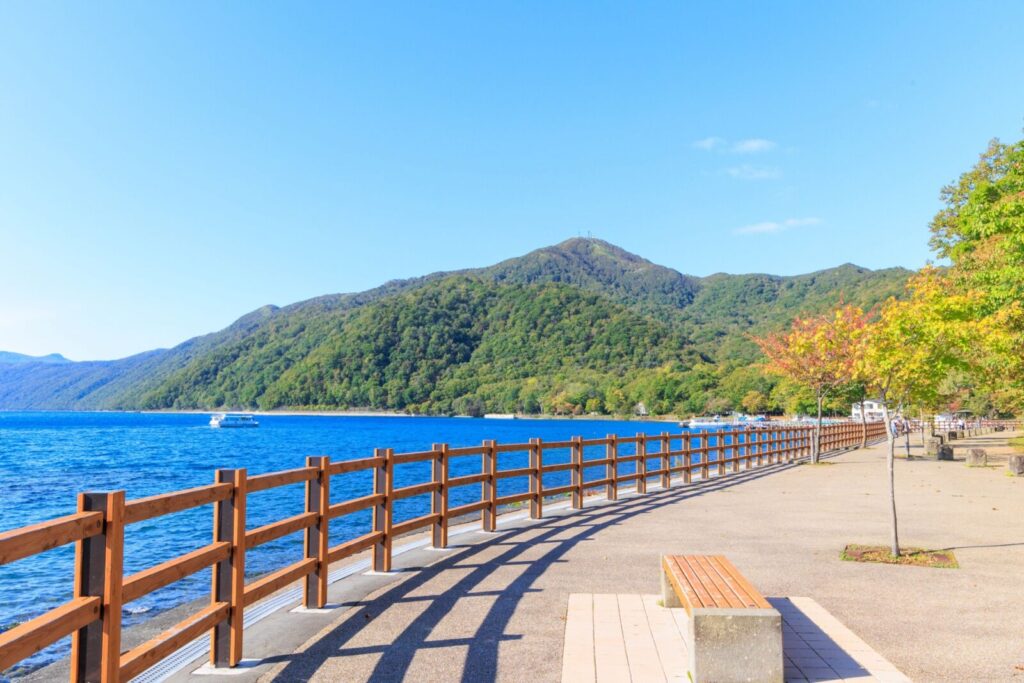
The lakeshore is easily accessible, with walking paths and viewpoints near the main visitor area. Water-based activities such as kayaking and sightseeing boats operate mainly from spring through autumn.
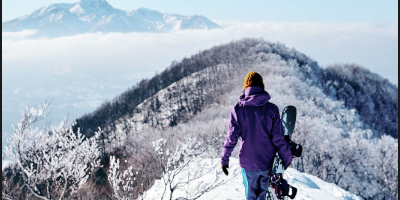
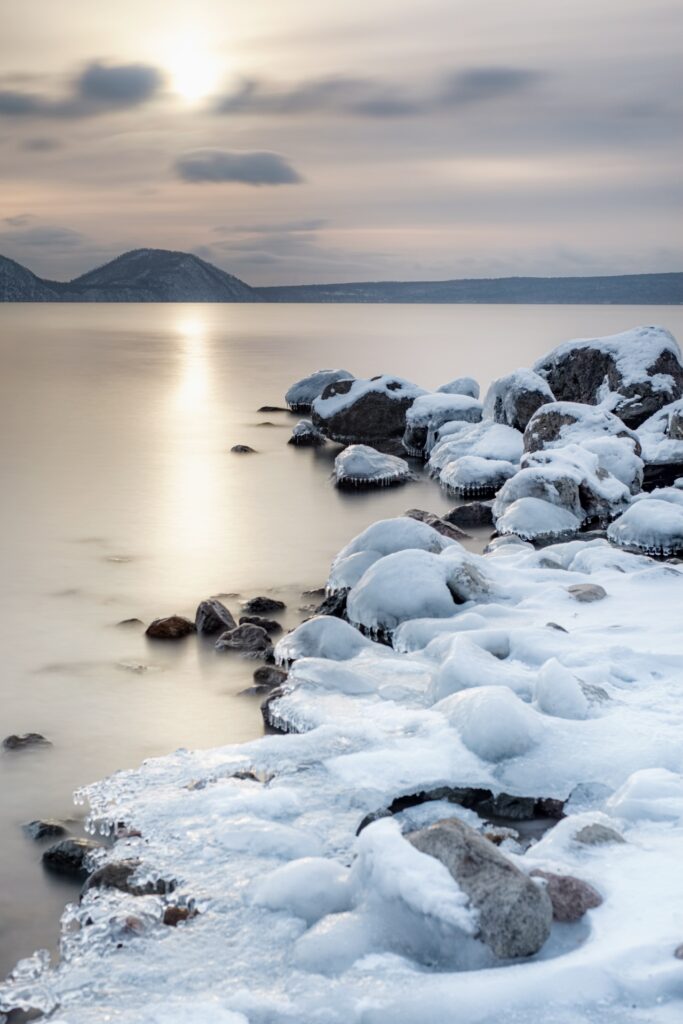
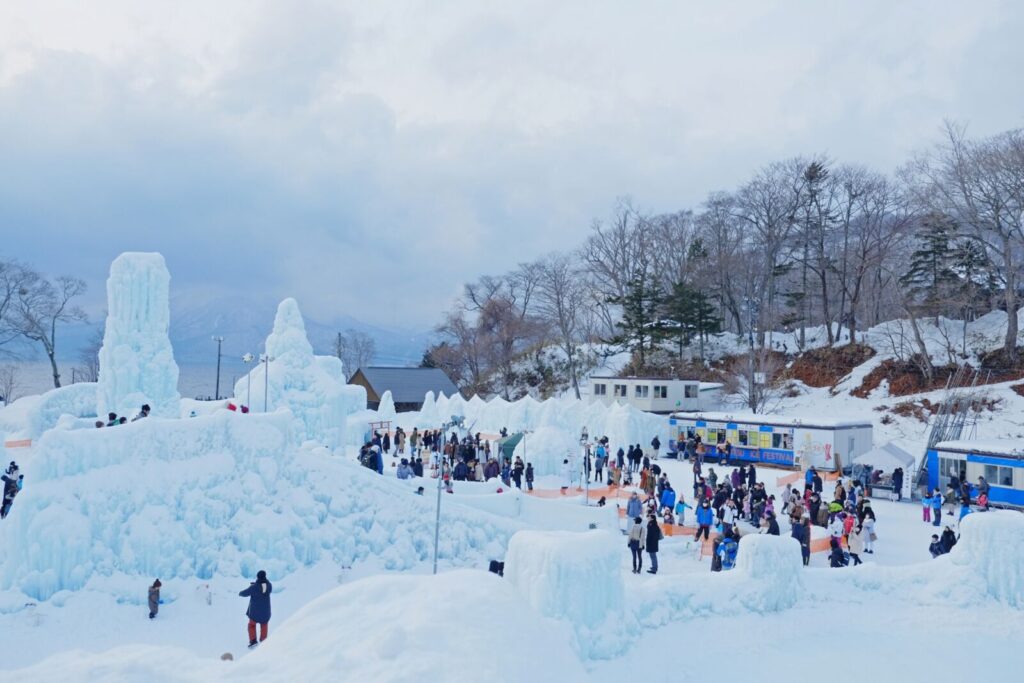
During winter, the snow-covered landscape transforms the area into a peaceful retreat, highlighted by the Ice Festival and steaming onsen.
Visitor Information:
Best Time to Visit: Year-round (summer for water activities, autumn for foliage, winter for festivals and onsen)
Admission: Free (fees apply for activities and rentals)
Highlights: Clear blue water, volcanic scenery, outdoor activities, hot springs
Access:
Lake Shikotsu is located about 1 hour by car or bus from Sapporo and approximately 40 minutes from New Chitose Airport, making it one of the most accessible natural destinations in the region.
Frequently Asked Questions (FAQ)
What makes Lake Shikotsu unique?
Lake Shikotsu is known for its exceptional water clarity and great depth. It is one of Japan’s clearest lakes and rarely freezes, even in winter.
Is Mount Tarumae still active?
Yes, Mount Tarumae is an active volcano. It is monitored, and certain trails allow visitors to safely explore its rugged terrain.
How long should I spend at Lake Shikotsu?
A single day is enough to see the main sights, but staying overnight is recommended for a more relaxed experience and to enjoy the hot springs.
Can you swim in Lake Shikotsu?
Swimming is possible in designated areas during warmer months, though the water remains quite cold due to the lake’s depth.
Is Lake Shikotsu suitable in winter?
Yes. The lake’s clear waters contrast beautifully with the snowy surroundings, and the Ice Festival makes it a popular winter destination.