



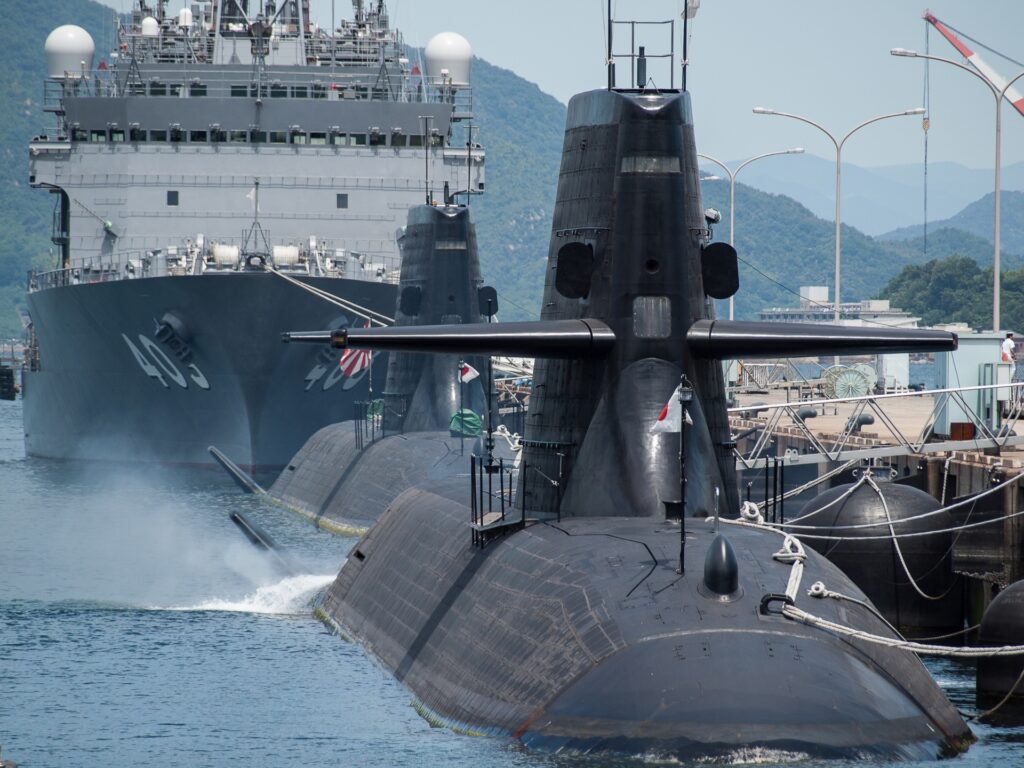
Kure is a port city in Hiroshima Prefecture which played a major role in the naval history of Japan. It was one of the first four naval bases of the Imperial Japanese Navy, and to this day still functions as such, now under the command of the Japanese Maritime Self-Defense Force (JMSDF). Additionally, Kure is the place in which the largest battleship ever built, the Yamato, was constructed. Due to its rich history, the city is home to multiple museums which help tell the story of its foundation, development, and contributions to shipbuilding and steelmaking technologies. It is also one of the few places in Japan where one can get an extremely close-up view of the vessels currently in use by the JMSDF. It is a must-visit location for ship enthusiasts and history buffs.
On this page, you can find information about the history of Kure and the several museums, sightseeing spots, and activities which can be enjoyed in the city by tourists today. Please be aware most tourist facilities and museums close on Tuesdays in Kure, so we do not recommend visiting the city on that day.
Where is Kure?
The city of Kure is located on the eastern part of Hiroshima Prefecture, about 20 kilometers away from the city of Hiroshima. It faces the Seto Inland Sea, a body of water which lies between the islands of Honshū, Kyūshū, and Shikoku.
History and Development of the City
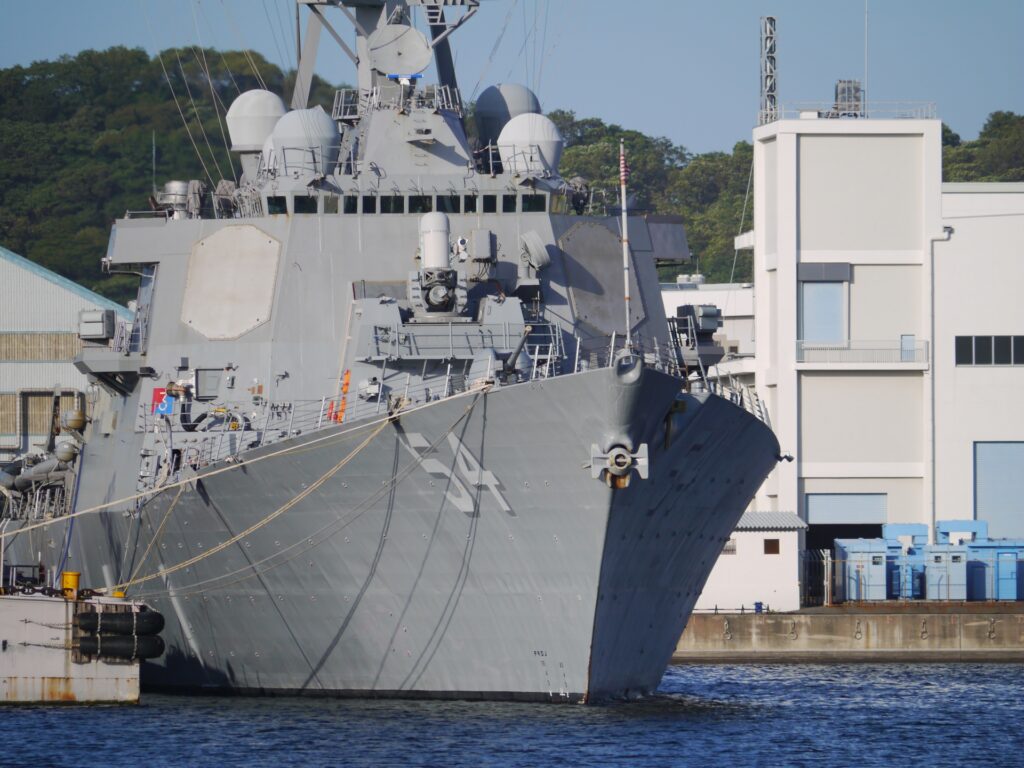
Following the Meiji Restoration in 1868 and Japan’s opening to the West, the country was in urgent need of strengthening its coastal defense forces to be able to compete against strong foreign powers. Due to this, a survey was conducted to find the best natural harbors in Japan in order to convert them into naval bases. A total of four locations were selected, and were collectively known as the “Chinjufu.” Kure, back then no more than a collection of small towns, was one of the chosen harbors.
Kure’s appointment as a naval base was due to its favorable geographical location. It was a highly defendable harbor which on land was surrounded by three mountains, and in the sea was shielded by mountainous islands. The official appointment of Kure as a “naval district” occurred in 1889, when it was tasked with overseeing the waters of the Seto Inland Sea and parts of the ocean bordering the islands of Kyushu and Shikoku.
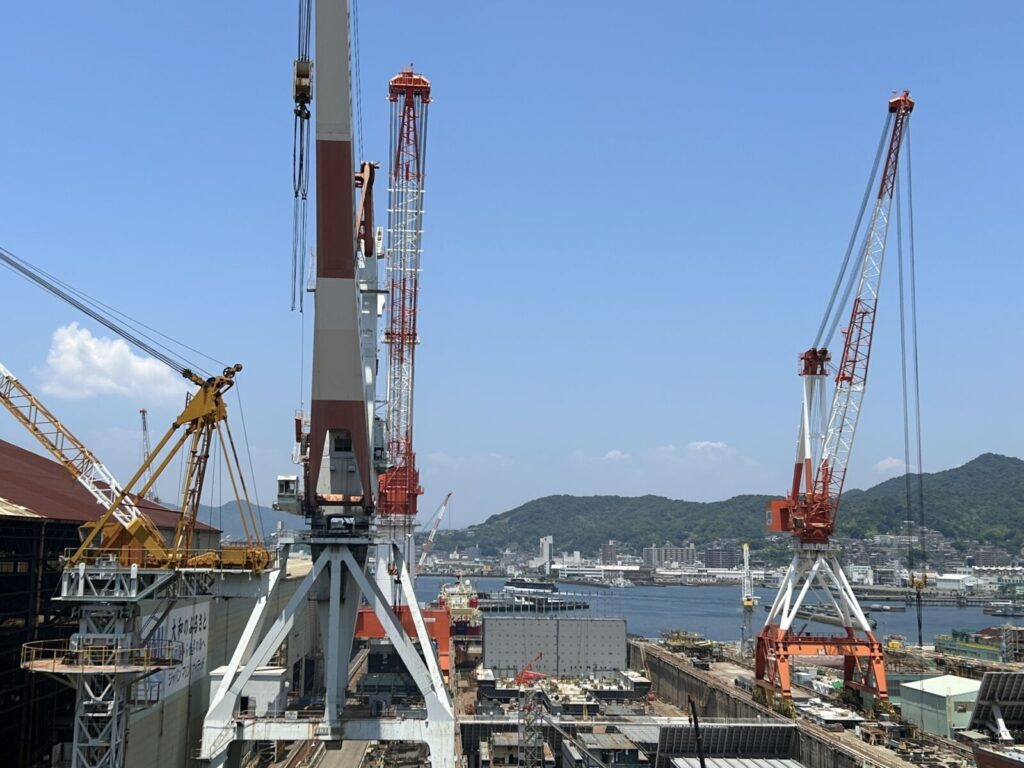
However, the development of Kure did not stop at simply becoming a naval district, as in the 1890’s shipbuilding and ship repairing quickly became the most common occupations in the area. In order to foster the development of the port and this rising industry, four local towns were merged in 1902 to officially produce the city of Kure which we know today. Just one year later, the Kure Naval Arsenal was established and became one of Japan’s four leading naval shipyards. As the working population continued to rise, so did the number of schools, hospitals, and other facilities in the area. By 1909, the population of Kure had risen from an original 60,000 to 100,000 people.
In the early 1900s, Japan considered Kure to be the most advanced shipyard in all of East Asia. Aside from ships, it also became an important site for the construction of submarines. It was of course a key location of the Imperial Japanese Navy throughout the first half of the 20th century, and in 1941 it commissioned its most legendary ship, the battleship Yamato. This vessel, measuring 263 meters overall and weighing about 72,000 tons at full load, is the largest battleship that has ever been built.
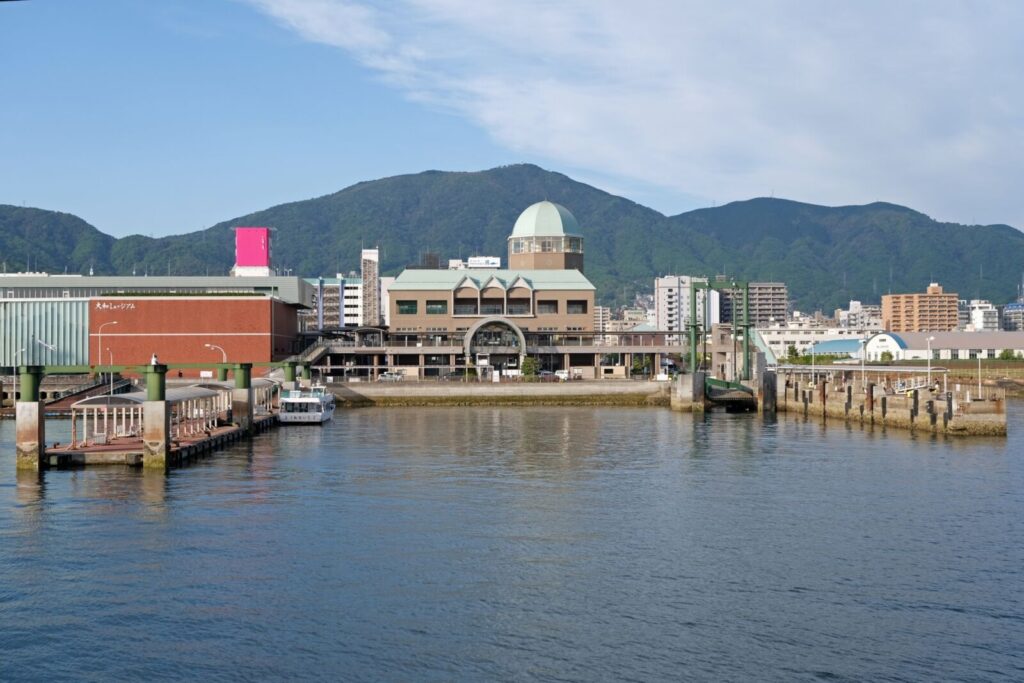
Following Japan’s surrender which marked the end of World War II, the Allied Forces occupied and disbanded the country’s military forces, including the Imperial Japanese Navy. Many of the workers previously in charge of building ships, were now tasked with dismantling them and disposing of metal scraps. For years, the city of Kure was stuck in a kind limbo, with no sure direction in which to step forward. However, in 1954, just 9 years after the war had ended, the JMSDF was established and Kure regained its position as an operational naval base.
Today, the city has a population of about 200,000 and while shipbuilding and steelwork remain the main industries in Kure, other businesses have also been able to succeed. Several museums have opened over the years to help tell the story of this port city and highlight its technological contributions beyond the scope of war and military conflict.
Things to Do in Kure
There are a good amount of places to visit and activities to do in Kure. This list goes over some, but not all, of the most popular things to do when visiting the city. If you are considering making a stop by Kure but are not sure what to do once you get there, this list will hopefully help you decide.
Yamato Museum
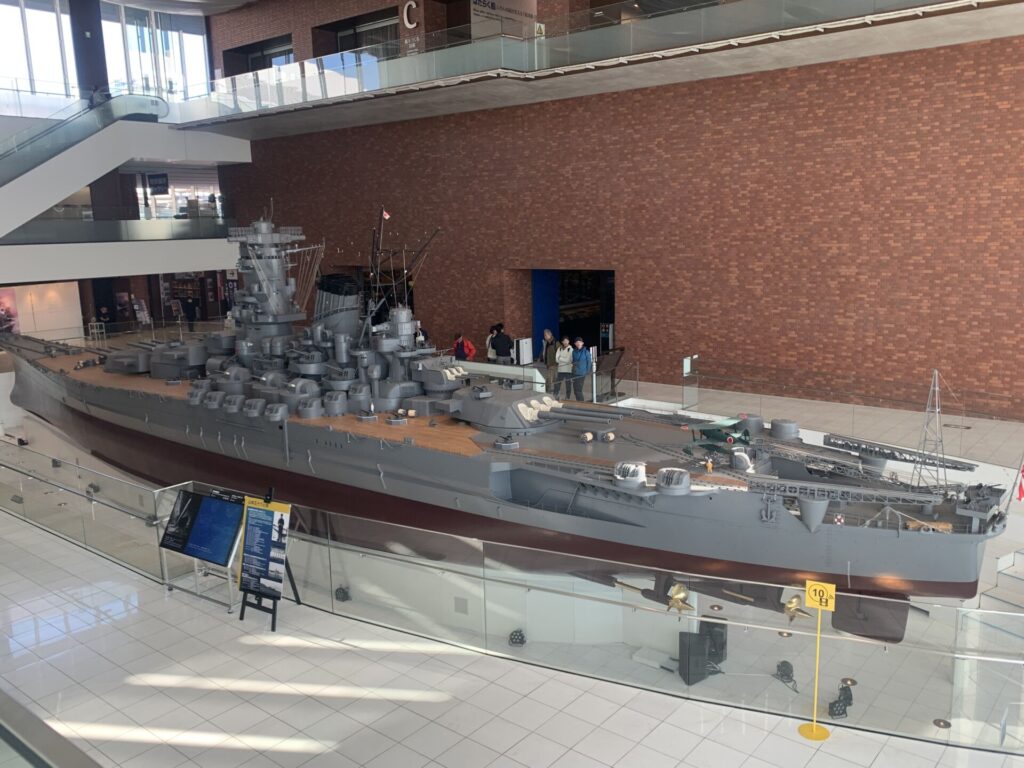
The Yamato Museum is the best known tourist location and museum in Kure. Its official name is the “Kure Maritime Museum,” though most people refer to it by its nickname. The museum does a fantastic job of explaining the history of the city in great detail, and has exhibits which are interesting for both children and adults. Of course, it is most famous for its 1/10th scale model of the battleship Yamato which is displayed inside.
**PLEASE NOTE – The Yamato Museum is currently undergoing renovations and as such, the main building will not be open to visitors until March of 2026. In the meantime, a new exhibition located in a separate building called the “Yamato Museum Satellite” has opened. The Yamato 1/10th scale model is not viewable inside this temporary museum and has been replaced by a 1/100th scale one. There is, however, a full-scale model of a “Type Zero Observation Seaplane” on display.
JMSDF Museum
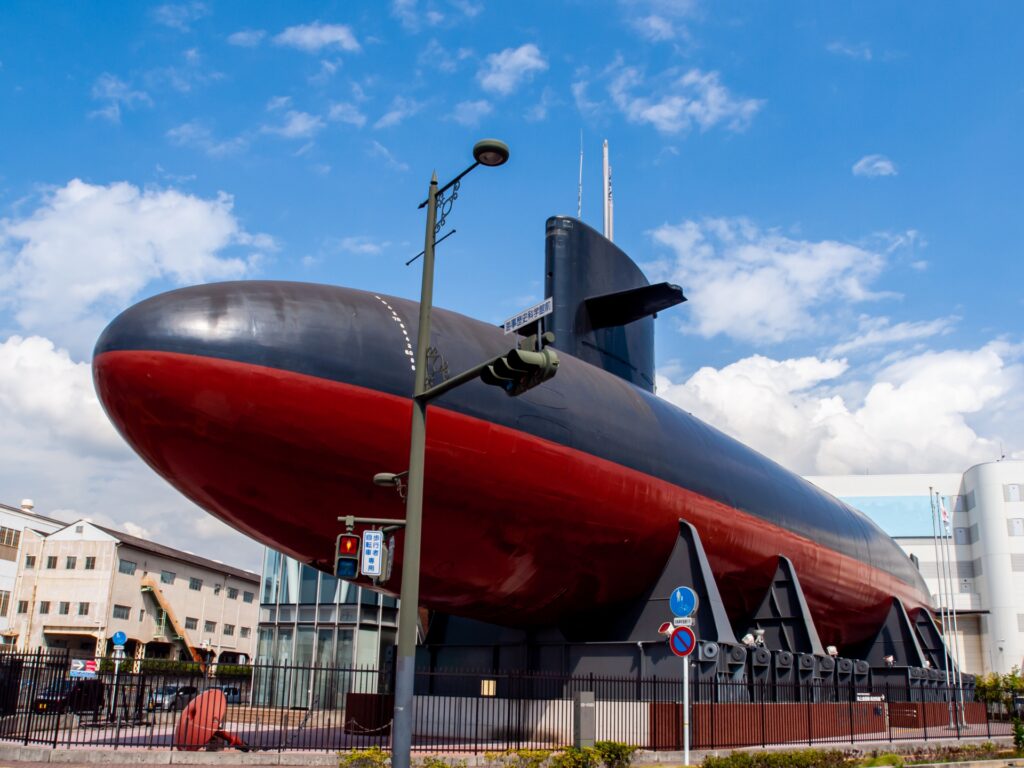
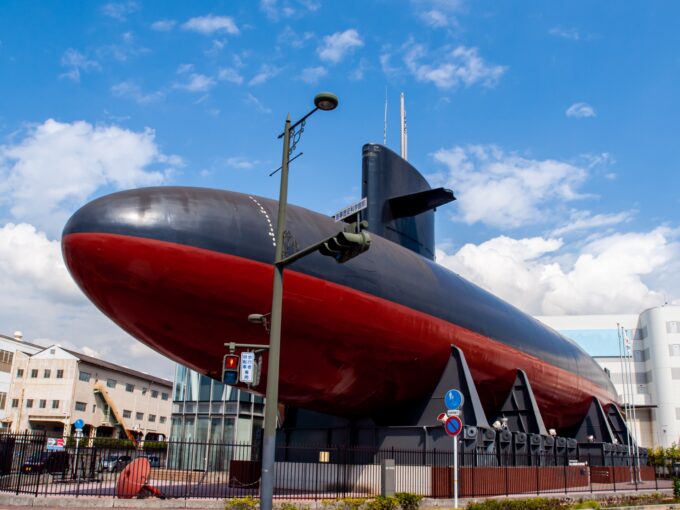
The JMSDF museum is run by the Self-Dense Force itself and its exhibits cover the variety of tasks which they perform. There is heavy focus on the minesweeping efforts following the period after World War II, and there are also many details about what life is like for officers living inside submarines. Visitors even have the unique opportunity to step inside of a decommissioned submarine which was originally built in the 1980’s. As an added bonus, the entry to the museum is also free for everyone.
Irifuneyama Memorial Museum
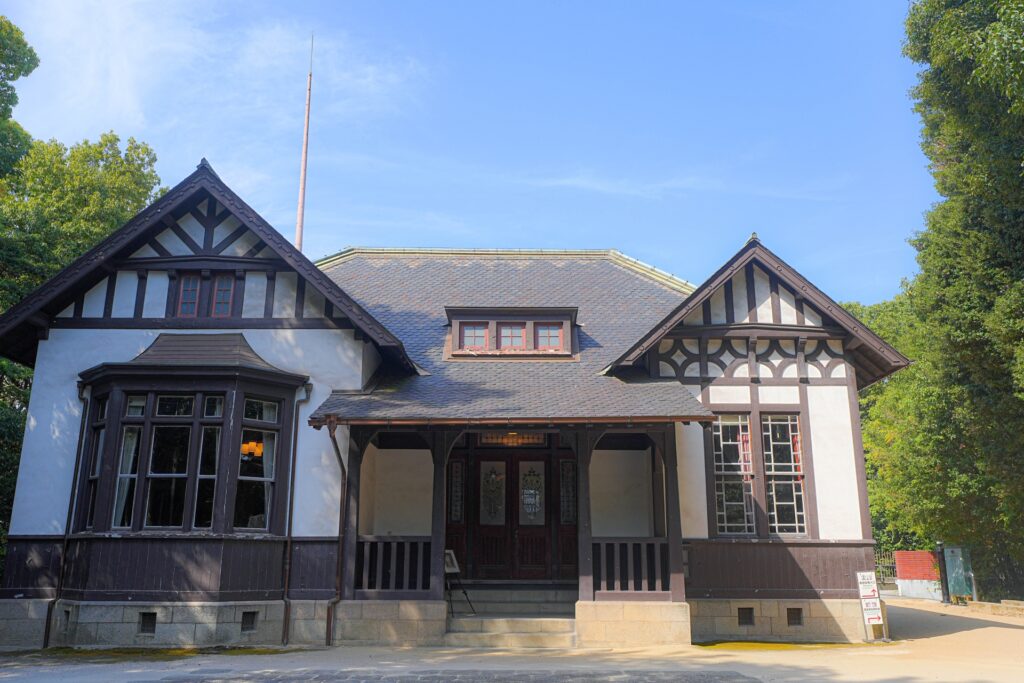
The Irfuneyama Memorial Museum mainly consists of the building which used to serve as the residence for the Commanders-in-Chief of the Kure Naval Base. It retained this function from 1892 till 1945, when it was taken over by the British Commonwealth Occupation Force.
The architecture of the building is quite distinct, as it combines European and Japanese elements. This is not due to the transfer of ownership of the residence, but is rather the original design developed by the architect Kotaro Sakurai. The building features a Western-style wing which was for public use and a Japanese-style wing for private use. This museum gives you the opportunity to actually step inside the house and admire its history from within.
Hill Overlooking Historic Areas
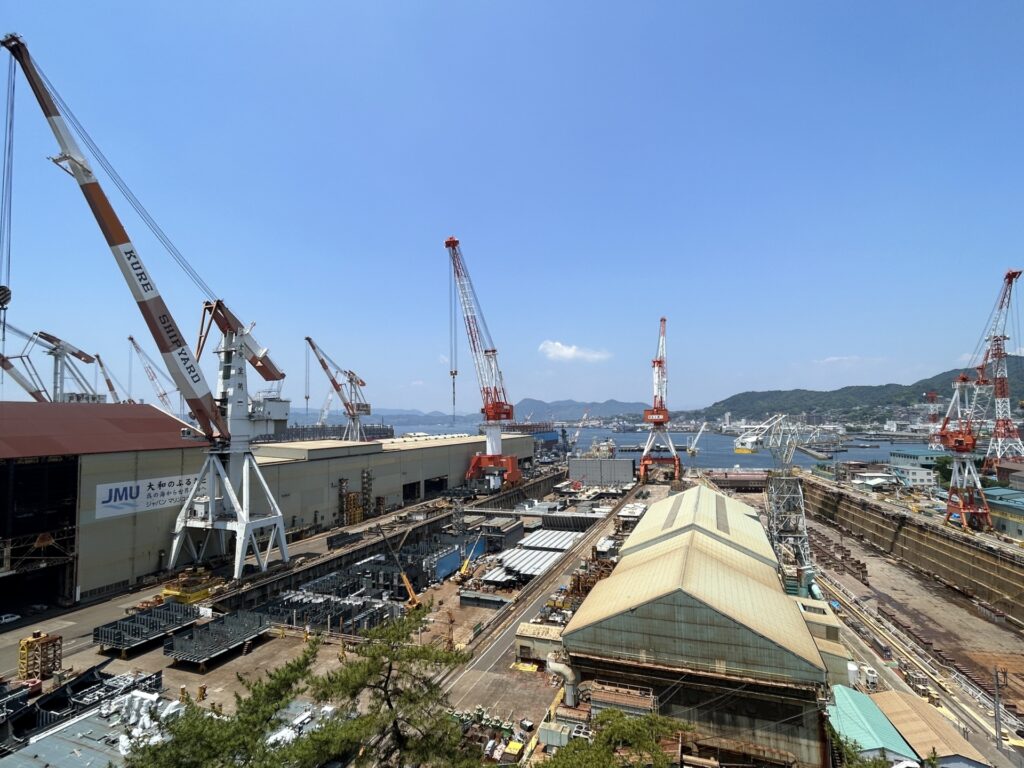
A fantastic location to admire a panoramic view of Kure and get a closer look at the shipyard in which the Yamato was built. The former Imperial Navy shipyard now belongs to the Japan Marine United Corporation (JMU), one of Japan’s largest shipbuilding corporations, and the construction and repair work they do is clearly visible from this location. There are a couple of monuments on the hill related to the history of Kure. To get to the Hill Overlooking Historic Areas from the JR Kure Station you can take a 6-minute bus or walk for about 25 minutes to it.
Alley Karasukojima
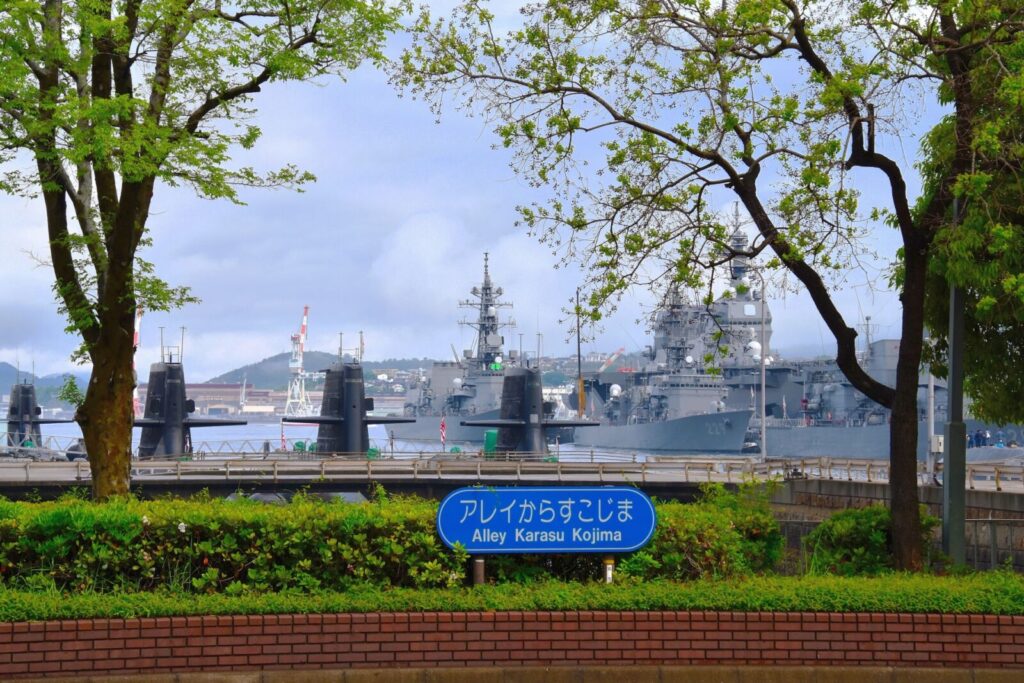
The best place to get a close up view of the submarines used by the JMSDF. It is a small public park which borders the harbor but has wonderful views for those most interested in the maritime vessels. On the opposite side of the park are several red brick warehouses which were built more than 100 years ago and add a unique “retro” look to the area. Alley Karasukojima is about a 15-minute bus ride away from the JR Kure Station.
Kure Bayship Tour
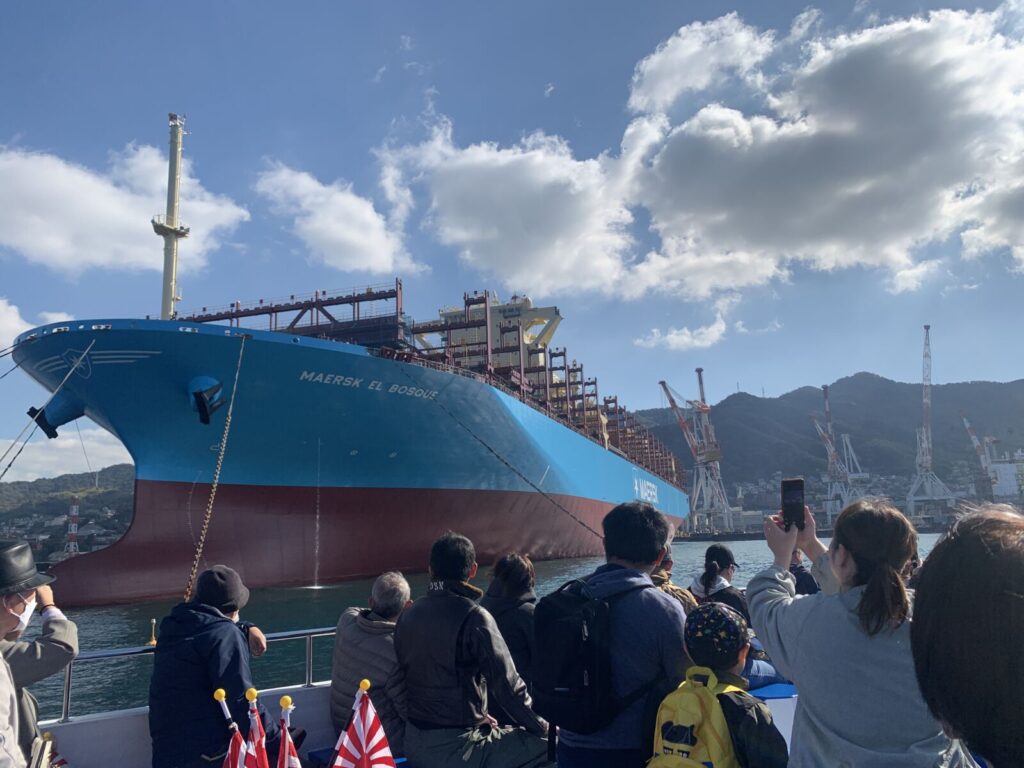
This is a must-do activity when visiting Kure, as it gives tourists the best and closest look at the multiple vessels used by the JMSDF. It consists of a 35-minute sightseeing cruise around the Kure Harbor in which you can enjoy an unobstructed view of cargo ships, destroyers, helicopter carriers, and much more.
For the entirety of the tour, a staff member will provide intricate details about the vessels and structures located around the harbor, but unfortunately this is all done in Japanese. For English speakers, there is an information booklet available with details about the ships present in the harbor on the day of the tour. This booklet must be returned by the end of the tour.
The experience costs JPY1,700 for middle school age and above (12+), and JPY500 for elementary school students. Tickets can be purchased at the Kure Central Pier located right next to the Yamato Museum. Reservations can be made online or by phone, but payment must be done in person on the day of the tour. On weekdays, there are a total of 4 tours, and on weekends there is an additional service at 12:00 PM for a total of 5. As with the other tourist oriented activities in Kure, the tour does not usually operate on Tuesdays (with the exception of some holiday periods).
Eat Naval Curry
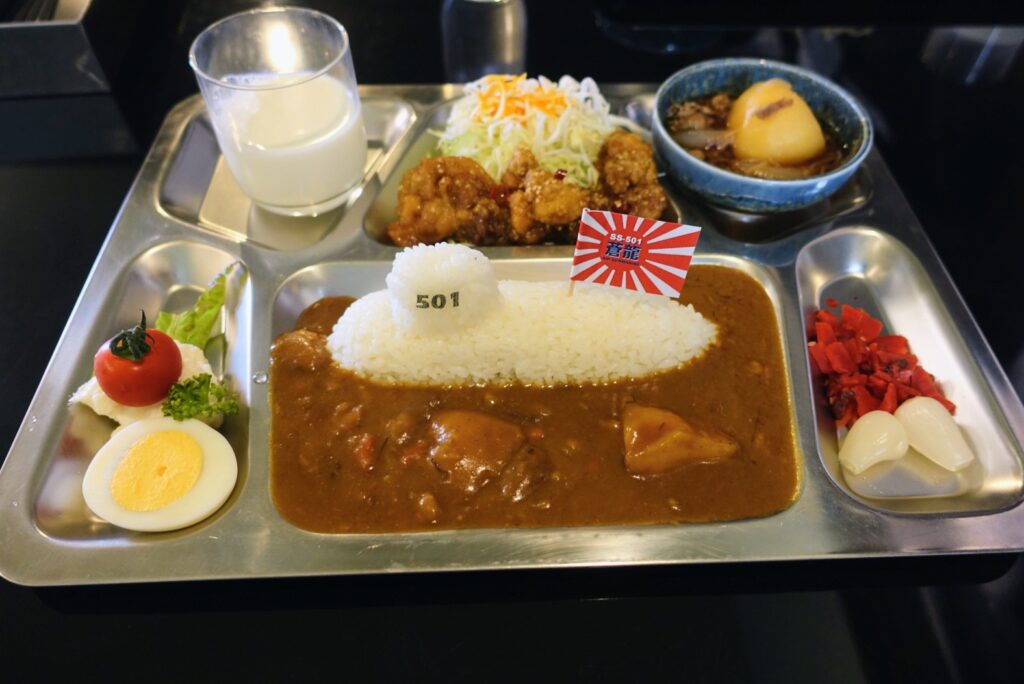
Kure is also known for its “naval gourmet” dishes which developed in Japan as a way to ensure that marines stayed healthy during long missions and received varied and interesting meals. One of the most popular of these dishes is the “naval curry” which is traditionally eaten by members of the JMSDF every Friday. It is a top souvenir in Kure and a great meal to enjoy at a restaurant. The curry is often served in interesting ways, such as in a military mess tray or with rice in the shape of a submarine. If you are on a day trip to Kure, we would recommend making this your lunch.
Tours Visiting Kure
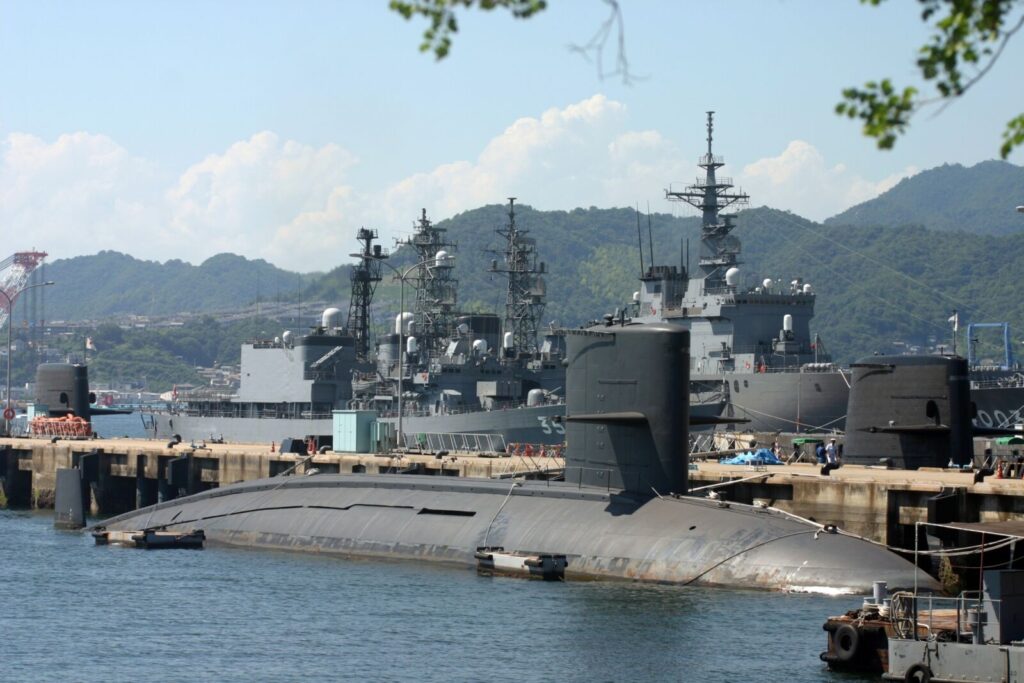
To those interested in visiting the port city of Kure, we offer a tour which covers all of the activities, museums and sightseeing spots listed above. With a convenient starting and ending point in Hiroshima Station, this tour provides an alternative tourist experience beyond the typical highlighted spots of Hiroshima. If you are a fan of ships, naval history, or are simply looking for a break from shrines and temples, then this is the tour for you!