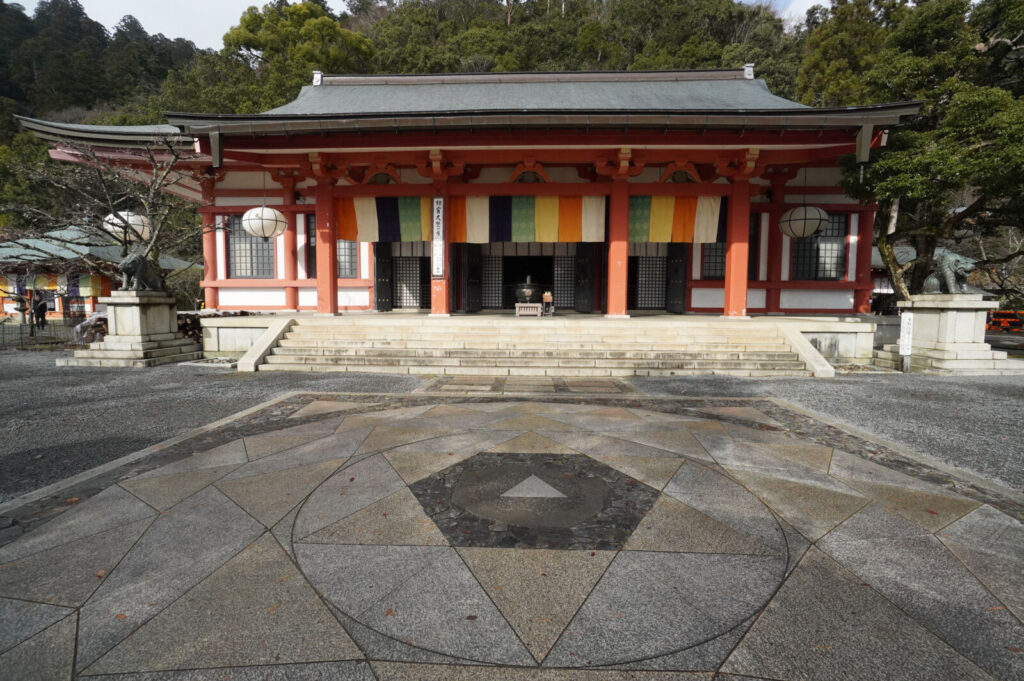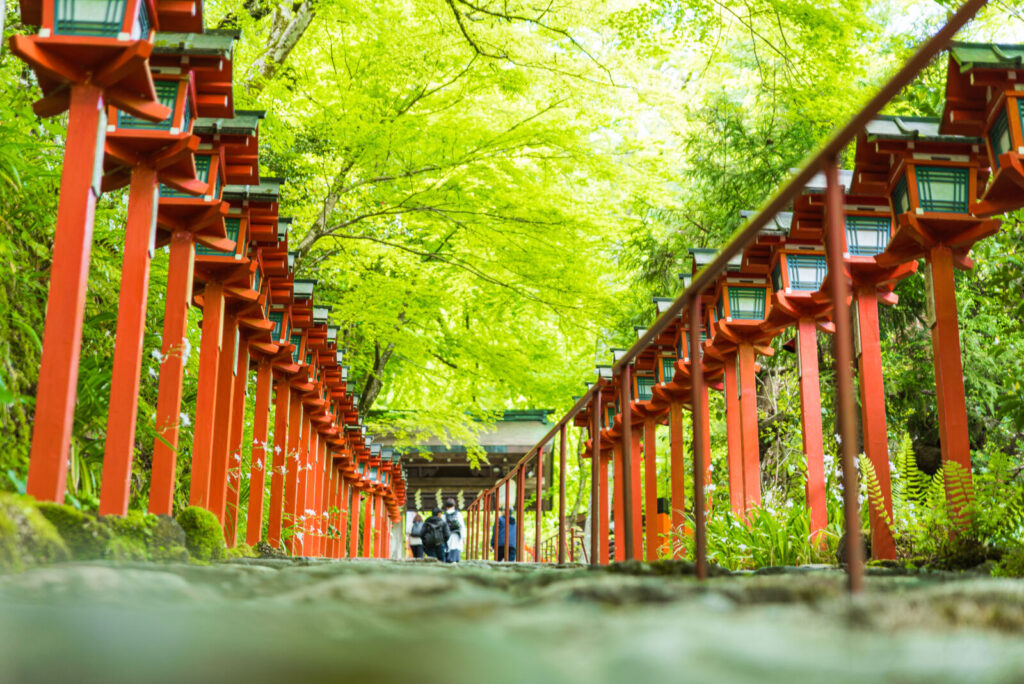





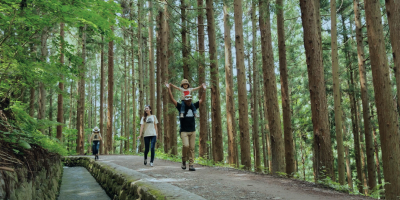

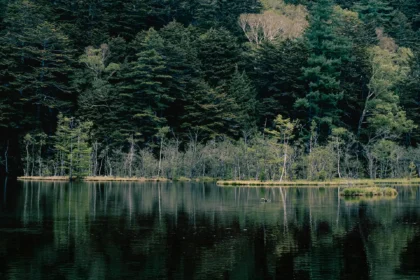


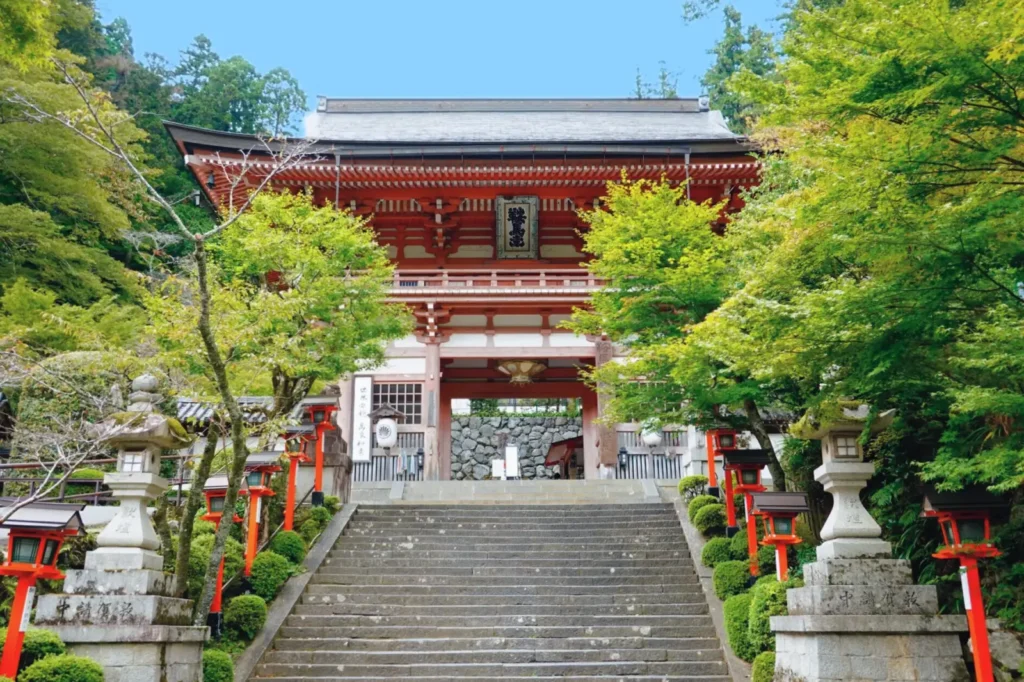
Escape the crowds of central Kyoto and discover one of the city's most rewarding hiking adventures. The trail connecting Kurama-dera Temple and Kifune Shrine winds through the sacred forests of Mount Kurama, offering a memorable combination of history, nature, and spirituality.
Along the way, you'll pass ancient cedar trees, hidden shrines, peaceful temple grounds, and panoramic viewpoints before descending into the picturesque riverside village of Kifune. Whether you're drawn by Japanese history, mountain scenery, or simply looking for an active day outside the city, the Kurama–Kifune hike is an unforgettable experience.
Key Information
| Distance | Approximately 4 km |
| Time Required | 5–6 hours (including sightseeing) |
| Hiking Time | Approximately 2 hours |
| Difficulty | Moderate |
| Trail Type | One-way mountain trail |
| Start | Kurama or Kifune |
| Finish | Kifune or Kurama |
| Best Seasons | Spring and Autumn |
Why Hike Between Kurama and Kifune?
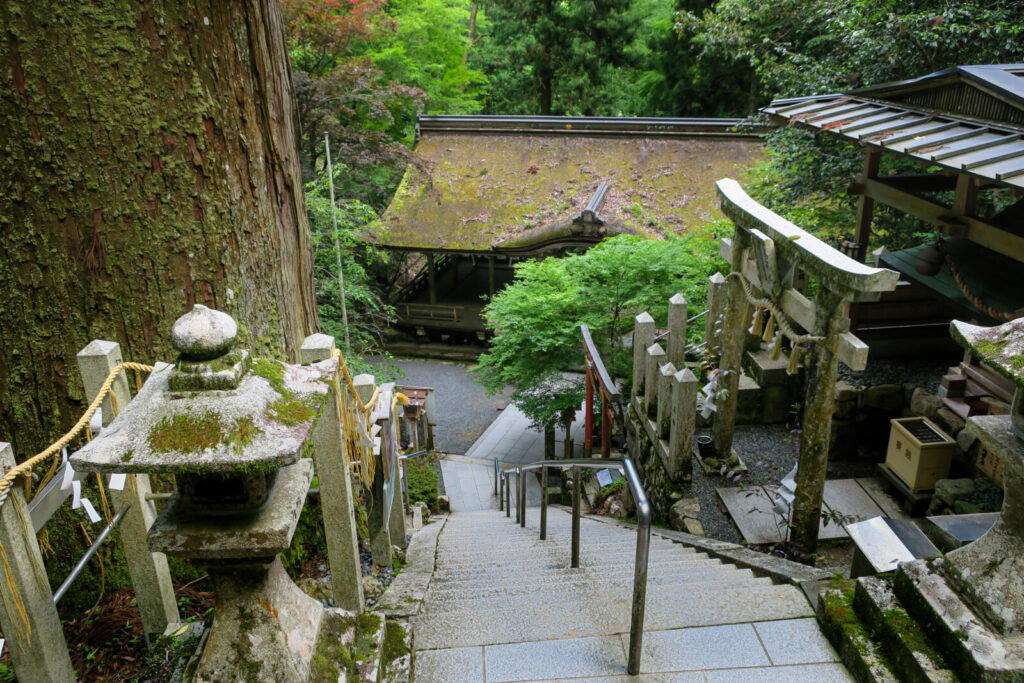
Unlike many hiking trails in Japan, the Kurama–Kifune route combines spectacular scenery with centuries of history and culture. While the hike itself takes around 2 hours, we recommend allowing 5–6 hours to fully enjoy Kurama-dera Temple, Kifune Shrine, the mountain trail, and the charming villages at either end of the route.
Highlights include:
- Kurama-dera Temple
- Kifune Shrine
- Ancient cedar forests
- Sacred mountain trails
- Historic stone pathways
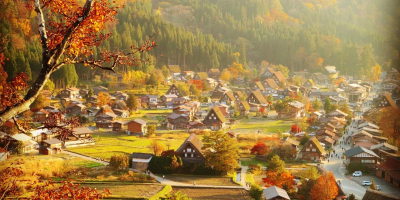
- Traditional mountain villages
- Scenic Eizan Railway
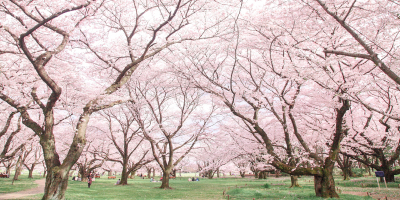
- Seasonal cherry blossoms and autumn colours
It's an ideal adventure for travellers who want to experience a quieter, more natural side of Kyoto.
Which Direction Should You Hike?
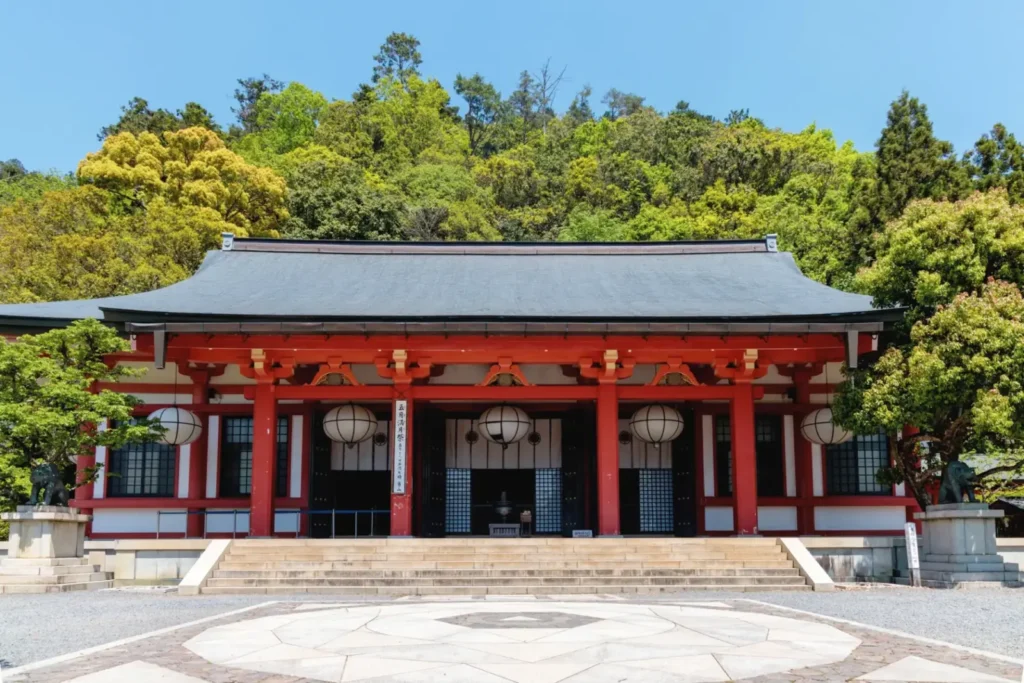
The trail can be completed in either direction, and each offers a slightly different experience.
Kurama → Kifune (Recommended)
This is the most popular route and the direction we follow on our guided tour. Beginning at Kurama-dera allows you to explore the temple before crossing Mount Kurama, with the second half of the hike being a gentler descent into Kifune Village. Ending in Kifune also provides a wonderful opportunity to relax at one of the village's famous riverside restaurants during the summer months or enjoy a meal at one of its traditional cafés.
Kifune → Kurama
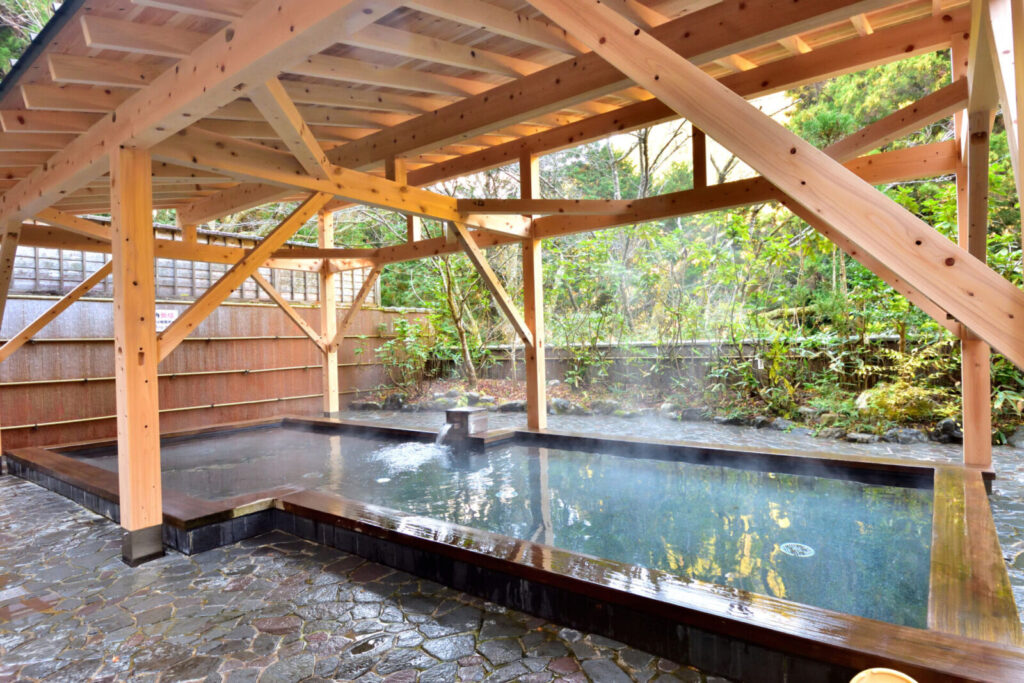
Starting in Kifune offers a slightly more challenging hike, with a longer uphill climb through the forest before reaching the summit of Mount Kurama. While the ascent requires a bit more effort, you'll be rewarded by finishing in Kurama Village, where you can visit the historic Kurama-dera Temple and, after your hike, unwind at the nearby Kurama Onsen. Kurama also offers several cafés, restaurants, and souvenir shops, making it a great place to end your day.
Both directions visit the same major attractions, so the best choice depends on whether you prefer an easier hike or finishing with a relaxing soak in the hot spring.
Trail Difficulty
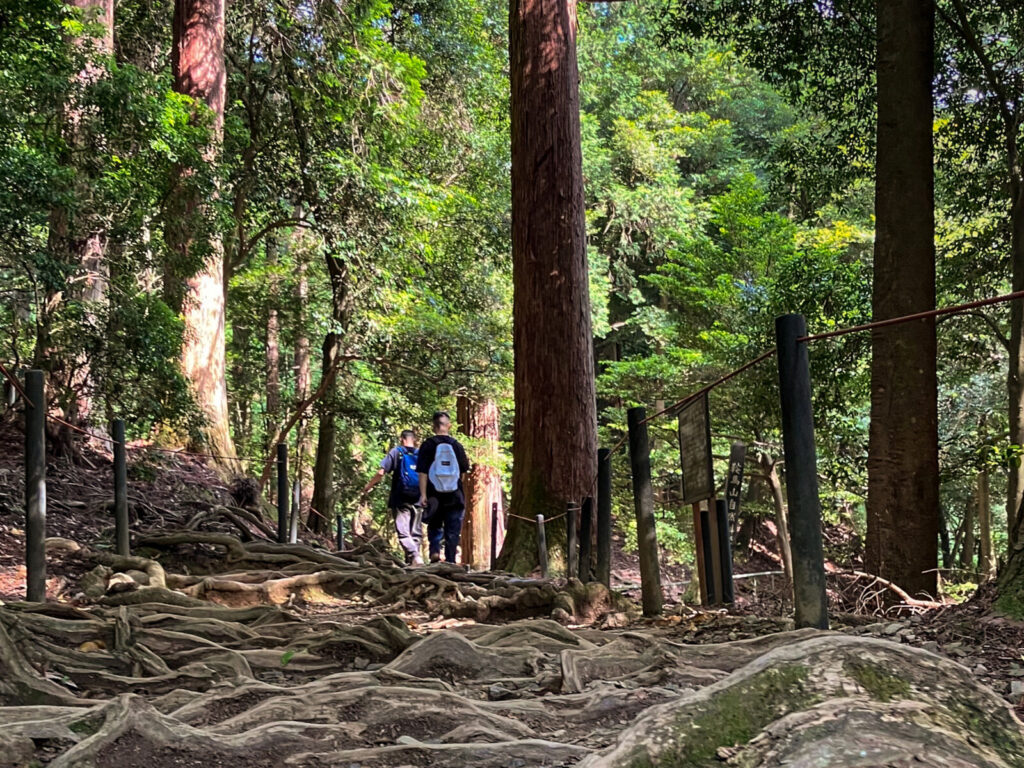
The Kurama–Kifune hike is considered moderately challenging.
Although the distance is relatively short, hikers should expect:
- Numerous stone staircases
- Uneven forest paths
- Moderate elevation changes
- Tree roots and rocky sections
- Occasional muddy conditions after rain
Anyone with a reasonable level of fitness should be able to complete the trail comfortably, but sturdy walking or hiking shoes are strongly recommended.
What to Bring
To enjoy the hike comfortably, we recommend bringing:
- Comfortable walking or hiking shoes
- Water
- Snacks or a light lunch
- A small backpack
- Weather-appropriate clothing
- Insect repellent during warmer months
- A camera for the spectacular scenery
Food & Facilities
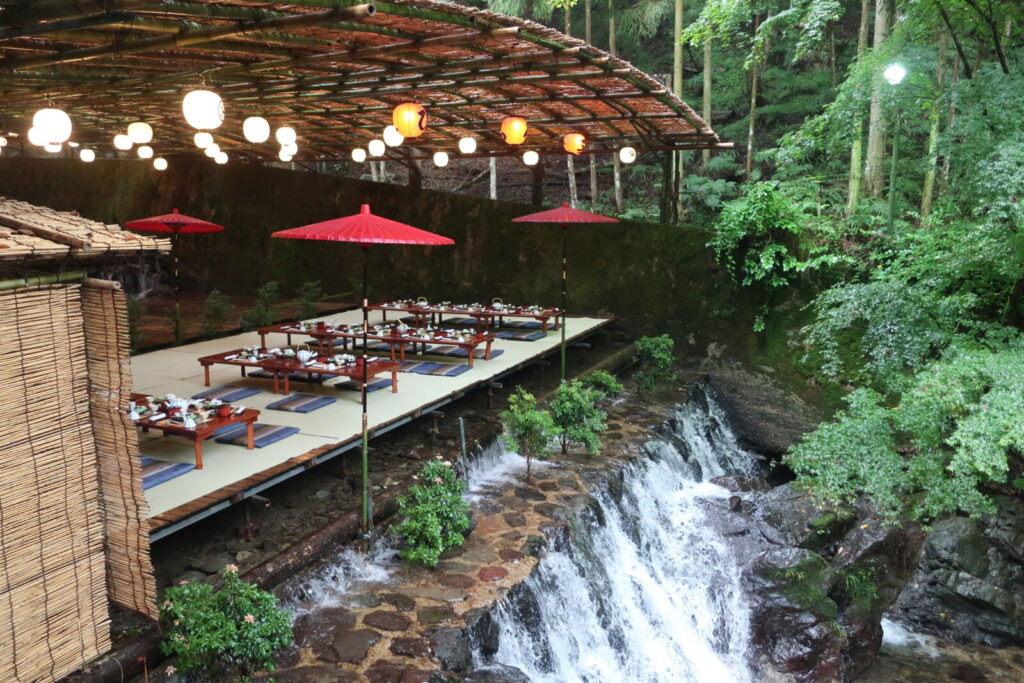
Both Kurama and Kibune offer a variety of cafés, restaurants, souvenir shops, and vending machines, making it easy to pick up refreshments before or after your hike.
During the summer months, Kibune is especially famous for its traditional kawadoko riverside dining, where guests enjoy meals on wooden platforms built above the cool waters of the Kibune River. As these restaurants are extremely popular, reservations are highly recommended.
For hikers, we suggest bringing a bottle of water and a light lunch or snacks, especially if you plan to stop along the trail to enjoy the scenery. While vending machines are available in both villages, there are no food or drink facilities once you are on the mountain trail. Washrooms are limited on the trail, so we do suggest making a stop before leaving Kurama Temple or Kifune village.
Best Time to Hike
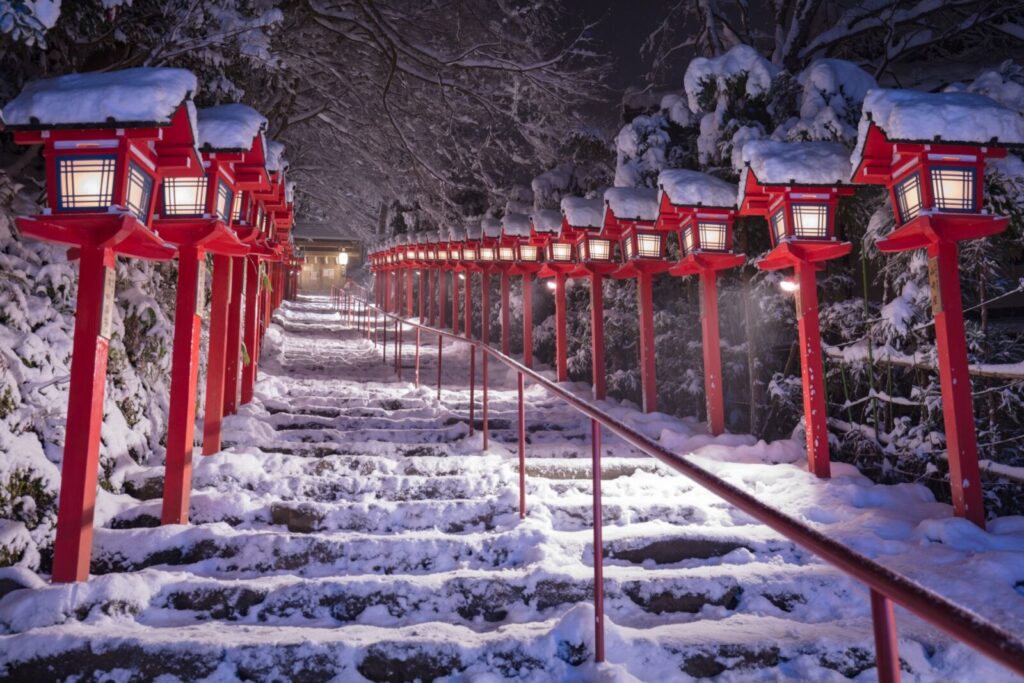
The trail can be enjoyed year-round, with each season offering something different.
Spring
Fresh greenery and comfortable temperatures make spring one of the best times to hike.
Summer
The cedar forest provides welcome shade, although Kyoto's humidity can still make the hike challenging.
Autumn
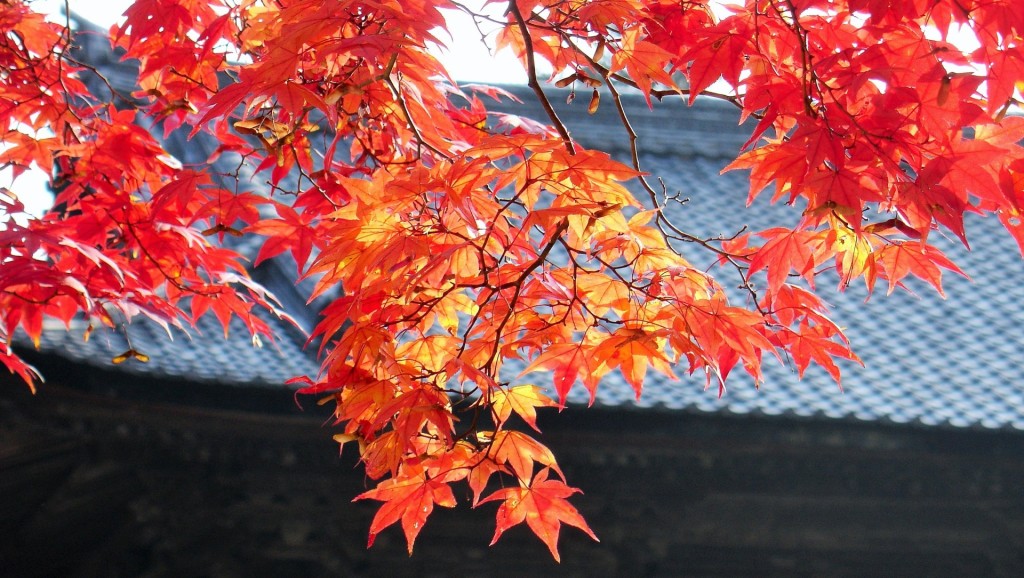
Autumn is the most popular season, with brilliant maple leaves transforming the mountains into a sea of red, orange, and gold.
Winter
Winter offers peaceful mountain scenery and occasional snowfall, though hikers should take extra care as trails may become slippery. Do check to make sure the trails are open, if there is a heavy snowfall.
Planning your trip to Kyoto? Read our Best Time to Visit Kyoto: Month-by-Month Guide for seasonal weather, festivals, and travel tips.
How to Get to the Trail
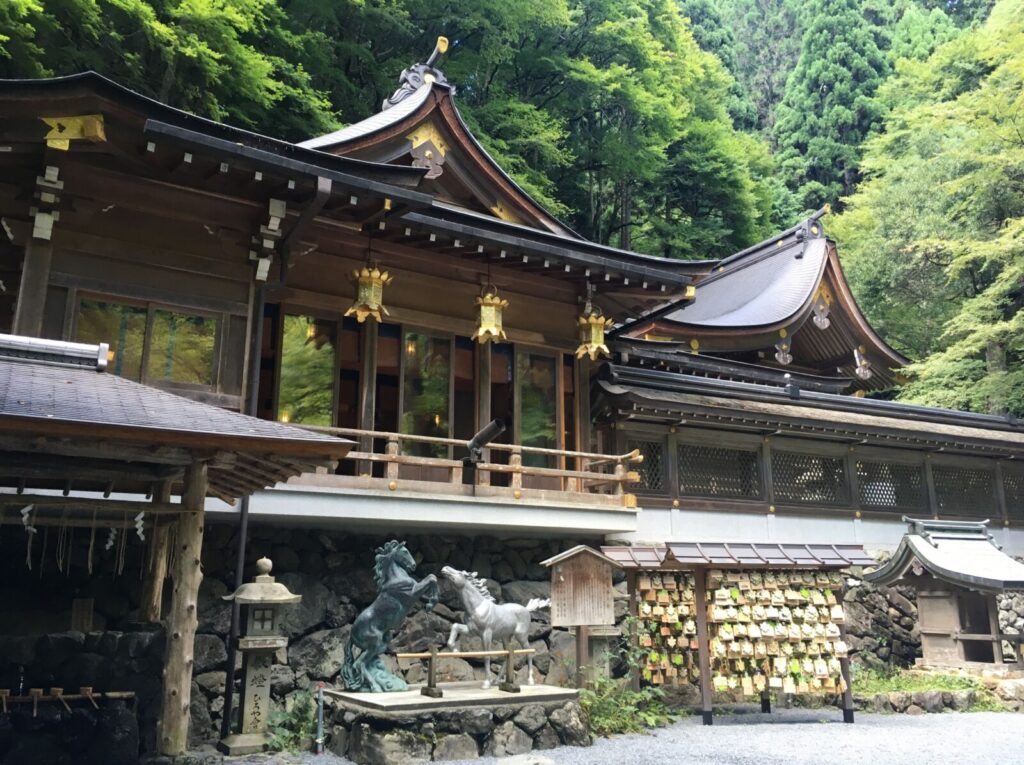
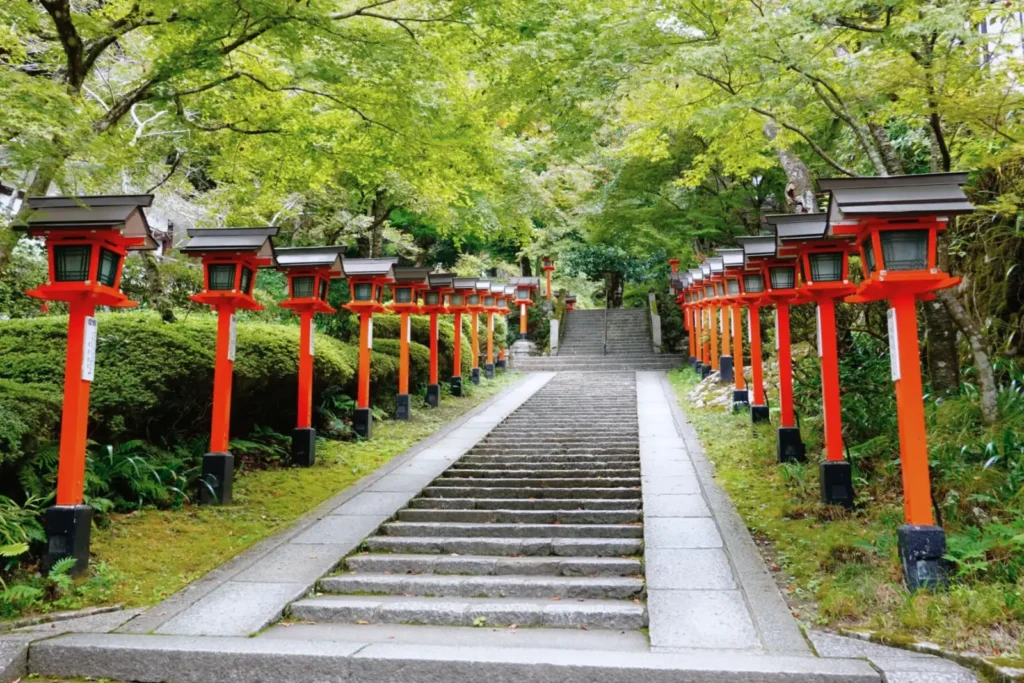
Starting from Kurama
Take the Eizan Railway to Kurama Station. The trail begins near the entrance to Kurama-dera Temple, just a short walk from the station. The mountain trail is behind the main temple on the left. You must pay 500 yen to enter the temple.
Starting from Kibune
Take the Eizan Railway to Kibuneguchi Station, then ride the local bus or walk approximately 30 minutes to Kifune Shrine, where the trail begins. The trail begins just before Kifune shrine. Look for a small bridge on your right and cross there. The fee to enter is 500 yen
Visitor Tips
- Start early to avoid the busiest times.
- Wear sturdy footwear with good grip.
- Bring enough water, especially in summer.
- Check the weather before setting out.
- Allow extra time to explore Kurama-dera Temple and Kifune Shrine.
- Mobile phone reception may be limited in some parts of the forest.
- Walking sticks are available at the Temple entrance.
Explore the Kurama–Kifune Trail with Snow Monkey Resorts
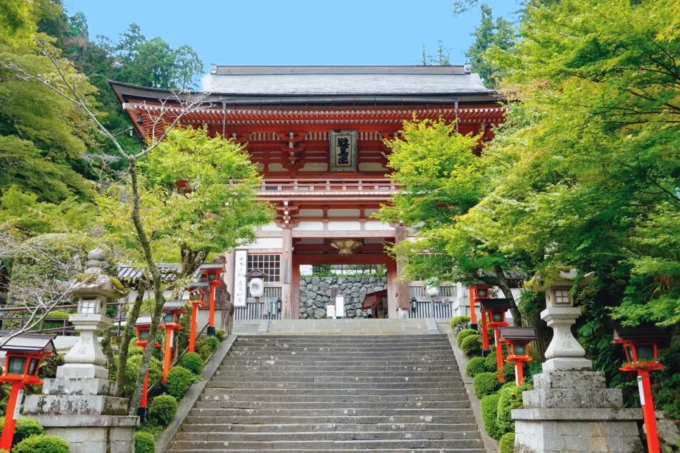
Want to enjoy the hike without worrying about train connections, navigation, or planning? Our Kurama & Kifune Hiking Tour takes you on a guided journey through Kyoto's sacred northern mountains, combining the history of Kurama-dera Temple, the beauty of Kifune Shrine, and one of Kyoto's most scenic hiking trails. Along the way, our expert guides share the legends, history, and cultural significance of the area, making this much more than just a walk through the forest.
Planning Your Kyoto Trip?
If you’re still shaping your itinerary, start with our 7-Day Kansai Japan Highlights Itinerary, which combines Kyoto, Osaka, and Nara into a balanced first visit. For inspiration and practical tips, see our 40 Things to Do in Kyoto, Nara, and Osaka, including seasonal ideas and neighborhood recommendations.
Looking to go deeper? Our Best Tours in Kyoto page highlights cultural experiences that go beyond the usual sights. If you’re deciding where to base yourself, our guide on staying in Osaka or Kyoto breaks down the pros and cons of each.
More Kyoto Travel Guides
Discover Kyoto's rich cultural traditions with our Essential Guide to Geisha in Kyoto, or learn how to enjoy one of the city's finest culinary experiences with our Guide to Making Restaurant Reservations in Kyoto.
Planning a seasonal visit? Explore our guides to Cherry Blossoms in Kyoto for the best hanami spots, or discover the top places to enjoy Autumn Leaves in Kyoto as temples, gardens, and mountain valleys burst into vibrant autumn colours.
Interested in local flavours? Visit our Top 10 Sake Breweries to Visit in Kansai, or unwind after a day of sightseeing with our Tattoo-Friendly Onsen & Sento Guide in Kyoto. If you're looking for even more inspiration, don't miss our Things to Do in Kyoto guide, featuring the city's top attractions, hidden gems, and unforgettable cultural experiences.
Frequently Asked Questions
How difficult is the Kurama–Kifune hike?
The trail is considered moderately difficult due to its steep staircases and uneven terrain, but it is suitable for most reasonably fit visitors.
How long does the hike take?
Most hikers complete the trail in 2–3 hours, excluding time spent exploring the temple and shrine.
Can beginners do the hike?
Yes. While there are plenty of steps and some steep sections, the trail is manageable for beginners with comfortable footwear and a moderate level of fitness.
Is there an entrance fee?
The entrance fee is 500 yen and can be paid at the entrance to Kurama Temple or at the beginning of the trail in Kifune village.
Can I hike in both directions?
Absolutely. The trail can be completed either from Kurama to Kifune or from Kifune to Kurama.