



Hidden deep within the forested mountains of northern Kyoto, Kurama-dera Temple is one of the city's most atmospheric and rewarding destinations. Surrounded by towering cedar trees and centuries of legend, this historic mountain temple offers a unique combination of breathtaking scenery, fascinating history, and spiritual significance.
Founded more than 1,200 years ago, Kurama-dera has long attracted monks, pilgrims, warriors, and travellers seeking peace among the mountains. Today, visitors come to admire its beautiful temple buildings, panoramic viewpoints, sacred hiking trails, and the famous legends of the tengu and the samurai hero Minamoto no Yoshitsune.
Whether you're interested in Japanese history, hiking, spirituality, or simply escaping Kyoto's busy city centre, Kurama-dera is an unforgettable destination.
Where is Kurama-dera?
Kurama-dera Temple is located on Mount Kurama in the peaceful mountain village of Kurama, in northern Kyoto's Sakyo Ward. Around one hour from Kyoto Station by public transportation, the temple is easily reached via the scenic Eizan Railway followed by a short walk from Kurama Station.
Many visitors combine their visit with the nearby Kifune Shrine by hiking the picturesque trail across Mount Kurama.
Why Visit Kurama-dera?
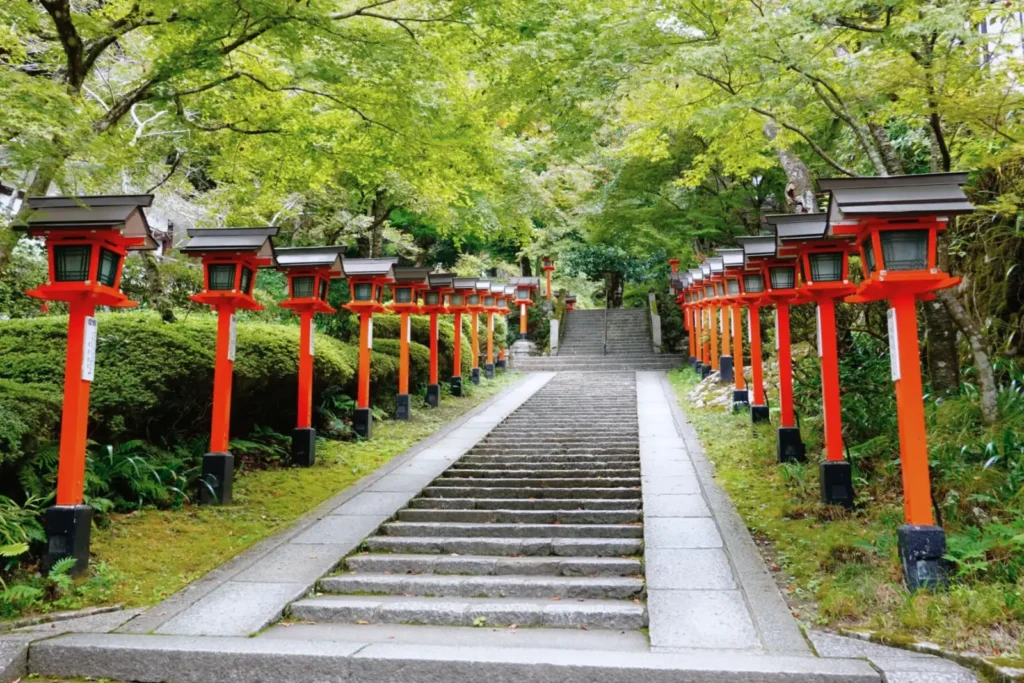
Unlike many of Kyoto's temples, visiting Kurama-dera is an adventure in itself. Rather than arriving by bus and walking through crowded streets, visitors travel into the mountains aboard the scenic Eizan Railway before climbing through peaceful cedar forests to reach the temple.
Kurama-dera offers something for everyone:
- Beautiful mountain scenery
- One of Kyoto's best hiking experiences
- Rich samurai legends and mythology
- Connections to Reiki spirituality
- Ancient forests and quiet walking trails
- Stunning autumn colours and fresh spring greenery
- Easy to combine with nearby Kifune Shrine
It feels a world away from central Kyoto despite being less than an hour from Kyoto Station.
A Brief History
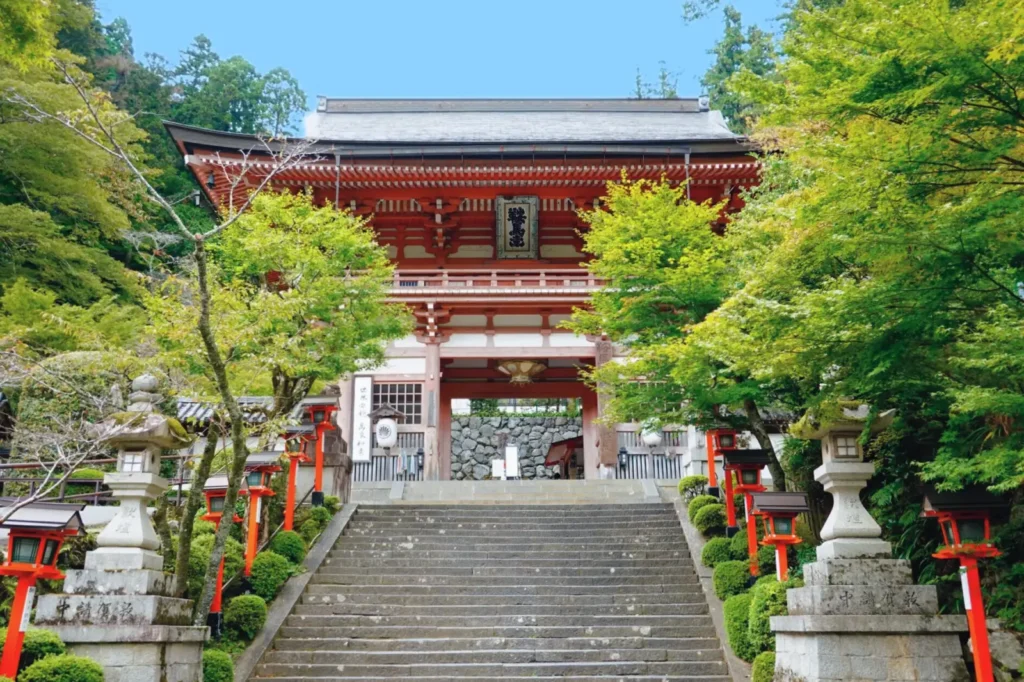
Kurama-dera was founded in 770 AD by the monk Gantei, who is said to have been guided to Mount Kurama by a white horse while searching for a sacred place to worship Bishamonten, the Buddhist guardian deity of protection and good fortune.
Over the centuries, Kurama-dera developed its own distinctive form of mountain Buddhism. Rather than centring its worship on a single deity, the temple venerates Sonten, the supreme spiritual presence believed to unite the qualities of Bishamonten (Light), Senju Kannon (Love), and Mao-son (Power). Together, these three aspects are said to represent the universal life force that exists throughout nature and all living things. This unique philosophy, combined with the mountain's peaceful forests and sacred atmosphere, continues to draw visitors seeking both spiritual reflection and a deeper connection with nature.
Legends of Mount Kurama
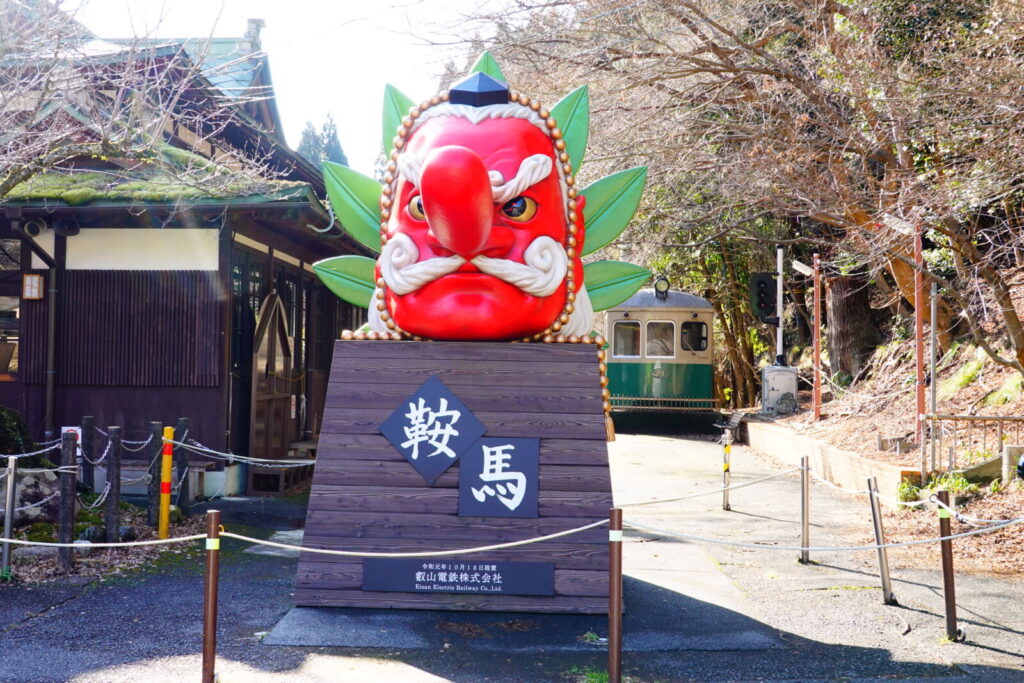
Mount Kurama has inspired legends for centuries, making it one of Kyoto's most mysterious places.
According to folklore, the mountain is home to powerful tengu—supernatural beings often depicted with long noses and incredible martial arts abilities. Their king, Sojobo, is said to have taught the young samurai Minamoto no Yoshitsune, who later became one of Japan's greatest military heroes.
While these stories belong to Japanese mythology rather than recorded history, they remain an important part of Kurama's identity and continue to capture the imagination of visitors today.
Kurama and Reiki
Kurama-dera is also well known among practitioners of Reiki, a Japanese spiritual healing practice developed by Mikao Usui in the early 20th century.
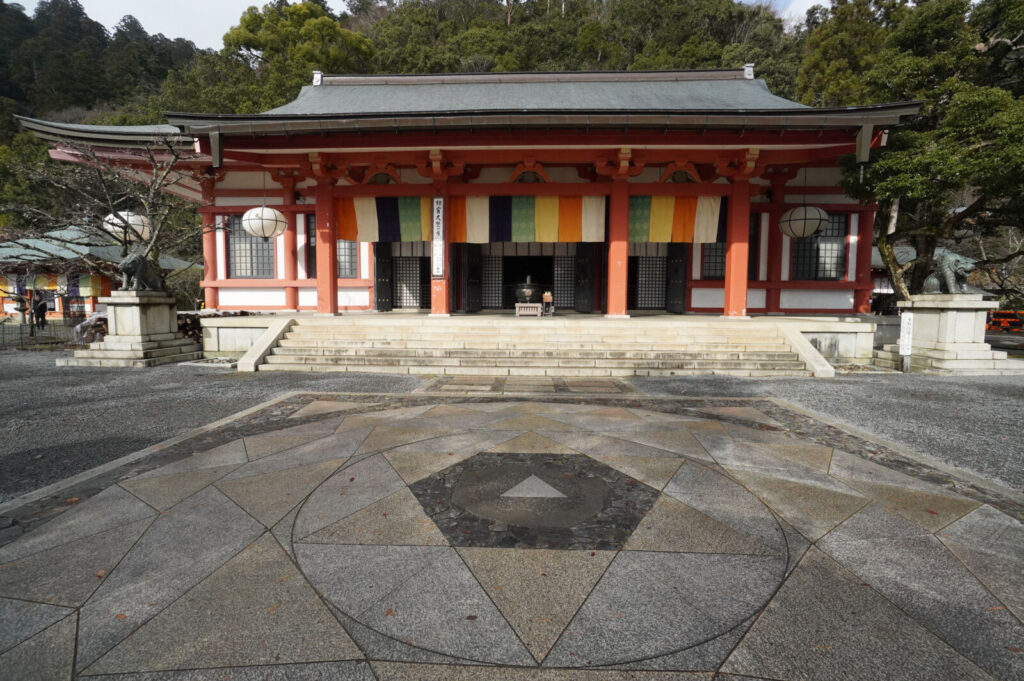
Many believe Mount Kurama possesses a unique spiritual energy, and visitors from around the world come to meditate at the temple's Kongōshō, a stone circle often called the "Power Spot." Whether you visit for spiritual reasons or simply to enjoy the peaceful surroundings, it is one of the temple's most distinctive locations.
Hiking from Kurama to Kibune
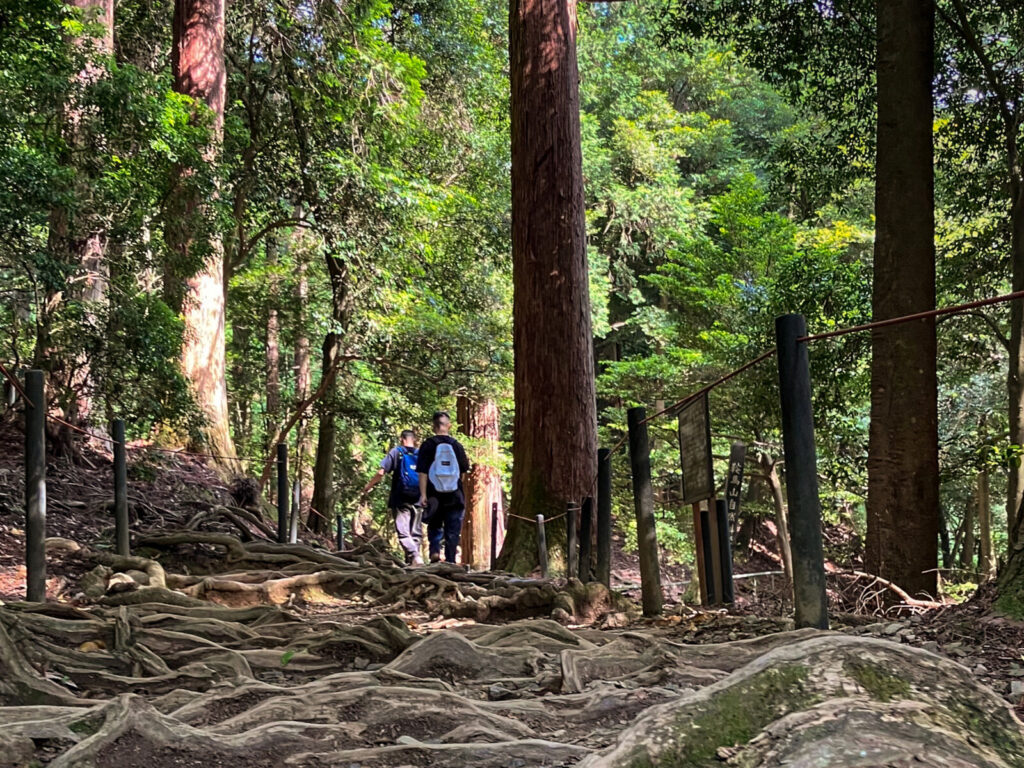
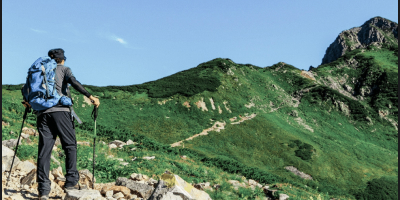
One of Kyoto's most rewarding hikes connects Kurama-dera with nearby Kifune Shrine.
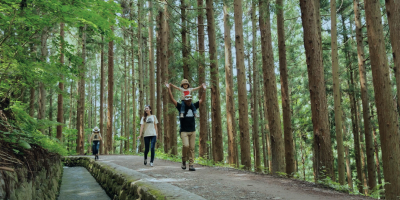
The trail winds approximately 4 kilometres through Mount Kurama, passing cedar forests, hidden temple buildings, and quiet mountain paths before descending into the picturesque village of Kibune.
The hike takes around 2 hours and requires a moderate level of fitness due to the many stone steps and uneven terrain.
Looking for more information? Check out our complete Kurama to Kibune Hiking Guide for trail details, seasonal advice, and practical tips.
Festivals at Kurama-dera
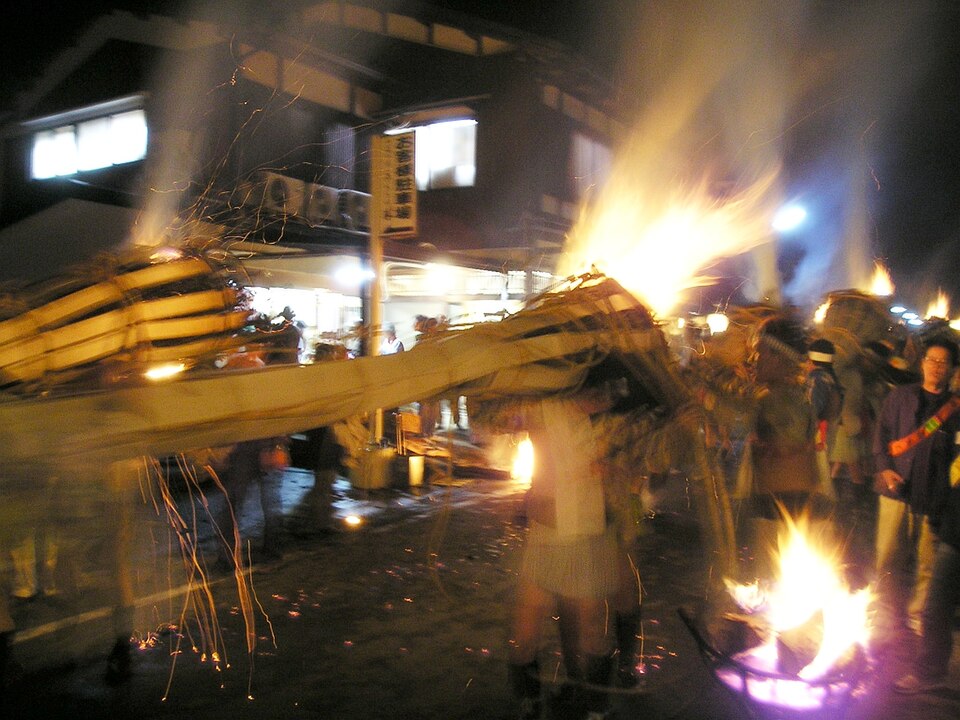
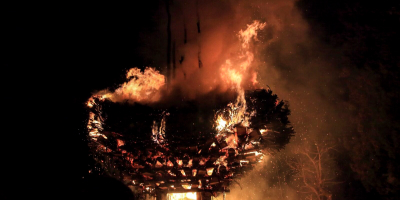
Kurama's most famous event is the Kurama Fire Festival (Kurama no Hi Matsuri), held every 22 October.
Enormous flaming torches illuminate the village as residents carry them through the narrow streets in one of Japan's most dramatic traditional festivals. The celebration is dedicated to Yuki Shrine and attracts visitors from across Japan and around the world.
Learn more in our Kurama Fire Festival Guide.
Best Time to Visit
Spring (March–May)
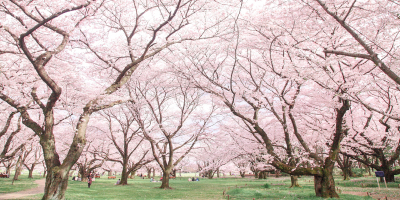
Fresh greenery and comfortable hiking weather make spring one of the best seasons to visit.
Summer (June–August)
The mountain forests provide welcome shade, though humidity can make the hike more challenging.
Autumn (October–November)
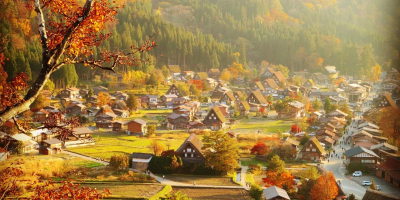
One of Kyoto's premier autumn destinations, with brilliant red and golden maple leaves covering the mountainside.
Winter (December–February)
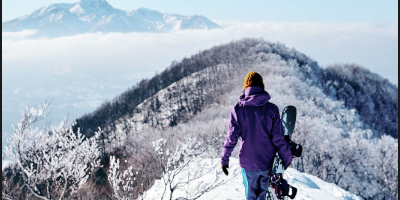
Occasional snowfall transforms Kurama into a peaceful winter landscape with far fewer visitors.
Planning your trip to Kyoto? Explore our Best Time to Visit Kyoto: Month-by-Month Guide to learn about seasonal weather, festivals, autumn leaves, cherry blossoms, and the best times to experience Kyoto throughout the year.
How to Get to Kurama-dera
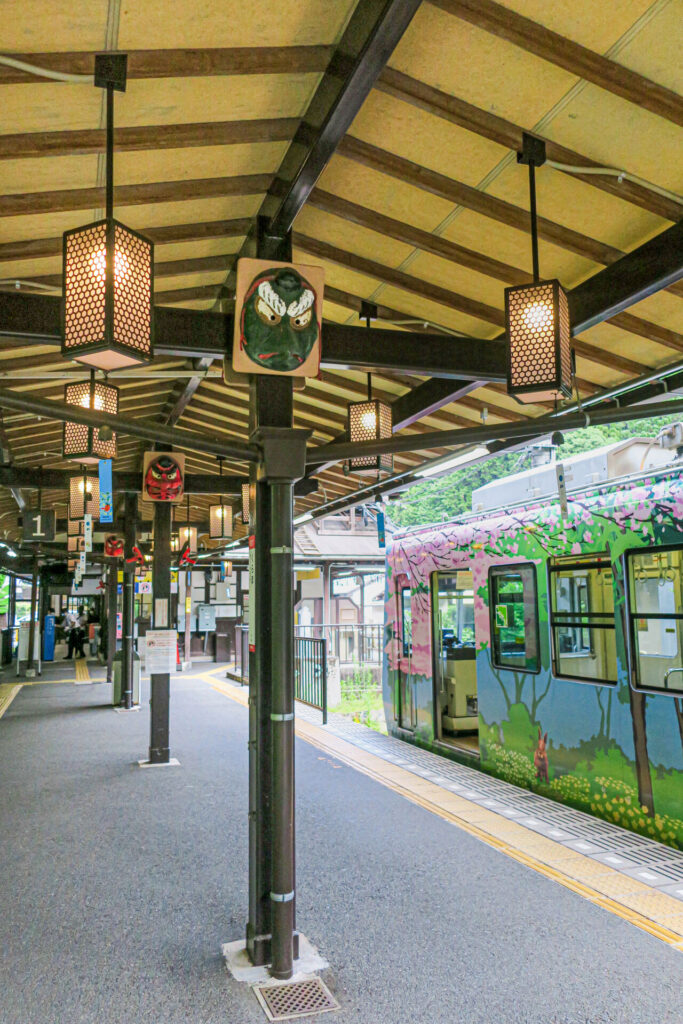
From Kyoto Station
Take the Karasuma Subway Line to Kokusaikaikan Station, then walk for about 10 minutes to Iwakura Station on the Eizan Railway. Board a train to Kurama Station, the final stop on the line.
From Demachiyanagi Station
The simplest route is to board the Eizan Railway directly from Demachiyanagi Station. The journey to Kurama takes approximately 30 minutes and passes through some of Kyoto's most picturesque countryside.
Walking to the Temple
From Kurama Station, it's a short walk through the village to the temple entrance. Visitors can climb the stone pathway on foot or use the temple's cable railway for part of the ascent before continuing on foot to the main hall.
Visitor Tips
- Wear comfortable walking or hiking shoes.
- Bring water, especially during summer.
- Expect plenty of stairs and uneven paths.
- Allow extra time if continuing to Kifune Shrine.
- Visit early in the morning for a quieter experience.
- Don't miss the scenic Eizan Railway journey.
Explore Kurama with us
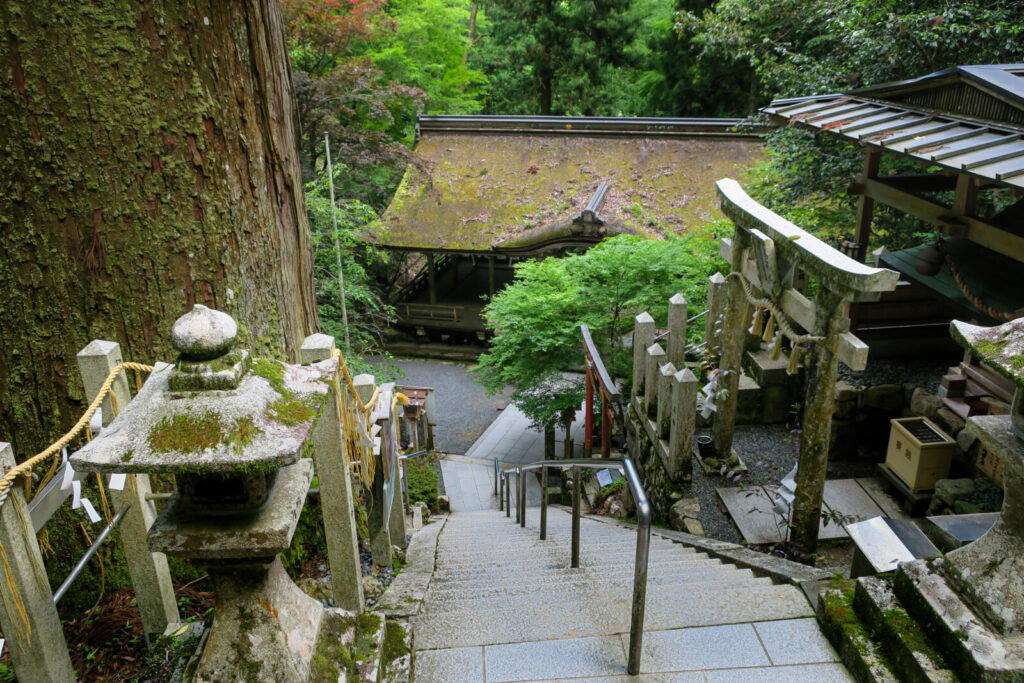
The best way to experience Kurama-dera is as part of a guided journey through Kyoto's sacred northern mountains. Our Kurama & Kibune Hiking Tour combines the history of Kurama-dera Temple, the peaceful beauty of Kifune Shrine, and one of Kyoto's most scenic forest hikes into a single unforgettable day. Along the way, our expert local guides bring the mountain's legends, history, and traditions to life while taking care of transportation, navigation, and the details—allowing you to simply enjoy the adventure.
Frequently Asked Questions
Is Kurama-dera worth visiting?
Absolutely. Its combination of mountain scenery, history, legends, and hiking makes it one of Kyoto's most unique temple experiences.
Do I need to hike?
No. Visitors can explore the main temple without completing the full mountain trail, although some walking and stairs are unavoidable.
Can I hike to Kifune Shrine?
Yes. The trail between Kurama and Kibune is one of Kyoto's most popular hikes and takes around two hours.
How long should I spend at Kurama-dera?
Most visitors spend 2–3 hours, or longer if combining the temple with the hike to Kifune Shrine.
Is there an onsen in Kurama Village?
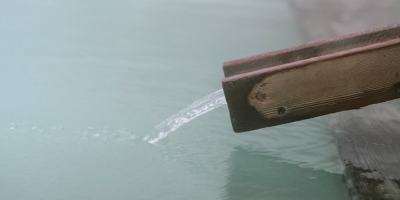
Yes. The onsen and hotel at Kurama village is a beautiful place to stay and relax after your hike up the mountain.
Planning Your Kyoto Trip?
If you’re still shaping your itinerary, start with our 7-Day Kansai Japan Highlights Itinerary, which combines Kyoto, Osaka, and Nara into a balanced first visit. For inspiration and practical tips, see our 40 Things to Do in Kyoto, Nara, and Osaka, including seasonal ideas and neighborhood recommendations.
Looking to go deeper? Our Best Tours in Kyoto page highlights cultural experiences that go beyond the usual sights. If you’re deciding where to base yourself, our guide on staying in Osaka or Kyoto breaks down the pros and cons of each.
More Kyoto Travel Guides
Discover Kyoto's rich cultural traditions with our Essential Guide to Geisha in Kyoto, or learn how to enjoy one of the city's finest culinary experiences with our Guide to Making Restaurant Reservations in Kyoto.
Planning a seasonal visit? Explore our guides to Cherry Blossoms in Kyoto for the best hanami spots, or discover the top places to enjoy Autumn Leaves in Kyoto as temples, gardens, and mountain valleys burst into vibrant autumn colours.
Interested in local flavours? Visit our Top 10 Sake Breweries to Visit in Kansai, or unwind after a day of sightseeing with our Tattoo-Friendly Onsen & Sento Guide in Kyoto. If you're looking for even more inspiration, don't miss our Things to Do in Kyoto guide, featuring the city's top attractions, hidden gems, and unforgettable cultural experiences.