

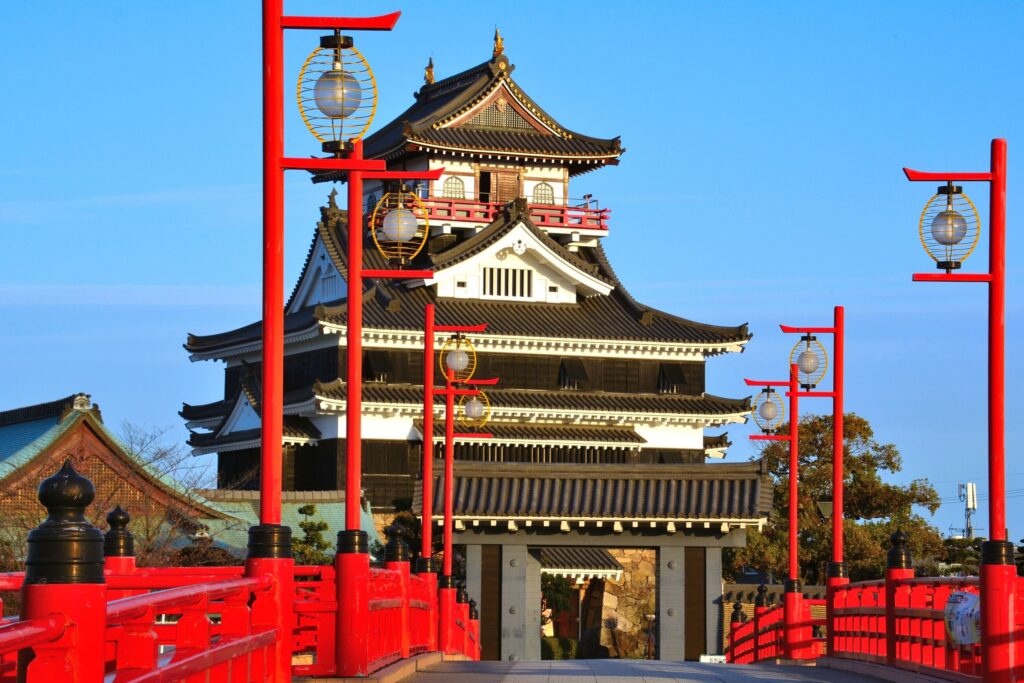
Located just outside Nagoya, Kiyosu Castle is a great destination for travelers interested in Japan’s samurai past. The castle was once home to Oda Nobunaga, one of the most influential samurai leaders during the warring states (Sengoku) period (1467 to 1615). And the site of several other events which shaped the history of Japan.
Kiyosu Castle offers visitors a real insight into the plots, politics, and drama of the samurai era. And best of all, it is easily accessible and relatively unknown to international travellers, allowing you to escape the crowds and enjoy a day stepping back in time..
The History of Kiyosu Castle
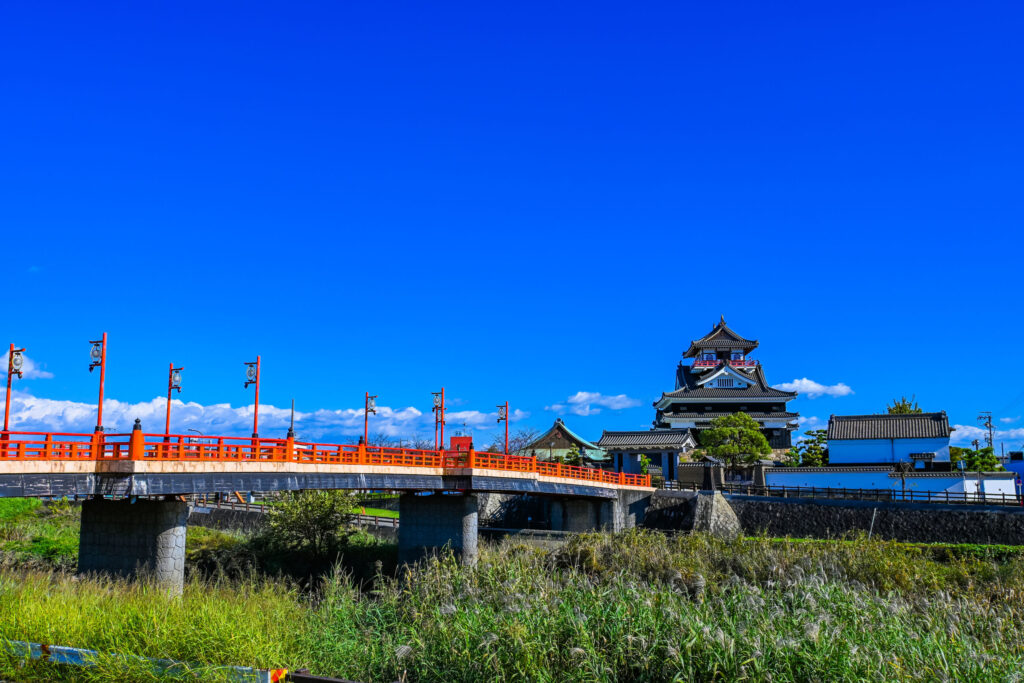
- Originally constructed between 1394 and 1407 A.D. Captured in 1555 by Oda Nobunaga and used as his main base for roughly 10 years
- Site of the Kiyosu Conference in 1582, where Toyotomi Hideyoshi consolidated power following Nobunaga’s death
- Dismantled in the early 17th century and reused to build Nagoya Castle
- Reconstructed in 1989 and now houses a museum, culture center and armory
Located in the heart of the country, directly between Kyoto and Eastern Japan, Kiyosu was a key strategic military position, turning it into an important political centre of Owari Province (an
area of modern-day Aichi Prefecture). The Shiba clan, governors of Owari, decided to secure the region by constructing a castle there sometime between 1394 and 1707 AD. The new Kiyosu Castle served as a secondary location to their main castle, Shimotsu Castle. But when Shimotsu Castle burned down in 1476, Kiyosu became the new capital and center of Owari Province.
Due to its location at the junction of the Ise and Tokaido Road, as well as on the bank of the Gojo River, Kiyosu flourished as a center for trade. It was during this time that the Oda clan, who had been serving as deputy governors to the Shiba clan, seized the chance to take control of the region from underneath their lords.
The Oda clan suffered from a great deal of in-fighting amongst their own family members before Oda Nobunaga finally unified the region, and later most of Japan. Nobunaga used Kiyosu Castle as his base of operations during the early stages of his campaign to unify Japan.
After Nobunaga’s shocking death in 1582, Kiyosu Castle was home to the Kiyosu Conference where many samurai leaders and warlords came together to determine who would take up the reigns and finish Nobunaga’s plan of unifying Japan.
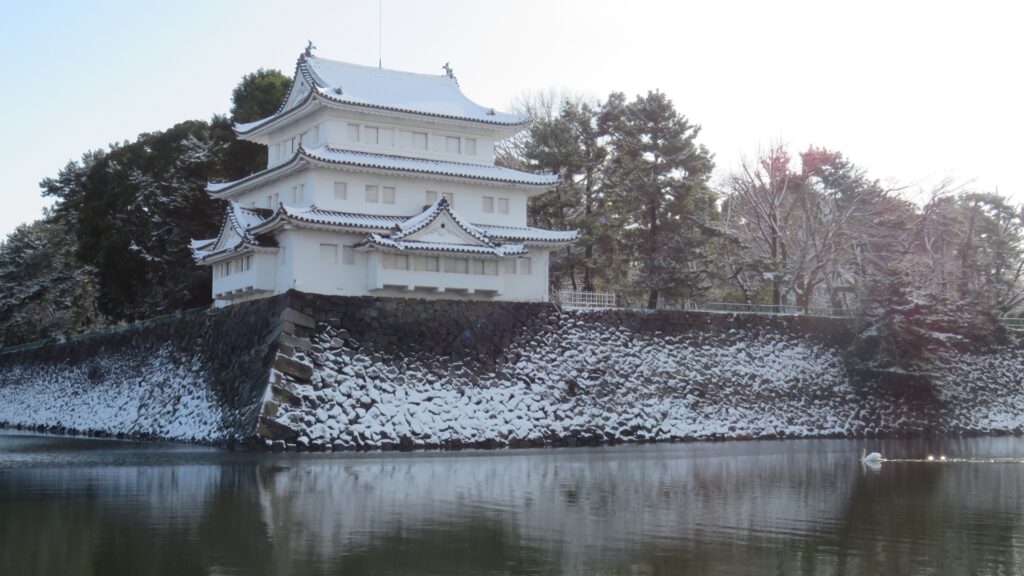
Despite its importance in history, Tokugawa Ieyasu (the third of Japan’s three great unifiers) had Kiyosu Castle dismantled during the Edo era, and used much of the materials to construct Nagoya Castle.
Fortunately, Kiyosu Castle was reconstructed in 1989, and today serves as a reminder of Japan’s history.
Remnants from History: What You Can See at Kiyosu Castle
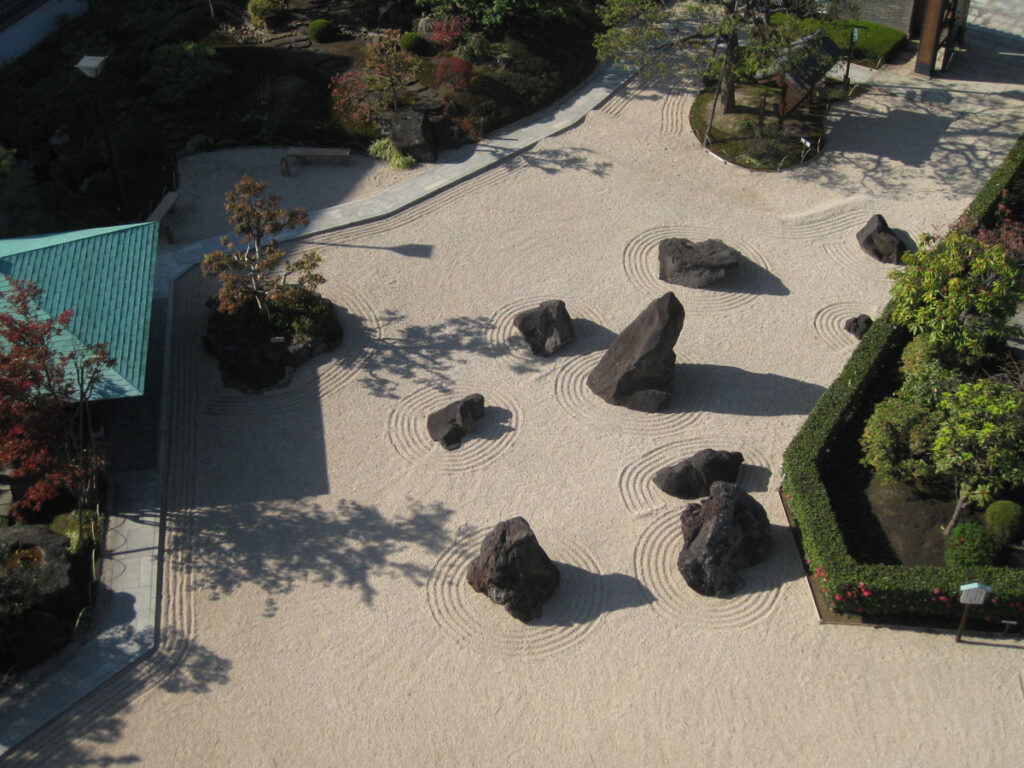
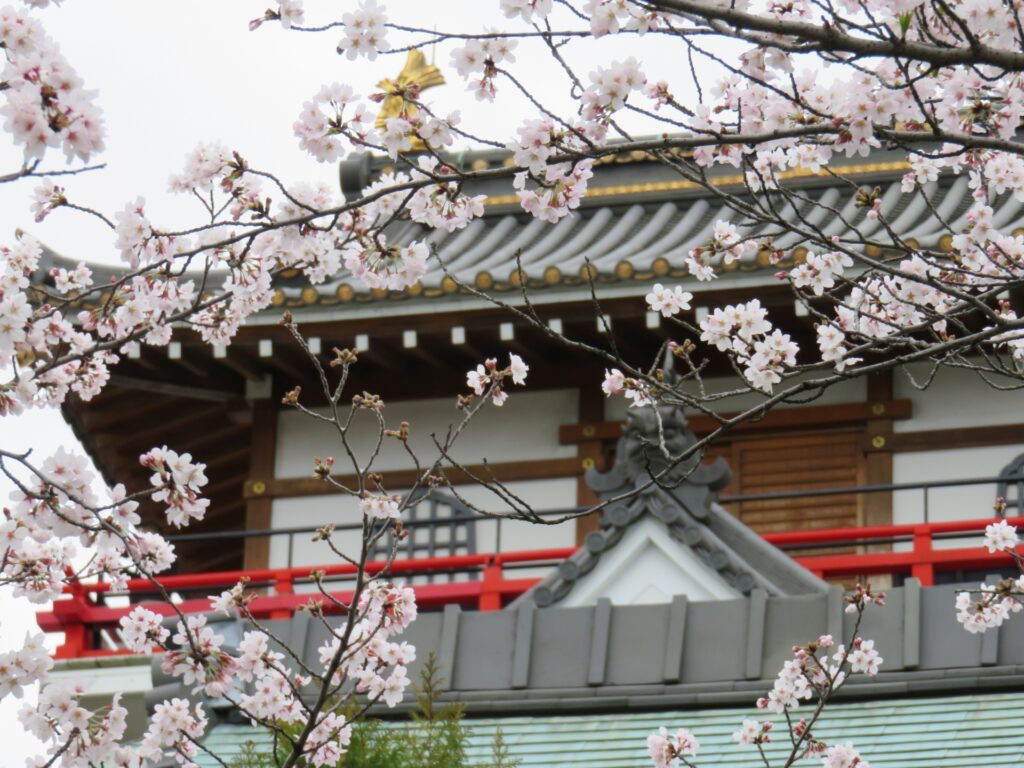
- Golden Shachihoko (‘tiger-fish’) on the castle roof
- Displays regarding the historical events surrounding the Kiyosu Conference
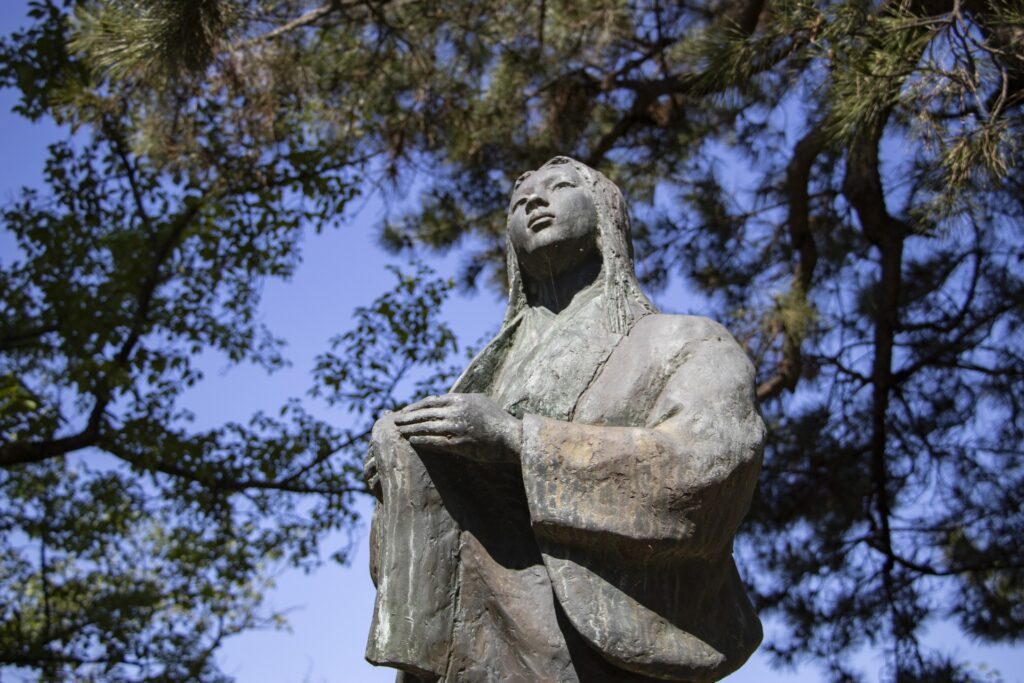
- Bronze statues of Oda Nobunaga and his wife Nohime
- The original site of Kiyosu Castle
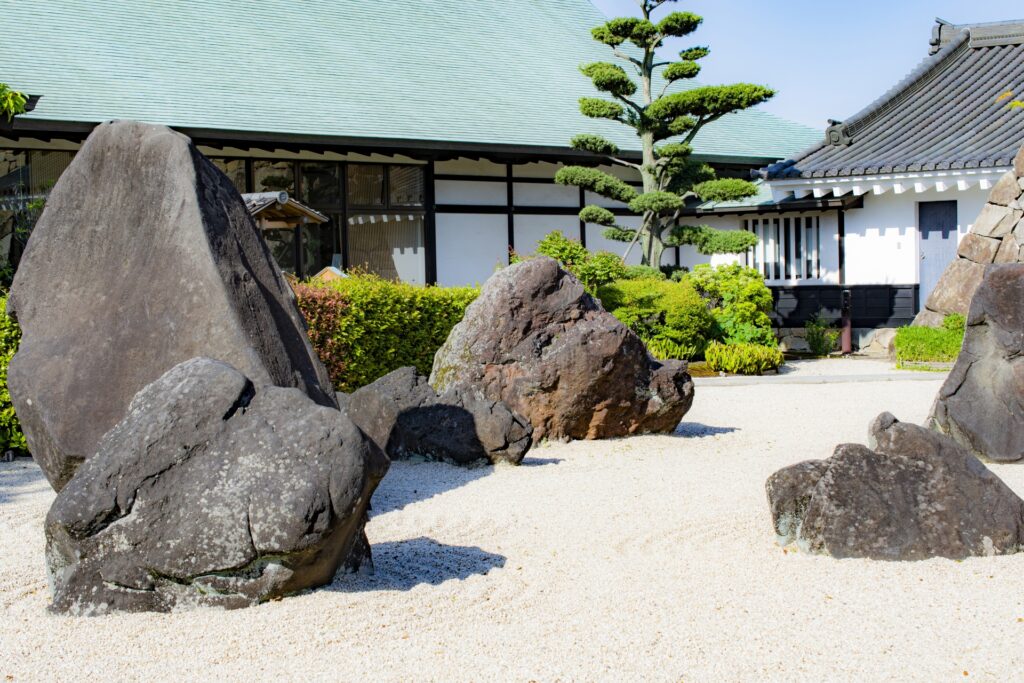
Although the original structure no longer stands, the reconstructed Kiyosu Castle and surrounding grounds showcase several features which help bring the castle’s history to life.
Atop Kiyosu Castle, we can see the pair of golden Shachihoko (‘tiger-fish’) roof ornaments. These golden ornaments are representations of a mythical creature which is said to have lived in the cold northern seas, and had the ability to control water and summon rain. As fire was a very real danger to Japan’s largely wooden castles, the rain-summoning Shachihoko are placed above the castle and serve as protective symbols against this threat.
Inside Kiyosu Castle, the museum houses displays relating to Oda Nobunaga, as well as the wider Sengoku period. In particular, visitors can enjoy a retelling of the events surrounding the Kiyosu Conference.
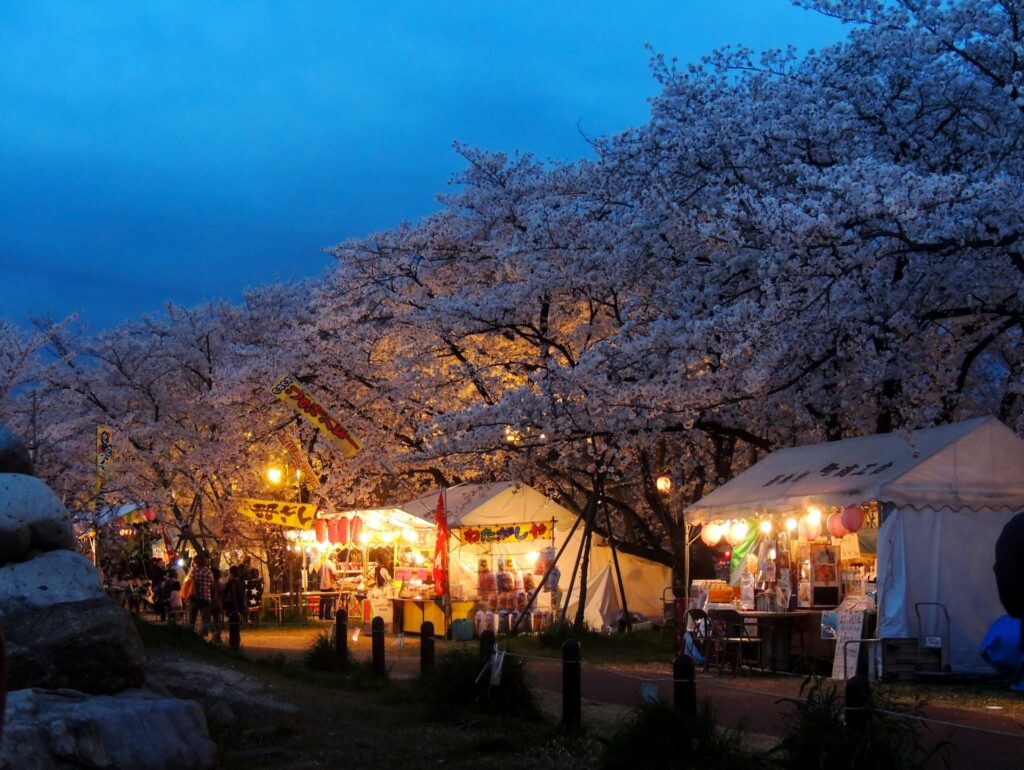
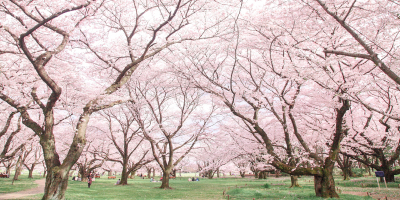
In Kiyosu Park, just outside the castle, visitors can find statues of both Oda Nobunaga and his wife Nohime. The bronze statue depicts Nobunaga adorned in his impressive samurai armor, and is a particularly popular attraction during the Spring cherry blossom season.
The keep itself, and its surrounding area, serves today as both a beautiful photo- worthy destination, as well as a reminder of the country’s turbulent history.
Touring Kiyosu Castle
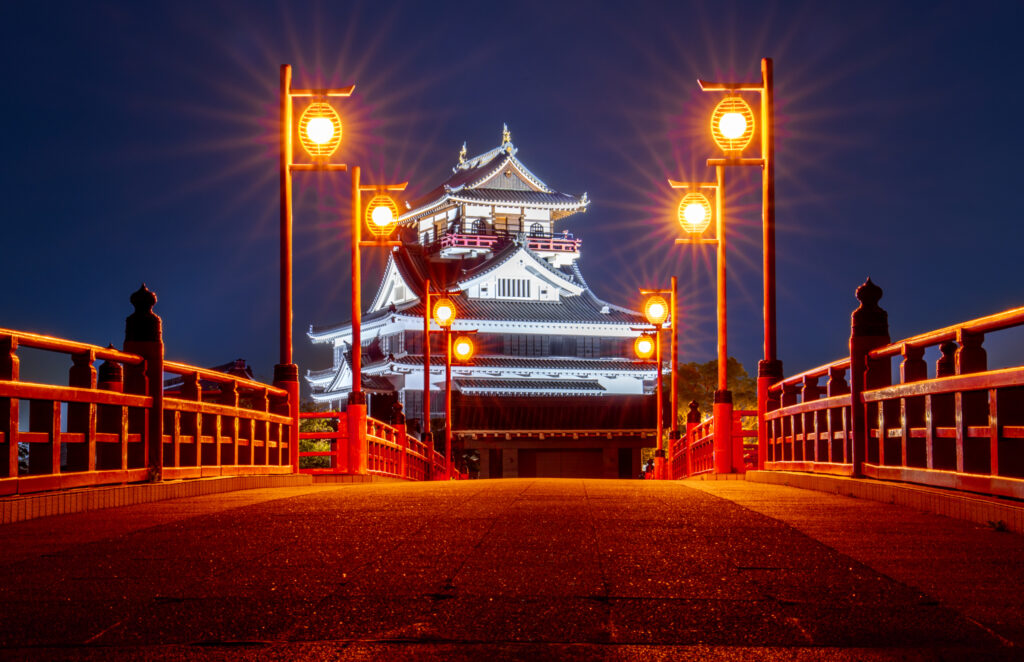
Kiyosu Castle, just a short ride from Nagoya Station [link], offers a quieter and more relaxed alternative to larger, and often crowded, castle sites. With the modern reconstruction completed in 1989, Kiyosu Castle and the surrounding area has much to offer.
Visitor Information:
- Hours: 9:00 to 16:30
- Admission: Adults ¥400
- Closed: Mondays (or the following day if Monday is a public holiday) and during the New Year period (December 29 th -31 st )
Access:
Kiyosu Castle is easily accessible from Nagoya. From Nagoya Station, it takes around 15 minutes by train to Kiyosu Station on the JR Tokaido Line, followed by a 10 to 15-minute walk to the castle. Meitetsu Shin-Kiyosu Station is another nearby option, about a 15-minute walk away.
Frequently Asked Questions (FAQ)
Is Kiyosu Castle worth visiting compared to Nagoya Castle?
While smaller and less grand than Nagoya Castle, Kiyosu lets you escape the crowds and offers a more focused historical experience with strong connections to Oda Nobunaga. It is particularly worthwhile for those interested in the Sengoku Period.
How long should I spend at Kiyosu Castle?
Most visitors spend between 1 and 2 hours exploring the castle, museum exhibits, and surrounding park area.
Is the current Kiyosu Castle the original structure?
No, the current structure is a modern reconstruction completed in 1989. The original castle was dismantled in the early Edo Period, however visitors can still see the original castle site.
Why is Kiyosu Castle associated with Oda Nobunaga?
Kiyosu Castle became Oda Nobunaga’s base of operations in 1555 after he won full control over his clan. From here, he launched campaigns that would eventually lead to the unification of much of Japan.