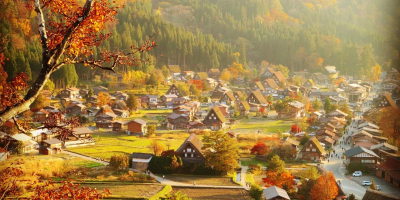



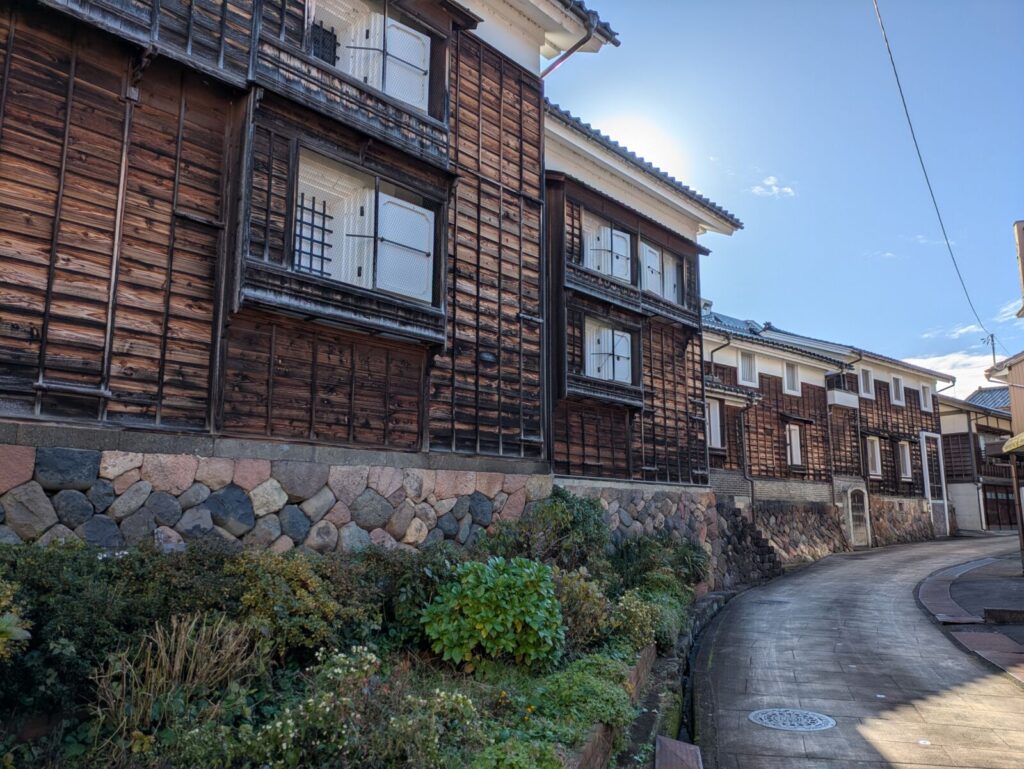
Johana is a captivating area renowned for its beautifully preserved traditional townscape Toyama and deep cultural roots, earning it the moniker "Little Kyoto in Ecchu." Visitors can immerse themselves in history by exploring its charming streets.
A Short History
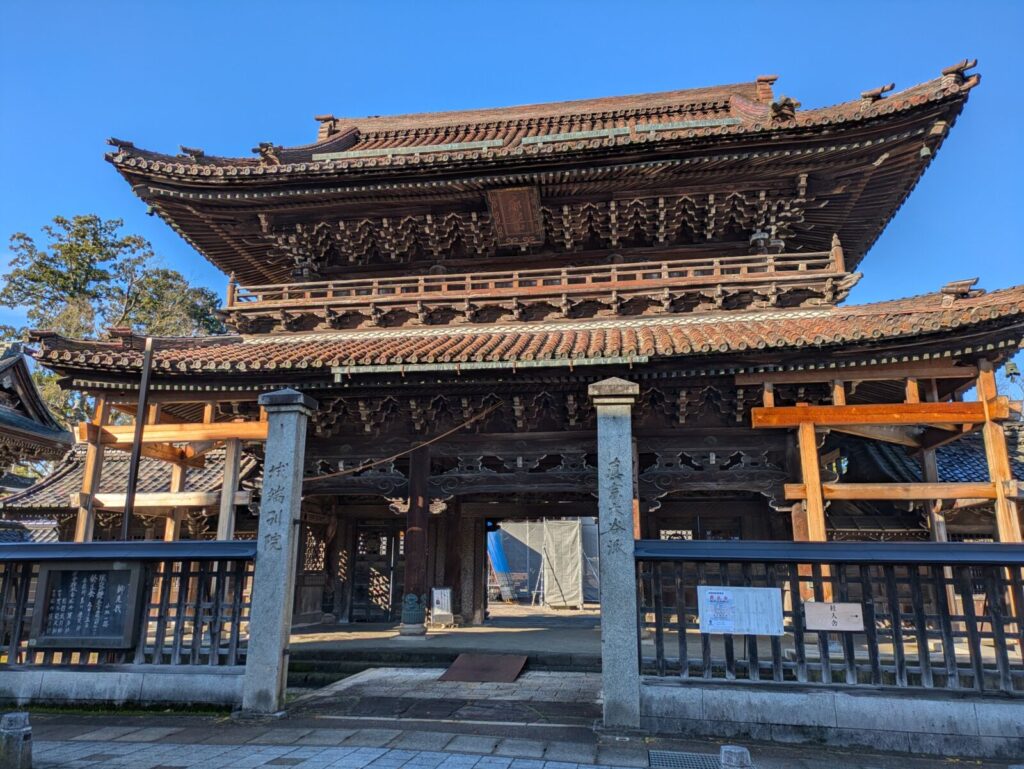
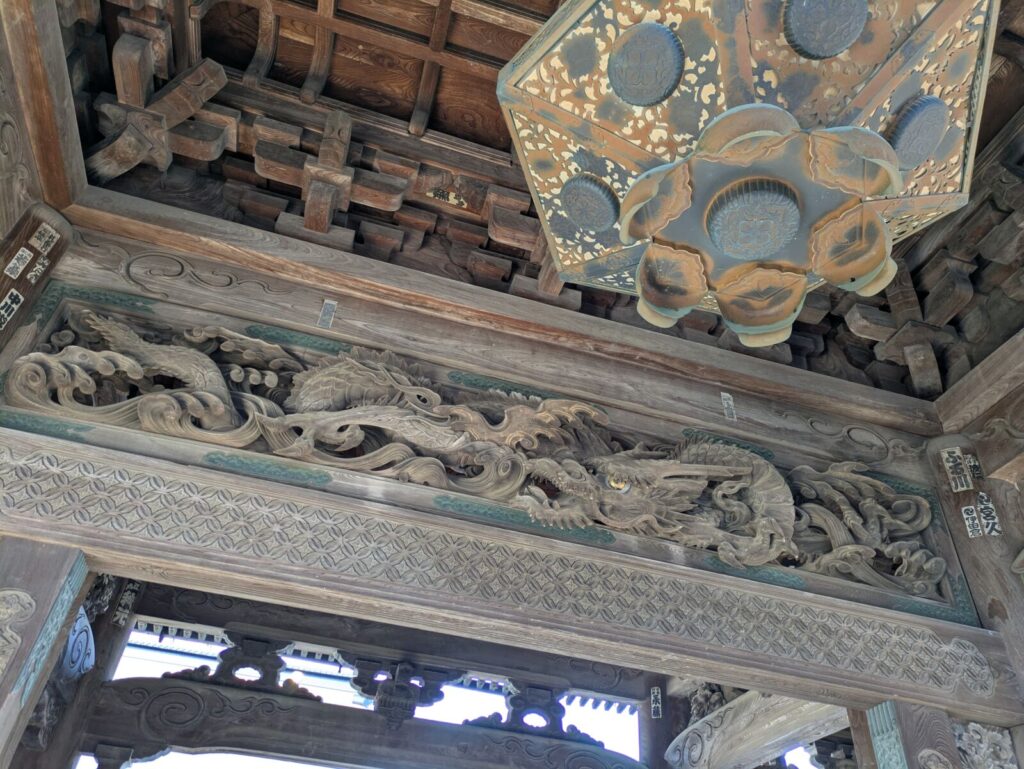
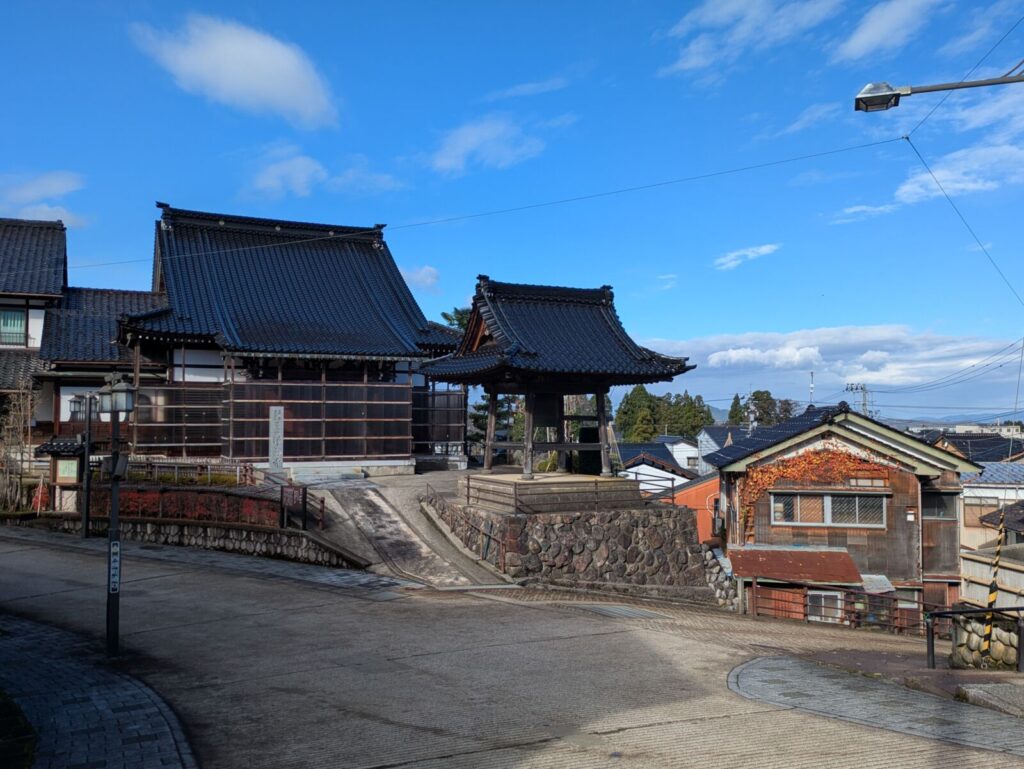
Johana enters the historical records in the late 1400s with the growth of the new radical sect of Pure Land Buddishm, the Ikko-shu or Ikko Ikki. The most famous priest and founder of this sect, Rennyo, decided to expand into the Ecchu region(today's Toyama) from his base in Yoshizaki(on the border of Ishikawa and Fukui prefectures). He helped built Zentokuji Temple in 1480 and it became a the major temple in the region during the Warring States Period. This would continue into the Edo Period as well, with great support from the Maeda family in Kanazawa. As the wealthiest daimyo they supported the temple and even sent their sons there to study.
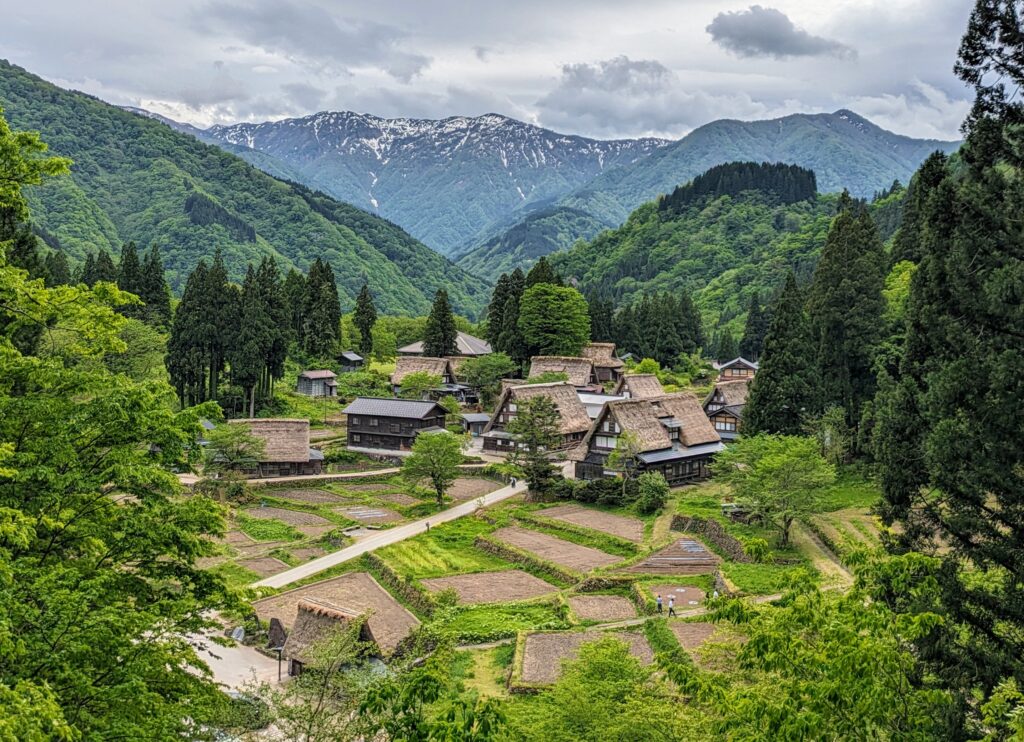
When the influence of the Maeda was waning in the late 1800s, a new industry was gaining steam. The UNESCO World Heritage Site of Gokayama is nearby and in the thatched-roof houses they produced large amounts of silk. It was from here that the raw silk came to Johana and then processed into garments. The area is is famous for its 'knotty thread' that makes the thread uneven in thickness but they made use of it to made beautiful weaves. This is where the wealth of the town came from and the reason the nice traditional buildings you are still able to see in Johana
Johana Hikiyama Festival
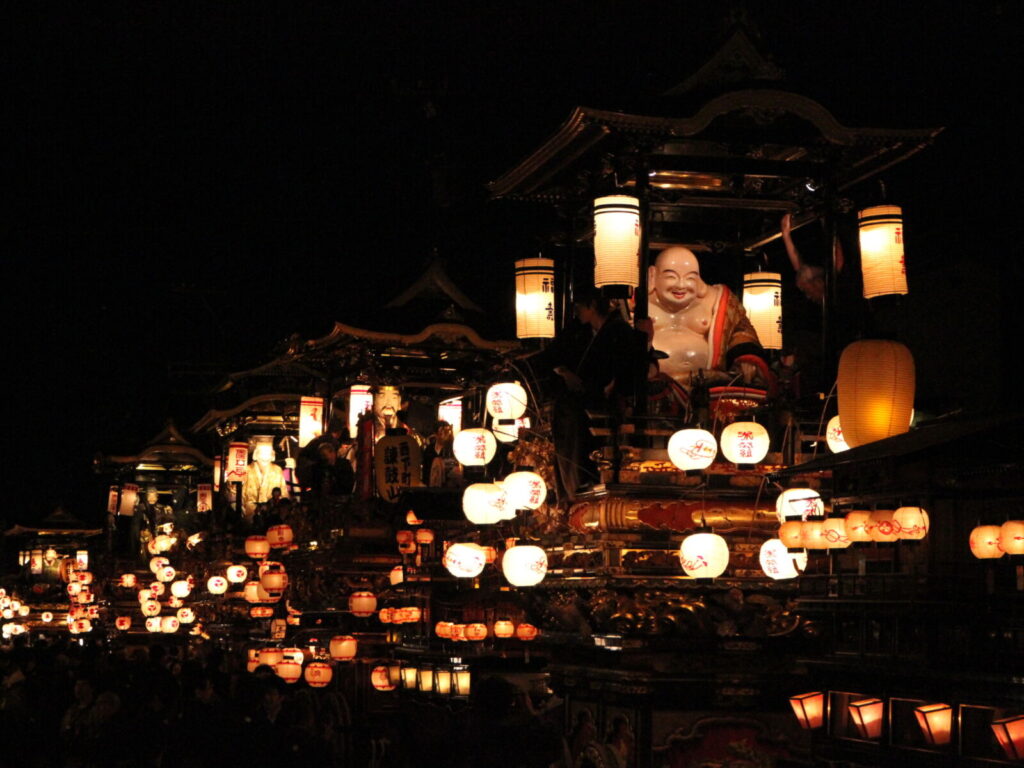
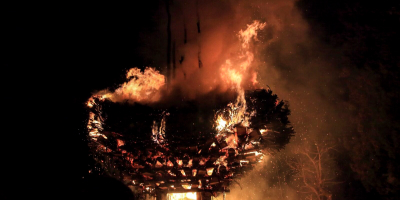
The Johana Hikiyama Festival is designated UNESCO Intangible Cultural Heritage, held on May 4th and 5th. This celebration sees six exquisitely decorated Hikiyama floats, bearing sacred statues. Accompanying them are iori yatai, unique tea-house style floats where musicians perform iori-uta, traditional Edo-period songs. The festival also features a dynamic Chinese lion dance and spear-like ornaments to ward off evil, culminating in a nighttime spectacle when the floats are illuminated by countless paper lanterns.
Interesting Sites Around the Town
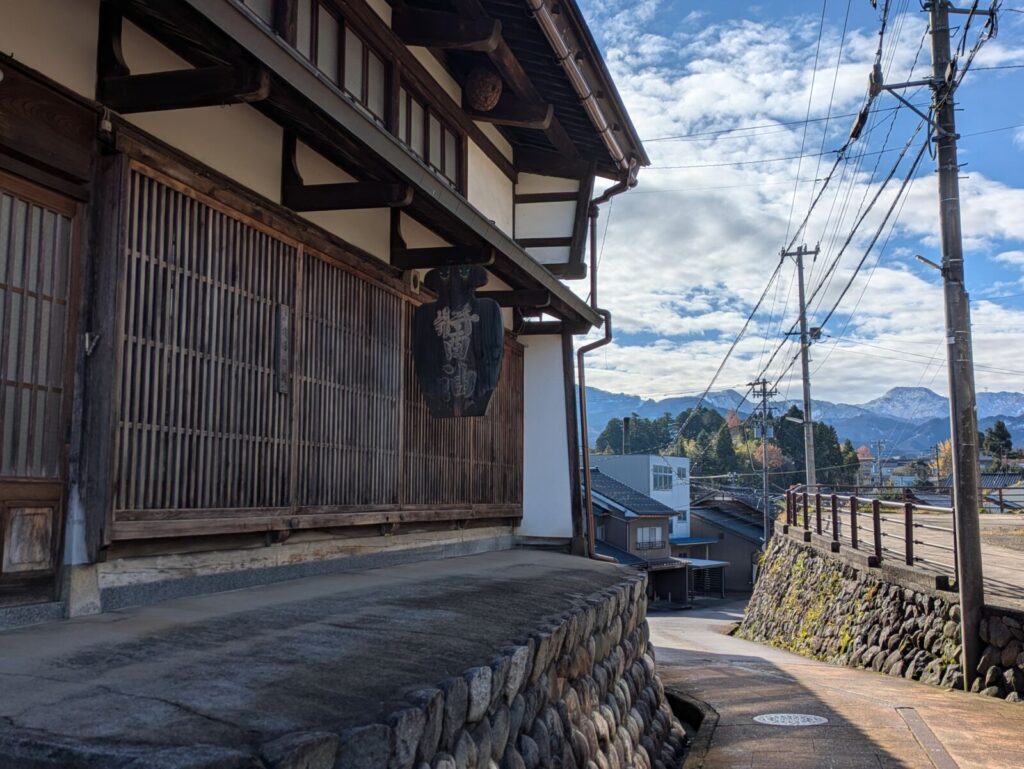
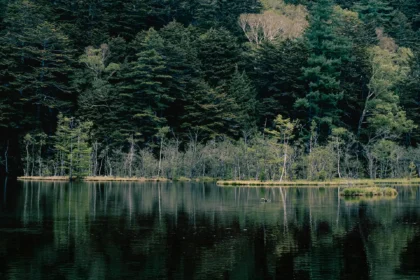
Johana offers several other captivating sites that immerse visitors in its rich history and culture. The Johana Hikiyama Center is a must-visit, offering a year-round exhibition of the town's magnificent festival floats, complete with changing lighting and music to evoke the festive atmosphere. Strolling through Johana's traditional townscape, particularly along Ima-Machi Street, provides a nostalgic journey with its well-preserved machiya townhouses and kura storehouses, reflecting its "Little Kyoto" charm. For a taste of traditional arts, the Johana-za, Traditional Entertainment Center of Johana, regularly hosts performances of the Mugiya Dance and Iori Songs. While slightly outside the immediate town center, Nawaga-ike Pond offers beautiful scenery, especially in May when skunk cabbages bloom, providing a serene natural escape.
Visiting Ecchu Yatsuo
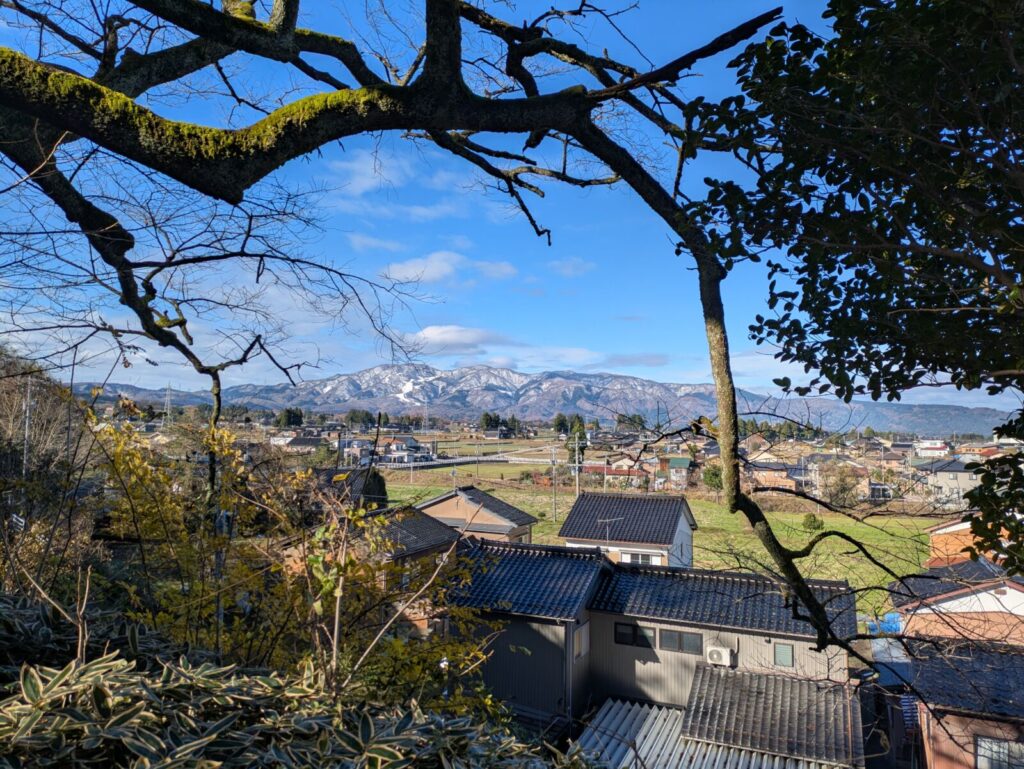
To reach Johana from Kanazawa, the most direct and convenient option is to take a bus. The Nanto-Kanazawa Line bus operates directly directly but very infrequently between Kanazawa and Johana, with the journey taking approximately 60 minutes. Alternatively, you can take a train from Kanazawa Station to Shin-Takaoka Station (via the Hokuriku Shinkansen, about 15 minutes), and then transfer to the JR Johana Line, which will take you directly to Johana Station in about 50 minutes. While the train option involves a transfer, both methods provide relatively easy access to Johana, allowing you to explore its traditional charm.
Top Things to do in Takaoka and Toyama
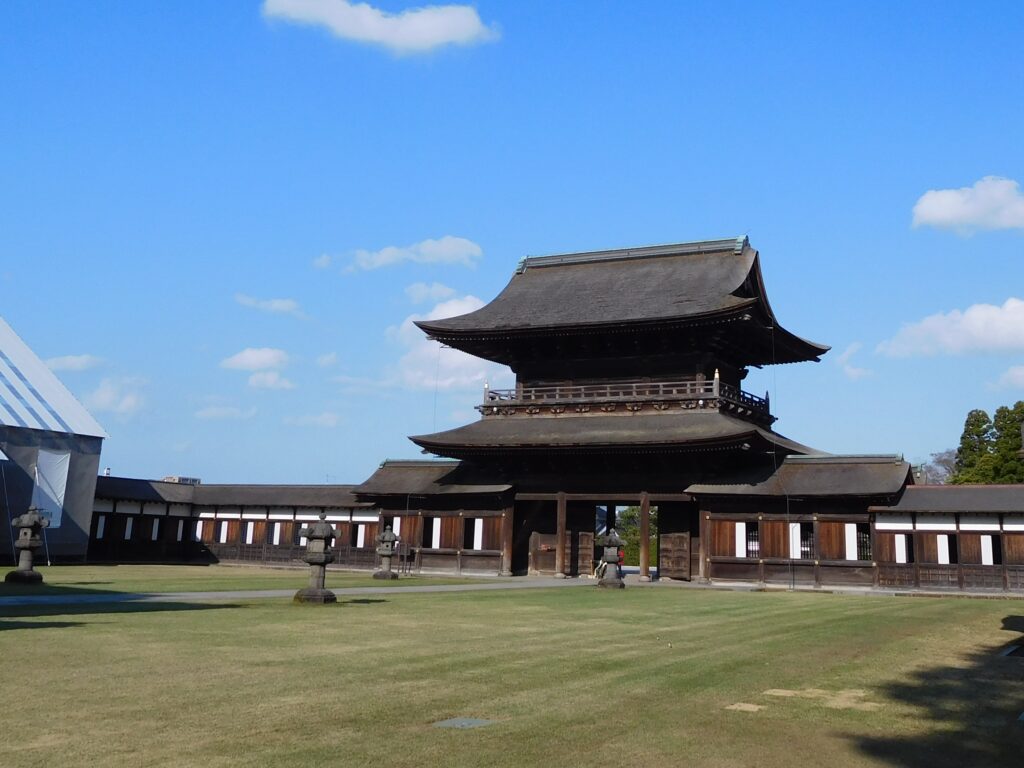
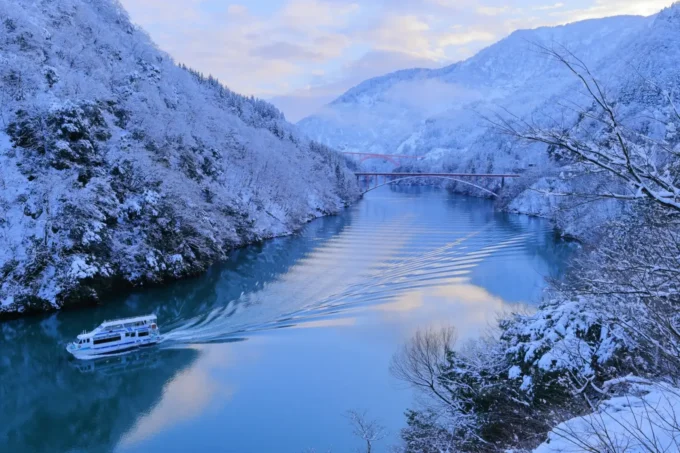
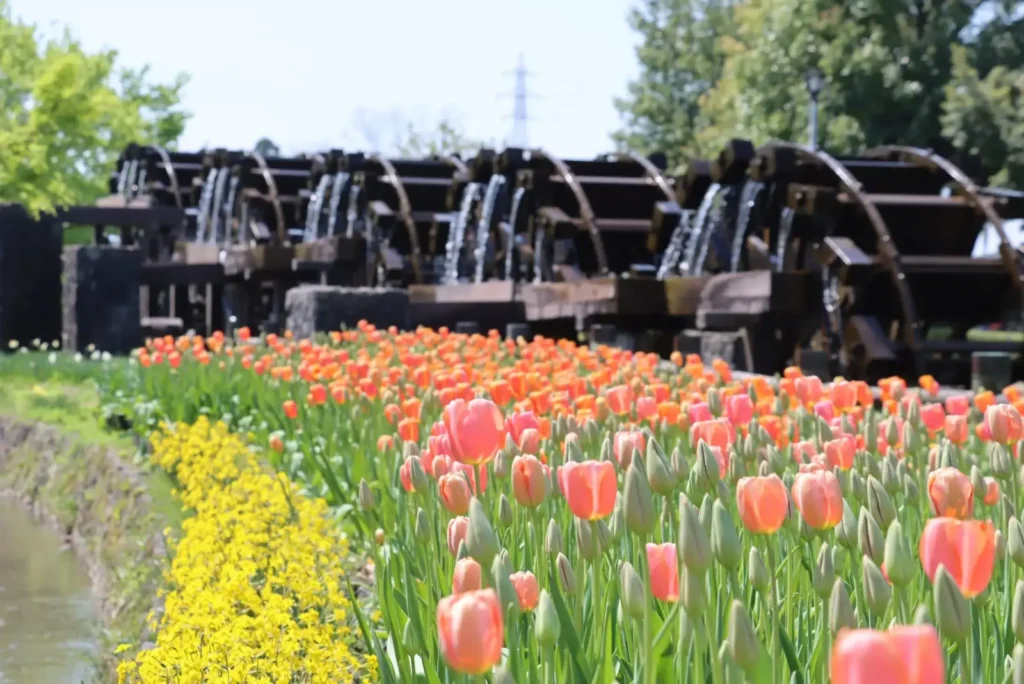
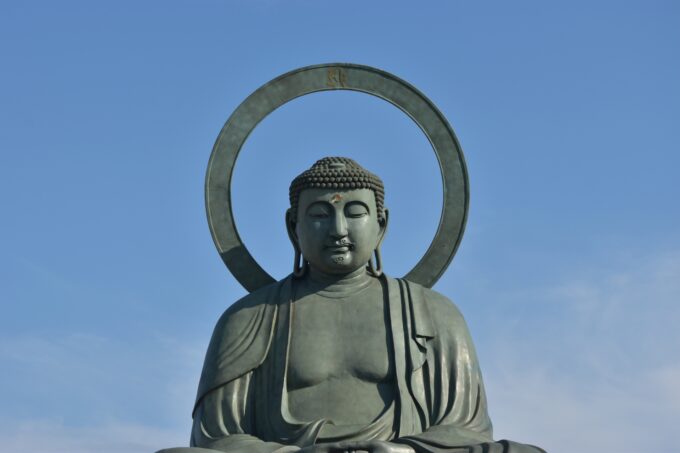
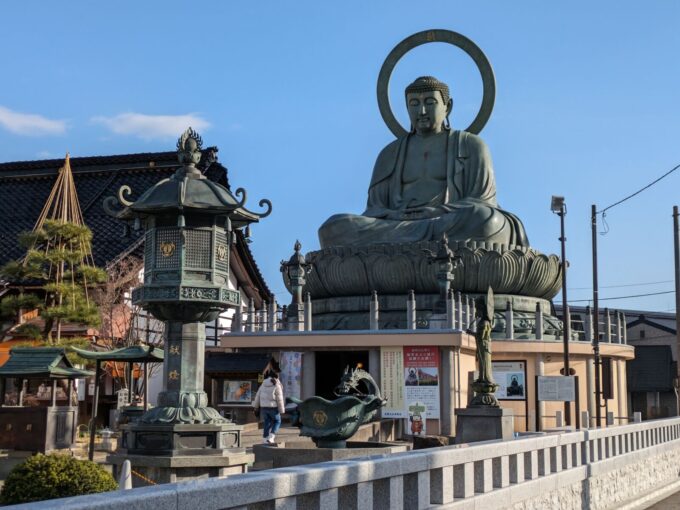
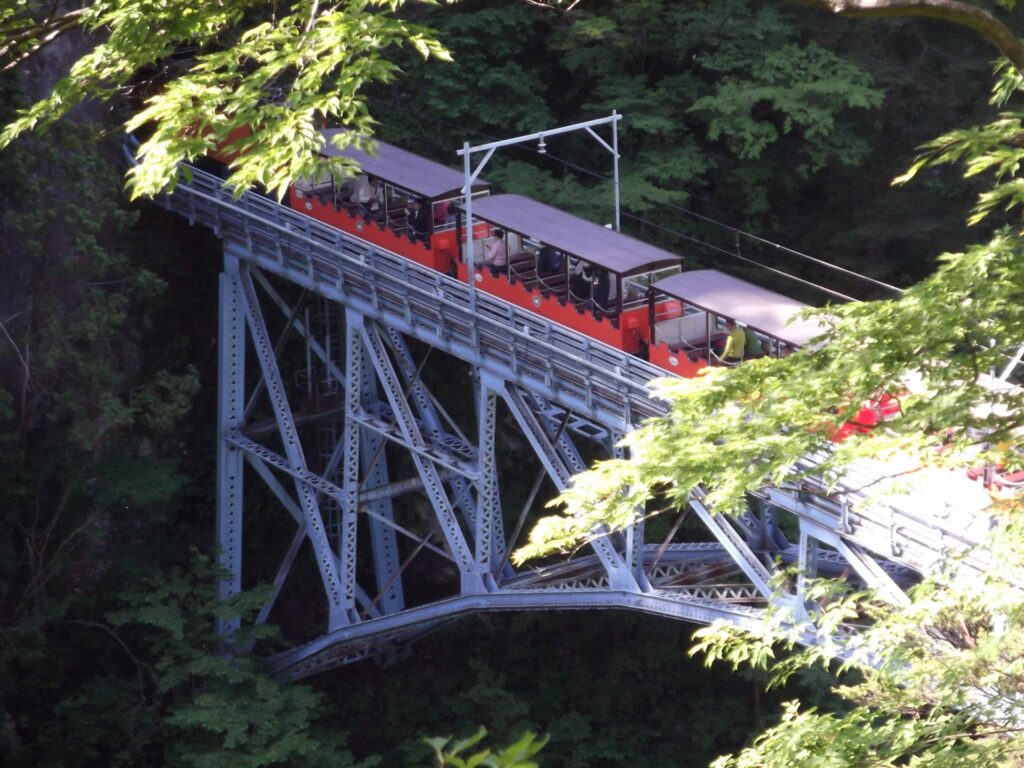
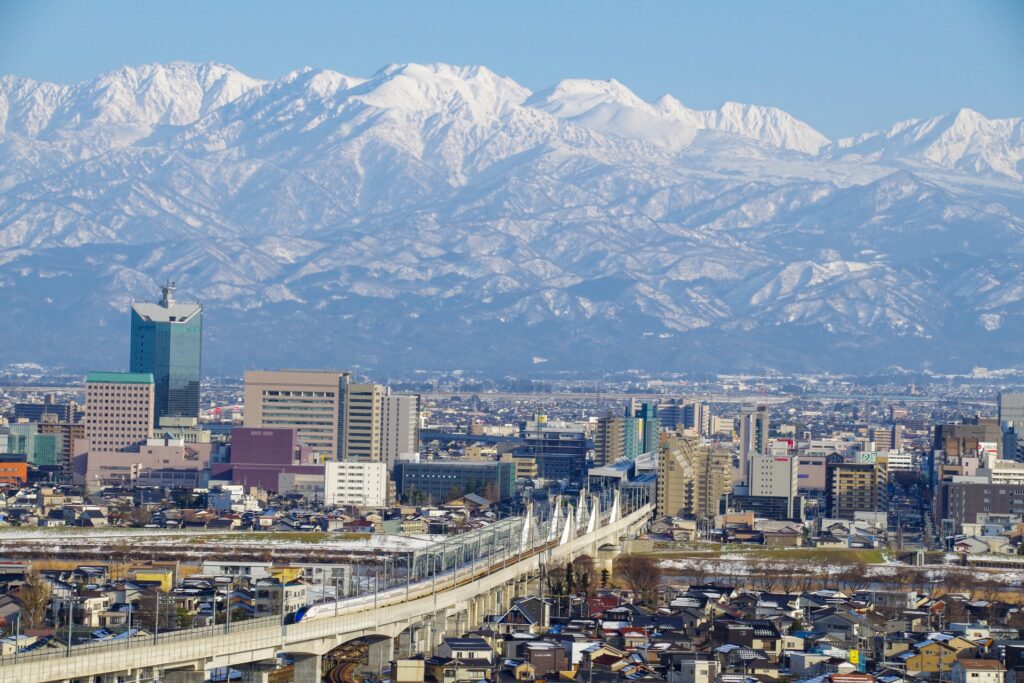
Looking for other things to do around the area? Check out our "Top 15 Things to do in Takaoka" for places close to Johana. For those interested in history and culture there is Zuiryuji Temple, Inami, the Kanayamachi Metalworking District and Shokoji Temple. The natural beauty of the Amaharashi Coast and the Shogawa River Cruise are also something that can't be missed! For the greater Toyama you can find some amazing things in the "Top 25 Things to do in Toyama." The entire prefecture has a many awesome sights such as the Kurobe Gorge, the Tateyama-Kurobe Alpine Route, the Spring Quartet of Flowers and the Ecchu Yatsuo traditional streetscape.
Frequently Asked Questions (FAQ)
What is Johana most famous for?
Johana is most famous for its remarkably preserved traditional townscape, earning it the nickname "Little Kyoto in Ecchu," and for its vibrant Johana Hikiyama Festival, a UNESCO Intangible Cultural Heritage.
When is the best time to visit Johana?
For the most vibrant cultural experience, visit Johana in early May to witness the UNESCO-recognized Hikiyama Festival.
How do I get to Johana?
From major cities like Tokyo, Kyoto, Kanazawa or Toyama, take the Hokuriku Shinkansen to Shin-Takaoka Station. From Shin-Takaoka Station, Johana is accessible by train on the JR Johana Line.
How long should I plan to be in Johana for?
If you are going to walk around and see the traditional streetscapes, Zentokuji Temple and museums, probably 1 to 2 hours.