


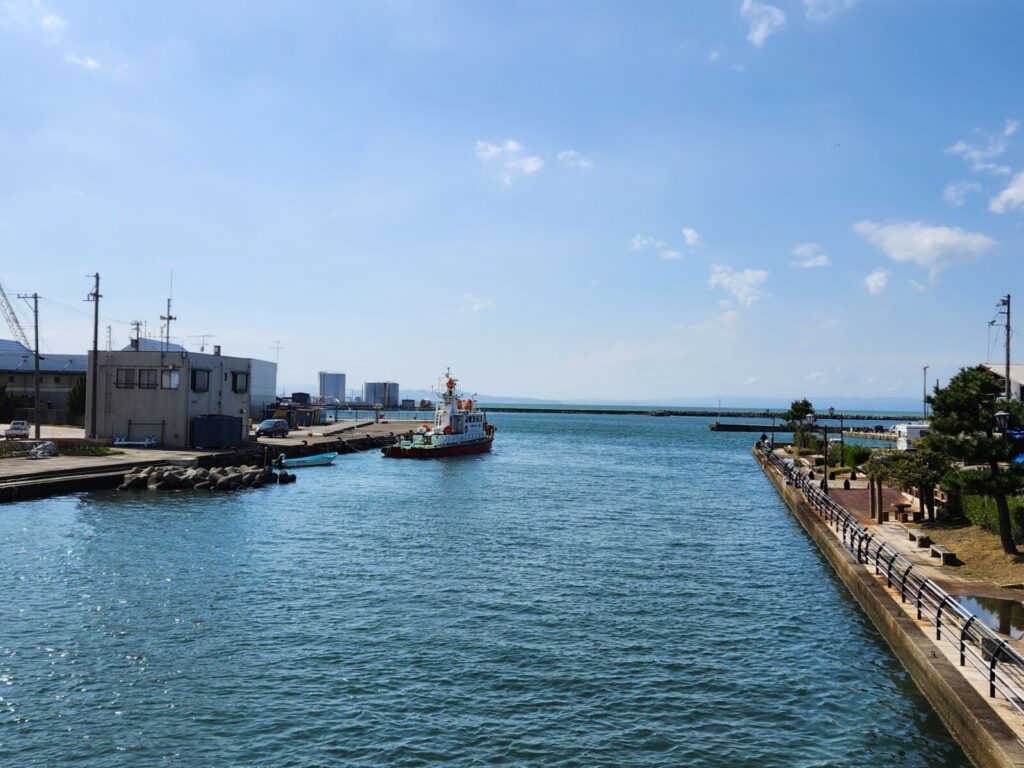
A visit to Iwase Port offers a unique glimpse into Toyama's history as a prosperous port town during the Edo and Meiji periods. The area's preserved townscape and historic buildings, like the old Kitamaebune shipping merchants' houses, provide a distinct and authentic look at a different side of the city's heritage, separate from its modern urban center.
A Short History
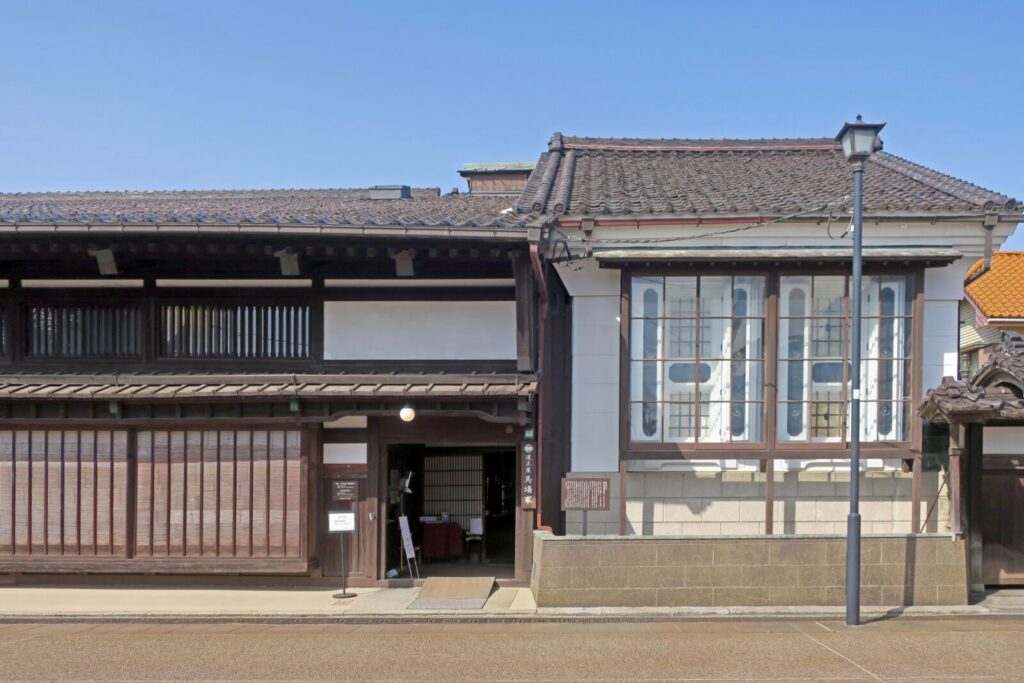
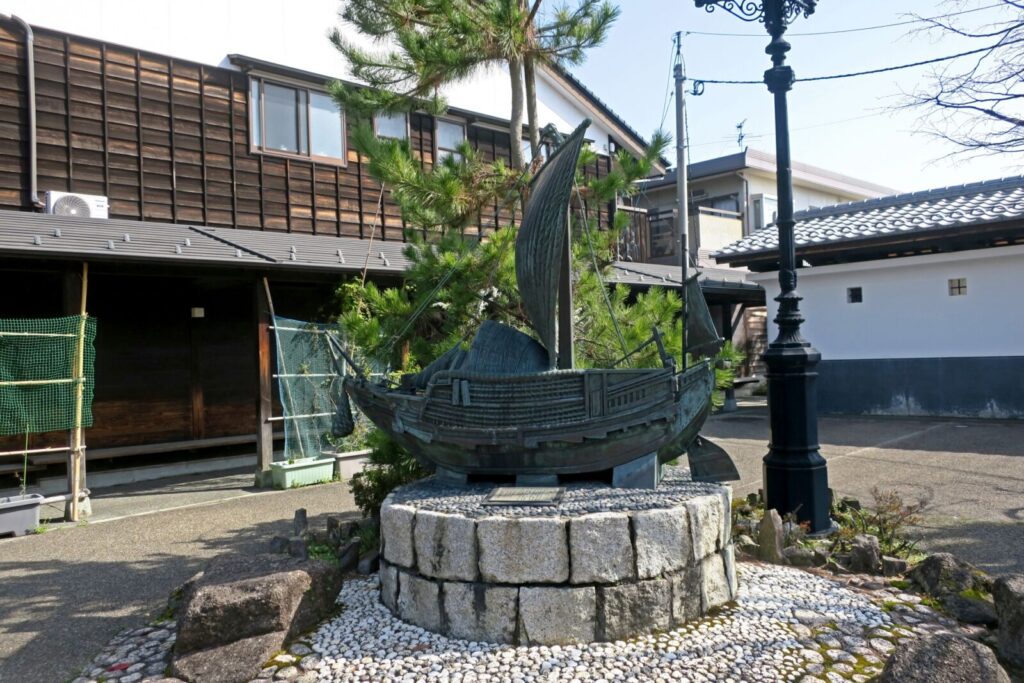
Iwase Port's history is deeply connected to the Kitamaebune, a fleet of cargo ships that sailed the Sea of Japan from the Edo period through the early Meiji period. This trade route was an economic artery, bringing immense wealth and culture to the port town. Wealthy shipping merchants, known as kaisendonya, built grand residences and warehouses, many of which still stand today. While the port's role as a major trading hub diminished, the well-preserved historical streetscape serves as a living museum, offering a unique glimpse into the maritime heritage that shaped this part of Toyama City.
Interesting Sites Around the Town
A good place to start your exploration of Iwase Port is the Iwase Wakuwaku-kan (Iwase Visitors Center), which provides information and exhibits on the area's history. From there, you can walk along the preserved Kitamaebune Street, a historic road lined with the impressive black-walled storehouses and grand residences of former shipping merchants. The most prominent of these is the Morita-ya, a beautifully restored merchant house that offers a glimpse into the luxurious life of the port's wealthy past. You can also visit the Kitamaebune Exchange Hall, a museum dedicated to the history of the cargo ships that made Iwase a major trading hub. Finally, there are many great restaurants and breweries to explore as well!
Visiting Iwase Port
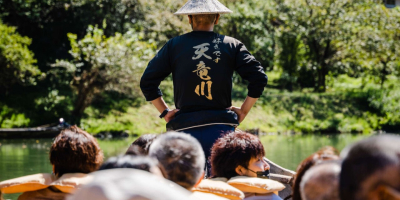
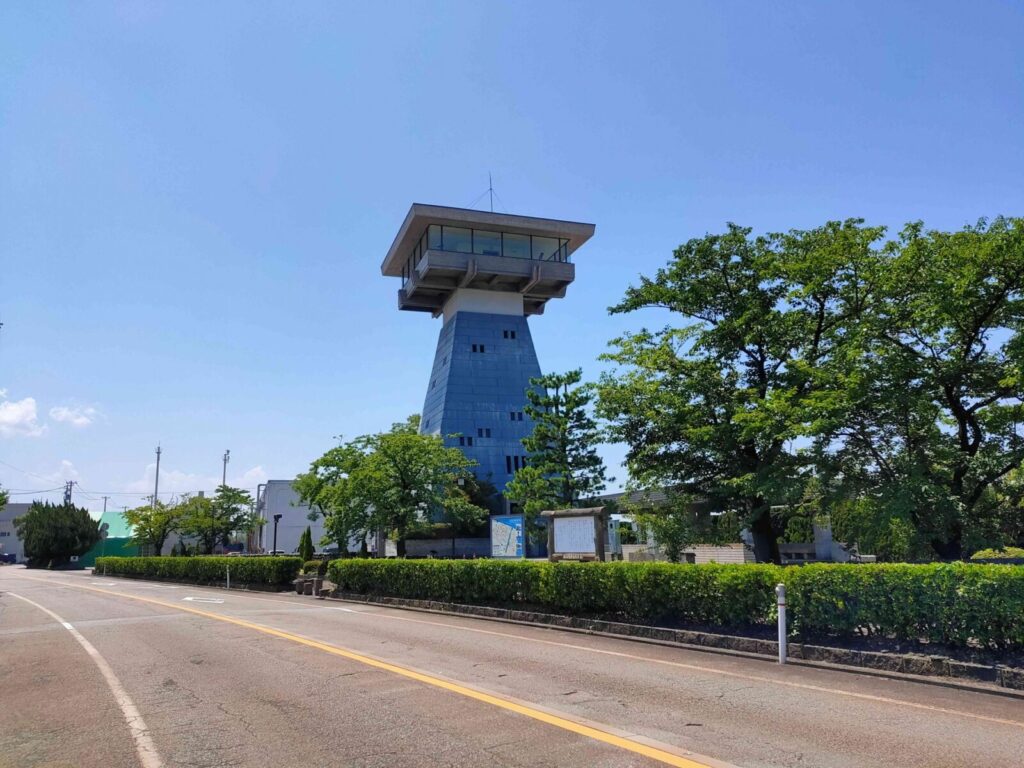
To get to Iwase Port, Toyama Station is the ideal starting location. There are two great options, by tram or by boat. For the tram, take the Toyama Light Rail (Portram) from Toyama Station to Iwasehama Station, which is about a 10-minute walk from the port. Alternatively, you can take the Fugan Suijo Line cruise, a boat that departs from Fugan Canal Kansui Park, a short walk from Toyama Station, and takes you directly to the port.
Frequently Asked Questions (FAQ)
What is Iwase Port most famous for?
Iwase Port is most famous for its well-preserved Edo-period townscape, which offers a unique glimpse into its history as a prosperous port town. The area is distinguished by its concentration of historic Kitamaebune shipping merchants' houses and warehouses, which serve as a living museum of its past as a major trading hub on the Sea of Japan. Sources
When is the best time to visit Iwase Port?
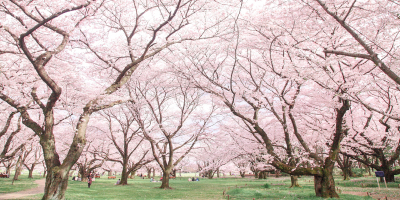
The best time to visit Iwase Port largely depends on the experience you're seeking. Spring is a beautiful time to see the historic streets alongside cherry blossoms, while the summer offers a chance to witness the dynamic Iwase Hikiyama Festival in May, and the area is often lively during the warmer months. Alternatively, a visit in the quiet autumn or winter provides a more tranquil experience, allowing for a focused appreciation of the preserved townscape without the crowds.
Can I buy traditional crafts or souvenirs in Iwase Port?
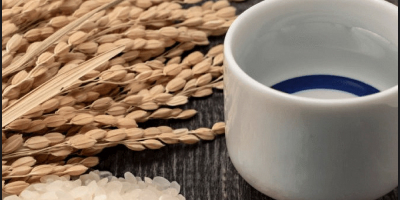
Local Sake: Regionally brewed rice wine.
How do I get to Iwase Port?
From major cities like Tokyo, Kyoto, or Kanazawa, take the Hokuriku Shinkansen to Toyama Station. From Toyama Station, hop on the tram north to Iwasehama Station. There is also a boat that leaves from the Fugan Canal Kansui Park that drops you off in the middle of Iwase.
How long should I plan to be in Iwase Port for?
Depending on if you explore all the traditional houses and the sake brewery, 1 to 2 hours.