




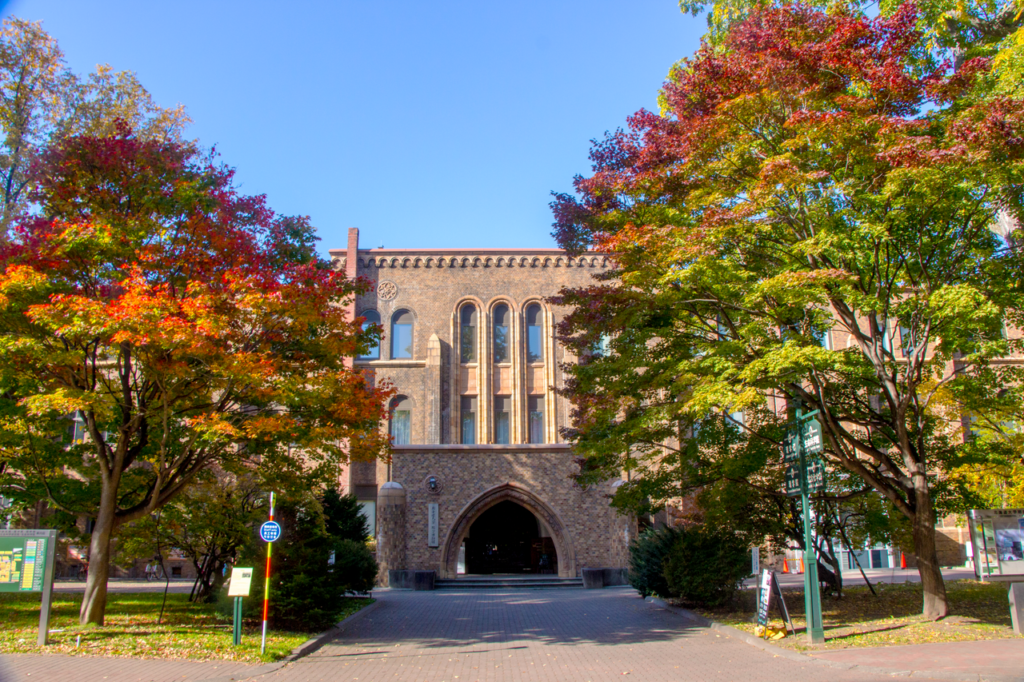
The Hokkaido University Museum offers one of Sapporo’s most fascinating and often-overlooked cultural experiences. Not in many travel brochures, this museum is a real gem and so easy to get to from Sapporo Station.
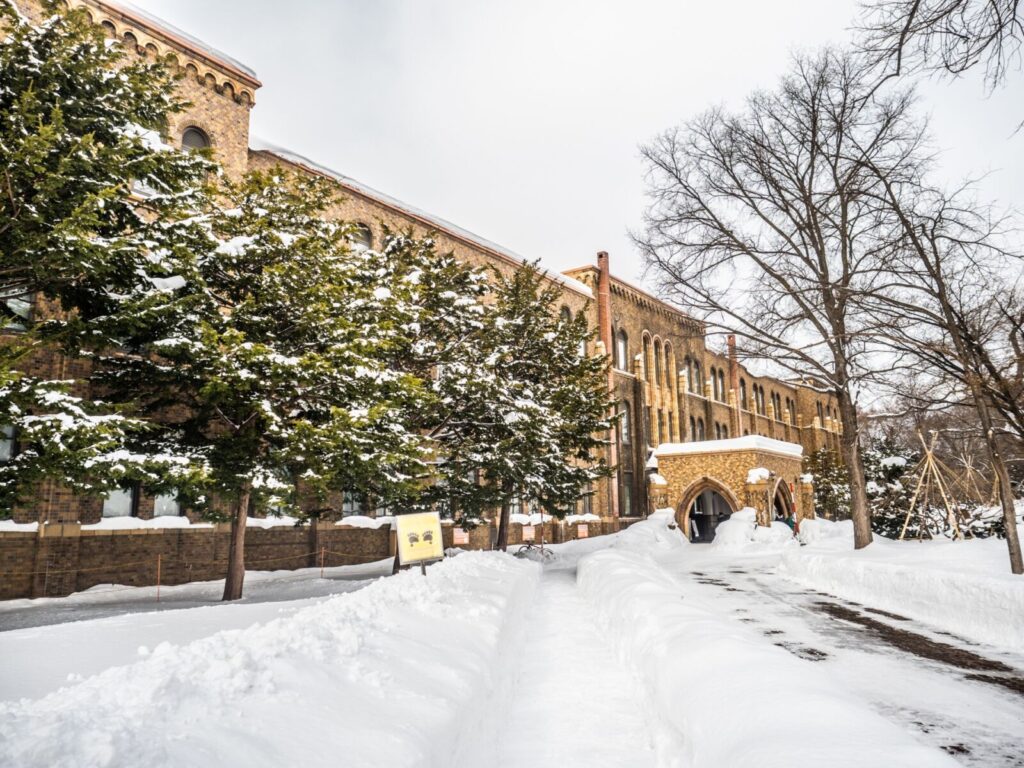
Located in the heart of the historic Hokkaido University campus, the museum brings together the university’s long academic history with an impressive collection of scientific specimens, fossils, archaeological materials, animals, plants, rocks, minerals and other research materials.
For travelers interested in science, nature, history or simply discovering a different side of Sapporo, the museum is a very worthwhile stop. Combined with a walk through the beautiful Hokkaido University campus, it provides a unique opportunity to see how Hokkaido’s natural environment and academic history are connected.
About the Hokkaido University Museum
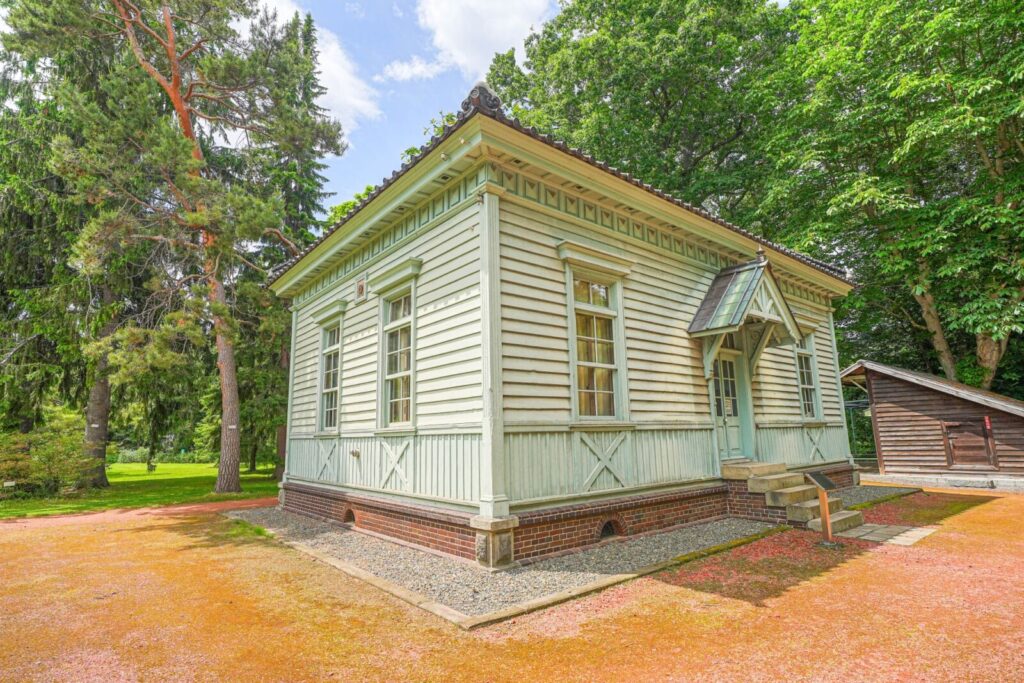
The history of Hokkaido University dates back to 1876, when Sapporo Agricultural College was established. The institution later became part of Tohoku Imperial University, then Hokkaido Imperial University, before adopting its present name, Hokkaido University in 1947.
The Hokkaido University Museum opened in 1999 and serves as a gateway to this remarkable academic history. Rather than focusing on a single subject, the museum brings together collections from many different fields of research, making it more like several museums in one.
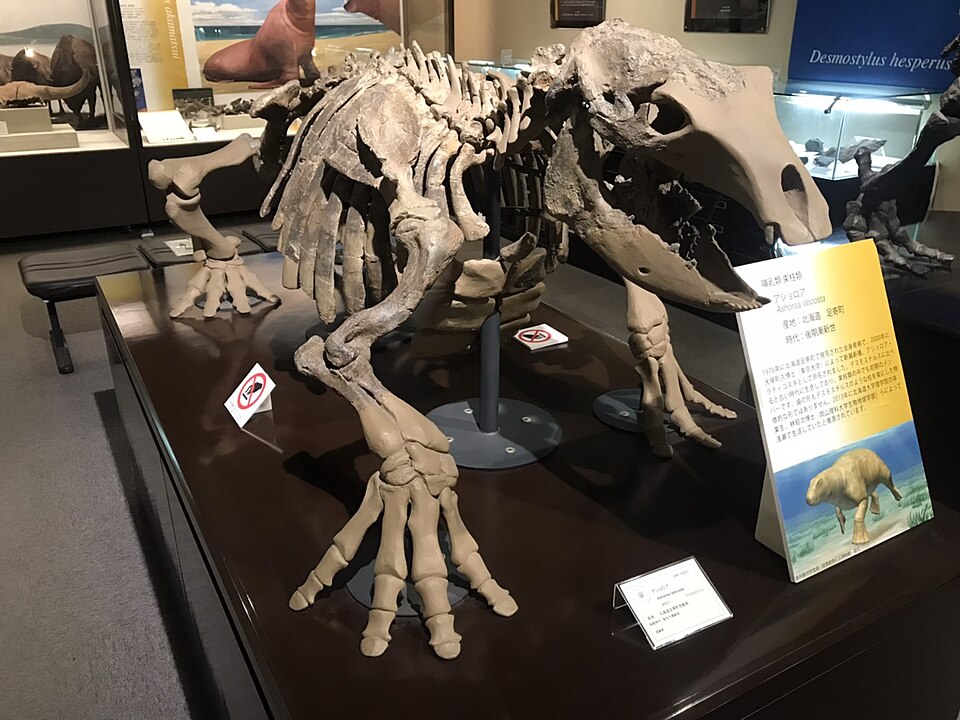
The university has accumulated approximately 4 million specimens and academic resources over more than a century of research. These include insects, fish, plants, fungi, marine algae, archaeological materials, fossils, rocks and minerals. Around 13,000 of the specimens are valuable type specimens that have played an important role in identifying and documenting species.
The museum’s permanent exhibitions are organized around several major themes. Visitors can learn about the history of Hokkaido University, explore the university’s current research, interact with hands-on exhibits and discover the remarkable scientific specimens preserved in its collections.
One of the museum’s greatest strengths is that it does not feel like a traditional history museum. Visitors can move from the university’s 19th-century origins to modern scientific research, then from a dinosaur fossil or geological specimen to insects, fish and other examples of Hokkaido’s natural world.
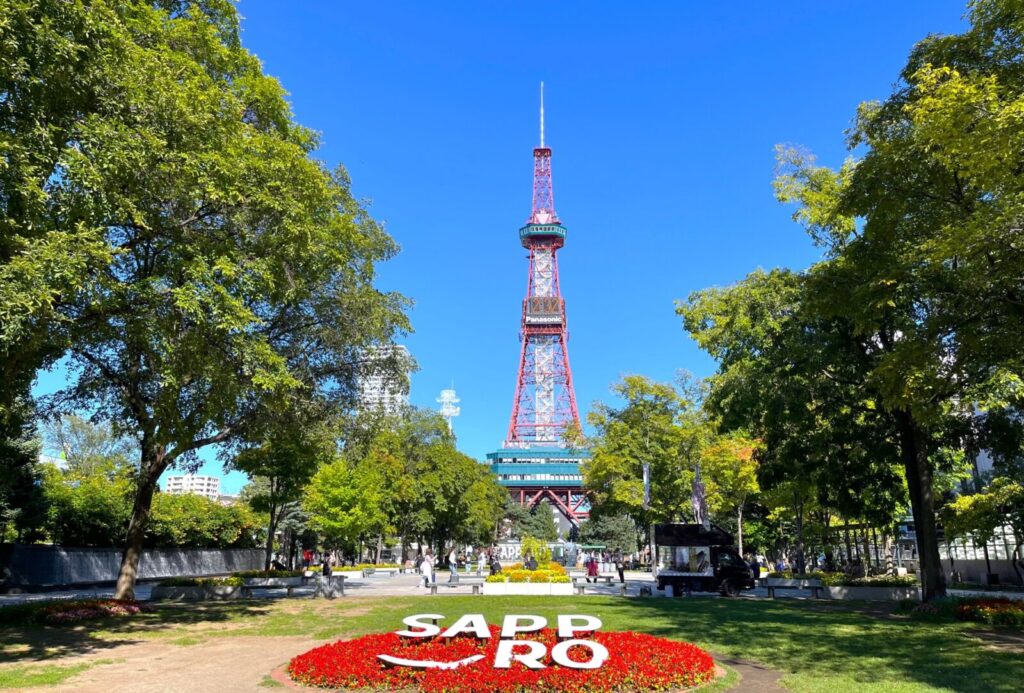
Hokkaido University Museum at a Glance
- Official name: Hokkaido University Museum
- Established in 1999
- Located inside the Hokkaido University campus in central Sapporo
- Admission: Free
- Opening hours: 10:00–17:00
- Normally closed Mondays
- Closed December 28–January 4
Note: Upon entering the campus at the main gate, there is an information office off to the left where visitors can obtain a campus map and instructions on how to get to the museum.
The Hokkaido University Museum is open to the public, so visitors do not need to be university students or staff. Its permanent exhibitions are spread across three floors and feature an impressive range of collections, including fossils, insects, fish, plants, archaeology, geology, and other scientific specimens. There is also English signage throughout the museum for those travelers not versed in the Japanese language.
The museum also has a café and shop, as well as wheelchair and accessibility facilities. The best part, it is conveniently located approximately 13 minutes on foot from the North Exit of JR Sapporo Station.

Touring the Hokkaido University Museum
A typical tourist visit to the Hokkaido University Museum takes around 1 to 1.5 hours, allowing enough time to see the major highlights without attempting to cover every exhibit.
The museum itself notes that visitors who want to explore all three floors carefully should allow half a day or more. For travelers with limited time, concentrating on the museum’s most interesting sections provides a much more manageable experience.
A visit can begin with the History of Hokkaido University exhibition, which introduces the institution’s development from Sapporo Agricultural College into one of Japan’s leading research universities.
From there, visitors can explore exhibits covering the university’s current research and academic disciplines before moving into the museum’s extensive collection of scientific specimens.
The museum also includes interactive, hands-on exhibits that make the experience more accessible to visitors who may not normally consider themselves museum enthusiasts.
For travelers, the museum works especially well as part of a broader walking tour of Hokkaido University. The campus itself contains historic buildings, monuments, tree-lined paths and other sites connected to the university’s history.
What You’ll See Inside the Museum
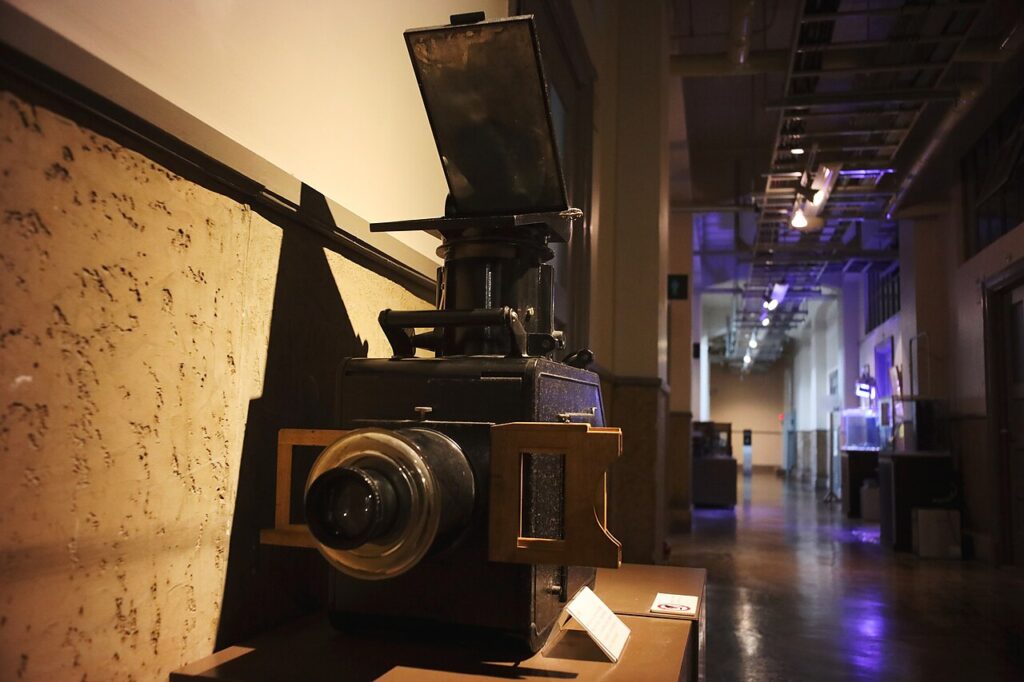
The Hokkaido University Museum contains an extraordinary variety of exhibits. Rather than concentrating on one subject, the museum allows visitors to explore many different areas of science, history and research.
What is on display? The list is impressive. The collections include:
- Dinosaur and prehistoric specimens
- Fossils and paleobiological materials
- Insects and other invertebrates
- Fish and marine specimens
- Plants, fungi and marine algae
- Rocks and minerals
- Archaeological specimens
- Historical scientific instruments and materials
- Exhibits explaining Hokkaido University’s history
- Hands-on and interactive exhibits: too numerous to name all!
The museum’s Storehouse Treasures section (the 3rd floor) provides a glimpse into the enormous scientific collections accumulated by the university over more than a century. Although millions of specimens are preserved in the university’s collections, only a small portion can be displayed to the public.
The History of Hokkaido University exhibition is another highlight. It explains how Sapporo Agricultural College developed into Hokkaido University and introduces the people, ideas and academic traditions that helped shape the institution.
The museum also maintains a Museum Laboratory, while its exhibition areas introduce visitors to fields ranging from archaeology and biology to geology, paleobiology and the history of science and technology.
Exploring the Hokkaido University Campus
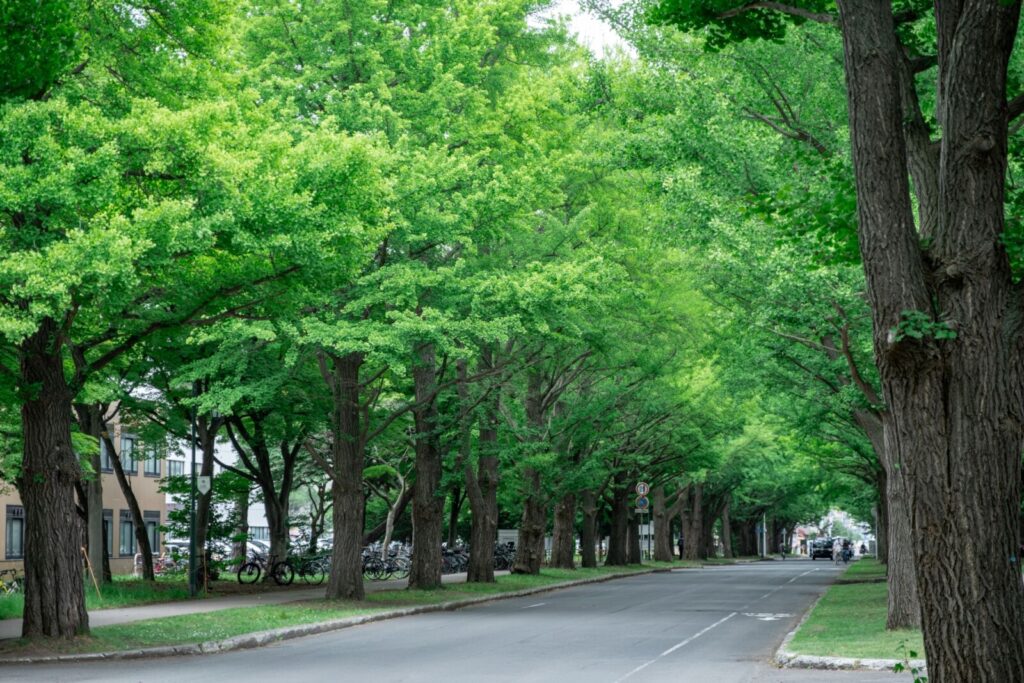
The museum becomes even more interesting when combined with a walk through the Hokkaido University campus.
Hokkaido University is one of the most beautiful university campuses in Japan, with extensive green spaces, historic buildings, tree-lined paths and landmarks connected to the university’s history.
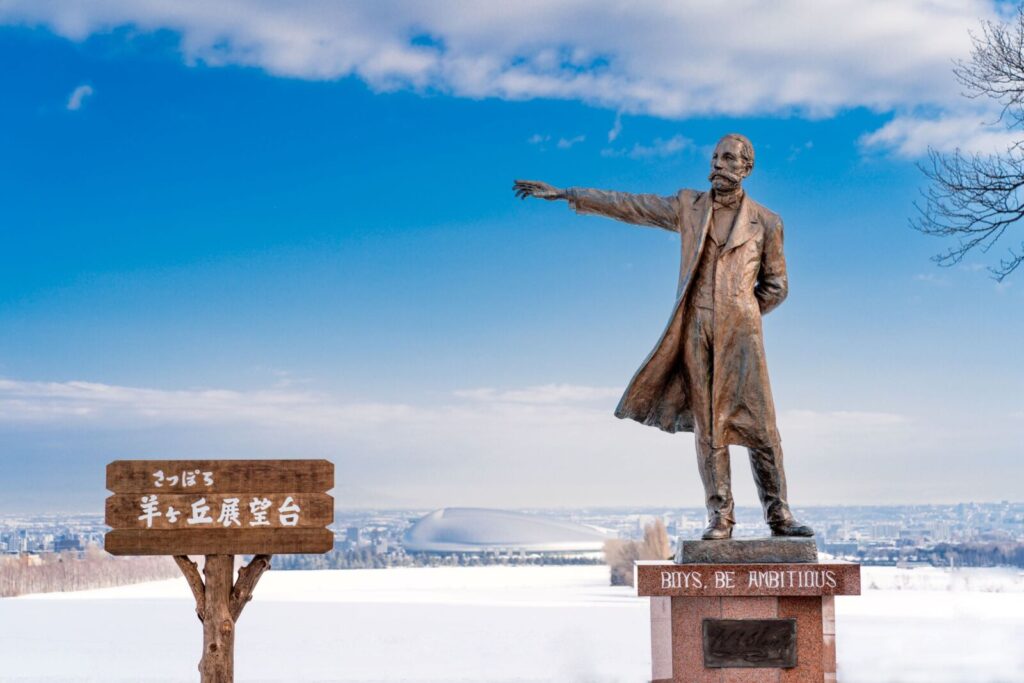
The museum is located between the famous Dr. William Clark* statue and the Poplar Avenue, making it easy to incorporate into a walking route through the campus.
The museum itself describes the entire Hokkaido University campus as a kind of open-air museum containing historic structures, cultural resources and natural landscapes.
This combination of museum and campus is particularly appealing because visitors are not simply walking through a university. They are exploring a place that has played an important role in the development of modern education, science and agriculture in Hokkaido.
During a guided visit, an English-speaking guide can also explain the connections between the university, the development of Sapporo and the wider history of Hokkaido, giving visitors considerably more context than they would receive from simply walking around the campus alone.
*Dr. William Smith Clark was an American educator and scientist who came to Hokkaido in 1876 as a founding leader of the Sapporo Agricultural College, the predecessor of Hokkaido University.
Frequently Asked Questions (FAQ)
Is the Hokkaido University Museum worth visiting if I am not interested in science?
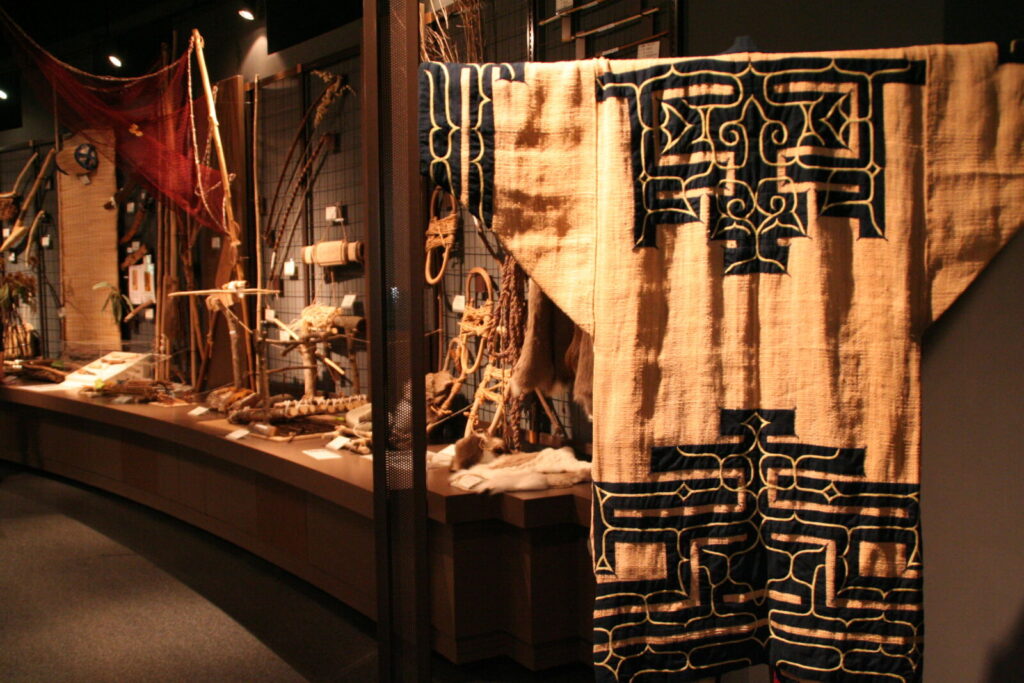
Yes. It focuses on much more than science. You can explore Hokkaido’s natural history, archaeology, Ainu culture, fossils, animals, and the history of Hokkaido University.
Is admission to the Hokkaido University Museum free?
Admission is completely free for visitors. The museum is open to the general public
How long should I plan for my visit?
Approximately 1 to 1.5 hours is a good amount of time to see the major highlights.
Is the museum suitable for children?
Yes. The museum includes hands-on and interactive exhibits, fossils, animals, insects and other visually interesting scientific materials that can be particularly engaging for children. In fact, most children find the museum fascinating.
Do I need a guide?
No. Visitors can explore the museum independently.
However, an English-speaking guide can make the experience much more meaningful by explaining the historical and scientific context behind the exhibits and connecting the museum to the history of Hokkaido University and Sapporo.
Can I take photos inside the museum?
Yes. Photography of exhibits and explanatory panels for personal use is generally permitted. However, additional permission may be required if photographs are intended for secondary use, such as publication or commercial purposes.
Is the Hokkaido University Museum wheelchair accessible?
Yes. The museum provides accessible facilities, including an accessible entrance, elevators and wheelchair-accessible restrooms. Wheelchairs and baby strollers are also available to borrow from the reception area.
What is the easiest way to get to the museum?
The museum is conveniently located within walking distance of central Sapporo.
From JR Sapporo Station North Exit, the museum is approximately a 13-minute walk.
What can I see near the museum?
The museum is ideally located for exploring Hokkaido University on foot. Nearby attractions include the Dr. William Clark statue, Poplar Avenue, historic university buildings and the university’s extensive green spaces.
What is the best time to visit?
The museum is open throughout the year, making it an excellent destination regardless of the season.
Spring brings fresh greenery, summer provides pleasant campus walking conditions, autumn transforms the university grounds with colorful foliage, and winter offers a completely different snowy atmosphere.
Are English-guided tours available?
Yes! We at Snow Monkey Resorts are proud to offer native English-speaking guided tours all year-round to the Hokkaido University Museum.This will give visitors deeper insights and a more interactive experience. All tours are led by a locally-based guide who will take you around the must-see sights as well as some lesser known gems.
2026 Special Exhibition: Prehistoric Monsters of Hokkaido University
Visitors to Sapporo in 2026 have an additional reason to visit the museum. The special exhibition “Prehistoric Monsters of Hokkaido University” runs from July 3 through November 1, 2026, from 10:00–17:00.
If you are traveling with your children, kids find this exhibition particularly appealing. The exhibition is part of Hokkaido University’s 150th anniversary. And the best part?
It is free of charge.