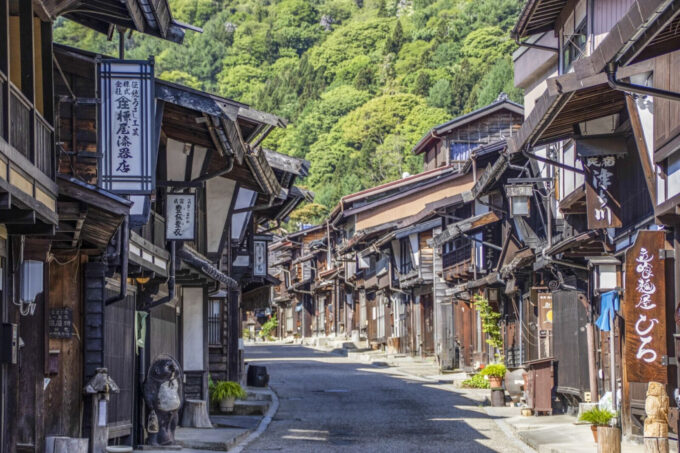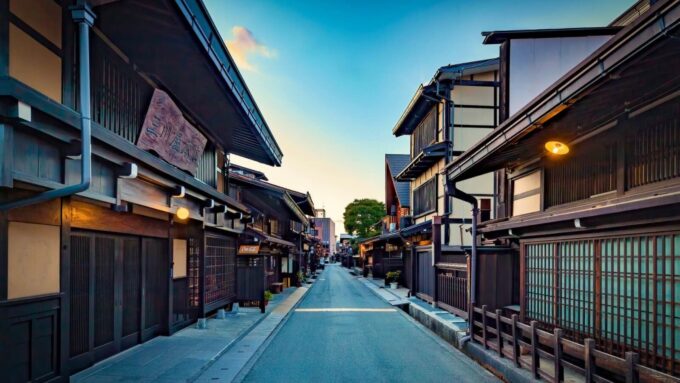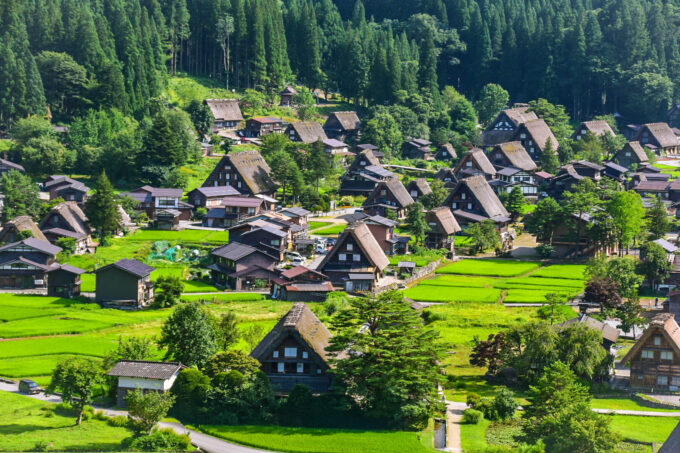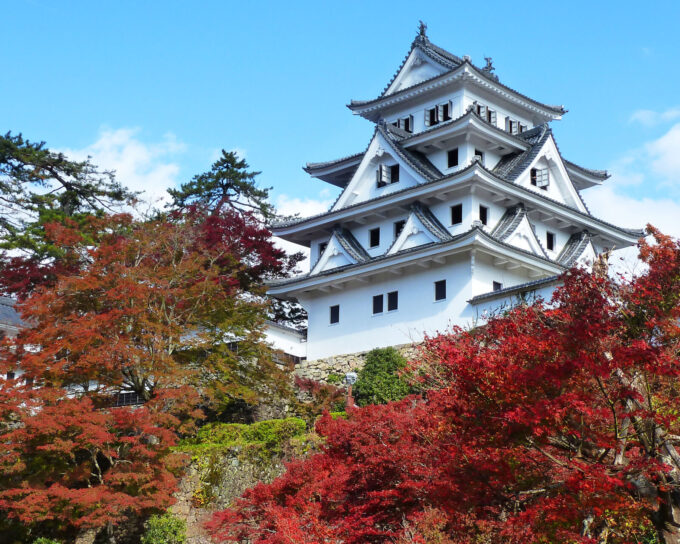
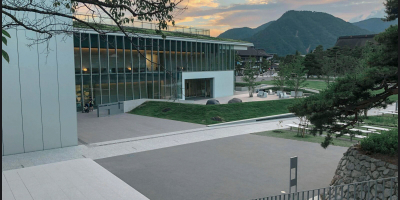

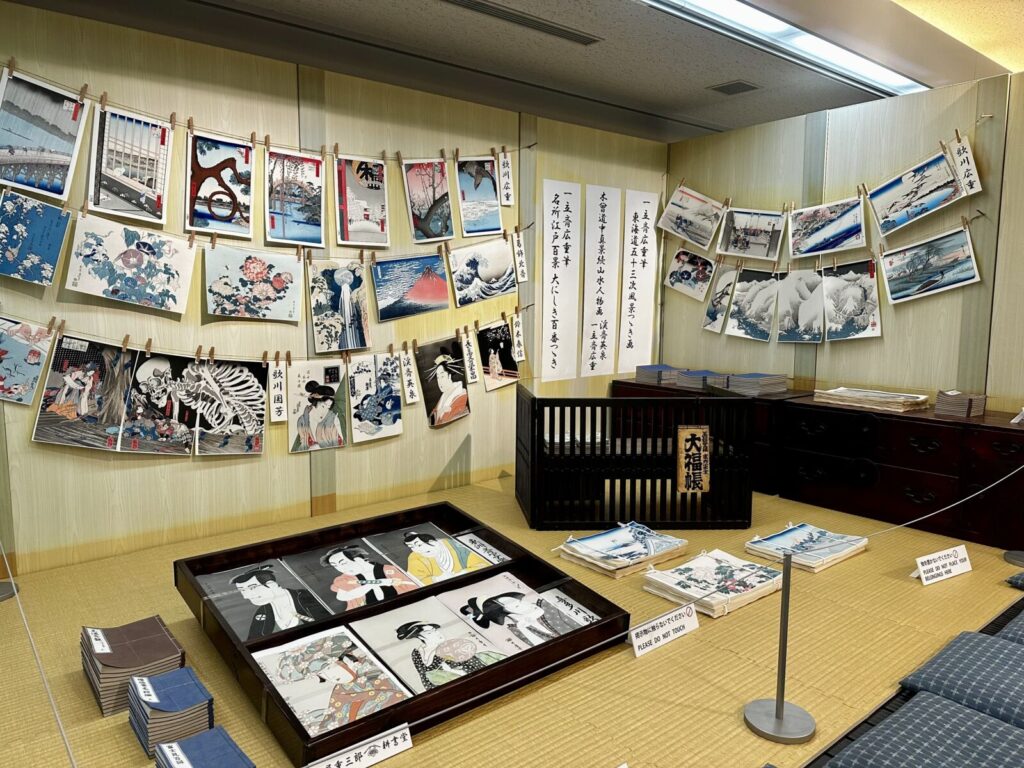
Located along the historic Nakasendo route in Gifu Prefecture, the Hiroshige Museum of Art offers visitors the chance to explore the world of Japan's most celebrated landscape print artist while experiencing a striking museum designed by renowned architect Kengo Kuma. Combining Edo-period art, modern architecture, and connections to one of Japan's most famous historic highways, the museum makes an excellent cultural stop when exploring Central Japan.
Why Visit the Hiroshige Museum of Art
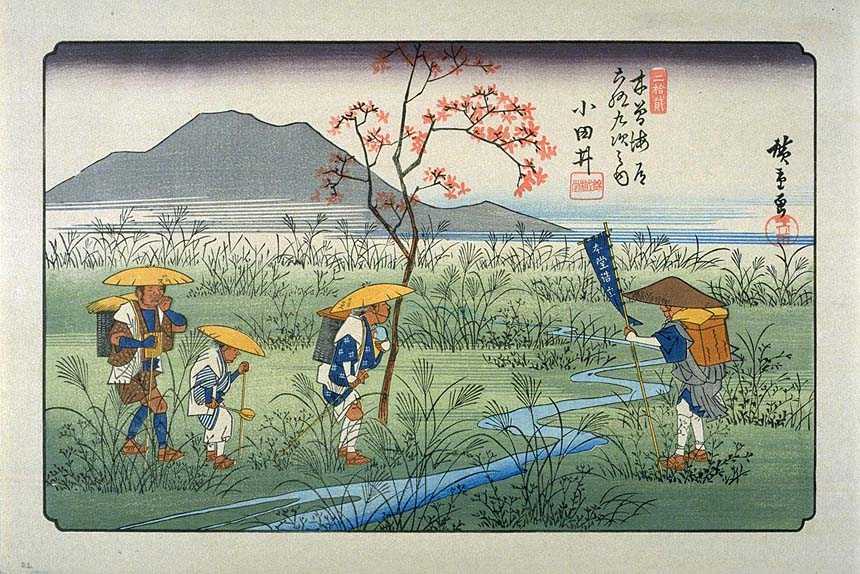
- Discover the masterpieces of one of Japan's most famous ukiyo-e artists
- See original woodblock prints rarely displayed for extended periods
- Experience architecture designed by Kengo Kuma
- Learn about travel in Edo-period Japan through Hiroshige's landscapes
- Enjoy a quieter cultural experience away from major tourist crowds
The Hiroshige Museum of Art was established to celebrate the legacy of Utagawa Hiroshige, whose detailed and atmospheric prints captured the landscapes and travel routes of Edo-period Japan. Ena’s connection to the historic Nakasendo route makes it a fitting location, as many of Hiroshige’s works depict scenes of travel, roadside towns, and seasonal scenery.
Since opening in 2001, the museum has become an important cultural site in the region. Through its carefully curated exhibitions, visitors can see how scenes of travel, changing seasons, and everyday life were captured in Hiroshige’s prints, offering a vivid glimpse into Edo-period Japan.
The Art of Hiroshige: Landscapes of Edo Japan
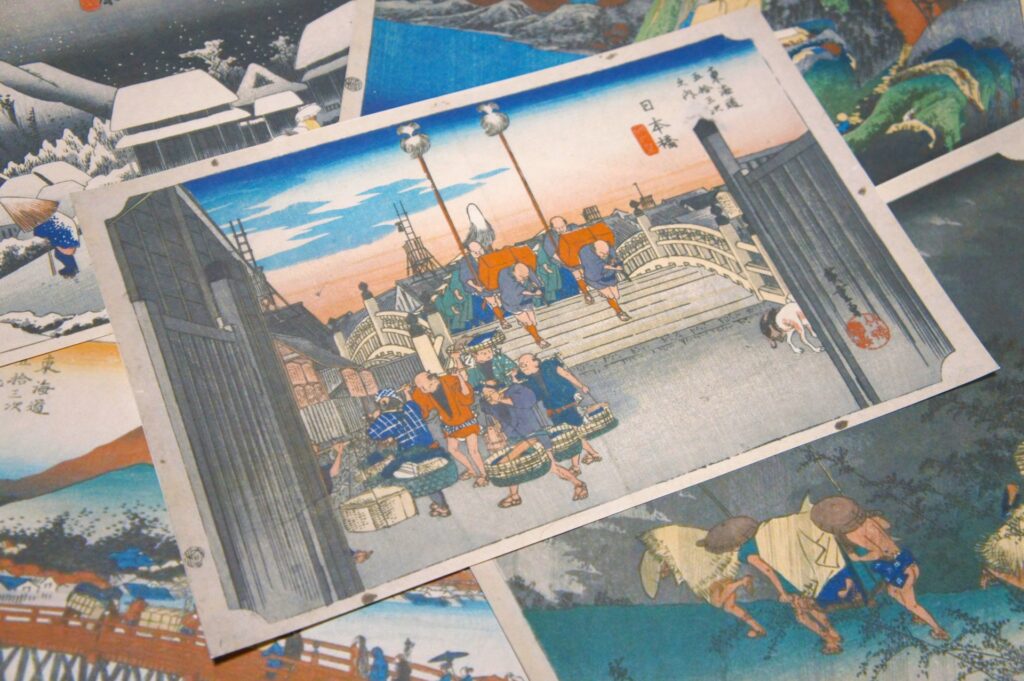
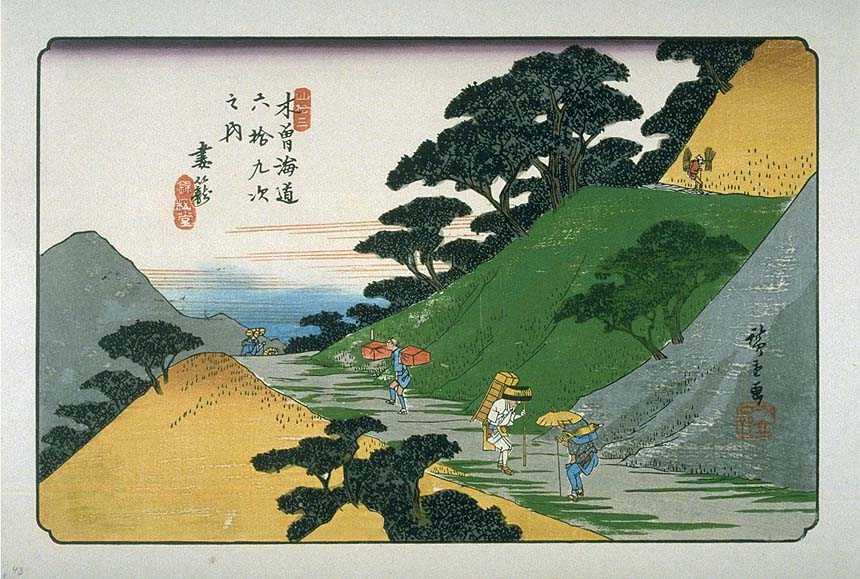
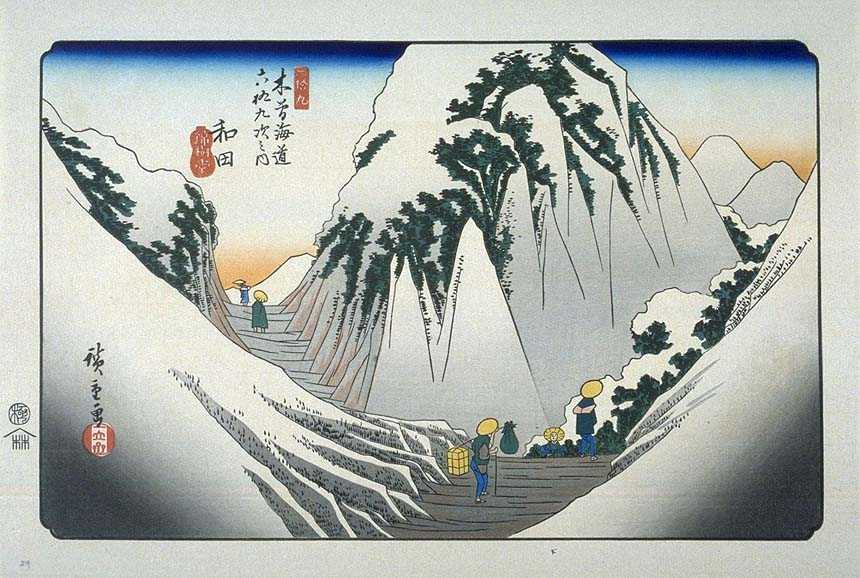
One of the defining features of the Hiroshige Museum of Art is its focus on landscape prints. Utagawa Hiroshige is especially known for his ability to capture changing seasons, weather conditions, and the movement of people through the landscape.
One of his most famous series, The Fifty-three Stations of the Tokaido, depicts travellers, merchants, and scenes of everyday life along one of Japan’s most important historic routes. These prints combine careful observation with artistic stylisation, creating images that feel both realistic and expressive.
At the museum, exhibitions are rotated regularly to help preserve the delicate prints. This means that each visit offers a slightly different experience, with changing displays highlighting different themes, locations, or aspects of Hiroshige’s work. As a result, visitors can expect something new each time they visit.
Touring the Hiroshige Museum of Art
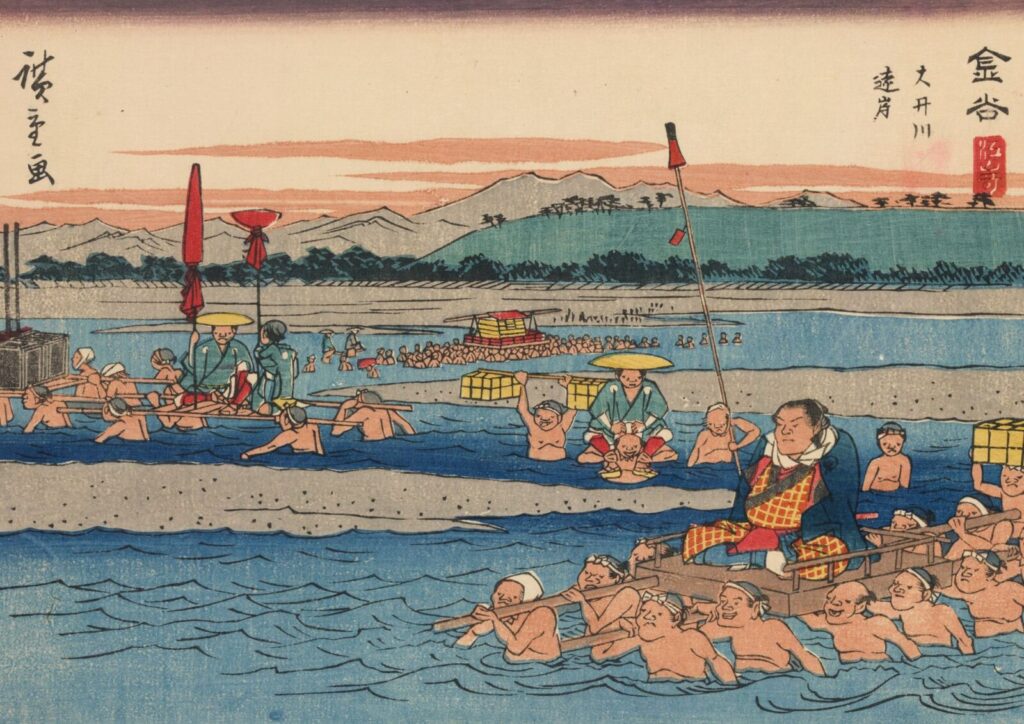
The Hiroshige Museum of Art is best suited to visitors interested in art, history, and Japanese culture, as well as those looking for a quieter and more reflective experience. Its relatively compact size makes it easy to explore, while the rotating exhibitions ensure that each visit offers something new. It is also particularly worthwhile for those exploring the Nakasendo, as Hiroshige’s prints include scenes inspired by this historic route.
Visitor Information
- Hours: Typically 9:30 to 17:00 (last entry 16:30)
- Closed: Mondays (or the following day if Monday is a public holiday), and during New Year holidays
- Admission: Paid entry required (varies depending on exhibition)
- Exhibitions: Rotated regularly to preserve the artworks
Best Time to Visit the Hiroshige Museum
As the museum is an indoor location, there really is not a bad time to visit the Hiroshige Museum, however there are certain benefits to each season, especially when pairing the museum with a trip to the post towns or a hike on the Nakasendo Trail.
- Spring
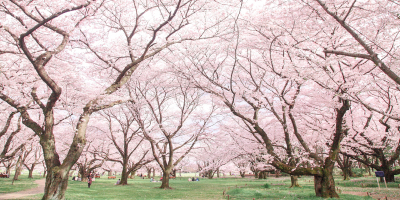
- Cherry blossoms around Ena.
- Summer
- Combine with nearby nature destinations.
- Autumn
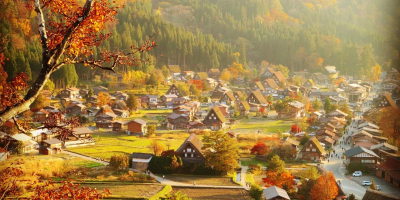
- Foliage along the Nakasendo.
- Winter
- Fewer visitors and quieter galleries.
Access
The museum is located in Ena City in Gifu Prefecture. From Nagoya Station, Ena Station can be reached in around one hour via the JR Chuo Line. From there, the museum is accessible on foot or by local transport, depending on the route.
The Hiroshige Museum offers valuable insight into the landscapes and travel routes of Edo-period Japan. Many of the locations depicted in Hiroshige's prints can still be experienced today along the historic Nakasendo. Our guided Central Japan tours combine visits to the museum with walks through preserved post towns, traditional villages, and scenic mountain landscapes.
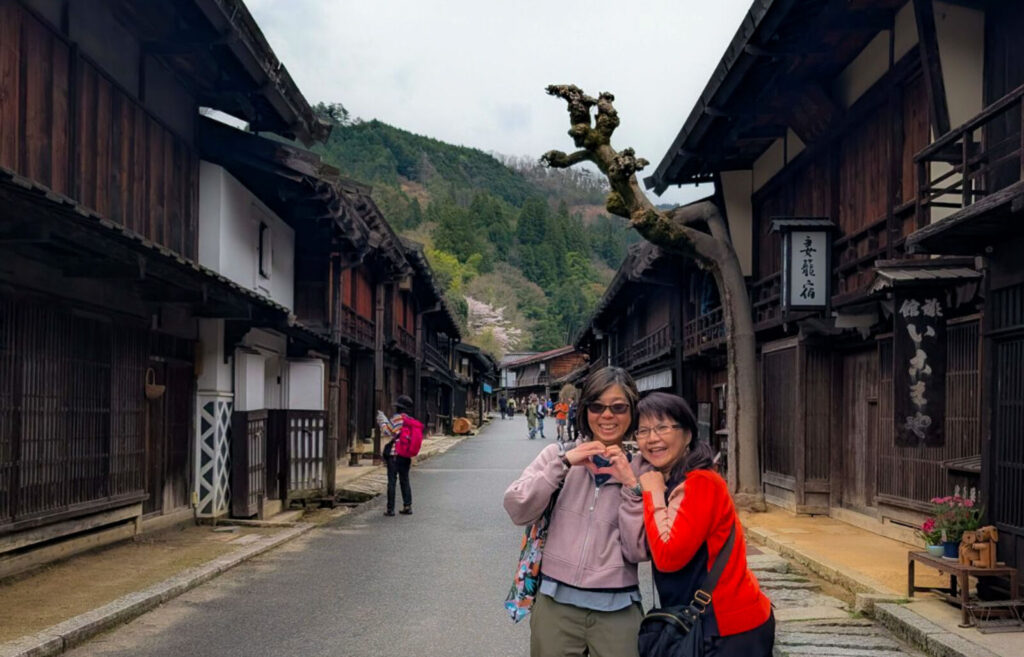
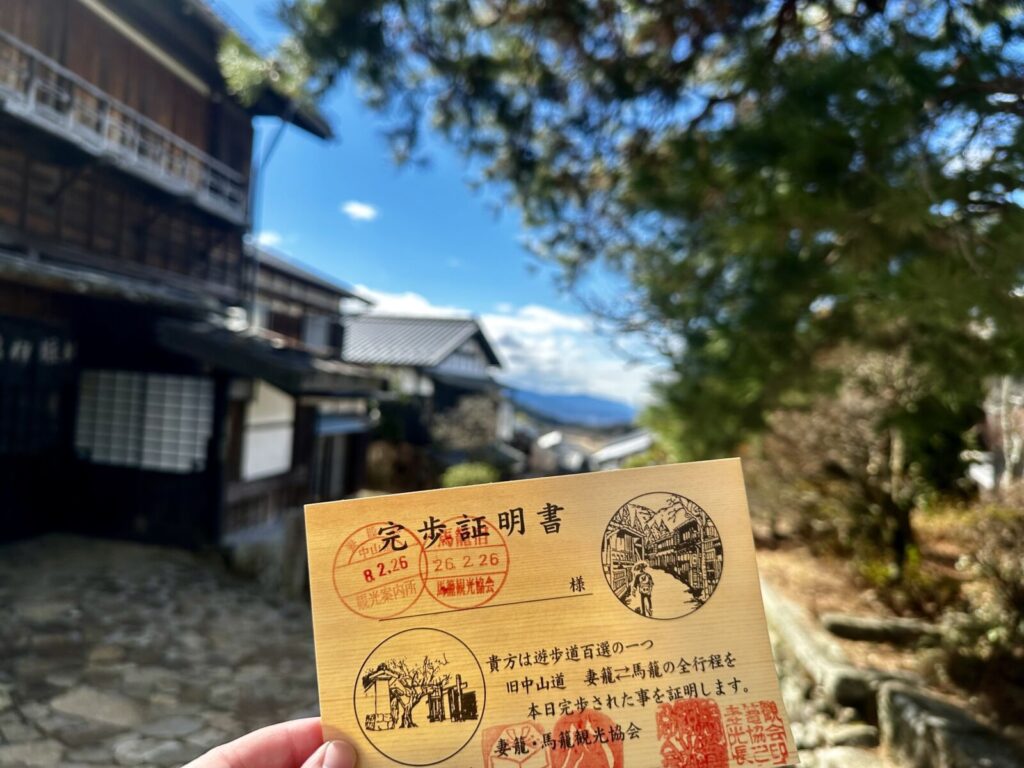
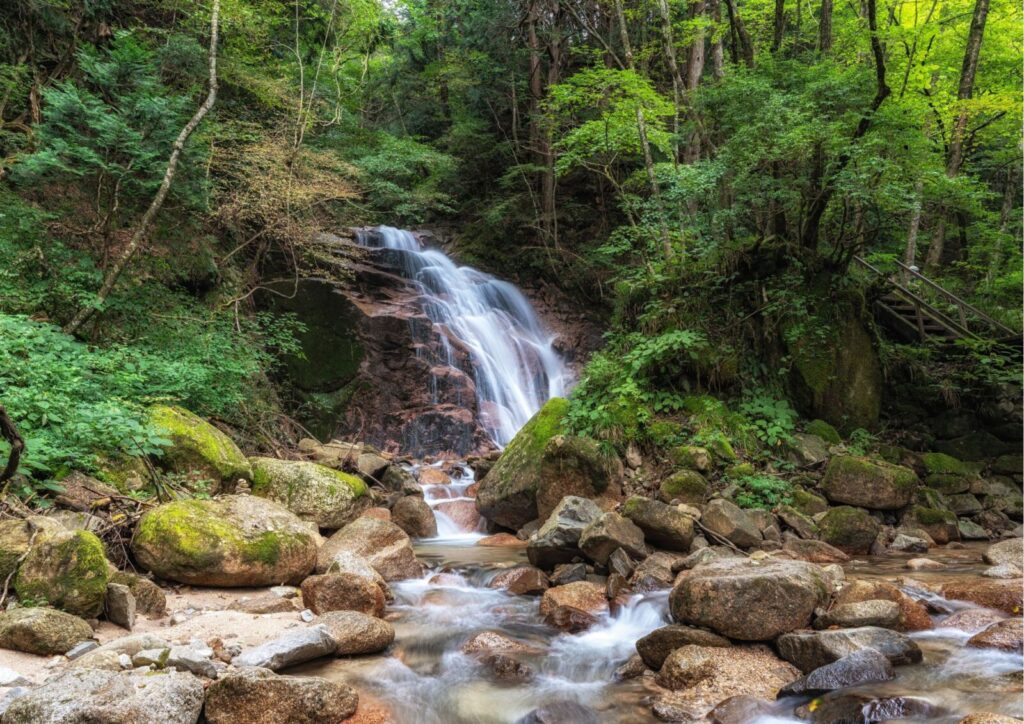
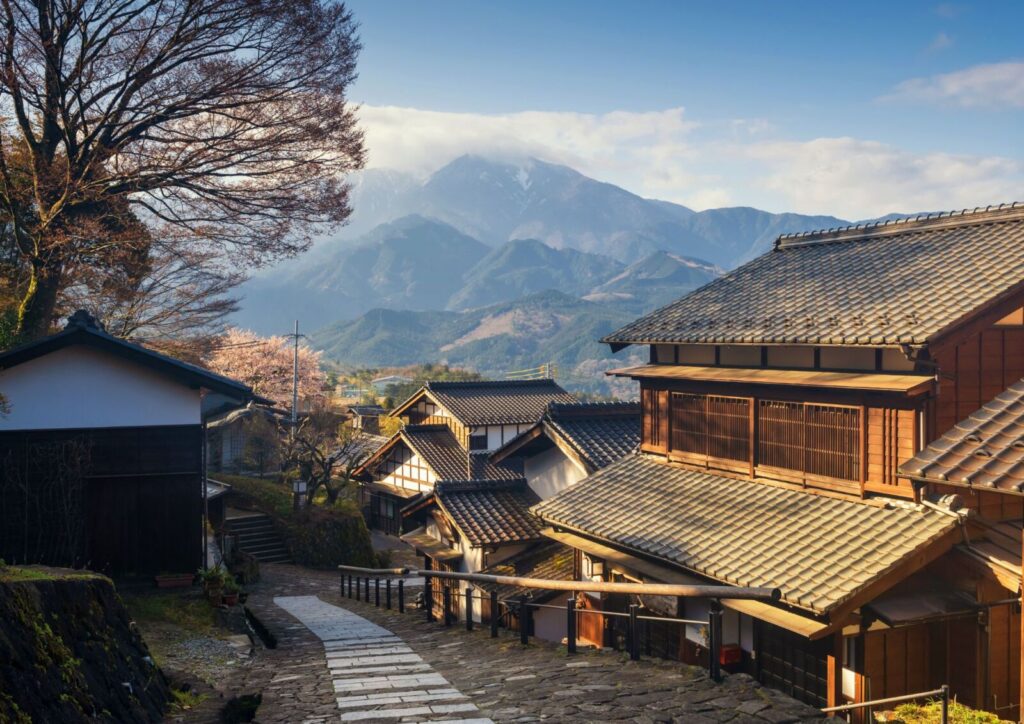
Recommended Tour: Experience the beauty and history of Japan on a guided journey along the Nakasendo Trail, exploring the preserved post towns of Tsumago-juku and Magome-juku. The Nakasendo Trail and Post Towns Private Hike from Nagoya combines culture, hiking, and scenic views of rural Japan at a relaxed pace and a dedicated guide and driver.
New Tour
[FROM NAGOYA] Nakasendo Trail and Post Towns Private Hike
- Spots:
- NagoyaKiso Valley
- Pick-up:
- Nagoya
- Drop-off:
- Nagoya
Frequently Asked Questions (FAQ)
What is the Hiroshige Museum of Art known for?
The museum is known for its collection of ukiyo-e prints by Utagawa Hiroshige, particularly his landscape works depicting travel routes and seasonal scenery in Edo-period Japan.
How long should I spend at the Hiroshige Museum of Art?
Most visitors spend around 1 to 1.5 hours exploring the exhibitions, depending on their interest in art and the current display.
Is the Hiroshige Museum of Art worth visiting?
Yes, especially for visitors interested in Japanese art, history, and design. Its combination of traditional ukiyo-e prints and modern architecture makes it a unique cultural experience.
Why are the exhibitions rotated?
Ukiyo-e prints are sensitive to light and environmental conditions, so exhibitions are rotated regularly to help preserve the artworks.
Can you combine this with other nearby attractions?
Yes. Ena is located along the historic Nakasendo route, making it a good base for exploring nearby post towns and cultural sites in the region.