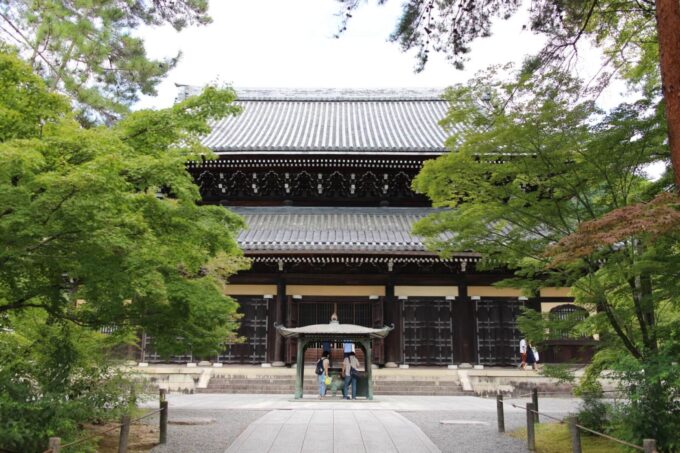





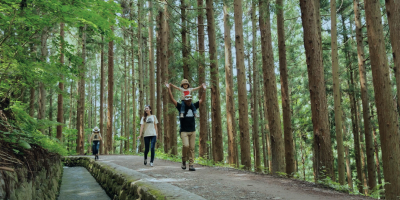

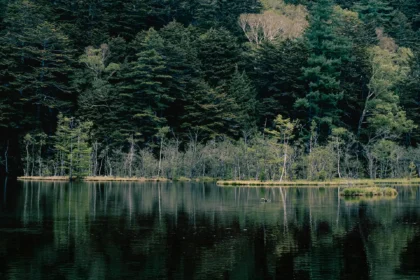

Kyoto is famous for historic temples, quiet shrines, and traditional streets—but just beyond the city lies a network of beautiful forest trails in the surrounding hills. One of the most popular and rewarding hikes leads up Mount Daimonji, a mountain in Kyoto’s eastern Higashiyama Mountains.
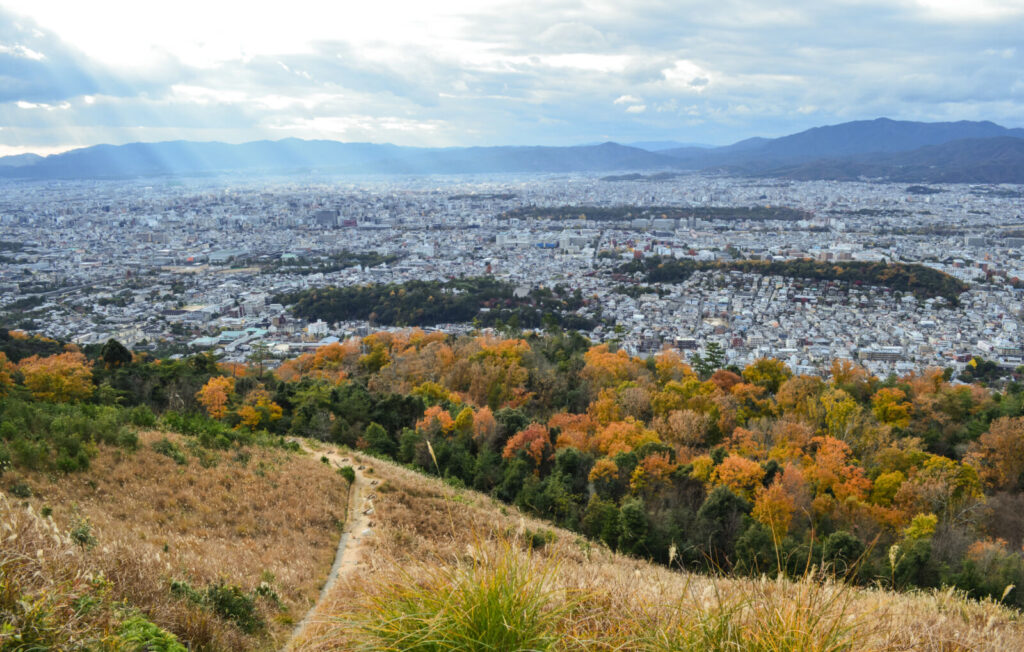
The hike climbs through peaceful woodland paths before reaching a wide open viewpoint overlooking the city. From here, visitors can enjoy sweeping views across Kyoto and stand directly on the famous fire bed used during one of the city’s most iconic festivals.
It’s a short but memorable hike and a great way to experience a quieter side of Kyoto beyond its temples and busy sightseeing districts.
What is Daimonji?
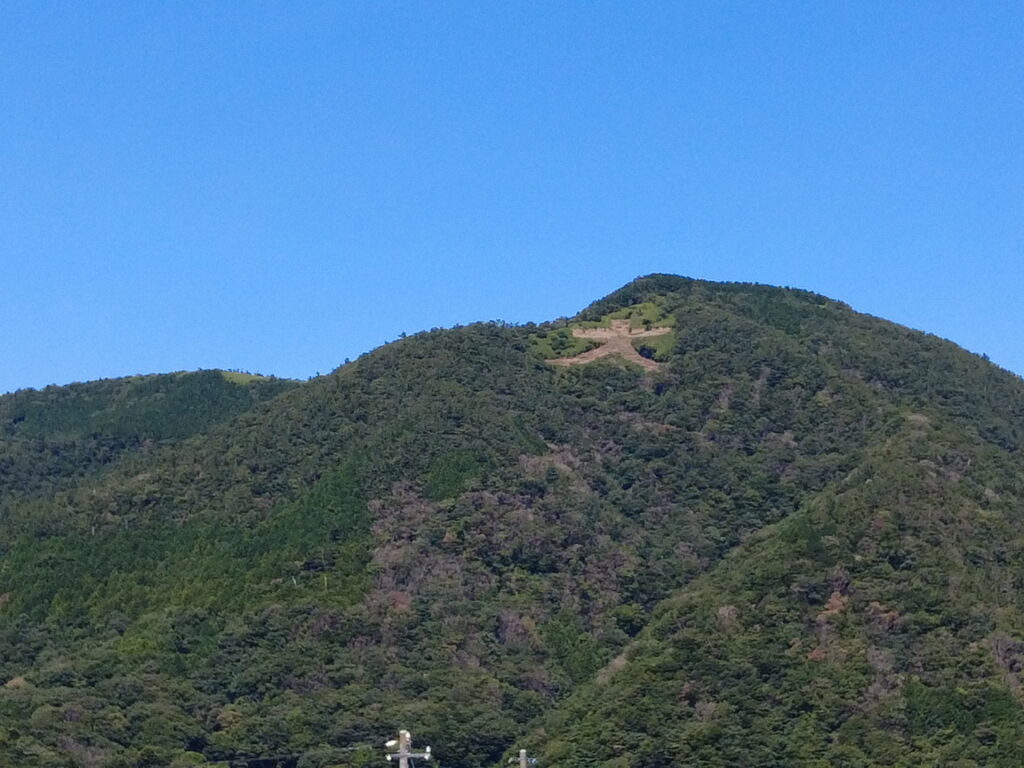
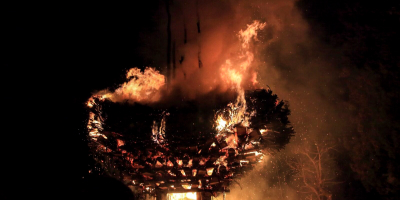
Mount Daimonji is best known for the enormous “大” character carved into its hillside. Each summer during Gozan no Okuribi, giant bonfires are lit along the shape of this character.
The event takes place on August 16th and marks the end of the Obon holiday. Five mountains surrounding Kyoto are lit with large fire symbols to guide ancestral spirits back to the spirit world.
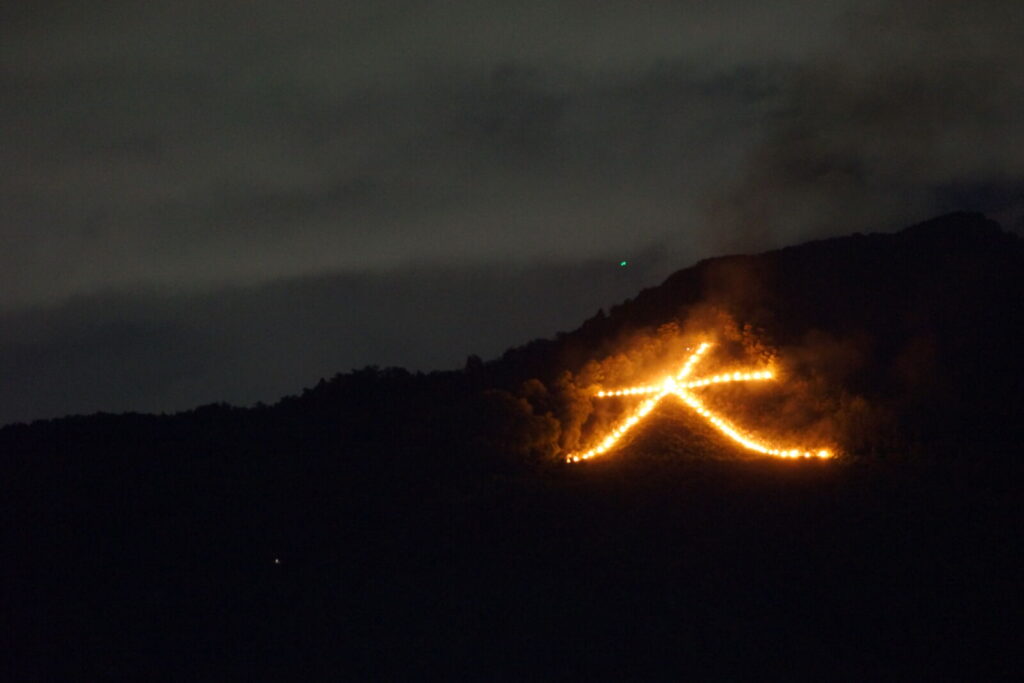
The Daimonji character is the most famous of these fires and can be seen from across the city.
Today, visitors can hike directly to the fire bed and stand on the very slope where these massive flames are lit each year.
How to Get to the Daimonji Trail
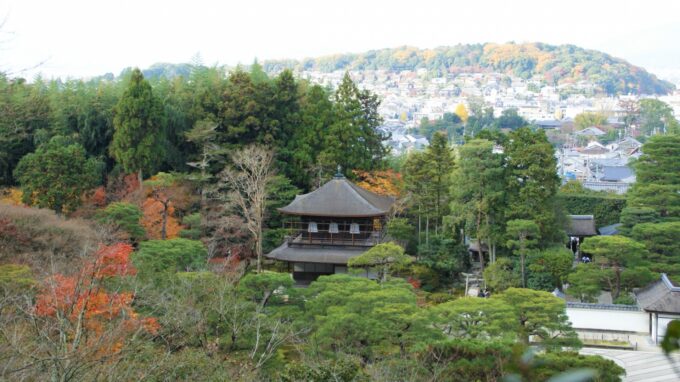
The most common starting point for the Daimonji hike is near Ginkaku-ji, located along Kyoto’s eastern foothills.
From Central Kyoto
- Take a city bus from Kyoto Station toward Ginkaku-ji.
- Get off at Ginkakuji-michi Bus Stop.
- Walk toward the residential neighborhood behind the temple where the trail begins.
When you get to the entrance to Ginkakuji, turn left and you'll find the The trailhead is about 5 minutes walking distance from Ginkaku-ji.
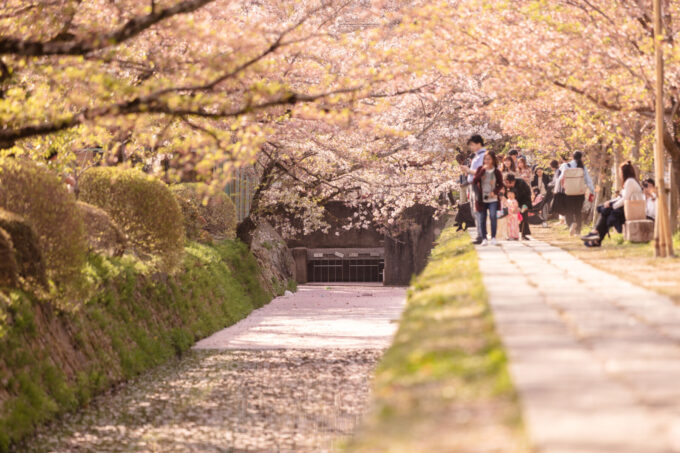
Many visitors combine the hike with a visit to the famous temple and a walk along the nearby Philosopher's Path.

How Long is the Hike?
The hike to the main viewpoint on Mount Daimonji is relatively short but steadily uphill, but hikers are rewarded with beautiful views.
Most visitors reach the Daimonji fire bed viewpoint in about 30–45 minutes from the main trailhead. The full experience, including time to enjoy the views and walk back down, usually takes 1.5 to 2 hours at a relaxed pace.
The trail is popular with both visitors and local residents, especially in the mornings and evenings when temperatures are cooler.
Typical hiking experience:
• Forested mountain trail
• Moderate uphill climb
• Approximately 30–45 minutes to reach the viewpoint
• Stone fire-bed platforms visible near the summit
• Panoramic views across Kyoto
For hikers who continue across the mountain ridge or descend toward other temple areas, the total hiking time can be longer.
The Daimonji Fire Bed Viewpoint
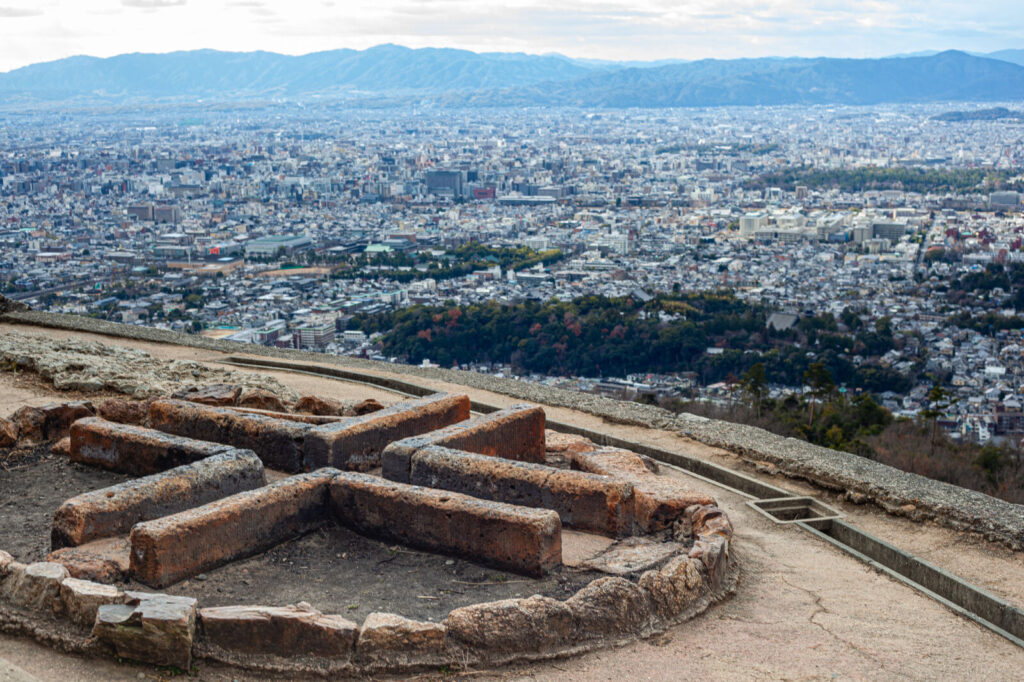
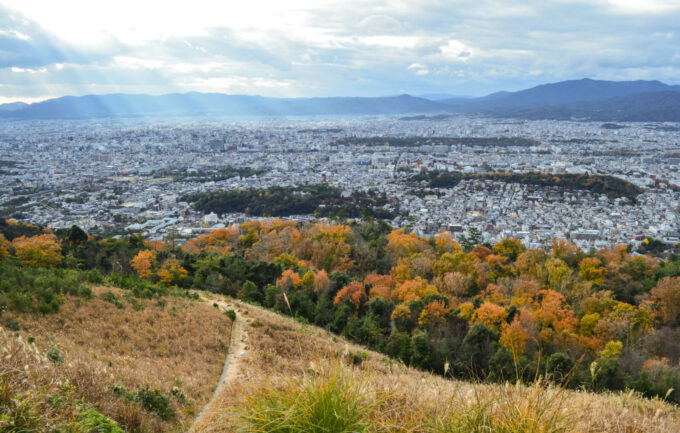
The highlight of the hike is the Daimonji fire bed, where the giant character is formed. From here, hikers are rewarded with one of the best urban viewpoints in Kyoto.
On clear days you can spot:
- Downtown Kyoto stretching across the valley
- Kyoto Tower rising above the skyline
- The distant mountains surrounding the Kyoto Basin
- The skyscrapers of Osaka city
The viewpoint is especially popular at sunset, when the city lights begin to appear below.
Locals often come here to relax, take photos, or enjoy a quiet break while overlooking the city.
Different Hiking Routes
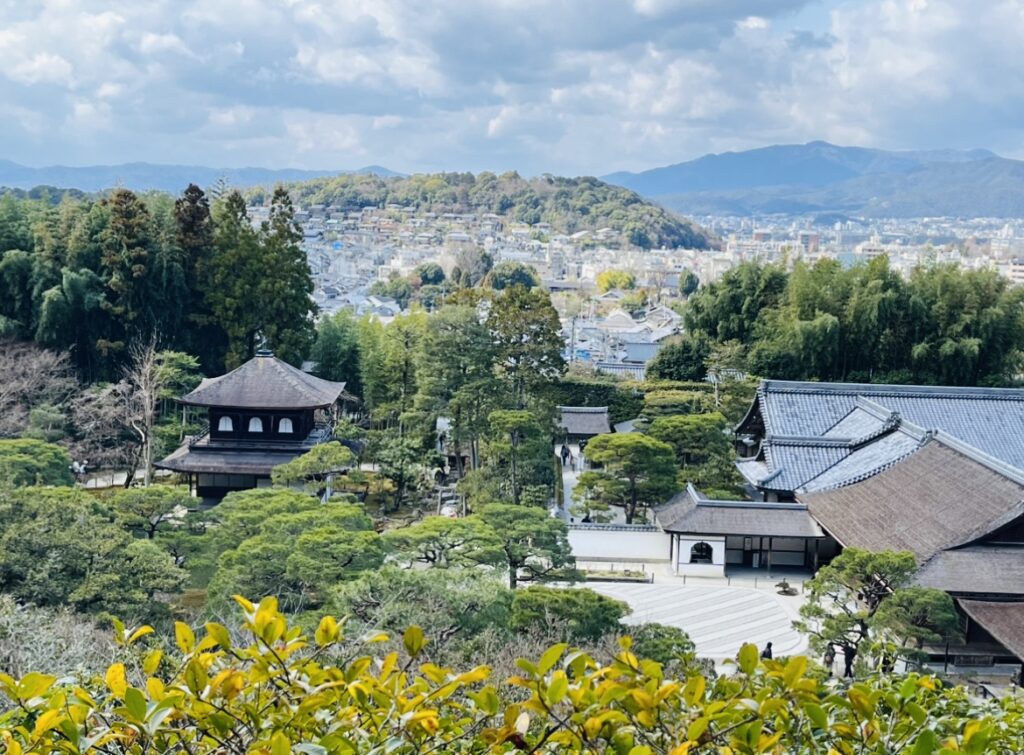
There are several ways to enjoy Mount Daimonji depending on how much hiking you want to do.
1. Ginkaku-ji to Daimonji Fire Bed (Most Popular)
This is the classic route used by most visitors.
• Trail begins near Ginkaku-ji
• Forest path gradually climbs the mountain
• Reaches the famous fire bed viewpoint
This route offers the fastest way to see the Daimonji viewpoint.
2. Nanzen-ji to Daimonji Ridge
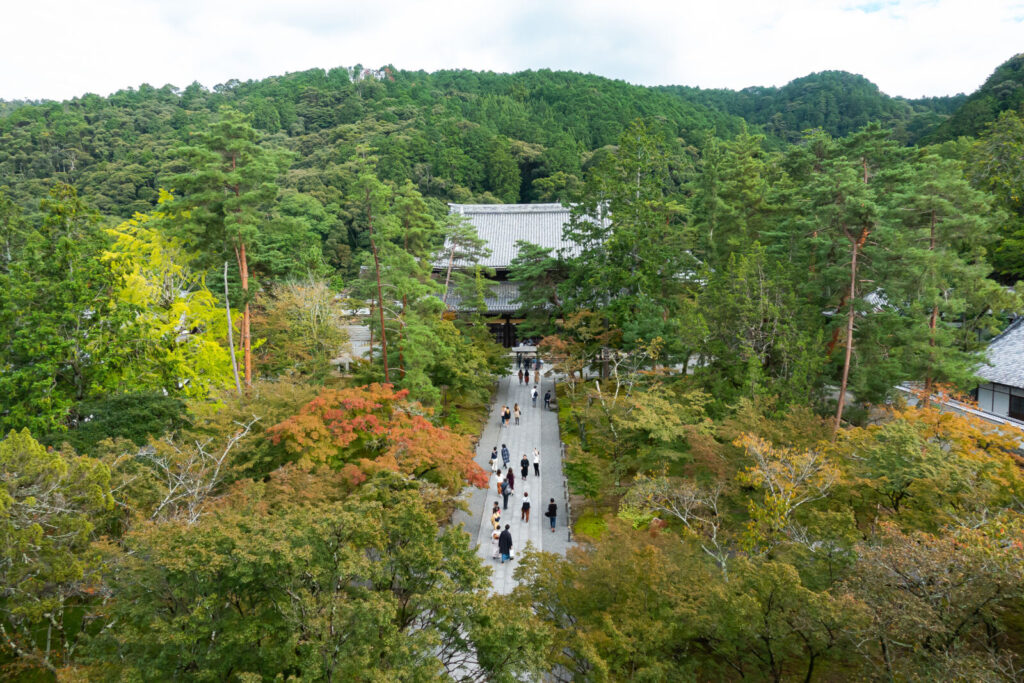
Experienced hikers sometimes start further south near Nanzen-ji.
From here the trails climb into the Higashiyama mountains before connecting to the ridge paths that lead toward Daimonji.
This route is longer and quieter, passing through deeper forest sections before reaching the viewpoint.
3. Ginkaku-ji to Nanzen-ji Ridge Walk
For hikers who want a longer experience, it’s possible to:
• climb up near Ginkaku-ji
• visit the Daimonji fire bed
• continue along the mountain ridge
• descend toward Nanzen-ji
This route connects several trails in the eastern Kyoto mountains and creates a scenic point-to-point hike across the hills above the city.
Hiking Tips
Before heading up the mountain, keep a few simple tips in mind:
- Wear comfortable shoes with good grip
- Bring water, especially in summer
- The trail can be muddy after rain
- Start earlier in the day during hot months
- Be respectful of nature and stay on marked path
- Bring all your garbage back with you. No littering
While the hike is not extremely difficult, it is still a mountain trail, so basic preparation makes the experience much more enjoyable.
Best Time to Hike Mount Daimonji
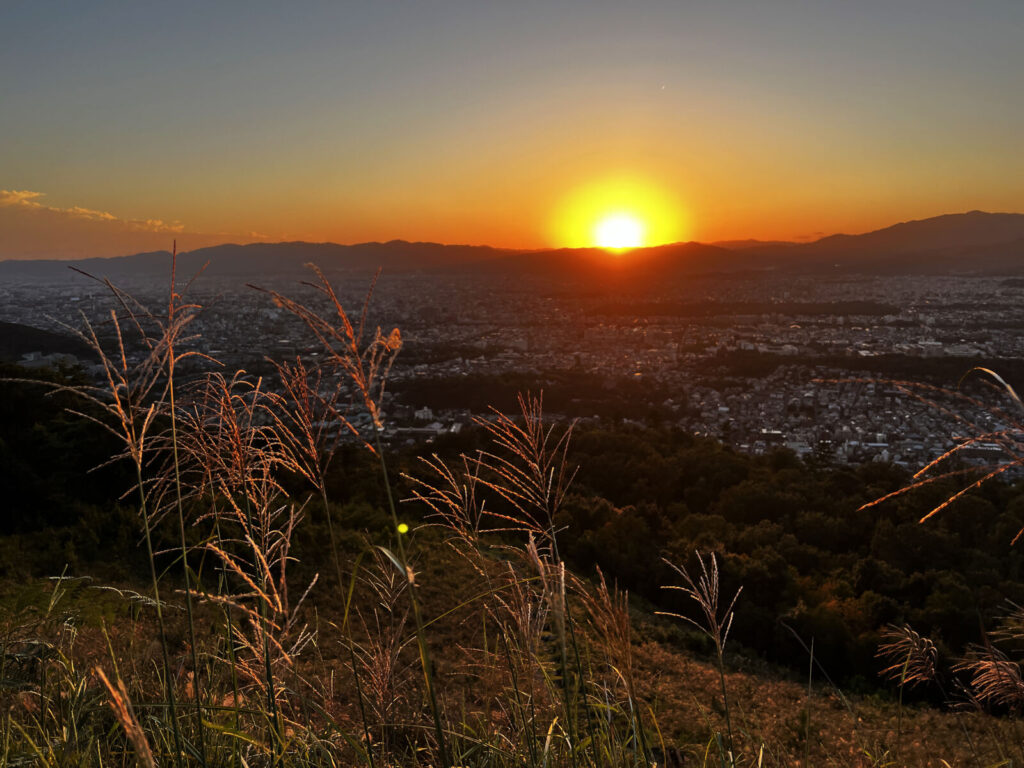
The Daimonji hike can be enjoyed year-round, but the most comfortable seasons are spring and autumn, when Kyoto’s temperatures are mild and the surrounding forests are especially beautiful.
Early mornings and late afternoons are also popular times to hike, offering cooler temperatures and softer light over the city.
Summer hikes are possible but can be very hot and humid, while winter offers quieter trails and clear views across Kyoto.
Join Our Guided Daimonji Hike
If you’d like to explore the mountain while learning about Kyoto’s history and traditions, our guided hike offers a deeper experience.
Our guides lead guests along the forest trails of Mount Daimonji while explaining the story behind the famous fire festival, the surrounding mountains, and Kyoto’s relationship with nature.
Planning Your Kyoto Trip?
If you’re still shaping your itinerary, start with our 7-Day Kansai Japan Highlights Itinerary, which combines Kyoto, Osaka, and Nara into a balanced first visit. For inspiration and practical tips, see our 40 Things to Do in Kyoto, Nara, and Osaka, including seasonal ideas and neighborhood recommendations.
Looking to go deeper? Our Best Tours in Kyoto page highlights cultural experiences that go beyond the usual sights. If you’re deciding where to base yourself, our guide on staying in Osaka or Kyoto breaks down the pros and cons of each.
For themed travel, don’t miss our Essential Guide to Geisha in Kyoto, or explore Kansai’s brewing heritage with our Top 10 Sake Breweries to Visit in Kansai. Finally, for help making restaurant reservations in Kyoto, check out our Guide on Making Reservations in Kyoto
Frequently Asked Questions
How long does it take to hike Mount Daimonji?
The hike from the main trailhead near Ginkaku-ji to the Daimonji fire bed viewpoint usually takes 30–45 minutes. Most visitors spend around 1.5 to 2 hours total including the return walk and time to enjoy the views.
Where does the Daimonji hike start?
The most common trailhead begins in a residential neighborhood behind Ginkaku-ji on Kyoto’s eastern edge. From the temple area it takes about 10–15 minutes on foot to reach the start of the forest trail.
Is the Mount Daimonji hike difficult?
The hike is considered moderate. The trail climbs steadily uphill through forest paths but does not require technical hiking skills. Most reasonably active visitors can complete the climb without difficulty.
What can you see from Mount Daimonji?
The Daimonji fire bed viewpoint offers panoramic views across Kyoto, including the city skyline, surrounding mountains, and distant landmarks such as Kyoto Tower. It is one of the best viewpoints in the eastern hills of Kyoto.
When is the Daimonji fire festival?
The fires are lit every year on August 16th during Gozan no Okuribi, a traditional event that marks the end of the Obon holiday. The giant “大” character on Mount Daimonji is the most famous of the five mountain fires surrounding Kyoto.
Can you hike between Ginkaku-ji and Nanzen-ji?
Yes. Several hiking routes connect the trails above eastern Kyoto. Some hikers climb up from the Ginkaku-ji area, visit the Daimonji viewpoint, and then continue along the ridge before descending toward Nanzen-ji. These longer routes create a scenic half-day hike across the Higashiyama Mountains.