




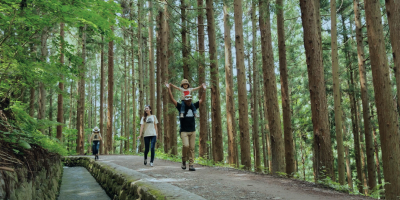

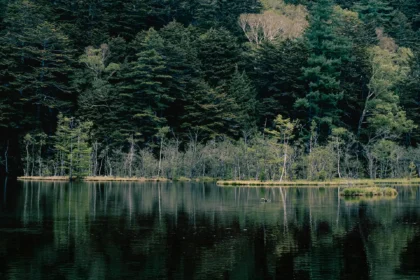

Togakushi has a lot to offer but is little known amongst overseas visitors. Keep reading to learn more and plan your visit to this amazing natural wonder in Nagano City's backyard.
Where is Togakushi?
Located only around 20-30 kilometers to the north of Nagano City, Togakushi is one of the best spots to see amazing nature without traveling too far. Part of the Myoko-Togakushi Renzan National Park, there are a number of mountains, hiking trails, historical sites, and ski fields in the area, offering something for ever traveler. Access is easiest done by car, but public buses also run frequently allowing for visits by public transport. Alternatively, taking a tour to the area is a good way to take the hassle out of trying to catch the right public bus. Regardless of how you get there, once there you will find an expansive mountainous region which stretches towards the Sea of Japan and Niigata in the north.
Introduction to Togakushi's Hiking Trails
Trails between the shrines are suitable for anyone of reasonable fitness while other more challenging hikes can be found along trails leading deeper into the forest and mountains above. For visitors looking to enjoy a casual day of hiking, it’s best to first head to the Togakushi Tourist Information Center and pickup a map or ask for suggestions of where to head.
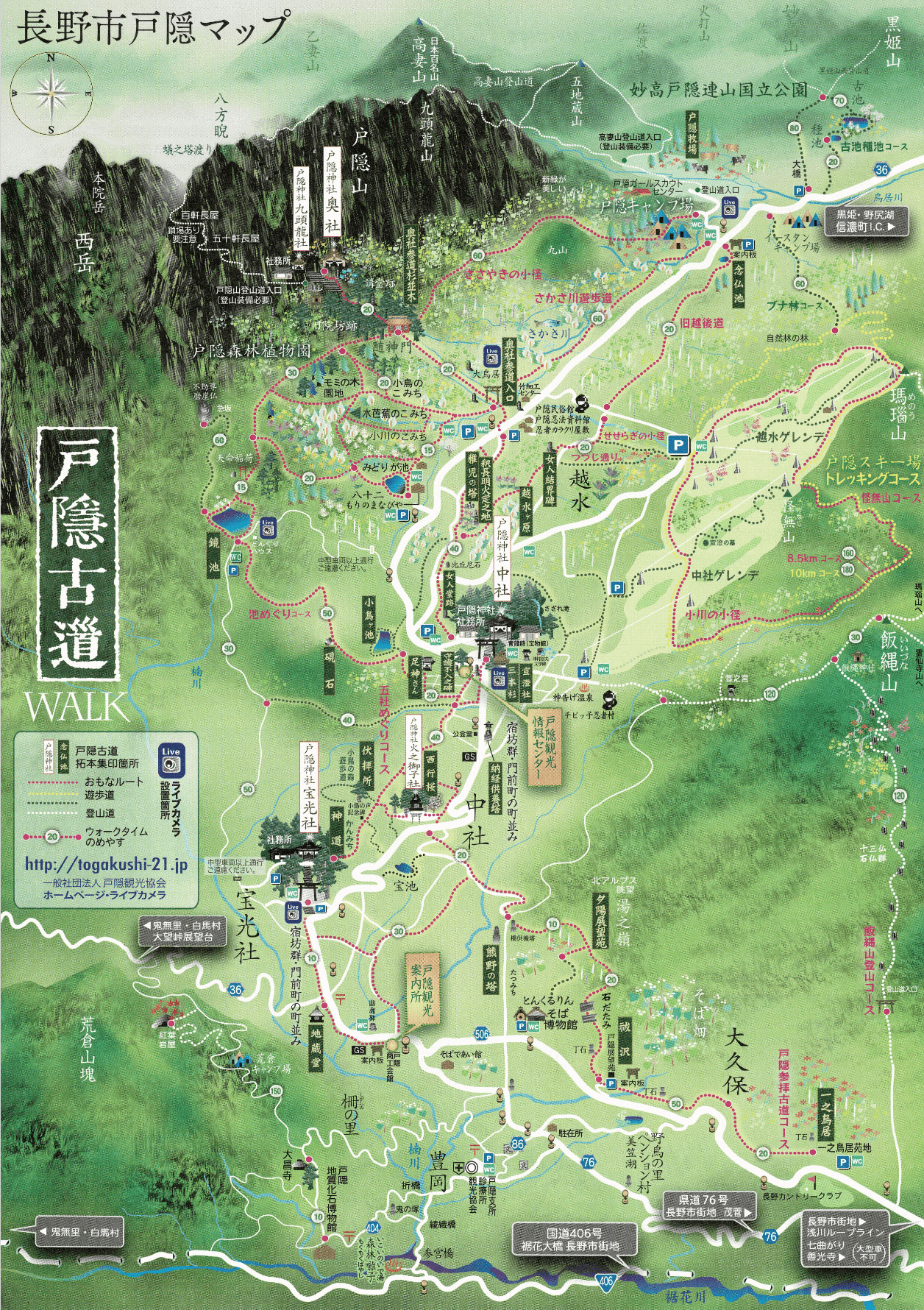
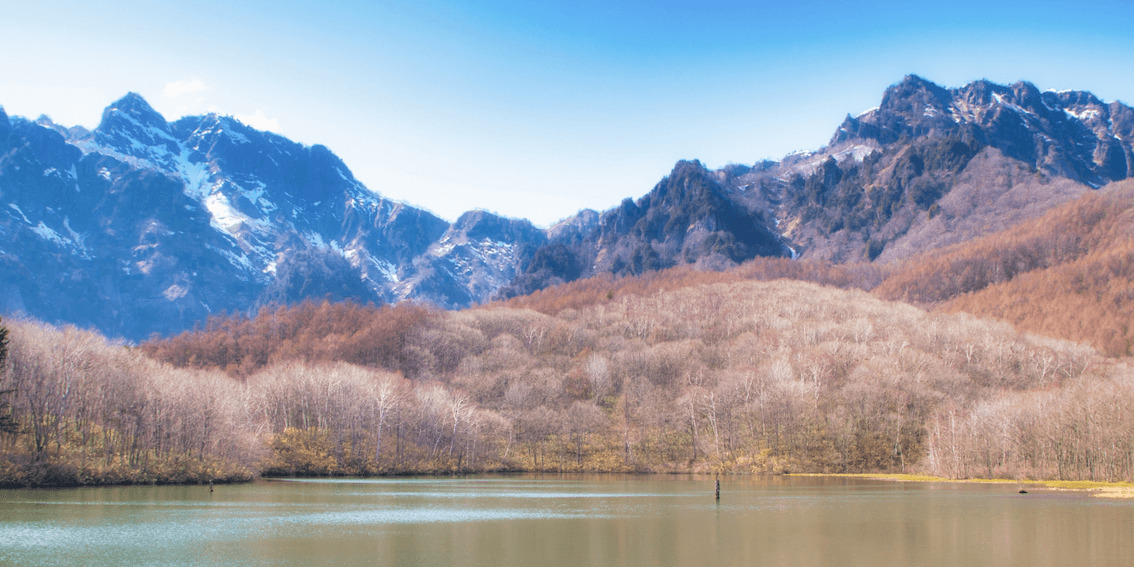
As the map above shows - you can view an enlarged version by clicking on it - the trails range in length and lead toward Mount Togakushi in the top left-hand corner of the image. At 1904 metres above sea level, Mount Togakushi isn't as tall as some other mountains in the national park however it is considered a more challenging climb than most with a treacherous ridge line. Hiking the trails that lead toward the mountain and then ascend towards its summit should not be attempted by anyone other than experienced mountaineers and even then, we recommend arranging a local guide.
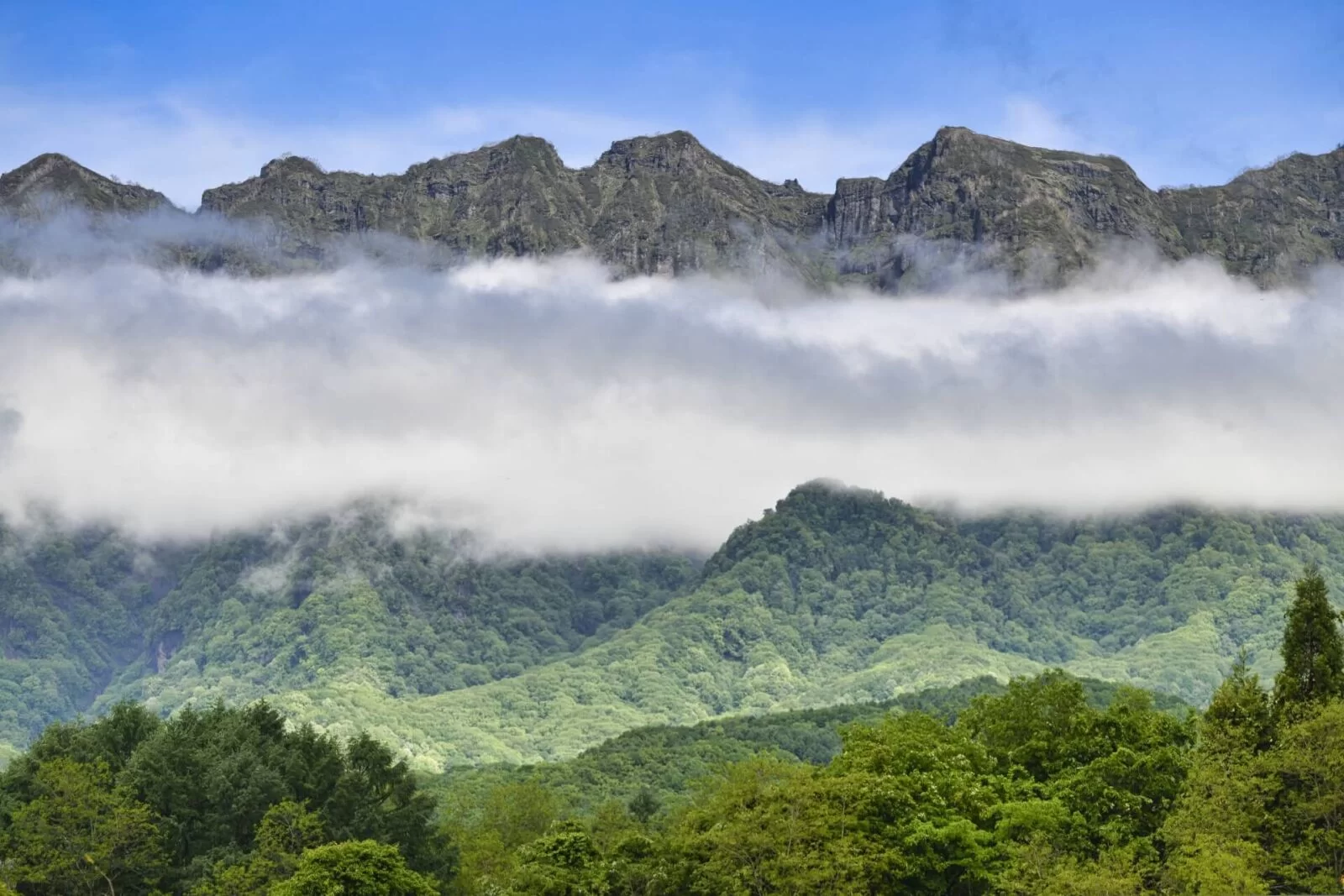
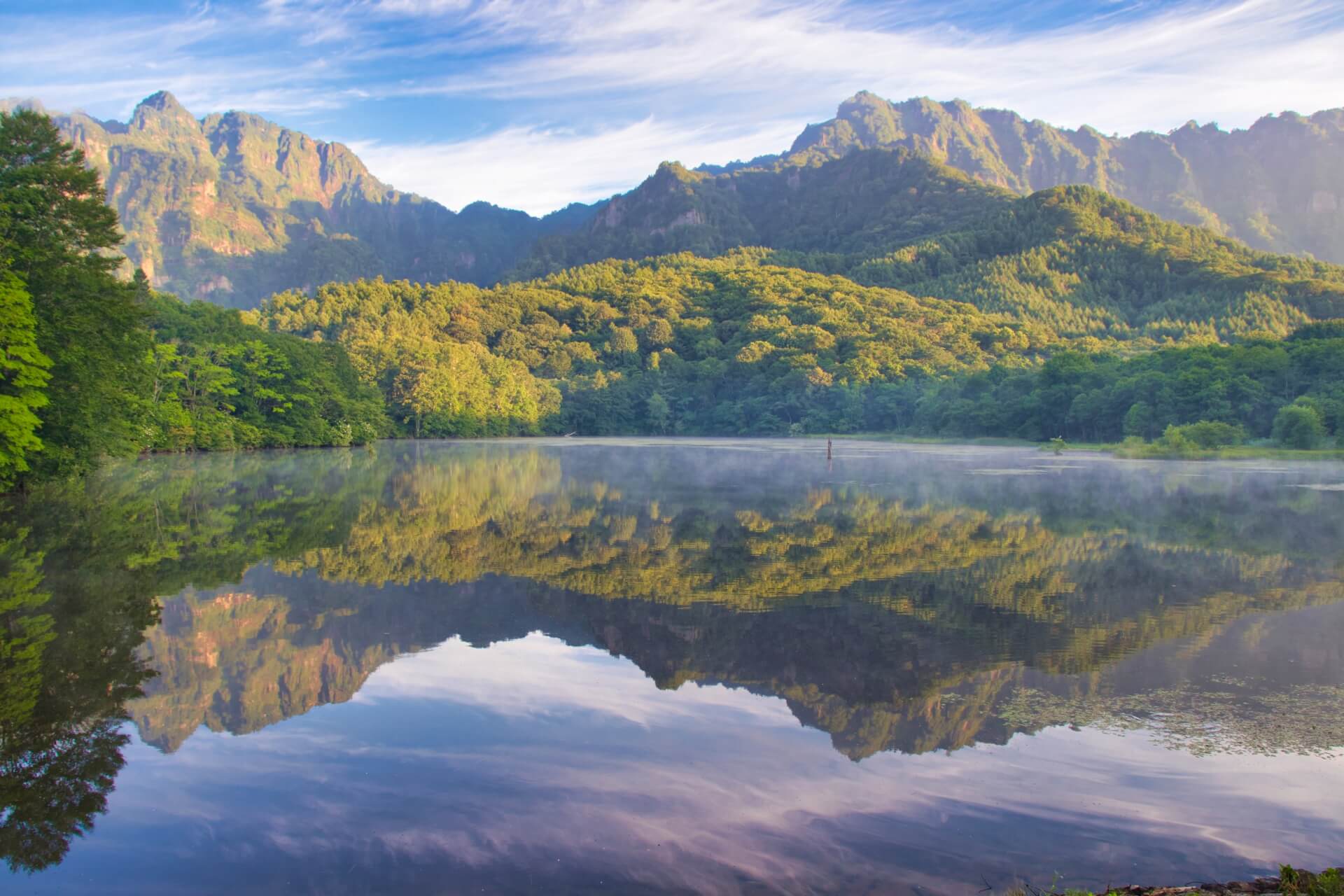
The main appeal for most visitors will be walking the trails between the shrines and to other attractions including the seasonally-beautiful Kagami-ike, the Togakushi Forest Botanical Garden or to the Togakushi Campground. Trails are well-maintained, sign-posted and in areas of the botanical garden, consists of raised walkways making the walking exceptionally easy.
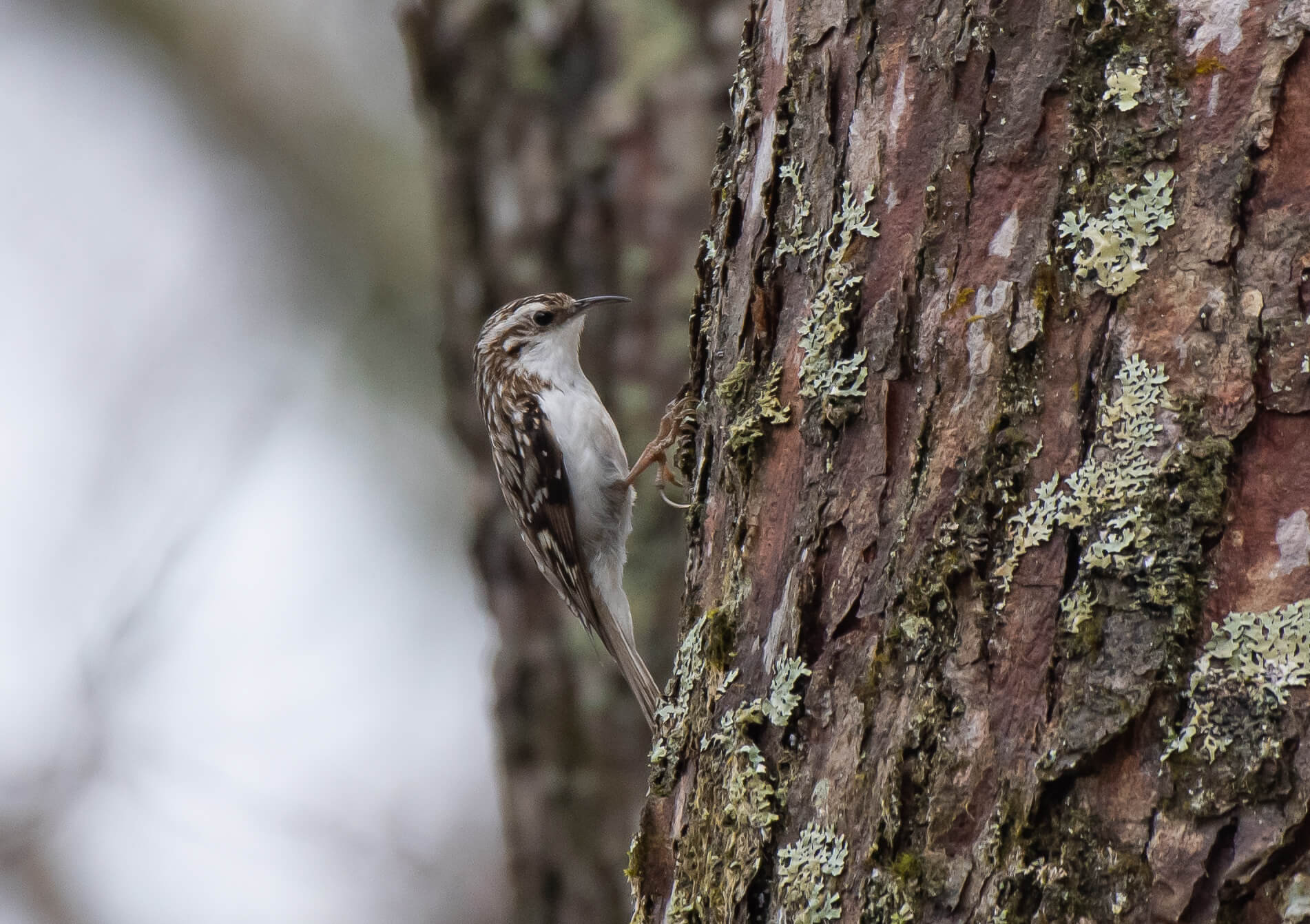
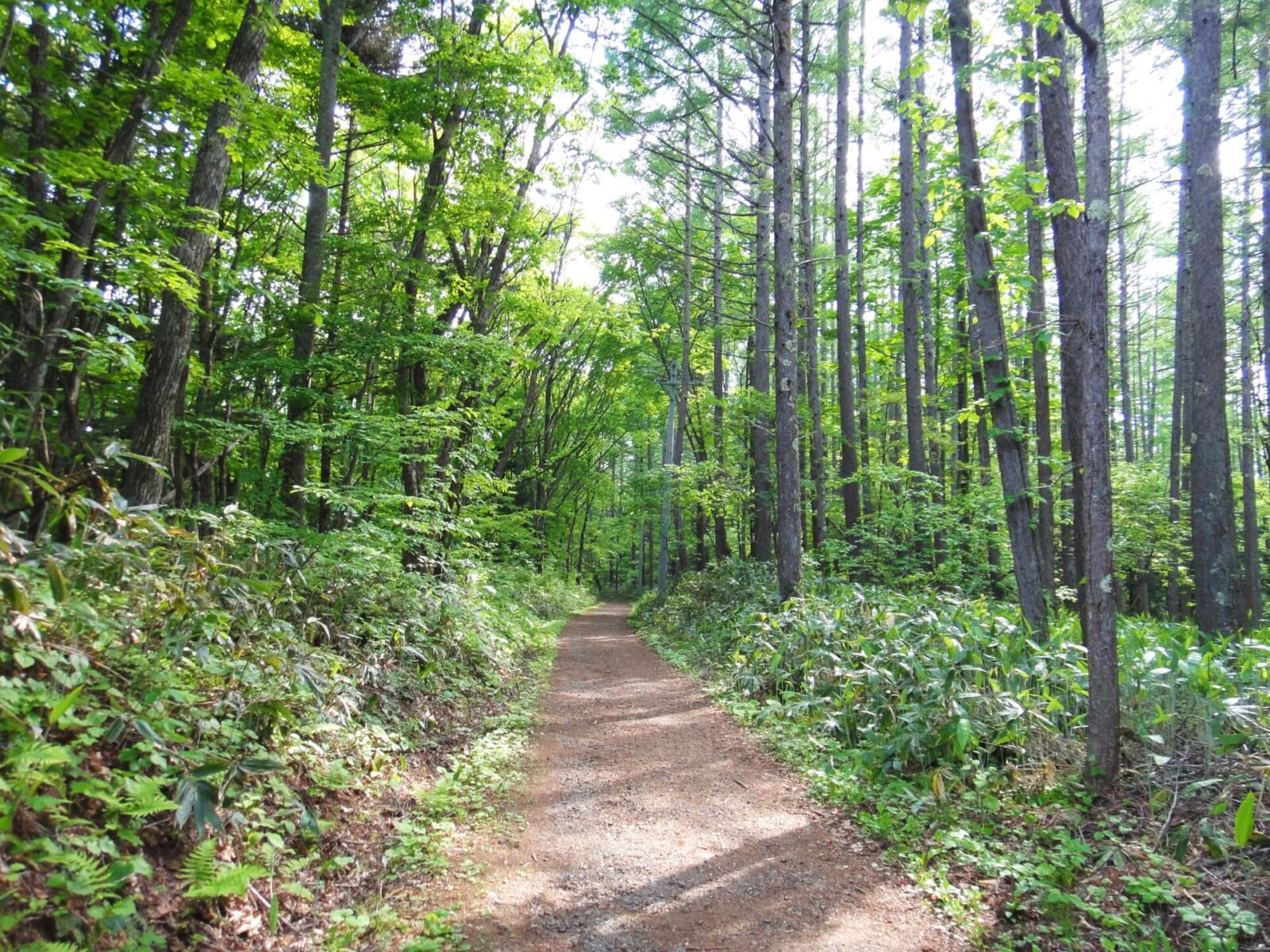
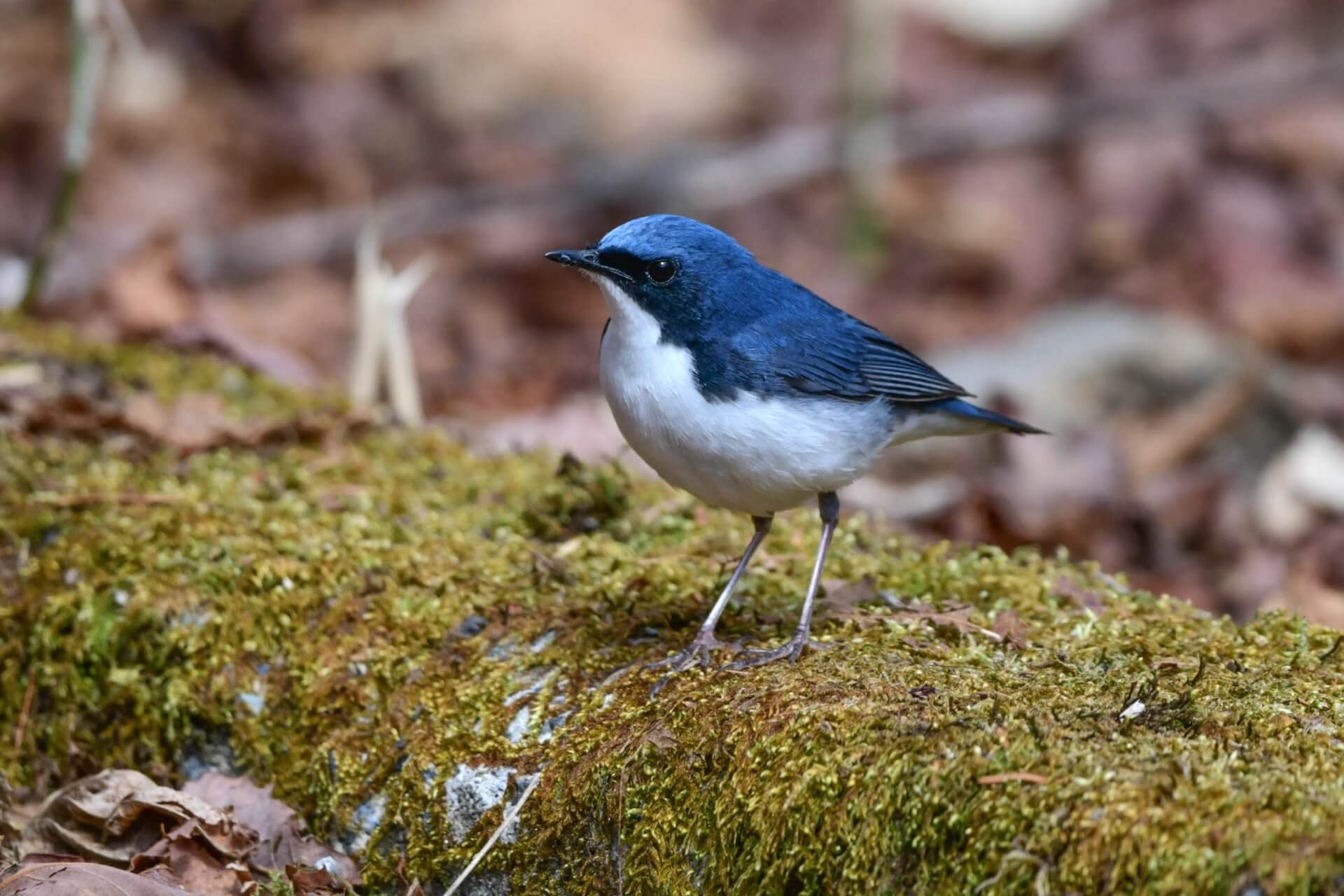
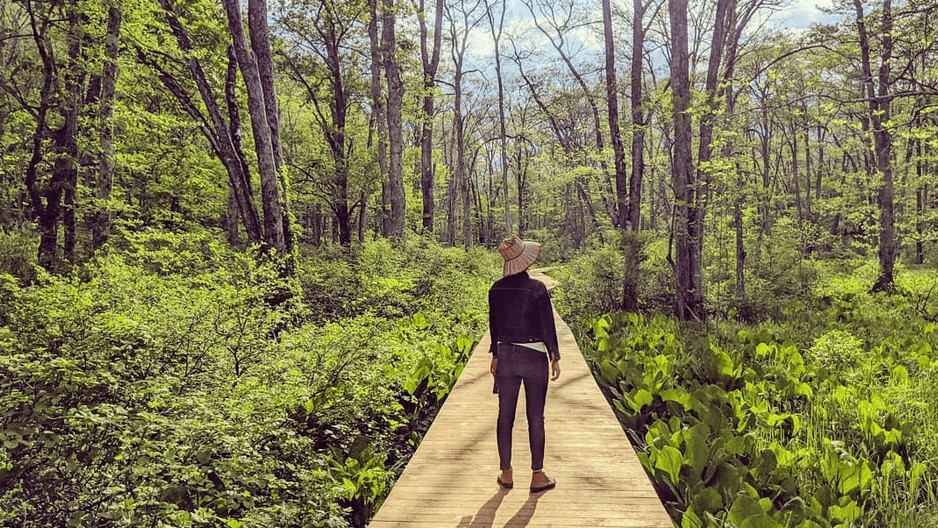
Togakushi receives heavy snow over winter but most trails should be open by early to mid-May and stay open until the end of November. It is worth noting that the forests and mountains of the area are home to a large number of Asiatic black bears. The bears are typically shy and want nothing to do with humans. While sightings are common, confrontations are rare with bears usually fleeing at the sight of a human. You will notice that many people walking the trails choose to wear a bell for this reason and it's worth being particularly cautious around the botanical garden at dusk, when bears often appear after visitors have left for the day.
Early-spring and late-autumn are also times to exercise more caution as the bears emerge from or prepare for hibernation. For further information about the types of animals you might encounter in Togaksuhi, see our 'Myoko-Togakushi Renzan National Park' page.
Walking Between the Shrines
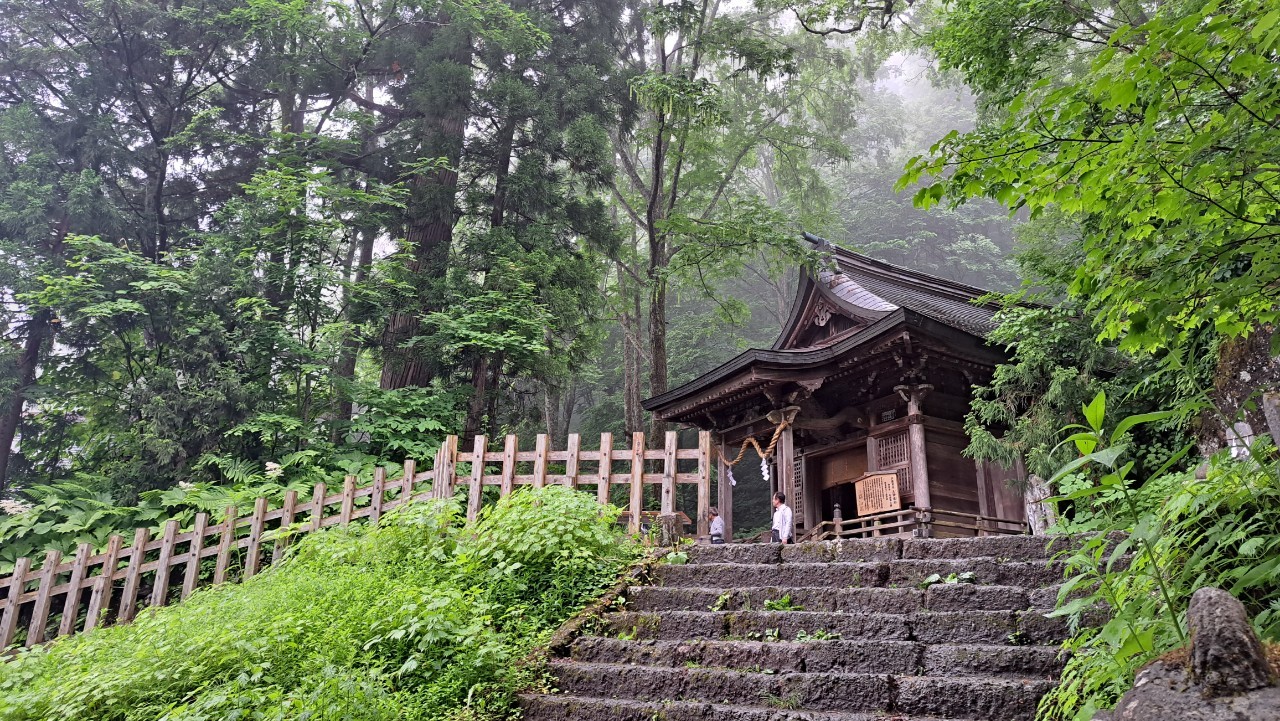
Walking between the shrines is suitable for anyone of reasonable fitness and an ideal day activity from Nagano City. When approaching from Nagano City, you will first come to the Hokosha (Lower Shrine). Accessed via a steep flight of stairs, this is the oldest of the extant shrines and dedicated to the patron goddess of maternity and academia. Staring the trail from this point will lead you to the smaller Hinomikosha – approximately 15 minutes walk – dedicated to the god for fire, marriage, and the performing arts.
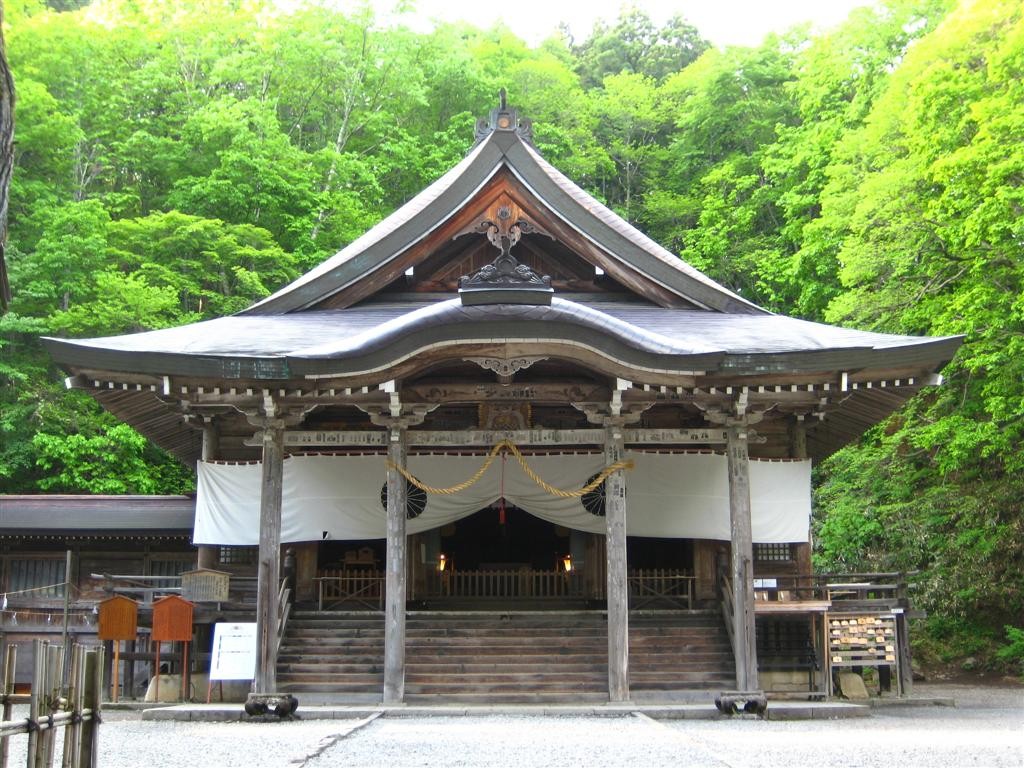
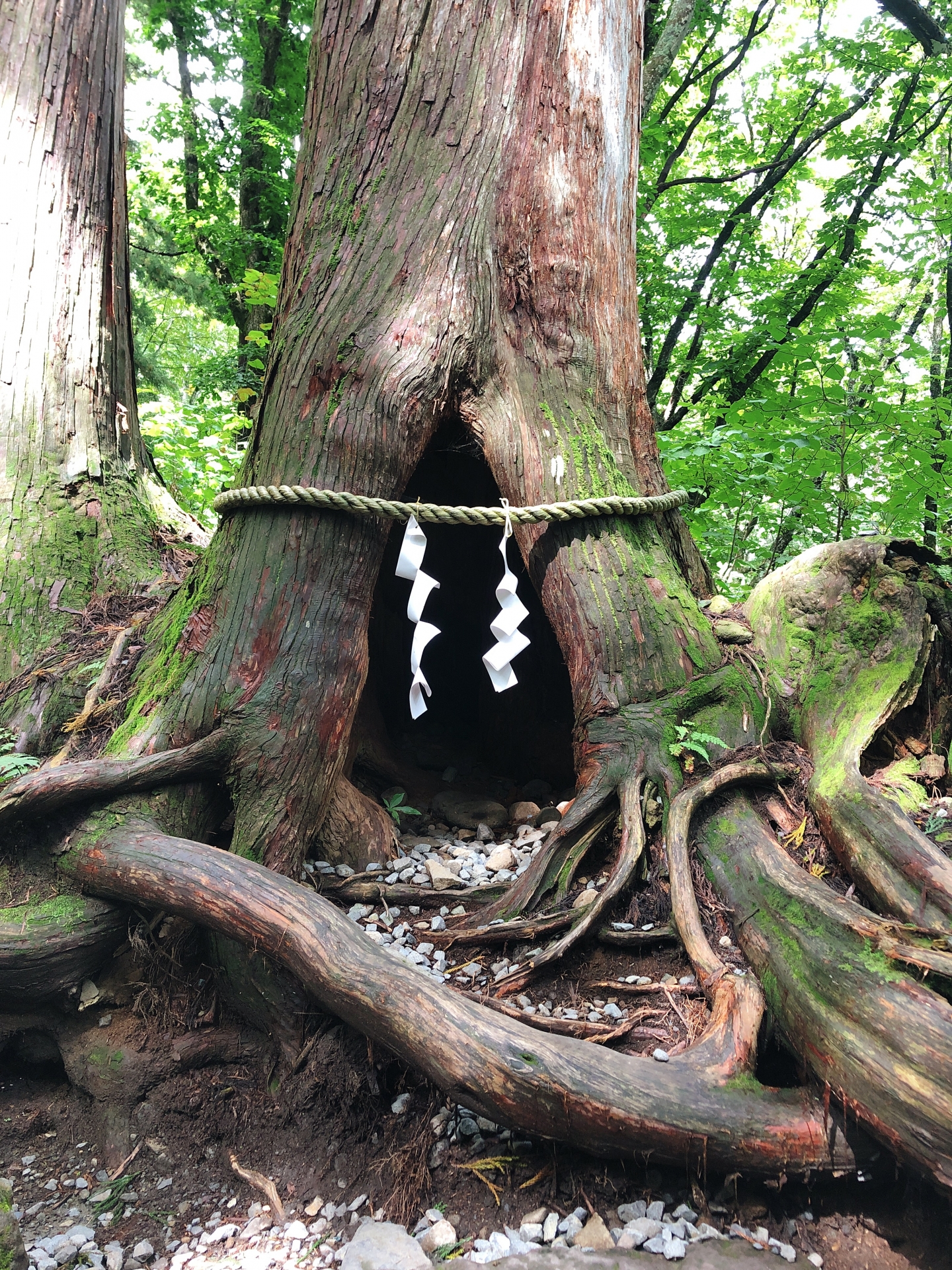
You then begin a more energetic 2km walk uphill – suitable for anyone of reasonable fitness – which takes you to the ‘Chusha’ (Middle Shrine) - pictured above. Dedicated to wisdom, the middle shrine is famous for several enormous cedars estimated to be around 800 years old. Surrounding the middle shrine, several soba restaurants and bamboo craft shops are within easy walking distance.
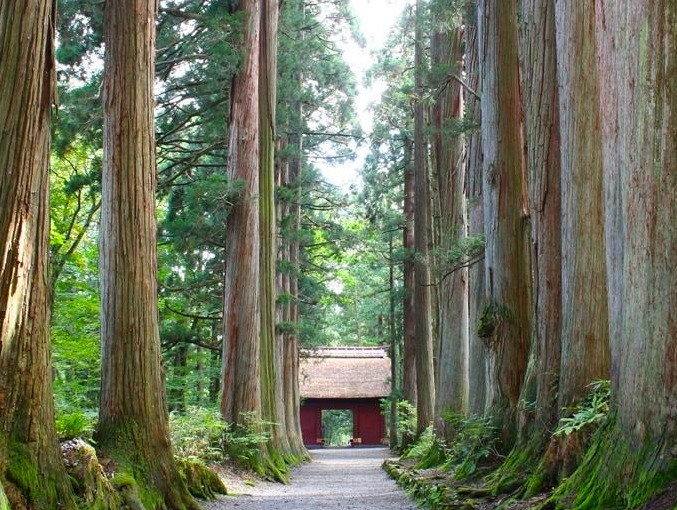
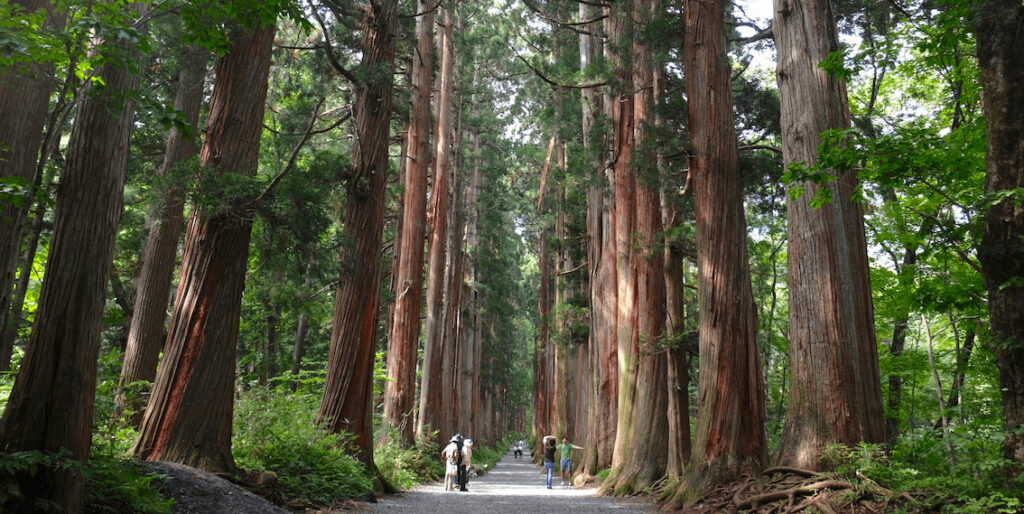
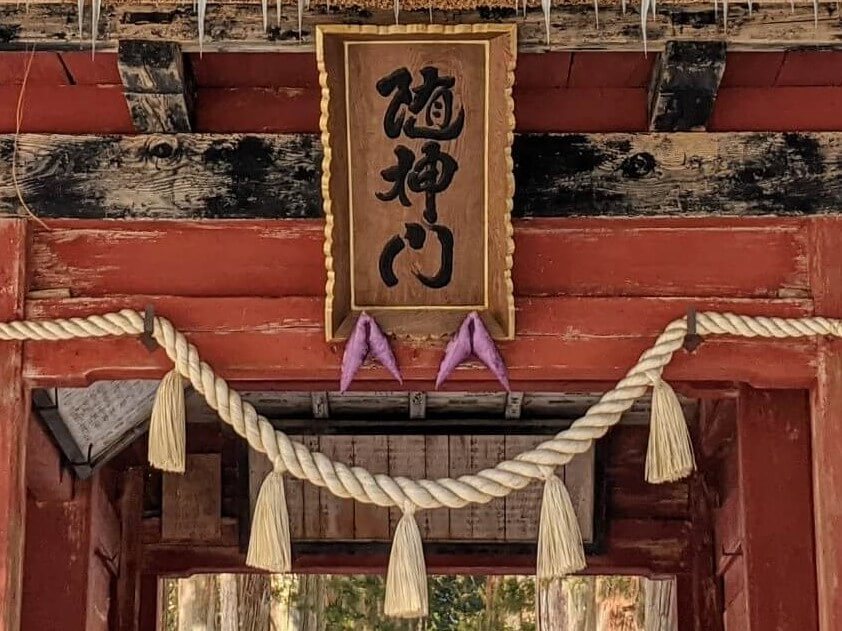
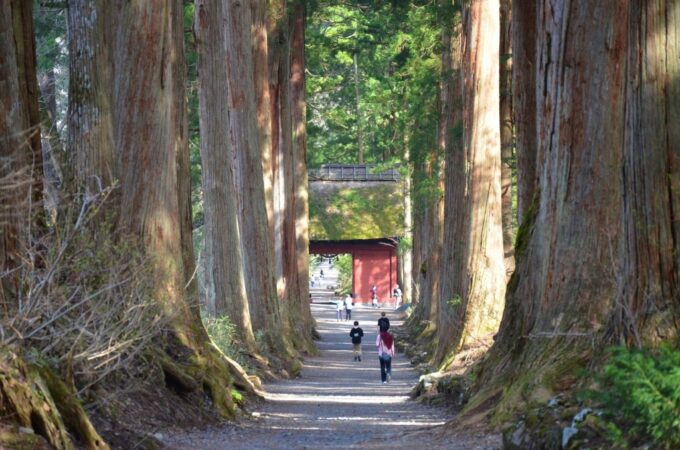
From the Chuusha you undertake a longer 2km walk to the avenue leading to the Kuzuryusha and finally, the Okusha (Upper Shrine). Approaching the Upper Shrine along an avenue of giant cedars and through the red Zuishinmon - pictured above and below - calm turns to wonder as the towering trees dwarf the people below – a truly spectacular sight only enhanced by the fog and mist common in Togakushi. The Okusha celebrates the god who cast the stone door aside from Amaterasu’s cave bringing light back into the world. You can enjoy the entire walk over several hours or pick and choose which trails you want to follow depending on your schedule.
Snowshoeing the Togakushi Trails in Winter
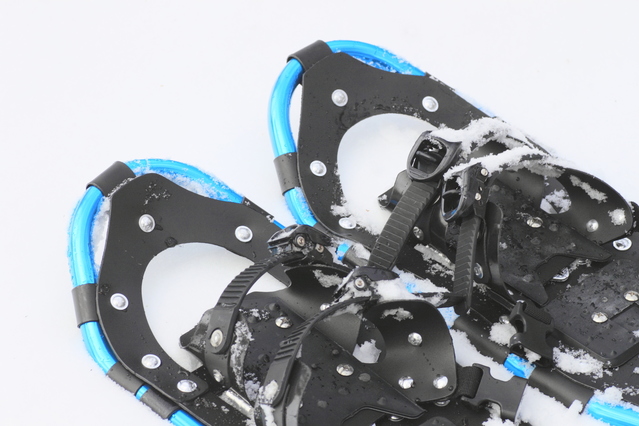
Snowshoeing in Togakushi during winter offers a unique way to experience the region’s tranquil, snow-covered landscapes. Visitors can rent snowshoes and winter boots directly at the Togakushi Tourist Information Center, making it easy to explore the trails independently. The well-marked paths connecting the shrines, including the Middle Shrine (Chuusha), are accessible for most visitors with moderate fitness, allowing for a peaceful walk among towering cedar trees and quiet forested slopes.
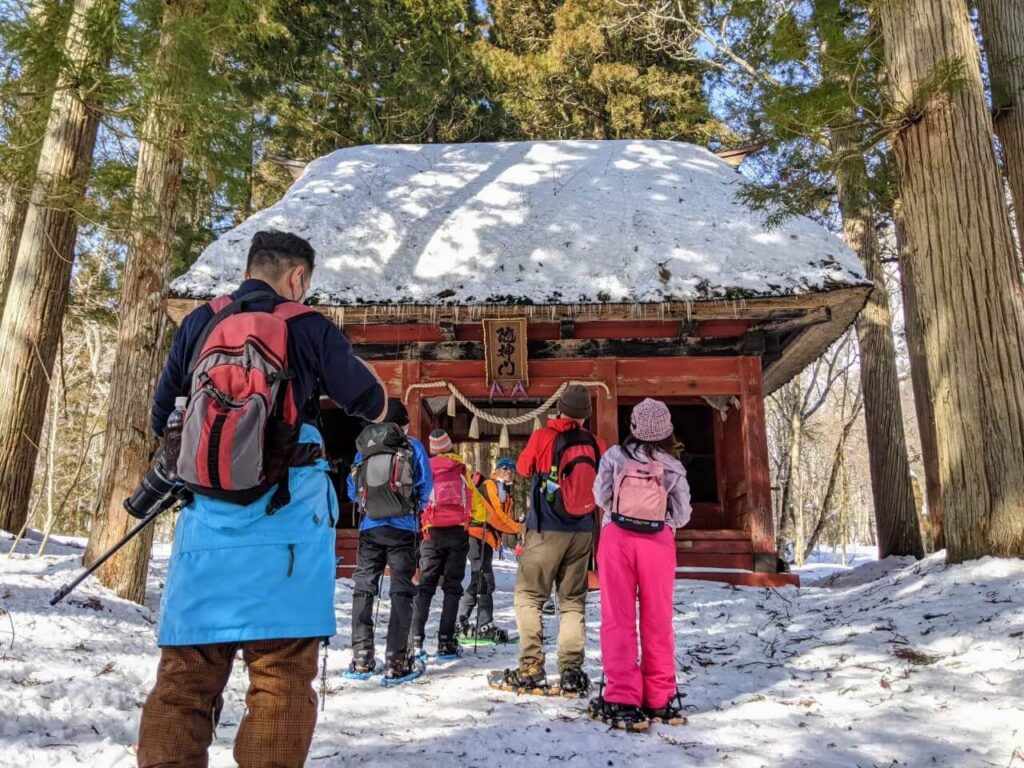
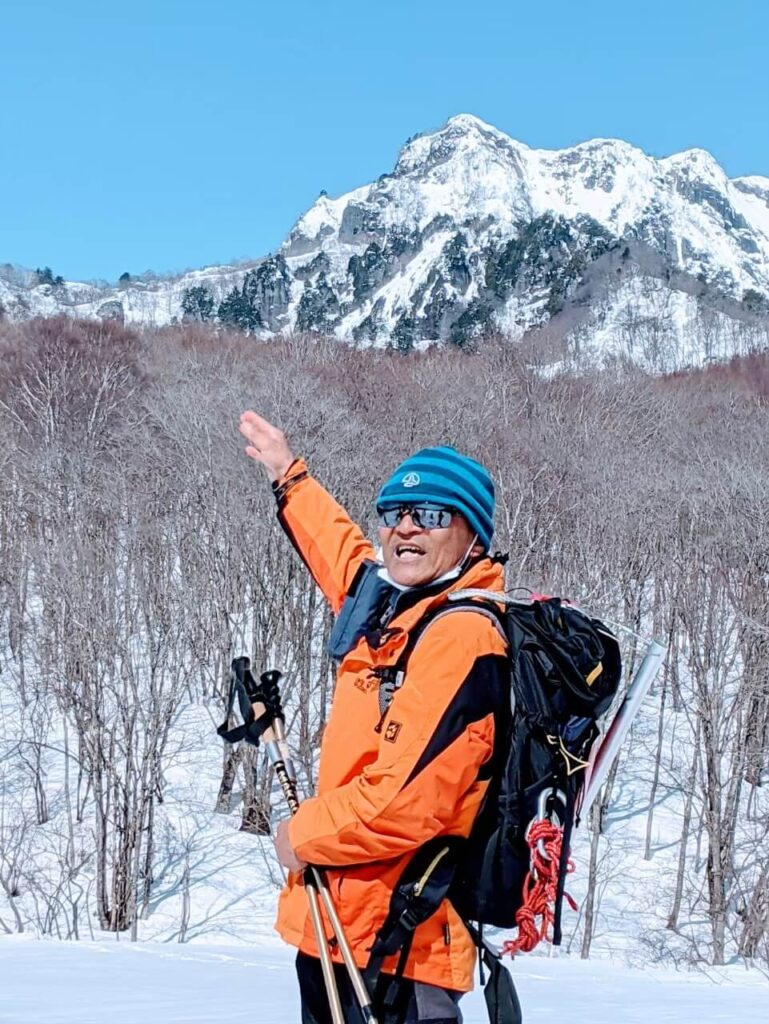
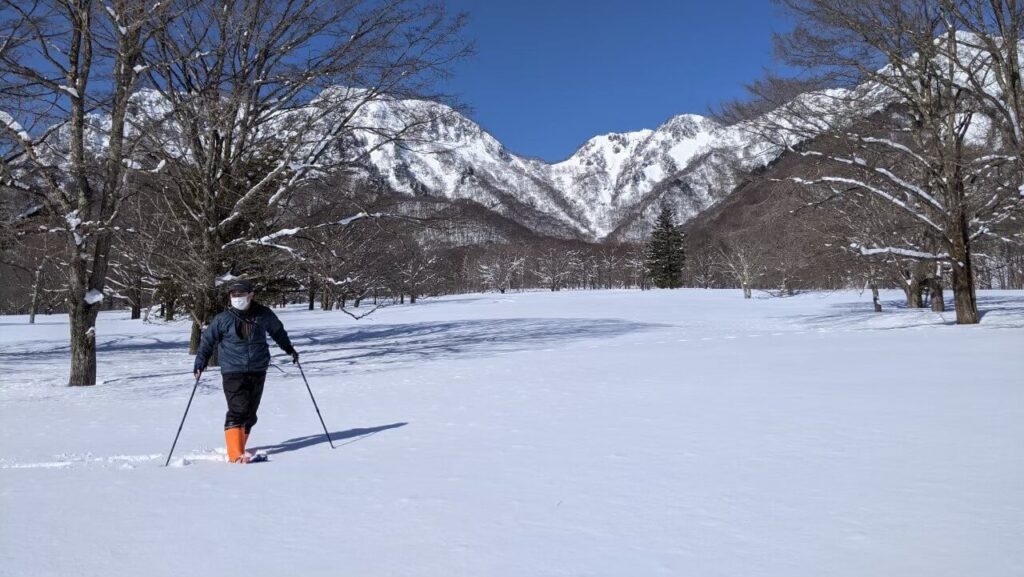
For those seeking the most breathtaking and iconic spots, such as the Okusha (Upper Shrine) along its towering cedar avenue or the reflective Kagami-ike (Mirror Lake), a guide is required. Guided snowshoe treks ensure safety in deep snow, provide access to these highlights, and offer insights into Togakushi’s spiritual and natural heritage. Because a guide is necessary for these routes, it is best to contact us in advance to arrange a snowshoe tour and fully enjoy the winter beauty of Togakushi.
Tours and Charters to Togakushi
Discover Togakushi with ease through our guided tours and private charters, offering seamless access to its shrines, ninja heritage, and natural beauty.
Group and Private Tours
Regardless of the season, Togakushi has so much to offer in its vast forests and connection to rural culture. You can experience Togakushi at any time of the year using the appropriate tour options below:
1-Day Togakushi Legends Tour: Hands-on Soba Noodles, Ninja Village, and Hidden Shrines / July to November
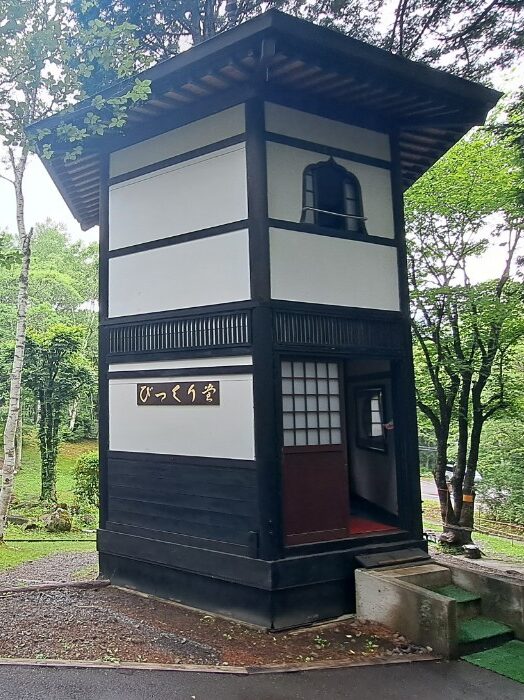
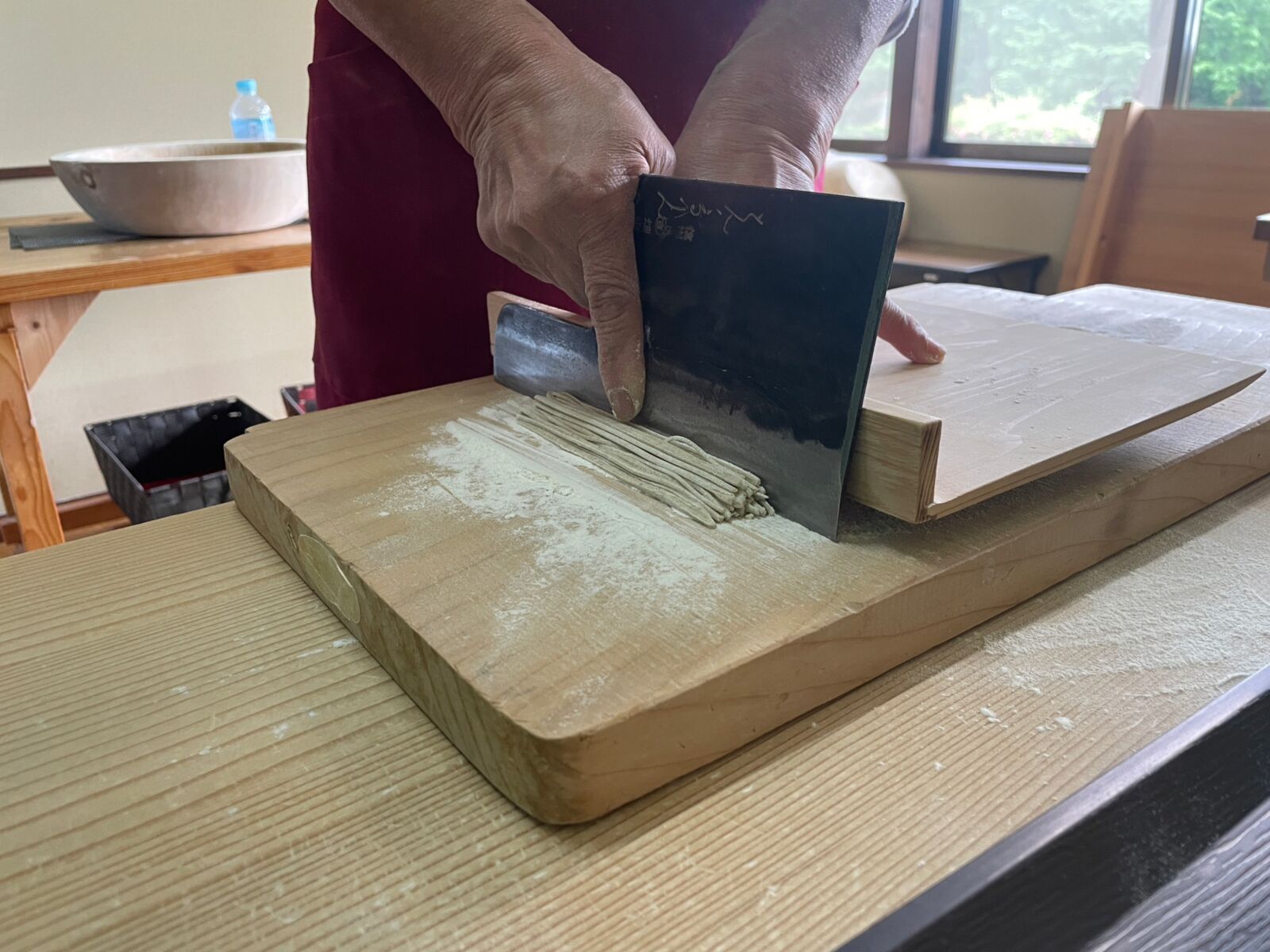
Based in Central Japan and operating in July, August, September, October and November, we offer a highly entertaining group-tour of Togakushi that is sure to please! All tours are led by locally-based guides and combine a visit to several places-of-interest in Togakushi, including a hands-on soba noodle crafting experience, ninja village trick house, and a visit to an ancient Shinto shrine hidden within the avenue of giant cedars! Our tours are fun, interactive and family-friendly. For more information, or to book a tour, click on the banner or button below.
Recommended
1-Day Togakushi Legends Tour: Hands-on Soba Noodles, Ninja Village, and Hidden Shrines
- Spots:
- NaganoTogakushi
- Pick-up:
- Nagano City
- Drop-off:
- Nagano City
Of course, we also offer private tours and transport in and around the Togakushi area, and other regional destinations. Our drivers and vehicles are fully certified, allowing us to transport you to and from your preferred destinations in combination with any activity that suits your schedule. All vehicles are well-maintained and in good condition, allowing you to relax and enjoy your ride to wherever you are going.
We can arrange both private tours with an English-speaking guide or a private charter, including a private vehicle and driver but without a guide. We’d love to be part of your adventure in Central Japan and help you discover even more!
Got a question about visiting Togakushi or the general Nagano area? Click the ‘INQUIRY’ button below to contact us and let’s get planning together!
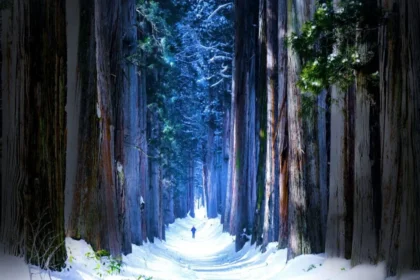
Private 1-Day Tour of Winter Togakushi: Snow, Shrine & Cedar Trees / December – March
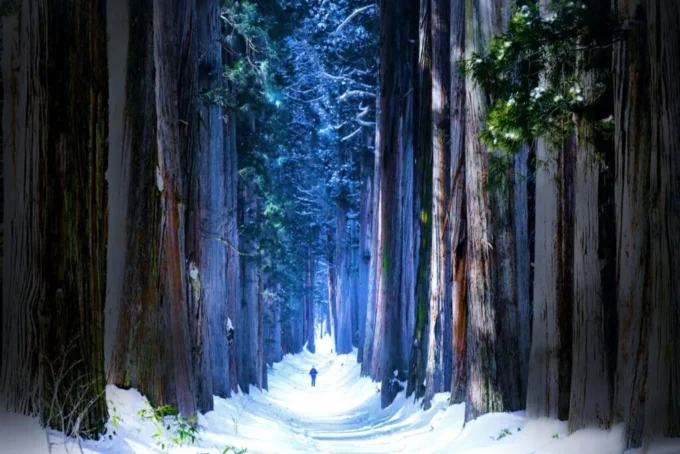
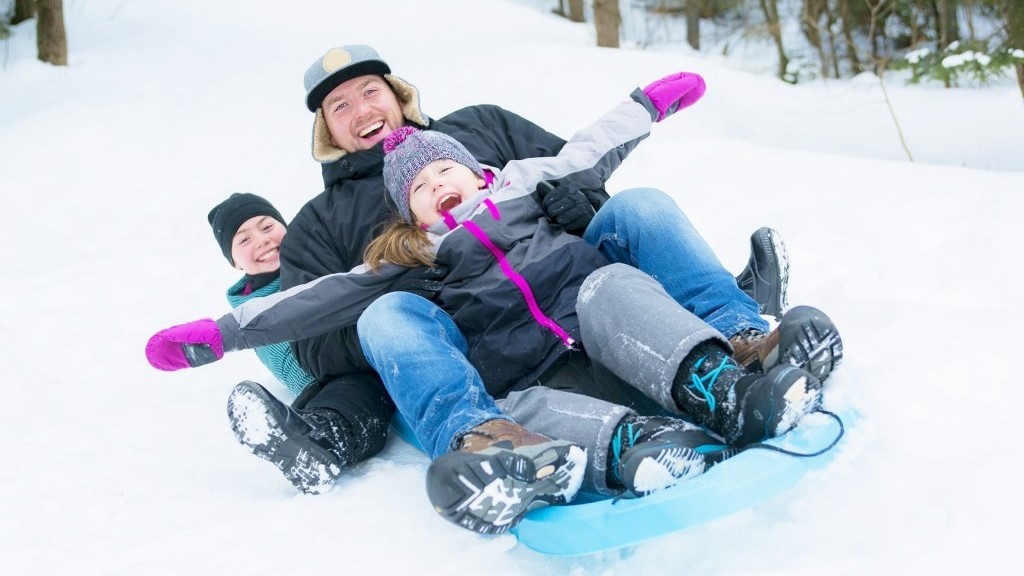
High in the mountains just outside Nagano City lies Togakushi, a timeless village where snow-covered forests, sacred shrines, and winter adventures await. Surrounded by legends and towering cedars, Togakushi is one of Japan’s most spiritual destinations—and in winter, it transforms into a serene snowy wonderland. This private tour offers family-friendly snow fun or optional skiing at the quiet and scenic Togakushi Ski Resort, followed by a peaceful journey into the forest trails and shrines that define the area's spiritual legacy. Enjoy an easy-to-access winter escape with pickup from popular areas including Hakuba, Nozawa Onsen, Shiga Kogen, and more.
* Please note that skiing or snowboarding is not included in the tour price. Lift passes, equipment rental, and skiing activities are at the guest’s own expense and risk.


Private Charters from Ski Resorts to Togakushi
Do you want to visit Togakushi as a rest day from the slopes? We have perfect instantly bookable options from the following ski resorts that can help you travel in convenience and style to these storied woods. Please see the various charter options below:
Private Round-trip Charter from Hakuba to Togakushi
Private Round-trip Charter from Nozawa Onsen to Togakushi
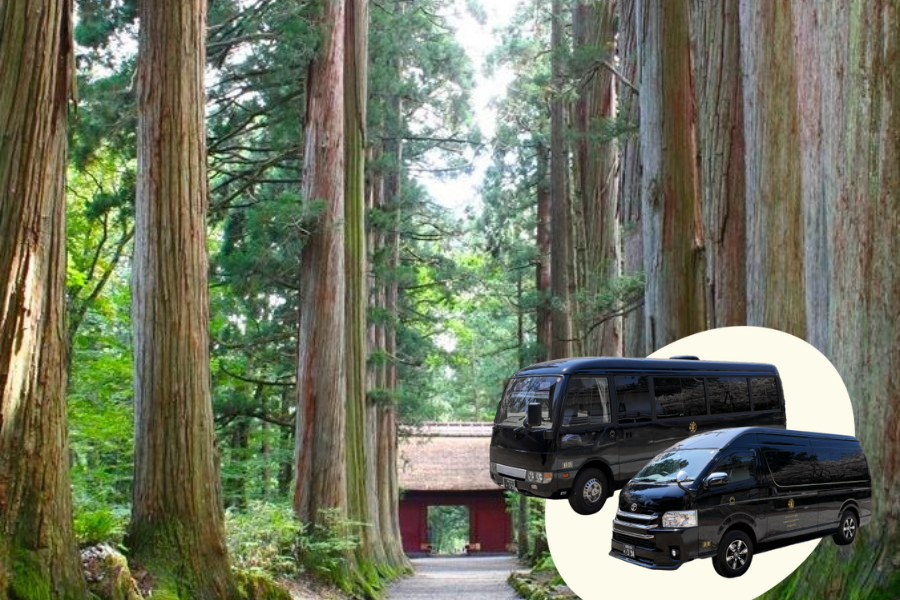
NOZAWA ONSEN → TOGAKUSHI (2HR) → NOZAWA ONSEN
- Duration:
- 4-5 Hours
- Spots:
- Nozawa Onsen, Togakushi
Private Round-trip Charter from Shiga Kogen to Togakushi
ICHINOSE/TAKAMAGAHARA (SHIGA KOGEN) → TOGAKUSHI (2HR) → ICHINOSE/TAKAMAGAHARA (SHIGA KOGEN)
- Duration:
- 5-6 Hours
- Spots:
- Shiga Kogen, Togakushi
If your chosen start and end points are not listed here, you can always hit the inquiry button at the bottom right of this page in order to start a conversation with us to get a quotation for your desired trip!
Frequently Asked Questions (FAQ)
What are the best hiking trails in Togakushi?
Togakushi offers a range of hiking trails suitable for all fitness levels, from easy walks between the shrines to challenging climbs toward Mount Togakushi. Trails connecting the Hokosha (Lower Shrine), Chuusha (Middle Shrine), and Okusha (Upper Shrine) are well-maintained, sign-posted, and perfect for day trips from Nagano City. For more strenuous mountain trails, including the summit of Mount Togakushi (1904m), only experienced hikers should attempt them, ideally with a local guide.
There are also some more accessible day-hikes from Nagano Station such as Kurohime, so there are plenty of opportunities to get your outdoor fix in the Togakushi area!
Where is Togakushi and how do I get there?
Togakushi is located 20-30 kilometers north of Nagano City, within the Myoko-Togakushi Renzan National Park. The area is accessible by car or public buses from Nagano Station. Tours and private charters are also available to simplify transportation and provide guided access to the trails and shrines.
What is the Togakushi Kodo?
The Togakushi Kodo refers to the pilgrimage trails connecting Togakushi’s five major shrines. Walked for centuries, these sacred paths wind through forested areas and offer both cultural insight and natural beauty. The Kanmichi or "Path of Deities" is the most famous trail, linking the shrines in a spiritual journey through giant cedar trees and historic sites.
How long does it take to walk between the shrines?
Walking the main trail from the Hokosha (Lower Shrine) to the Okusha (Upper Shrine) can take several hours, depending on pace and stops. The trail passes through the Hinomikosha, Chuusha (Middle Shrine), Kuzuryusha, and finally the Okusha (Upper Shrine). Visitors can choose to walk only portions of the trail if short on time.
Are the trails suitable for beginners or families?
Yes, the trails between the major shrines are suitable for anyone of reasonable fitness, including families and casual walkers. Some areas, such as raised walkways in the Togakushi Forest Botanical Garden, are exceptionally easy to navigate. However, mountain trails toward the summit are only recommended for experienced hikers.
Can I snowshoe the trails in winter?
Snowshoeing in Togakushi is a popular winter activity, with rental boots and snowshoes available at the Togakushi Tourist Information Center. The paths connecting the main shrines, including the Chuusha (Middle Shrine), are accessible for visitors with moderate fitness.
Is a guide required for winter snowshoeing?
Yes. To access the most stunning winter locations, such as the Okusha (Upper Shrine) cedar avenue and Kagami-ike (Mirror Lake), a guide is required. Guided snowshoe treks ensure safety, offer access to these highlights, and provide insights into Togakushi’s spiritual and natural heritage. It is best to contact us in advance to arrange a guided snowshoe tour.
What wildlife might I encounter on the trails?
Togakushi’s forests are home to Asiatic black bears, deer, and a variety of bird species. Bears are generally shy and avoid humans, but hikers are advised to wear a bell and be cautious, especially in early spring or late autumn when bears are active near the trails.
What are the best seasonal times to hike Togakushi?
The trails are generally open from early May until the end of November. Spring offers fresh greenery, summer brings cool mountain air, and autumn showcases vibrant foliage (“koyo”). Winter trails are accessible for snowshoeing, while higher trails toward the summit may be snowbound or dangerous.
Are there tours and private charters to Togakushi?
Yes. Snow Monkey Resorts offers guided tours and private charters from Nagano City and nearby ski resorts like Hakuba, Nozawa Onsen, and Shiga Kogen. These options provide convenient access, knowledgeable guides, and hassle-free transportation.
What are the best souvenirs from Togakushi?
Visitors can purchase local handicrafts such as bamboo goods, Togakushi soba (buckwheat noodles), and traditional Ninja-themed items. Shops near the Chuusha (Middle Shrine) and Okusha (Upper Shrine) offer authentic souvenirs with friendly, family-run service.
Why is it best to visit Togakushi with Snow Monkey Resorts?
Visiting Togakushi with Snow Monkey Resorts ensures access to the most scenic trails, historical shrines, and hidden spots safely and efficiently. Guided tours also provide cultural insights, local knowledge, and logistical support, making your visit seamless and memorable.