





Gokonomiya Shrine (御香宮神社) is one of Fushimi’s most historic shrines, best known for its sacred spring, beautiful Momoyama-period architecture, and long connection with the history of Fushimi.
The shrine takes its name from Gokosui, a natural spring that appeared on the grounds in 862. According to tradition, the water had a pleasant fragrance and was believed to cure illness. The spring became so renowned that Emperor Seiwa gave the shrine the name “Gokonomiya,” meaning the Shrine of Fragrant Water.
Today, Gokonomiya remains an important local shrine and offers a fascinating connection between Fushimi’s religious history, its famous water, and its development as one of Japan’s great sake-producing districts.
The Shrine of Fragrant Water
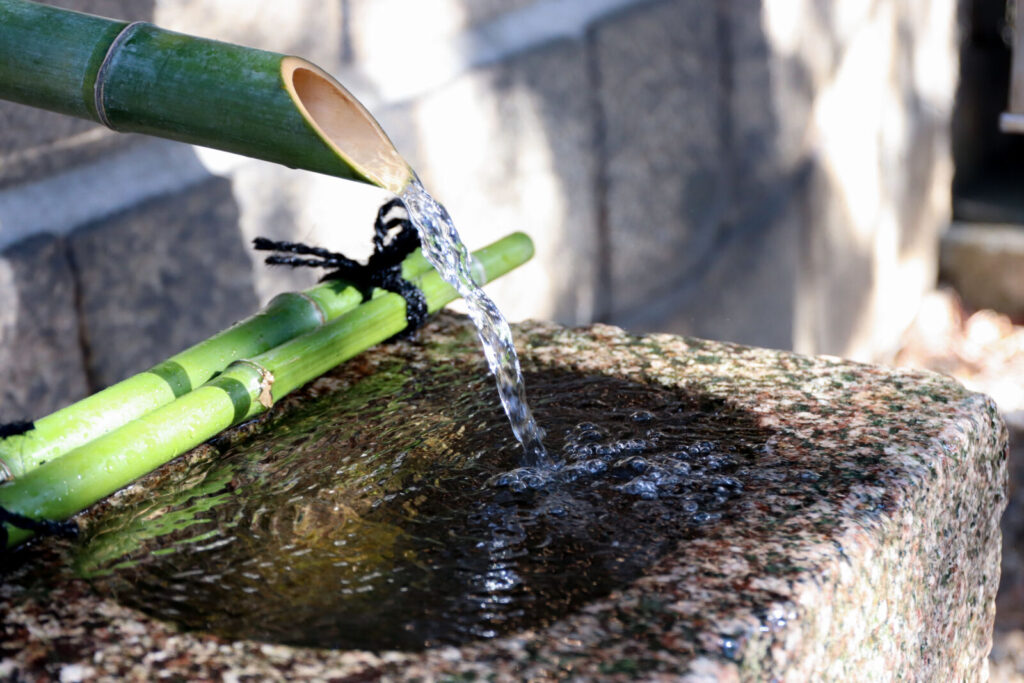
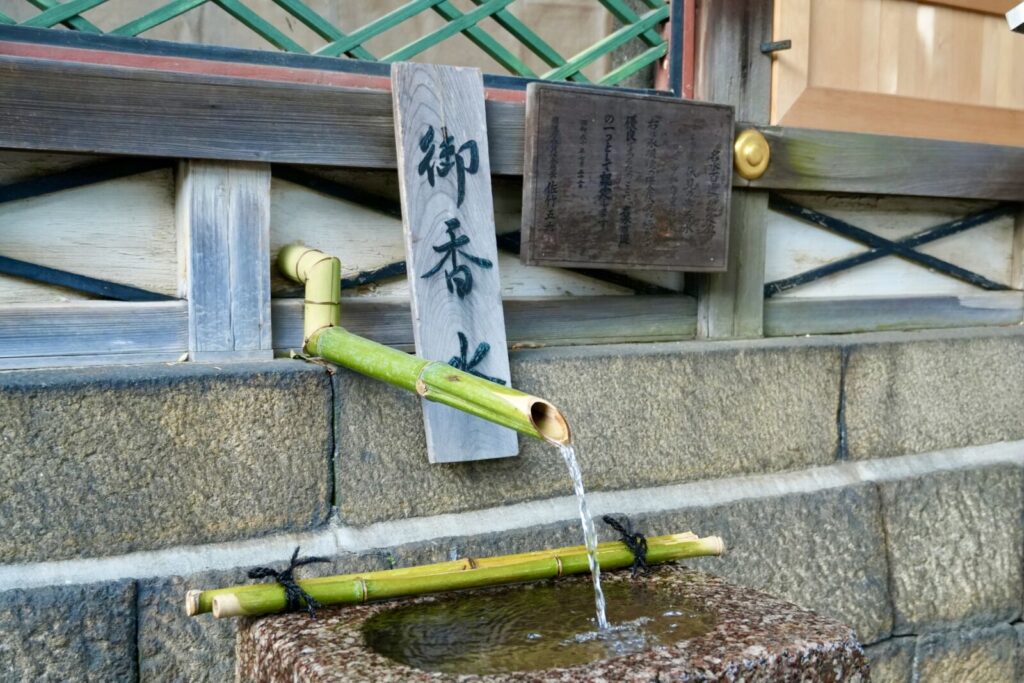
According to shrine tradition, a clear spring appeared here in 862, producing unusually fragrant water. When sick people drank it, they were said to recover from their illnesses.
The spring became known as Gokosui, or “Fragrant Water,” and gave the shrine its name.
The spring still flows today and is recognized as one of Japan’s 100 Remarkable Waters by the Japanese Ministry of the Environment. It is also one of the famous springs historically associated with Fushimi.
The water is more than just a curiosity. Fushimi's abundance of high-quality groundwater helped the district develop into one of Japan's most famous sake-producing regions.
Visitors can still see and drink the spring water at the shrine, making this one of the most tangible connections between Fushimi's natural environment and its cultural history.
A Shrine for Safe Childbirth and Children
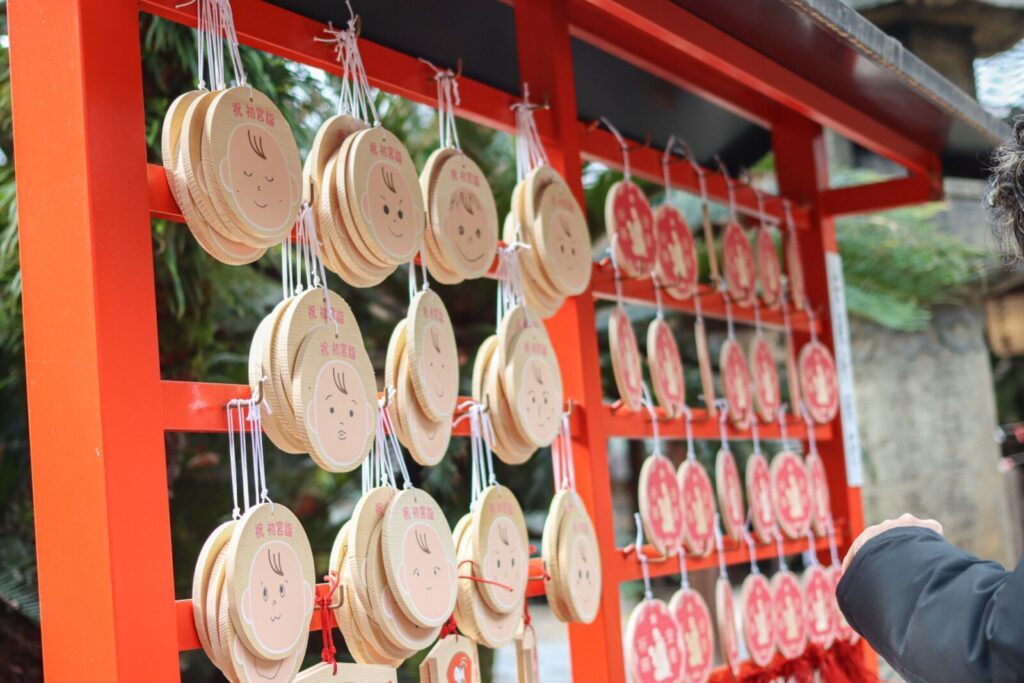
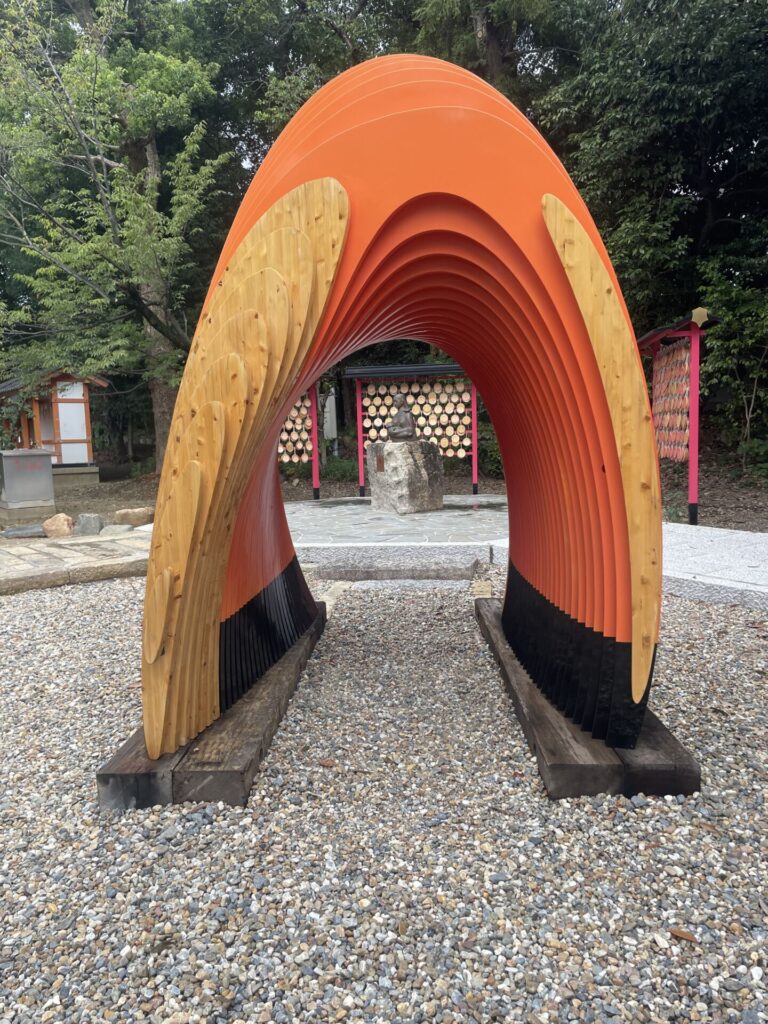
Gokonomiya Shrine is also widely revered as a place to pray for safe childbirth and the healthy upbringing of children. This tradition is connected to the shrine's principal deity, Empress Jingū, who has long been worshipped as a protector of mothers and children.
Today, families continue to visit Gokonomiya to pray for safe births, healthy children, and the wellbeing of their families. It is a quieter but important part of the shrine's religious character.
Hideyoshi, Fushimi Castle and the Momoyama Era
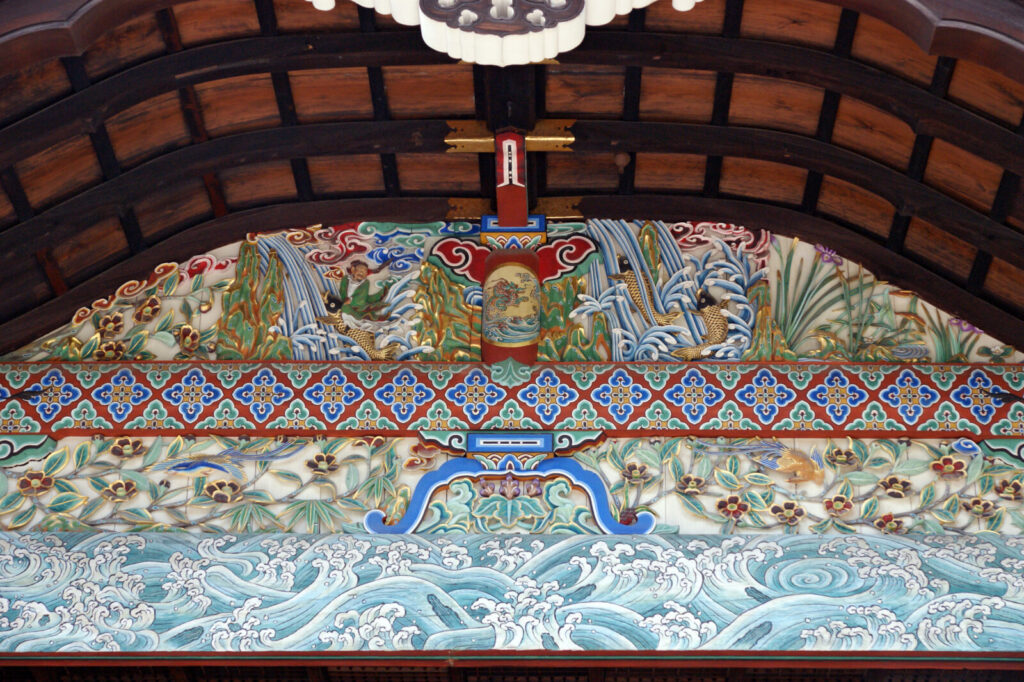
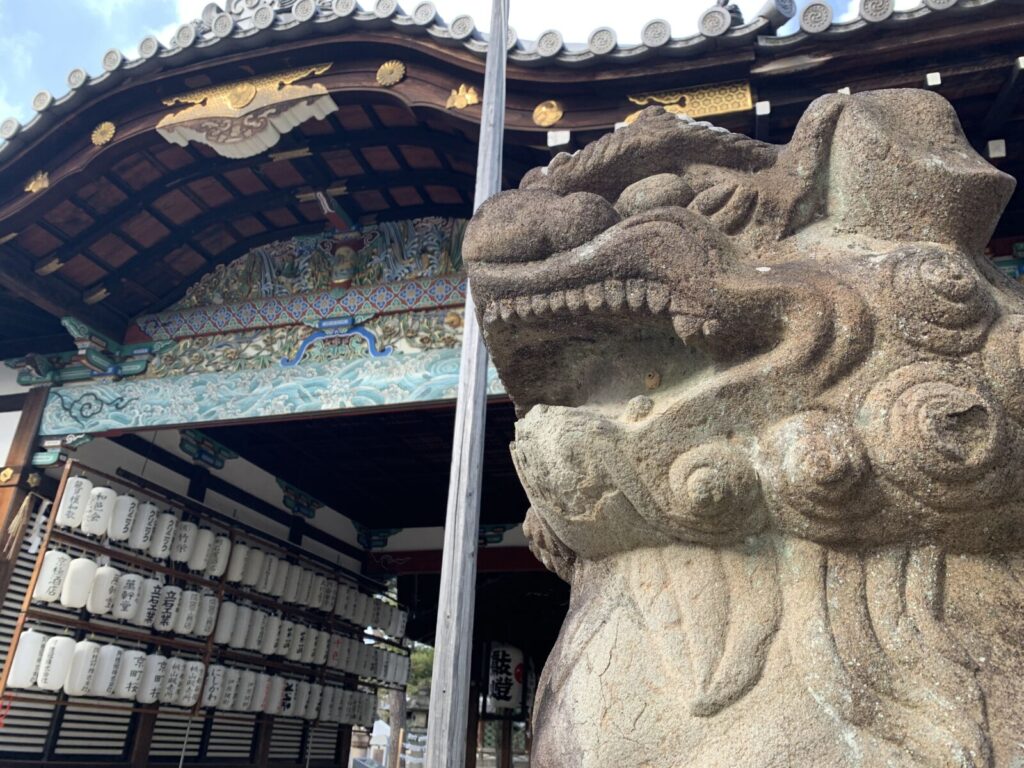
Gokonomiya Shrine's history is closely connected with Toyotomi Hideyoshi and Fushimi Castle. When Hideyoshi built the castle in the 1590s, he moved Gokonomiya from its original location and established it within the castle grounds as a guardian shrine.
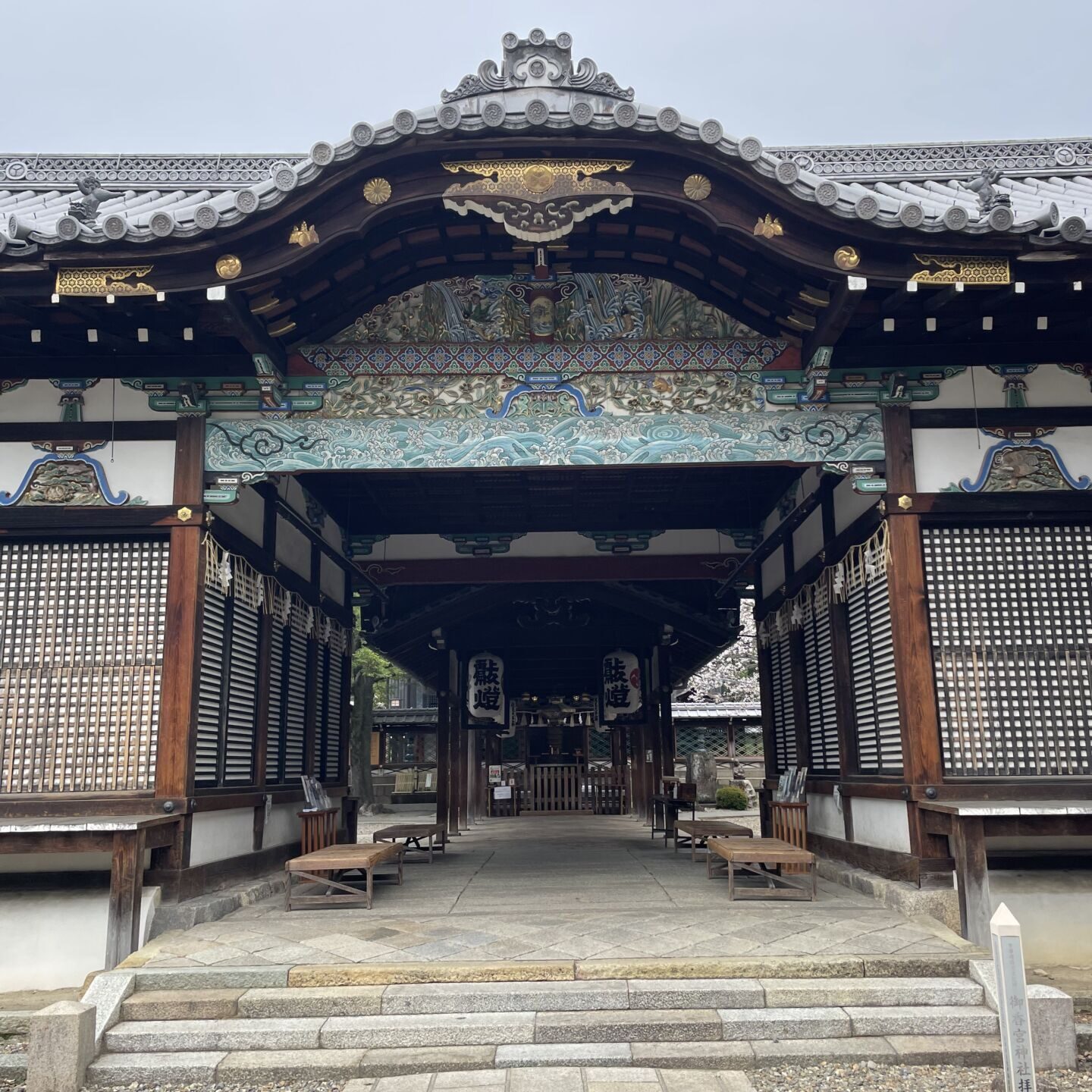
After Hideyoshi's death, Tokugawa Ieyasu returned the shrine to its original location in 1605 and commissioned the construction of the present main sanctuary. The richly decorated building is an excellent example of Momoyama-period architecture and is designated an Important Cultural Property.
The shrine's impressive front gate is also traditionally believed to have been moved here from Fushimi Castle. Its elaborate carvings and colorful decoration offer a glimpse into the distinctive architectural style of Japan's late sixteenth and early seventeenth centuries.
The Shrine and Fushimi's Sake Culture
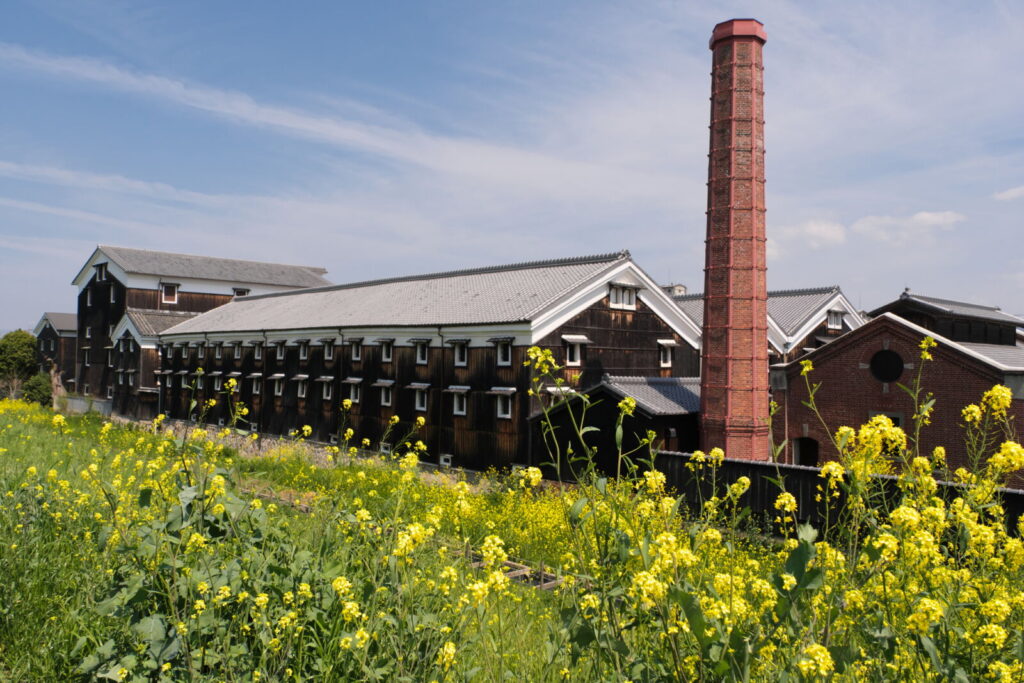

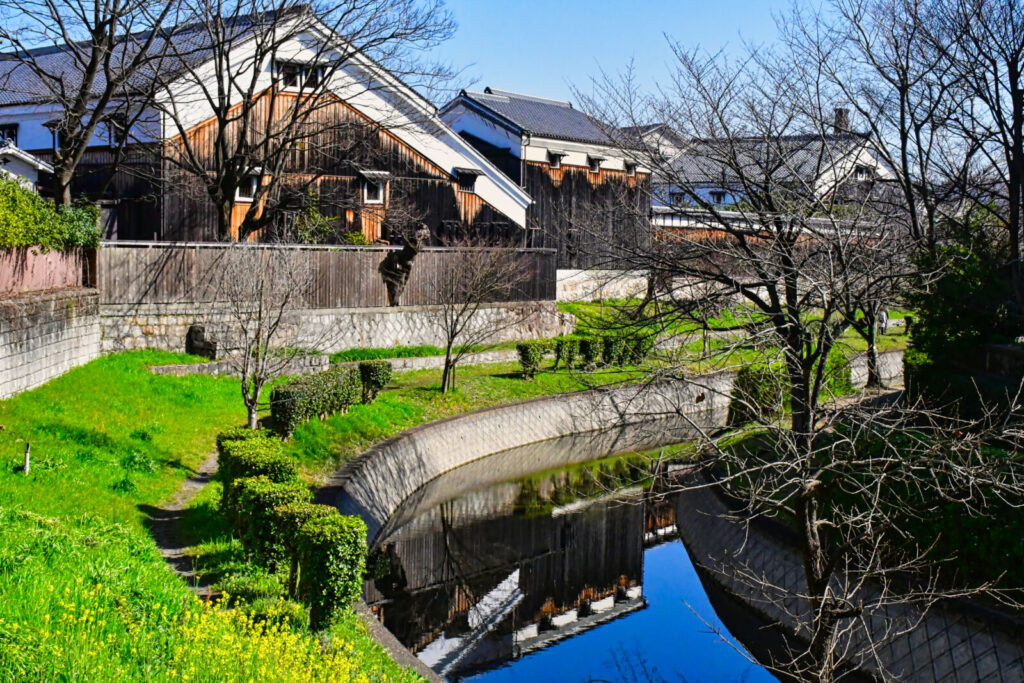
Gokonomiya's famous spring is closely connected with the history of Fushimi sake.
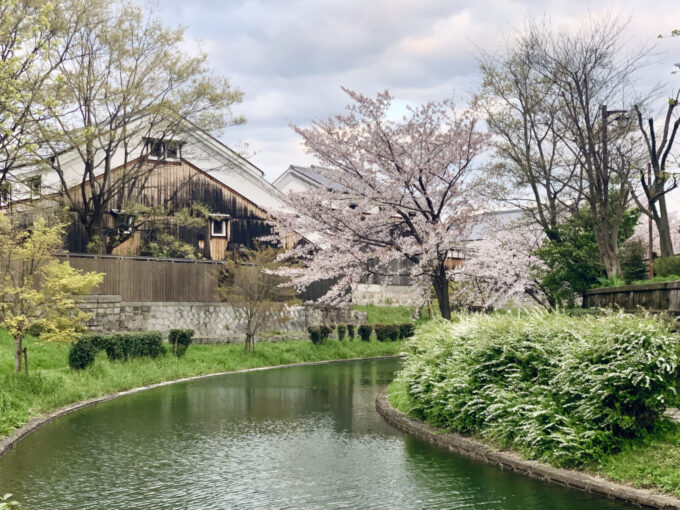
Fushimi is one of Japan's major sake-producing districts, and its brewing tradition depends heavily on the area's abundant underground water. The groundwater flowing beneath the Fushimi area is soft and well suited to sake brewing.
Gokosui comes from this same broader groundwater system and has been valued for centuries.
The relationship between water and sake is one of the best ways to understand why Fushimi became a center of Japanese brewing. Visiting Gokonomiya provides a chance to see the source of the story before exploring the breweries, sake shops, and historic streets of Fushimi.
The Famous Autumn Festival
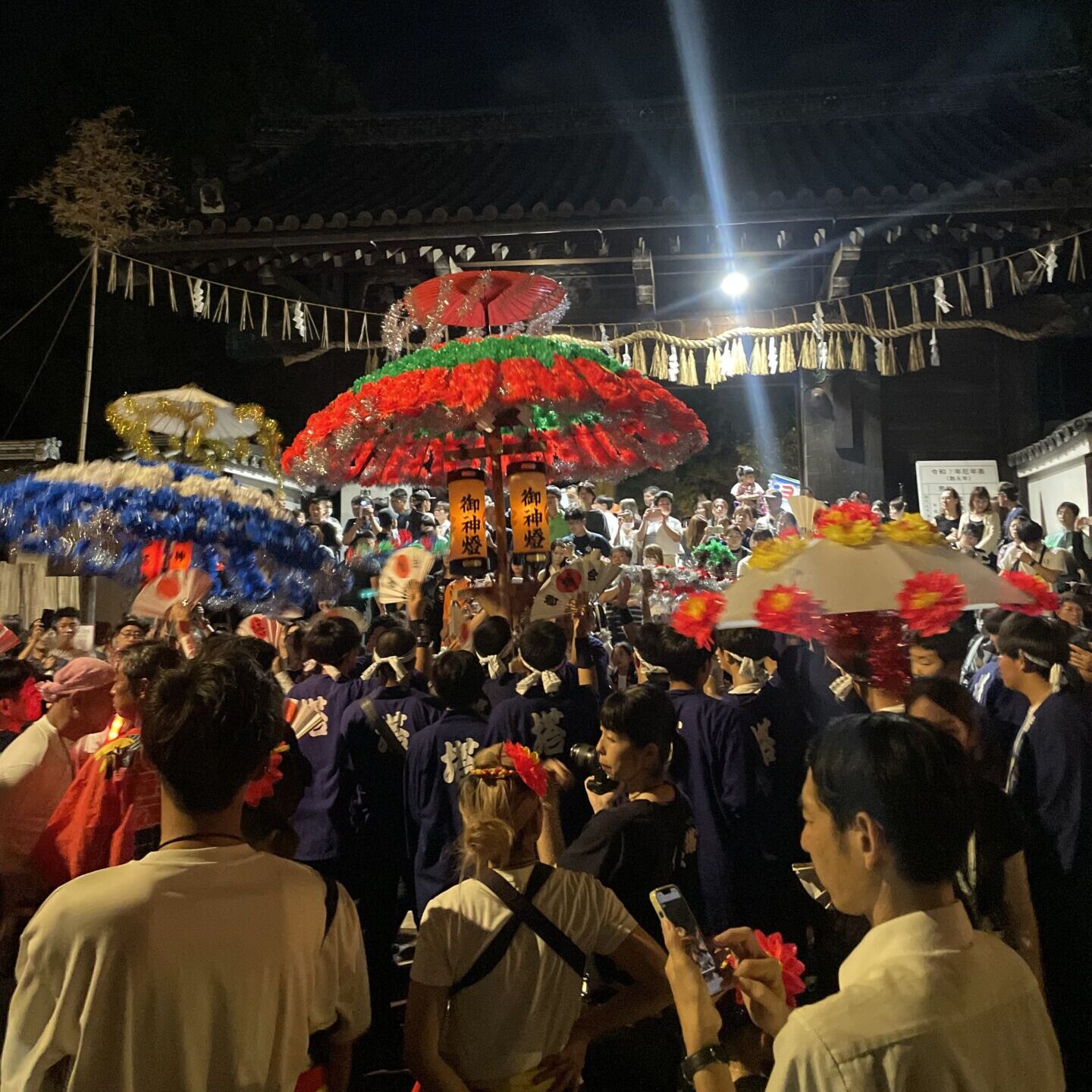
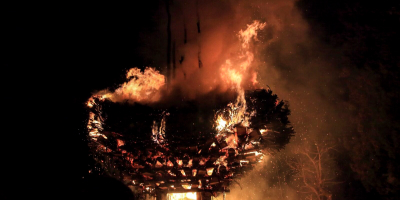
Every October, Gokonomiya Shrine hosts the Gokonomiya Shrine Shinkō-sai, one of the major autumn festivals in southern Kyoto. The festival is also known as the Fushimi Festival and the Flower Umbrella Festival, named for the elaborate hanagasa (flower umbrellas) carried through the streets.
The festival features colorful processions, mikoshi, traditional performances, and numerous food stalls, bringing the historic streets around Fushimi to life. It is one of the best opportunities to experience the local festival culture of southern Kyoto.
Visiting Gokonomiya Shrine
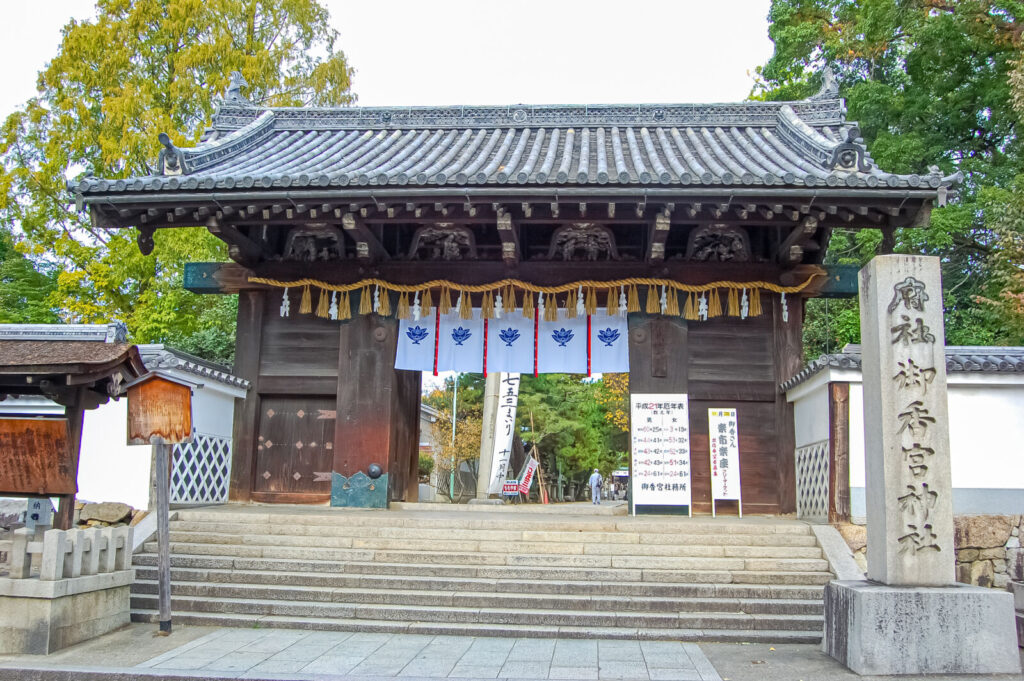
Gokonomiya Shrine is located in Fushimi, southern Kyoto, close to the historic Fushimi-Momoyama area.
Address: 174 Gokonomiyamonzencho, Fushimi-ku, Kyoto
Access:
- Keihan Fushimi-Momoyama Station – approximately 5 minutes on foot
- Kintetsu Momoyama-Goryomae Station – approximately 5 minutes on foot
- JR Momoyama Station – approximately 5 minutes on foot
The shrine grounds are generally free to enter. The spring is accessible to visitors, while the stone garden has a small admission fee.
Gokonomiya is particularly worthwhile for travelers interested in Fushimi's history, sake culture, traditional architecture, and lesser-known shrines. Its combination of sacred water, samurai-era history, and beautiful buildings makes it one of the most interesting stops in southern Kyoto.
Join Our Tour of Southern Kyoto
Gokonomiya Shrine is one of the highlights of our Hidden Shrines & Warrior Paths of Kyoto, which explores a side of Kyoto most visitors never see.
Rather than focusing only on the city's famous landmarks, the tour follows the historic landscapes of southern Kyoto, connecting ancient shrines, sacred mountains, samurai history, imperial history, and the sake culture of Fushimi.
During the tour we visit:
• Fujinomori Shrine – an ancient shrine associated with samurai, victory, and horses
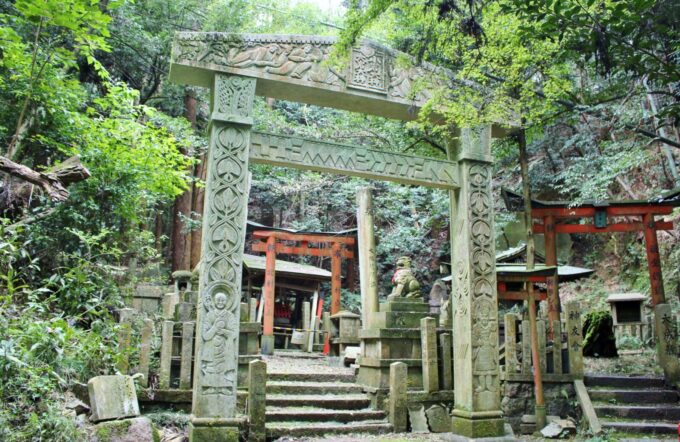
• Ōiwa Shrine – a mysterious mountain shrine known for sacred rocks and healing prayers
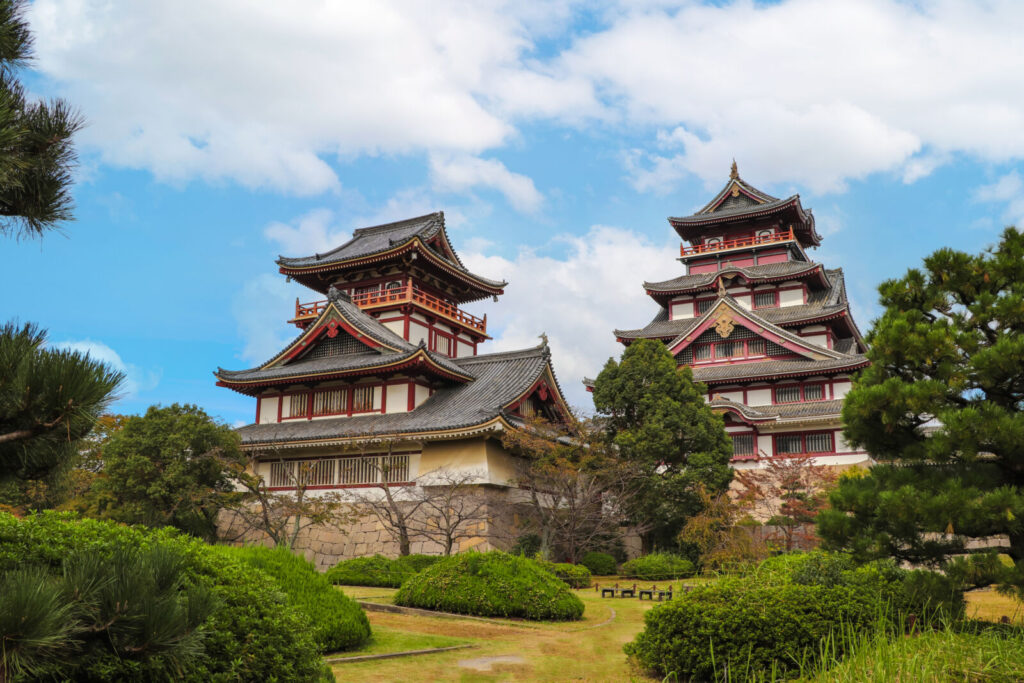
• Fushimi-Momoyama Castle – a reconstructed castle connected with the dramatic final years of Toyotomi Hideyoshi
• The grand stairway and mausoleum of Emperor Meiji
• Gokonomiya Shrine – famous for its sacred spring and connection with Fushimi's sake culture
• The lively shopping street of Otesuji Shopping Street
The tour combines hidden history, nature walks, local neighborhoods, and cultural stories that are easy to miss when exploring Kyoto on your own.
Planning Your Kyoto Trip?
If you’re still shaping your itinerary, start with our 7-Day Kansai Japan Highlights Itinerary, which combines Kyoto, Osaka, and Nara into a balanced first visit. For inspiration and practical tips, see our 40 Things to Do in Kyoto, Nara, and Osaka, including seasonal ideas and neighborhood recommendations.
Looking to go deeper? Our Best Tours in Kyoto page highlights cultural experiences that go beyond the usual sights. For more ideas in the area, explore our Top 10 Things to Do in Fushimi That Aren't the Shrine.
For travelers interested in Japanese brewing culture, see our Top 10 Sake Breweries to Visit in Kansai.
Frequently Asked Questions
What is Gokonomiya Shrine famous for?
Gokonomiya Shrine is best known for its Gokosui spring, which has been famous since the Heian period. The shrine is also known for its colorful Momoyama-period architecture, connection with Fushimi Castle, and relationship with Fushimi's sake-making tradition.
What does Gokonomiya mean?
The name Gokonomiya is associated with the shrine's fragrant spring water. According to tradition, the spring appeared in 862 and was believed to have healing properties. The water's pleasant fragrance led to the shrine being given its present name.
Can you drink the water at Gokonomiya Shrine?
Yes. Visitors can access the Gokosui spring at the shrine. The water has long been considered sacred and is one of the famous waters of Fushimi. It is also recognized as one of Japan's 100 Remarkable Waters.
What does Gokonomiya Shrine have to do with Fushimi sake?
Gokonomiya's spring comes from the groundwater system that has helped make Fushimi one of Japan's most important sake-producing areas. High-quality underground water is essential for brewing sake, making the shrine's spring an interesting connection between Fushimi's natural environment and its brewing culture.
Is Gokonomiya Shrine related to Fushimi Castle?
Yes. Toyotomi Hideyoshi moved the shrine when he built Fushimi Castle in the 1590s, using it as a guardian shrine for the castle. Tokugawa Ieyasu later returned it to its original location in 1605. The shrine's front gate is traditionally believed to have come from Fushimi Castle.
Is Gokonomiya Shrine worth visiting?
Yes, especially if you are exploring Fushimi beyond its famous sake breweries and Fushimi Inari Shrine. The shrine combines beautiful architecture, samurai-era history, sacred water, a traditional garden, and a direct connection to the history of Fushimi sake.