





Ginkaku-ji, commonly known as the Silver Pavilion, is one of Kyoto's most celebrated temples. Originally built in the late 15th century as the retirement villa of shogun Ashikaga Yoshimasa, it was converted into a Zen Buddhist temple following his death in 1490. Its official name is Jishō-ji.
Although inspired by Kinkaku-ji (the Golden Pavilion), Ginkaku-ji was never covered in silver. Instead, its understated architecture, carefully designed gardens and peaceful setting reflect the aesthetics of Higashiyama culture, which flourished during Yoshimasa's time.
The Silver Pavilion and Its Gardens
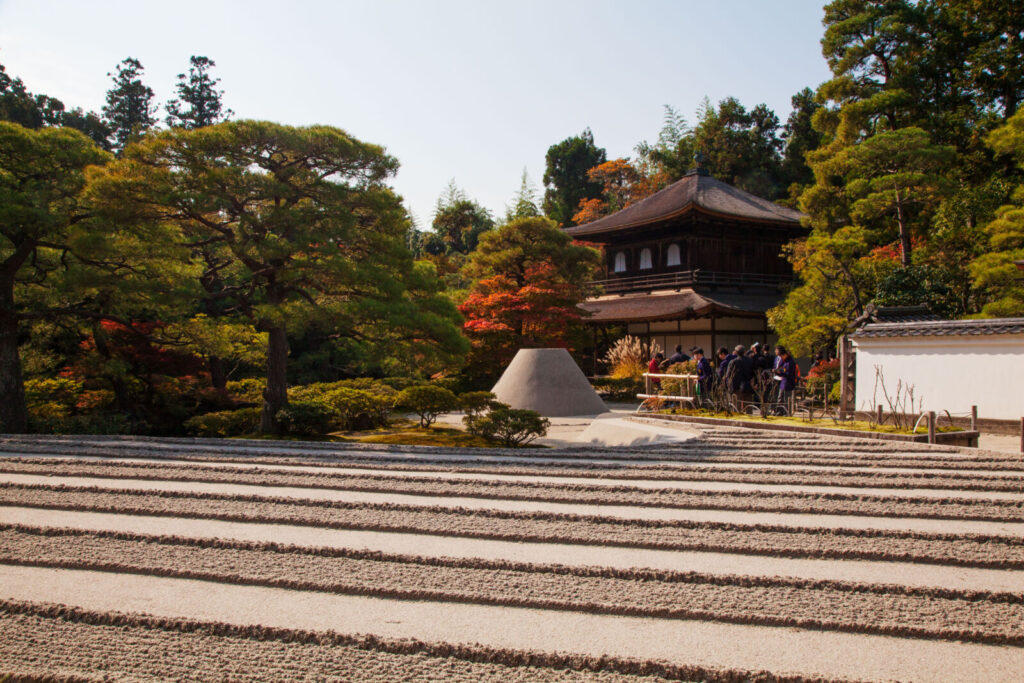
The temple's grounds are among the finest examples of traditional Japanese garden design. Two particularly distinctive features are the Ginshadan, a carefully raked white sand garden, and the Kogetsudai, a raised sand formation traditionally associated with moon viewing.
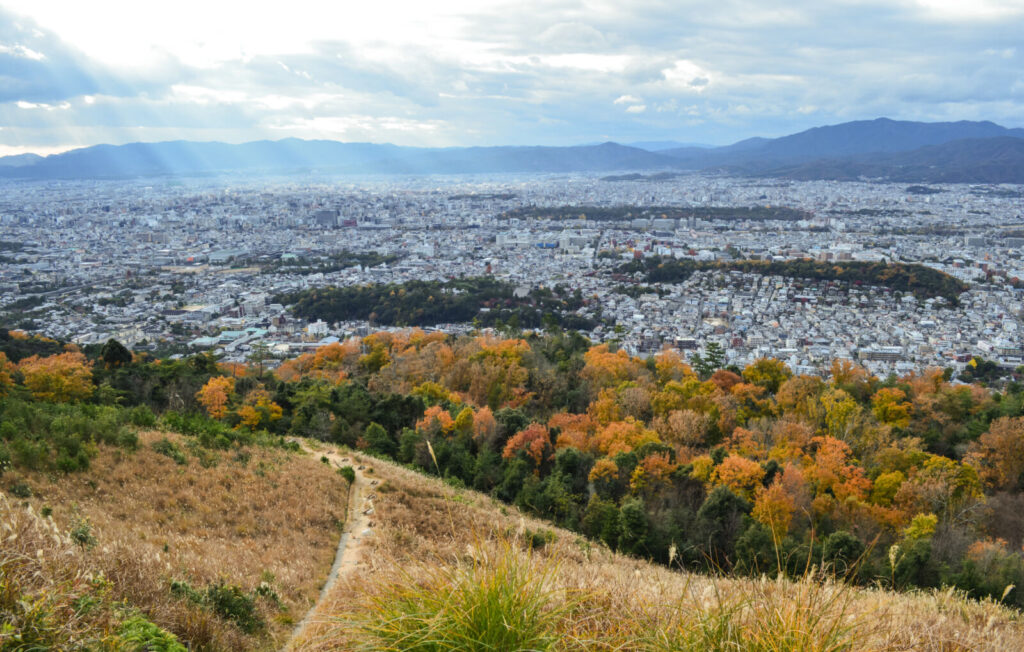
Visitors can follow paths through the landscaped grounds and climb the hillside behind the temple for a lovely view across the gardens and surrounding eastern Kyoto.
Exploring the Philosopher's Path

Ginkaku-ji stands at the northern end of the Philosopher's Path, one of Kyoto's most scenic walking routes. Following a canal through the eastern foothills, the path connects the Ginkaku-ji area with Nanzen-ji and passes small temples, traditional houses and cafes along the way.
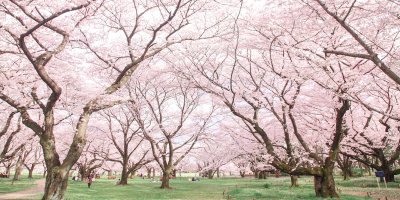
The route is particularly popular during cherry blossom season, when the trees lining the canal create a beautiful spring landscape.
Explore Ginkaku-ji on Our Guided Tour
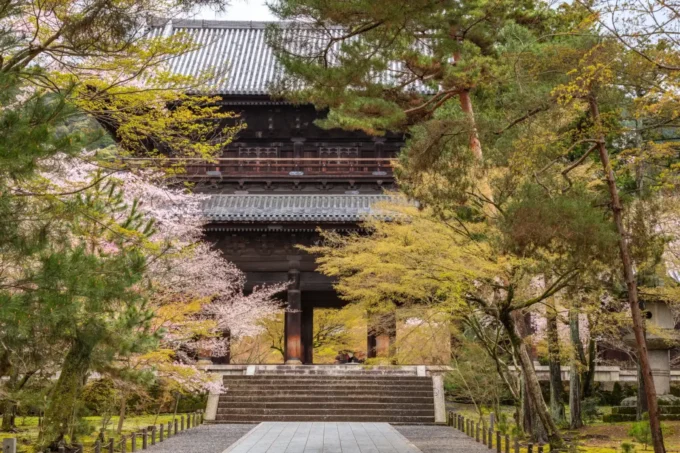
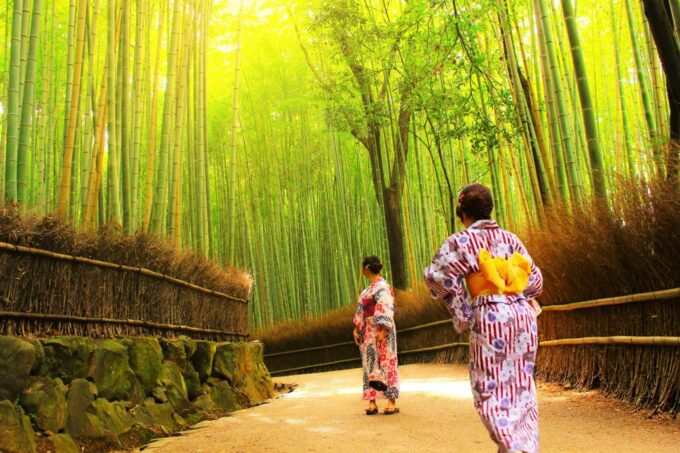
Bamboo Artistry and Zen Serenity: A Day of Tranquility with Ginkaku-ji in Kyoto
Discover the historic temples and gardens of eastern Kyoto, including Ginkaku-ji and Nanzen-ji. This experience also introduces you to Kyoto's traditional bamboo craftsmanship through a hands-on workshop with a local artisan.
Kyoto Above the Crowds: The Daimonji Mountain Walk
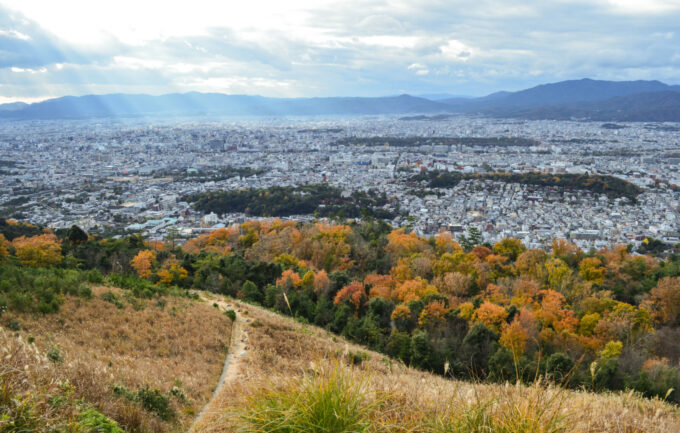
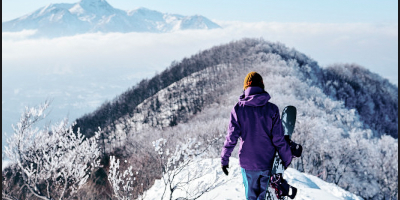
Discover Nanzen-ji and its famous brick aqueduct before heading into the Higashiyama Mountains. This guided hike climbs Mount Daimonji, where you'll enjoy panoramic views across Kyoto, before descending towards Ginkaku-ji.
Plan Your Kyoto Trip with Us
Start with our 7-Day Kansai Japan Highlights Itinerary, which combines Kyoto, Osaka, and Nara into a balanced first visit. For more ideas, check out our guide, Stay in Kyoto or Osaka? A Traveller's Guide to Choosing Your Base.
Looking to explore more deeply? Our Best Tours in Kyoto and Best Tours in Osaka highlight unique cultural experiences that go beyond the usual sights. For more inspiration, explore our Essential Guide to Geisha in Kyoto, discover Cherry Blossoms in Osaka, or learn about local brewing traditions in our Top 10 Sake Breweries to Visit in Kansai.
Wondering when to visit? Read our guide to the Best Time to Visit Kyoto for seasonal highlights, weather and travel advice.
Frequently Asked Questions
Why is Ginkaku-ji called the Silver Pavilion?
Ginkaku-ji is commonly known as the Silver Pavilion because it was modelled after Kinkaku-ji, Kyoto's Golden Pavilion. Despite its name, the building was never covered in silver. Its understated appearance reflects the refined aesthetic of Higashiyama culture.
How long should I spend at Ginkaku-ji?
Allow around 45–60 minutes to explore the temple buildings, gardens and hillside paths. You may want additional time if you plan to walk the Philosopher's Path afterwards.
Can I visit Ginkaku-ji and Nanzen-ji on the same day?
Yes. The two temples are connected by the Philosopher's Path, making them an excellent combination for a half-day or full-day exploration of eastern Kyoto.
Is Ginkaku-ji part of the Philosopher's Path?
Ginkaku-ji is located at the northern end of the Philosopher's Path. The scenic walking route follows a canal south towards Nanzen-ji, passing smaller temples, traditional neighbourhoods and cafes along the way.
Is Ginkaku-ji worth visiting?
Yes. While it may not have the immediate visual impact of Kinkaku-ji, Ginkaku-ji is particularly rewarding for its gardens, peaceful atmosphere and traditional Zen aesthetics. It also provides an excellent introduction to the history and culture of eastern Kyoto.