




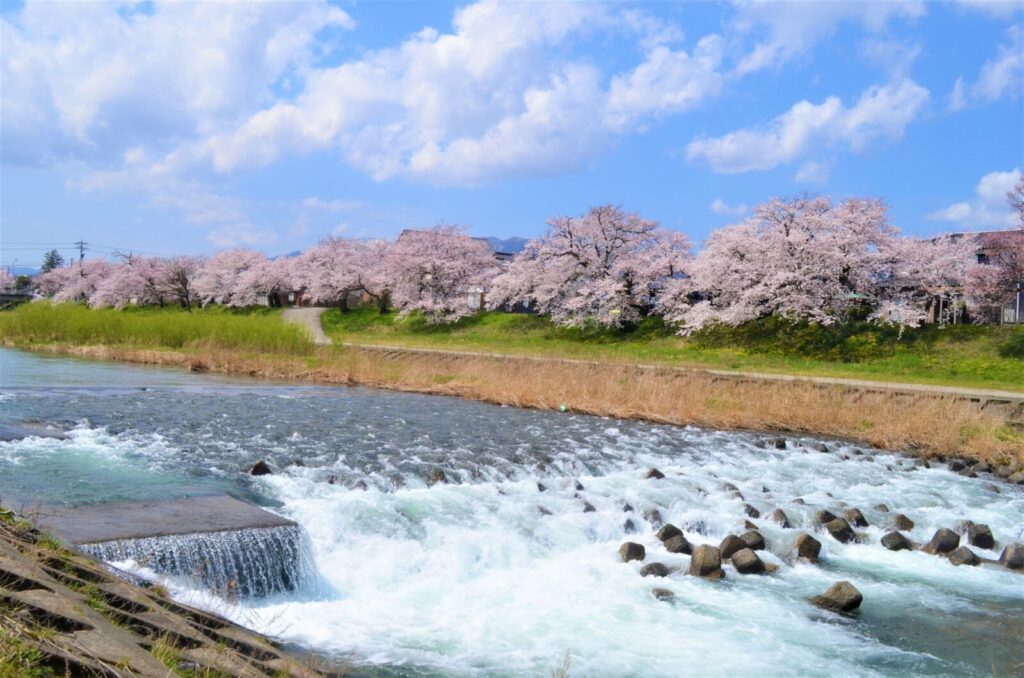
Fukumitsu, is located in Toyama and offers illuminated cherry blossoms along the Oyabe River and a unique Nanto Bat Museum (baseball bats). Visitors can also explore the Fukumitsu Art Museum, showcasing works by Munakata Shiko, or enjoy the traditional streetscapes.
A Short History
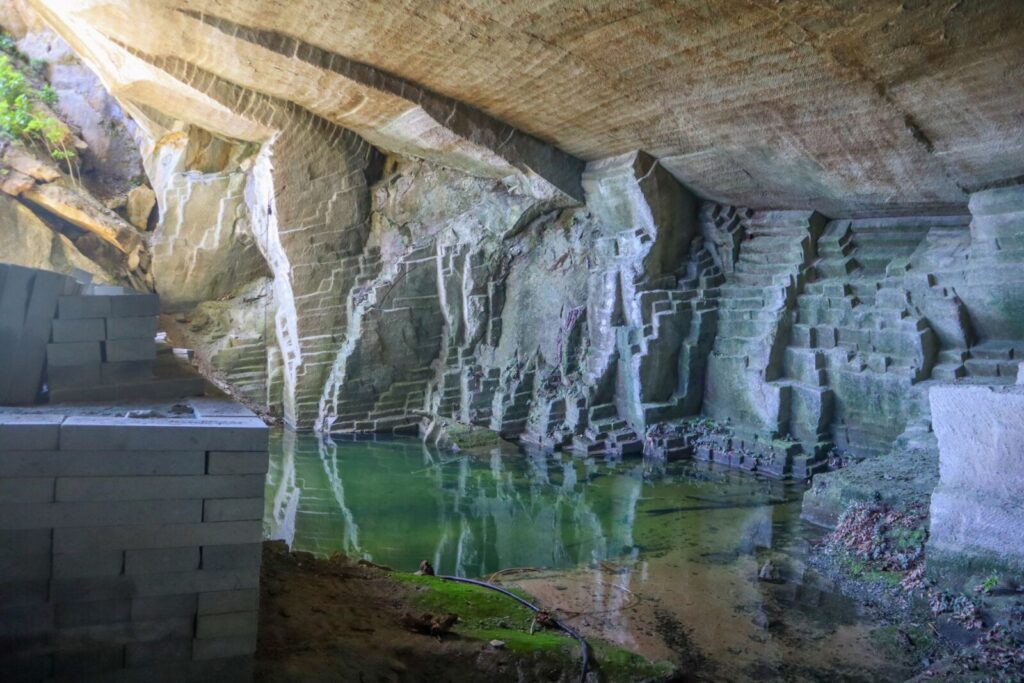
Fukumitsu's history is deeply rooted in its strategic location as a crucial transportation and merchant hub. From the Edo period, it flourished as a vital post station along routes connecting Gokayama, Johana, and Kaga (present-day Ishikawa Prefecture) to Kyoto, facilitating the trade of goods like silk and rice. This prosperity led to the development of its unique townscape, characterized by traditional machiya (townhouses) with distinctive architectural elements adapted for the snowy region. It has an unexpected connection to the renowned woodblock artist Munakata Shiko, who resided there during WWII. You can still see some of his works inside the temple. Finally, you can buy some of the beautiful polished stones that are taken from the Oyabe River. The sake cups are often a complex color that have lightness to them, despite being made completely of stone.
Fukumitsu Netsuokuri Tanabata Festival
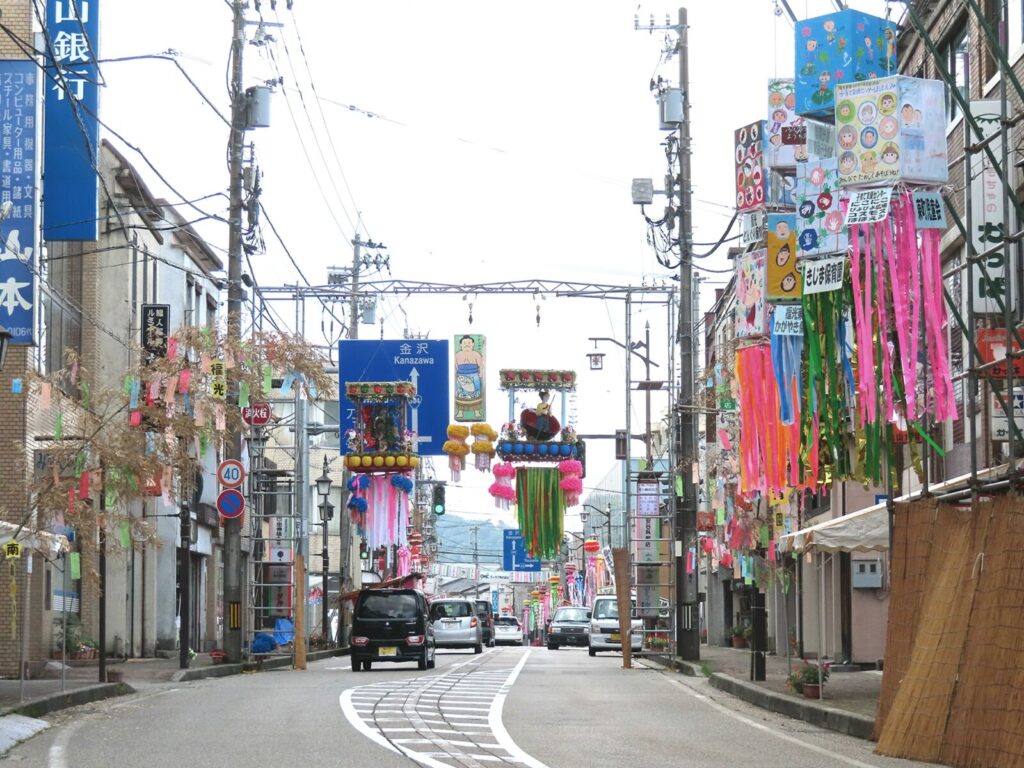
Fukumitsu celebrates two prominent and unique festivals each year. The Fukumitsu Netsuokuri Tanabata Festival, held over four days in late July, is a 300-year-old "farewell to heat" ritual. The streets are adorned with colorful Tanabata decorations and energetic drum-beating parades culminate in evening fireworks. This lively event draws crowds to witness its blend of historical tradition and festive atmosphere. In contrast, the Nanto Fukumitsu Snow Illumination Festival lights up the winter nights, featuring the launch of approximately 50 massive paper balloons over Kuwa Mountain, creating a magical spectacle alongside warming hot pot food stalls and fun mochi-making competitions.
Interesting Sites Around the Town
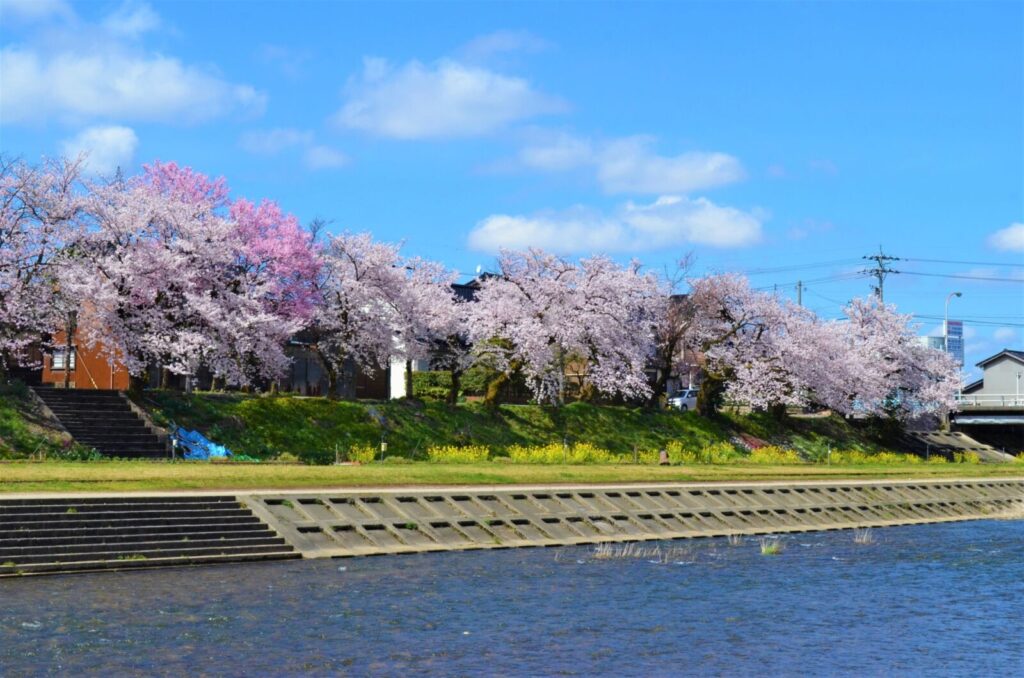
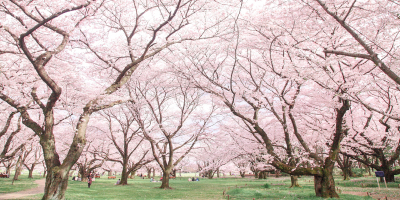
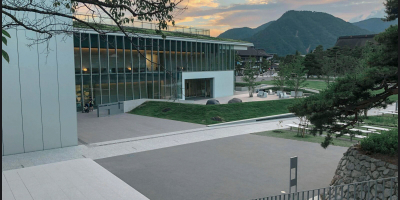
Fukumitsu offers several captivating sites, blending natural beauty with rich cultural heritage. A highlight is the Fukumitsu Senbonzakura (Thousand Cherry Trees) lining the Oyabe River, especially during spring when they are beautifully illuminated at night. For art enthusiasts, the Fukumitsu Art Museum showcases works by renowned woodblock artist Munakata Shiko, whose former residence, Kouu Gashitsu, nearby even features his art on sliding doors. Don't miss Kotokuji Temple, where Munakata famously stayed during WWII and created his masterpiece "Kegonmatsu," amidst a rich collection of folk crafts. Finally, for a unique local touch, the Nanto Bat Museum reveals Fukumitsu's surprising role as a major producer of wooden baseball bats.
Visiting Fukumitsu
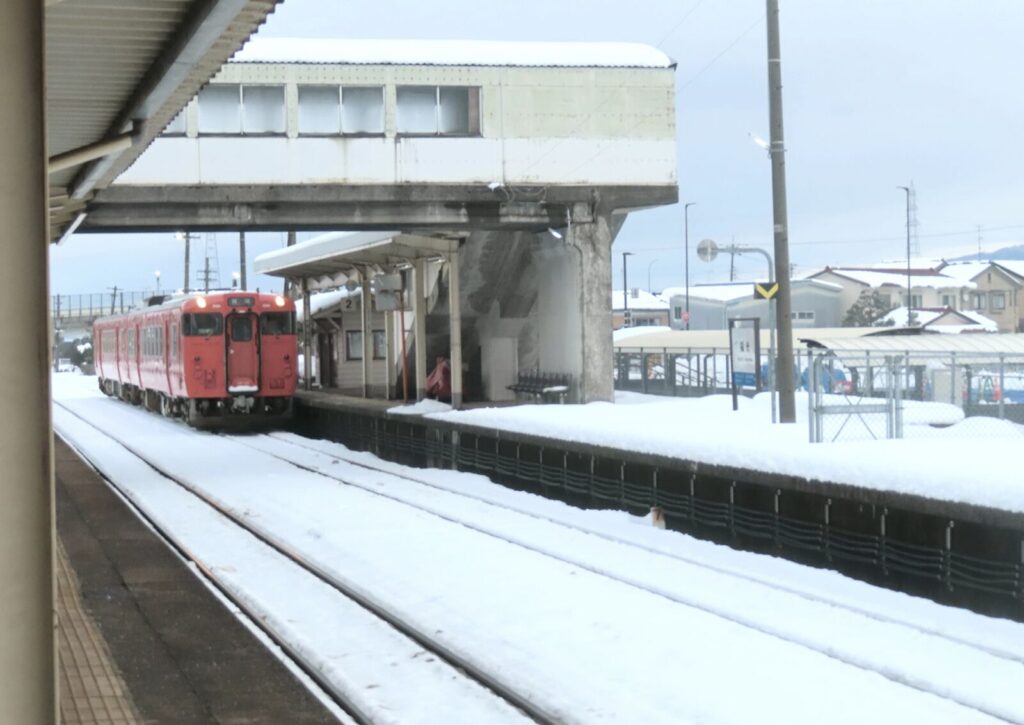
Getting to Fukumitsu from Kanazawa and Toyama is convenient via several routes. The most direct public transport is the Kaetsuno Bus Nanto-Kanazawa Line taking about 50 minutes to Fukumitsu. Alternatively, you can take the Hokuriku Shinkansen from Kanazawa Station or Toyama Station to Shin-Takaoka Station, then transfer to the JR Johana Line to reach Fukumitsu.
Top Things to do in Takaoka and Toyama
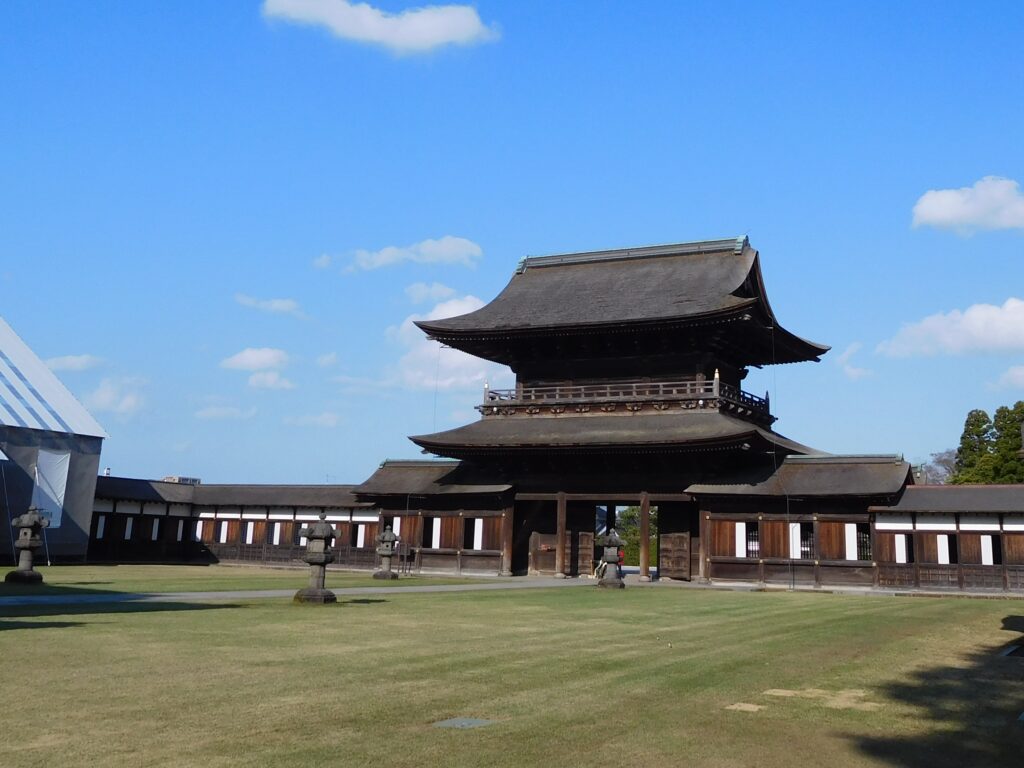
Looking for other things to do around the area? Check out our "Top 15 Things to do in Takaoka" for places close to the Tonami Tulip Park. For those interested in history and culture there is Zuiryuji Temple, Inami, the Kanayamachi Metalworking District and Shokoji Temple. The natural beauty of the Amaharashi Coast and the Shogawa River Cruise are also something that can't be missed! For the greater Toyama you can find some amazing things in the "Top 25 Things to do in Toyama."
Frequently Asked Questions (FAQ)
What is Fukumitsu most famous for?
Fukumitsu is most famous for its stunning 1000 Cherry Blossoms (Senbonzakura) along the Oyabe River, especially when illuminated at night. It's also widely recognized for its deep connection to the internationally renowned woodblock artist Munakata Shiko, who resided there during WWII, leaving a significant artistic legacy.
When is the best time to visit Fukumitsu?
The best time to visit Fukumitsu largely depends on your interests. Early April is ideal for experiencing its most famous attraction, the 1000 Cherry Blossoms (Senbonzakura) along the Oyabe River, which are beautifully illuminated at night. Alternatively, late July offers the vibrant Fukumitsu Netsuokuri Tanabata Festival, a lively summer celebration.
Can I buy traditional crafts or souvenirs in Fukumitsu?
Fukumitsu-yaki Pottery: Unique local ceramics.
Wooden Baseball Bats: Major national production center.
Local Confectionery: Delicious traditional sweets.
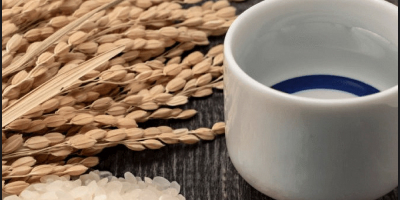
Local Sake: Regionally brewed rice wine.
How do I get to Fukumitsu?
From major cities like Tokyo, Kyoto, Kanazawa or Toyama, take the Hokuriku Shinkansen to Shin-Takaoka Station. From Shin-Takaoka Station, hop on the JR Johana line to Fukumitsu Station.
How long should I plan to be in Fukumitsu for?
Depending on if you explore all the museums and traditional shops, 2 to 3 hours.