










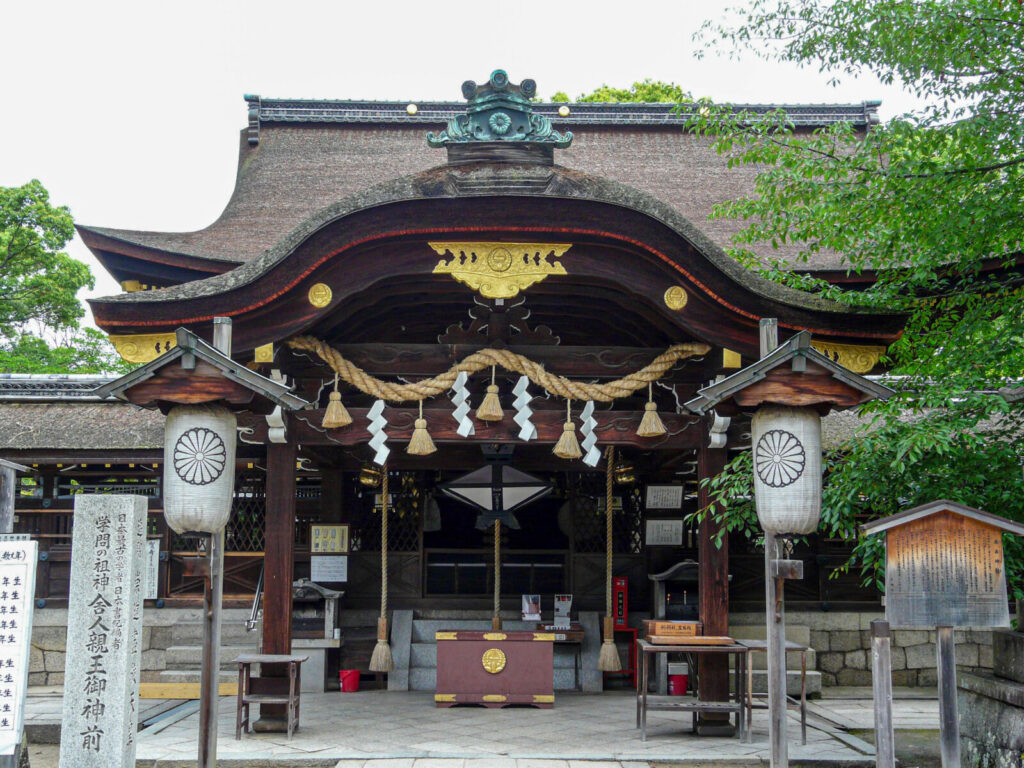
Fujinomori Shrine (藤森神社) is one of Kyoto’s oldest shrines, with a history traditionally dating back around 1,800 years. Located in the historic Fukakusa area of southern Kyoto, the shrine has long been associated with warriors, victory, horses, and protection.
Unlike some of Kyoto’s better-known shrines, Fujinomori remains relatively quiet and local, making it an interesting stop for travelers looking to experience a different side of Kyoto.
A Shrine with Ancient Roots
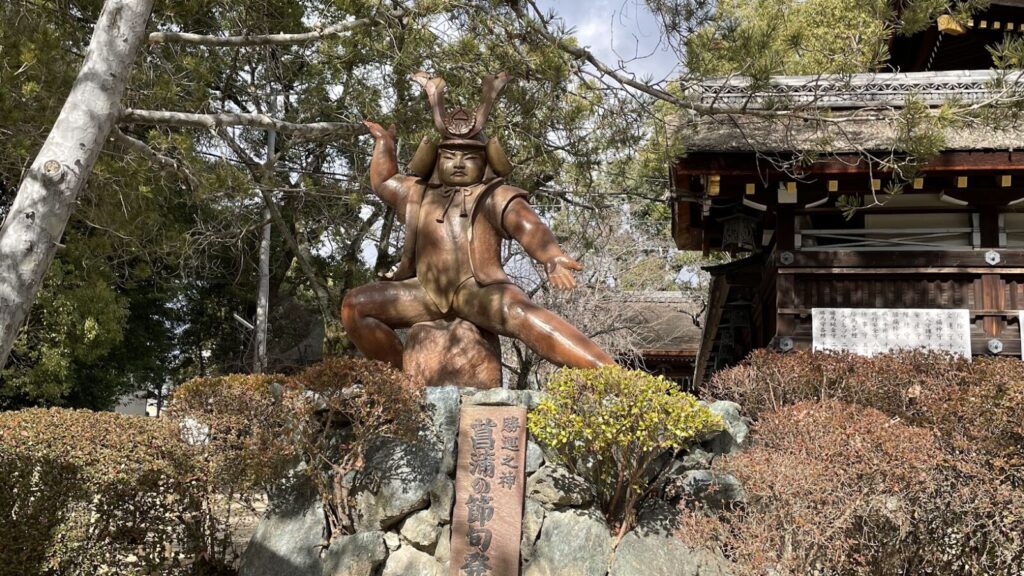
According to shrine tradition, Fujinomori Shrine was founded by Empress Jingu after her return from a military campaign. She is said to have established a sacred site here, buried military equipment, and raised a military banner.
The shrine later became closely connected with the imperial court. When Emperor Kanmu established Kyoto as Japan's capital in 794, Fujinomori was given the title of an institution associated with archery and military affairs.
The shrine's long connection with warriors helped establish its reputation as a place to pray for victory and success.
The Shrine of Victory and Horses
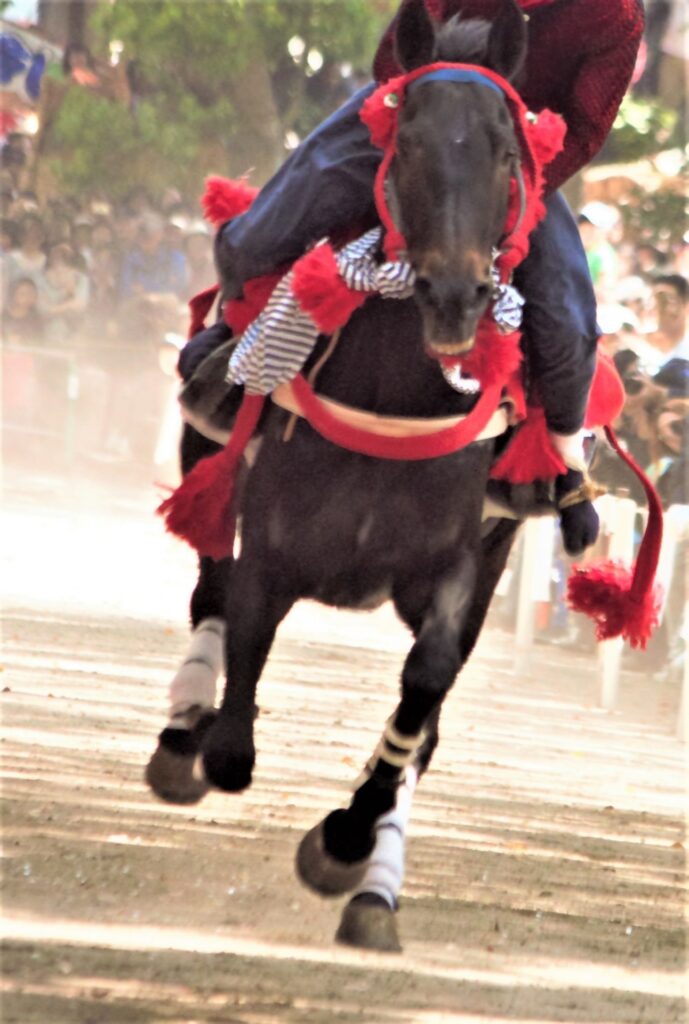
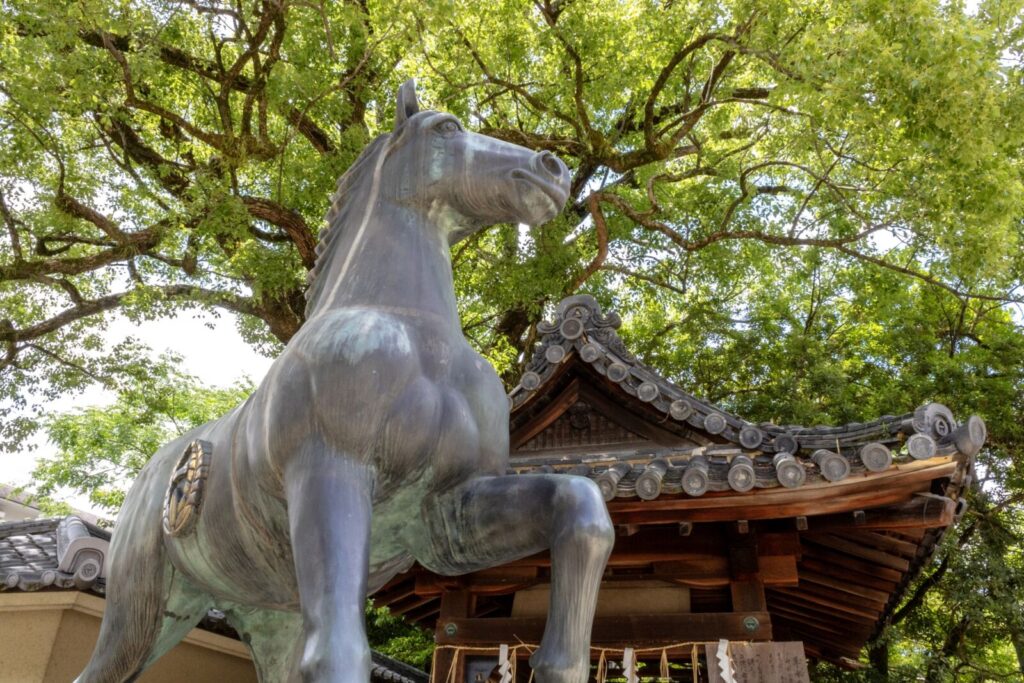
Today, Fujinomori is particularly famous as a shrine for victory and horses.
Its connection with horses comes from the shrine's long association with military horsemanship. The annual Fujinomori Festival on May 5 includes the famous Kakeuma Shinji, during which riders demonstrate traditional horseback skills.
This connection has also made Fujinomori popular with people involved in horse racing, including jockeys, trainers, owners, and racing fans.
For visitors, the shrine offers an unusual glimpse into the relationship between Shinto, military traditions, and horses in Japanese history.
What to See at Fujinomori Shrine
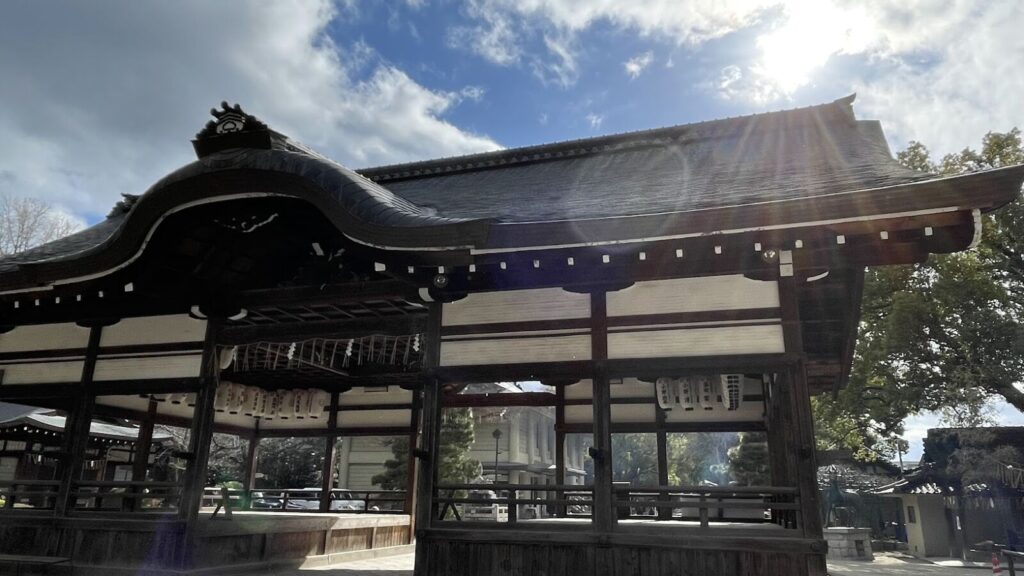
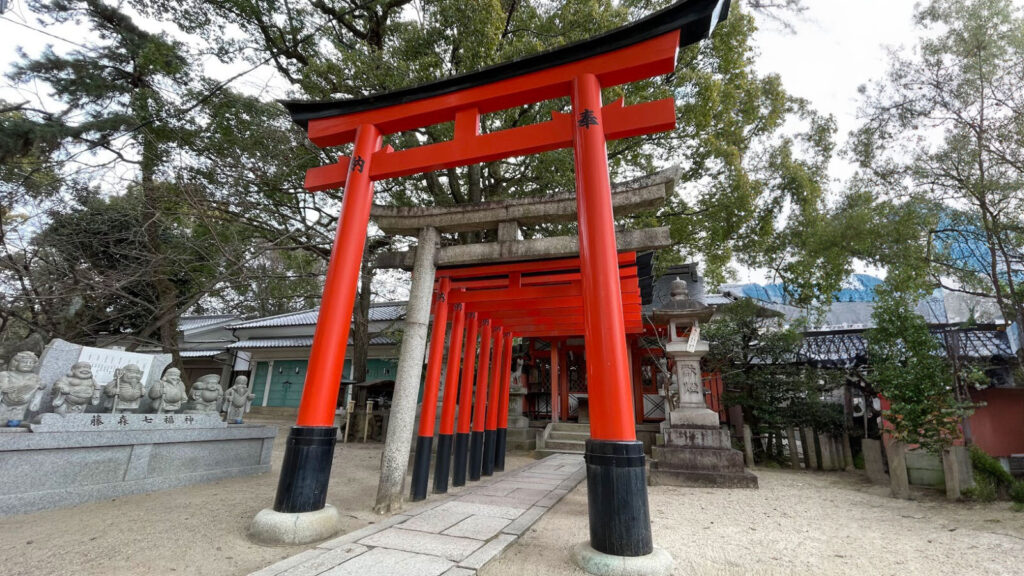
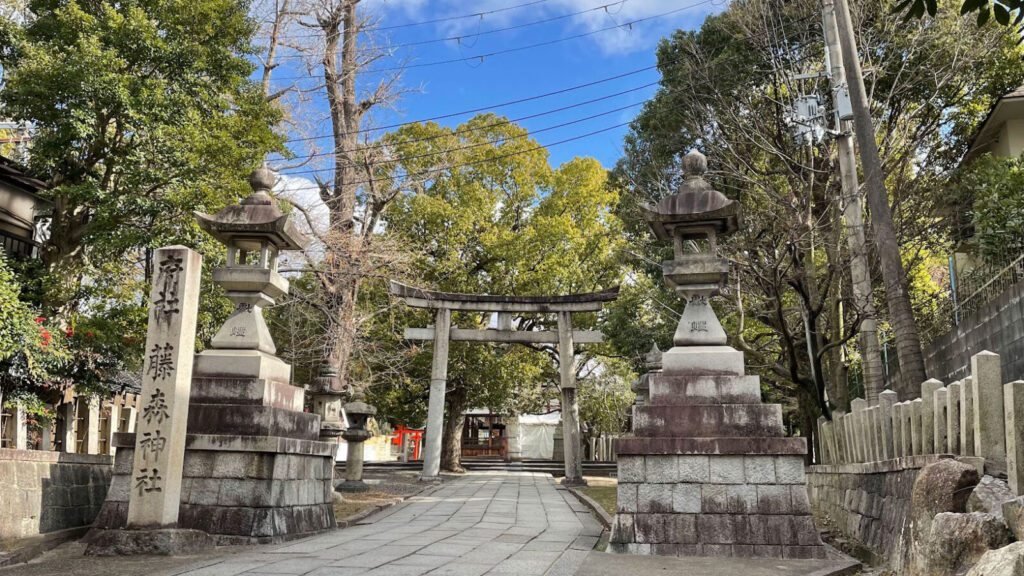
The shrine grounds contain several historically important buildings and sites.
The main sanctuary dates to the Edo period and is said to have been transferred from the Imperial Palace in 1712. Behind the main sanctuary are the Hachiman Shrine and Dais将軍 Shrine, both associated with the shrine's long history and designated Important Cultural Properties.
The grounds also contain a small treasure hall, where visitors can see historic armor, weapons, swords, and objects connected with the shrine's military and equestrian traditions.
Another interesting feature is the Hata-zuka, a mound traditionally associated with Empress Jingu and the founding of the shrine.
Famous for Hydrangeas
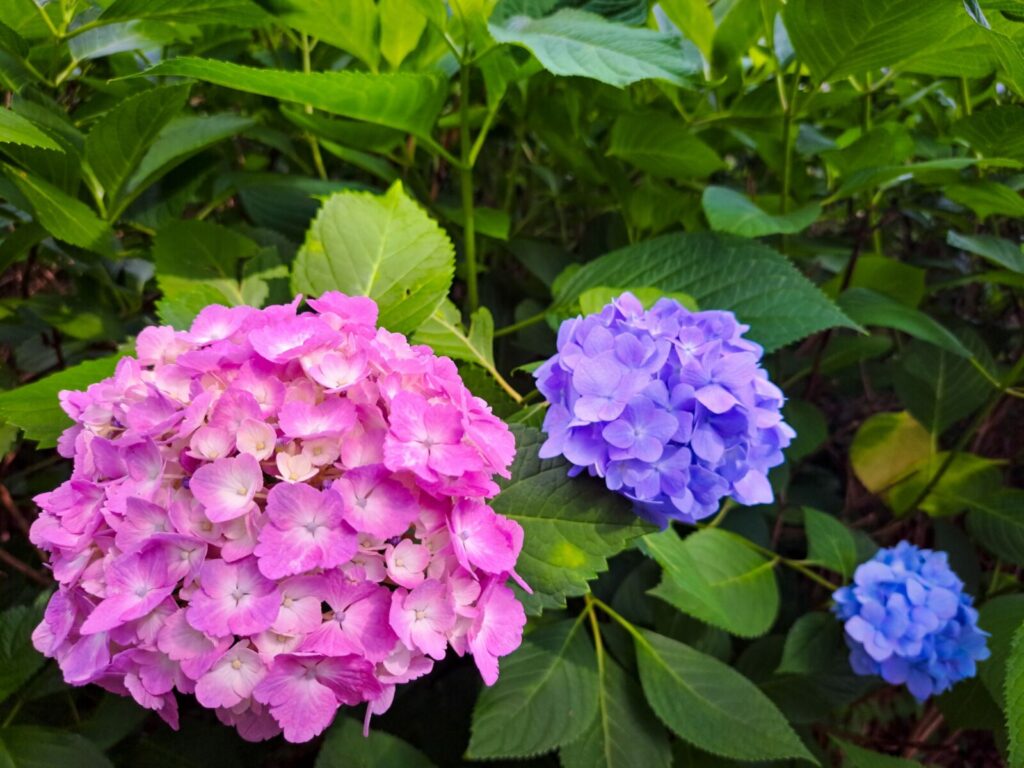
Fujinomori Shrine is also one of southern Kyoto's best-known places to see hydrangeas.
Two hydrangea gardens contain around 3,500 plants, which bloom in shades of blue, purple, pink, and white during the early summer season.
The gardens generally open from around June into early July, depending on the year's flowering conditions.
Outside the hydrangea season, however, the shrine remains worth visiting for its history, architecture, and connection with traditional Japanese horse culture.
Join Our tour of Fujinomori Shrine
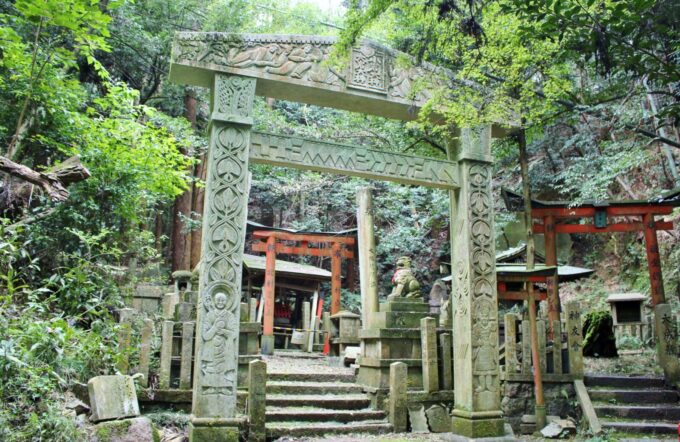
Fujinomori Shrine is one of the highlights of our Hidden Shrines & Southern Kyoto Tour, a journey into a side of Kyoto most visitors never see.
Rather than focusing only on famous landmarks, this tour explores the quiet cultural landscapes of southern Kyoto — where local shrines, forgotten castles, and imperial history are hidden among residential neighborhoods and forested hills.
During the tour we visit:
• Fujinomori Shrine – an ancient shrine associated with samurai and victory in battle
• Ōiwa Shrine – a mysterious mountain shrine known for sacred rocks and healing prayers
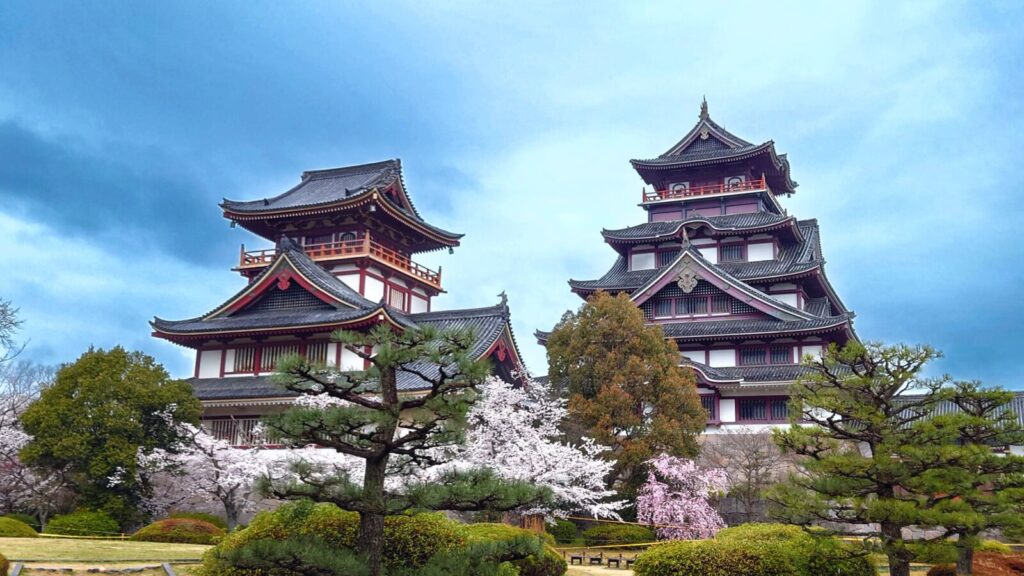
• Fushimi-Momoyama Castle – a reconstructed castle connected to the dramatic final years of Toyotomi Hideyoshi
• The grand stairway and mausoleum of Emperor Meiji
• Gokonomiya Shrine, famous for its pure spring water and connection to Kyoto’s sake culture
• The lively shopping street of Otesuji Shopping Street
The tour blends hidden history, nature walks, and cultural stories that most visitors never encounter while exploring Kyoto on their own.
Visiting Fujinomori Shrine
Fujinomori Shrine is located in Fushimi, south of central Kyoto, and is easy to reach by train.
Address: 609 Fukakusa Toriizaki-cho, Fushimi-ku, Kyoto
Access:
- JR Fujinomori Station – approximately 5 minutes on foot
- Keihan Sumizome Station – approximately 7 minutes on foot
The shrine grounds are generally open to visitors, with shrine office and related services operating from approximately 9:00 to 17:00.
Fujinomori Shrine is particularly interesting for travelers who want to go beyond Kyoto's most famous temples and shrines and discover places with a deeper connection to Japan's military, equestrian, and local religious traditions.
Planning Your Kyoto Trip?
If you’re still shaping your itinerary, start with our 7-Day Kansai Japan Highlights Itinerary, which combines Kyoto, Osaka, and Nara into a balanced first visit. For inspiration and practical tips, see our 40 Things to Do in Kyoto, Nara, and Osaka, including seasonal ideas and neighborhood recommendations.
Looking to go deeper? Our Best Tours in Kyoto page highlights cultural experiences that go beyond the usual sights. If you’re deciding where to base yourself, our guide on staying in Osaka or Kyoto breaks down the pros and cons of each.
For themed travel, don’t miss our Essential Guide to Geisha in Kyoto, or explore Kansai’s brewing heritage with our Top 10 Sake Breweries to Visit in Kansai. Or the Top 10 Things to Do In Fushimi that aren't the Shrine. Finally, for help making restaurant reservations in Kyoto, check out our Guide on Making Reservations in Kyoto
Frequently Asked Questions
What is Fujinomori Shrine famous for?
Fujinomori Shrine is particularly known for its connection with victory, warriors, and horses. It has a long history associated with military traditions and is especially popular with people involved in horse racing. The shrine is also famous for its hydrangea gardens in early summer.
How old is Fujinomori Shrine?
Fujinomori Shrine has a traditional history of approximately 1,800 years. According to shrine tradition, its origins are connected with Empress Jingu, although the historical details of the shrine's earliest foundation are difficult to verify.
Where is Fujinomori Shrine?
Fujinomori Shrine is located in Fushimi Ward in southern Kyoto, in the historic Fukakusa area. It is easily accessible by train from central Kyoto.
How do you get to Fujinomori Shrine?
The shrine is approximately 5 minutes on foot from JR Fujinomori Station or about 7 minutes from Keihan Sumizome Station, making it an easy stop when exploring southern Kyoto.
When can I see hydrangeas at Fujinomori Shrine?
The shrine's hydrangeas generally bloom from June into early July, although the exact timing varies each year. Fujinomori is home to thousands of hydrangea plants across its gardens and is one of southern Kyoto's best-known places to enjoy the flowers.
Is Fujinomori Shrine worth visiting?
Yes, particularly for travelers interested in Kyoto's lesser-known historical sites. Fujinomori offers a quieter experience than many of Kyoto's major tourist attractions and has an unusual connection with Japanese military history, traditional horsemanship, and horse racing.