

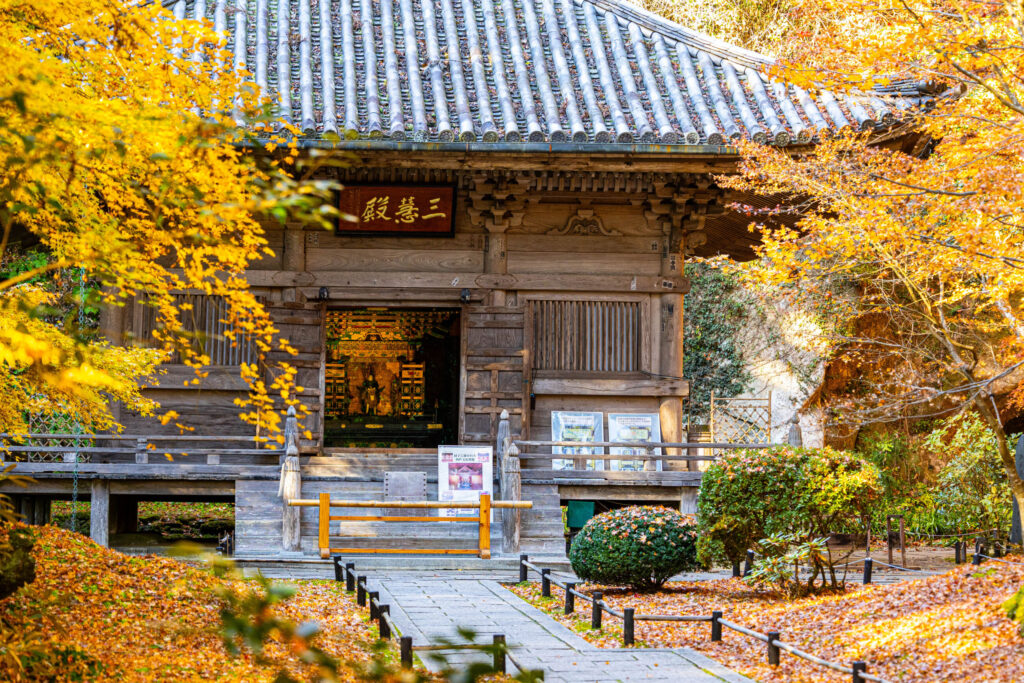
This article will tell you a little bit about Entsuin Temple’s history and location, and what you can expect during a visit there.
Where is Entsuin Temple?
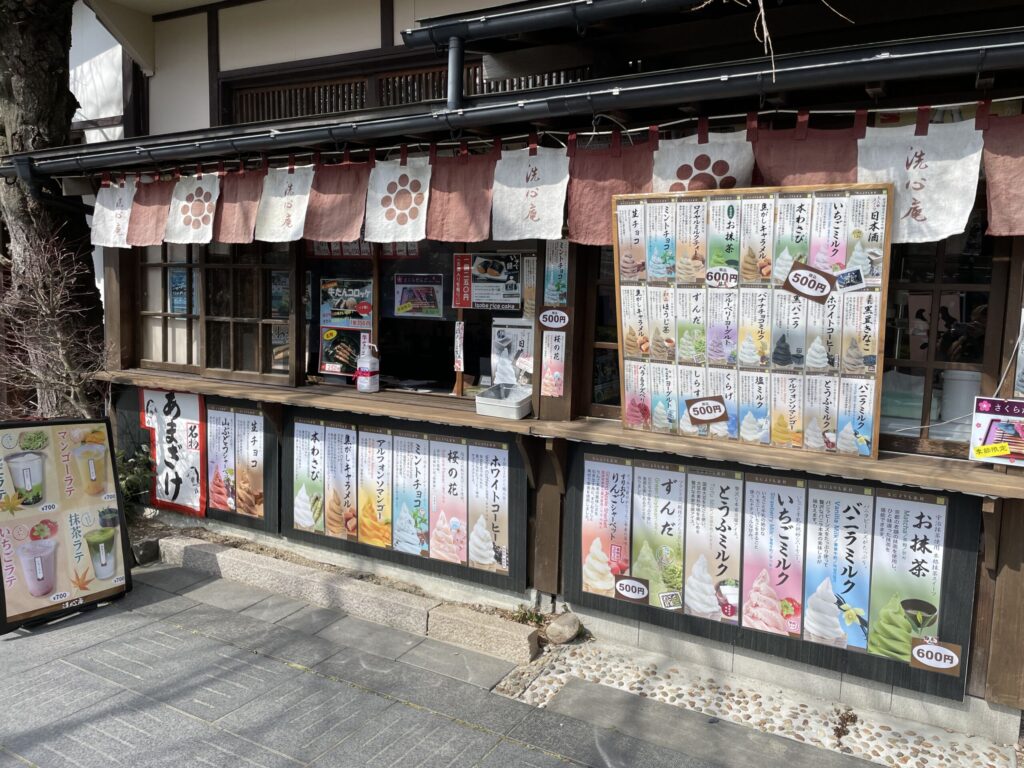
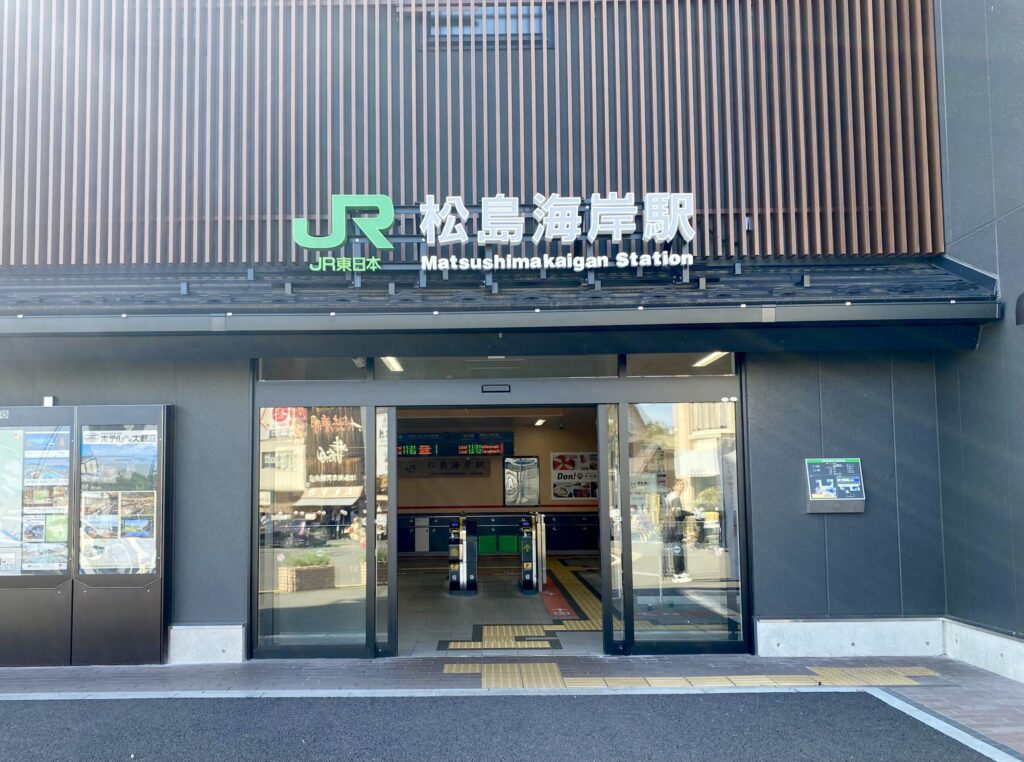
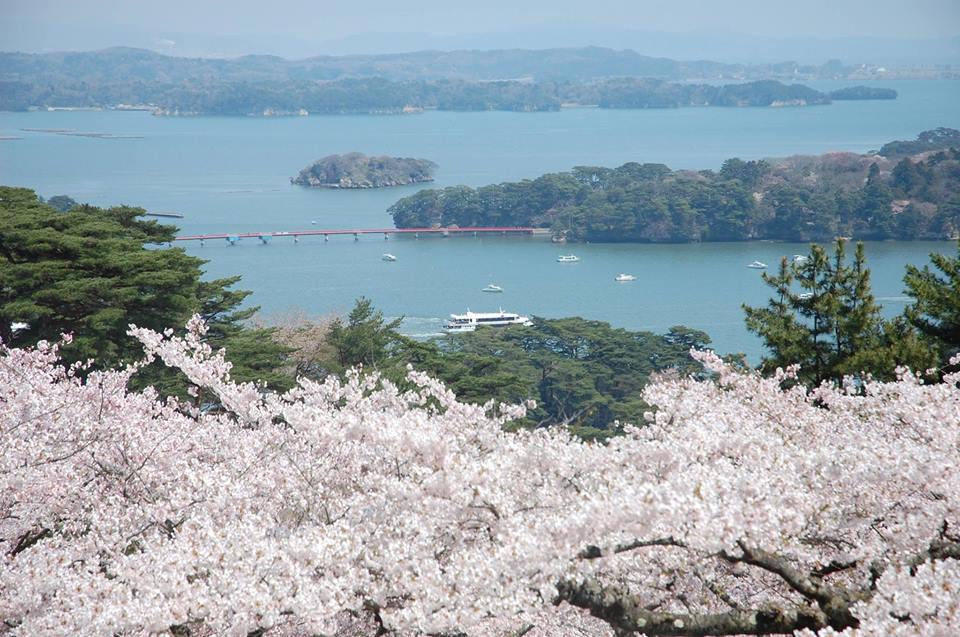
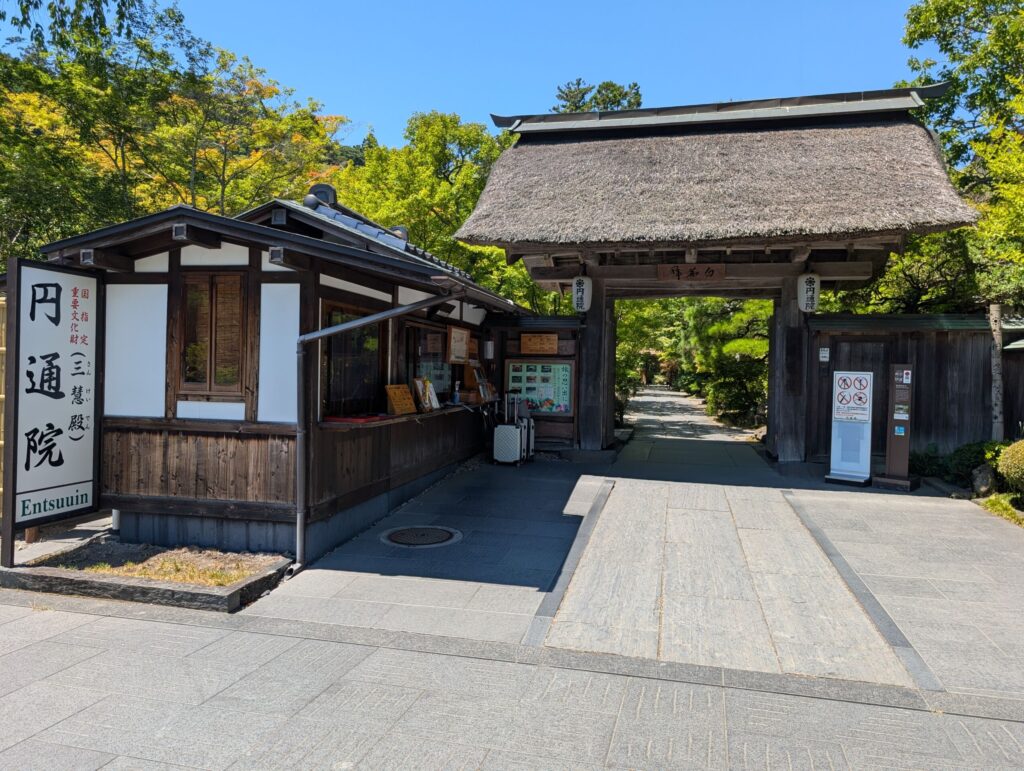
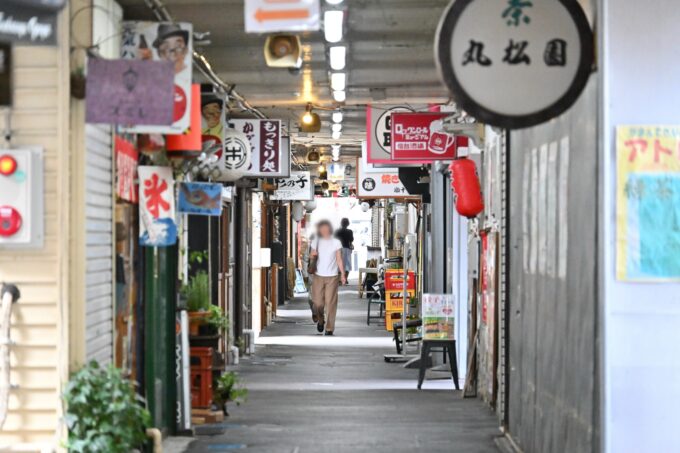
Entsuin Temple is located in the bayside town of Matsushima, just a 40 minute train ride north of Sendai. You can take the Senseki Line train to Matsushimakaigan Station and then it’s just a 6 minute walk to the temple. It is a walkable location with various restaurants and food stands along the cobbled pathway.
A Brief History
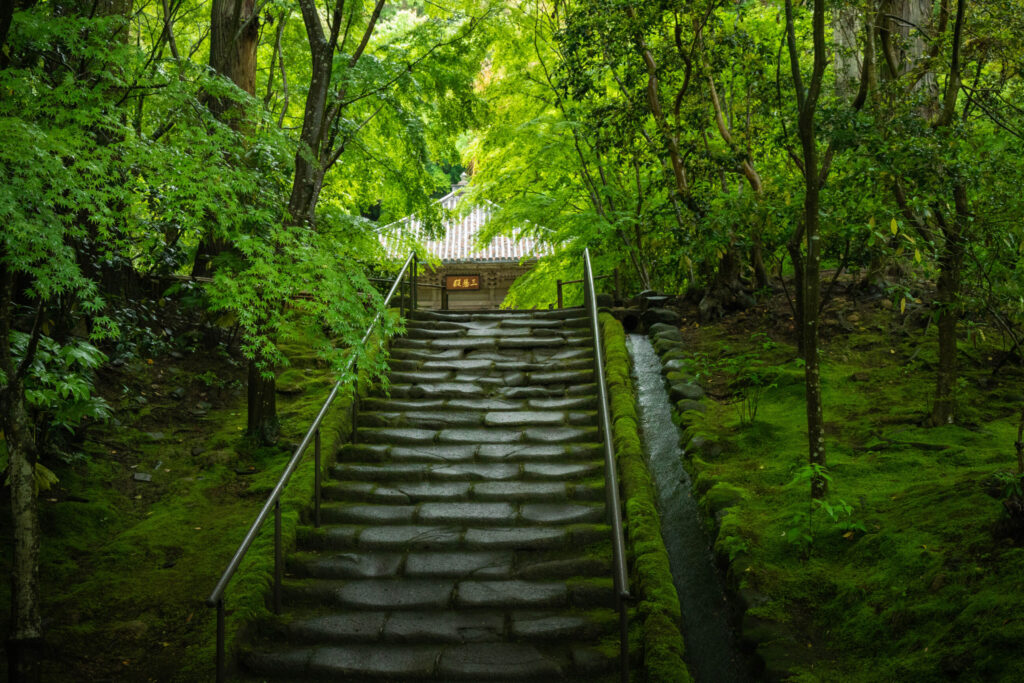
Entsuin Temple was originally built in 1647 as a memorial temple for the late Date Mitsumune. Mitsumune mysteriously died at the young age of 19 and was the grandson to the founder of Sendai, Date Masamune. The temple was built in Mitsumune’s honor by his grieving father, Tadamune, who must have felt deep sorrow over the passing of his son. His mourning symbolically transformed into the tragically beautiful temple that remains today.
- The mausoleum on the grounds is called Sankeiden and is a Designated Important Cultural Property.
- The sanmon main gate is also a Designated Important Cultural Property.
- The temple is of the Rinzai Sect of Zen Buddhism, characterized by the rigor and severity of its training methods.
- Elements within the temple grounds have unique decorations, most prominently art motifs consisting of western influence.
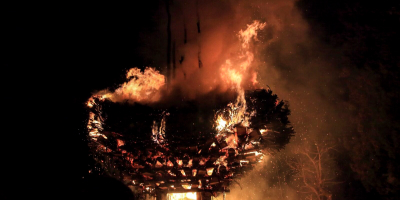
- There is a nighttime light-up display during autumn to show the gorgeous red and orange leaves.
Sankeiden
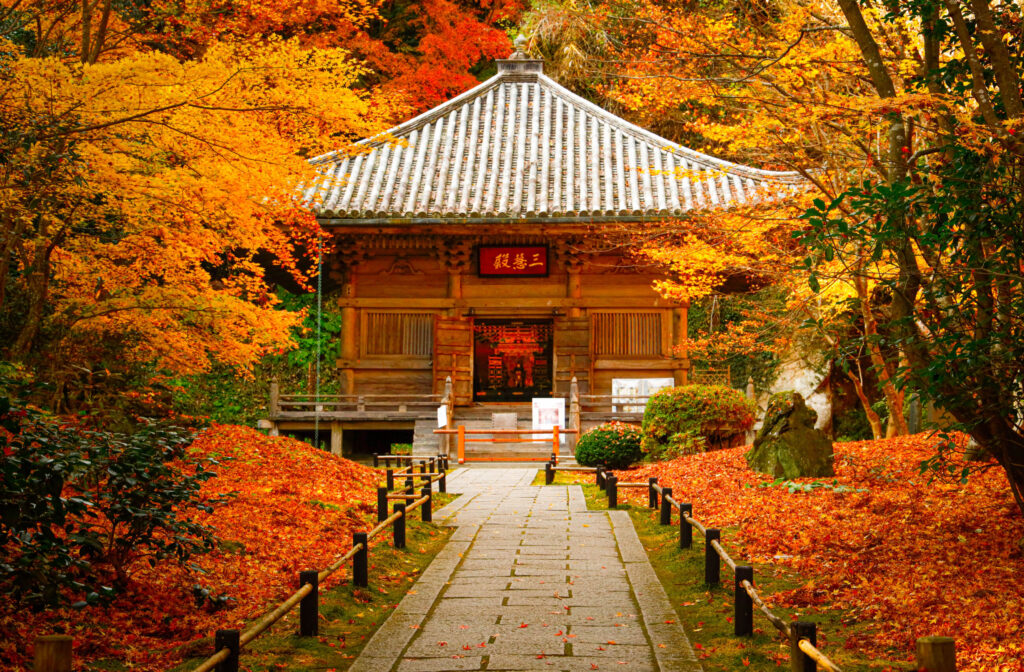
Sankeiden is Date Mitsumune’s mausoleum and is designated as an Important Cultural Property. In life, Mitsumune was talented in the military and literary arts, and the Date Clan’s appreciation for ornate design and architecture is evident in this mausoleum’s build.
Inside the mausoleum is a statue of Mitsumune and the interior walls have a variety of western influenced art motifs referred to as nanban art. This term describes art that reflects the cultural exchange and interactions with European traders and often included Christian icons and European clothing, instruments, and plants.
Daihitei Main Hall
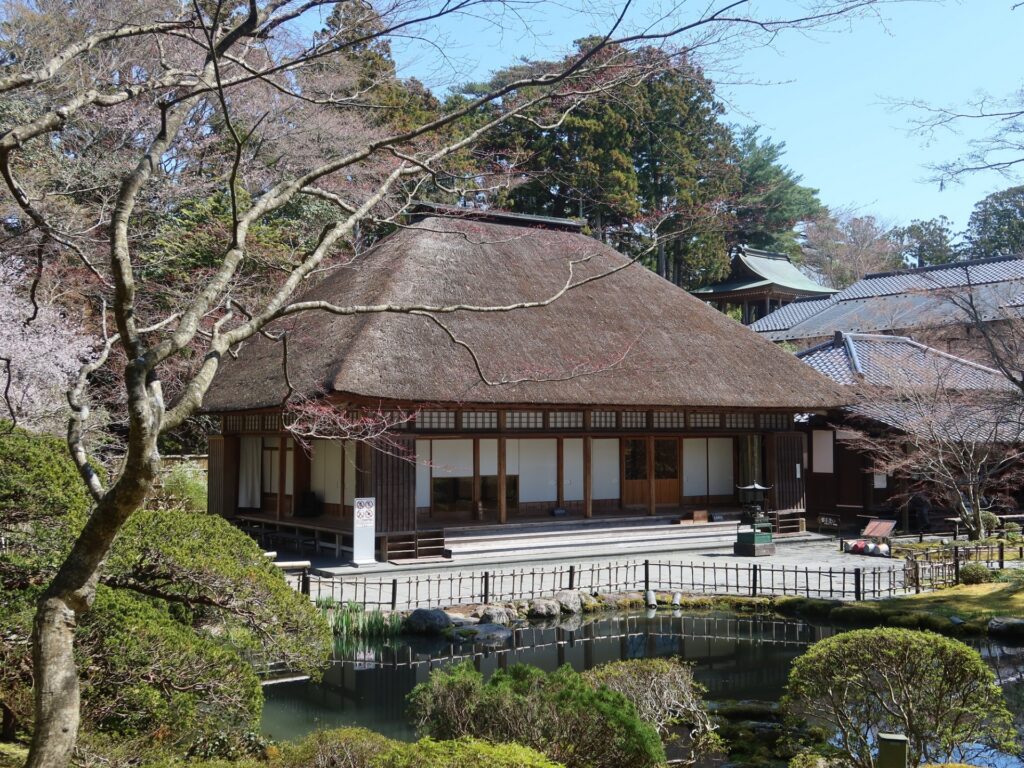
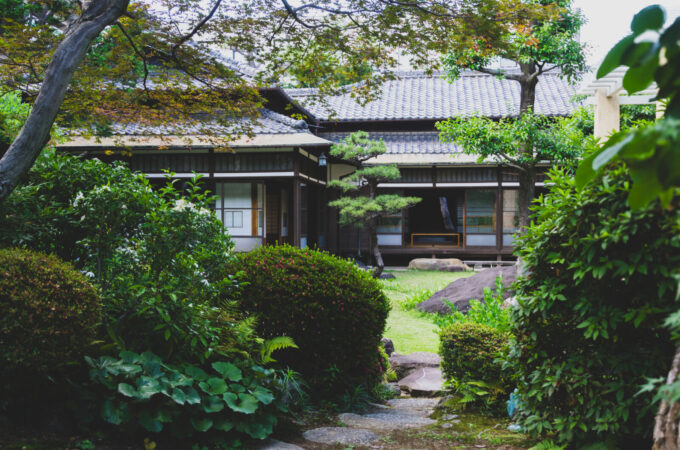
This is the main hall of the temple and is appropriately named the “Hall of Great Sadness.” The building itself was a favorite of Mitsumune, who frequented here during his summers. Mitsumune’s father had it moved all the way from the capital to its current location when the mausoleum and temple were established in 1647. In front of the Main Hall is a heart shaped pond.
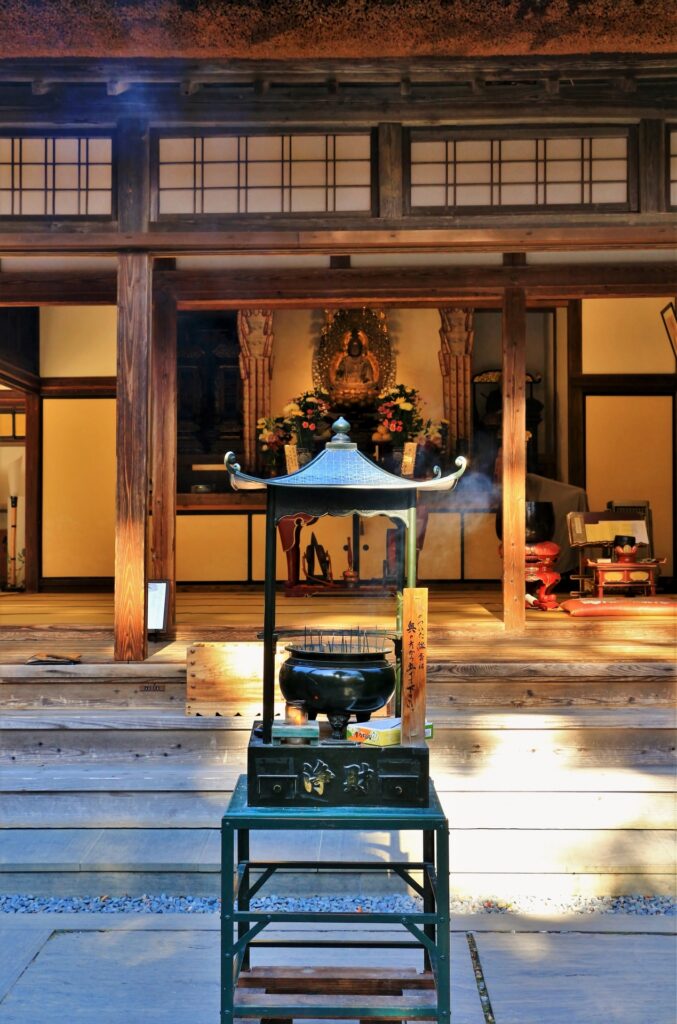
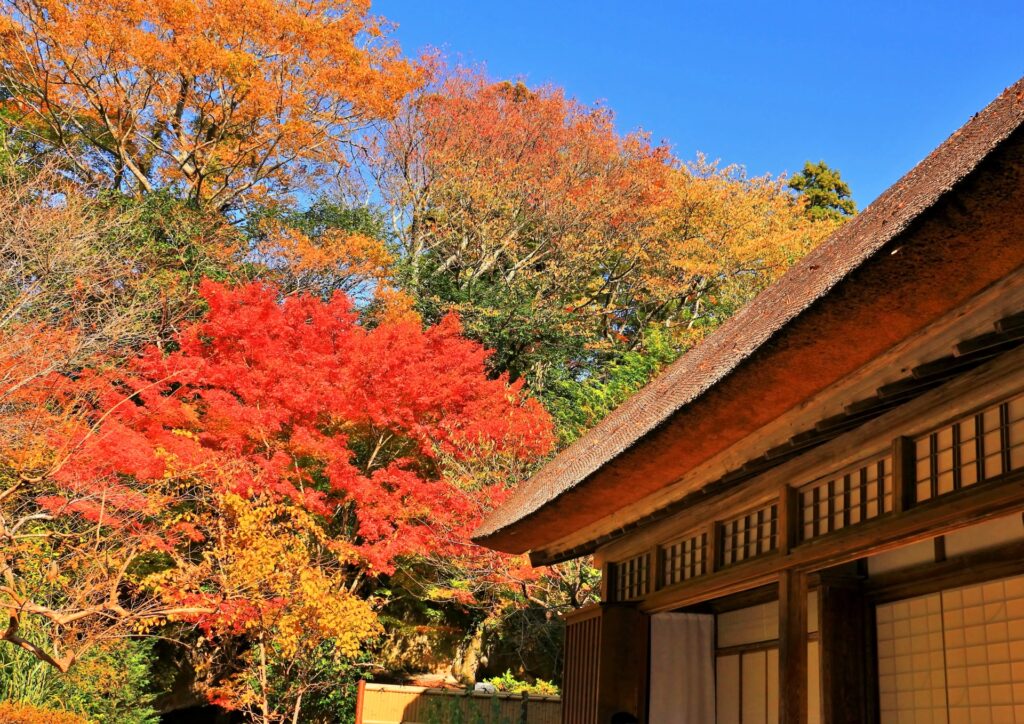
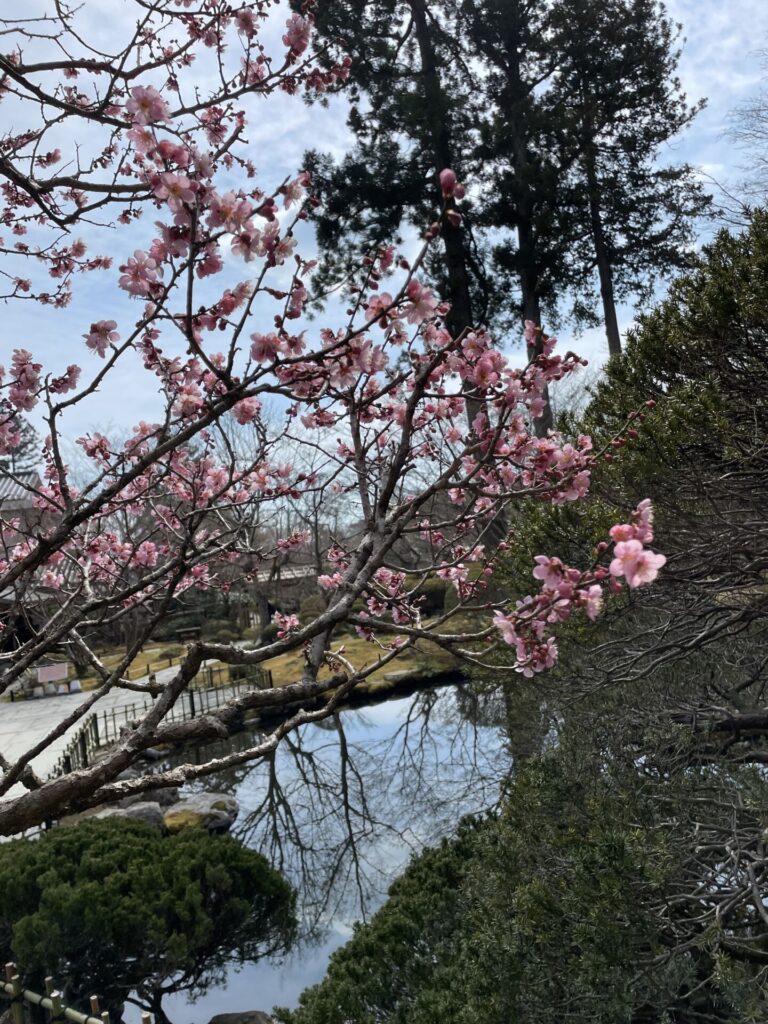
Three Types of Gardens at Entsuin
Rock Garden
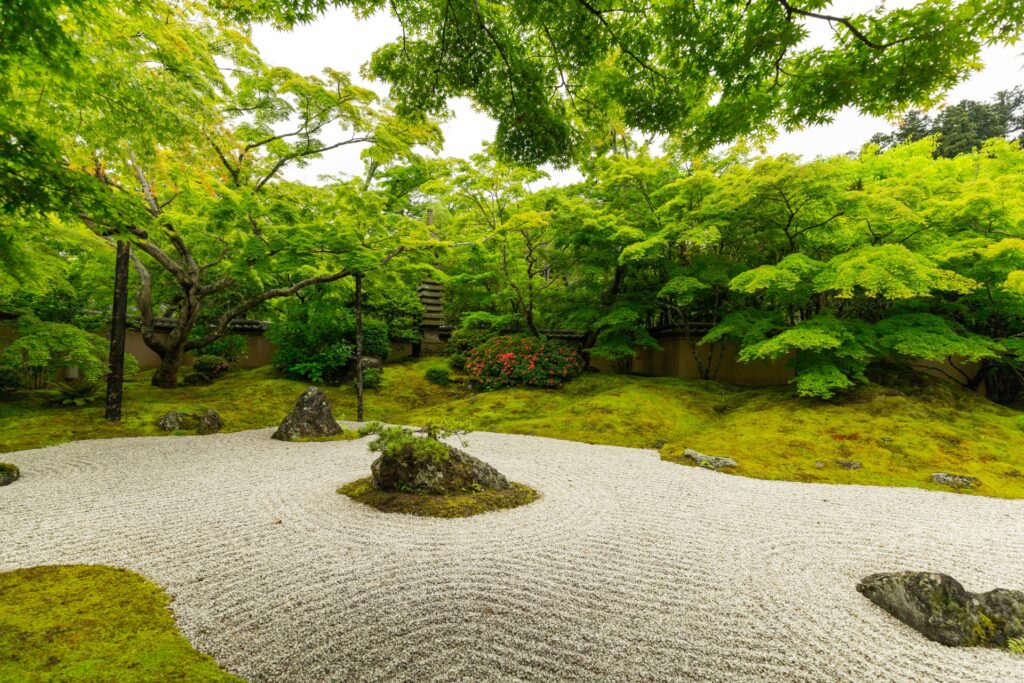
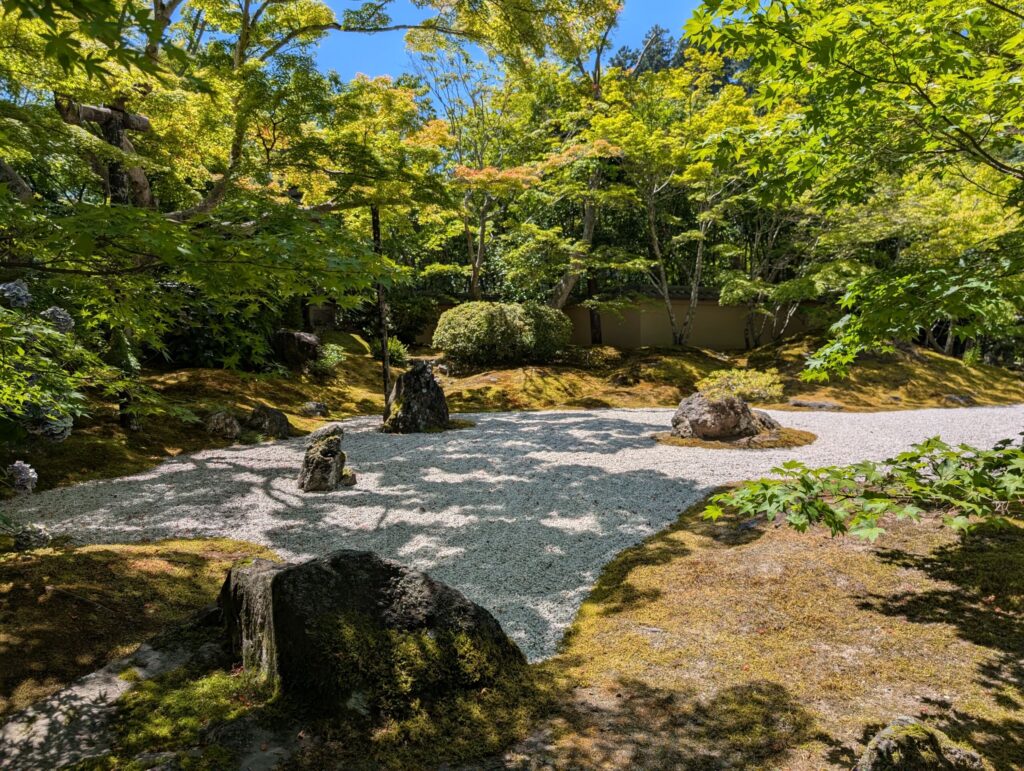
A rock garden at temples is referred to as karesansui. Entsuin Temple has a lovely rock garden just past the entrance. It is called the “Garden of the Realm Beyond the Clouds” (雲外天地の庭). The rocks are usually raked into ripples resembling water of the Matsushima Bay, including imagery of the islands, and offer visitors a lovely moment of tranquility during their visit.
Meditation Garden
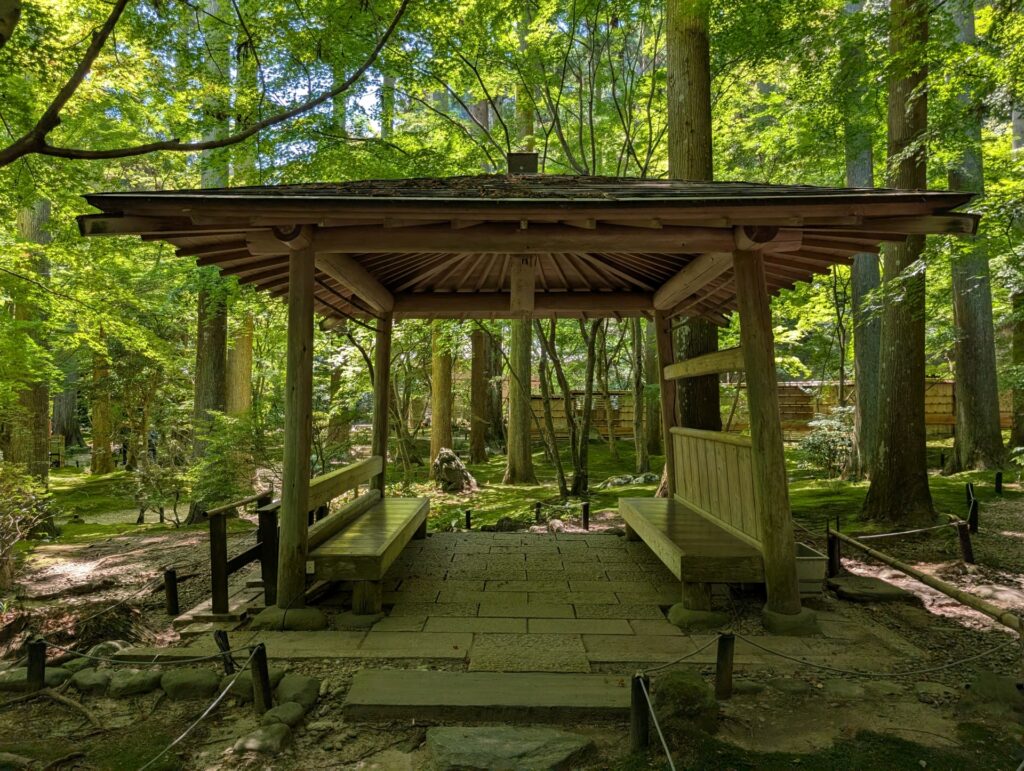
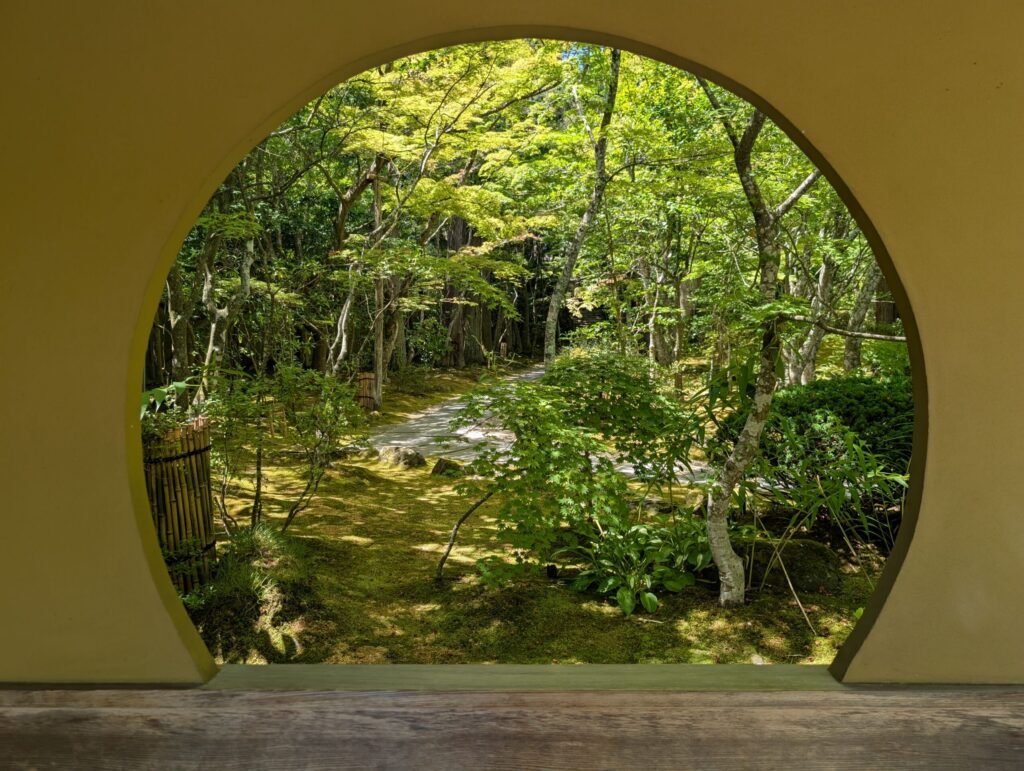
The meditation grove at Entsuin Temple is called the “sankeiden meisou no niwa” (三慧殿禅林瞑想の庭). The name translates literally to the Mediation Garden of Sankeiden, and was established to compliment the solemn contemplative aura that the temple displays overall. Composed of cedar trees, wildflowers, and moss, this garden creates an otherworldly space reminiscent of a dense Zen forest.
Rose Garden
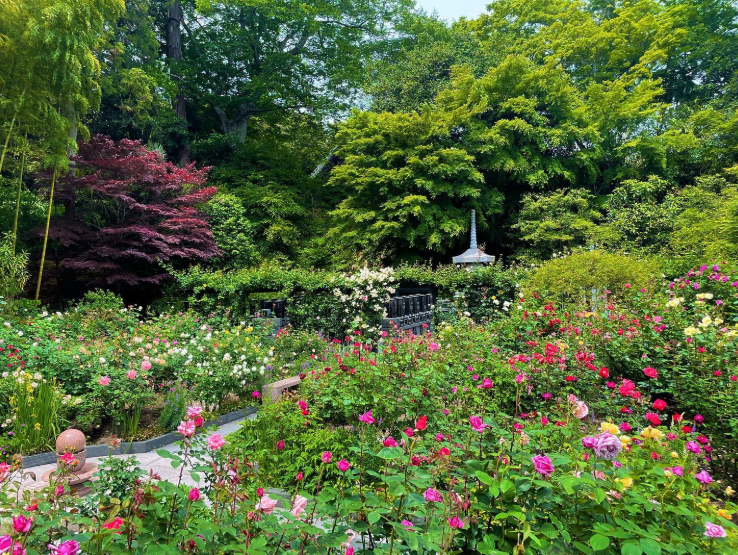
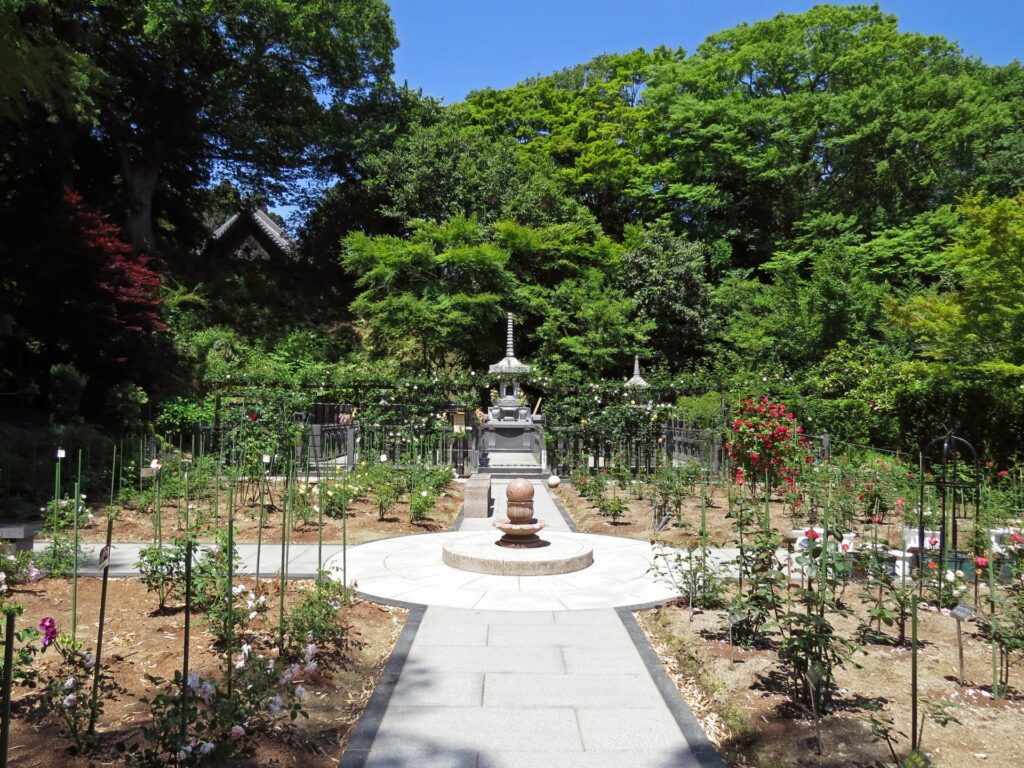
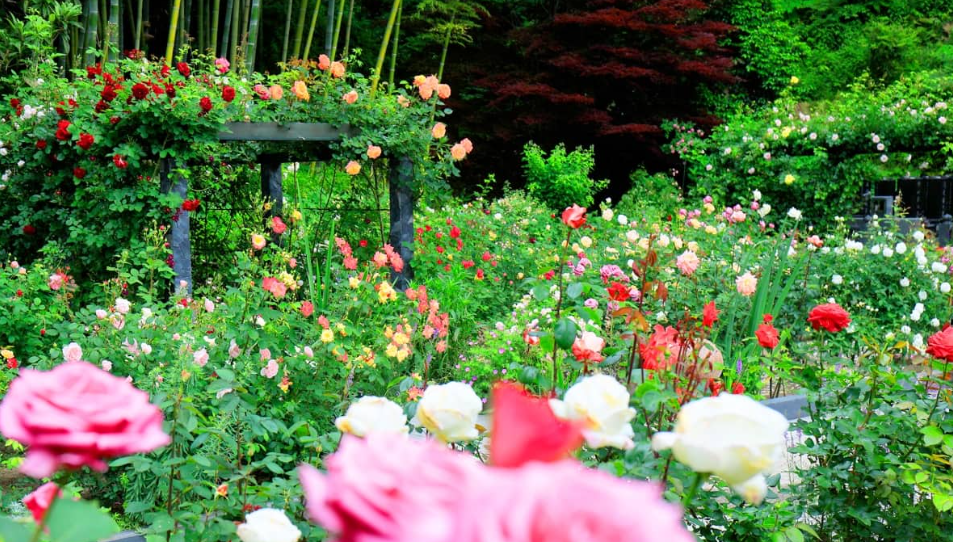
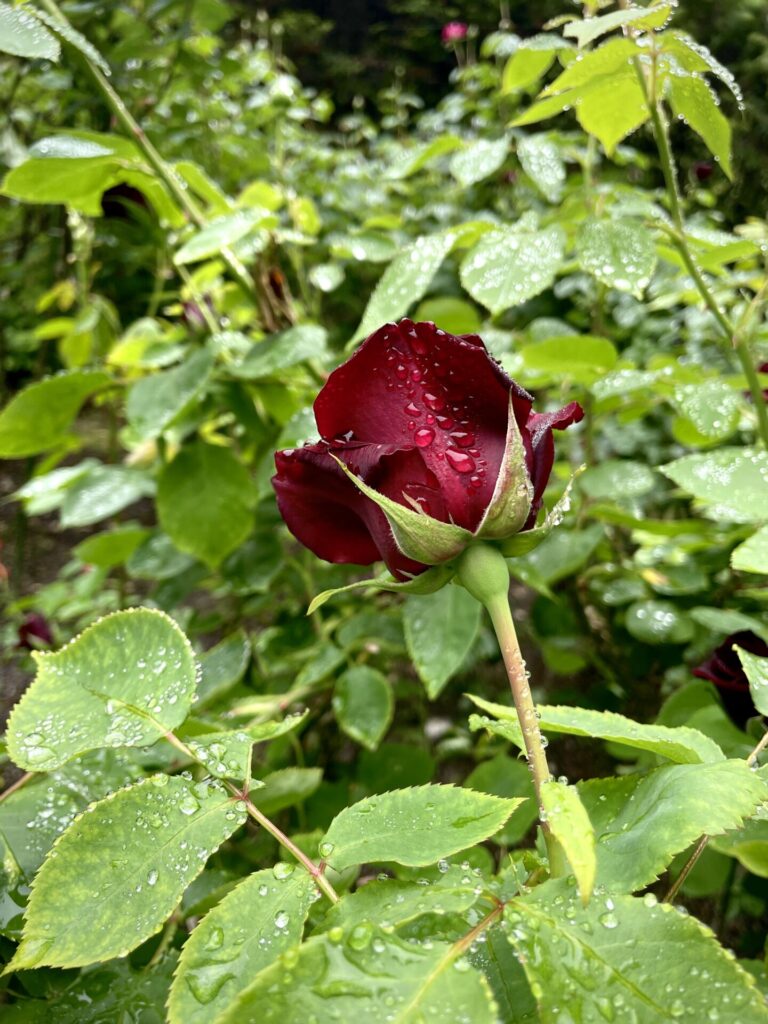
This garden is officially called the Byakahō Western-Style Garden, but is mainly referred to as simply a rose garden. Although not traditionally relevant to Zen temples and gardens, the curators of this garden drew inspiration from the western motifs within the Sankeiden structure’s walls. This Western-style garden represents a fusion of the culture brought back from Europe and the worldly culture and tastes of the Date Clan.
Frequently Asked Questions (FAQ)
What is a Designated Important Cultural Property?
In Japanese, the term “important cultural property” is called jūyō bunkazai (重要文化財). These are tangible cultural properties located in Japan that include buildings and structures, fine arts and crafts, and archaeological and historical materials. These properties are deemed historically significant or hold high artistic or academic value by the Japanese Ministry of Education, Culture, Sports, Science and Technology (MEXT).
Properties designated as jūyō bunkazai are given extra protection and ample resources for their preservation and utilization.
How do I get to Entsuin Temple?
From Tokyo:
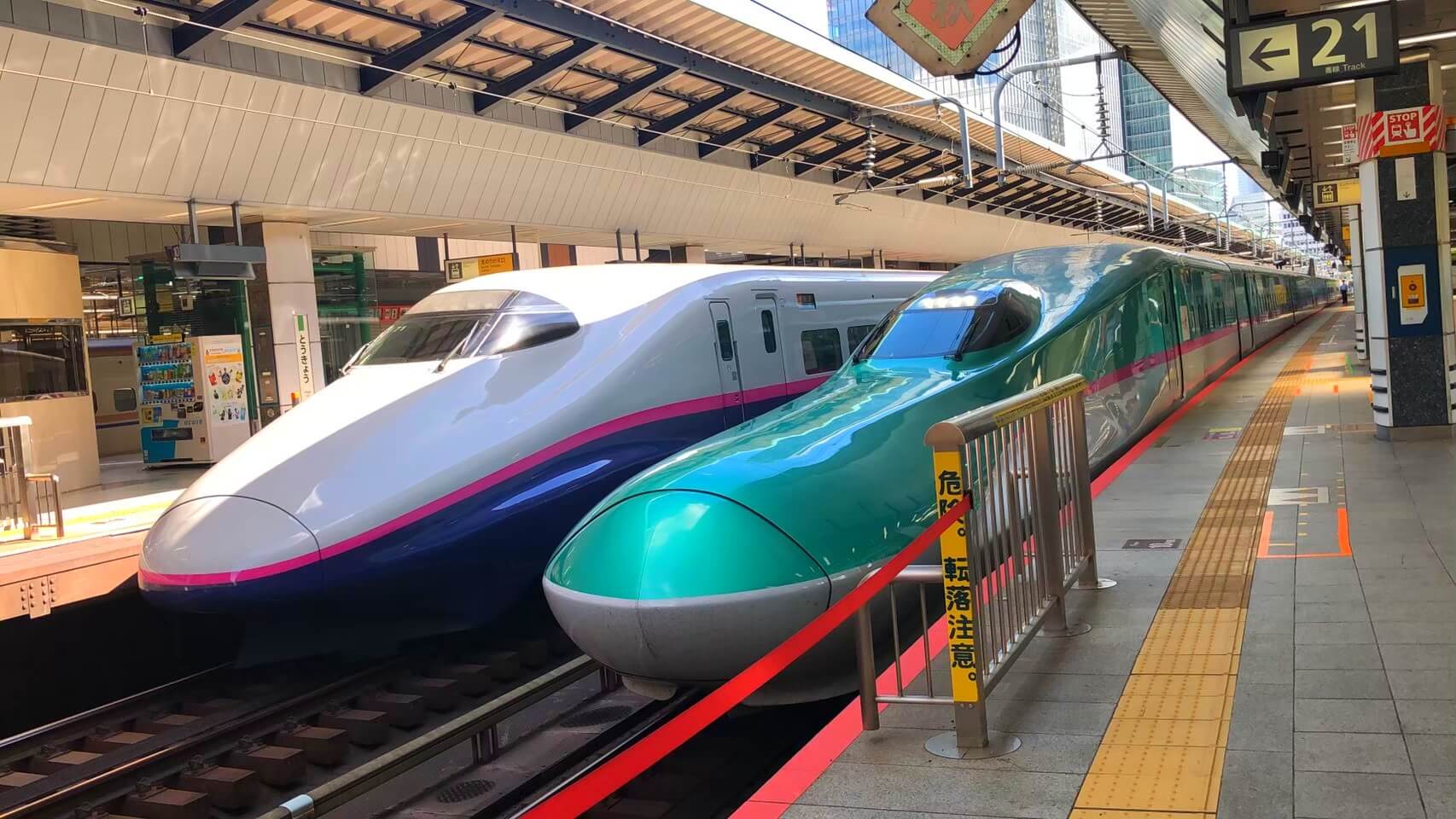
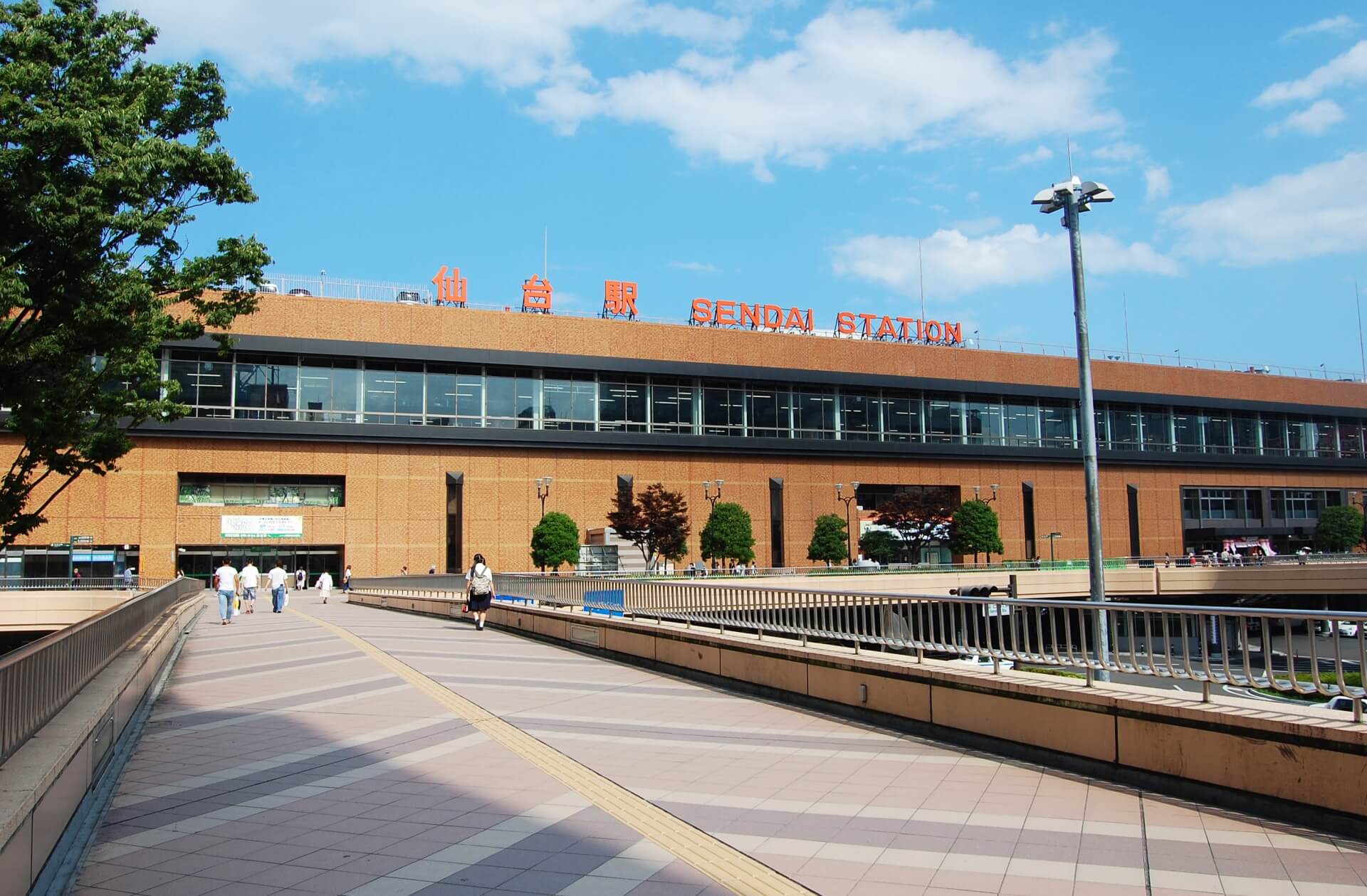
Take the Akita or Tohoku Shinkansen from Tokyo Station and alight at Sendai Station. At Sendai Station, transfer to the local lines. From Platform 10, take the Senseki Line bound for Ishinomaki or Takagimachi Station and get off at Matsushimakaigan Station. Then walk for about 6 minutes to the temple. The trip in total can take upwards to 3 or more hours including waiting times.
Purchasing a JR Pass or JR East Pass is great for those planning on traveling long distances or using the shinkansen many times throughout their trip.
From Sendai Station:
From Platform 10, take the Senseki Line bound for Ishinomaki or Takagimachi Station and get off at Matsushimakaigan Station. There are no transfers and the train ride is about 40 minutes. Walk for another 6 minutes to the temple. Trains on the Senseki Line that stop at Matsushimakaigan Station run about 3 times an hour.
Is there food sold here or nearby?
Yes! There are plenty of local shops located within a convenient walking distance from Matsushimakaigan Station and Entsuin Temple. The area itself is a popular tourist destination so you’ll find a good variety of shops.
Is the temple wheelchair accessible?
Unfortunately no. While the entrance to the temple is wheelchair accessible, there are several stairs within the temple making it not wheelchair accessible.
I want to visit Entsuin Temple. Can you help?
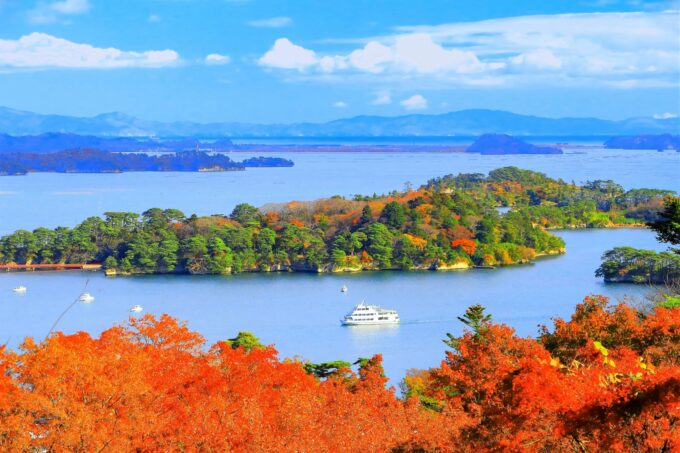
Yes! Snow Monkey Resorts currently offers this 1-Day Tour from Sendai: Matsushima Bay — Highlights from One of Japan’s Three Most Scenic Views. Matsushima Bay’s 260 pine-clad islands create a breathtaking view that is a must-see while visiting the Tohoku region of Japan. You will walk through history, take in the ocean-side views, and discover the quaint charms of this bayside town.
Small Group
1-Day Tour from Sendai: Matsushima Bay — Highlights from One of Japan’s Three Most Scenic Views
- Spots:
- Matsushima
- Pick-up:
- Sendai
- Drop-off:
- Sendai
Additional Tips
- Respect the rituals: Although it is a popular tourist destination, it is first and foremost a place of worship. Please be respectful and mindful of the space as you walk through the gardens and visit the mausoleum.
- Take advantage of the rose garden: Roses in Japan bloom most brilliantly from mid-May to June, and again but less brilliant in October to mid-November. Although the grounds are lovely all year round, flower lovers will be most pleased to visit during those times.
- Combine with a visit to Sendai: With its convenient straight-shot train ride from Sendai, the city of trees is a great companion for your trip to the less beaten paths of Tohoku.