
History of Ono Castle
The castle was originally built in 1576. One of the most famous samurai in Japanese history, Oda Nobunaga, gifted the land to one of his retainers who constructed the castle tower. Over the next twenty years, the region changed hands several times and was eventually claimed by the Shogun as part of his official territory (called a tenryo). Unwilling to pay for the castle's upkeep, however, the Shogun gifted the land to the Doi clan who lived there until the end of the samurai period in 1868.
To say the castle had a rough time of things through the years would be an understatement. It burned down in 1775. Reconstruction took 20 years, and the lords had to give up on rebuilding the tower as it was too expensive. An earthquake destroyed all the fortifications in 1858. Soon after repairs had been completed, the Meiji Restoration ended the samurai era and the castle was demolished.
Ono Castle in the Modern Era
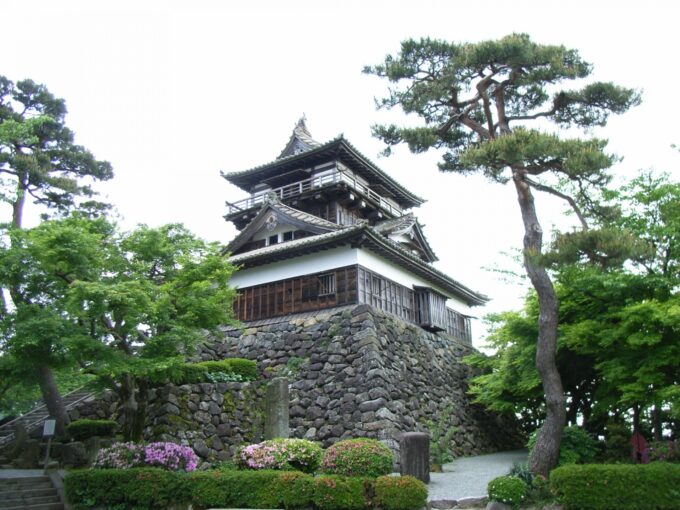
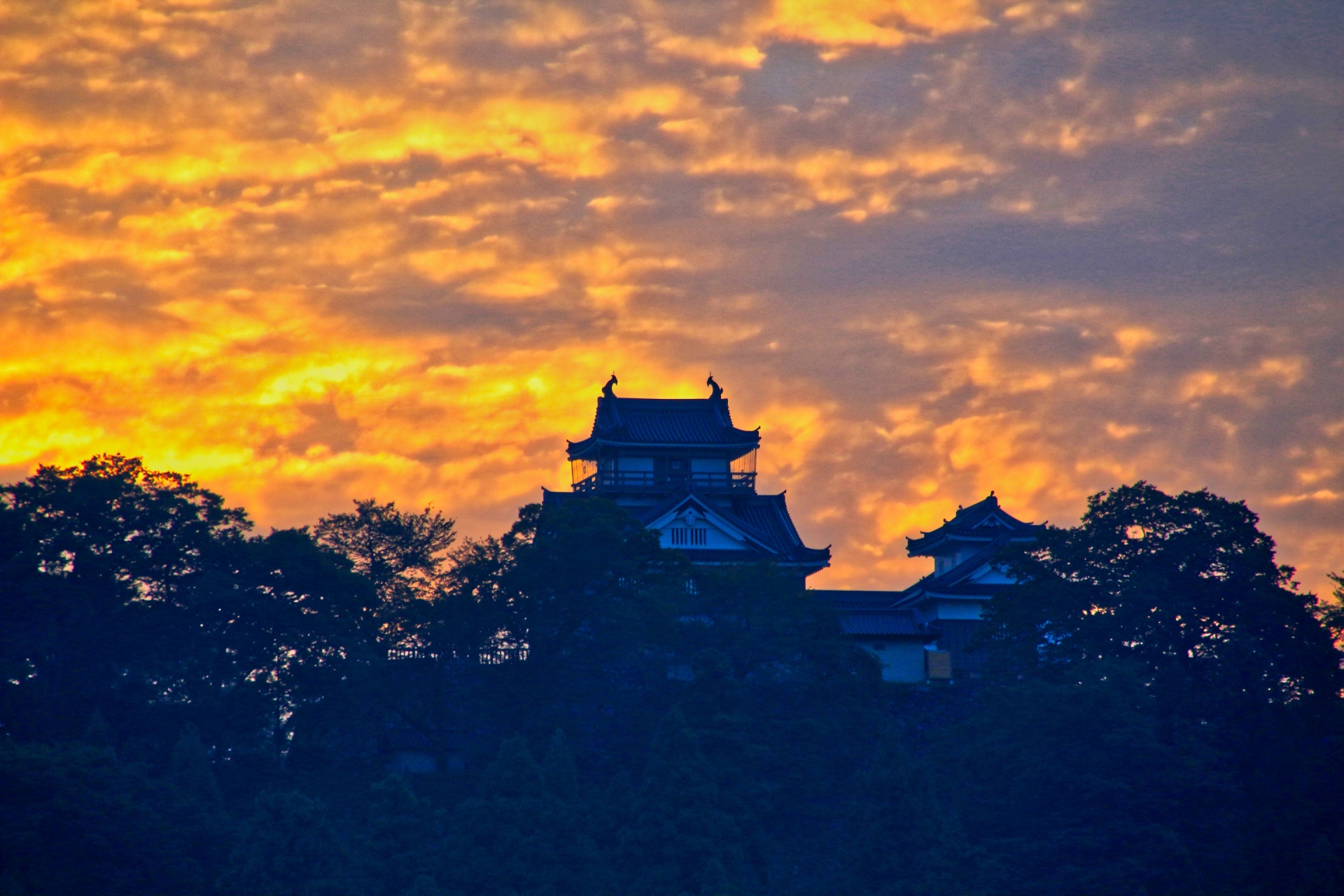
The castle was rebuilt as part of a nationwide effort to recover much of Japan's history in the aftermath of the Second World War. The reconstruction was completed in 1968. The descendent of a powerful samurai family helped fund the reconstruction and donated original drawings of the castle and its towers. However, the castle we can see today is much smaller than the original would have been and features just a small selection of rooms that were originally used as small reception rooms for guests of the lord.
Inside the castle today is a museum that stretches over the first three of the four floors. On display are documents related to the various samurai lords who had manned the castle, including the Doi. The top floor is the castle's best feature - an absolutely astonishing view out across the Ono region from the observation deck.
The Castle in the Sky
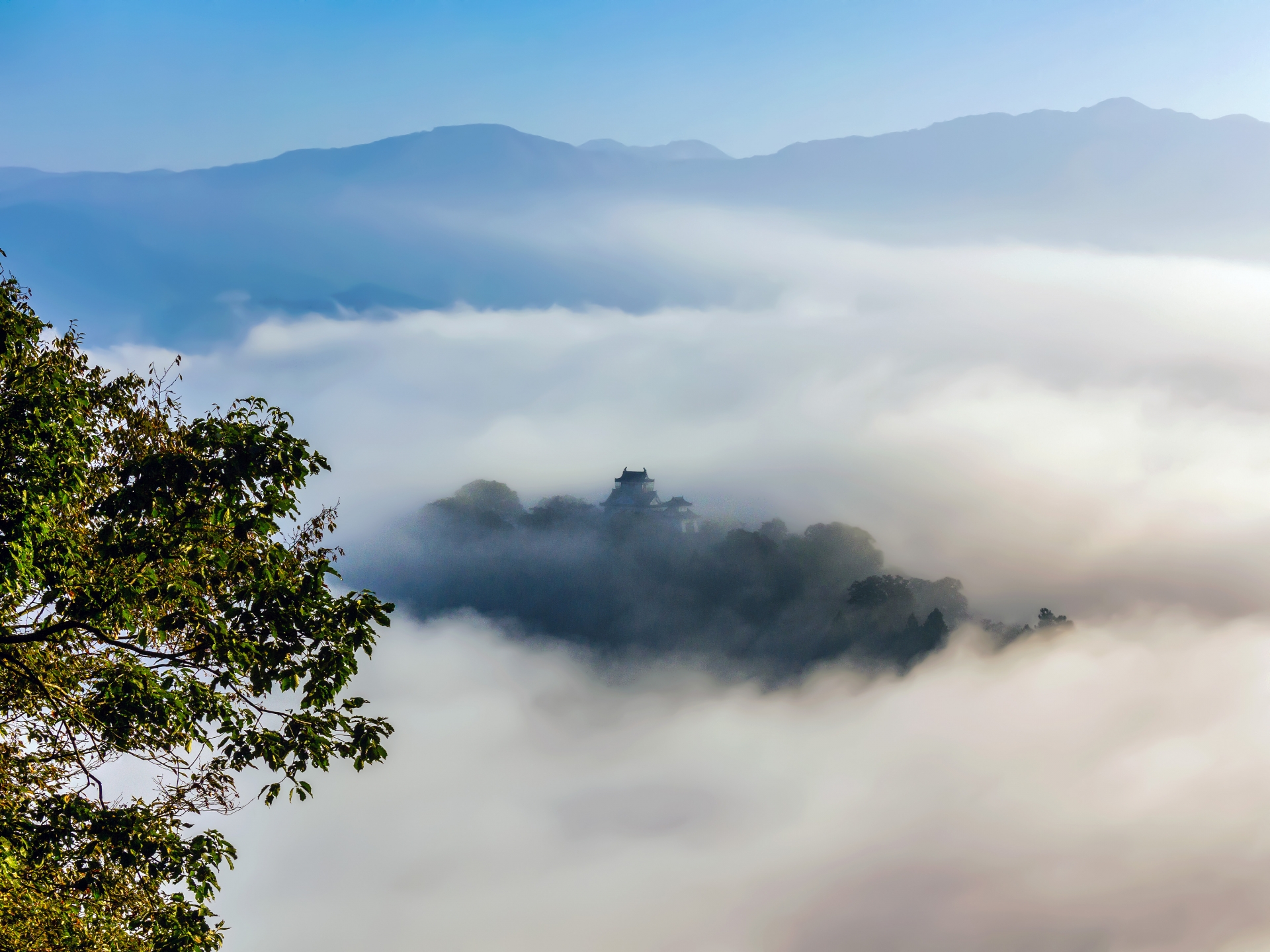
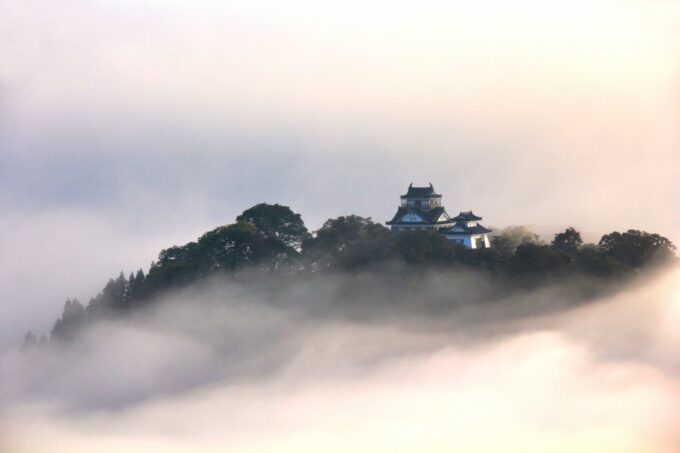
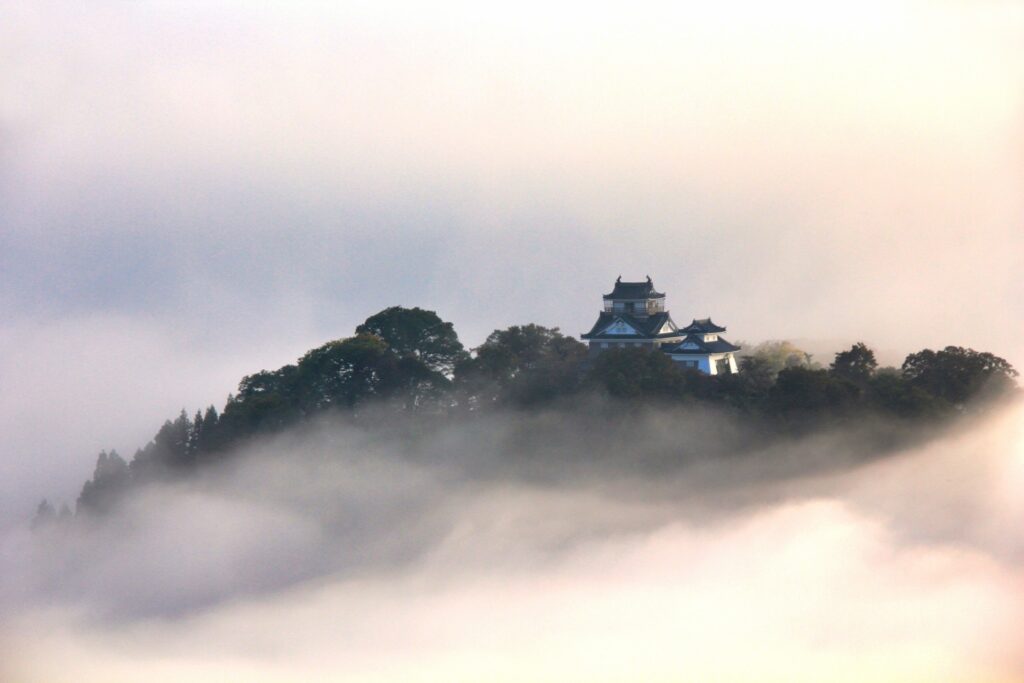
The most famous sight of Ono Castle isn't from up close but, rather, much farther away. The large hill behind the castle offers a rare sight of the castle floating in the clouds.
For visitors hoping to see the castle floating in the sky, weather conditions from October to April are most advantageous, especially from dawn until around 09:00. November is considered the month with the most optimal weather conditions. It is perfect for producing clouds and fog in the morning, which you can view from a hill/mountain behind the castle. The castle is open to explore afterwards for 300 yen but it closes during the winter from December to mid-March. The weather conditions that create the mist only occurs about 10-20 times a season(October to April) so don't get your expectations up too high when coming unless you are planning a long trip to the area.
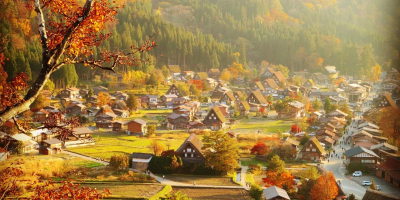
Around the castle is small castle town that has thrived since the original castle was built in 1576. Today there are a couple reconstructed or moved samurai homes near the castle. Leading up to the castle is a market street that has prospered for over 400 years and also a street lined with 16 temples. Many of the buildings that were reconstructed or built more recently embrace color. There are lanterns hanging over a famous fresh water spring, a wall of windmills inside one of the samurai homes and a hallway full of beautifully died hand tea towels. This entire city is a hidden gem that sits in the middle of other historical sights and beautiful nature.
Fukui City is a great base to discover the Ono! It is a close bus ride with regular direct buses and also a train that stops in town, although it runs only a few times a day. If you are staying in the city and want to explore more of the region, join us for a tour of Fukui City and the famous Zen Buddhist Head Temple of Eiheiji! It is a full day of learning about the history of the area and feeling the spirituality of the Japanese mountains. See below for more information.
EIHEIJI & FUKUI CITY FROM KANAZAWA / all year round
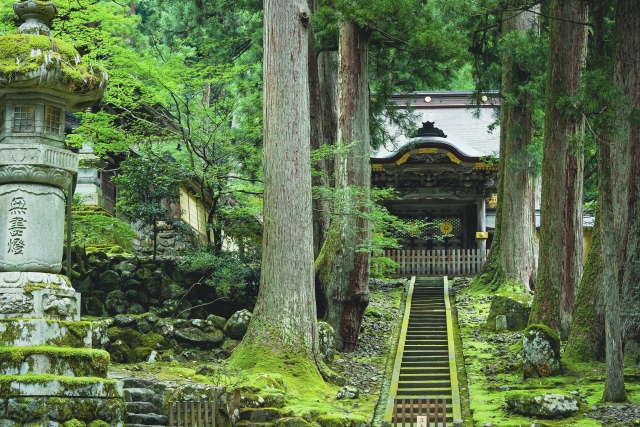
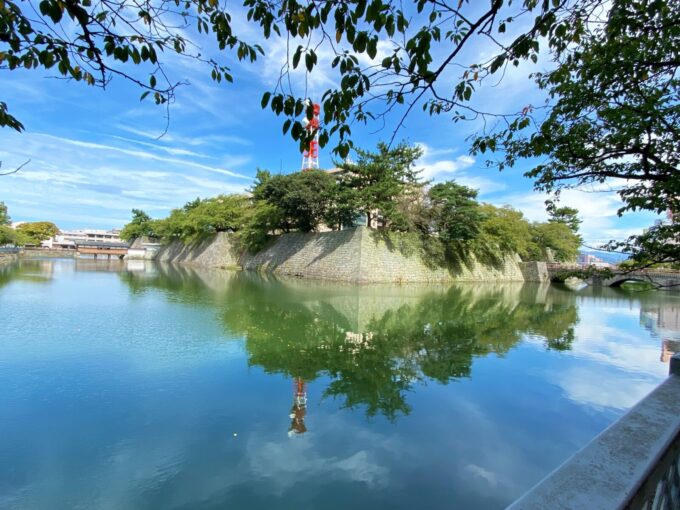
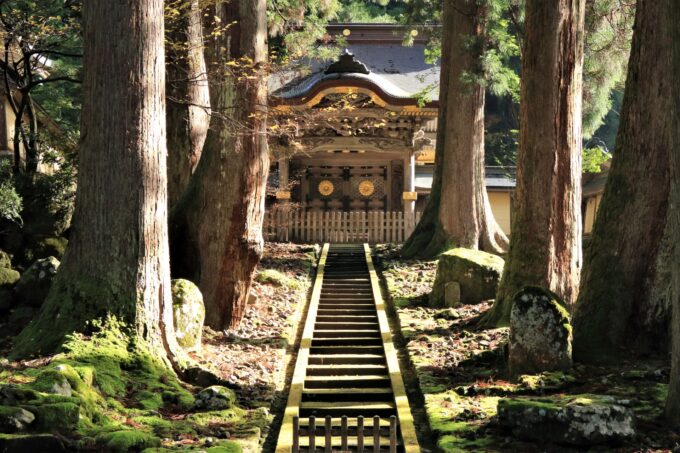
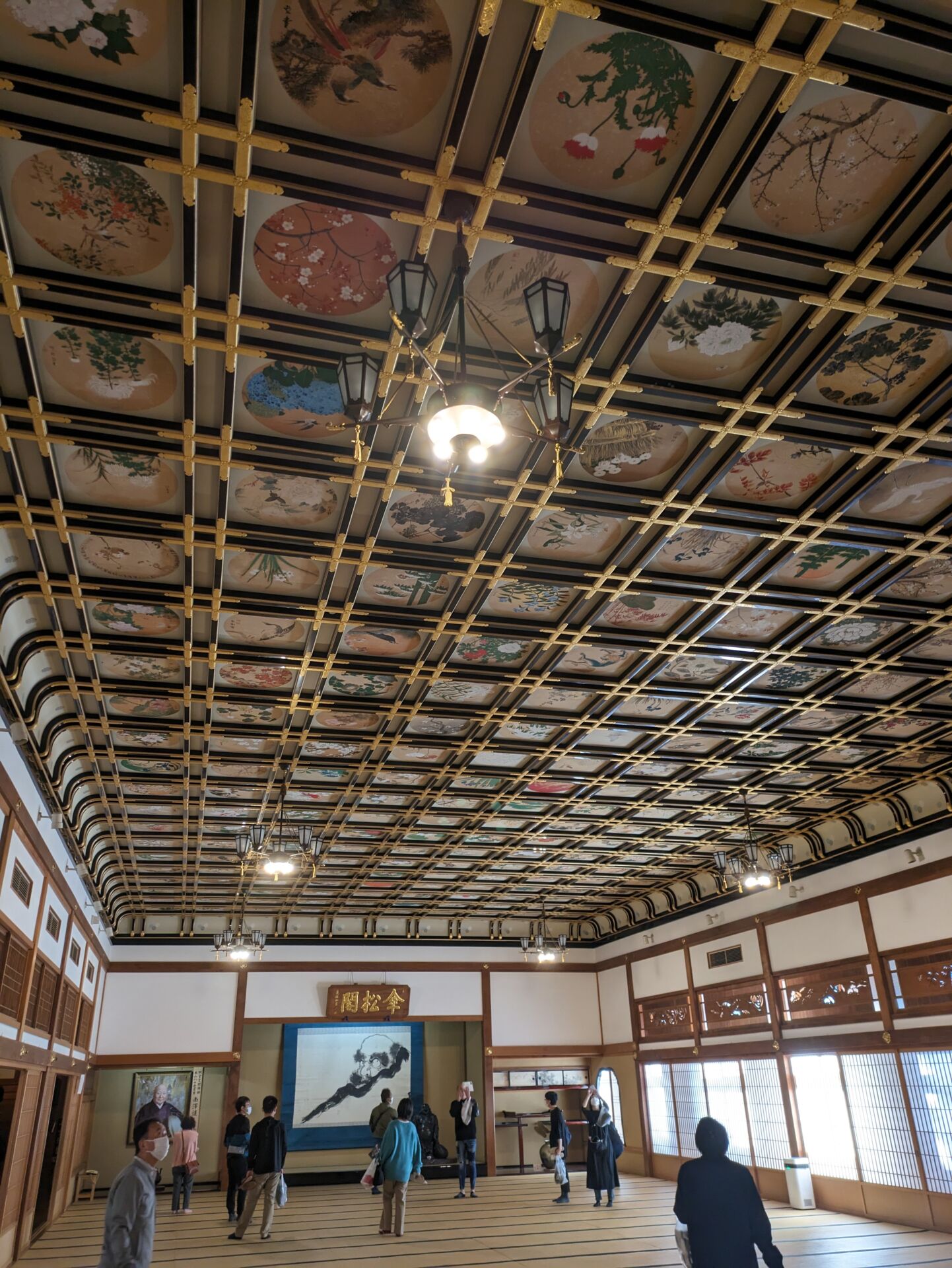
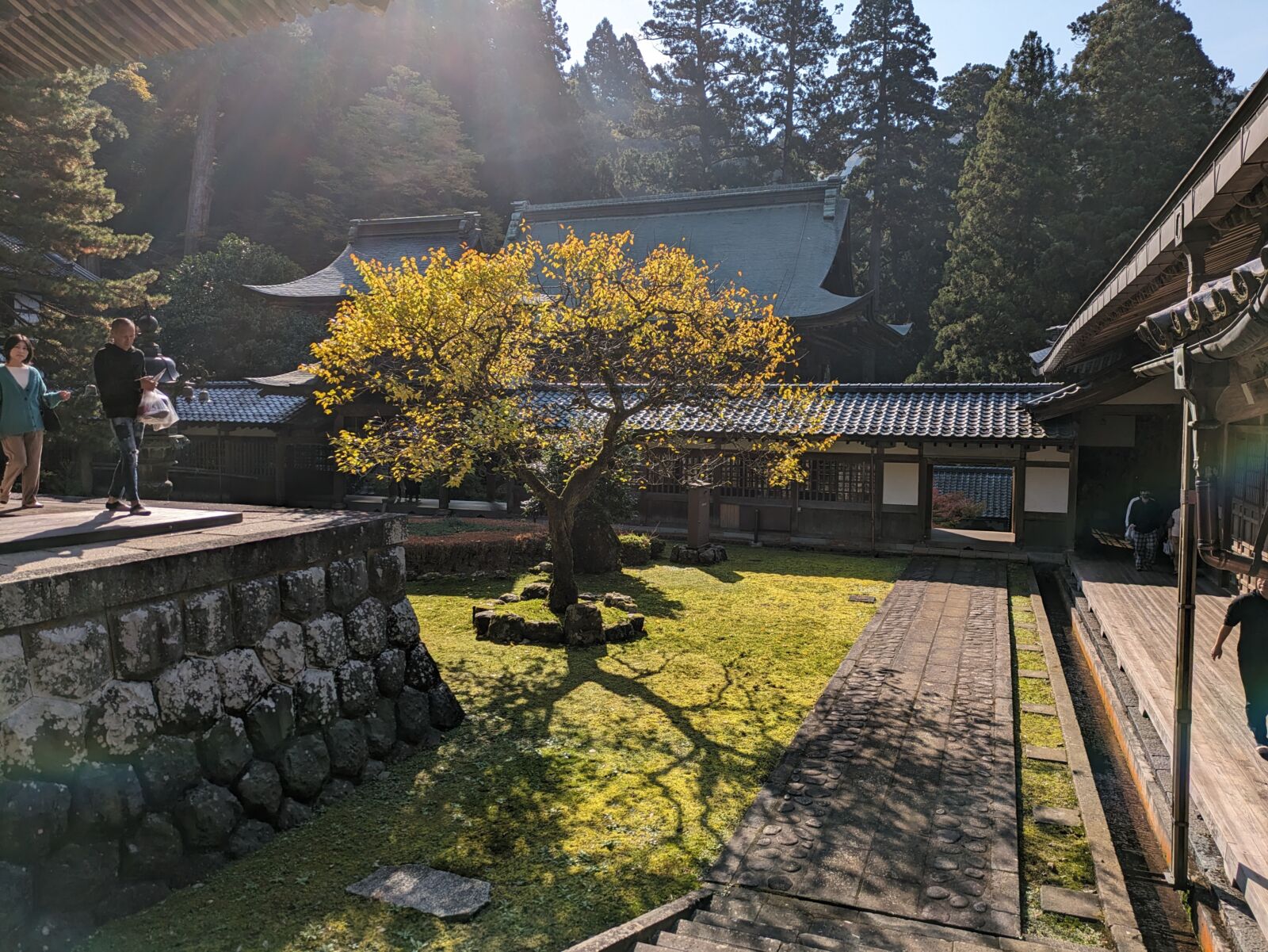
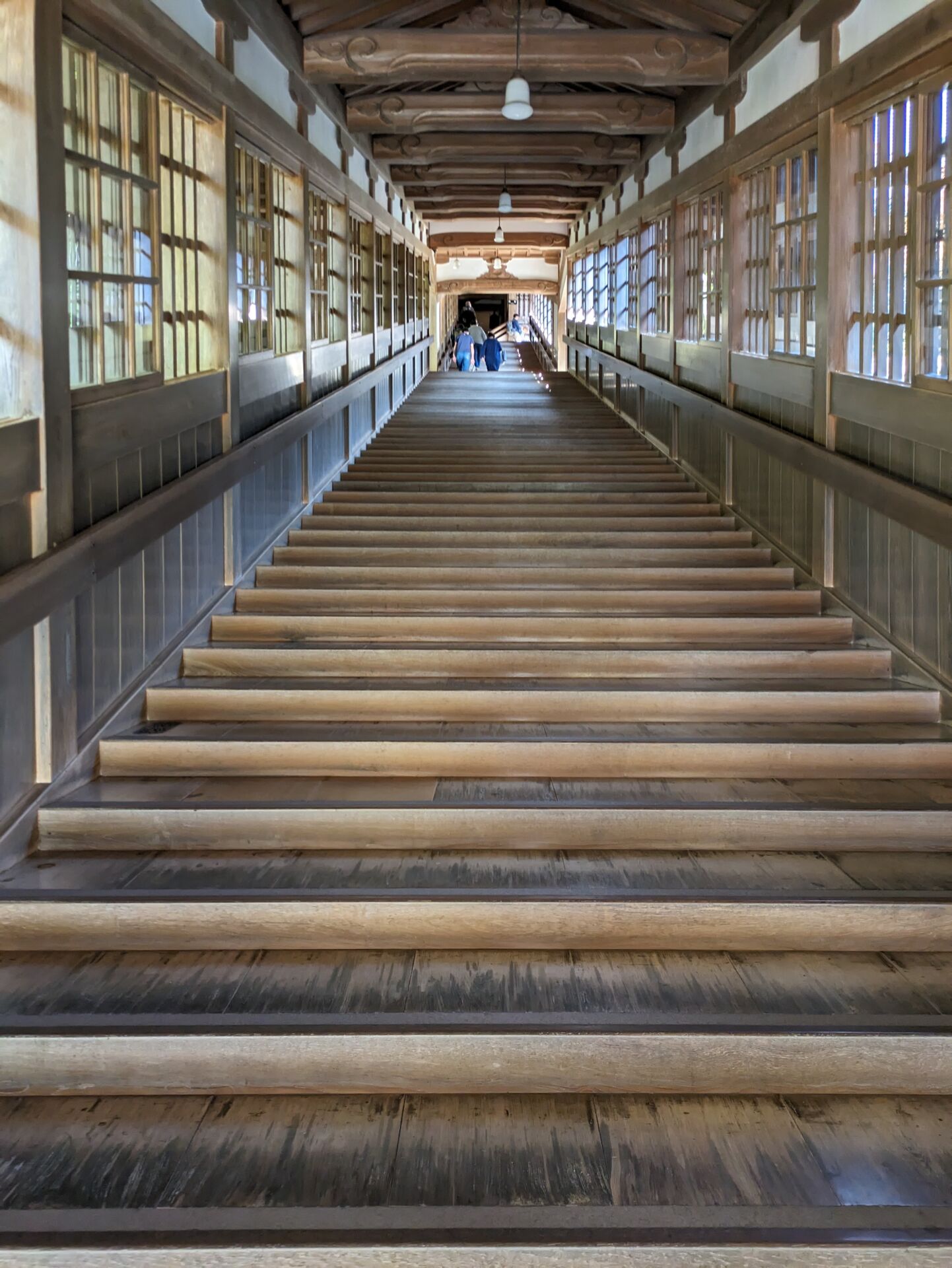
As one of the head temples of the world-famous Japanese Soto Zen Buddhist sect, Eiheiji Temple is a place where you can feel the mystery and beauty of traditional architecture hidden in a natural paradise. On this tour you can choose start from either Kanazawa Station or Fukui Station. After grouping up at Fukui Station, we will take a tour of the city in the morning, seeing the castle walls, the "rainbow" shrine, and views of the city from the Atagozaka Slope. We will eat in the city before heading out on a direct bus to Eiheiji Temple. The ride into the mountains is about 30 minutes and we will arrive near the temple grounds. This area has had groupings of temples for over 500 years and at its peak had thousands of monks living in the area. We will walk through the temple and learn about the history as we climb up deeper into the temple. There are many excellent photo spots to discover, too. There are so many interesting angles that catch the intertwining of nature and architecture all over the complex. Try to find the one that touches you the most!
Frequently Asked Questions (FAQ)
I want to charter a bus to take me to Echizen Ono Castle, can you help?
Based in Central Japan and operating all-year-round, we offer highly entertaining group-tours of Central Japan and the surrounding areas that are sure to please. All tours are led by locally-based guides and will take you around the must-see sights in the region, as well as some lesser known gems. Our tours are fun, interactive and family-friendly. For more information, or to book a tour, click on the banner.
Of course, we also offer private tours and transport in and around the Fukui area, and other regional destinations. Our drivers and vehicles are fully certified, allowing us to transport you to and from your preferred destinations in combination with any activity that suits your schedule. All vehicles are well-maintained and in good condition, allowing you to relax and enjoy your ride to wherever you are going.
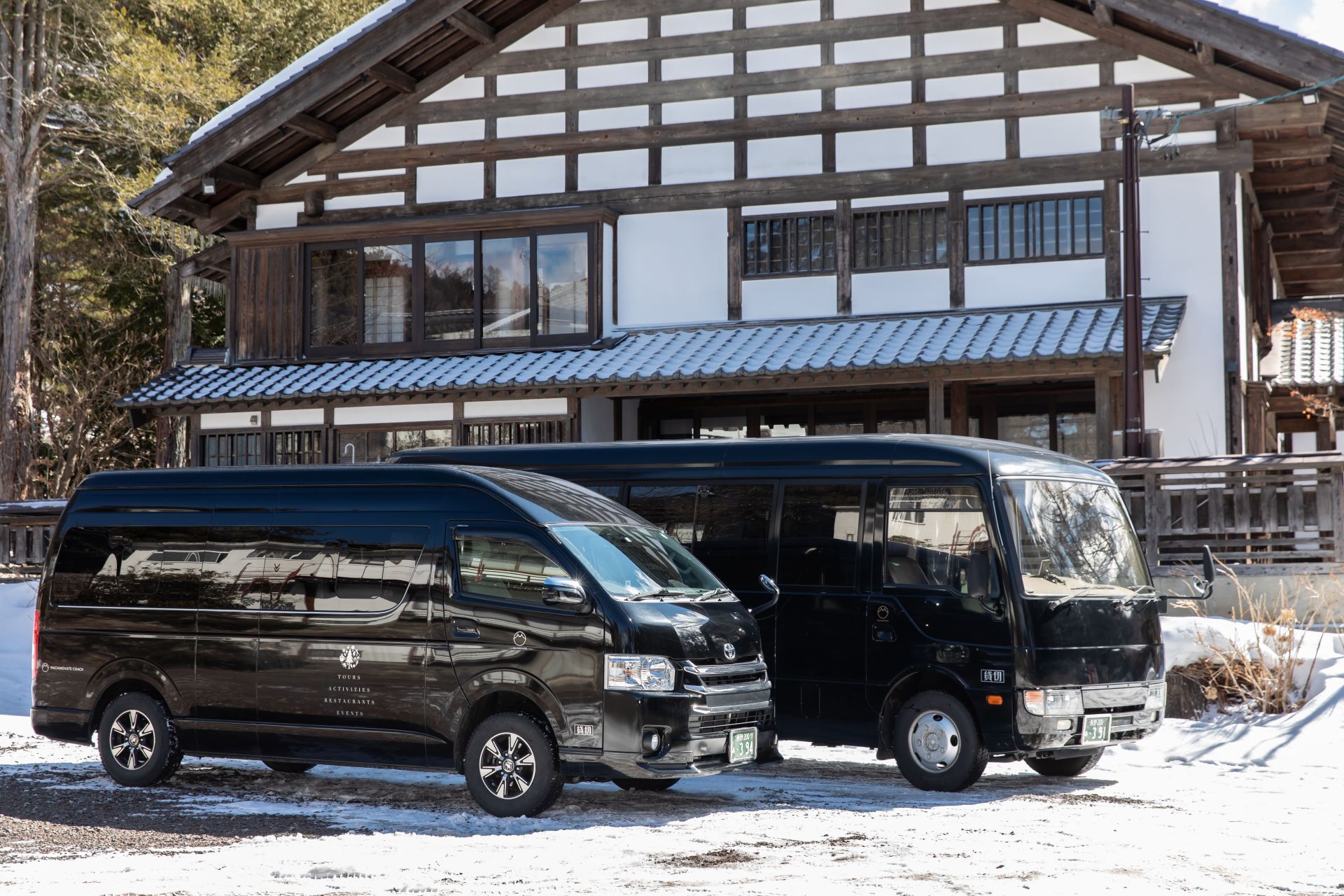
We can arrange both private tours with an English-speaking guide or a private charter. With door-to-door service, we can pick up you up from where you are and take you to where you want to go anywhere in Central Japan and the neighbouring regions. For more information, please click HERE to check availability and pricing for your trip. We’d love to be part of your adventure in Central Japan and help you discover even more!
What time should I arrive to have the best chance at seeing the Castle in the Sky?
Timing is definitely important, but luck is also a major factor in seeing the Castle in the Sky. The fog rolls in most frequently in the colder months, between October and April. Get your thermos and a camping chair ready, as the three hours from dawn until 09:00 A.M. are when the fog is most likely to occur. Local wisdom says the famous sight happens 10 - 20 times a year, so you may want to spend a few days in the area if you're dedicated to getting the shot.
What else is there to do in Ono?
Ono castle town is a wonderful place to walk through, as it feels very old-timey, but also has many nice cafes and shops. Because of its layout, the town is one of several places in Japan labelled as "Little Kyoto."
Other popular attractions include the Ono History Museum, which displays artifacts from the Jomon Period (14,500 BCE to ~300 BCE) that were uncovered in the area. There is also the Tomb of Yoshikage Asakura, a samurai who was deposed and fled to the area before being defeated by Oda Nobunaga.