








Their weighted base allows them to return upright when tipped over — a physical reminder of the Japanese proverb:
Nanakorobi yaoki (七転び八起き)
“Fall down seven times, get up eight.”
It’s not about never failing. It’s about refusing to stay down.
A Brief History of Daruma
Daruma dolls first became popular in the 17th century in Takasaki, Gunma Prefecture. Farmers used them as talismans for good harvests, and over time they evolved into symbols of personal ambition and success.
Today, Daruma are commonly used by:
- Students preparing for exams
- Business owners launching new ventures
- Athletes before competitions
- Politicians during election campaigns
They are goal-setting tools — spiritual, but practical.
The Daruma Ritual: How It Works
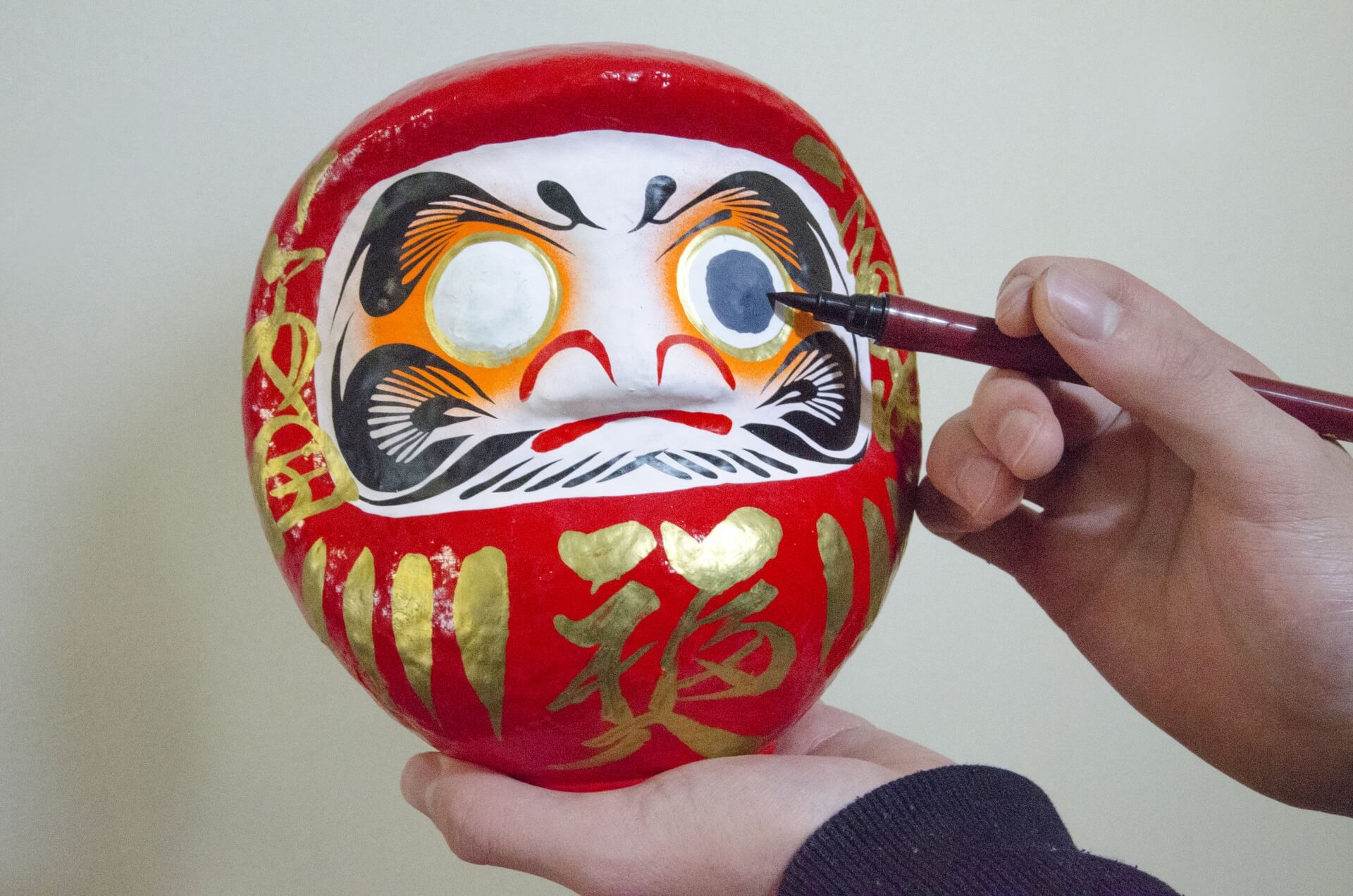
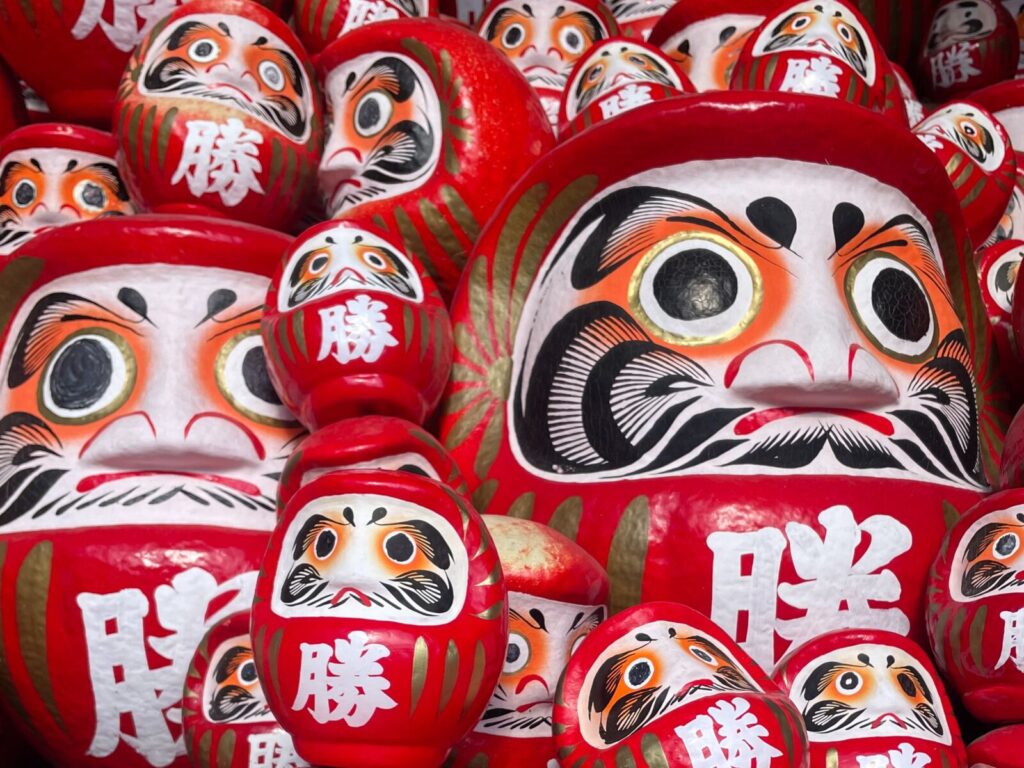
In Japanese tradition, Daruma dolls represent the pursuit of goals and dreams. They are often sold with blank eyes, and the ritual begins when the owner makes a wish or sets a goal, painting in one eye as a symbol of commitment. Once the goal is achieved, the other eye is painted to signify fulfillment. This practice embodies the spirit of "Nanakorobi yaoki", a Japanese proverb meaning "fall down seven times, get up eight."
Katsuo-ji Temple and Daruma Dolls
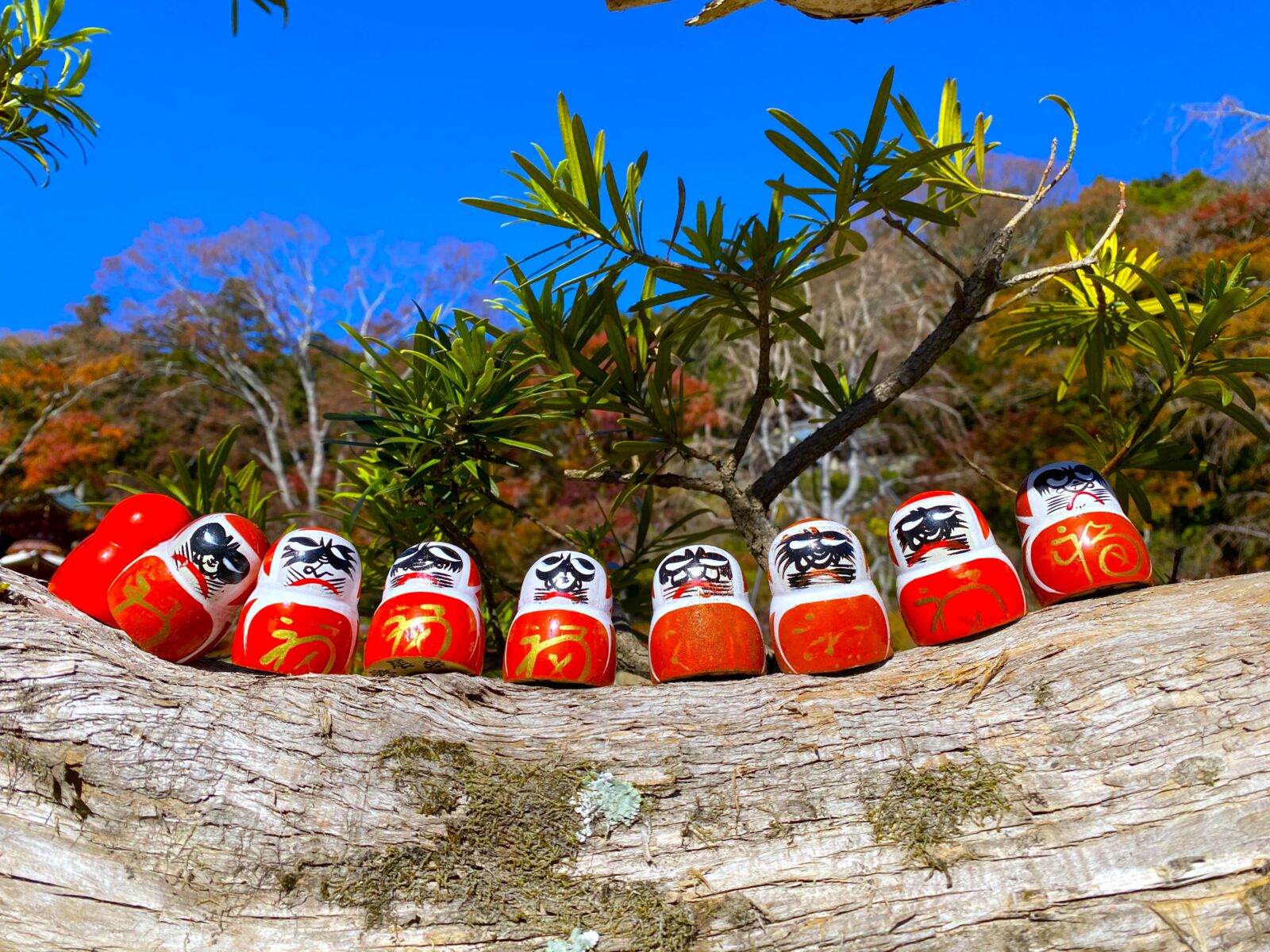
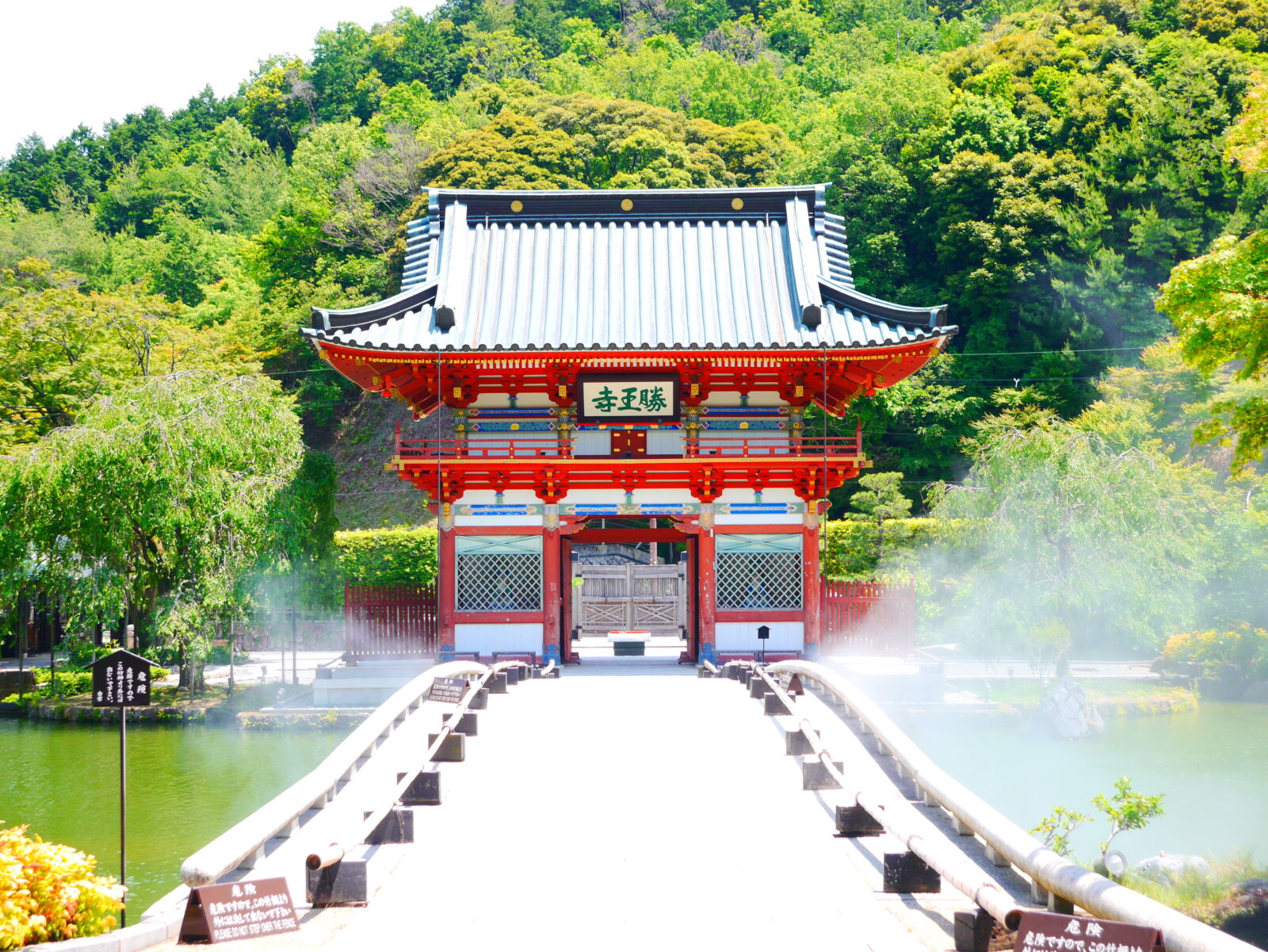
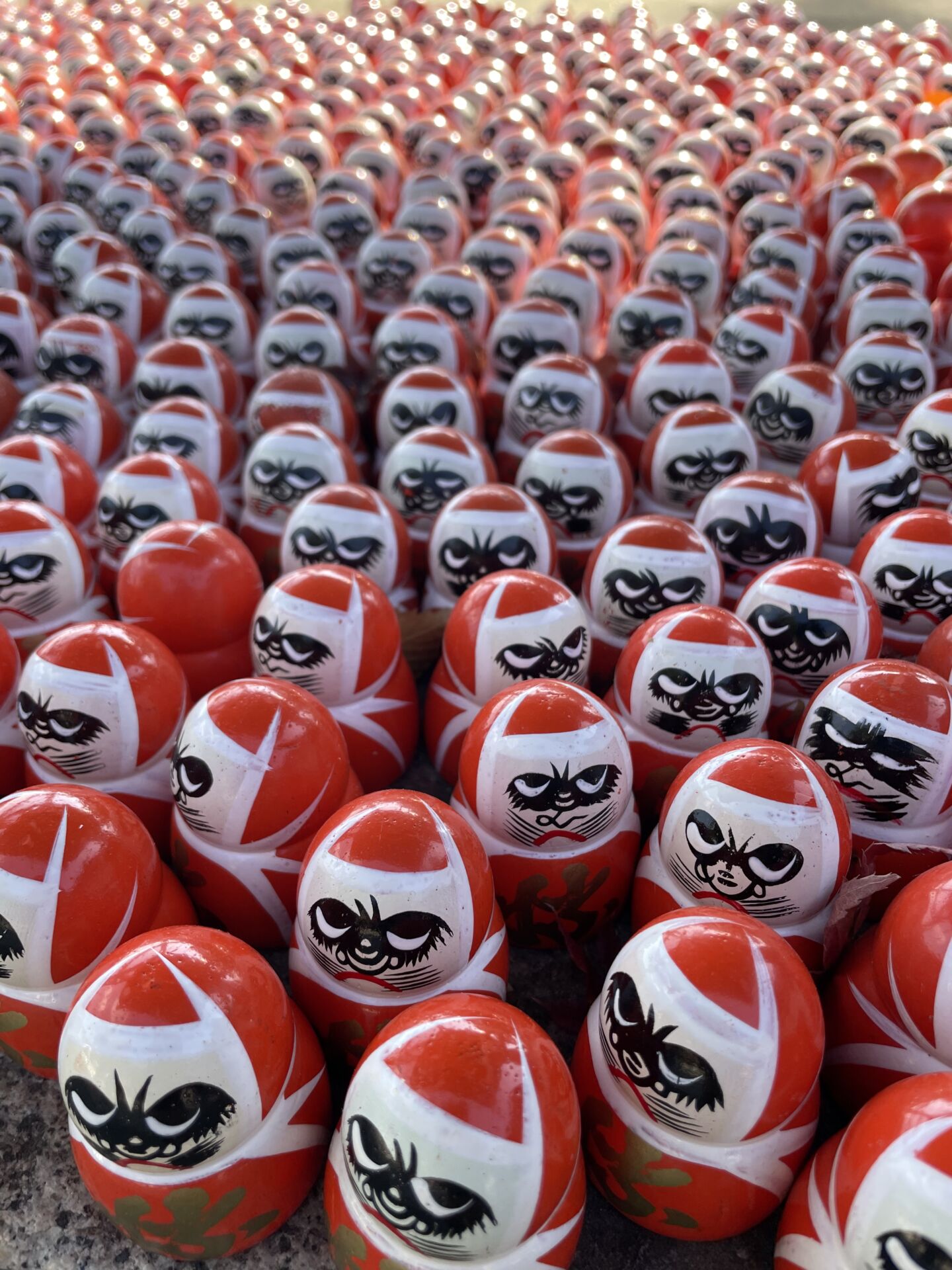
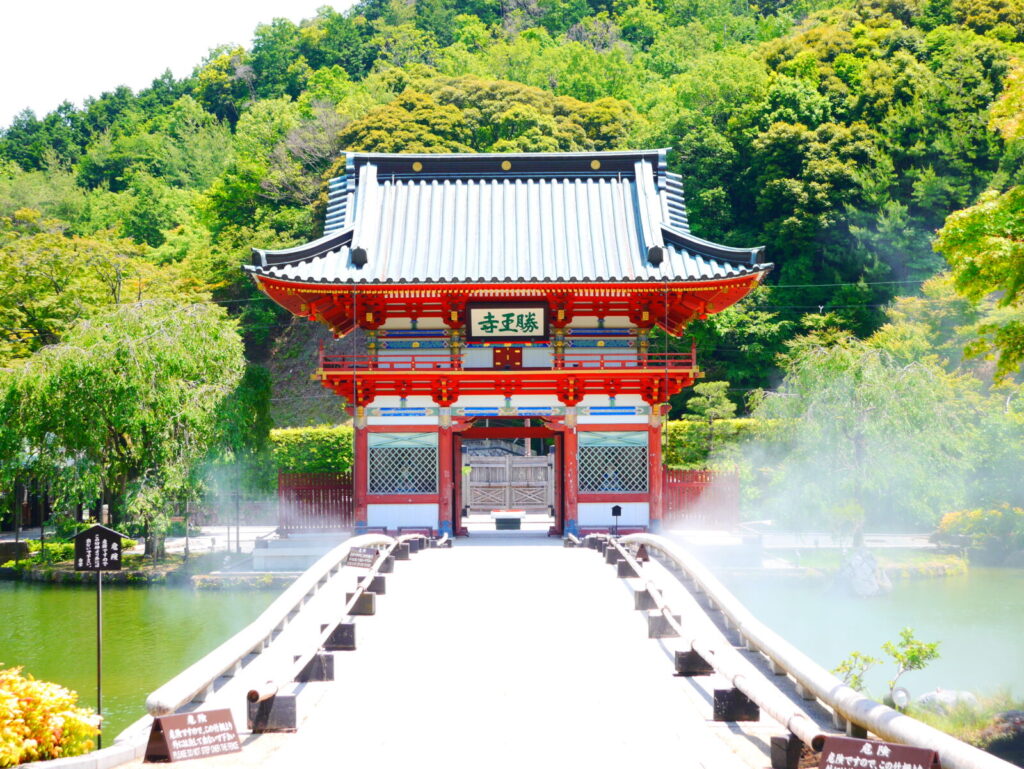
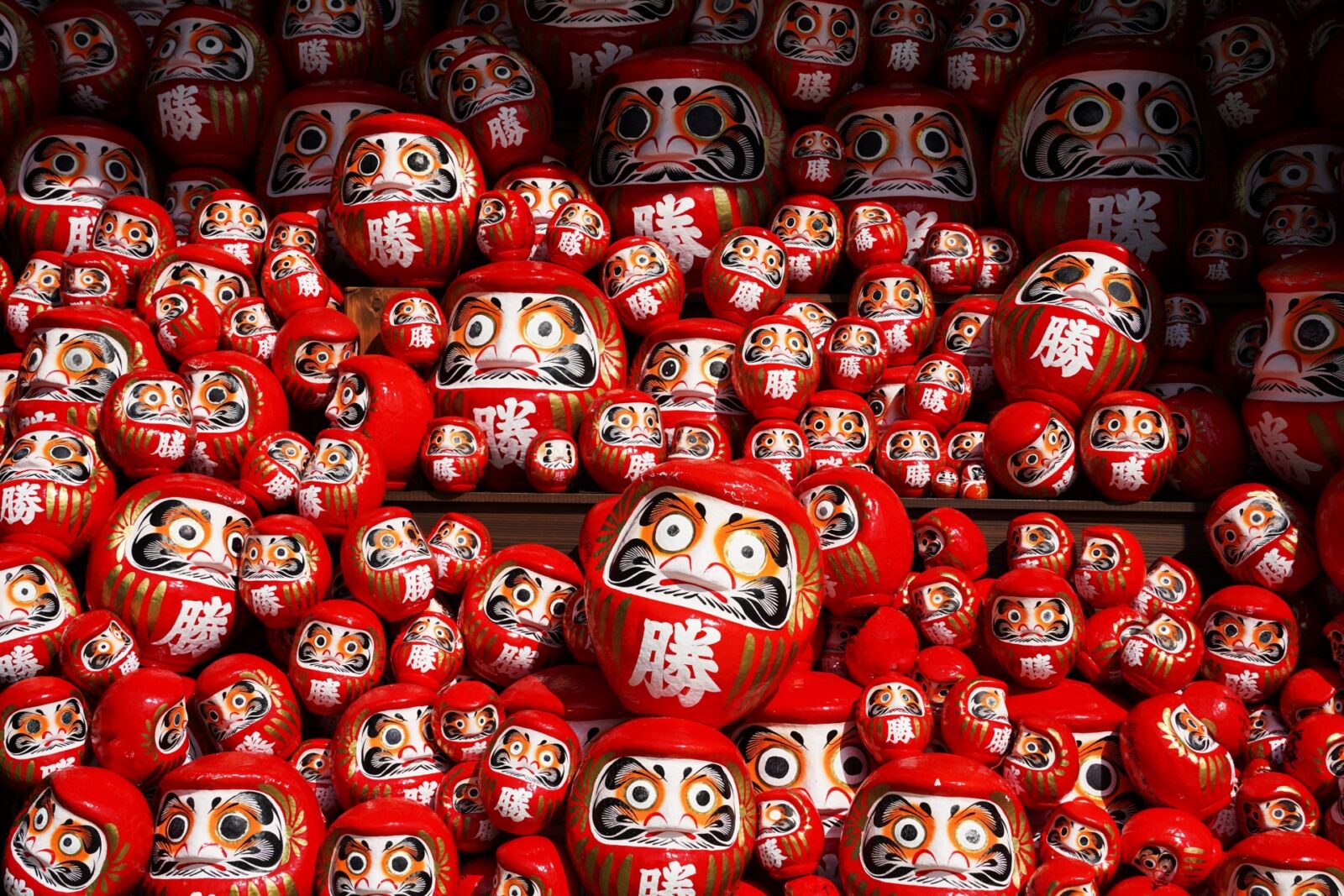
While Daruma dolls can be found in many places in Japan, at Katsuo-ji Temple in Osaka, the Daruma takes on a unique spiritual role. Known as the “Temple of Victory,” Katsuo-ji has been associated with success for over 1,300 years. Historically, samurai and military leaders prayed here before battle. Today, visitors come seeking victory in:
- Career goals
- Academic exams
- Personal challenges
- Life transitions
Throughout the temple grounds, thousands of Daruma dolls are placed as offerings — some tiny and playful, others solemn and weathered by time. The effect is striking. It feels both spiritual and strangely joyful.
Victory here isn’t about defeating others.
It’s about overcoming yourself.
Buying a Daruma at Katsuo-ji
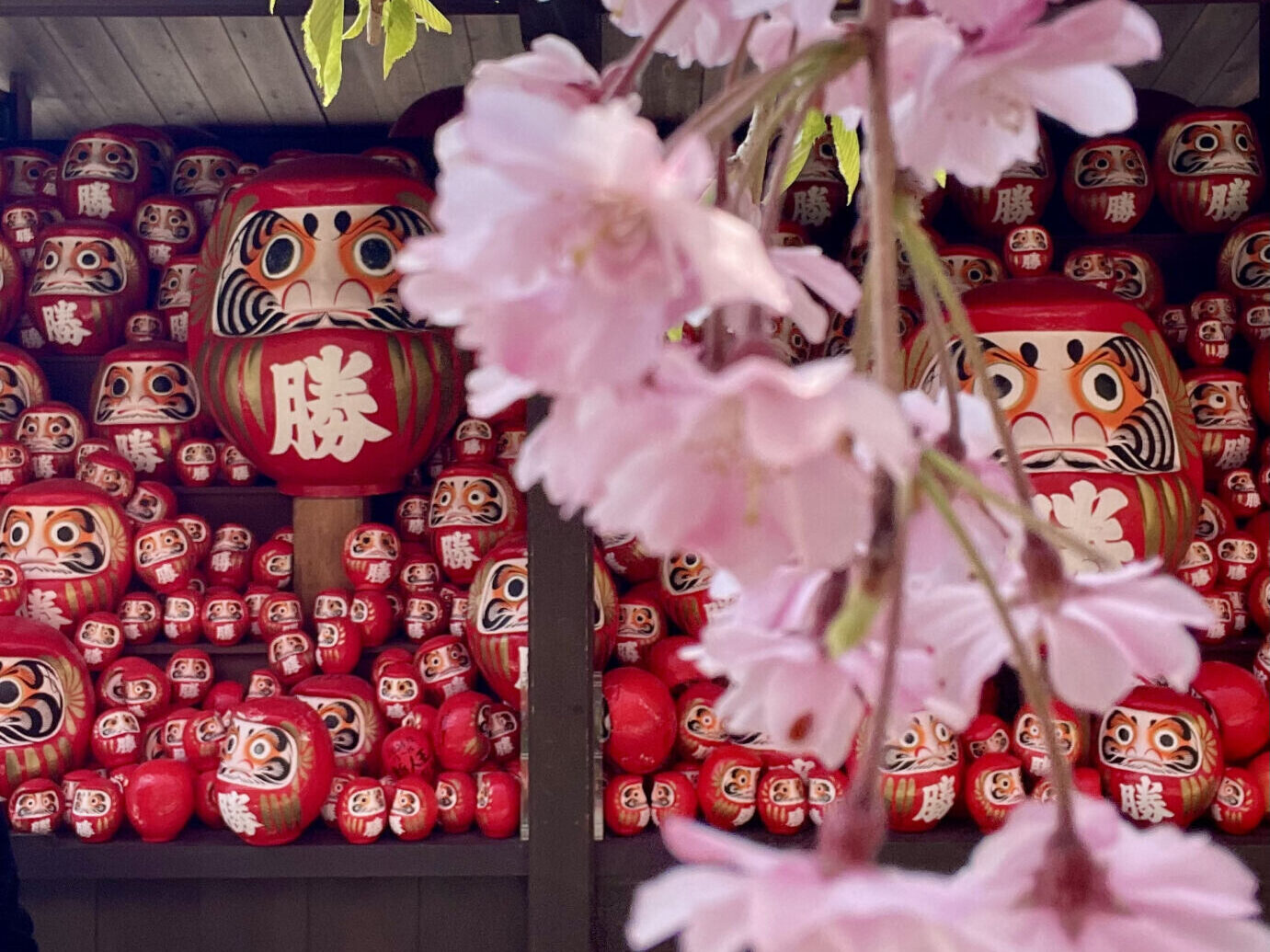
One of the most memorable parts of visiting Katsuo-ji is choosing your own Daruma.
Prices range from approximately:
- ¥500 for small handheld Daruma
- Up to ¥200,000 for large ceremonial Daruma
Most visitors choose something in the ¥1,000–¥5,000 range.
You have two options:
- Leave it at the temple once your goal is fulfilled, as a gesture of gratitude.
- Take it home as a visible reminder of your commitment.
Many guests tell us that selecting their Daruma becomes a surprisingly personal moment. It forces you to ask:
“What am I actually working toward?”
That reflection is part of the experience.
Explore Katsuo-ji & Minoh with a Local Guide
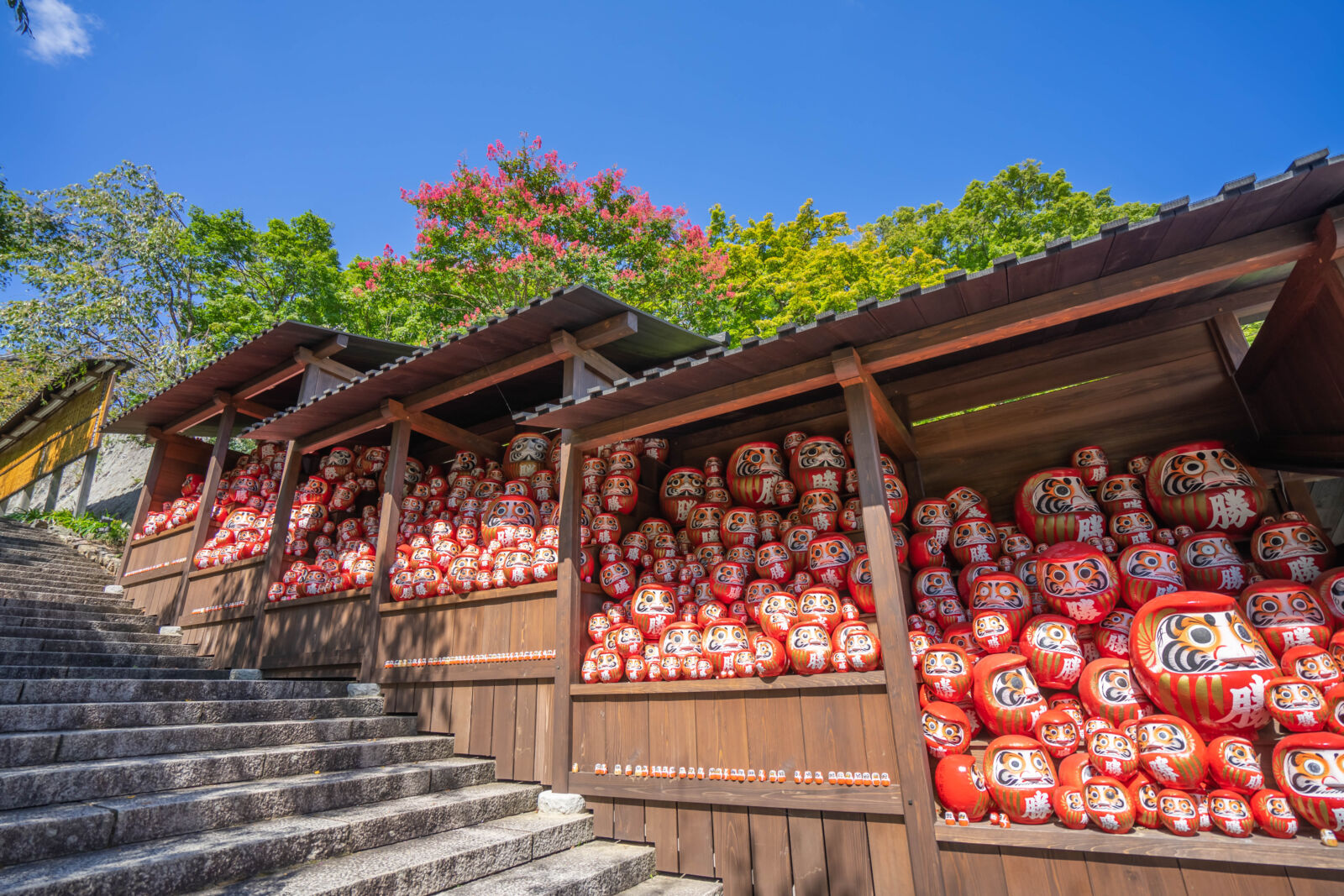
Visiting Katsuo-ji is visually impressive on its own. But understanding the deeper meaning behind the Daruma ritual, the temple’s connection to victory, and its roots in Shugendo mountain practice transforms the experience.
Our guided day trip combines spiritual history with natural beauty — just 30 minutes from central Osaka.
On this experience, you will:
- Explore the Daruma-filled temple grounds of Katsuo-ji
- Learn how the Daruma ritual works — and how to set your own intention
- Discover the temple’s 1,300-year association with perseverance and success
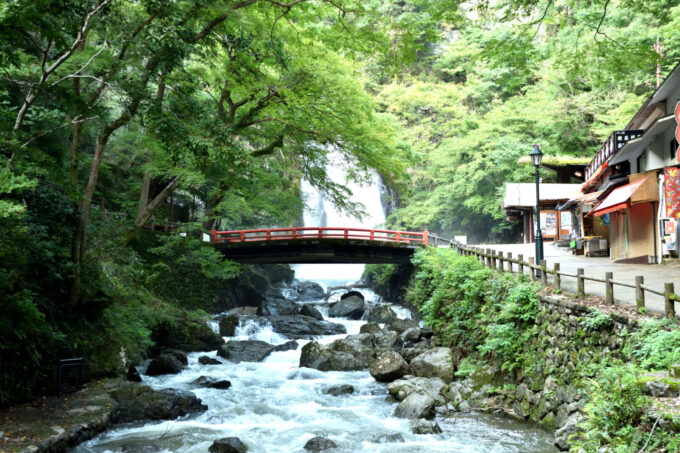
- Walk scenic forest trails through Minoh Park
- Visit the 33-meter Minoh Falls
- Try local specialties like momiji tempura
This is one of the most unique and reflective day trips in the Osaka region — blending culture, mountain landscapes, and a peaceful escape from the city’s neon energy.
Private tours are also available upon request.
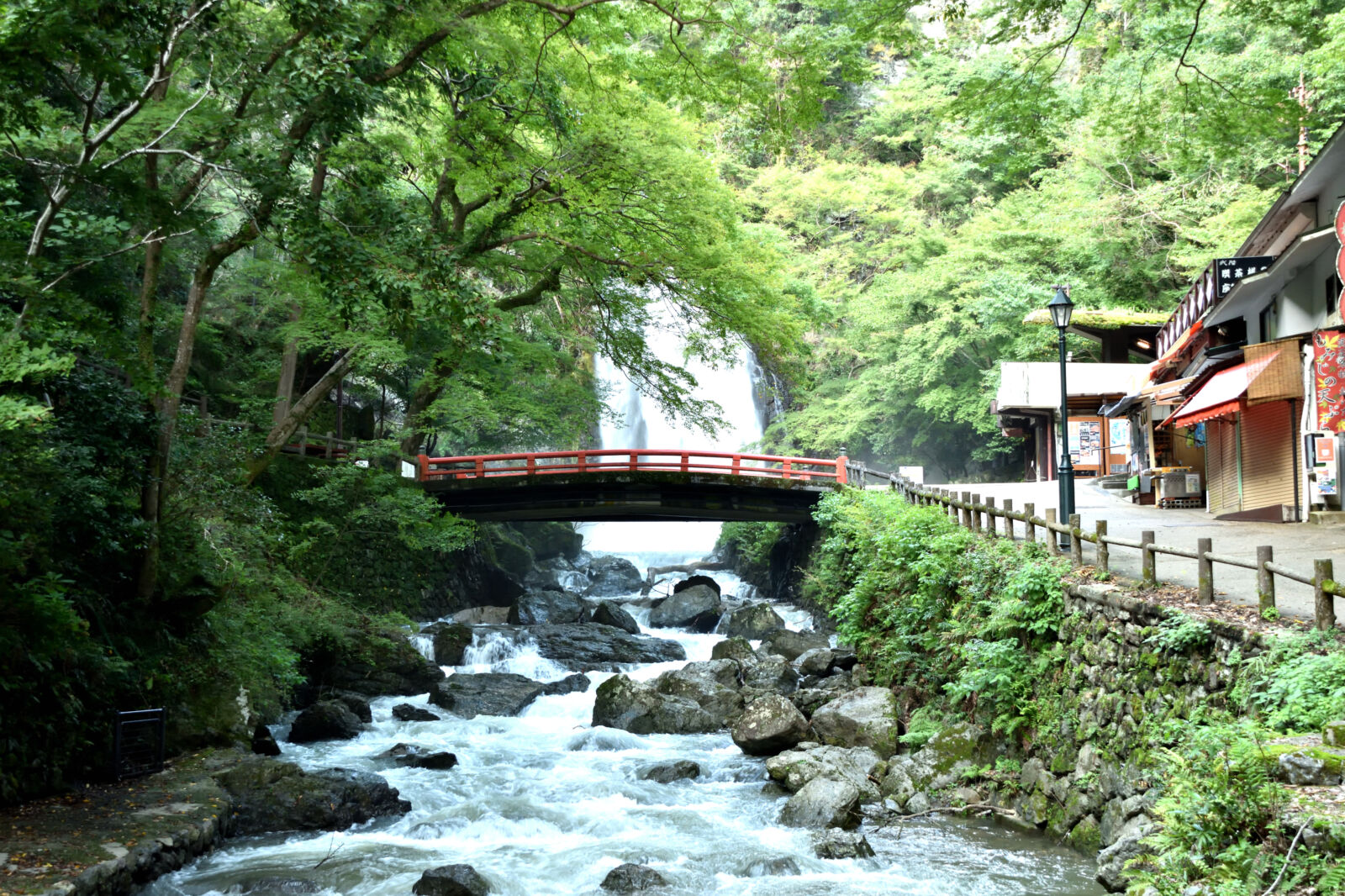
This tour showcases a side of Osaka that few visitors experience—one filled with serene landscapes, cultural treasures, and a touch of adventure. Join us for an unforgettable journey that reveals Osaka’s natural beauty and peaceful spirit.
Booking is as easy as clicking the link above and selecting your preferred date! If you would prefer, a private tour can also be arranged - please click the 'Inquiry' button below and we will get back to you as soon as possible!
Planning Your Osaka Trip?
If you’re still shaping your itinerary, start with our 7-Day Kansai Japan Highlights Itinerary, combining Kyoto, Osaka, and Nara into a balanced first visit.
For inspiration and practical ideas, explore:
- 40 Things to Do in Kyoto, Nara, and Osaka
- Best Tours in Osaka
- Cherry Blossoms in Osaka
- Top 10 Sake Breweries to Visit in Kansai
- Tattoo-Friendly Onsen and Sentos in Osaka
- Where to Stay in Osaka
Whether you’re visiting for history, food, seasonal beauty, or cultural experiences, we’re here to help you go beyond the surface.
Frequently Asked Questions
What do Daruma dolls symbolize?
Daruma dolls symbolize perseverance, resilience, and the determination to achieve a goal. Inspired by Bodhidharma, the founder of Zen Buddhism, they represent the spirit of “fall down seven times, get up eight” (nanakorobi yaoki)
How does the Daruma eye ritual work?
When you purchase a Daruma, both eyes are blank. You set a specific goal and paint in one eye as a sign of commitment. Once the goal is achieved, you fill in the second eye in gratitude. The ritual turns intention into accountability.
Where can I buy a Daruma doll in Osaka?
One of the most famous places to purchase a Daruma in the Osaka area is Katsuo-ji, often called the “Temple of Victory.” The temple sells Daruma in a wide range of sizes and prices.
How much do Daruma dolls cost at Katsuo-ji?
Prices typically range from around ¥500 for small Daruma to as much as ¥200,000 for large ceremonial versions. Most visitors choose a mid-sized Daruma in the ¥1,000–¥5,000 range.
Do I leave my Daruma at the temple or take it home?
You can do either. Many visitors take their Daruma home as a daily reminder of their goal. Others return fulfilled Daruma to the temple as an offering of gratitude once their wish has been achieved.
Why is Katsuo-ji known as the Temple of Victory?
Katsuo-ji has been associated with success for over 1,300 years. Historically, military leaders prayed here before battle. Today, visitors seek victory in exams, careers, personal goals, and life transitions.
Can I visit Katsuo-ji and Minoh Falls in one day?
Yes, but it requires careful coordination of public transportation. Many visitors choose a guided tour to combine the temple with a scenic walk through Minoh Park and a visit to Minoh Falls in one seamless day.
Are Daruma dolls only for religious people?
Not at all. While rooted in Buddhist tradition, Daruma are widely used as cultural symbols of goal-setting and perseverance. People of all backgrounds use them as motivational tools.