



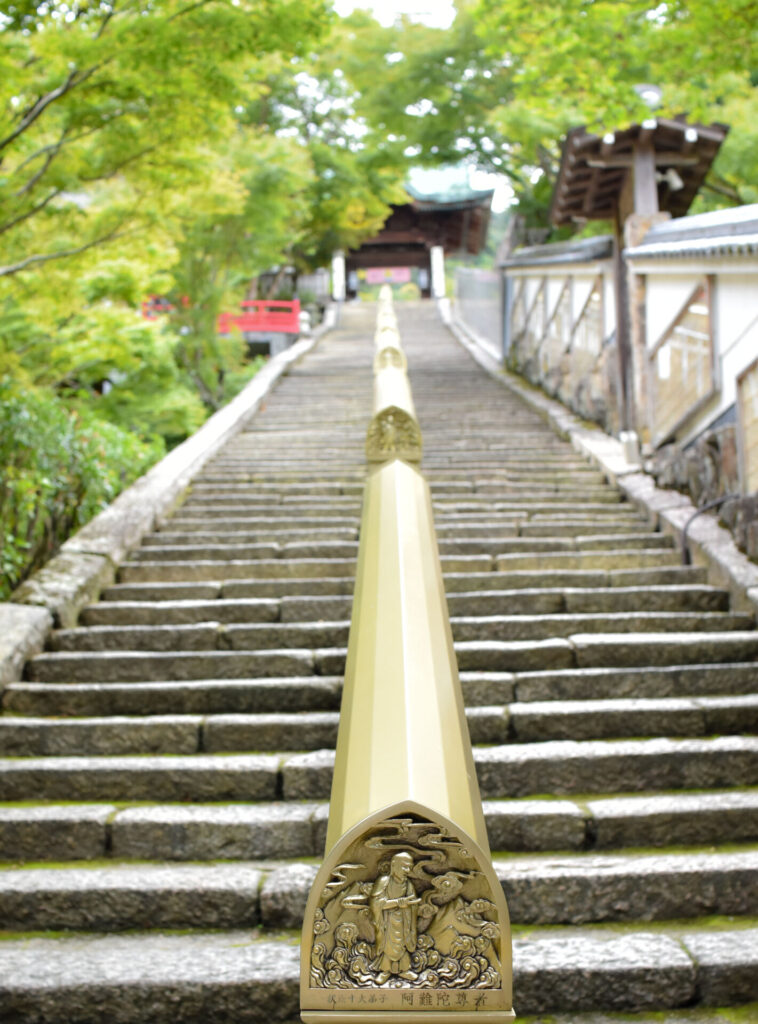
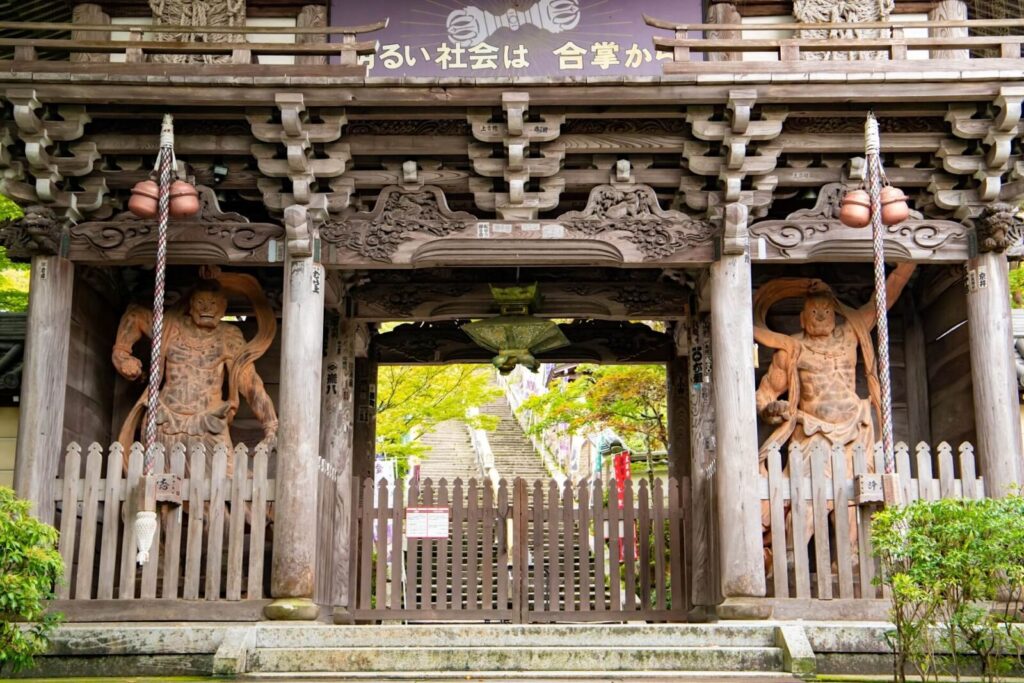
Entry to Daisho-in Temple is free, though there is a box located at the second entrance in which visitors can place donations. It is important to note that the temple grounds have multiple stairs and might be inaccessible for people with limited mobility. More information about the location, history, and sightseeing spots within the temple can be found below.
Where is Daisho-in Temple?
As was previously stated, Daisho-in temple is located on the island of Miyajima. The temple lies at the base of Mount Misen and about a 5-minute walk away from Itsukushima Shrine. There are two streets behind Itsukushima Shrine which lead directly to it.
History of Daisho-in Temple
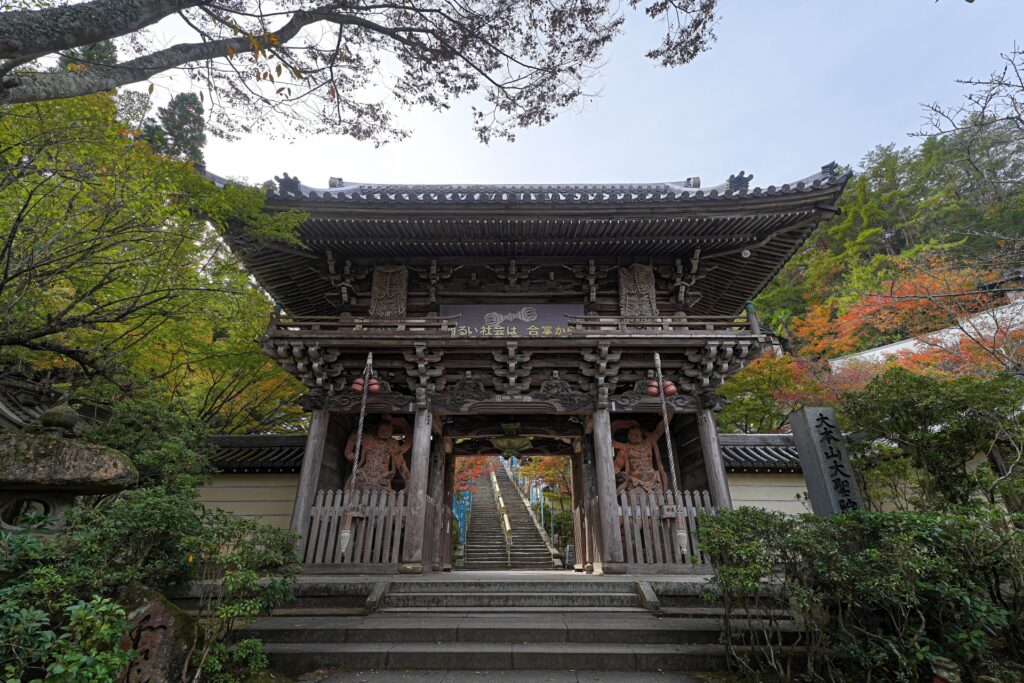
Daisho-in Temple was founded in the year 806 by a monk named Kūkai (posthomously called Kōbō Daishi). It is the oldest Buddhist temple on the island and belongs to the Shingon sect of Buddhism which was brought over to Japan by Kūkai himself. The temple enshrines multiple deities such as Kannon, the Goddess of mercy and Compassion, Fudo Myo-o, one of the Five Wisdom Kings, and the Sanki Daigongen, the three guardians of the mountain.
In the early 9th century Kūkai arrived at Miyajima and identified Mount Misen as a place of high spiritual energy. For 100 days he conducted rigorous training on the mountain, and built a hall near its summit. These were the beginnings of the Daisho-in Temple and the reason that it is located at the base of Mount Misen.
Sightseeing Spots Within the Temple
There are many stunning sights all throughout Daisho-in Temple, and we recommend exploring as much as you can when visiting. Below is a list of some, but not all, of the most unique and breathtaking sightseeing locations within the temple grounds which we hope you don't miss.
500 Rakan Statues
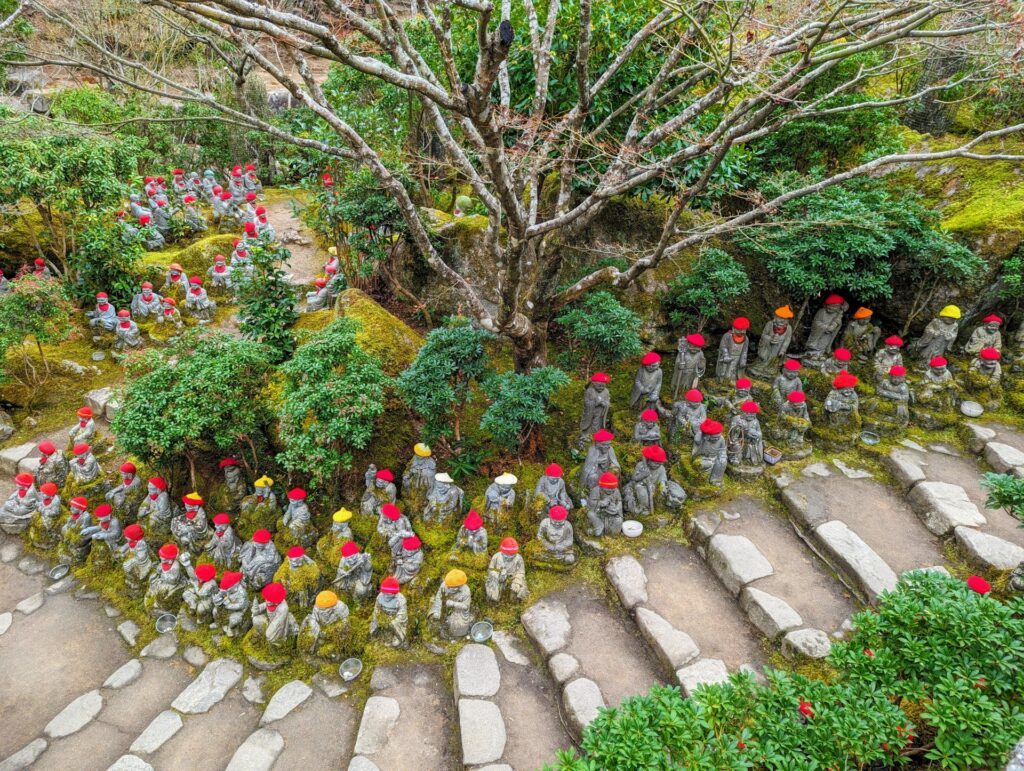
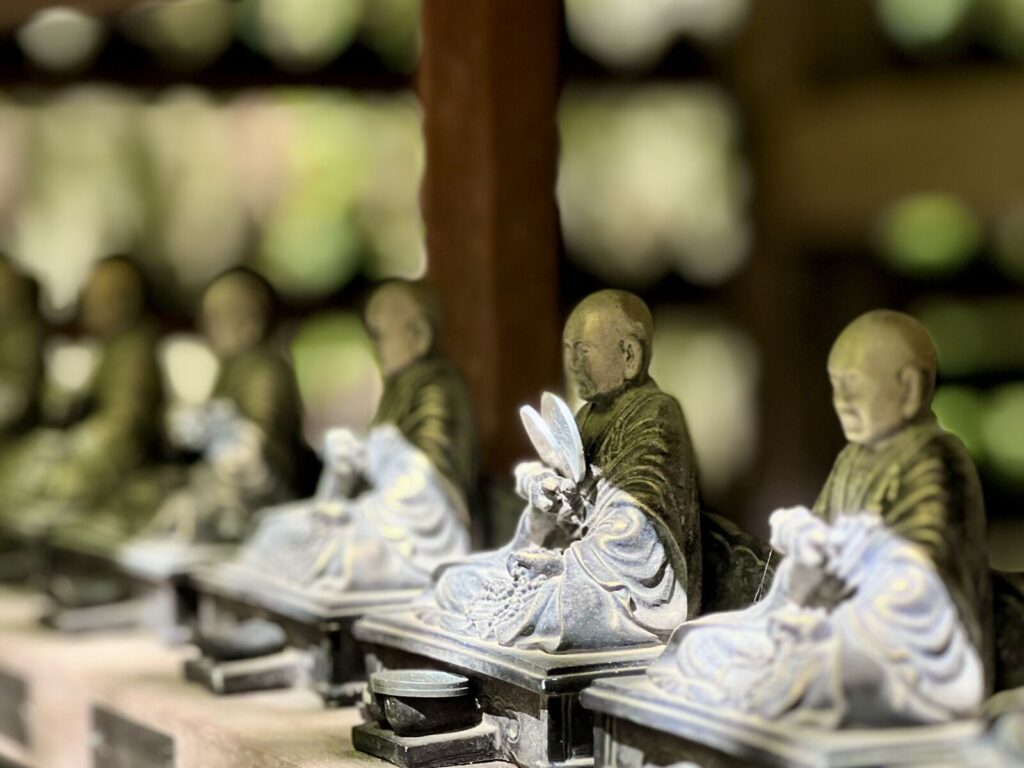
These 500 statues are Rakans, the enlightened disciples of Buddhas. They can be found next to the main staircase leading towards the Daisho-in Temple grounds. Once you cross the main gate of the temple, and before ascending the steps, you can turn left to find the entrance to the path. The colorful hats worn by the statues make for a beautiful sight.
Henjokutsu Cave
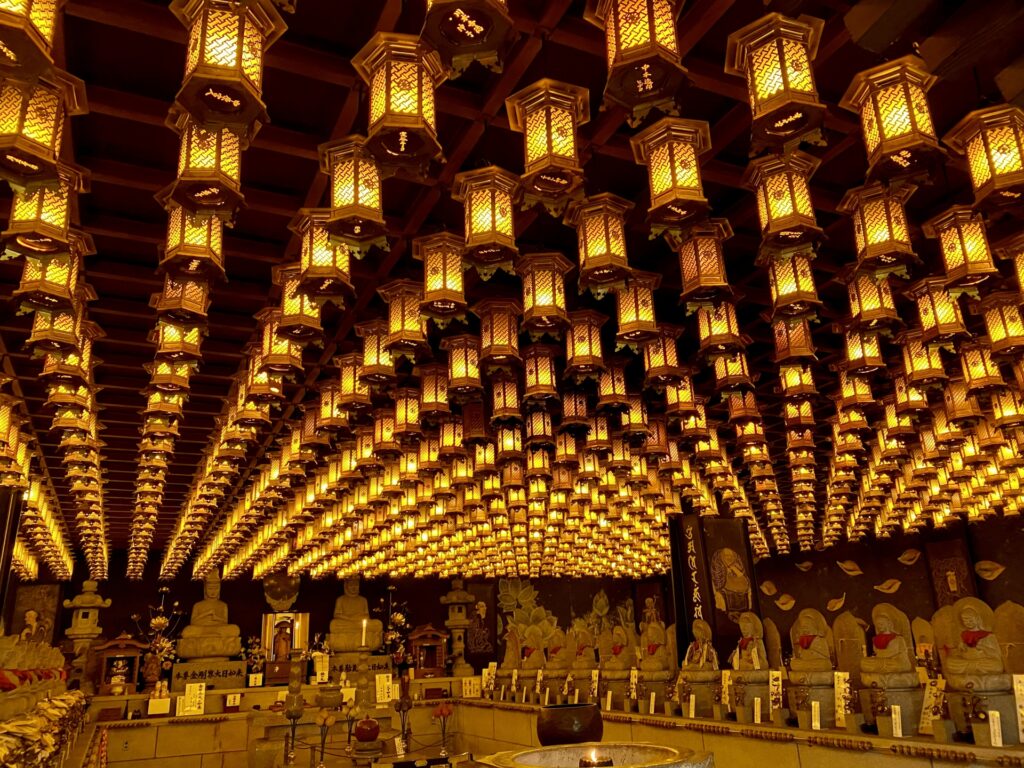
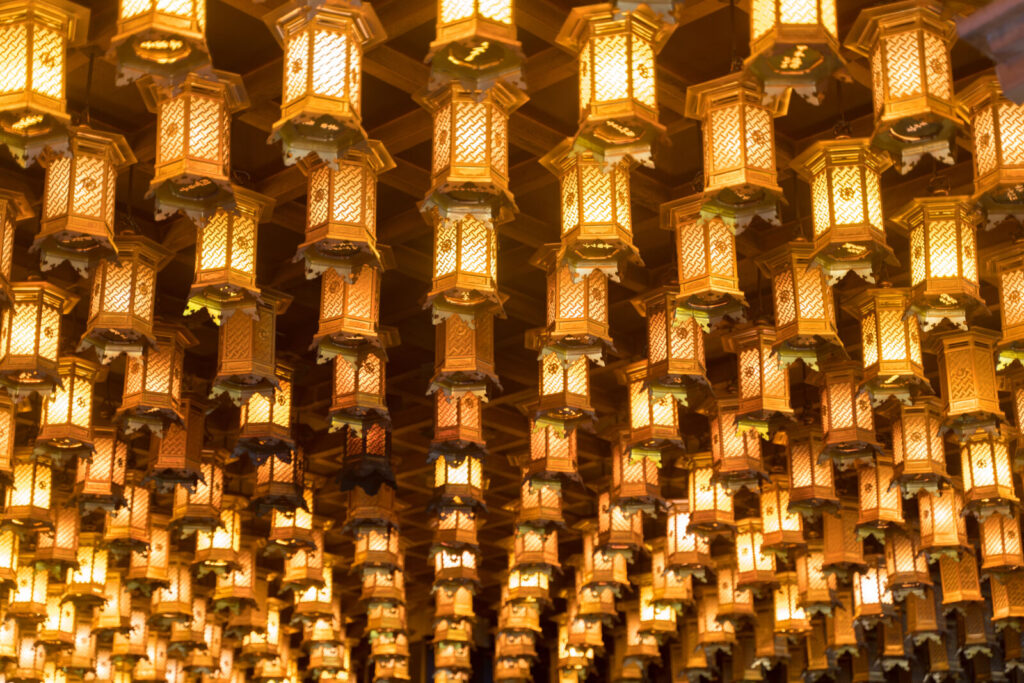
Deep within the temple grounds and below the Daishi-do Hall lies the otherworldly Henjokutsu Cave. Within it one can find 88 statues which represent the temples of the Shikoku 88 Pilgrimage. These are temples on the island of Shikoku which it is believed Kūkai visited during 9th century. The ceiling of the cave is covered in lanterns which create a unique atmosphere. This is our most recommended location within the temple grounds.
Mizukake Jizo
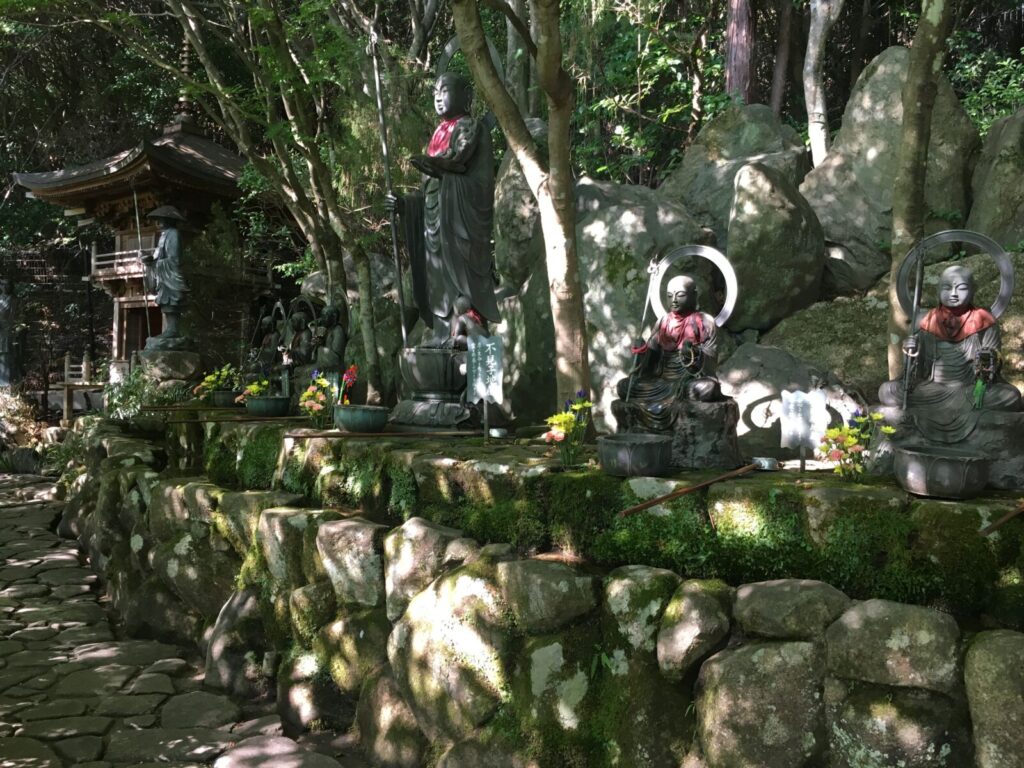
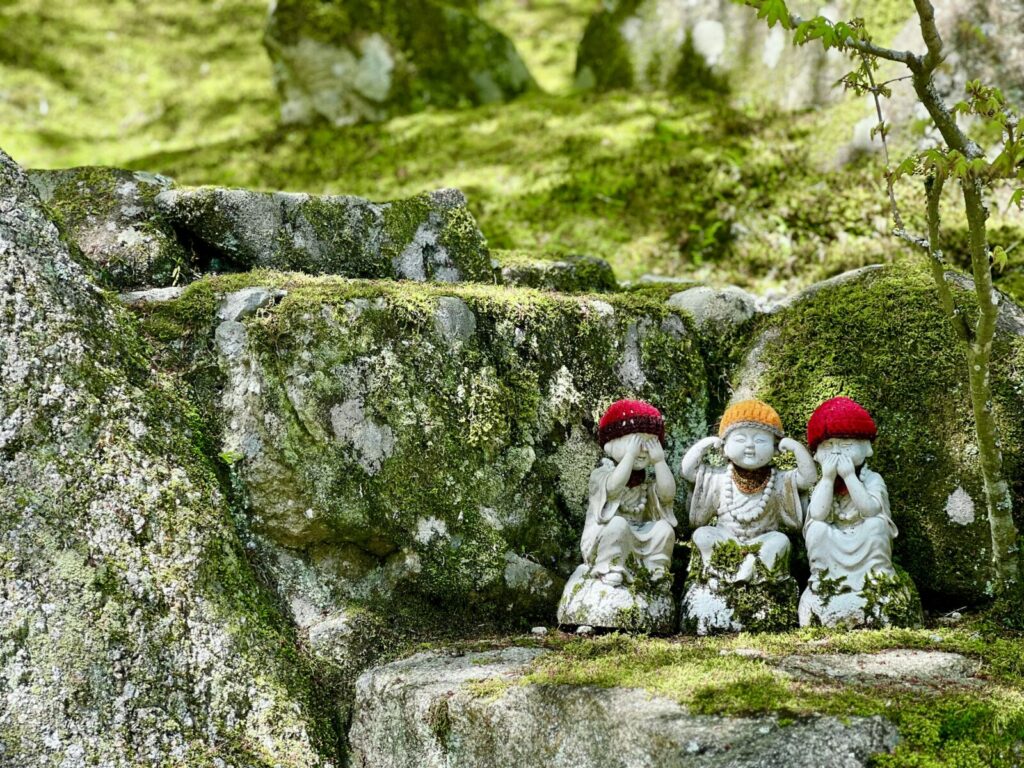
Jizo's are the guardian deities of children and travelers and their statues can be found in many temples throughout Japan. However, these particular Jizo are special, as visitors are supposed to pour water over the statue's heads as a way to console the souls of the children who have passed away. These type of Jizo are usually called "Mizukake Jizo" and they are not very common around Japan, so definitely pay them a visit when exploring the temple.
Fire Walking Ceremony
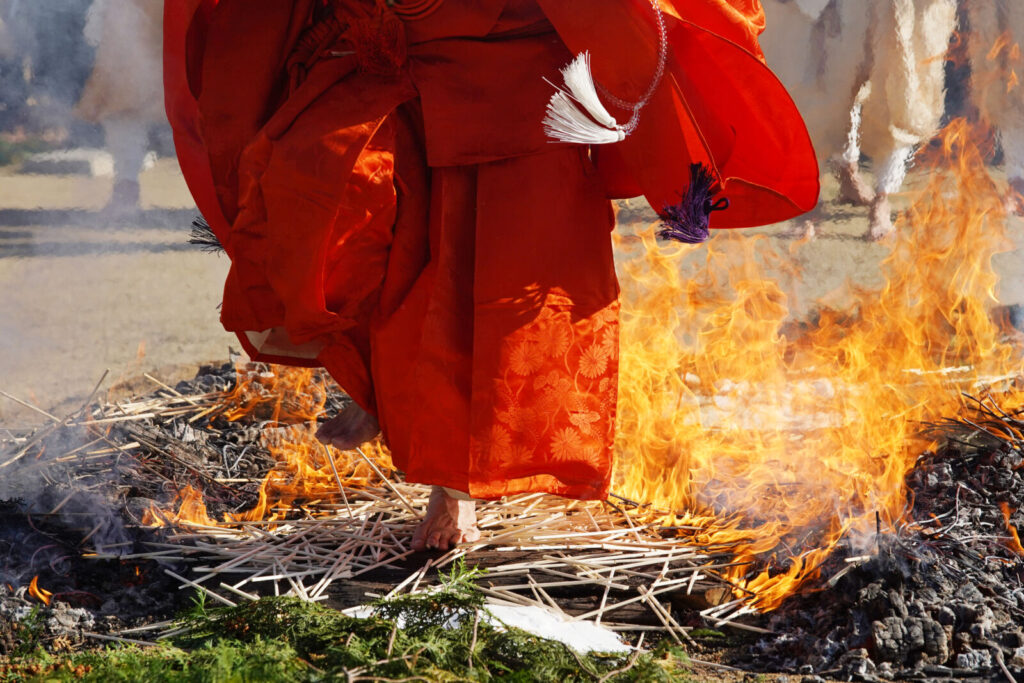
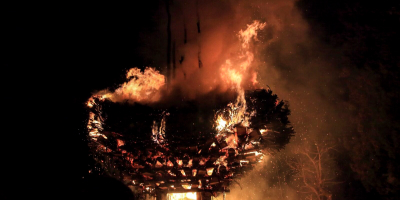
Twice a year, once in April and once in November, Daisho-in Temple celebrate the Fire Walking Ceremony. This religious ritual is unique to the Shingon sect of Buddhism and involves burning wooden prayer sticks using coal and walking over the resulting fire. The burning of the sticks symbolizes the destruction of negative energies while the walking over fire is seen as a way to purify oneself. Anyone who visits the temple on the day of the ceremony can participate for free.
When is the Best Time to Visit Daisho-In Temple?
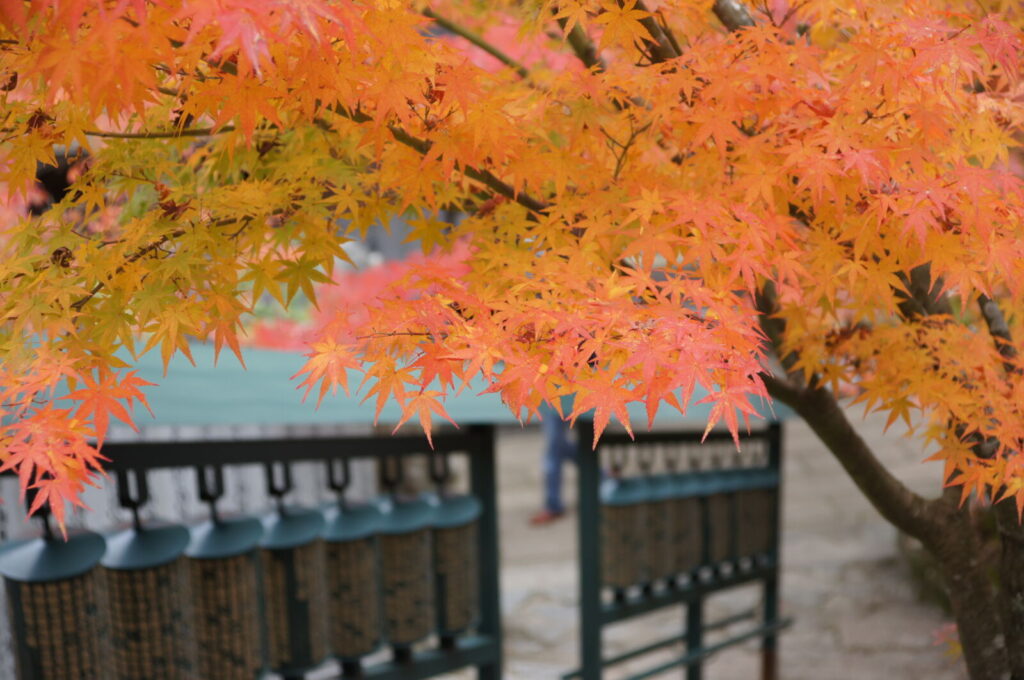
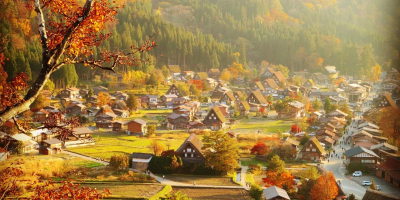
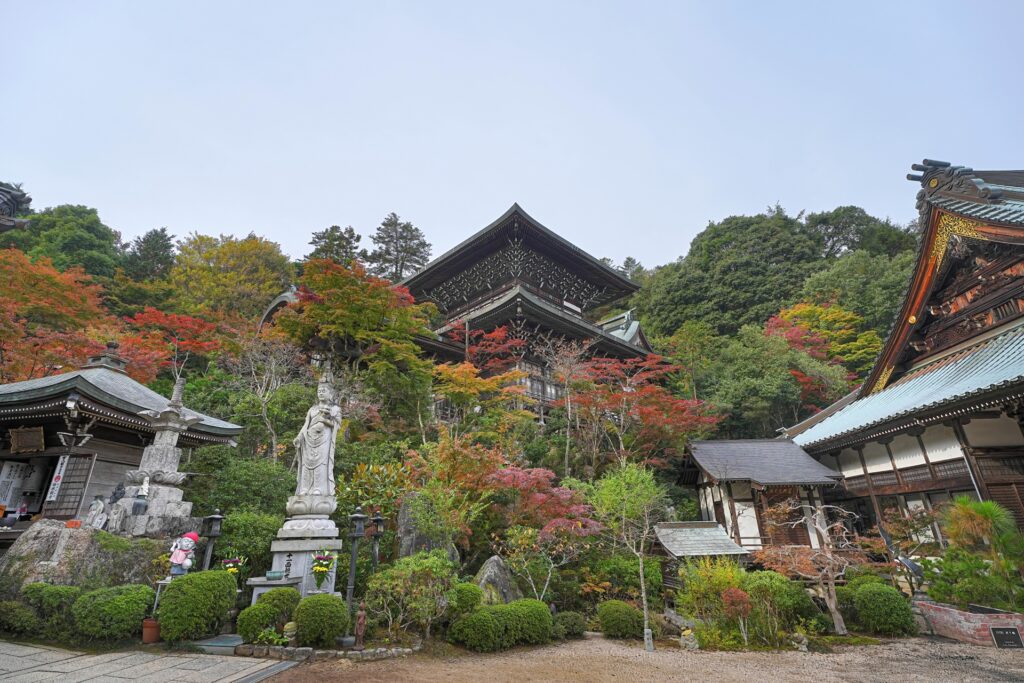
The best time to visit Daisho-in Temple is undoubtedly during the autumn season, particularly in late November and early December. The temple grounds are completely covered in Japanese maple trees, making it one of the best places to enjoy autumn colors on the island and in all of Hiroshima. The red, orange, and yellow of the leaves enhance the natural beauty of the temple and contrast perfectly with the dark browns and greens of Daisho-in Temple's halls.
Our "Autumn Leaves in Hiroshima" page includes additional information about the exact timing of the leaves changing color and also other places in which to best enjoy autumn leaves in the prefecture.
Tours Visiting the Temple
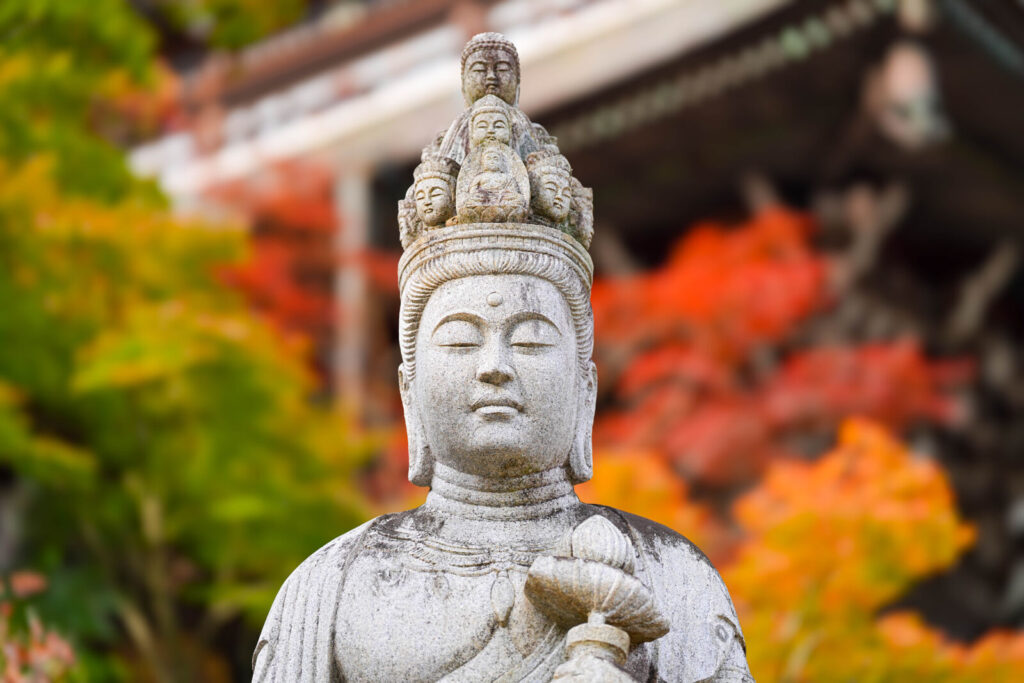
As Daisho-in Temple is such a beautiful and outstanding location, we have included it in all of our tours which visit the island of Miyajima. Most guided tours to the island usually only include a visit to the more well-known Itsukushima Shrine, so we recommend booking with us to get a more comprehensive and thorough experience on Miyajima. Take a look through the tours below and find the one which best fits your interests and itinerary.
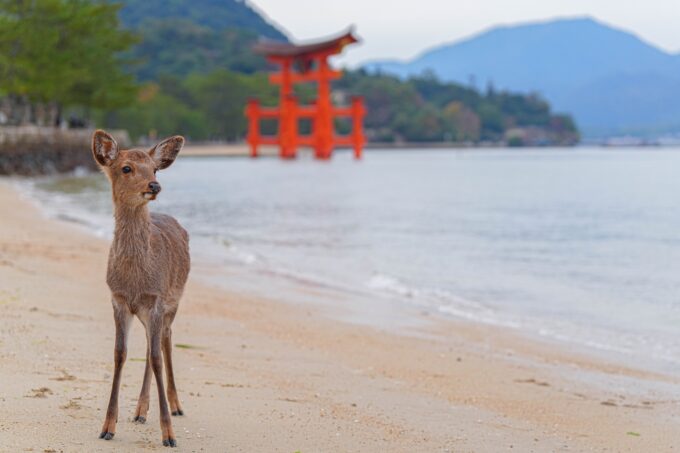
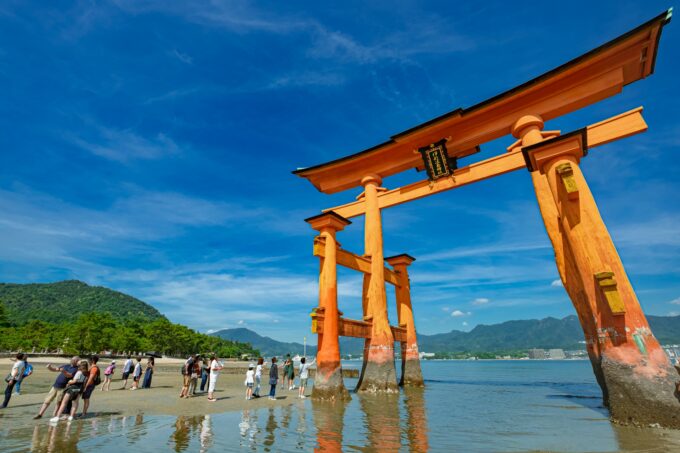
This 1-day Miyajima tour will allow you to spend a full day on the island and observe the "floating" shrine both at high tide and low tide. Other than visiting shrines and temples, you will also have the opportunity to ascend Mount Misen on the Miyajima Ropeway and take in the scenic view of the Seto Inland Sea from the mountain's summit. This is the best tour for those wanting to explore as much of the island as possible.
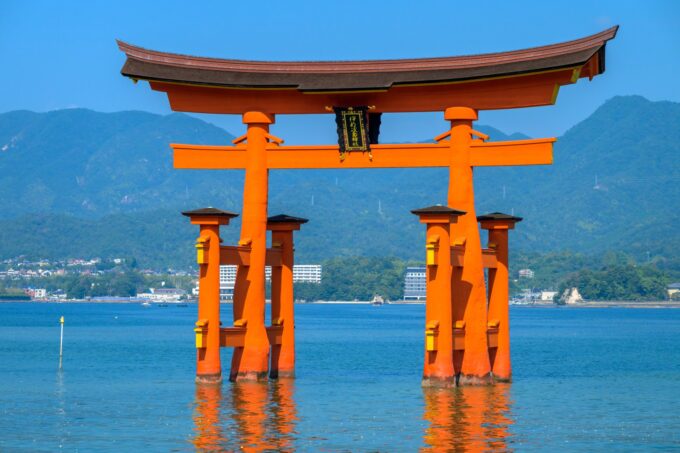
If you only have 1 day to explore all of Hiroshima, then our Hiroshima & Miyajima tour is the best option. On this tour, you will visit highlighted locations within the city such as Hiroshima Castle, the Atomic Bomb Dome, and the Peace Memorial Museum. You will then head to Miyajima on a special ferry departing from Peace Memorial Park and spend the entire afternoon on the island. This tour will help you make the most of your limited time in Hiroshima Prefecture.
This final tour is for travelers looking for a more unique adventure, as on it you will be able to visit not only Miyajima but also the city of Iwakuni which lies in an entirely different prefecture. This city is home to one of Japan's three most famous bridges, Kintaikyo Bridge. You will be able to admire and cross this bridge, as well as enjoy a short ropeway ride towards Iwakuni Castle. Later in the day, you will explore the island of Miyajima. This tour is the perfect way to make your visit to Hiroshima a little bit different than everyone else's.