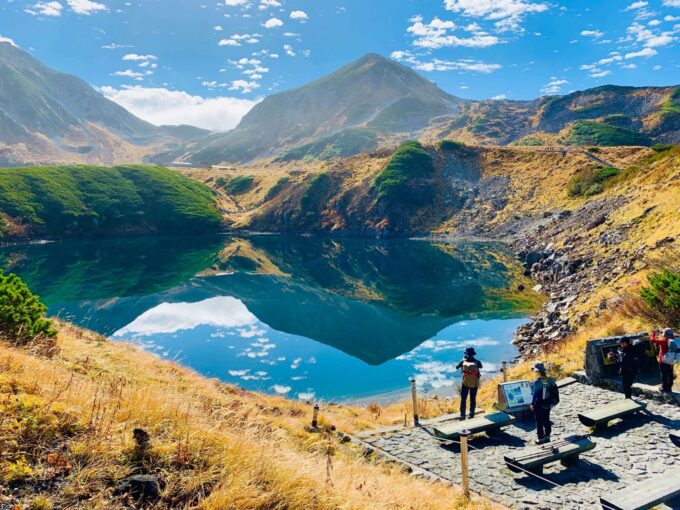


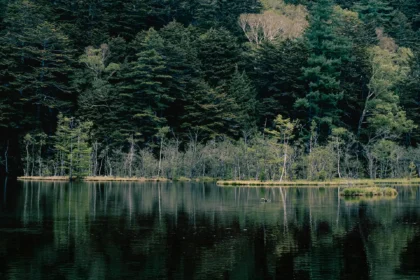
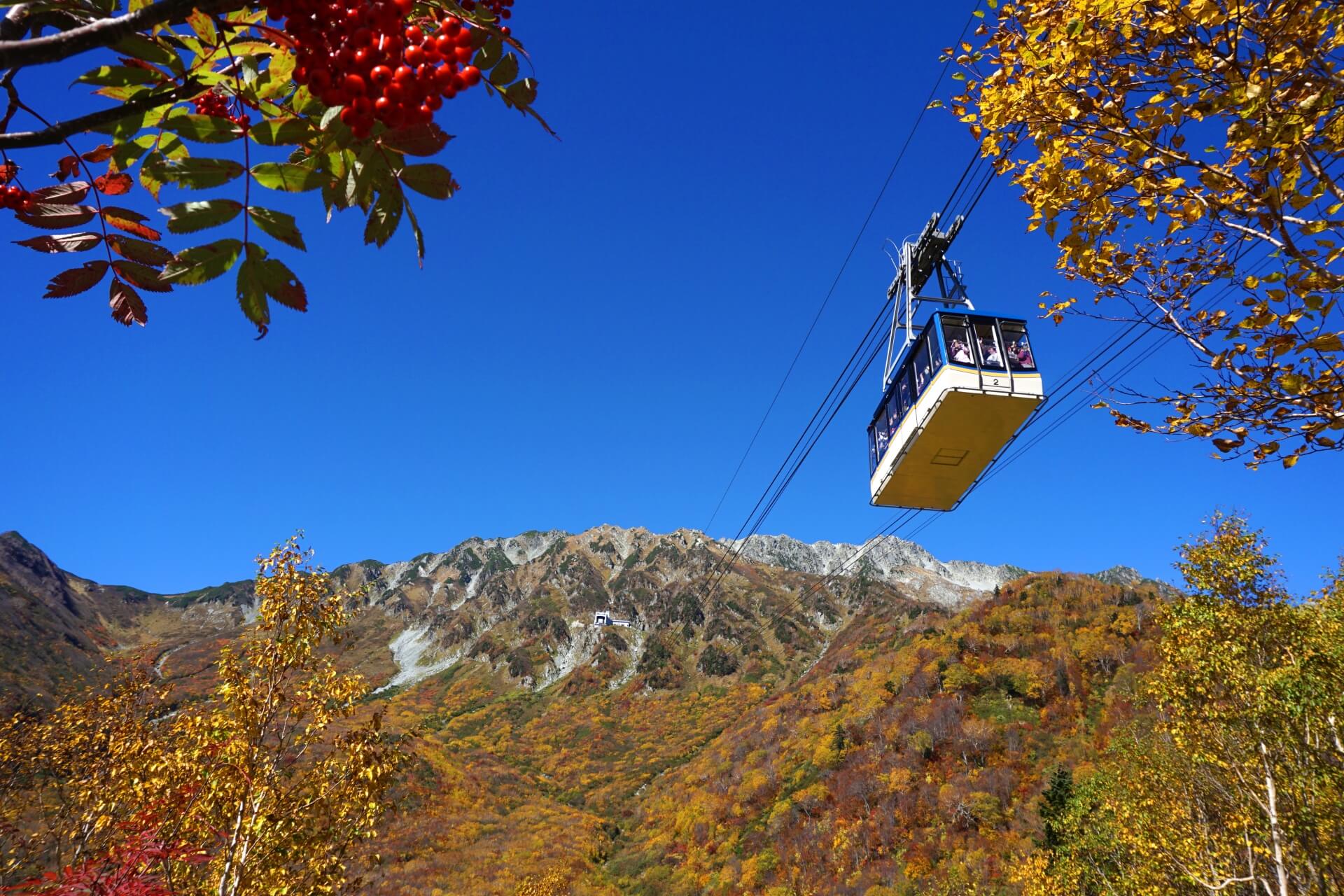
Daikanbo Station is a key stop on the Tateyama Kurobe Alpine Route, offering one of the most stunning panoramic views of the entire journey. Located on a steep cliffside, its observation deck provides a spectacular vista of the Northern Alps, Lake Kurobe, and the surrounding peaks. It's a popular spot for photographers and is the transfer point between the Tateyama Ropeway and the Tateyama Tunnel Trolley Bus.
A Short History
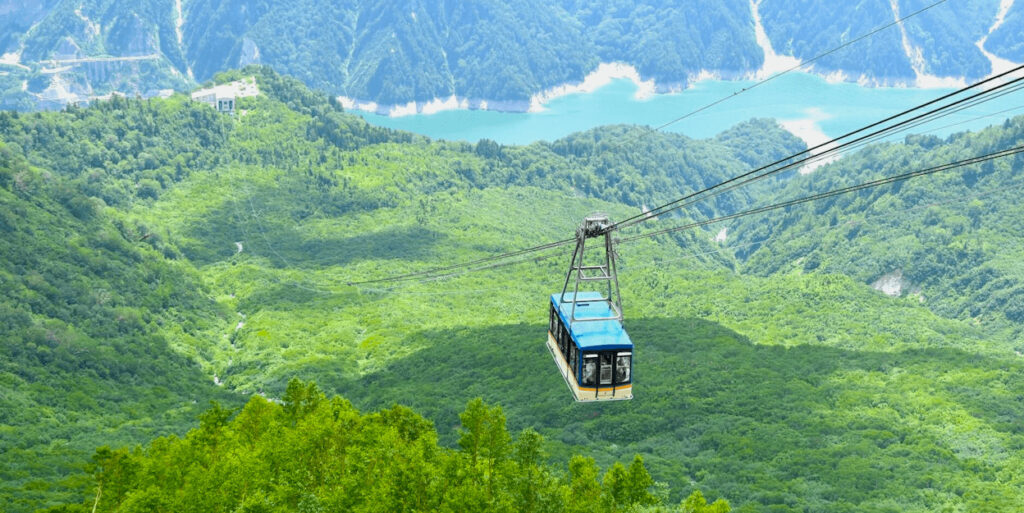
The name Daikanbo literally translates to "grand observation peak," which perfectly describes its purpose as a key viewpoint on the Alpine Route. The station itself was built on the side of a sheer cliff, with construction materials and equipment brought in by helicopter and an aerial lift. The geology of the area is part of the Tateyama-Kurobe Geopark, characterized by a dramatic 4,000-meter elevation difference from the peaks down to the Toyama Bay. The region's unique topography is a result of the rapid uplift of the Northern Japan Alps and the powerful erosive force of the Kurobe River.
Things to do at Daikanbo
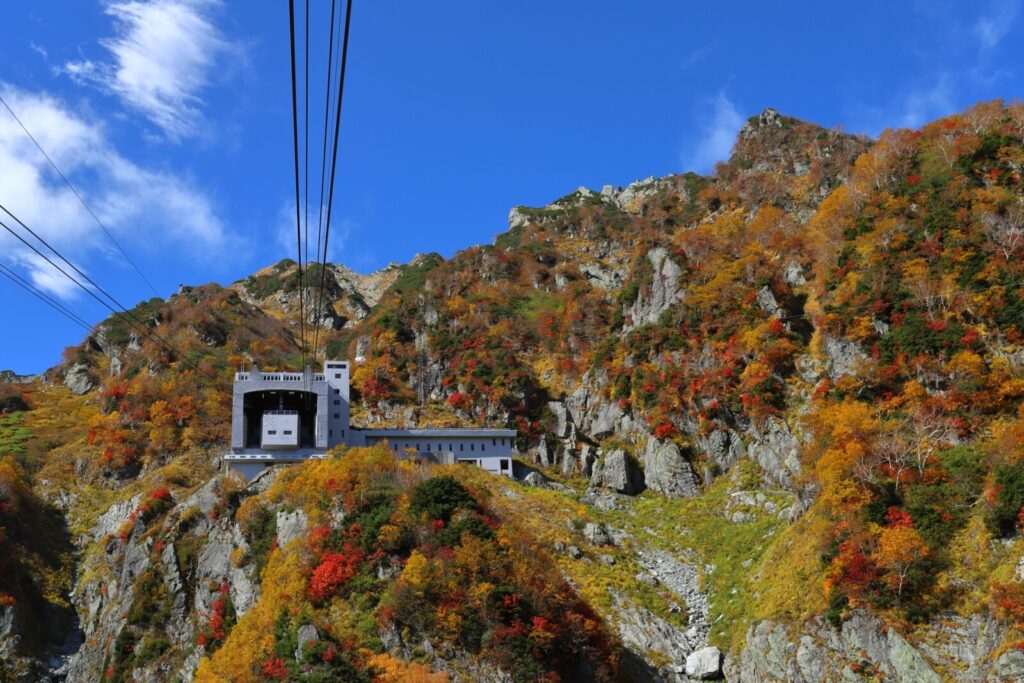
At Daikanbo, the main activity is enjoying the spectacular panoramic views from the observation deck, which overlooks the Northern Japan Alps and the stunning Lake Kurobe. Visitors can also board the famous Tateyama Ropeway from here, a thrilling, unsupported ropeway that offers a unique perspective of the mountains and valleys. Additionally, the station has a souvenir shop and a restaurant where you can purchase local snacks and enjoy the scenery.
Interesting Sites Around Daikanbo
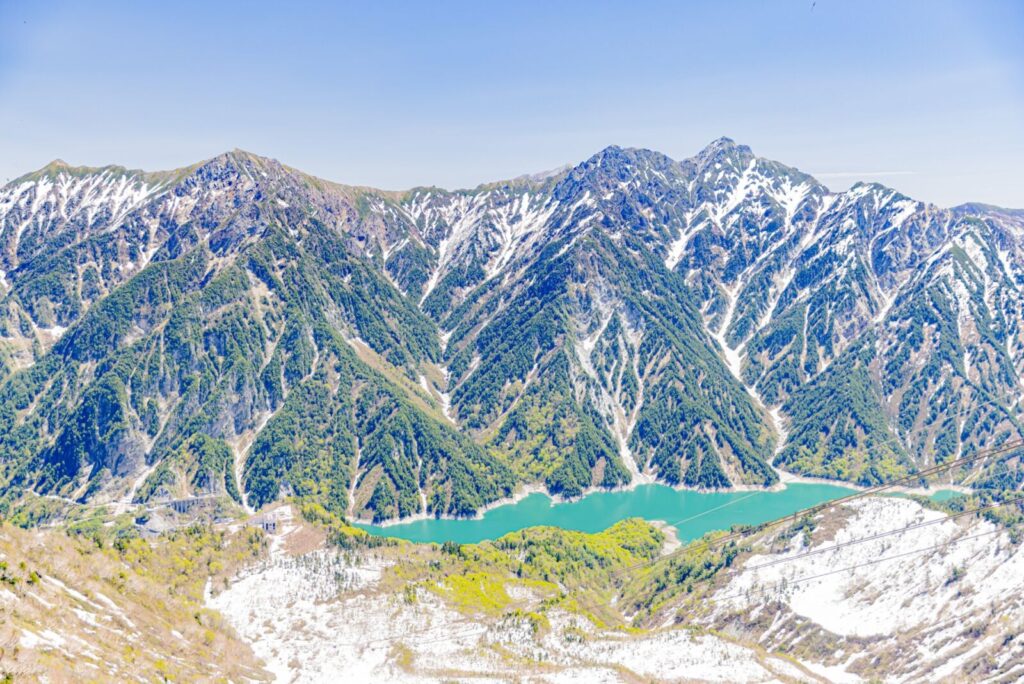
Aside from Daikanbo, the Tateyama-Kurobe Alpine Route is home to a number of other cool sights worth seeing. As you ascend, first stop at the Midagahara Wetlands to explore the nice hiking area. The top if the route is the Murodo Plateau to experience the "Roof of Japan." As you come down the Nagano side of the mountain through Daikanbo you'll finally reach the massive Kurobe Dam. It is an impressive feat of engineering that you can walk across to witness its famous discharge, an experience completely unlike anything else on the journey.
Visiting Daikanbo
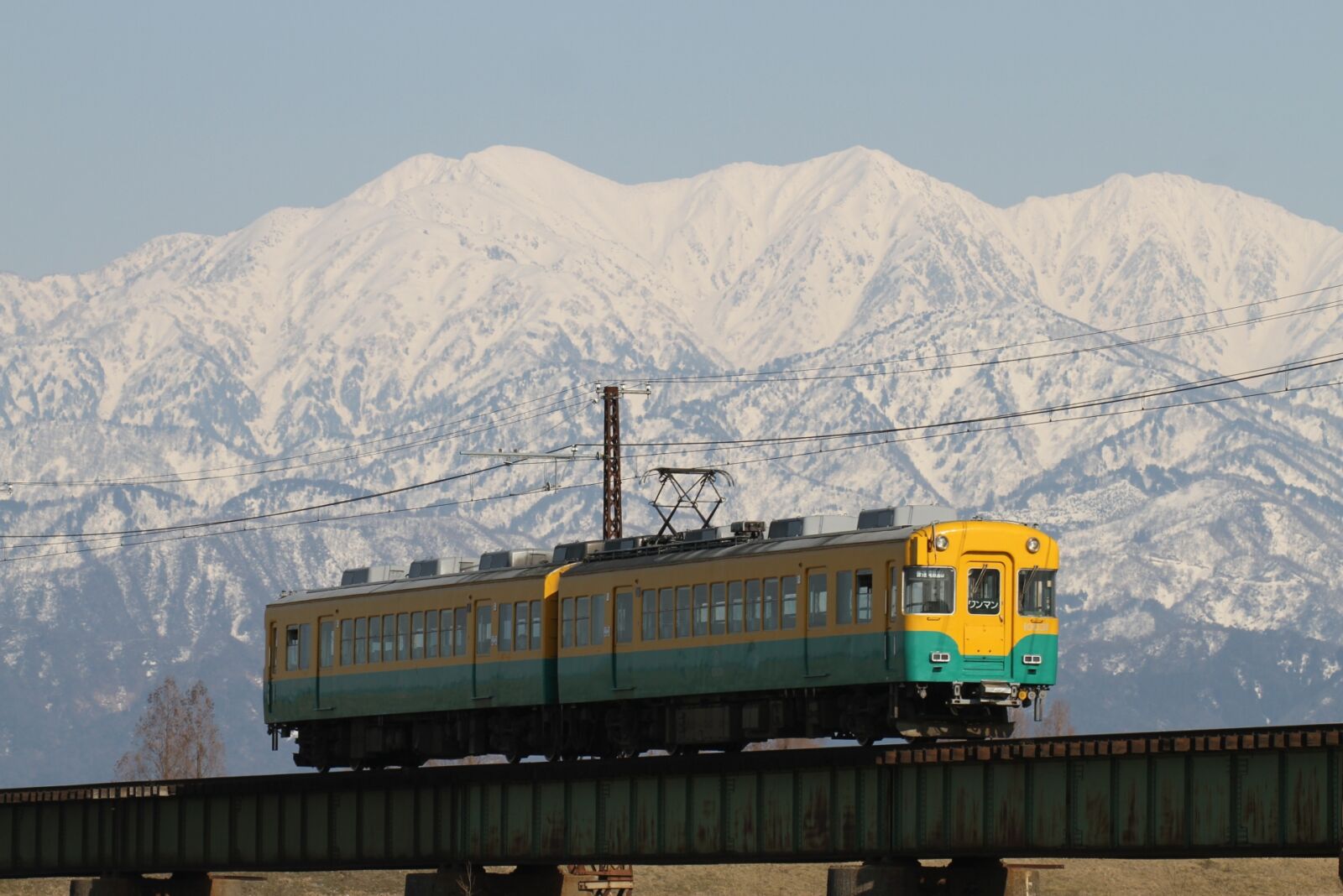
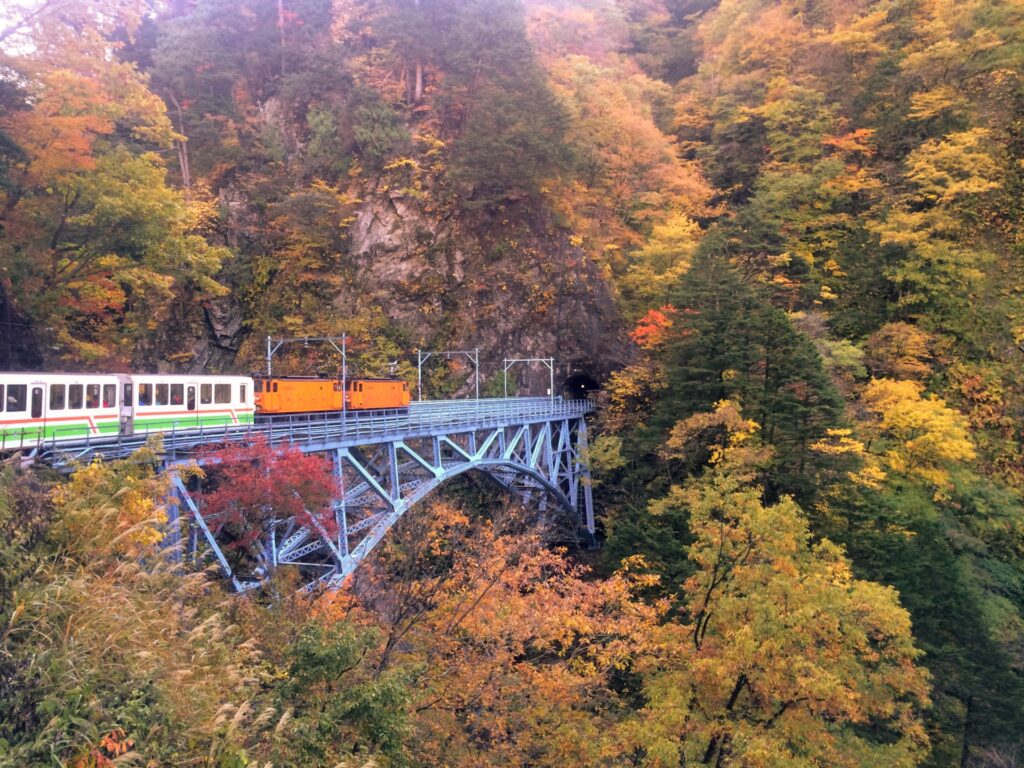
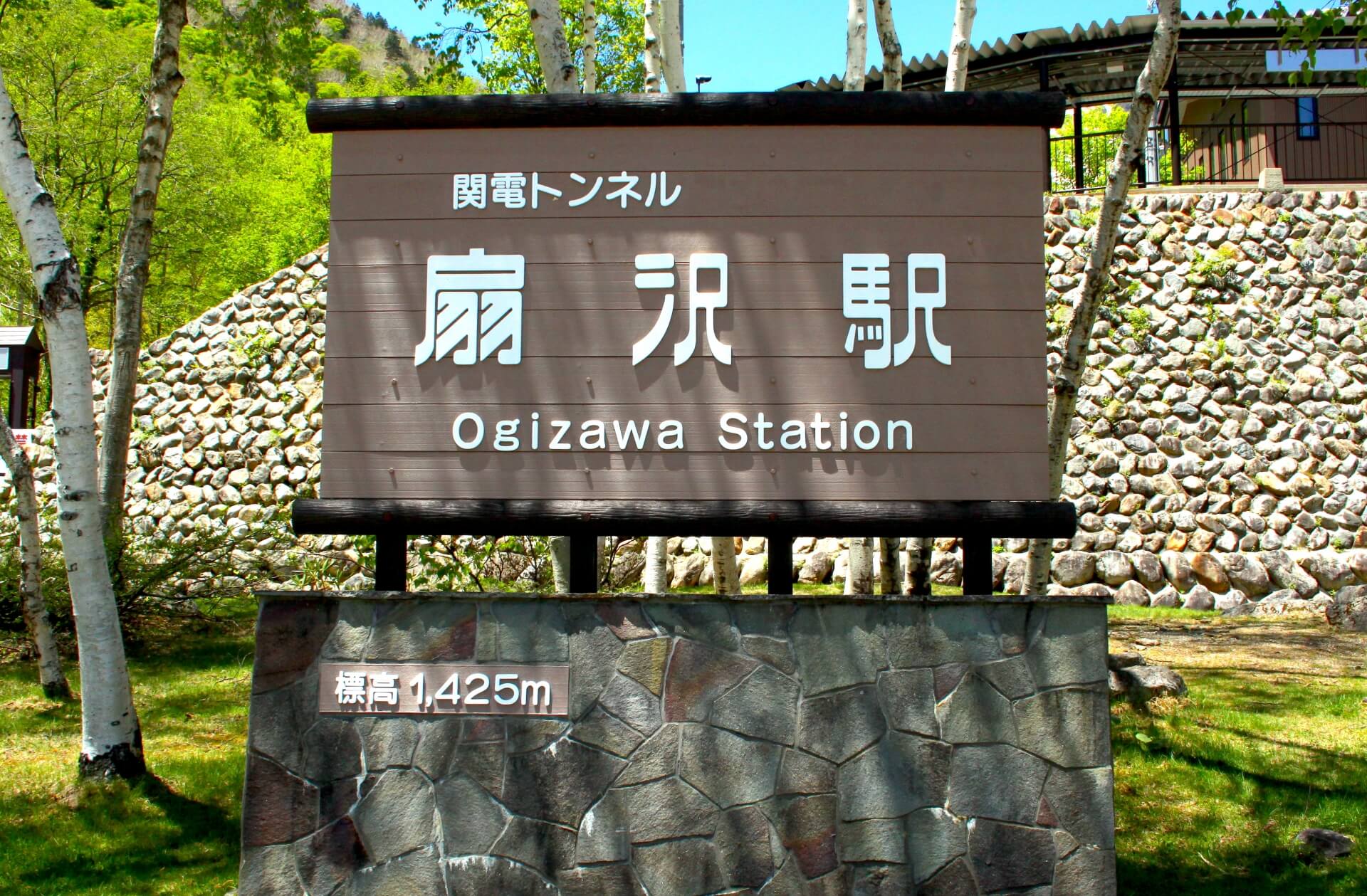
Daikanbo Station is a stop on the Tateyama Kurobe Alpine Route, which you can only access by traveling the route itself. From the Toyama side, you'll take a series of transports starting from Tateyama Station, including a cable car, highland bus, and trolley bus, with Daikanbo being the final stop on the trolley bus line. From the Nagano side, the journey begins at Ogizawa Station with a bus, followed by a walk across the Kurobe Dam and rides on a cable car and the Tateyama Ropeway, which brings you directly to Daikanbo. It's a key transfer point for those traversing the entire route.
Tours to Daikanbo
It can be a hassle making reservations for all the different forms of transportation up and down the mountain. To make it easier, booking a tour is often the best option. Check out our tour that leave from Kanazawa! Due to the snow it is only available from mid-June to mid-November.
These tour offers a comprehensive day trip to the Tateyama Kurobe Alpine Route from Nagano, combining a taste of all different styles of transport with alpine hiking! The first one is only from mid-April to June and the other from June to November!
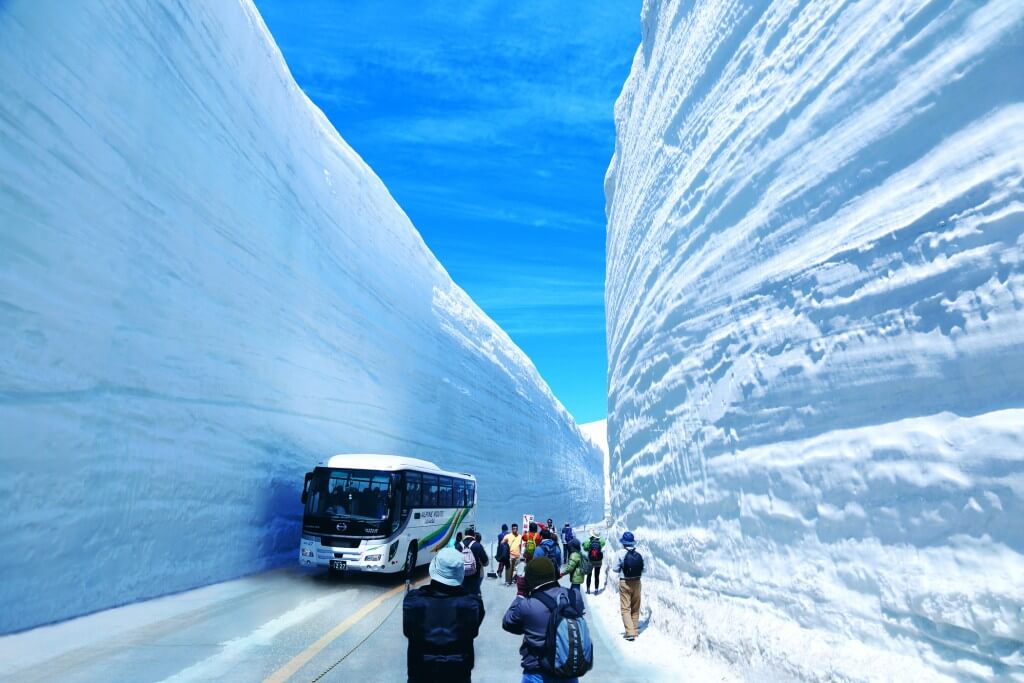
- Experience the famous Snow Walls, which can reach heights of up to 18 meters.
- The tour includes a guide and all transportation on the route, which involves a variety of vehicles like a trolley bus, cable car, and ropeway.
- The itinerary is a full-day trip, with pick-up and drop-off in Nagano, and includes a few hours to explore the summit at Murodo.

Best Selling
[Spring Only] 1-Day Tour from Nagano: Snow Walls of Tateyama-Kurobe Alpine Route
- Spots:
- NaganoAlpine Route
- Pick-up:
- Nagano City
- Drop-off:
- Nagano City
Recommended
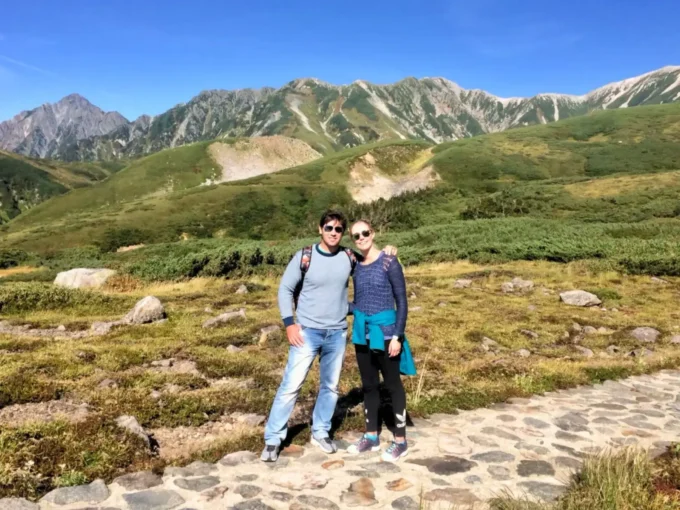
[Summer/Autumn only] Tateyama-Kurobe Tour: Walking on the 'Roof of Japan'
- Spots:
- NaganoAlpine Route
- Pick-up:
- Nagano City
- Drop-off:
- Nagano City
Frequently Asked Questions (FAQ)
What's the temperature like in the Daikanbo?
Located at a high altitude of 2,316 meters, Daikanbo is significantly colder than the surrounding lowlands and can experience snow even in late spring and early autumn. Temperatures are typically cool to cold year-round, so it is essential to bring warm layers regardless of the season.
When is the best time to visit Daikanbo?
The best time to visit Daikanbo depends on the scenery you'd like to see, as the landscape changes dramatically with the seasons. Autumn is particularly spectacular, with the peak of the fall foliage typically occurring from late September to mid-October, providing a stunning contrast of colors against the high peaks. For a unique experience, visiting during the spring opening from mid-April to early June allows you to see the magnificent snow walls from a distance as you descend on the Tateyama Ropeway.
Any good things to buy on the Alpine Route?
Check out our "Best Souvenirs from the Alpine Route" to learn more! They include exclusive North Face t-shirts, local sake and craft beer, as well as sweets and stuffed animals shaped like the famous rock ptarmigan.
How do I get to Daikanbo?
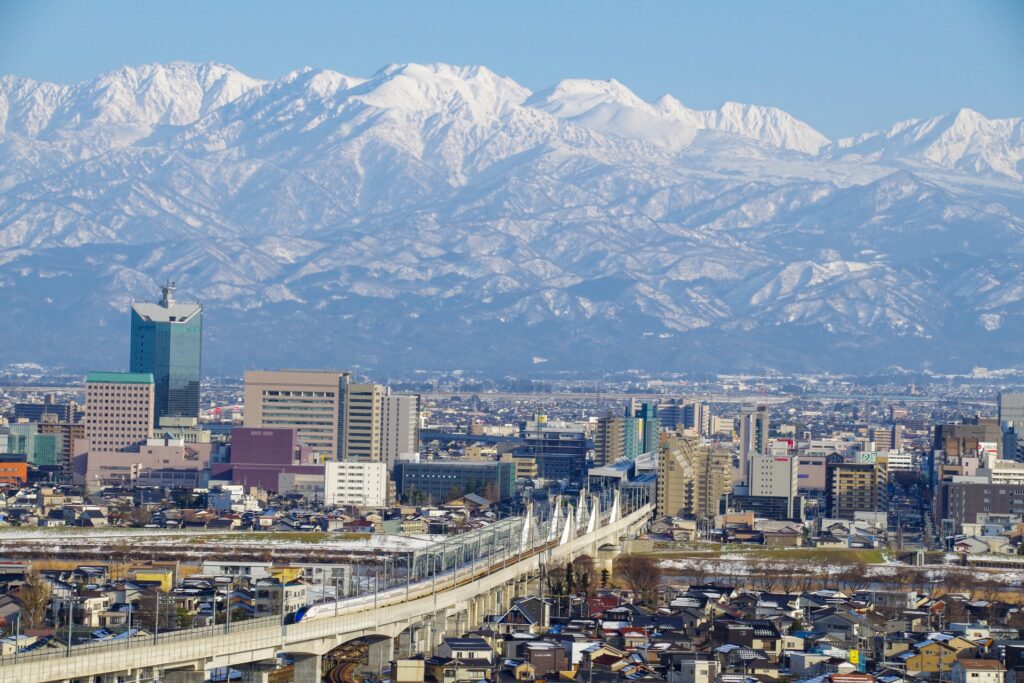
For Daikanbo on the Tateyama Kurobe Alpine Route, you can travel from Osaka or Tokyo to either end of the route and then use the various forms of transportation to reach Daikanbo. From Tokyo, the fastest route is typically by Hokuriku Shinkansen to Toyama, which is the western gateway, or to Nagano, which connects to the eastern gateway at Ogizawa. From Osaka, you can take a limited express train and the Hokuriku Shinkansen to Toyama which connects with the western terminal of the route, Tateyama Station.
How long should I plan to be in Daikanbo for?
You should plan to spend about 30 to 45 minutes at Daikanbo to fully enjoy the views from the observation deck and take some photos. This allows enough time to soak in the scenery and use the facilities without rushing your journey along the rest of the Alpine Route.