


Located along the historic Tokaido Road between the post towns of Chiryu and Narumi, Arimatsu is a rare jewel of Japanese cultural preservation and craftsmanship. Renowned for its world-famous Arimatsu Shibori, a refined and complex tie-dyeing technique, the town has preserved its artisan traditions and Edo-period charm for over 400 years.
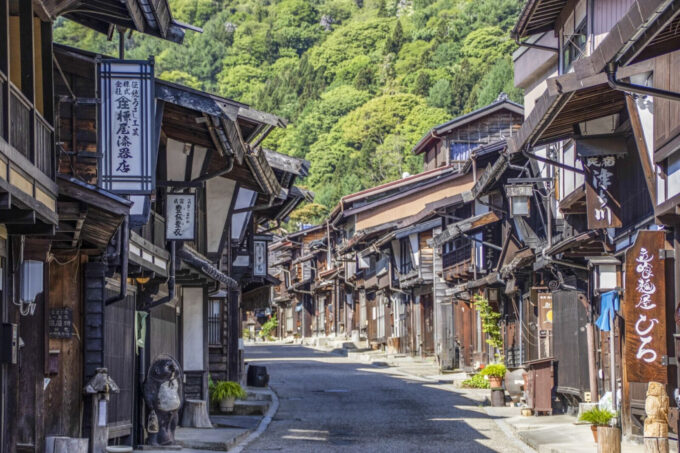
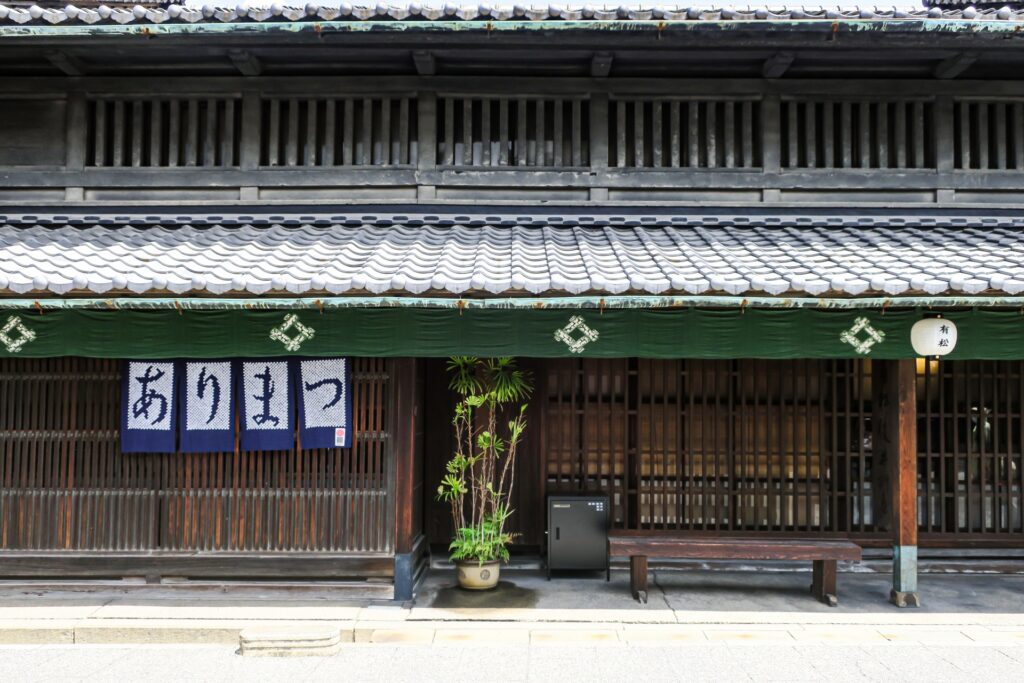
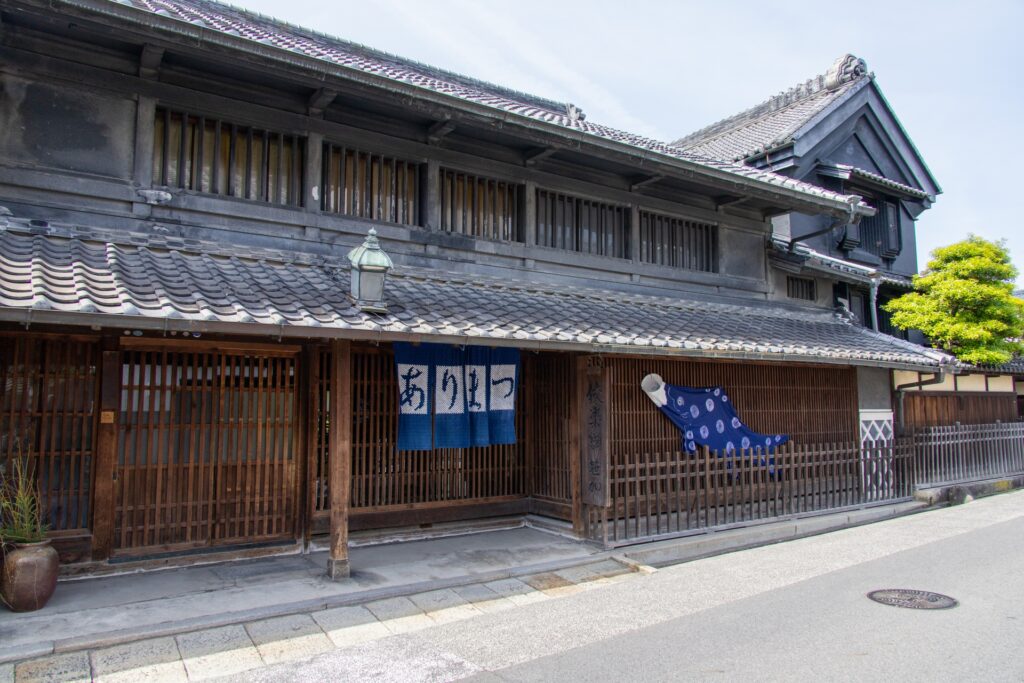
Today, Arimatsu stands as a designated Important Preservation District for Groups of Traditional Buildings, where cobblestone streets, lattice-roofed houses, and historic dye shops tell the story of a community shaped by ingenuity and artistry.
History of Arimatsu
Before Arimatsu became synonymous with Japanese indigo dyed fabric, the area was a near-uninhabited pine forest. Several theories exist about the etymology of its name, but the most enduring suggests that it derives from the phrase ari-matsu (有松), or "existence of pines"—a reflection of its dense pine forests that obscured sunlight even in daylight hours.
Arimatsu's transformation began in 1608 with the construction of the Tokaido Road, the vital samurai-era highway connecting Edo (modern Tokyo) with Kyoto. To support the new infrastructure, the Owari Domain issued a proclamation encouraging settlement in the area.
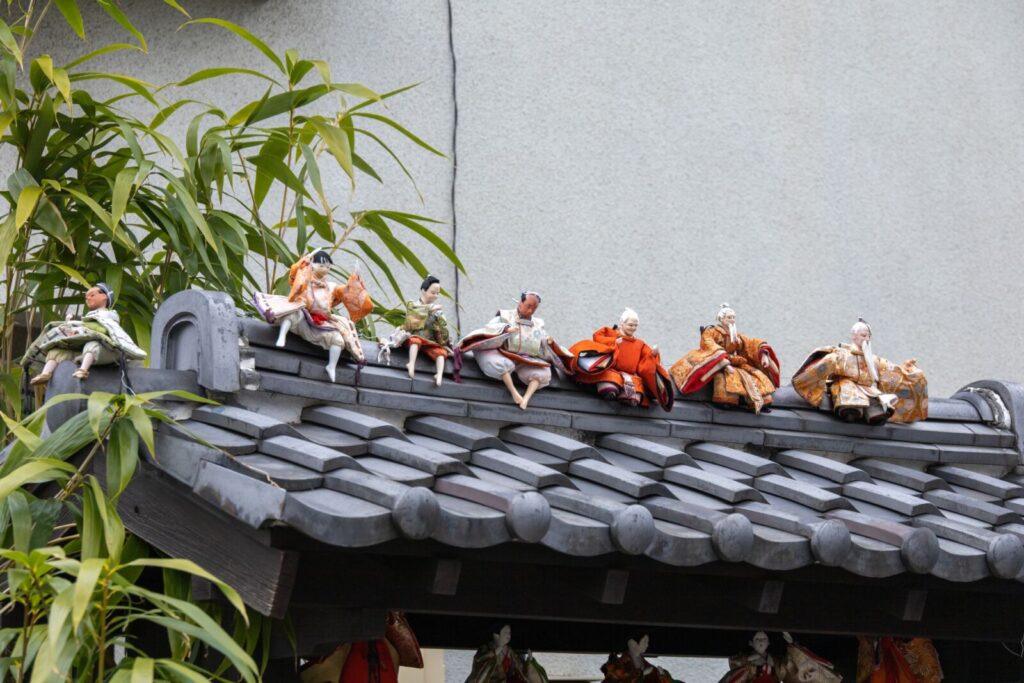
Eight families from the Chita Peninsula (where Tokoname is located) answered the call, laying the foundations of what would become the town of Arimatsu. Initially, the settlers attempted farming, but poor clay-rich soil and a pine-dominated landscape proved inhospitable. This agricultural failure, however, set the stage for a remarkable pivot toward textile production.
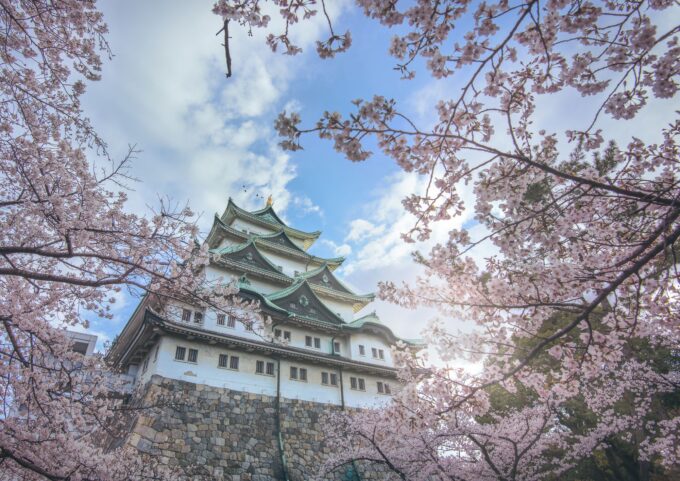
While working on the construction of nearby Nagoya Castle, local settlers encountered artisans from Kyushu who used tie-dyed tenugui (hand towels). Among the settlers was Shokuro Takeda, a merchant originally from Chita, who quickly recognized the commercial potential of adapting this technique to the high-quality cotton being produced in his home region.
Takeda established production under the name kukurizome (a term denoting the act of binding and dyeing), creating small, portable goods ideal for travelers—especially tenugui and cloths for personal use. By 1620, just over a decade after its founding, Arimatsu had grown to house fifteen families, and the tie-dyeing craft had taken root as a community-wide enterprise.
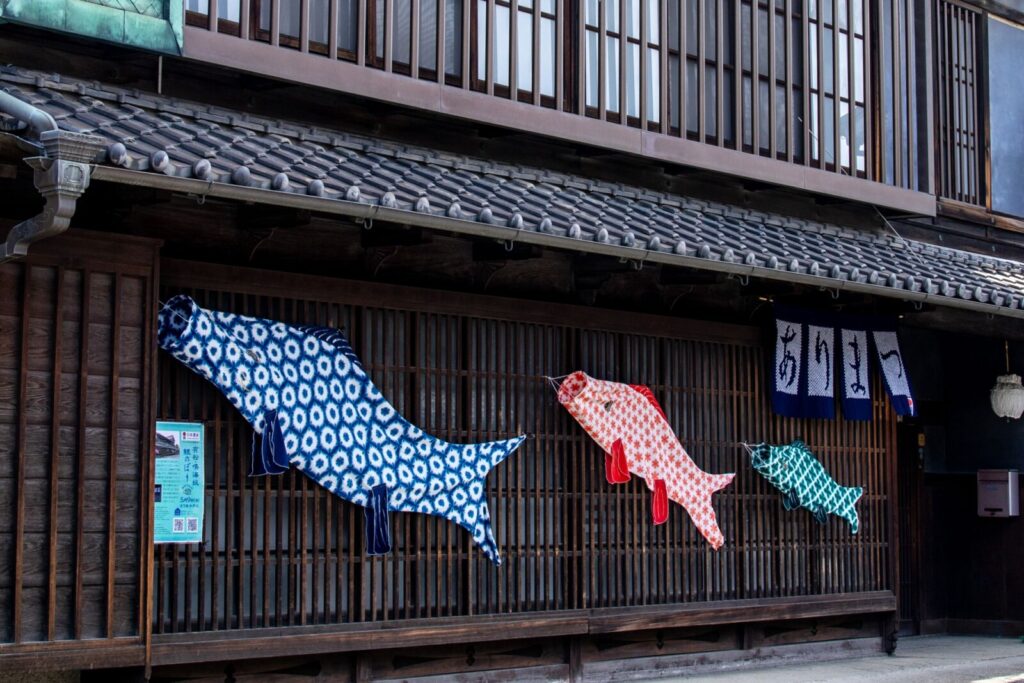
Arimatsu’s location along the Tokaido proved critical. As traffic on the road increased in the early Edo period, so did the visibility and popularity of its textiles. Lightweight, durable, and aesthetically distinctive, Arimatsu’s shibori products quickly gained favor with travelers seeking practical yet beautiful souvenirs. Their fame was such that they even found literary representation in the novel Tōkaidōchū Hizakurige (Shank's Mare), where the character Yaji claims he wants an Arimatsu tie-dyed towel so badly he’d sell a kidney to afford it.
By 1633, Arimatsu’s dyeing industry was firmly established, supported by both the domestic travel boom and the increasing demand for regional specialty goods. Its artisans developed a range of intricate binding, stitching, and pleating techniques that would go on to form the basis of Arimatsu Shibori.
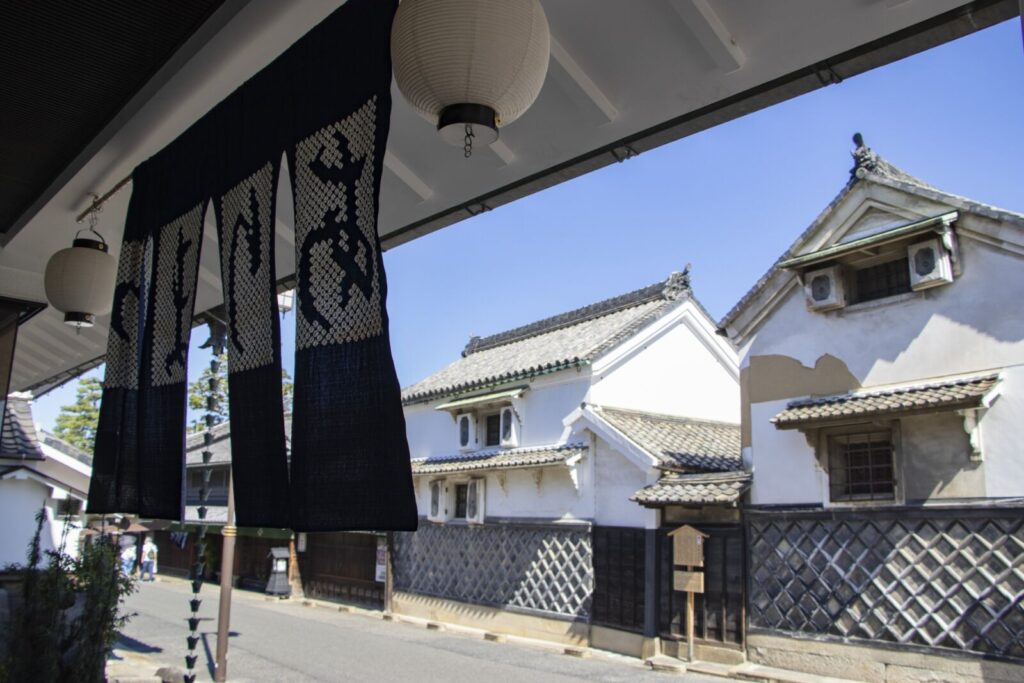
In 1784, Arimatsu was devastated by a fire that razed the entire village. However, the town's response was a model of resilience and adaptation. Rebuilding efforts prioritized fire-resistant architectural features such as plaster walls and tiled roofs. Several of these post-fire structures survive today, including the Hattori Residence (designated a cultural asset by Aichi Prefecture) and the Oka, Kozuka, and Takeda Residences (recognized by Nagoya City).
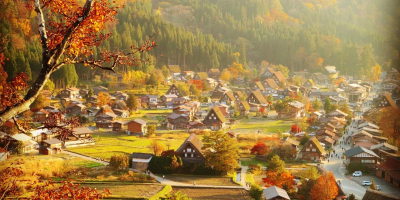
Despite modernization pressures in the 20th century, Arimatsu’s traditional industries persisted. The town formally merged into Nagoya on December 1, 1964, but retained its artisanal identity. In 2016, Arimatsu was designated one of Japan’s Important Preservation Districts for Groups of Traditional Buildings. Its preserved townscape—with whitewashed walls, lattice windows, and tiled roofs—offers a rare living archive of Edo-period urban design and craft-centered life.
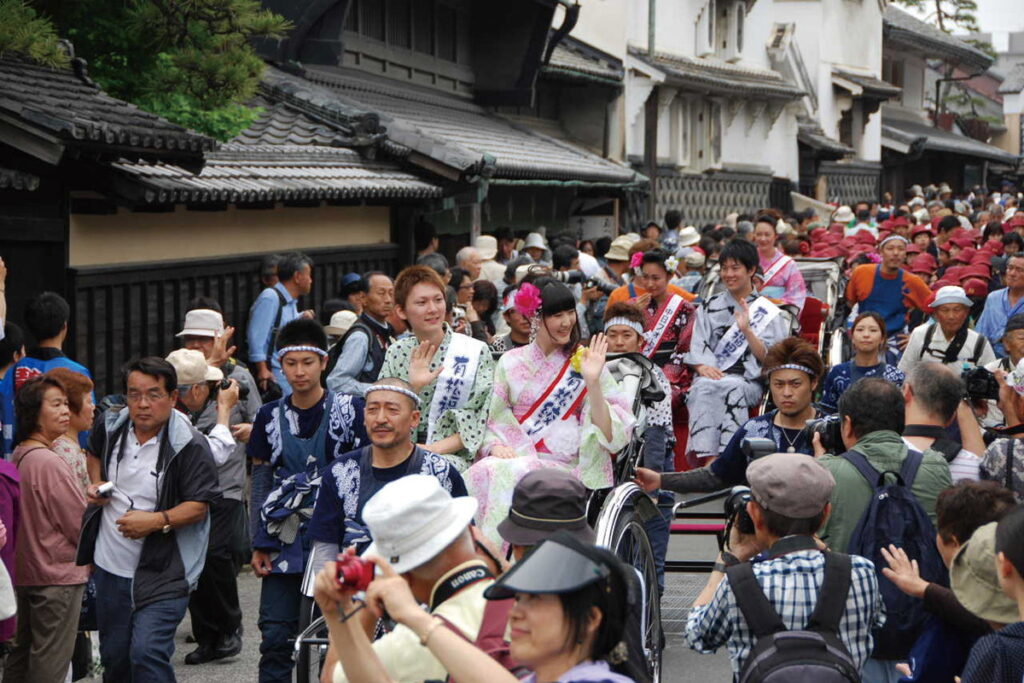
Today, Arimatsu remains one of the few places in Japan where historic indigo dyeing techniques are practiced. Artisans continue to produce kimono, yukata, and noren (traditional Japanese fabric dividers), employing methods that have been passed down over four centuries. In an age increasingly dominated by mechanization and globalized production, Arimatsu serves as a refreshing vestige of the past and a guardian of traditional Japanese textile knowledge.
Recommended Tour: Snow Monkey Resort's 1-Day Tour from Nagoya: Crafting Traditions in Tokoname and Arimatsu offers a unique blend of history, artistry, and local charm, as you are led by an experienced, English speaking guide through two towns famous for their artistic traditions.
Arimatsu Shibori
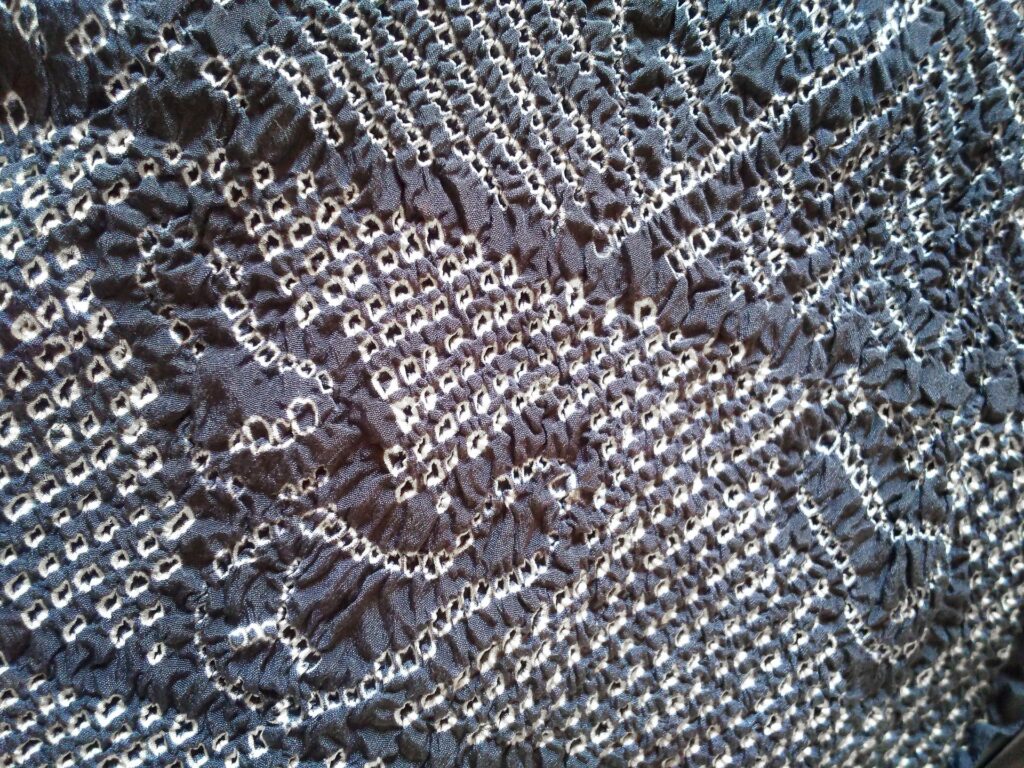
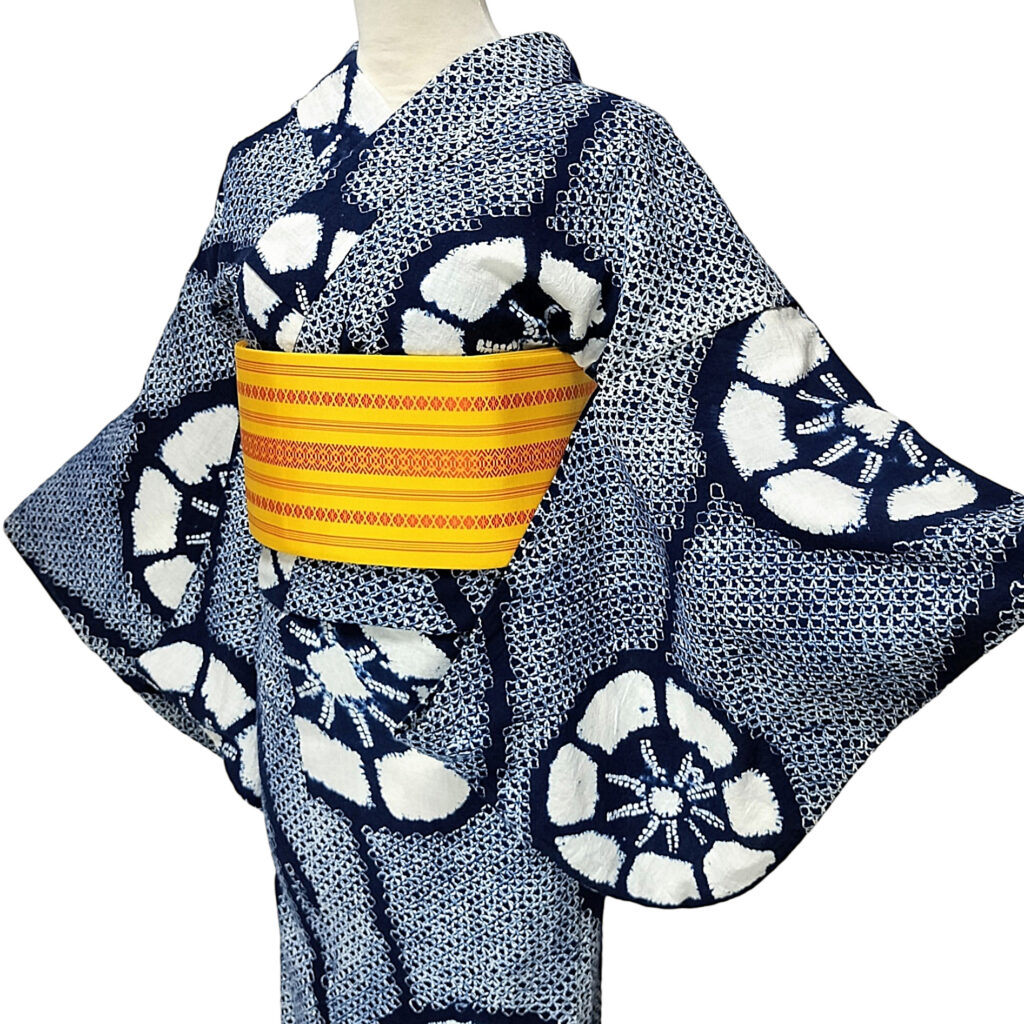
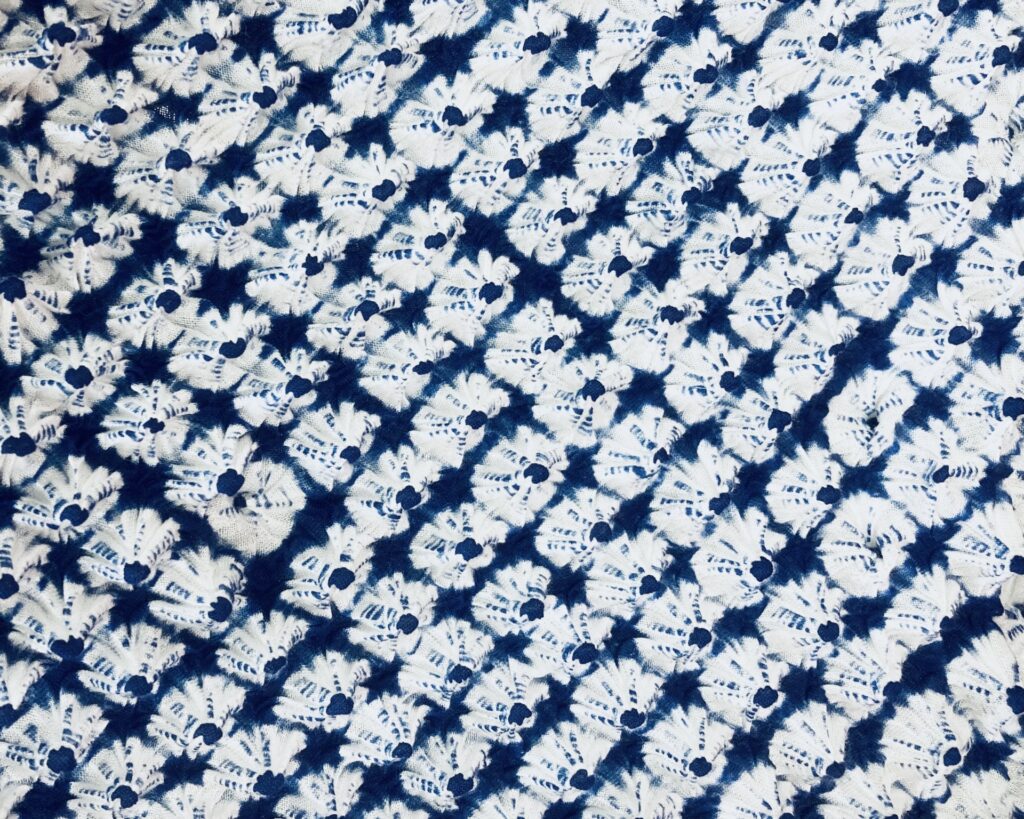
Arimatsu Shibori refers to a family of labor-intensive resist dyeing techniques characterized by meticulous binding, stitching, folding, and compressing of fabric before dyeing. This yields highly detailed and often geometric patterns.
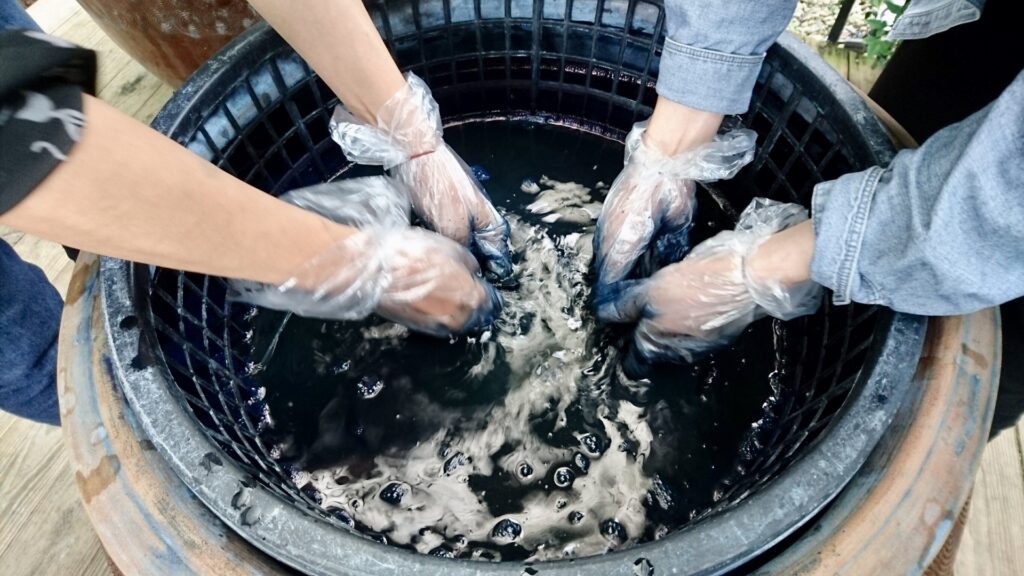
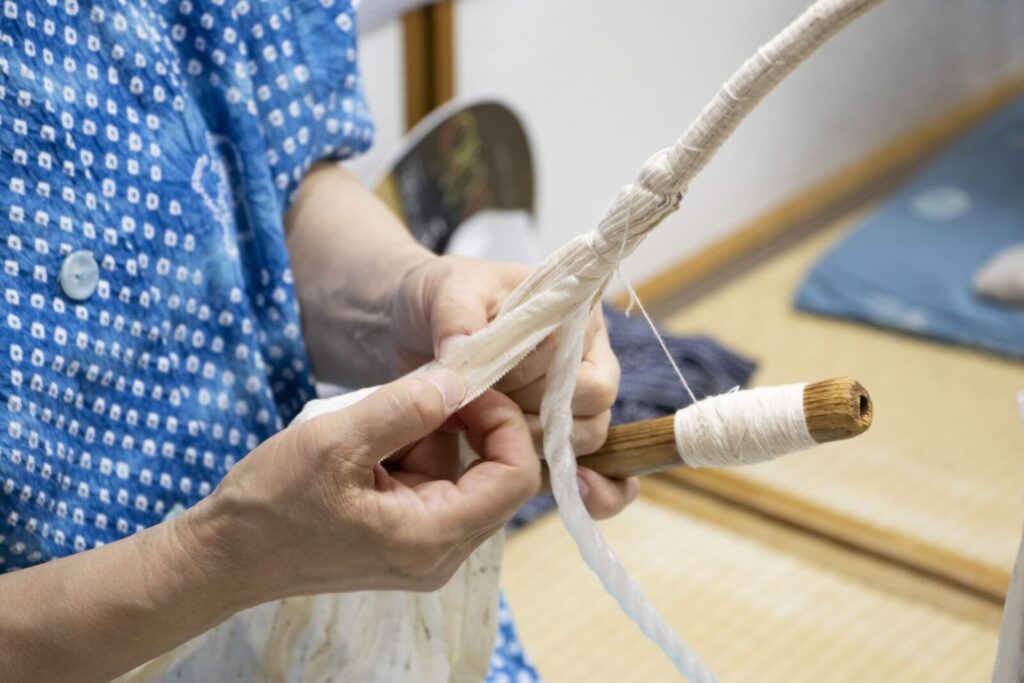
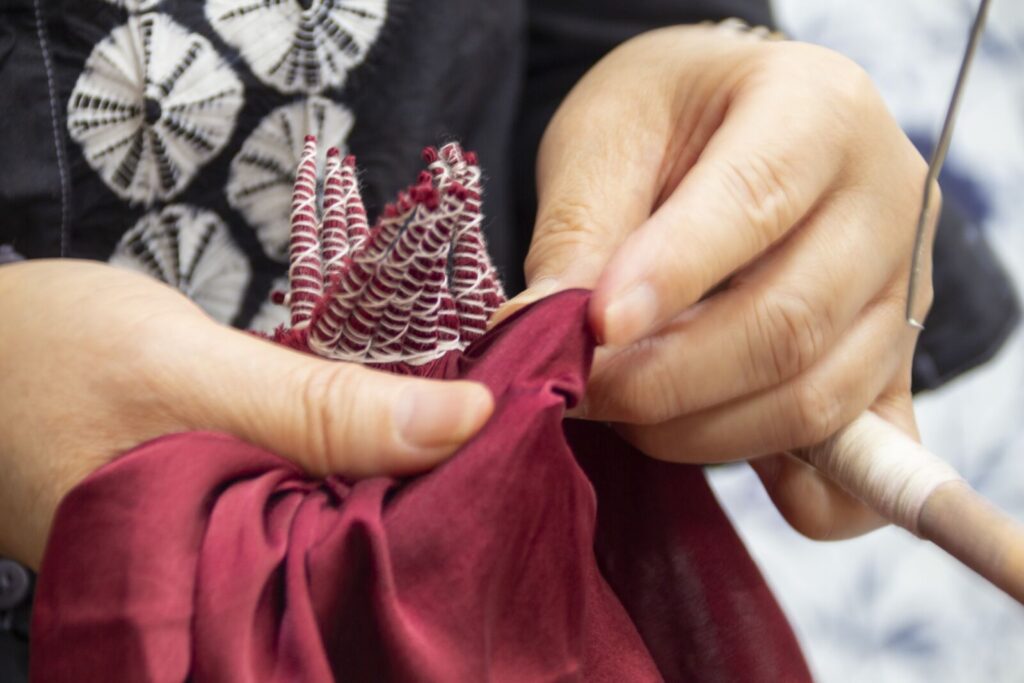
- Techniques: Includes kanoko, kumo, nui, itajime, and more—each with hundreds of stylistic variants.
- Tools: Wooden stands, hooks, and needles are used to manipulate the fabric into precise forms.
Shibori artisanship in Arimatsu has been passed down for over 15 generations. Today, artisans continue to produce kimono, yukata, tenugui, and noren using time-honored techniques. No two pieces are identical, as each is handmade—a direct reflection of the artisan’s hand and mastery.

Frequently Asked Questions (FAQ)
What makes Arimatsu Shibori different from other types of Japanese indigo-dyed fabrics?
Arimatsu Shibori is distinctive to other Japanese indigo-dyed textiles due to its incredible diversity of techniques, with over 100 distinct tying methods all resulting in unique patterns. Arimatsu Shibori has the greatest number of tie-dyeing techniques in the world.
In addition to the number of tying, pleating, and binding techniques, the use of high-quality Chita cotton results in fabrics that are portable, durable, and beautiful.
Is it possible to watch live demonstrations of Shibori dyeing in Arimatsu?
Yes. The Arimatsu Shibori Museum and many local shops offer live demonstrations. Some workshops also allow visitor participation. Unfortunately, most workshops do not ship internationally, so guests wishing to participate in tie-dyeing may need to have someone in Japan ship it for them.
Recommended Tour: Snow Monkey Resort's 1-Day Tour from Nagoya: Crafting Traditions in Tokoname and Arimatsu offers a unique blend of history, artistry, and local charm, as you are led by an experienced, English speaking guide through two towns famous for their artistic traditions.
Can I buy authentic Arimatsu Shibori products?
Absolutely. Many local shops sell certified hand-dyed items ranging from fashion accessories to traditional wear and home décor.
How do I get to Arimatsu from Nagoya Station?
Take the Meitetsu Nagoya Line to Arimatsu Station (approx. 25 minutes). The historic district is just a short walk from the station.
Of course, we also offer private tours and transport in and around the Nagoya area, and other regional destinations. We can also arrange for both custom tours with an English-speaking guide or a private charter.
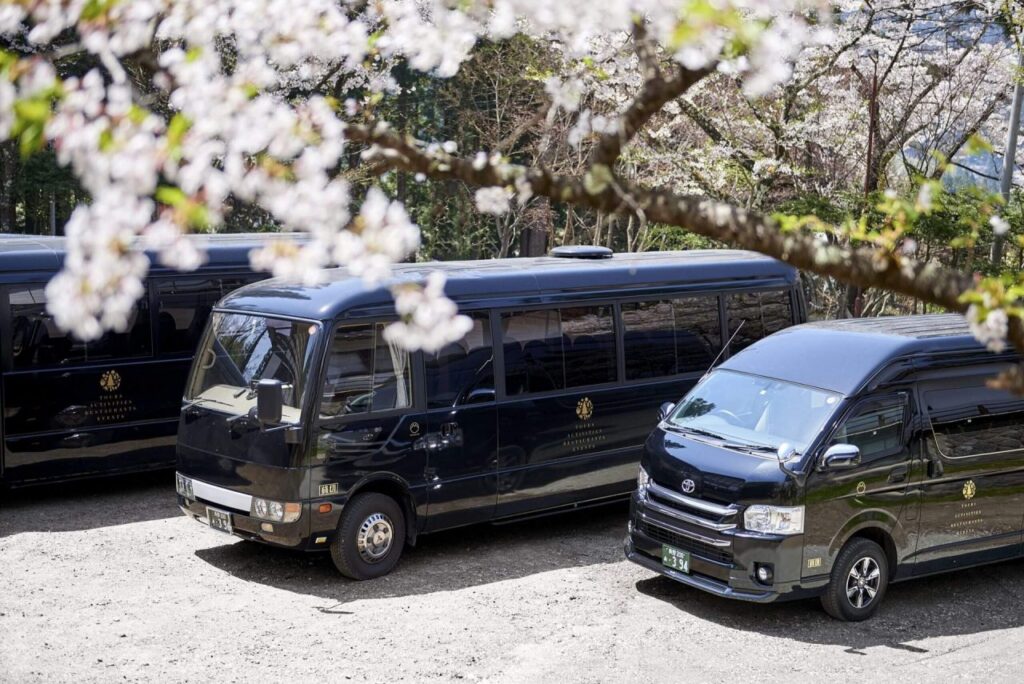
Our drivers and vehicles are fully certified, allowing us to transport you to and from your preferred destinations in combination with any activity that suits your schedule. All vehicles are well-maintained and in good condition, allowing you to relax and enjoy your ride to wherever you are going.
With door-to-door service, we can pick you up from where you are and take you to where you want to go anywhere in Central Japan and the neighboring regions.
For more information, please check our standard charter rates or contact us for a custom trip. We’d love to be part of your adventure in Central Japan and help you discover even more!
Additional Tips
- Visit During the Arimatsu Shibori Festival: Held annually in early June, the festival features parades, demonstrations, and vendor stalls.
- Combine with Seki-juku or Tokoname: Nearby, Seki-juku is another historic Tokaido post town and Tokoname is another artisan town with traditional crafts (pottery) and architecture.
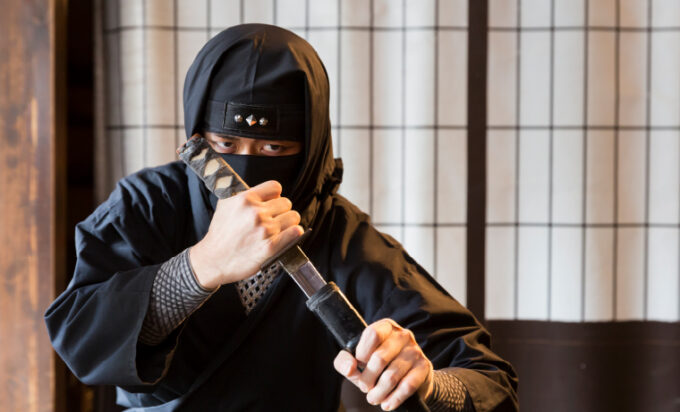
Recommended Tour: Snow Monkey Resort's 1-Day Tour from Nagoya: Myths and Mystery of Ninja and the Tokaido Road not only gives insight into the daily lives of ninja but also takes you along the most important route of Edo-era Japan, the Tokaido road, as you are led by an experienced English-speaking guide on a full-day tour from Nagoya.