





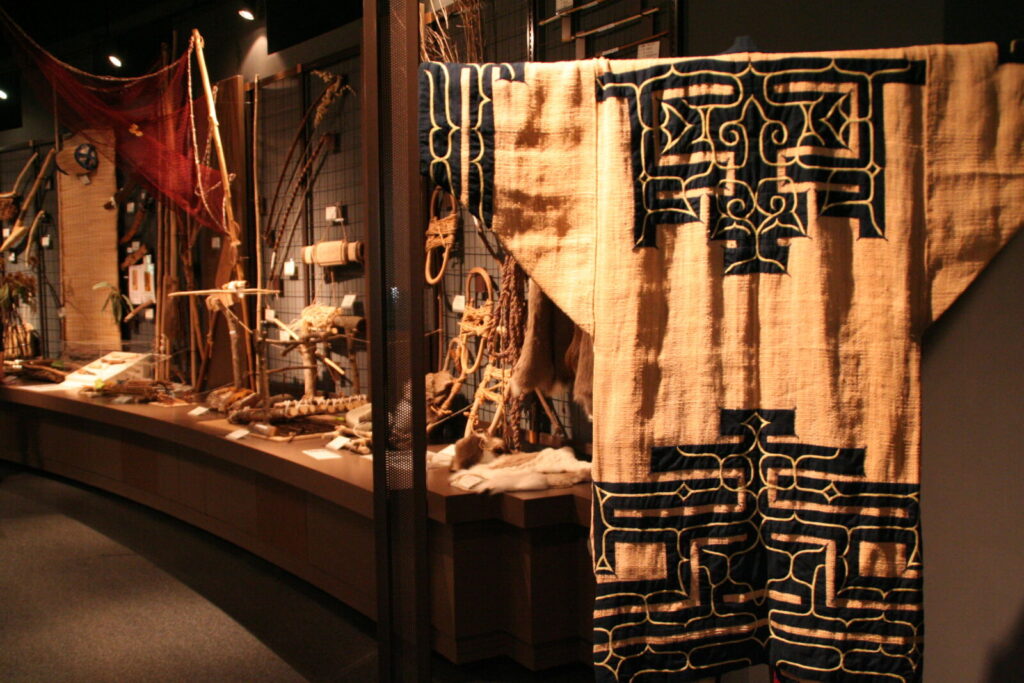
The Ainu Cultural Center offers one of the most meaningful ways to understand Hokkaido’s origins. Dedicated to the traditions of the Ainu Indigenous people, this center brings history to life through interactive exhibits, preserved artifacts and educational videos. For travelers looking to learn more about the indigenous people of Japan, this is an essential cultural experience to learn about the Ainu of Hokkaido.
About the Ainu Cultural Center
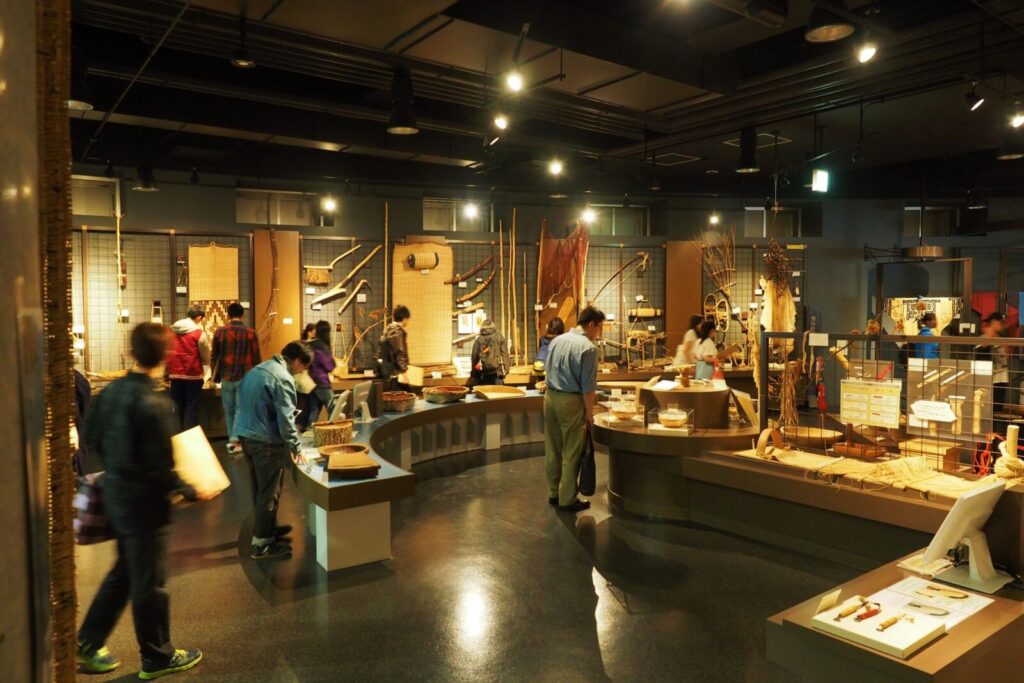
The Ainu people lived across Hokkaido long before modern Japanese settlement, developing a rich culture deeply connected to nature and spirituality. The Sapporo Pirka Kotan, officially known as the Ainu Cultural Promotion Center, is dedicated to preserving and sharing the heritage of these people.
Opened in 2003, and was one of the first centers in Japan specifically created to promote understanding of indigenous culture through direct experience.
The name “Pirka Kotan” means “beautiful village” in the Ainu language, reflecting the center’s design: it recreates a traditional Ainu village (kotan), where communities historically lived in close connection with rivers, forests, and nature.
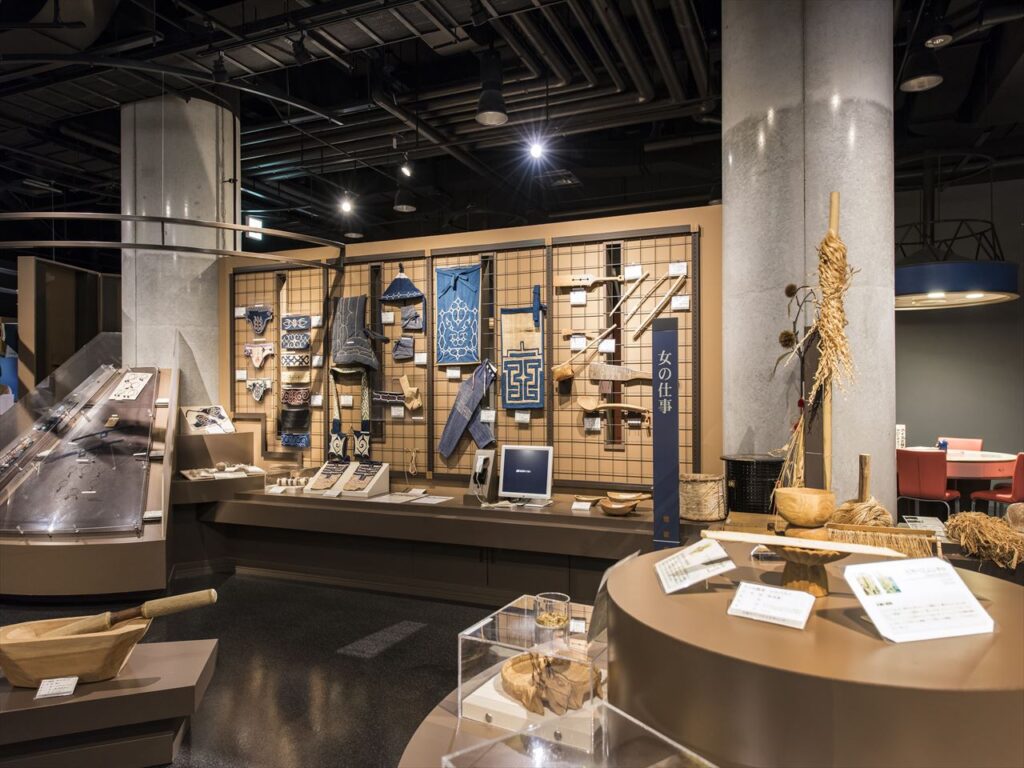
Inside the museum, visitors can explore over 300 artifacts, including traditional clothing made from natural materials, hunting and fishing tools, ritual objects, and everyday items used in Ainu life. A distinctive feature of the center is its hands-on approach. Many exhibits can be touched, allowing visitors to experience firsthand Ainu craftsmanship and daily life.
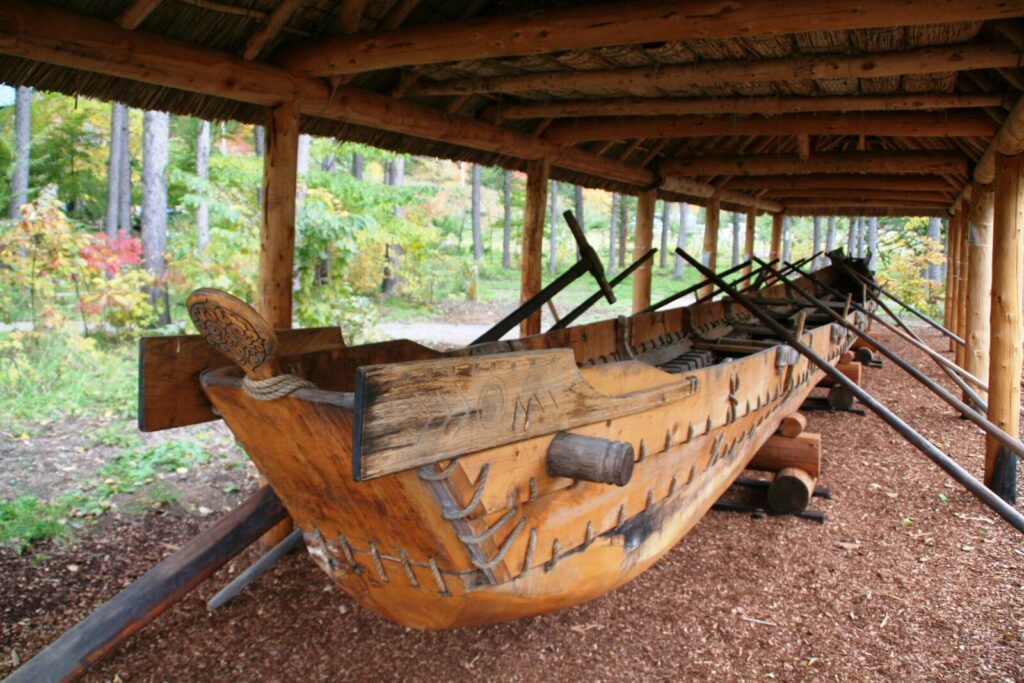
Outside, the site includes reconstructed buildings such as cise (traditional houses), ceremonial spaces, and examples of tools like wooden boats used for fishing and trade. These reconstructions help illustrate how Ainu communities were organized and how they lived sustainably within their environment.
The center also actively keeps Ainu culture alive through workshops and events organized by local Ainu groups. Visitors can participate in activities such as embroidery, wood carving, cooking, and playing traditional instruments like the mukkuri (a bamboo mouth harp), offering a deeper, living connection to the culture rather than just a historical display.
Pirka Kotan serves not only as a museum but as a cultural exchange space, aiming to preserve Ainu traditions, pass them on to future generations, and promote greater awareness and respect for indigenous heritage in modern Japan.
Ainu Cultural Center at a Glance
- Official name: Sapporo Pirka Kotan (Ainu Cultural Promotion Center)
- Opened in 2003
- Located in southern Sapporo
- Admission: approx. ¥350 for adults
- Opening hours: 9:00–17:00 (seasonal variations apply)
- Indoor museum + outdoor reconstructed village
- Fully wheelchair accessible
- English-friendly exhibits and signage available
Touring the Ainu Cultural Center
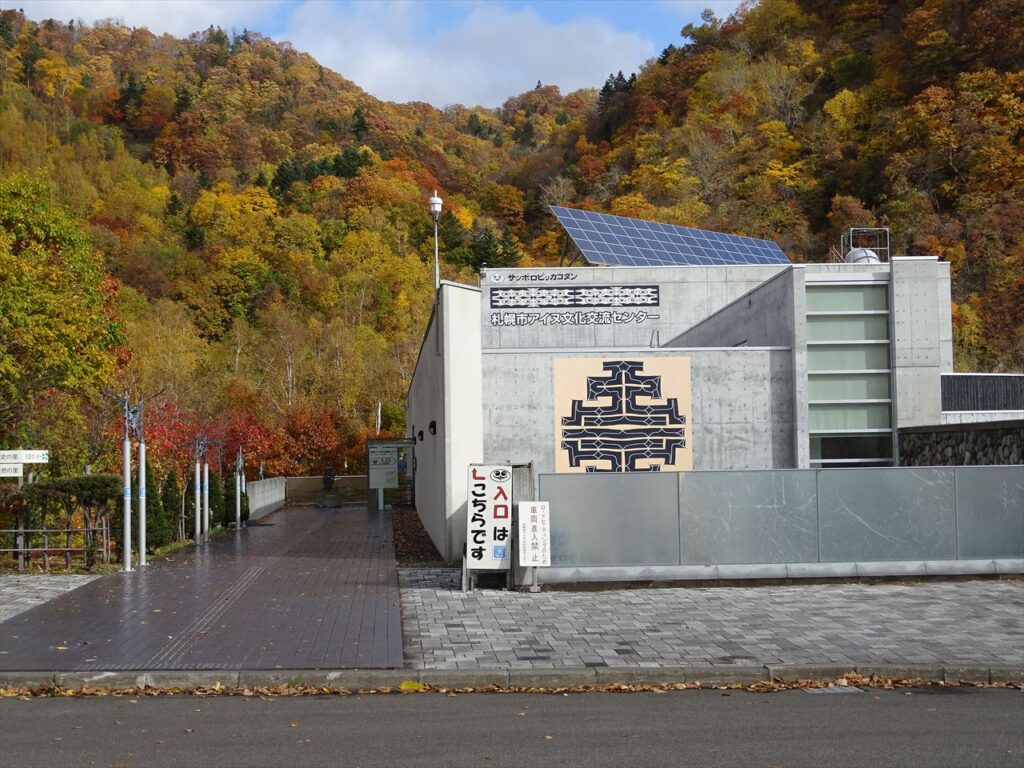
A typical visit lasts around 1 to 1.5 hours and includes both indoor and outdoor areas.
Visitors usually begin inside the museum, exploring exhibits and watching educational videos before moving outside to the reconstructed village area.
The experience is relaxed and easy to navigate, with wide pathways, clear signage, and accessible facilities throughout the site.
Many visitors combine the cultural center with a larger guided day tour that includes transportation and interpretation, helping to connect what they see with the broader history of Hokkaido.

Recommended
1-Day Tour from Sapporo: Learn of The Indigenous Ainu people of Hokkaido & Jozankei walking tour
What You’ll See Inside the Museum
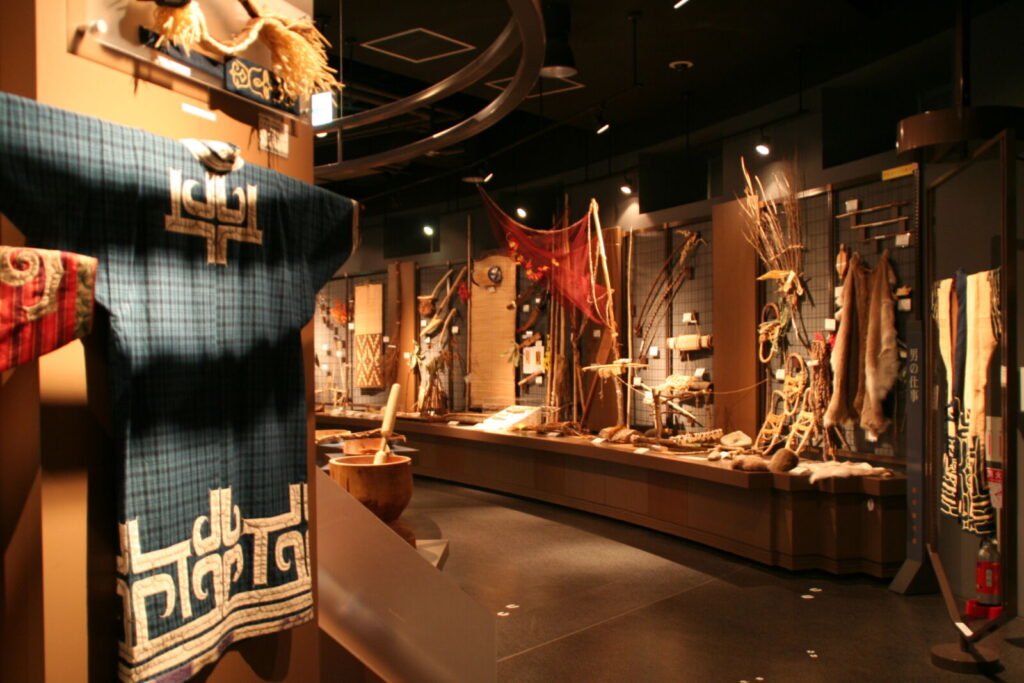
The indoor exhibits provide a detailed look at Ainu life, both past and present.
Displays include:
- Traditional clothing made from natural materials such as bark and animal hide
- Hunting, fishing, and farming tools used in daily life
- Ritual and spiritual objects tied to Ainu belief systems
- Household items used in traditional villages
- Audio-visual presentations explaining Ainu history and culture
A standout feature of the museum is its interactive design. Many exhibits are touch-friendly, allowing visitors to engage directly with materials and craftsmanship techniques.
This hands-on approach helps visitors better understand how Ainu communities lived, worked, and maintained their cultural identity.
Exploring the Outdoor Ainu Village
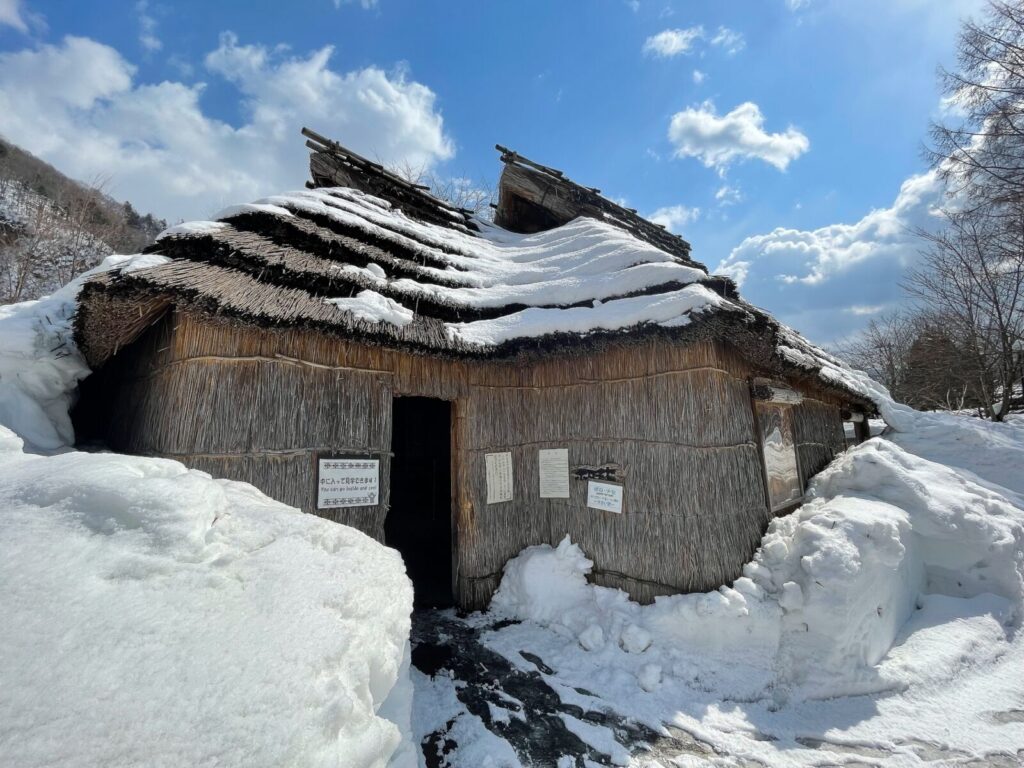
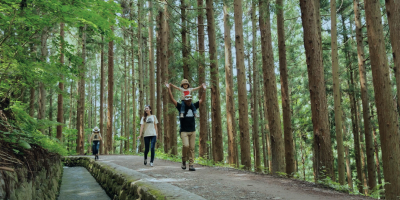
Enhance your visit with a short walk through the open‑air Ainu village adjacent to the Pirka Kotan / Ainu Cultural Museum. This compact outdoor area offers a quiet, immersive look at traditional Ainu lifeways in a natural forest setting.
What You’ll See
- Traditional cise (Ainu houses) built from wood, bamboo, and thatch
- Everyday tools displayed in their original cultural contextWooden canoes used for fishing and transport
- Carved symbols and decorative designs reflecting spiritual beliefs
- Native forest plants that illustrate the Ainu relationship with nature
- urroundings that illustrate the deep relationship between the Ainu and the natural environment.
Walking through this outdoor area provides a quiet, immersive experience that complements the indoor exhibits.
The village can typically be explored in 10–20 minutes, making it an easy addition to a museum visit.
Frequently Asked Questions (FAQ)
Is the Ainu Cultural Center worth visiting if I know nothing about Ainu culture?
Yes. It is one of the best introductory places in Japan to learn about the Ainu people, even with no prior knowledge.
Is it suitable for children?
Yes. The interactive exhibits and hands-on elements make it engaging for younger visitors.
How long should I plan for my visit?
Around 1 to 1.5 hours is recommended for both indoor and outdoor areas.
Do I need a guide?
A guide is highly recommended for deeper understanding. An English-speaking guide can explain cultural context and historical background.
Can I take photos?
Yes. Photography is generally allowed in most indoor and outdoor areas.
Is it wheelchair accessible?
Yes. The museum includes elevators, ramps, and accessible pathways.
When is the best time to visit?
Spring and autumn are especially beautiful, but the center is open year-round. It is closed during the first week of January.
What is the easiest way to get there?
Take the Namboku Subway Line from Sapporo Station to Makomanai Station, then continue by local bus to the center.
Are English-guided tours available?
Yes! We at Snow Monkey Resorts are proud to offer English-speaking guided tours all year-round to the Ainu Culture Cultural Center(Pirka Kotan/Beautiful Village).This will give visitors deeper insights and a more interactive experience. All tours are led by a locally-based guide who will take you around the must-see sights as well as some lesser known gems.
Recommended
1-Day Tour from Sapporo: Learn of The Indigenous Ainu people of Hokkaido & Jozankei walking tour