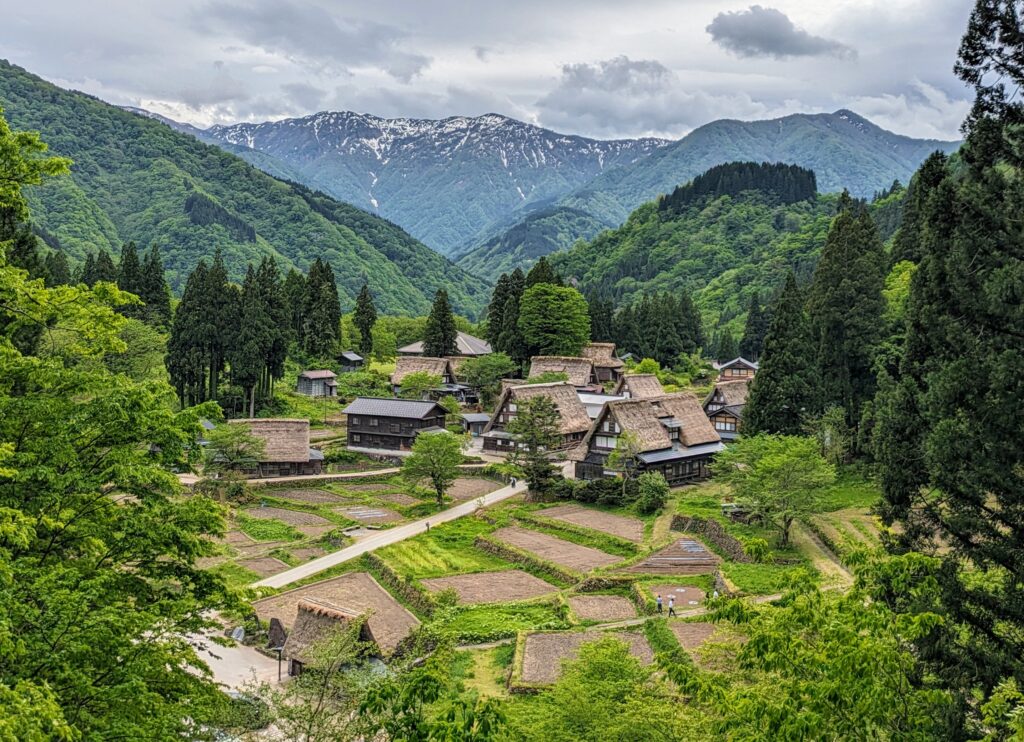
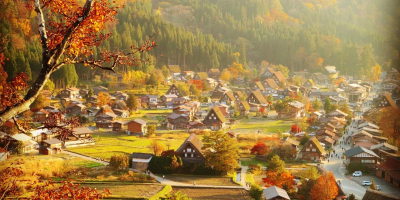



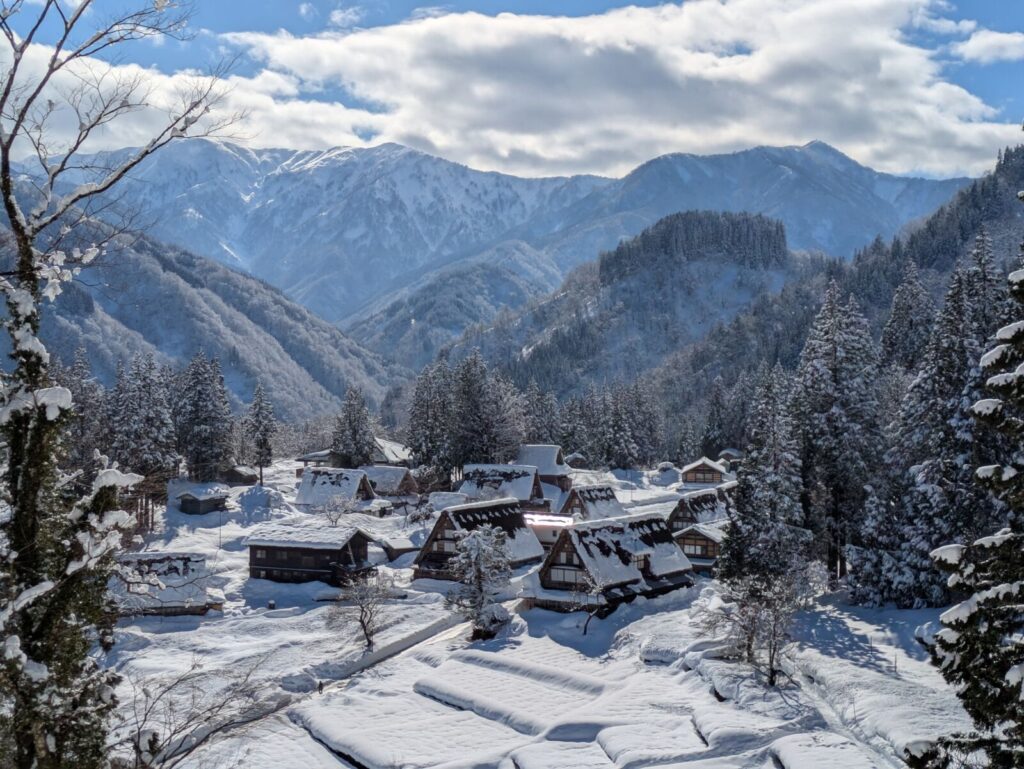
Ainokura Village is a UNESCO World Heritage site celebrated for its traditional gassho-zukuri farmhouses, which were expertly crafted to withstand the region's harsh, snowy winters. Papermaking has a long history as a traditional industry in the Gokayama region, and visitors can experience making their own washi paper at workshops in or near the village.
A Short History
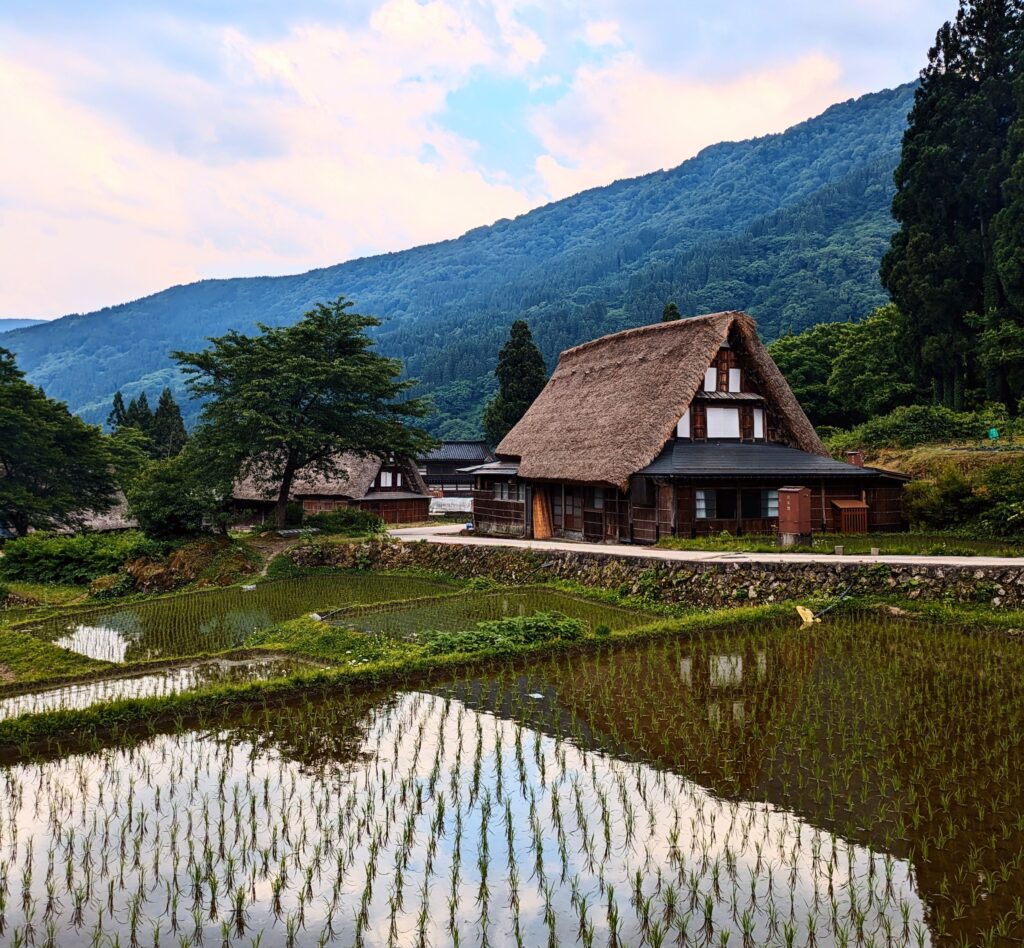
Ainokura Village, nestled in the remote Gokayama region of Japan, boasts a history deeply intertwined with its unique cultural landscape. For centuries, the village's inhabitants adapted to the challenging environment by developing the distinctive gassho-zukuri architectural style, with steeply pitched roofs designed to shed heavy snow. In addition to farming and sericulture, papermaking emerged as a vital industry, providing both income and a link to the village's rich cultural heritage. This tradition of crafting high-quality washi paper has been passed down through generations, and today, it stands as a testament to the community's resilience and a celebrated aspect of its cultural identity.
Interesting Sites Around the Town
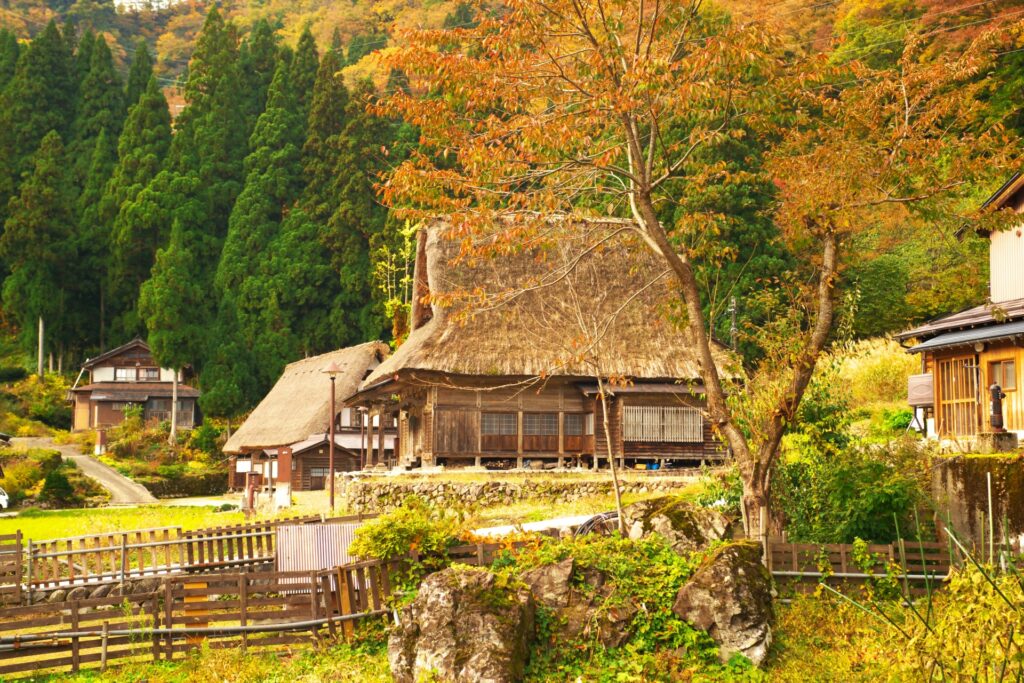
Inside Ainokura Village, you'll find a living museum of traditional Japanese life, centered around its distinctive gassho-zukuri farmhouses. Visitors can explore these steeply pitched, thatched-roof homes, some of which are still inhabited, offering a glimpse into the past. During the day stop by the Yusuke house or the Ainokura Traditional Industry Center which are museums for you to explore! If you are looking for food there are two restaurants, Matsuya and Ainokuraya, which both serve local soba and udon.
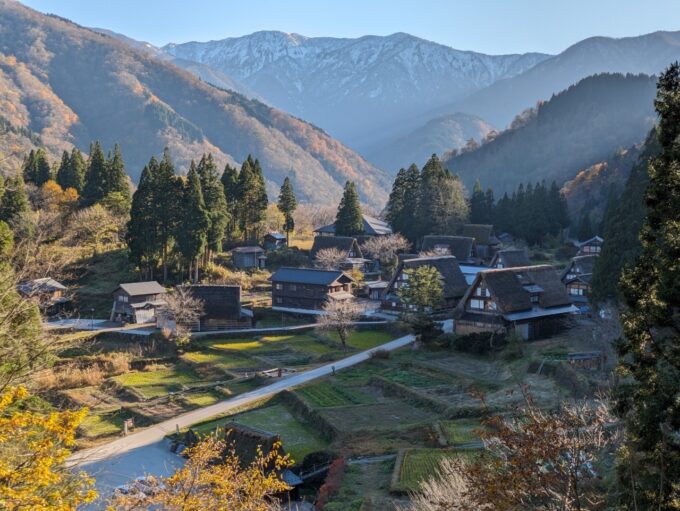
Finally, a short walk up the hill from the village parking lots offers a panoramic viewpoint for the iconic photo of the entire settlement you've already seen above.
Visiting Ainokura
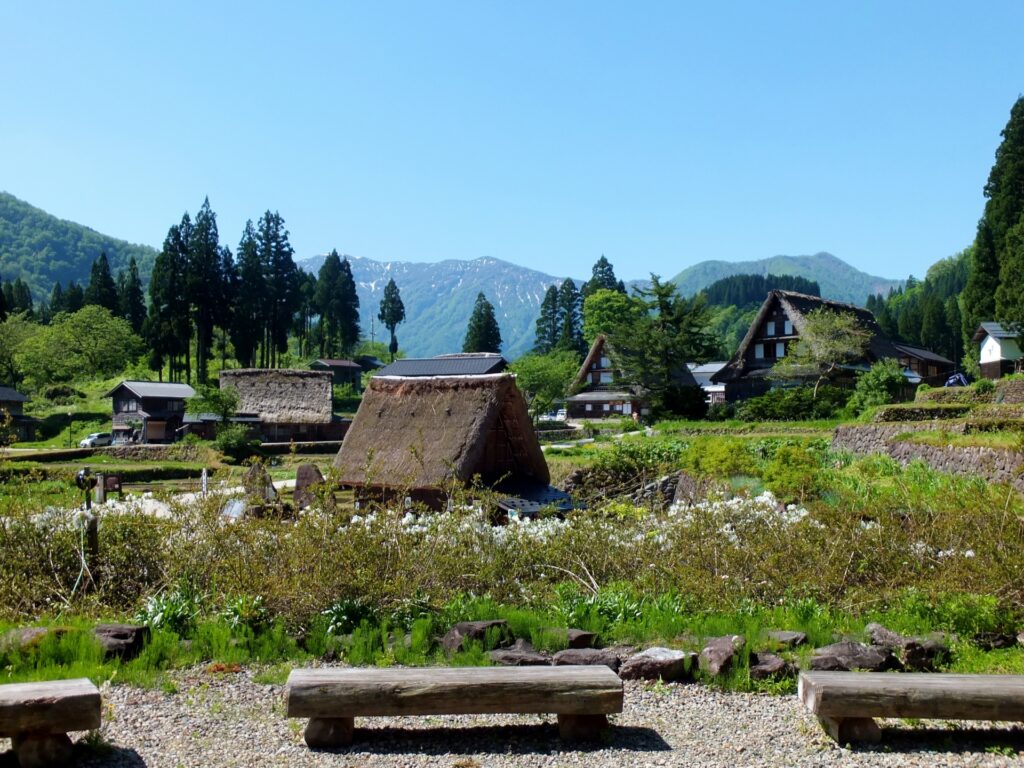
Ainokura is most commonly reached by a combination of public buses or by car. From major nearby cities like Kanazawa, you can take a bus that connects to the local "World Heritage Bus" line, which stops at the "Ainokuraguchi" bus stop, a short walk from the village. Alternatively, driving offers the most flexibility and takes about an hour from Kanazawa.
It can be difficult to reach this famous village, so joining a tour can be the best way! Go to not just Gokayama's Ainokura but the woodcarving village of Inami and the famous Shirakawago. Check it out below!
Best Selling
1 Day Tour from Kanazawa: Shirakawa-go, Gokayama and Wood Carving Village
- Spots:
- KanazawaShirakawago
- Pick-up:
- Kanazawa
- Drop-off:
- KanazawaTakayama
Frequently Asked Questions (FAQ)
What is Ainokura most famous for?
Ainokura Village is most famous for its stunning collection of well-preserved gassho-zukuri farmhouses, which are a designated UNESCO World Heritage site. These unique, steeply pitched thatched-roof houses were designed to withstand the region's heavy snowfall and are a celebrated example of traditional Japanese architecture. The village is also a notable center for washi papermaking, a craft that has been practiced here for centuries.
When is the best time to visit Ainokura?
The best time to visit Ainokura depends on the scenery you're seeking, as each season offers a unique charm. Winter (mid-January to February) is particularly popular, as the heavy snowfall transforms the village into a magical landscape. However, spring's fresh greenery, summer's lush rice fields, and autumn's vibrant foliage are also wonderful times to visit, providing a quieter experience and a picturesque backdrop to the traditional gassho-zukuri houses.
Can I buy traditional crafts or souvenirs in Ainokura?
Gokayama Washi Paper: Handmade local paper.
Kiriko Instrument: Local instrument used in festivals.
How do I get to Ainokura?
From major cities like Tokyo, Kyoto, Kanazawa or Toyama, take the Hokuriku Shinkansen to Shin-Takaoka Station. From Shin-Takaoka Station, hop on a World Heritage bus. The buses ran fairly regularly from Kanazawa and Shin-Takaoka Stations but make sure to check ahead time.
How long should I plan to be in Ainokura for?
Depending on if you explore all the thatched-roof houses, stores and view points, 1 to 3 hours.