

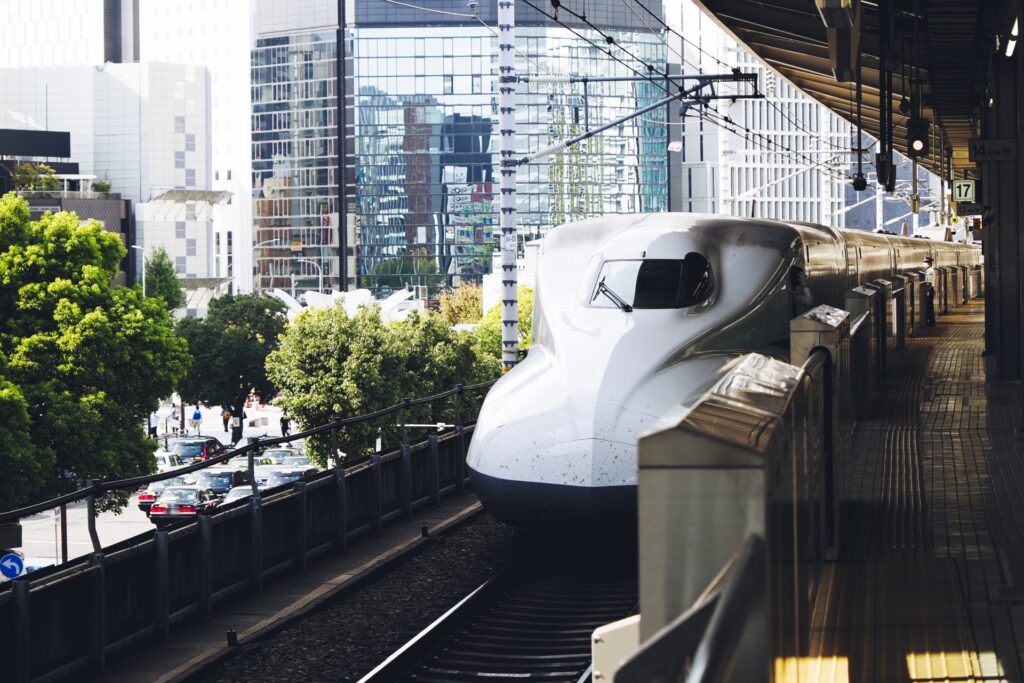
Known by many international visitors simply as the “Bullet Train,” the Shinkansen isn’t just a marvel of engineering; it’s a symbol of Japan, a link between the past and the future, and an unforgettable way to experience Japan’s landscapes and history.
Among its many lines, the Tokaido Shinkansen stands apart. It is the first, the busiest, and arguably the most iconic of them all—connecting Tokyo to Osaka via Nagoya and Kyoto.
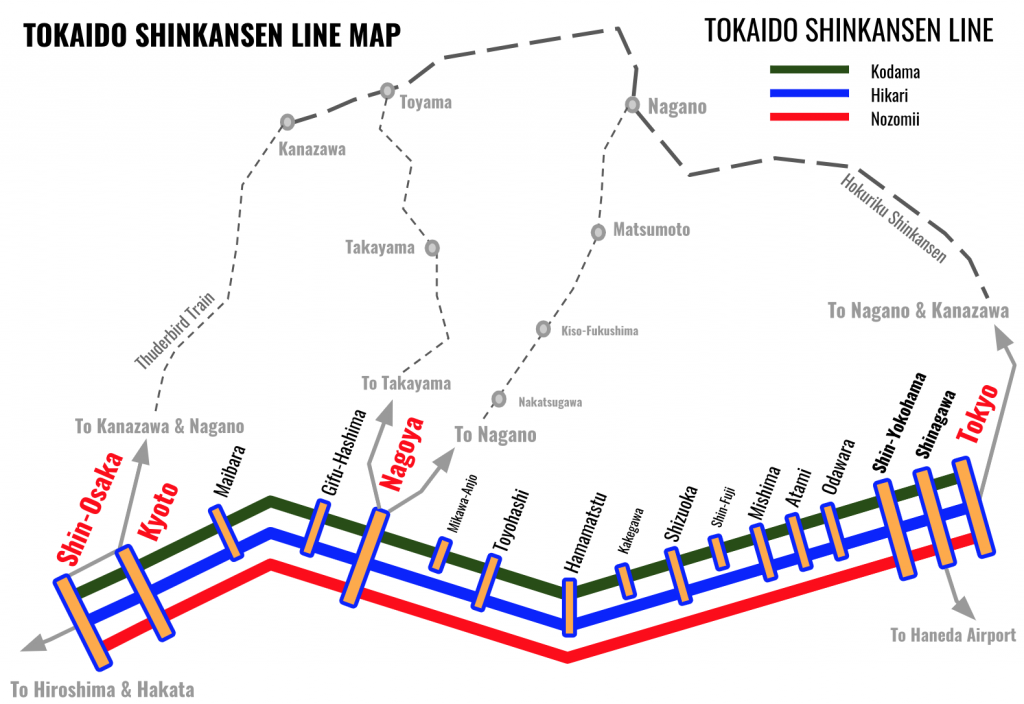
Tokaido Shinkansen Route Map
Operated by JR Central (Central Japan Railway Company), the Tokaido Shinkansen serves as the backbone of the national high-speed rail network. Trains depart with astonishing frequency (up to 12 trains per hour during peak times) and transports an average of 432,000 passengers daily.
Route Overview:
- Opened: 1964
- Start: Tokyo Station
- End: Shin-Osaka Station
- Total Distance: 515.5 km (320 mi)
- Top Speed: 285 km/hr (177 mph)
- Operator: JR Central
Stops along the Tokaido Shinkansen:
Tokyo / Shinagawa / Shin-Yokohama / Odawara / Atami / Mishima / Shin-Fuji / Shizuoka / Kakegawa / Hamamatsu / Toyohashi / Mikawa-Anjo / Nagoya / Gifu-Hashima / Maibara / Kyoto / Shin-Osaka
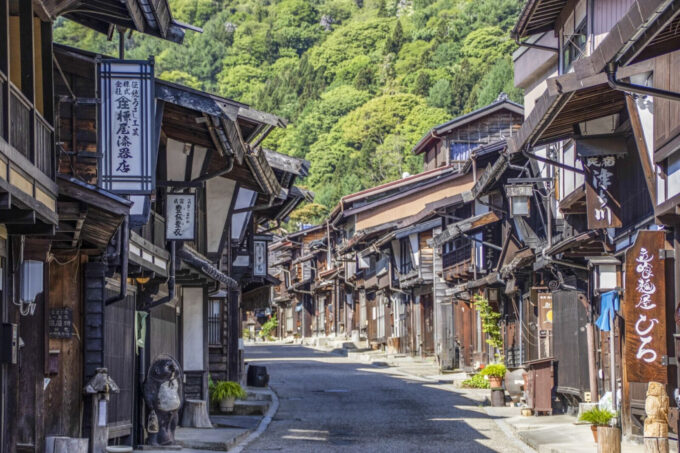
Though futuristic in design, the Tokaido Shinkansen’s route is deeply rooted in the past. Its name and path borrow from the Tokaido Road, one of Japan’s ancient highways established during the Edo period. This road once guided feudal lords, merchants, and pilgrims between Edo (Tokyo) and Kyoto along 53 post towns more than 400 years ago.
The section of the Tokaido Shinkansen between Tokyo and Atami follows the route of the Tokaido Road almost exactly, while the section from Nagoya to Kyoto follows along the Nakasendo Road. Overall, the Tokaido Shinkansen takes a straighter route and is built to avoid mountainous and urban areas.
Types of Services on the Tokaido Shinkansen Line
NOZOMI
Best for: Business travelers and time-conscious visitors
Note: Not covered by the Japan Rail Pass
The fastest and most frequent service. Stops only at major hubs: Tokyo, Shinagawa, Shin-Yokohama, Nagoya, Kyoto, and Shin-Osaka.
Travel Time:
- Tokyo → Nagoya: ~95 min
- Tokyo → Kyoto: ~135 min
- Tokyo → Osaka: ~150 min
HIKARI
Best for: JR Pass holders and efficient sightseeing
Covered by Japan Rail Pass
Slightly slower than the Nozomi, but still quick and convenient. Hikari trains stop at more stations than Nozomi and is the second fastest service on the Tokaido Shinkansen Line. Hikari services include both reserved and non-reserved seating
Travel Time:
- Tokyo → Nagoya: ~100–120 min
- Tokyo → Kyoto: ~155–160 min
- Tokyo → Osaka: ~175 min
KODAMA
Best for: Local explorers and short-distance travelers
Covered by Japan Rail Pass
Stops at every station on the Tokaido line. While this means longer travel times, it also offers access to smaller cities and towns you might otherwise miss.
Travel Time:
- Tokyo → Osaka: ~4hrs
- Tokyo → Nagoya: ~2hr 40 min
- Tokyo → Kyoto: ~3hr 40 min
Numerous daily services operate on the Tokaido Shinkansen line. For details including the timetable, please refer to our ‘Tokaido Shinkansen Timetable’ page.
Origins of the Tokaido Shinkansen
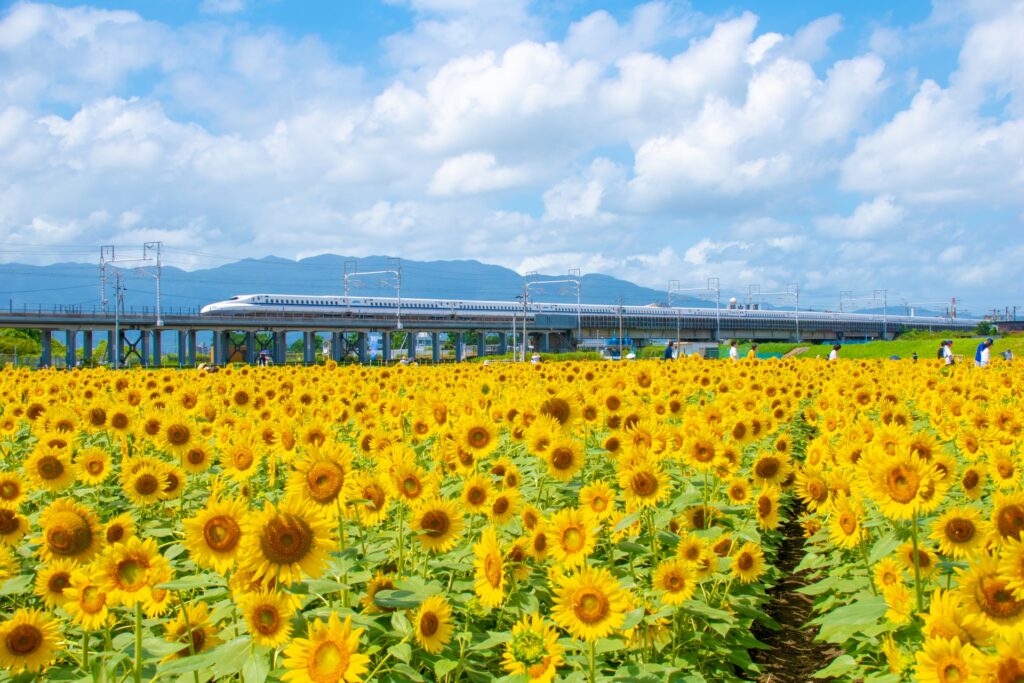
The Tokaido Shinkansen made its debut on October 1, 1964, just days before the Tokyo Olympics as a symbol of Japan’s post-war resurgence and boundless ambition. Stretching over 515 kilometers (320 miles), it was then the world’s first high-speed railway line. Today, it remains one of the safest and most punctual mass transportation systems on Earth, transporting over 7 billion passengers to date without a single fatal accident due to derailment or collision.
But the idea of this expansive rail network predates its sleek cars. In fact, the word “Shinkansen” was first used in 1940, intended for a bold vision: a line extending from Tokyo through Asia, reaching Beijing, Korea, and even Singapore. These plans were set aside during World War II, and high-speed rail was forgotten for several years. After the war the number of passengers and freight steadily increased and by the mid-1950s the Tokaido Line was operating at full capacity. So the Ministry of Railways decided to revisit the Shinkansen project.
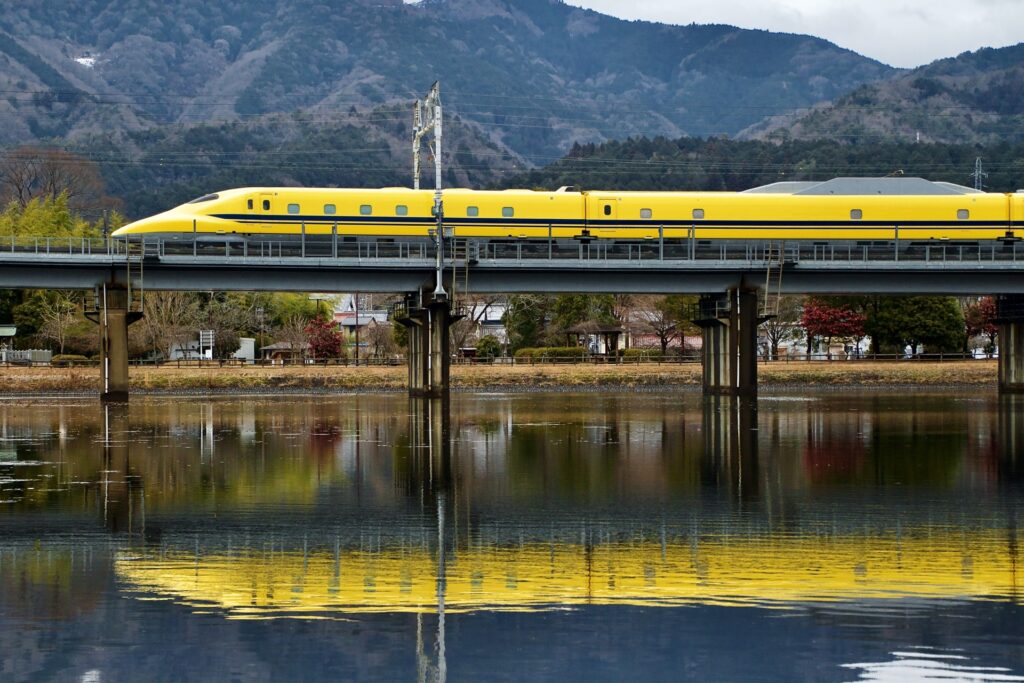
In December 1958 the government approved the plan and construction of the first segment of the Tokaido Shinkansen began the following spring. The cost of constructing the Shinkansen was at first estimated at nearly 200 billion yen.
When the Tokaido Shinkansen began operation, there were 60 departures a day with one Kodama service stopping at every station and one Hikari service stopping at only the major stations. The travel time between Tokyo and Shin-Osaka on the faster Hikari routes was 4 hours.
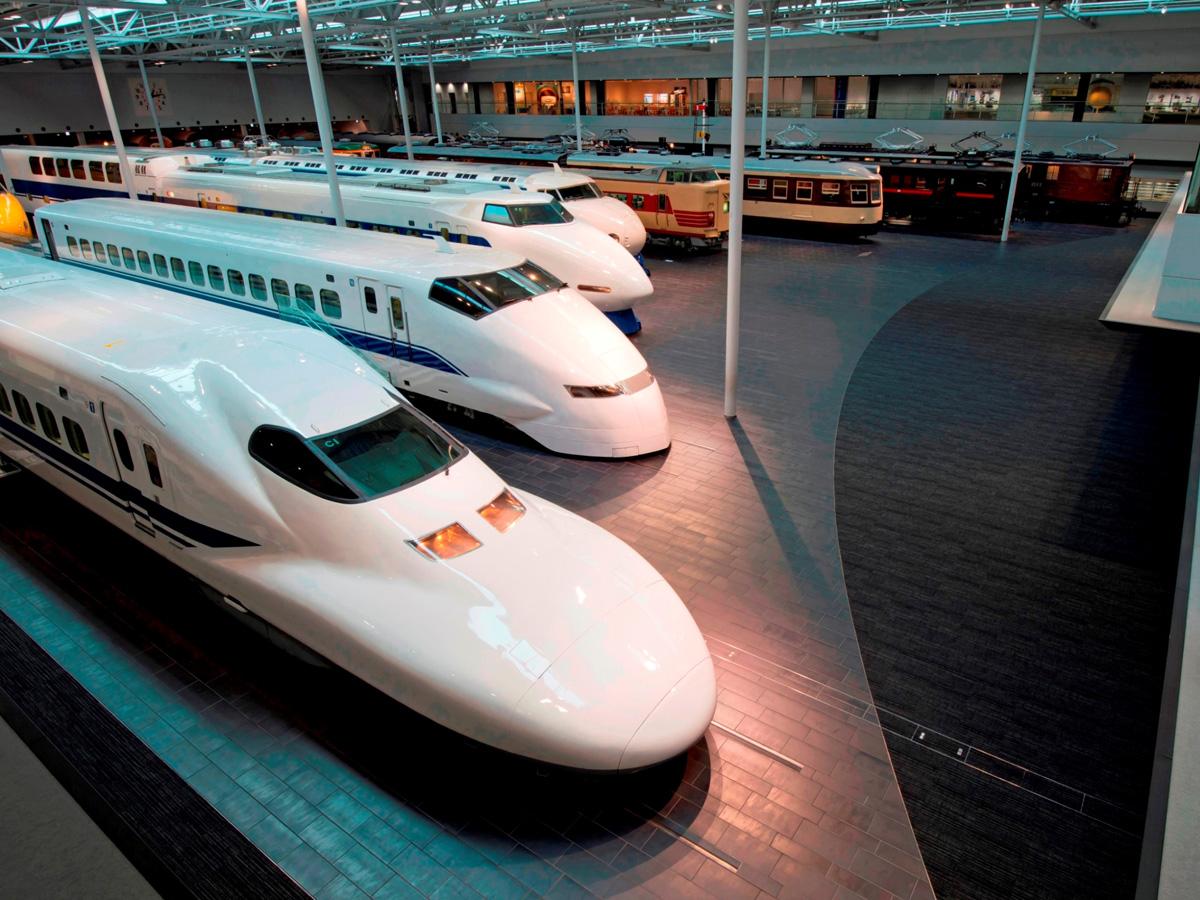
The service was an immediate success. In less than three years, the Tokaido Shinkansen had already transported over 100 million passengers, and one billion by 1976. The Tokaido Shinkansen's rapid success prompted an extension to Okayama, Hiroshima, and Fukuoka (the San'yo Shinkansen) in 1975. Which was followed by the Tohoku Shinkansen and Joetsu Shinkansen in 1982.
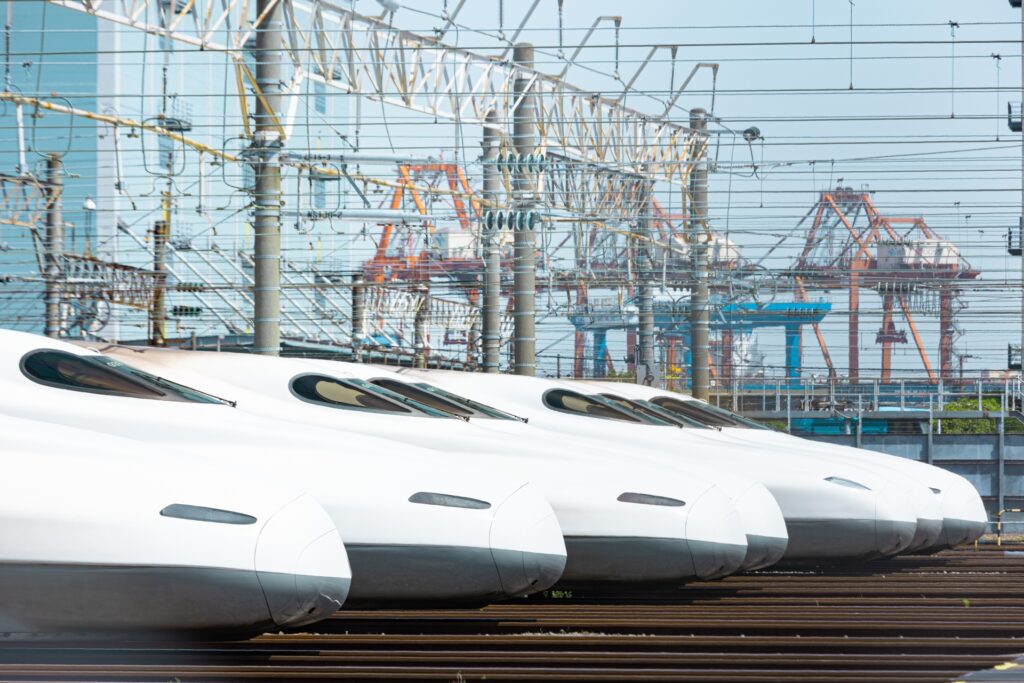
However, the rapid expansion and cost of construction caused Japanese National Railways (the government founded organization which operated Japan's national railway network) to take on an extreme amount of debt. This led to the privatization of the railways in 1987 and the formation of regional JR companies.
Central Japan Railway Company ( JR Central) was founded in 1987—improving facilities and equipment, and introducing faster trains and more departures. The Tokaido Shinkansen now supports ~ 432,000 passengers per day and can transport them between Tokyo and Shin-Osaka in 2hr and 21 mins at a max speed of 285 km/hr.
Frequently Asked Questions (FAQ)
Is the Shinkansen safe?
Unparalleled in its safety record. In over 60 years, not a single fatality has occurred due to derailments or collisions.
Can I use a Japan Rail Pass on the Tokaido Shinkansen?
Yes—but only for Hikari and Kodama services. The Nozomi is not included.
How early should I book a ticket?
It’s possible to buy tickets on the day. However for if you wish to have a particular seat or are traveling with a large group on popular routes (especially during holidays), reserving 1–2 weeks in advance is wise.
Can I bring luggage on board?
Yes. Small to medium suitcases fit in overhead racks. For large luggage (over 160cm in combined dimensions), a reservation may be required in advance.
Tips for Riding the Tokaido Shinkansen
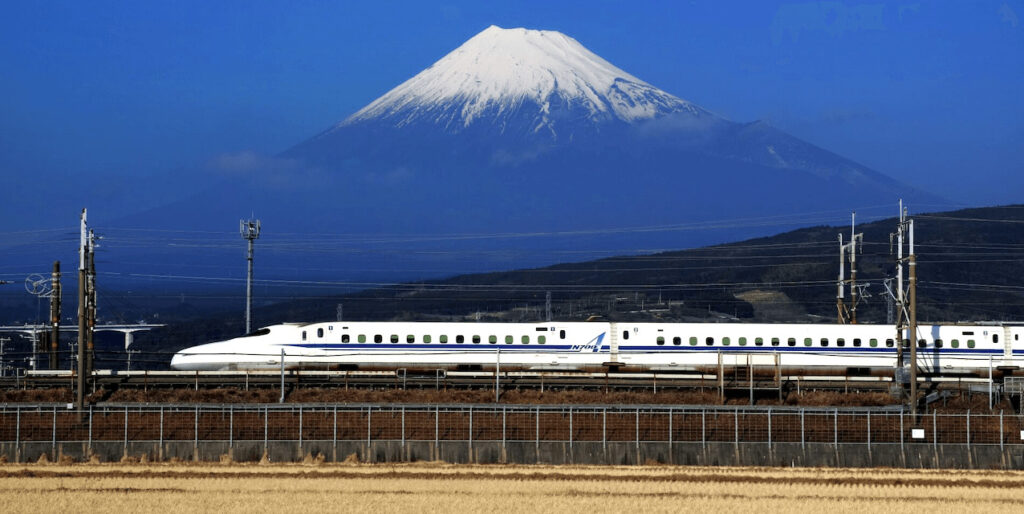
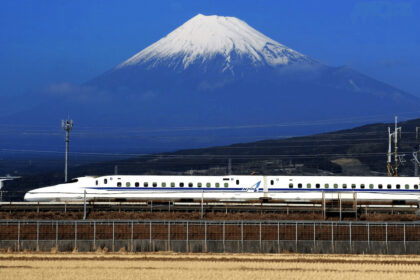
- Request a window seat on the right side (from Tokyo to Osaka) to catch a view of Mt. Fuji, especially around Shin-Fuji Station.
- Stations offer beautifully crafted bento boxes, called eki-bens, often showcasing regional specialties. These can be eaten onboard the train.
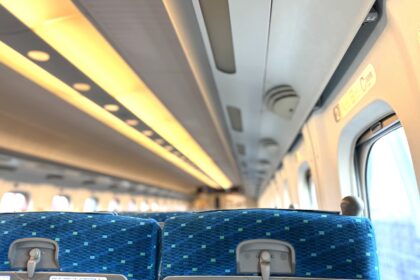
- Many Shinkansen cars now have free Wi-Fi, but don’t expect perfect coverage in tunnels or remote areas.
- Power outlets are usually available in window seats and Green Cars.
- The Tokaido line isn’t just about Tokyo and Osaka—consider stopping at:
- Atami: Seaside hot springs and art museums.
- Shizuoka: Tea culture, Mount Fuji views.
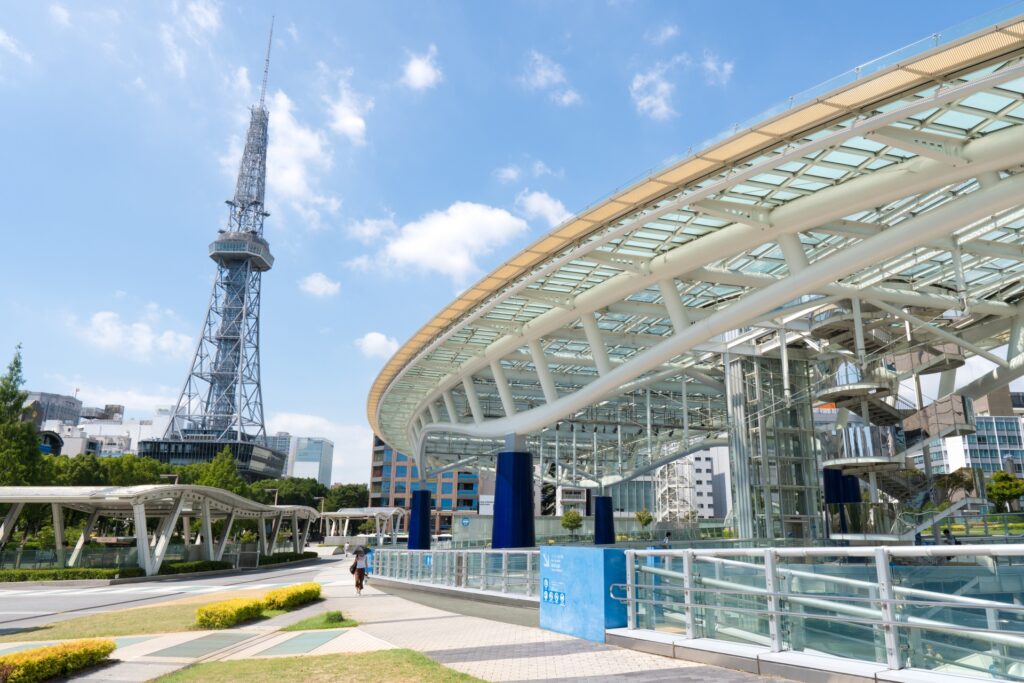
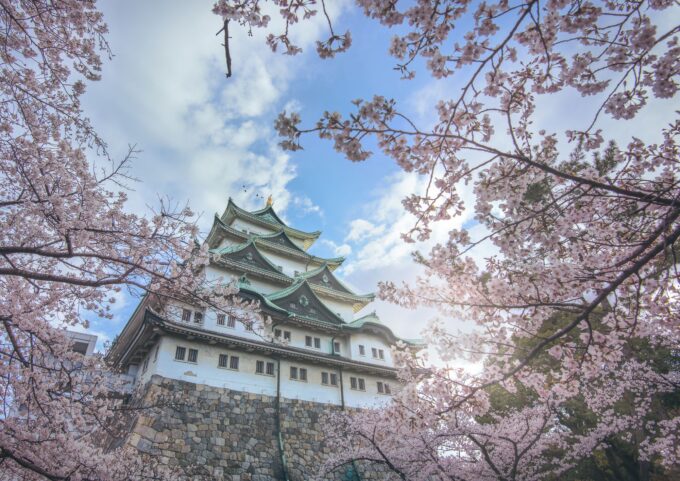
- Nagoya: Samurai history and great food.
- Maibara: Gateway to Lake Biwa and Hikone Castle.