








What is a Shukubo?
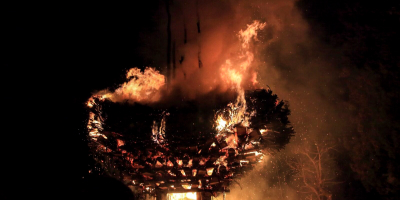
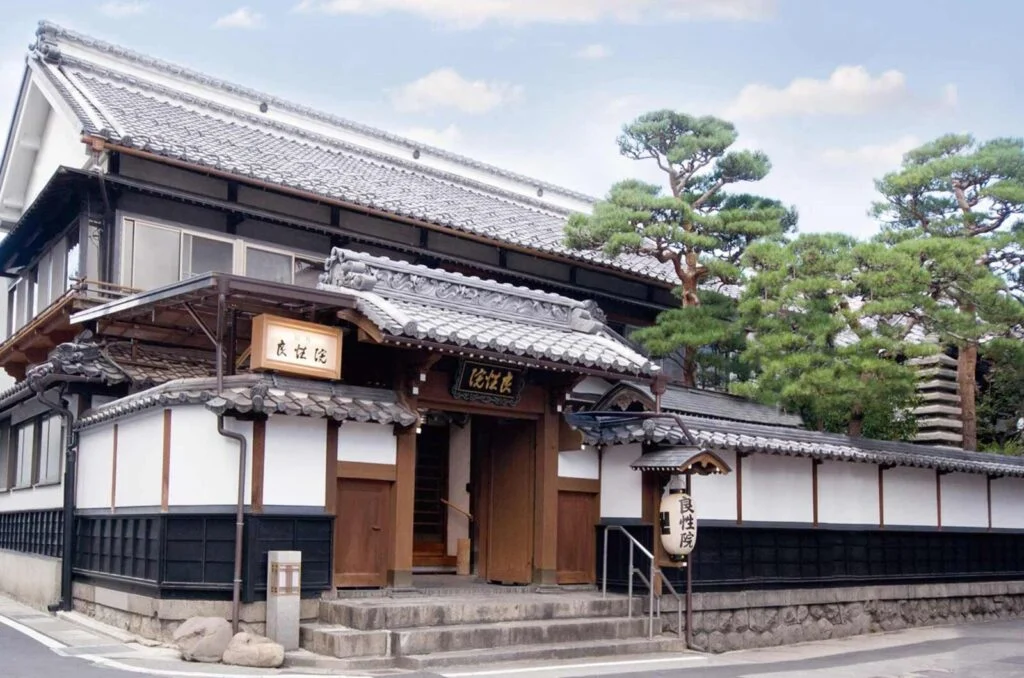
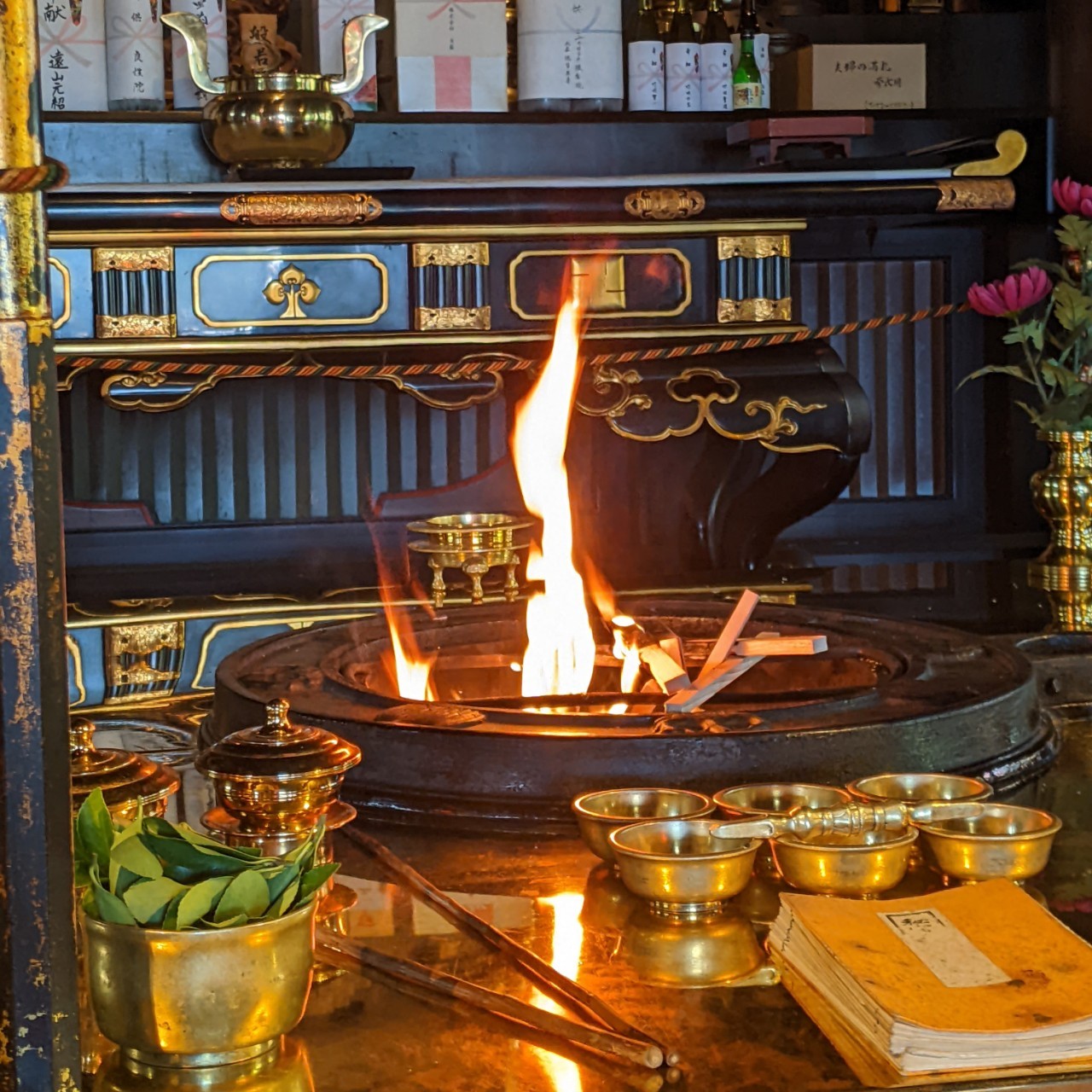
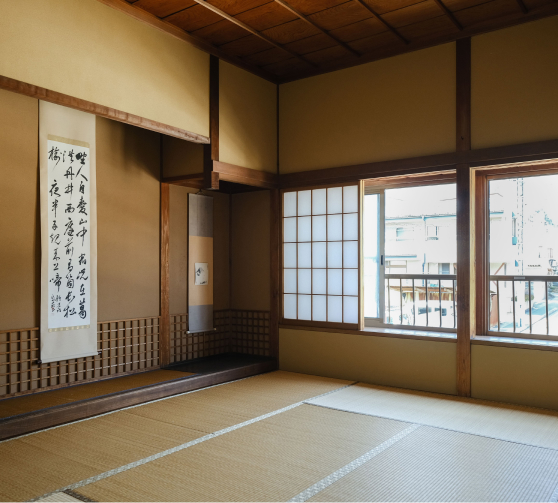
A ‘shukubo’ is basically a ‘ryokan’, a traditional guesthouse providing lodging to visitors to nearby or within temple and shrine complexes. In the past, they provided accommodation to people on pilgrimages, a function they still serve today. However, you don’t need to a devotee of any particular faith or on pilgrimage yourself to enjoy staying at one. Offering traditional comforts, tranquility and vegetarian menus, anyone is welcome to stay at a shukubo. Should they wish to, guests can participate in activities including a ‘goma’ prayer (fire ceremony), ‘shakyo’ (brush meditation) or ‘zazen’ (seated meditation) along with attendance at the temple’s daily ‘O-Asaji’ (morning ceremony).
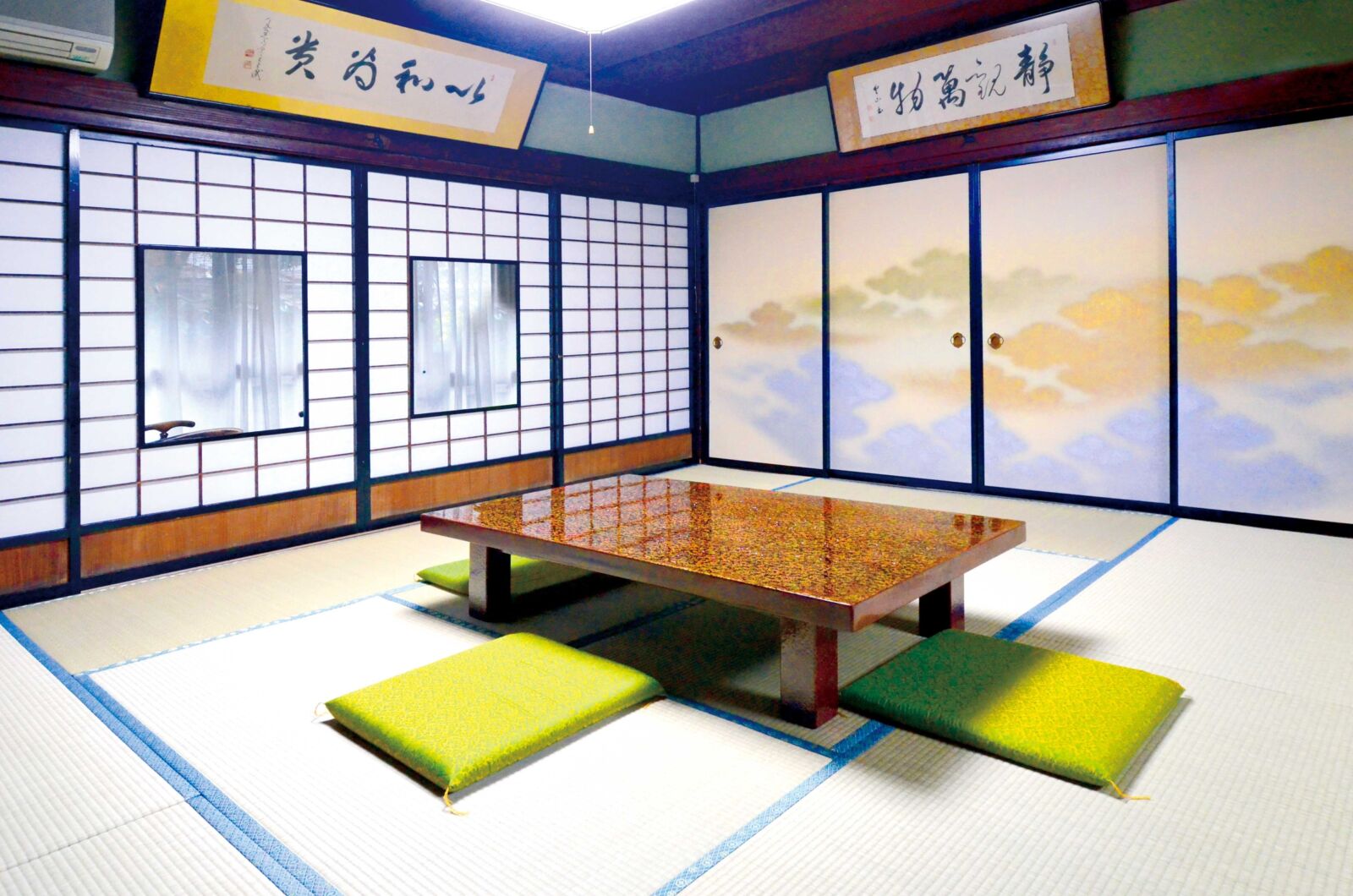
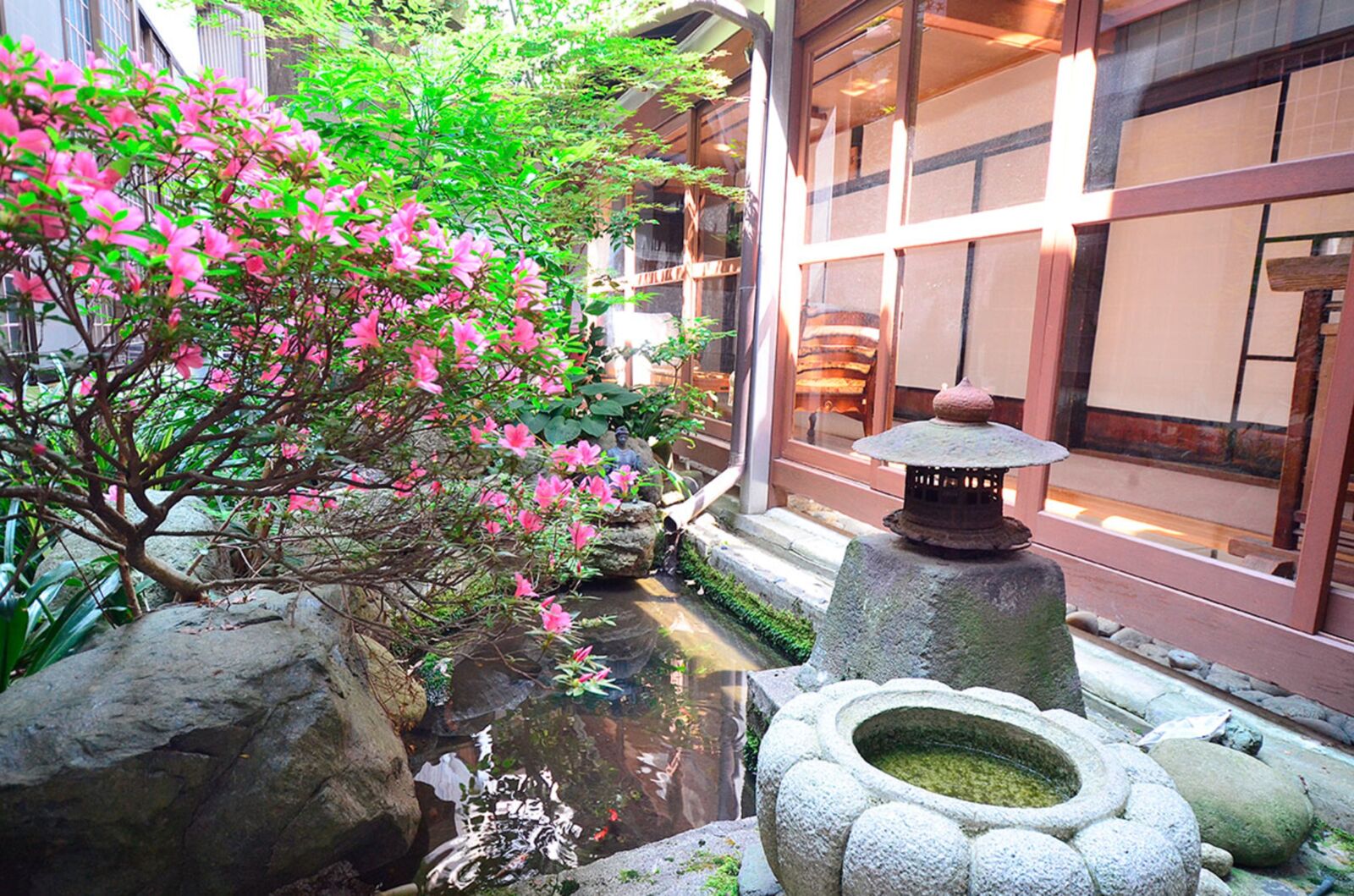
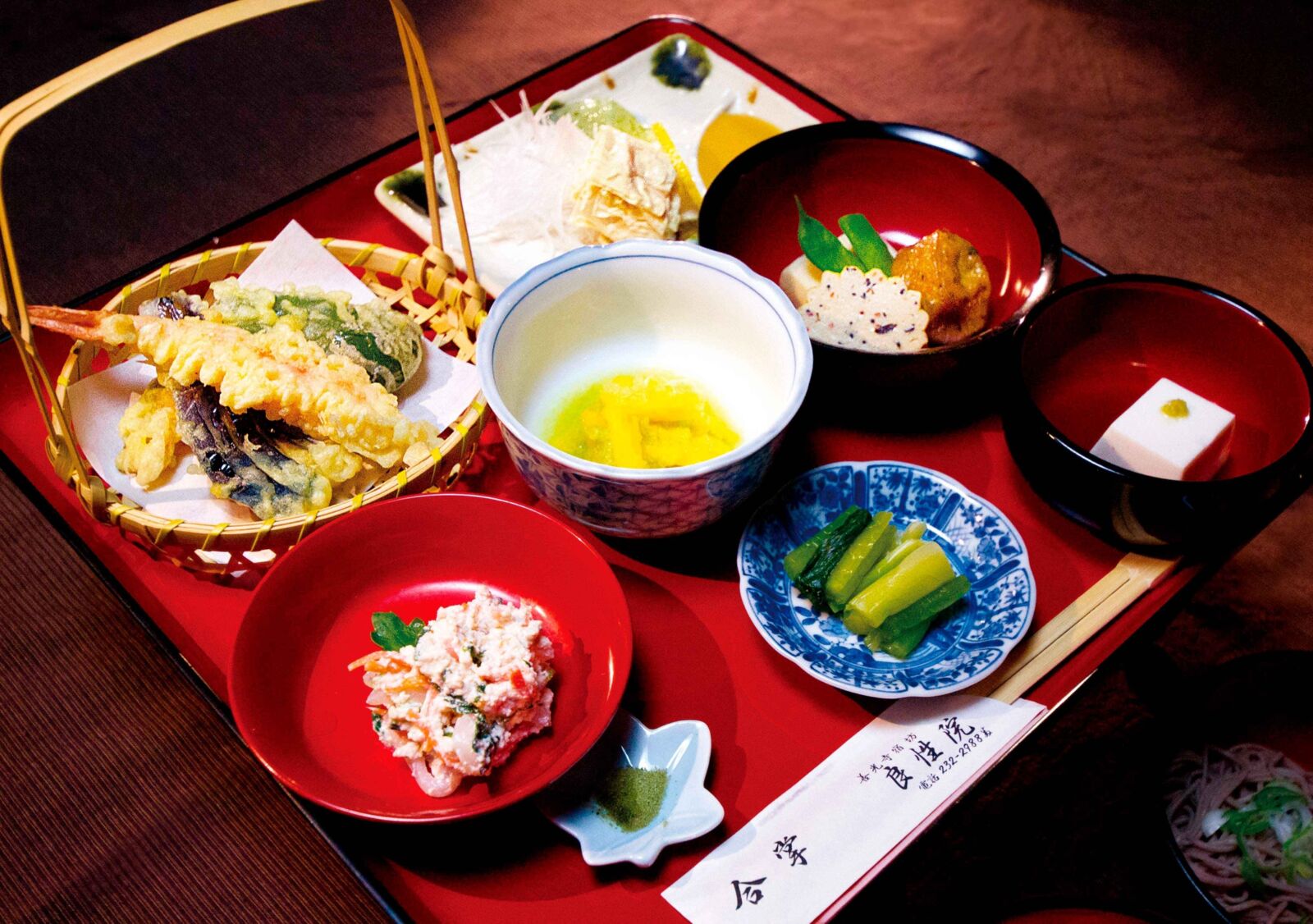
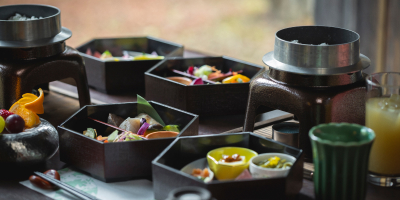
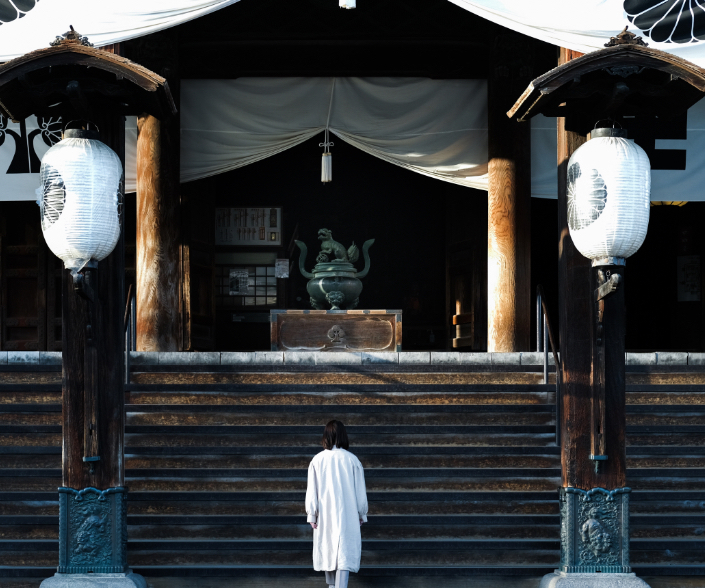
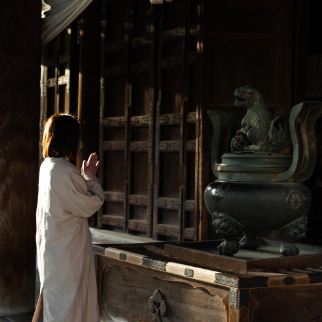
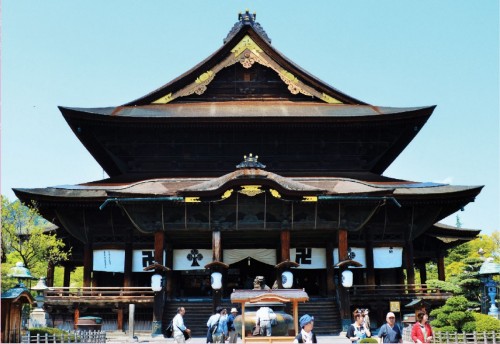
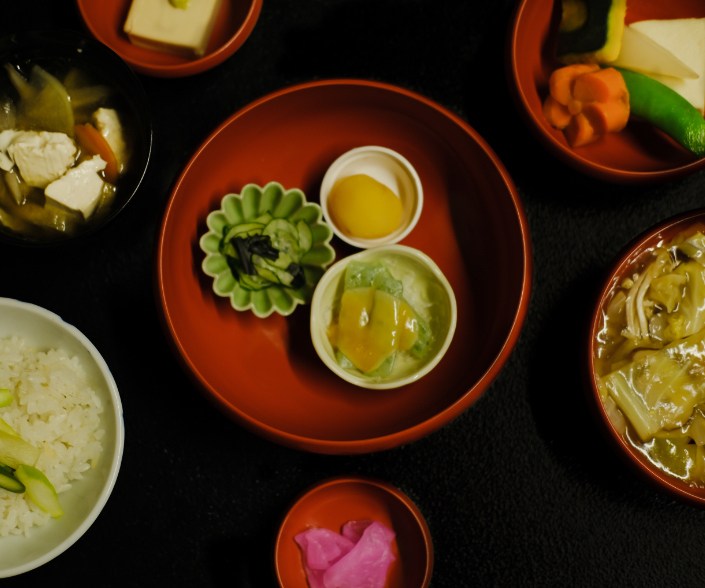
In line with Buddhist practices, these ‘shukubo’ serve a traditional vegetarian dinner (18:00) and breakfast menu (between 07:30 to 09:00) with alcohol available (at an additional cost). Following your dinner you can explore the temple complex at night – offering uniquely beautiful photography opportunities. As your ‘shukubo’ is one of the 39 sacred temples within Zenkoji's grounds, it abides by temple practices and the entrance gates will close at 20:00. If you so choose, early the following morning the ‘shukubo’ staff can guide you to the daily ‘O-Asaji’ dawn service at the temple’s main hall to put a spiritual bookend on your temple lodging ‘shukubo’ experience!
How do I get to the Zenkoji Shukubo?
As a stop on the Hokuriku Shinkansen line running from Tokyo Station, Nagano is easy to reach – taking between 80 to 110 minutes from the capital (depending on which service you choose). As such, Nagano City is the most convenient hub from where to reach the most popular attractions and destinations in the region including the forest shrine of Togakushi, hidden samurai enclave of Matsushiro, the Jigokudani Monkey Park, Matsumoto along with the best ski resorts in Nagano and iconic destinations including the Tateyama-Kurobe Alpine Route.
Guided Tours that include a Shukubo Stay at Zenkoji Temple
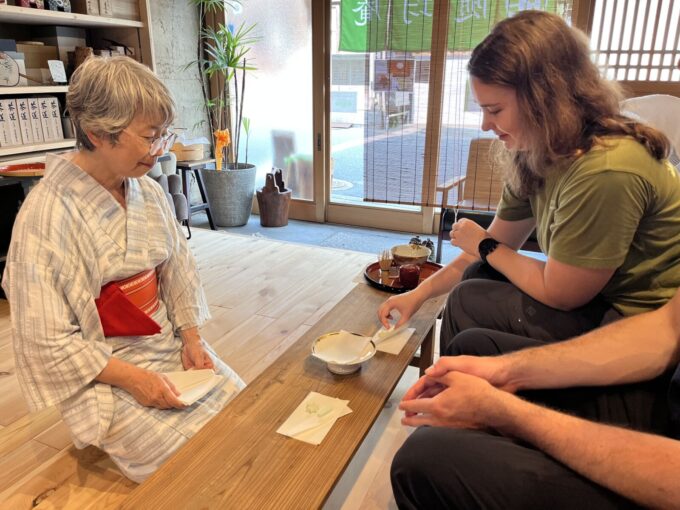
For guests wanting to include a stay a shukubo inside the Zenkoji Temple complex, we offer two tours: the first is the Tea Ceremony and Zenkoji Experience Tour, as listed above. This tour packs a lot of Japanese culture into a short time period with a tea ceremony, sake tasting, and Buddhist fire ceremony all included. At each of these locations your guide will explain the meaning and history behind each custom, and will also help you communicate with the locals who operate these experiences. At the end of the day, you will check in to your room at the shukubo, where you can eat an early lunch and get a good night's sleep - necessary if you want to join the early morning fire ceremony the next day!
Recommended
Tea Ceremony and Zenkoji Experience Tour with 'Shukubo' Temple Lodging Stay
- Spots:
- Nagano
- Pick-up:
- Nagano City
- Drop-off:
- Nagano City
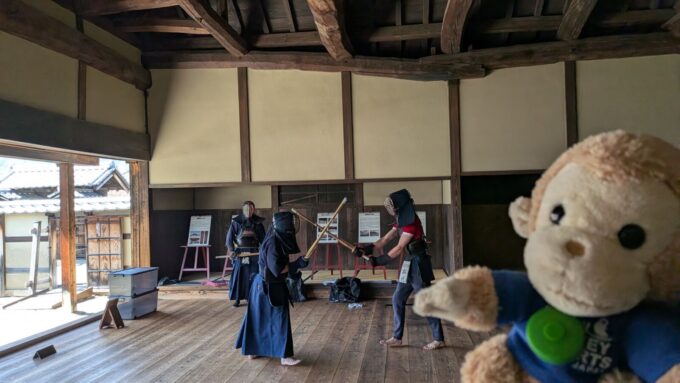
The second tour on offer includes of course the shukubo stay, but unlike the above offering spreads over two days and includes samurai training at a real samurai dojo, as well as a visit to the Snow Monkeys of Jigokudani, one of Nagano's biggest attractions. This tour is a great way to escape the city for a short while and see more of the deep culture Japan has to offer.
New Tour
2-Day Tour: Snow Monkeys, Samurai Experience & Zenkoji 'Shukubo' Stay
- Spots:
- NaganoSnow Monkey
- Pick-up:
- Nagano City
- Drop-off:
- Nagano City
Available all-year-round, both tours offer guests a memorable experience including overnight accommodation at one of Japan's oldest and most important temple complexes.
Frequently Asked Questions (FAQ)
What is a shukubo?
A shukubo is a traditional Japanese temple lodging, similar to a ryokan (guesthouse), historically used to host pilgrims visiting temples and shrines. It provides a quiet, comfortable place to stay while experiencing the spiritual atmosphere of a temple.
Why stay at a shukubo?
Staying at a shukubo allows guests to enjoy traditional Japanese hospitality, vegetarian temple cuisine, and a tranquil environment. Guests can participate in Buddhist rituals such as goma fire ceremonies, shakyo (brush meditation), zazen (seated meditation), and the daily O-Asaji morning service, providing a unique cultural and spiritual experience.
Can anyone stay at a shukubo or is it only for pilgrims?
Anyone is welcome to stay at a shukubo. You don’t need to be a devotee or on a religious pilgrimage. Guests can enjoy the cultural experience, traditional lodging, meditation, temple meals, and serene surroundings regardless of faith.
What can I expect during a shukubo stay at Zenkoji Temple?
Guests can expect a traditional vegetarian dinner served around 18:00 and breakfast between 07:30–09:00, with alcohol available at additional cost. Staying in a shukubo inside Zenkoji’s sacred grounds provides a quiet and immersive experience, with the chance to explore the temple complex at night, and attend the O-Asaji morning ceremony the following day, often guided by temple staff.
What is special about each shukubo in terms of history and family?
Many shukubo at Zenkoji are family-operated and have been run for generations, preserving unique histories and traditions. Each has its own story, reflecting its role in supporting pilgrims, maintaining temple customs, and contributing to the spiritual community. Guests may notice differences in architecture, décor, and ceremonial practices, giving each shukubo a distinct personality and charm.
Are there any restrictions I should know about when staying at a shukubo?
Yes. As temple lodgings, shukubo follow temple rules and schedules. Common restrictions include:
- Gate closures: Entrance gates often close around 20:00, so late arrivals should plan accordingly.
- Quiet hours: Guests are expected to maintain a peaceful atmosphere, especially at night.
- Ceremony participation: Some activities may have fixed times (e.g., morning O-Asaji), so guests should coordinate with staff.
- Shoes and attire: Traditional rules such as removing shoes indoors and modest clothing during ceremonies may apply.
These practices help preserve the temple’s sacred atmosphere and ensure a respectful, authentic experience.
How many shukubo are available in Zenkoji Temple?
Zenkoji Temple complex has 39 sacred temples, many of which operate shukubo accommodations. Each follows traditional temple practices, including early evening gate closures and guidance for participating in temple ceremonies.
Where is Zenkoji Temple and how do I get there?
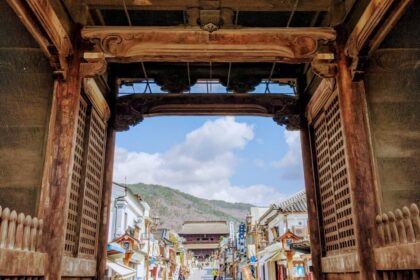
Zenkoji is located in Nagano City, only a 20-minute walk from Nagano Station. It is easily accessible via the Hokuriku Shinkansen from Tokyo Station, taking 80–110 minutes depending on the service. This makes Zenkoji an ideal hub to explore Nagano’s cultural and natural attractions, including Togakushi Shrine, Matsushiro, Jigokudani Monkey Park, Matsumoto, ski resorts, and the Tateyama-Kurobe Alpine Route.
Are there tours that include a shukubo stay at Zenkoji?
Yes. There are two main tour options for guests wanting a shukubo stay:
- Tea Ceremony and Zenkoji Experience Tour – Includes a tea ceremony, sake tasting, Buddhist fire ceremony, and a one-night stay at the shukubo.
- Two-Day Cultural Tour – Combines a shukubo stay with samurai training at a real dojo, a visit to the Jigokudani Snow Monkeys, and other cultural experiences, giving a more in-depth exploration of Nagano.
What makes a shukubo stay at Zenkoji unique?
Zenkoji shukubo offers a combination of history, culture, and tranquility. Guests can:
- Participate in traditional Buddhist rituals
- Enjoy vegetarian meals prepared according to temple practices
- Explore the temple complex at night for peaceful photography
- Immerse themselves in the local culture with guided explanations of ceremonies and historical sites
When is the best time to visit Zenkoji for a shukubo stay?
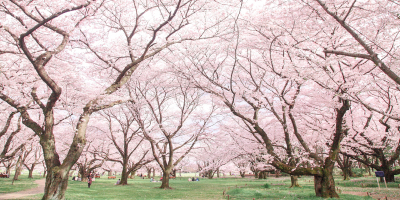
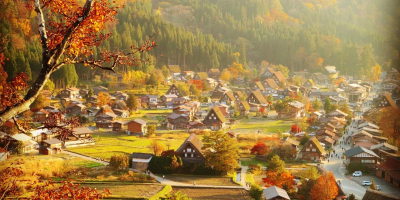
Zenkoji is enjoyable year-round. Spring features cherry blossoms, summer hosts festivals like the Binzuru Dance Festival, autumn brings stunning foliage, and winter offers serene temple landscapes and the Tomyo Lantern Festival. Shukubo stays provide a quiet retreat regardless of season.
Can a shukubo stay be combined with other attractions in Nagano?
Absolutely. Many guests combine their stay with nearby highlights such as the Jigokudani Snow Monkey Park, Togakushi Shrine, Matsushiro Samurai District, Matsumoto Castle, and ski resorts. Private tours and charters can help create a custom itinerary that blends culture, history, and nature.
Why choose Zenkoji shukubo for a cultural experience in Japan?
Zenkoji shukubo offers a unique blend of traditional lodging, cultural immersion, and spiritual experience. Staying at one of Japan’s oldest temples provides a memorable, authentic, and convenient way to experience Japanese Buddhism, rituals, and hospitality in the heart of Nagano.
Can I stay at a shukubo without joining a guided tour?
Yes. Guests can stay at a shukubo independently, depending on availability. To arrange a stay, it’s best to contact us directly to confirm dates and room options. While guided tours provide cultural context and activities, staying on your own still allows you to experience the tranquility, traditional meals, and temple ceremonies offered at the shukubo. You can find the inquiry button on this page to get started.