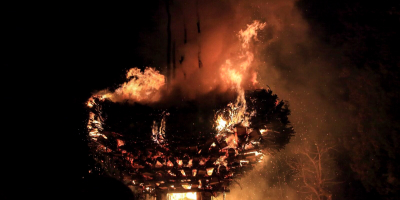
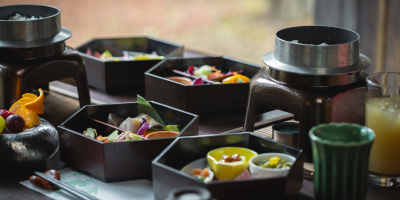
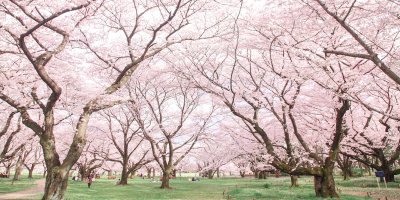
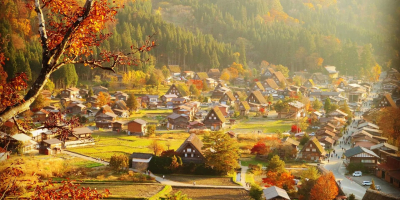


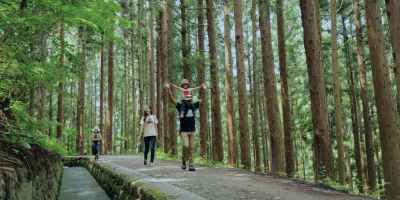

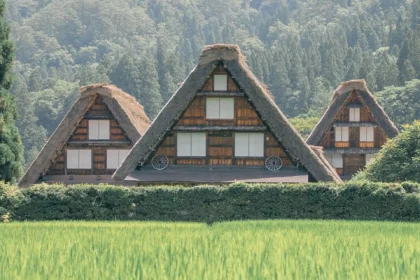


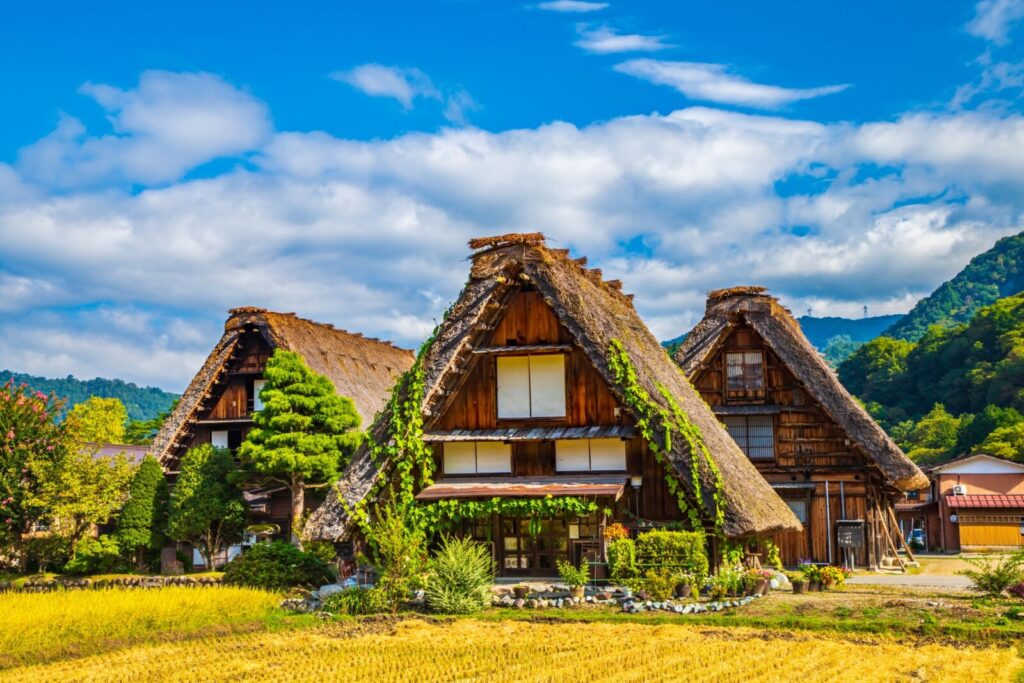
Nestled deep within the mountains of northern Gifu Prefecture, Shirakawa-go is one of central Japan’s most beautiful cultural destinations. This UNESCO World Heritage Site encompasses three well-preserved historical villages, famous internationally for their ‘gassho-zukuri’, steeply thatched, style farmhouses.
Ogimachi, the largest of the three villages, is the most visited and has the most to offer for those visiting the area. Visitors can step inside the centuries-old farmhouses, learn about their construction and the traditional way of life within them, discover the village’s local shrines and temples, sample local foods, and discover a traditional side of Japan that only the countryside offers. This guide introduces 15 of the best things to do within Shirakawa-go and the surrounding area, along with information about the Gokayama region as a whole, where to stay, how to get there, and some of the best tours for exploring this historic part of the country.


Based in Nagano and operating all year round, we are the region’s No.1 tour and charter operator. We can arrange transport and tours to any destinations in the region, and as a registered travel agent, we can package transport, accommodation and more together so you save and get the most out of your time in Central Japan – scroll to the bottom for details.
Where is Shirakawa-go?
Shirakawa-go is located in the mountains of northern Gifu Prefecture, close to the border with Toyama Prefecture. The area’s main village, Ogimachi, lies along the Shogawa River and is surrounded by forested mountains which historically left the community relatively isolated from the surrounding region.

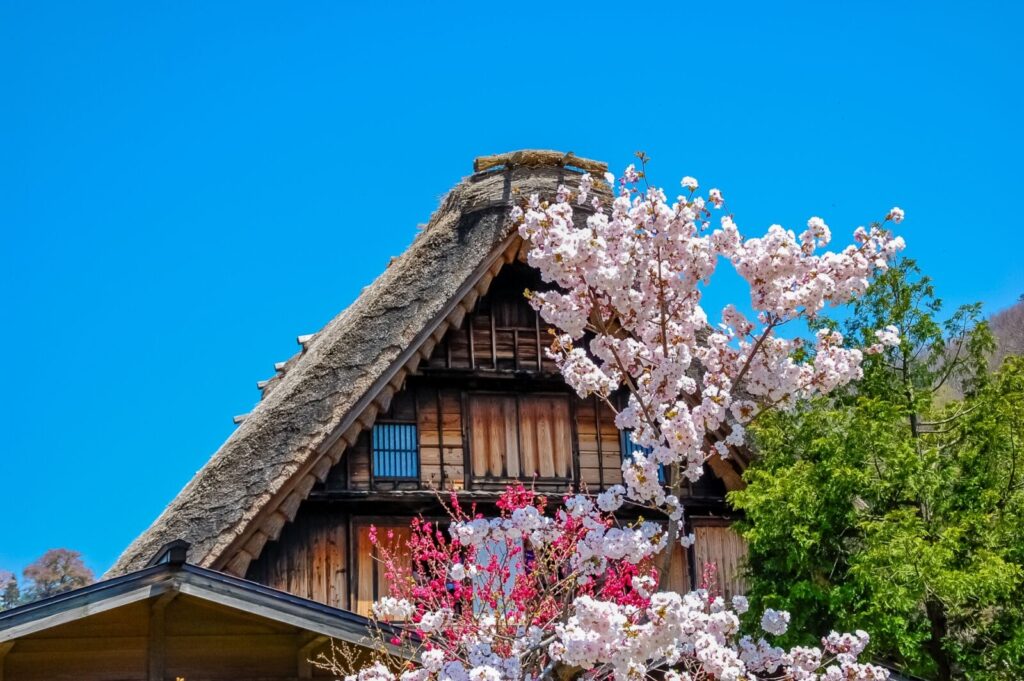

Although the name Shirakawa-go is often used when referring to the UNESCO World Heritage Site as a whole, the designation actually includes three separate villages. Ogimachi is located in Shirakawa-go, while Ainokura and Suganuma lie further north in the neighbouring Gokayama region of Toyama Prefecture. Together, the three villages make up the Historic Villages of Shirakawa-go and Gokayama World Heritage Site.
There is no railway station in Shirakawa-go, with most visitors arriving by highway bus, private vehicle, or as part of a tour. Takayama is the closest major tourism hub and one of the most convenient starting points, while regular bus connections also make Shirakawa-go accessible from Kanazawa and other cities in the region. For detailed transport information, see our guide on how to get to Shirakawa-go.
Why Visit Shirakawa-go?
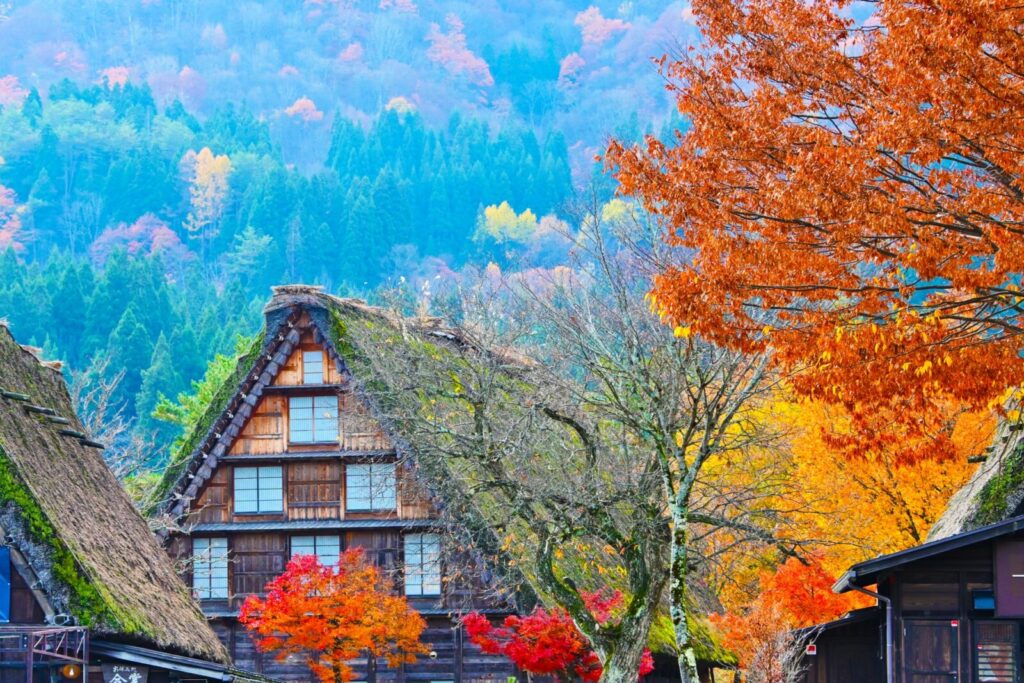
Shirakawa-go offers the opportunity to experience a remarkably well-preserved mountain community unlike anywhere else in Japan. Its most recognisable feature is its collection of gassho-zukuri farmhouses, named for their steeply pitched roofs, which are said to resemble hands pressed together in prayer. Designed in response to the region’s heavy snowfall, some of these traditional homes have stood for centuries and remain inhabited today.

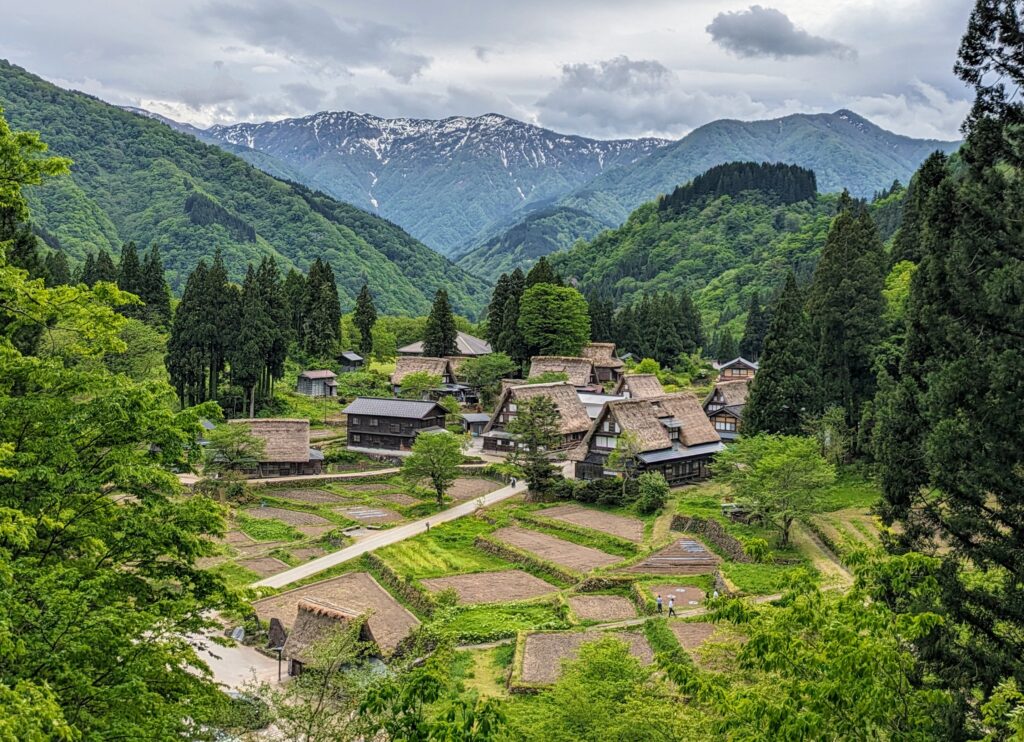
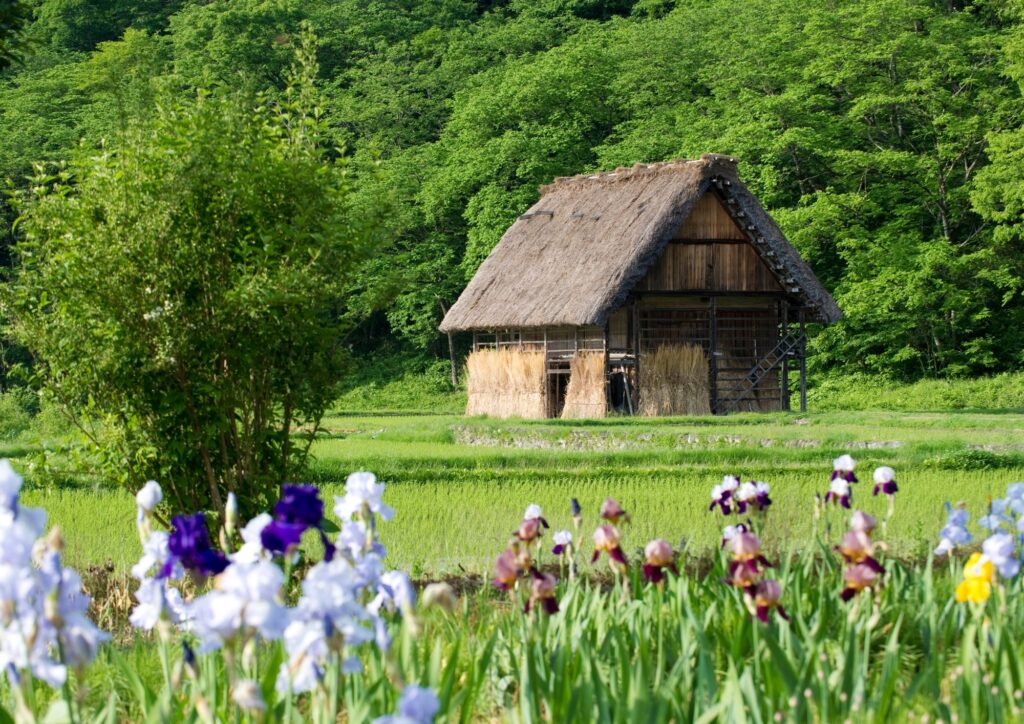
What makes Ogimachi particularly interesting is that it is not simply a collection of preserved historic buildings. Homes, rice fields, waterways, shrines, temples, shops, and other elements of everyday village life remain woven together throughout the landscape. Several of the historic farmhouses are open to visitors, offering the chance to see their interiors and learn more about their construction, as well as the families and traditional industries that once supported life in this isolated mountain community. Shirakawa-go also changes considerably with the seasons. Snow transforms the village in winter, while spring brings fresh greenery and rice planting, summer sees the surrounding fields at their greenest, and autumn colours the mountains around Ogimachi. Each season offers a different perspective on the village and its surrounding landscape.
Best Things to do & see in Shirakawa-go
1 / Explore Ogimachi / All Year Round

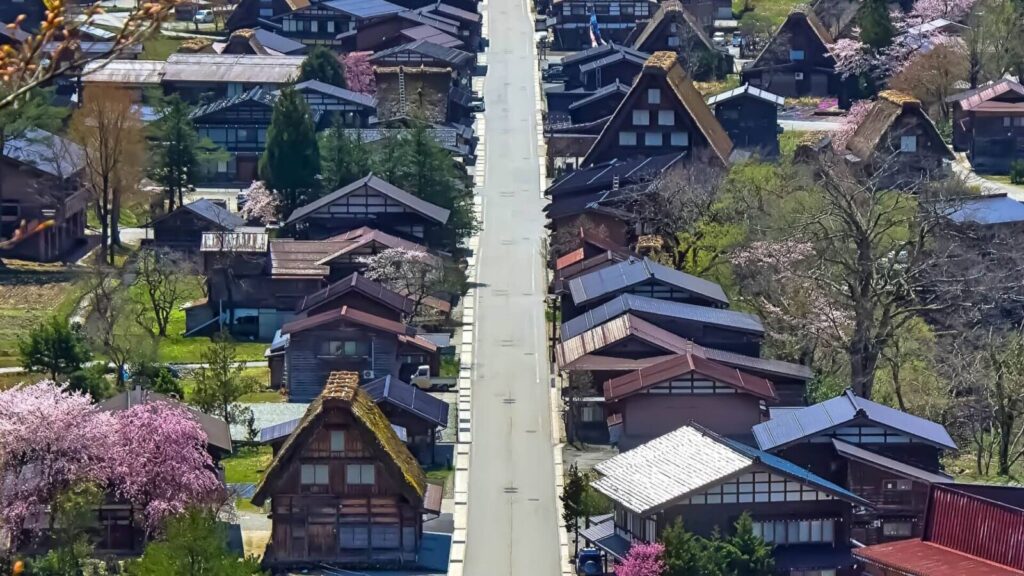
Ogimachi is the largest of the three villages that make up the UNESCO World Heritage Site and the main destination for most visitors to Shirakawa-go. Ogimachi is best experienced simply by exploring the village on foot. Traditional gassho-zukuri houses stand alongside rice fields, gardens, waterways, shrines, and more modern homes, creating a landscape that remains both historic and lived-in.

Take some time to wander beyond the busiest central streets, where quieter corners offer a closer look at the village and its surrounding mountains. Remember that Ogimachi remains home to a local community, so visitors should stay on public roads and paths, avoid entering private property or fields, and be considerate when taking photographs.
Best Selling
1-Day Tour from Takayama: Explore Scenic Old Japan in Takayama and Shirakawa-go
- Spots:
- TakayamaShirakawago
- Pick-up:
- Takayama
- Drop-off:
- KanazawaTakayama
2. Take In The View From Ogimachi Observation Point / All Year Round
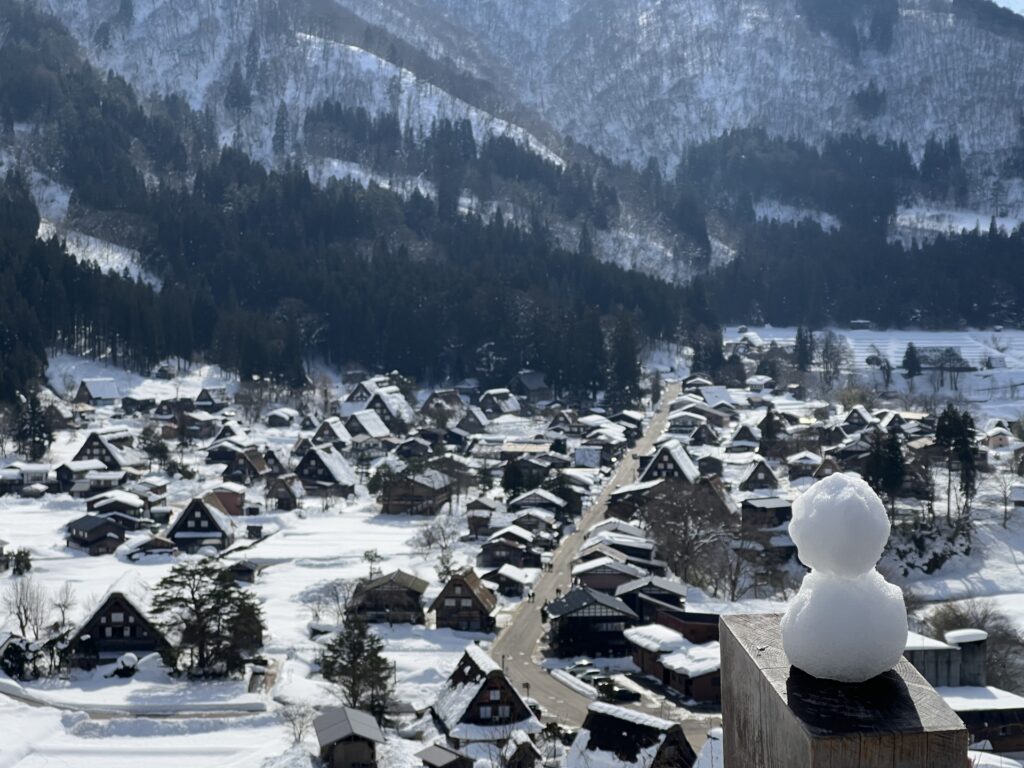
For the classic panoramic view of Shirakawa-go, head uphill to the Ogimachi Castle Observation Point overlooking the village. From here, you can see many of Ogimachi’s gassho-zukuri rooftops spread across the valley below, with the surrounding mountains providing a dramatic backdrop. It is one of the best places to appreciate the layout of the village as a whole and is particularly impressive when the landscape is covered in winter snow.

The observation point can be reached on foot from the village or by a paid shuttle bus that operates from near Wada House. Walking uphill takes around 20 minutes, while the return journey into the village is considerably easier. Shuttle operations and access can be affected by weather and other conditions, particularly during winter, so it is worth checking the latest information locally before heading up.
3 / Step Inside Nagase House / All Year Round
Nagase House is one of several historic gassho-zukuri farmhouses in Ogimachi that visitors can enter and explore. This house belongs to the Nagase family, famous for their heritage of being the doctors of Shirakawa-go centuries prior. Inside, visitors can see household objects and other items passed down through generations of the family, while the upper floors provide a closer look at the timber framework supporting the enormous thatched roof.
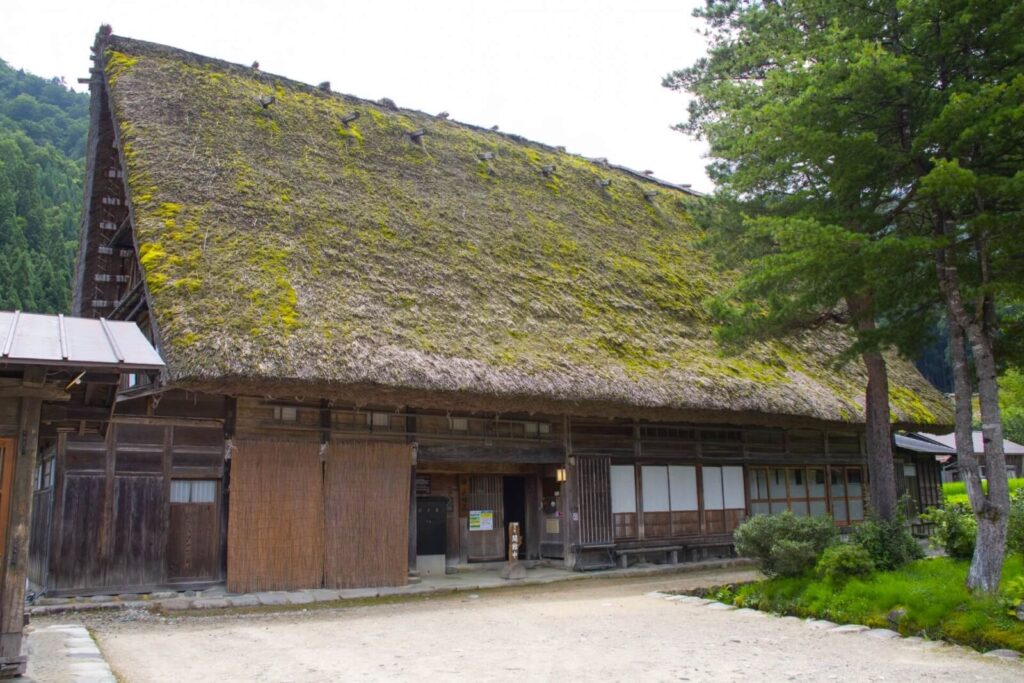
Nagase House is also a particularly interesting place to learn about ‘yui’, the traditional system of mutual assistance sometimes used by villagers when re-thatching these roofs. Pictures and footage of the team-effort re-thatching process can be viewed inside the house. This combination of preserved interiors, family history, and traditional construction makes the Nagase House well worth including while exploring Ogimachi.
- Admission: ¥400 for adults / ¥200 for children
- Hours: 09:00–16:00, with irregular closing days

4 / Visit Wada House / All Year Round
Located close to the centre of Ogimachi, Wada House is the largest gassho-zukuri farmhouse in Shirakawa-go and one of the village’s most important historic buildings. Designated as an Important Cultural Property of Japan, the house was home to the influential Wada family, whose members served as village leaders and officials during the Edo Period. The family also prospered through the trade of silk products and ingredients used in the production of gunpowder.
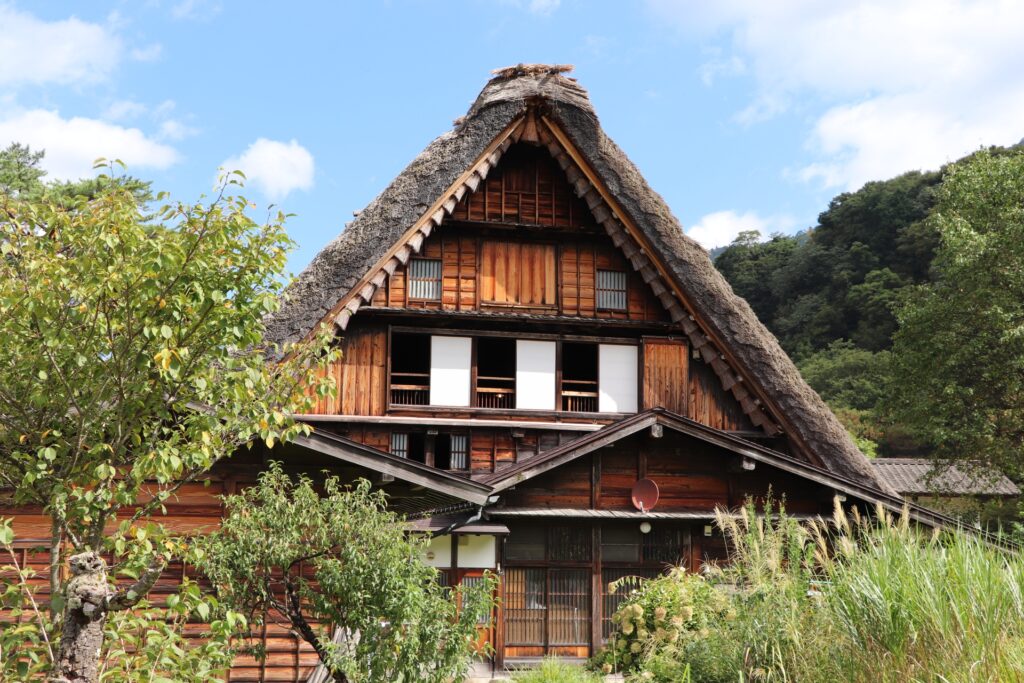
The first and second floors are open to visitors, offering a look inside the spacious living areas and the impressive timber structure beneath the steep thatched roof. Its size and well-preserved interior make Wada House an excellent place to understand how a prosperous household in Shirakawa-go once lived, while its location near the observation point shuttle stop makes it easy to incorporate into a walk through the village.
- Admission: ¥400 for adults / ¥200 for children
- Hours: 09:00–16:00, with irregular closing days
5 / Explore Kanda House / All Year Round
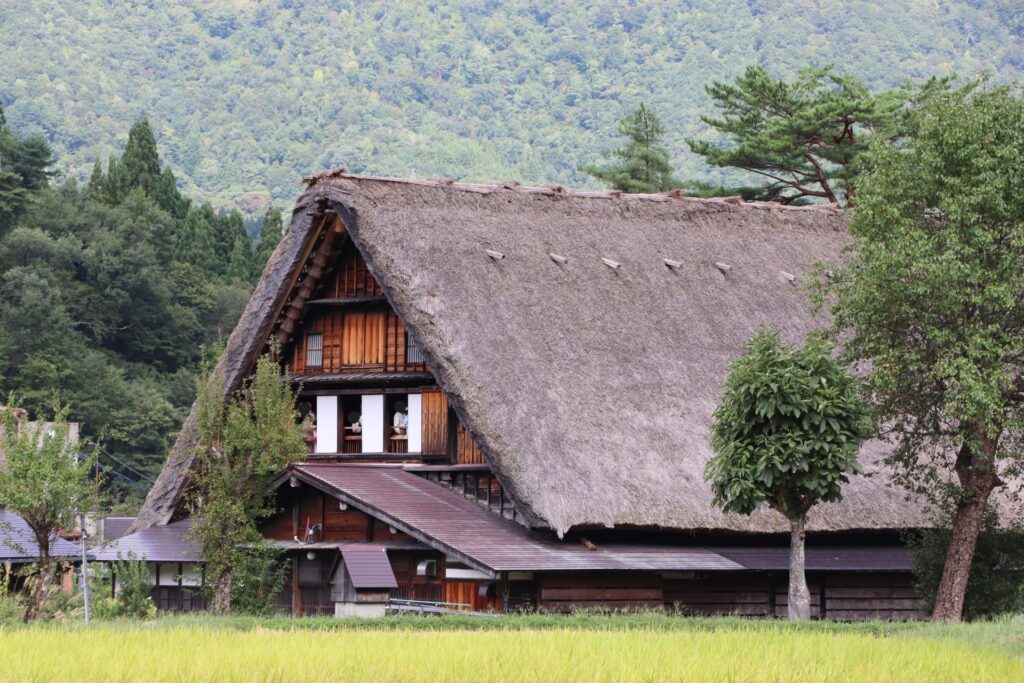
Located only a short walk from Nagase House, Kanda House is another of Ogimachi’s historic gassho-zukuri farmhouses open to visitors. Its carefully preserved interior provides a fascinating look at life inside one of Shirakawa-go’s traditional homes, while each floor reveals more of the impressive structure hidden beneath the steeply thatched roof.
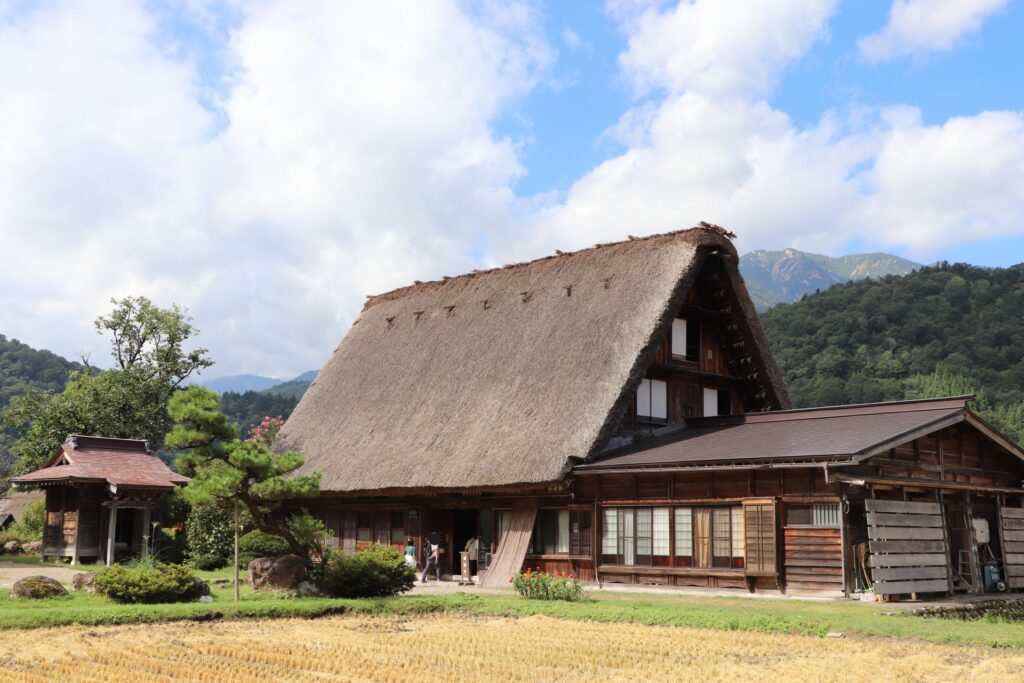
As you make your way through the house, you can get a close look at the large timber framework and see how the different floors were traditionally used. Kanda House also preserves traces of the production of ingredients used to make gunpowder, once an important industry in the region. Together with nearby Nagase and Wada houses, it offers another perspective on the architecture, industries, and everyday life that developed within this isolated mountain community.
- Admission: ¥400 for adults / ¥200 for children
- Hours: 10:00–16:00; closed Wednesdays
6 / Visit Myozenji Temple / All Year Round
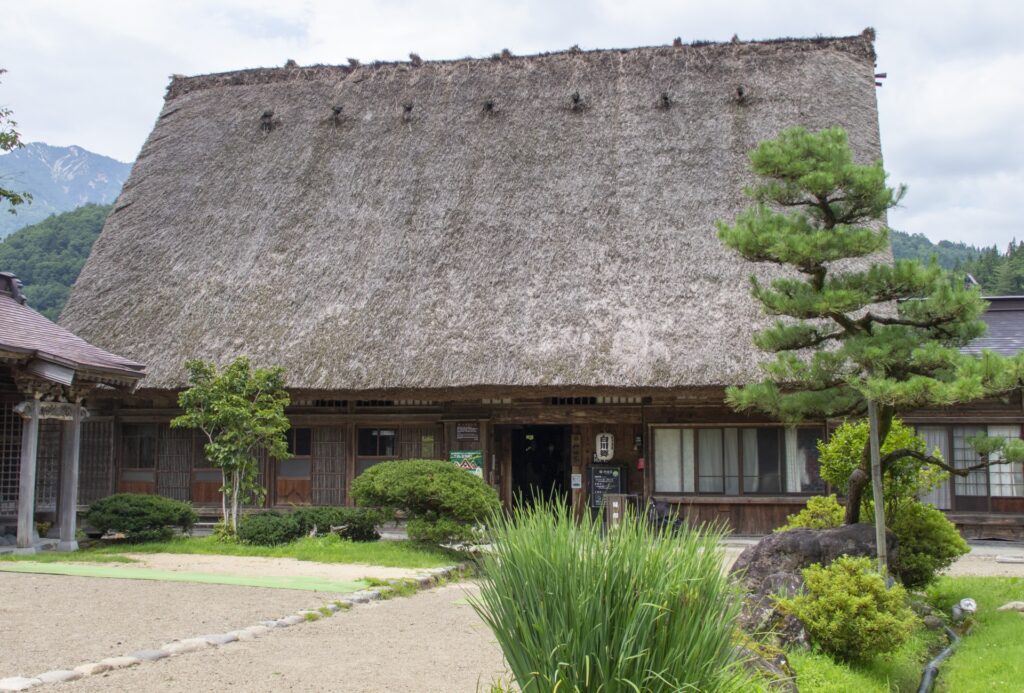
Among Ogimachi’s many gassho-zukuri buildings, Myozenji stands out as the village’s largest temple. The temple complex includes an impressive thatched main hall, bell tower gate, and the adjoining Myozenji Museum, creating one of the most distinctive collections of traditional architecture in Shirakawa-go. The large thatched roof of the main hall is particularly striking and demonstrates how the techniques associated with gassho-zukuri architecture extended beyond the village’s farmhouses.
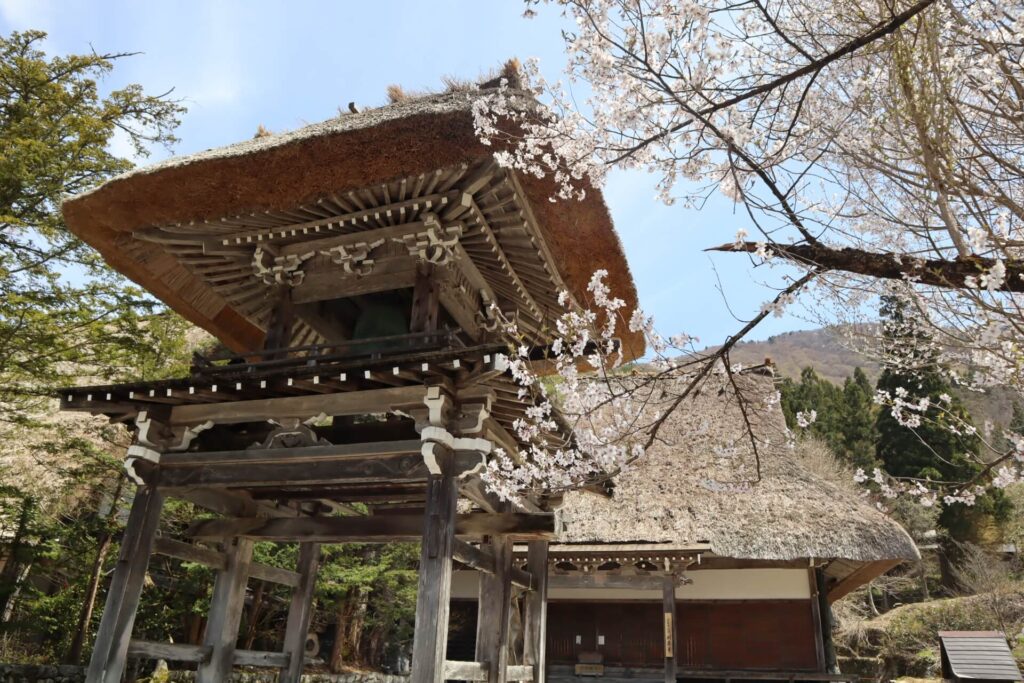
Visitors can also enter the museum, housed within the former residence of the temple priest. Inside are traditional household objects and other items connected to life in Shirakawa-go, while the upper levels provide another opportunity to see the structure beneath a gassho-style roof. Together, the temple and museum offer an interesting combination of religious architecture and local history in the heart of Ogimachi.
- Admission: ¥300 for adults / ¥100 for children
- Hours: 08:30–17:00 from April to November; 09:00–16:00 from December to March, with irregular closing days
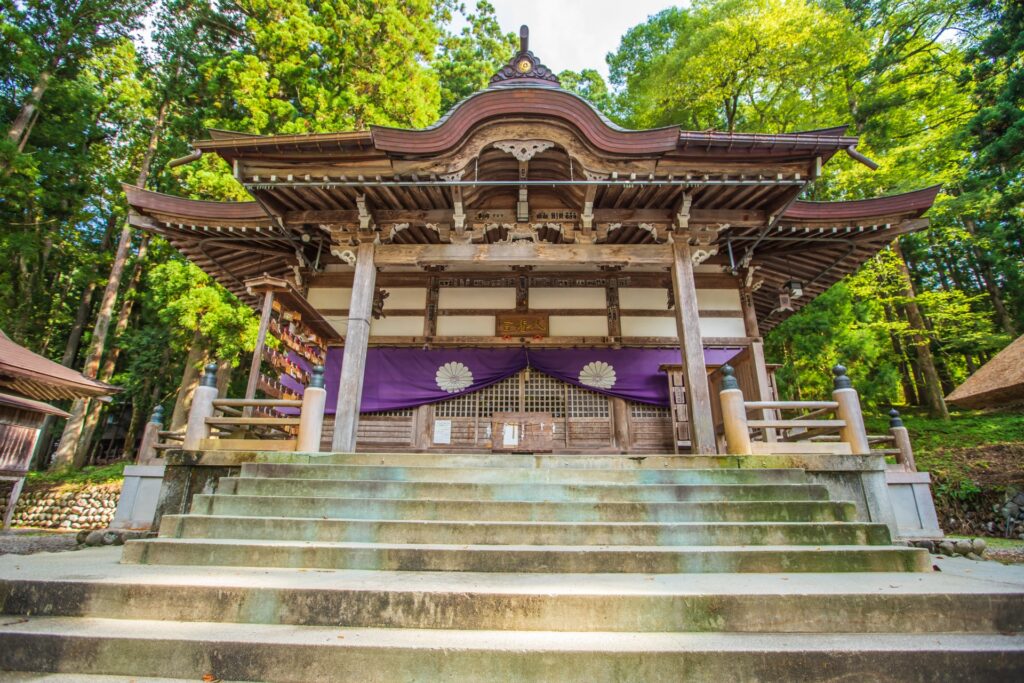
7 / Visit Shirakawa Hachiman Shrine / All Year Round
Tucked among the trees on the southern side of Ogimachi, Shirakawa Hachiman Shrine offers a quieter contrast to the village’s famous farmhouses. The shrine has long played an important role in the local community and is worth visiting while exploring this part of the village, particularly for those interested in seeing more than Shirakawa-go’s gassho-zukuri architecture.
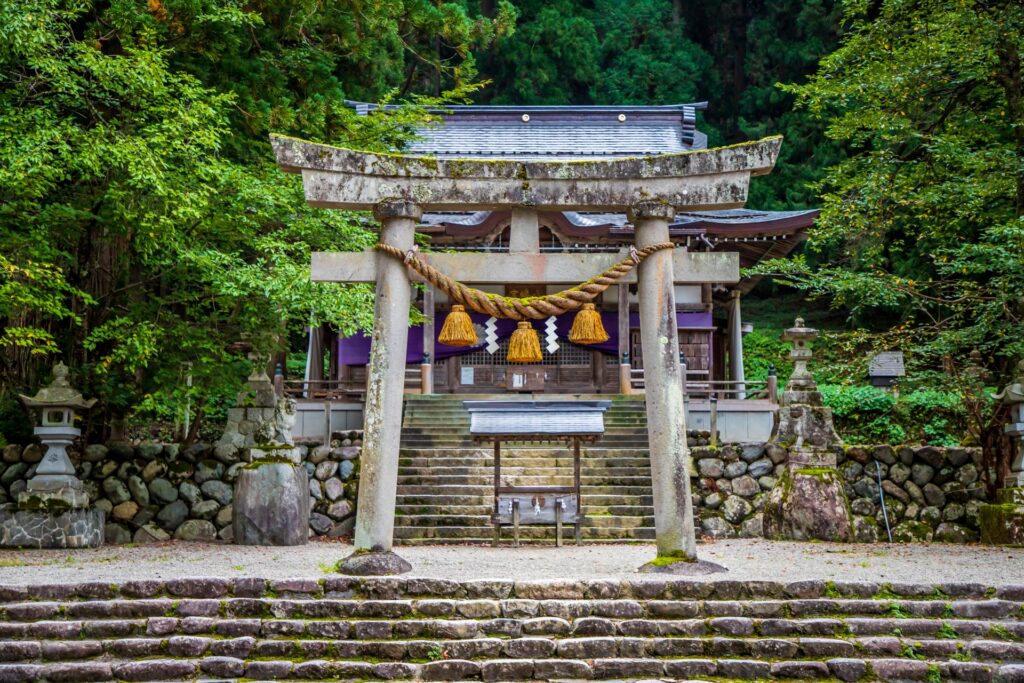
The shrine is closely associated with Shirakawa-go’s annual Doburoku Festival, a traditional autumn celebration during which doburoku, a cloudy, unrefined sake, is offered to the gods in thanks for the harvest and later shared as part of the festivities. The festival is held at several shrines around Shirakawa-go on different dates, with Shirakawa Hachiman Shrine serving as one of its principal venues. Visitors travelling specifically for the festival should check the latest official schedule before their visit, as dates and arrangements can change from year to year.
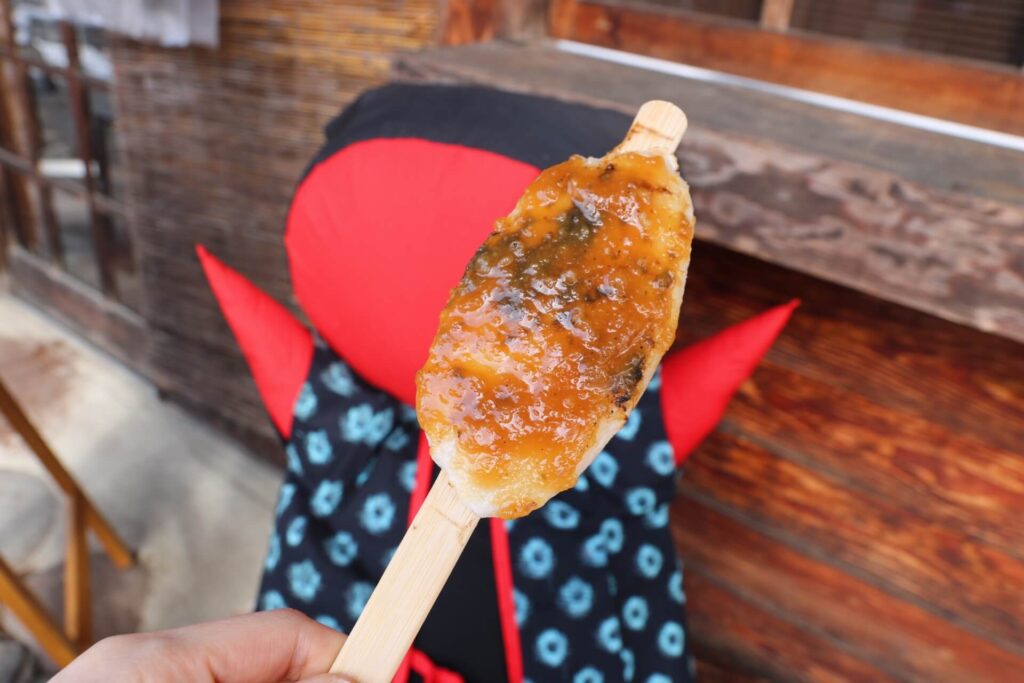
8 / Try Shirakawa-go's Street Food / All Year Round
Exploring Ogimachi on foot gives you plenty of opportunities to stop for something to eat along the way. Small shops and food stalls around the village sell a mixture of local specialities and easy-to-eat snacks, including Hida beef skewers and croquettes, gohei mochi coated in a savoury-sweet miso-based sauce, and the soy-flavoured mitarashi dango. It is an easy way to sample some of the flavours of the wider Hida region without sitting down for a full meal.
What is available varies between shops and throughout the year, so part of the fun is simply seeing what you come across while exploring. When eating on the go, remember that public rubbish bins are not provided around the village. Rubbish should be returned to the shop where you purchased the food when possible, or taken away with you.
9 / Discover Ogimachi's Waterways, Ponds, and Koi / Most Of The Year
As you wander through Ogimachi, keep an eye out for the small ponds and waterways that run between its houses, fields, and roads. Water has long been an important part of the village landscape, and these channels add another layer of character to the narrow streets and traditional farmhouses that surround them.
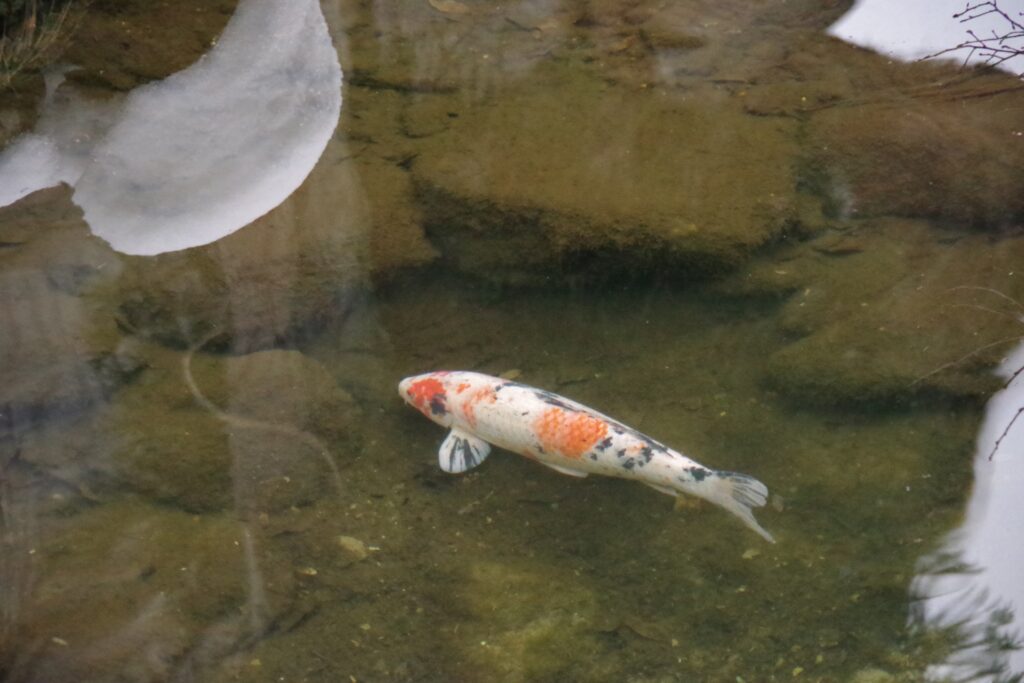
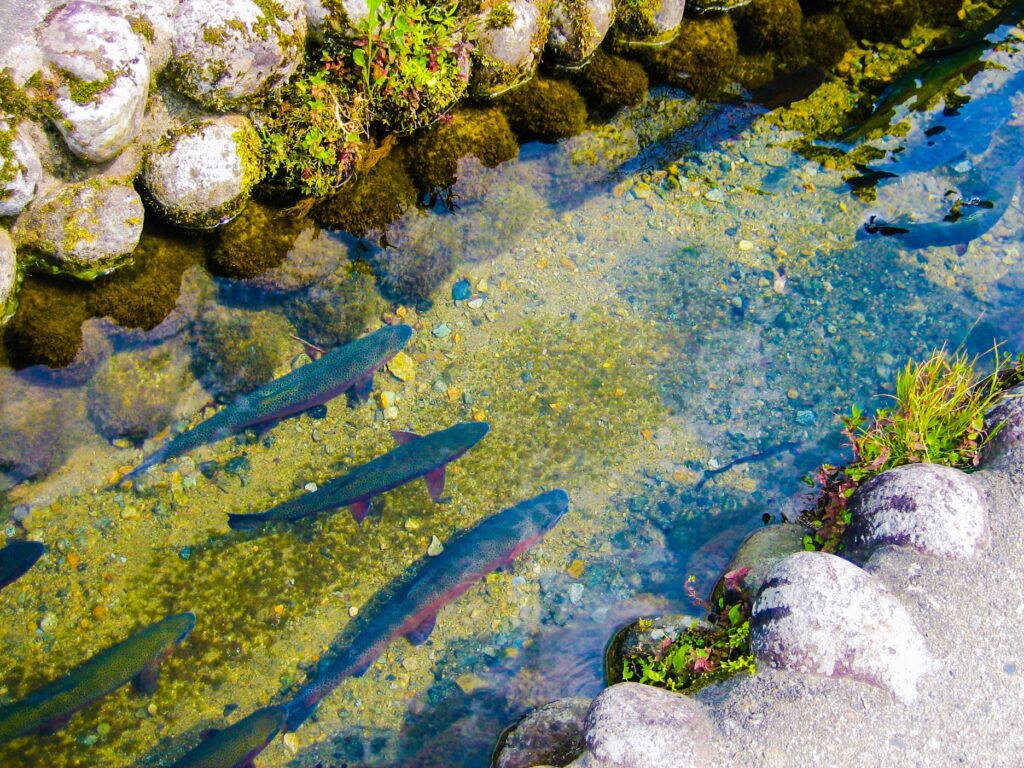
Today, many of the ponds and waterways are home to colourful koi and other fish, which can often be seen swimming through the remarkably clear water. They are easy to overlook when moving between Ogimachi’s better-known attractions, but taking the time to notice these smaller details is part of the charm of exploring the village on foot. As always, remember that many ponds sit alongside private homes and gardens, so enjoy them from public roads and paths.
10 / Find The 'Three Gassho Houses' / All Year Round
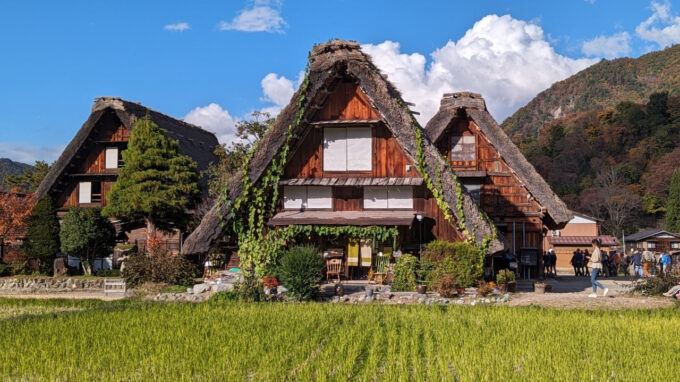
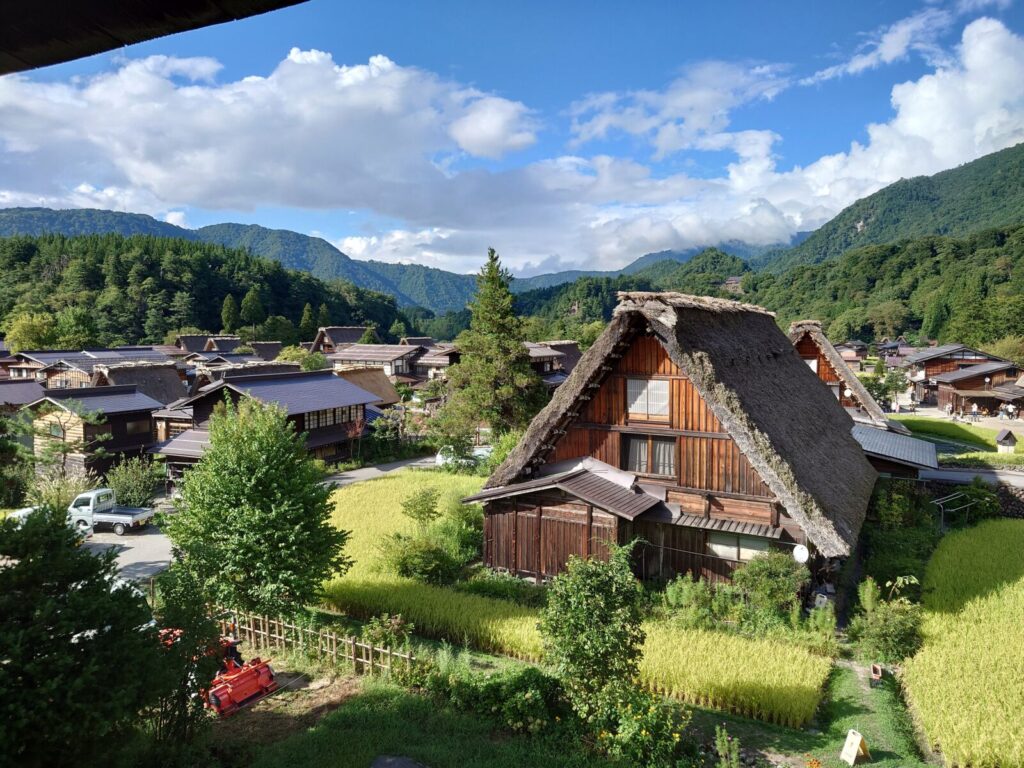
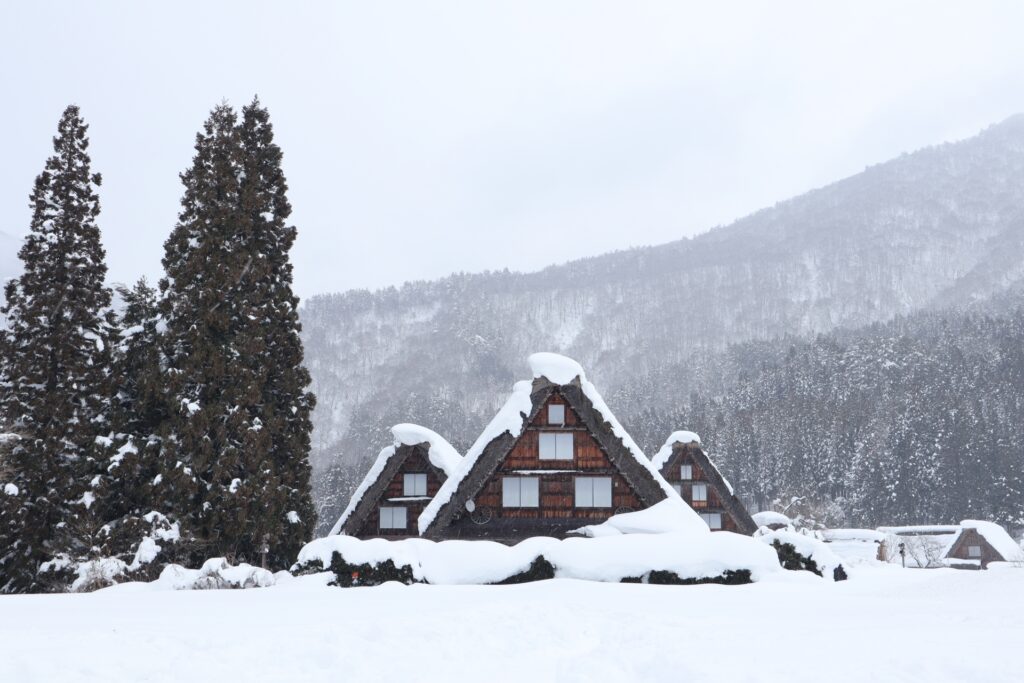
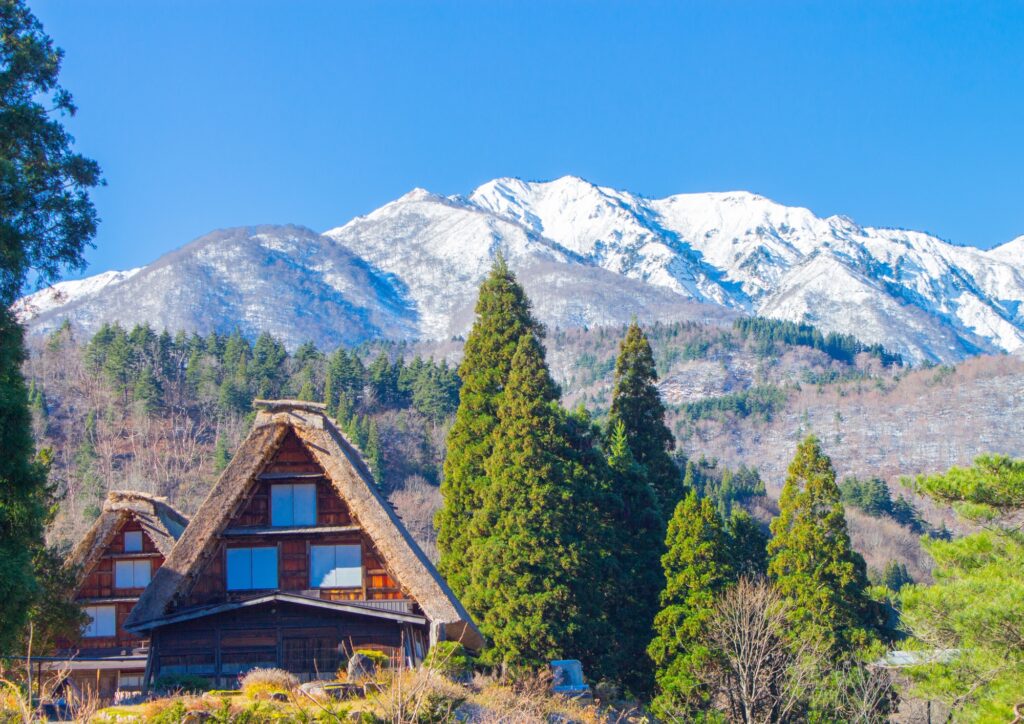
Towards the southern end of Ogimachi, three traditional gassho-zukuri farmhouses stand side by side against the surrounding mountains. Often referred to as the ‘Three Gassho Houses’, or ‘Mitsugo Gassho-zukuri’, their closely grouped thatched roofs have become a popular photography spot and offer one of the village’s most picturesque views.
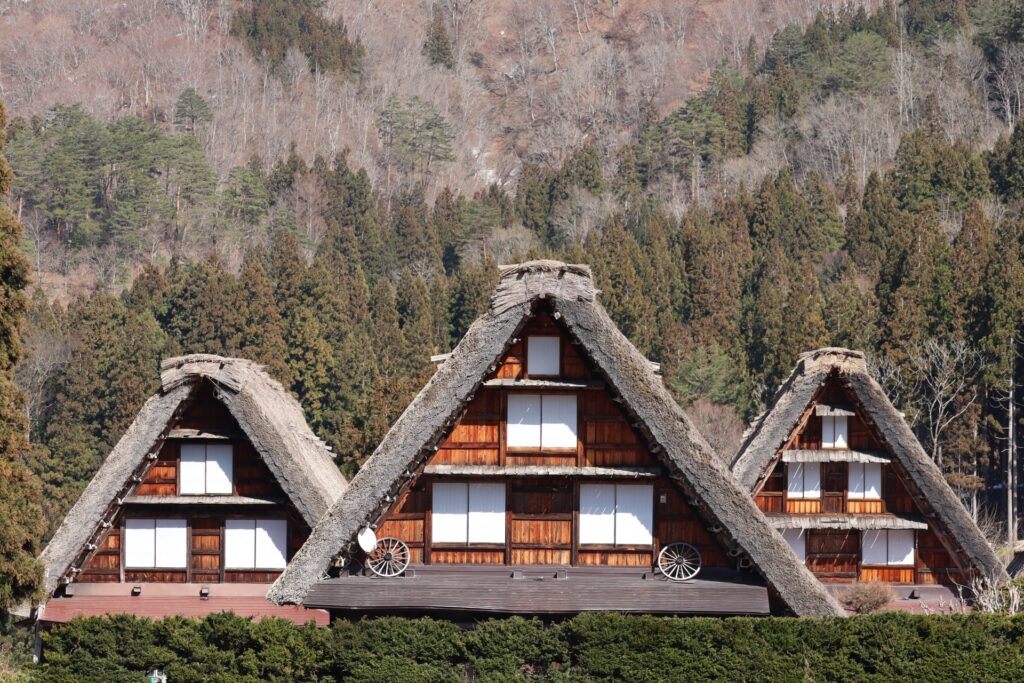
The scenery changes considerably throughout the year, from green rice fields in summer to autumn colours and deep winter snow. Around the rice-planting season, water-filled paddies can also create reflections of the farmhouses and surrounding landscape. The houses are best enjoyed from the nearby public roads and paths, and visitors should take care not to enter private land or rice fields when looking for a photograph.
11 / Pick Up A Sarubobo & Other Local Souvenirs / All Year Round
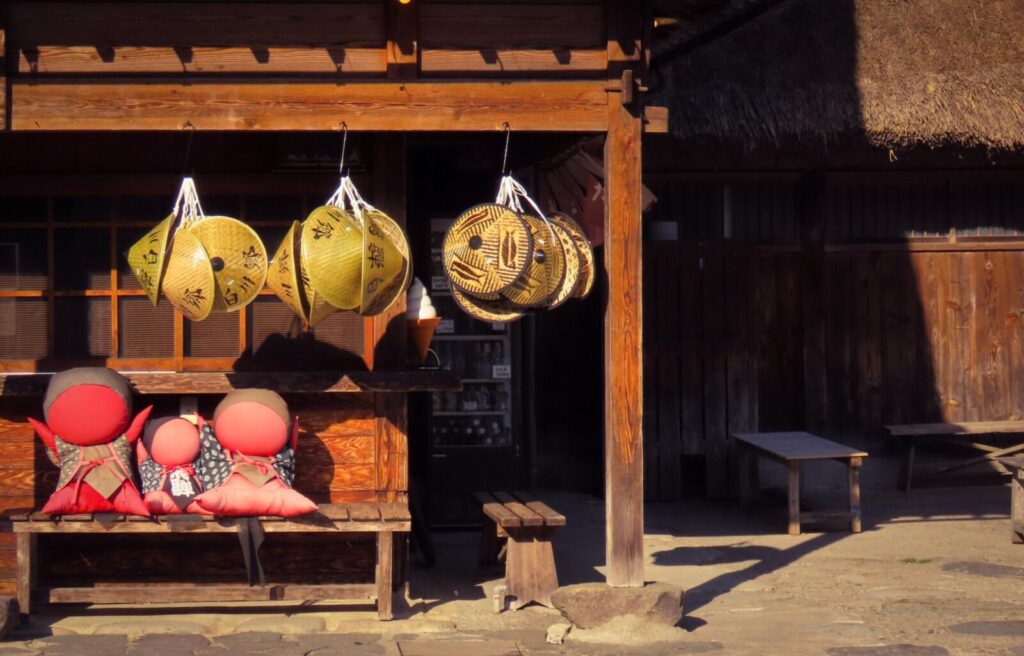
If you are looking for something to take home from your visit, Ogimachi has a number of small shops selling souvenirs, traditional crafts, local foods, and other products from Shirakawa-go and the wider Hida region. Among the most recognisable are sarubobo, small, faceless dolls traditionally associated with the Hida area and now commonly given as souvenirs and good-luck charms.

Traditionally red but now available in a variety of colours and sizes, Sarubobo can be found in several shops around the village alongside locally made sweets, pickles, sake, crafts, and other regional products. Browsing these smaller shops while walking through Ogimachi is a good opportunity to find something more distinctive than the souvenirs available in Japan’s larger cities.
12 / Explore Suganuma / All Year Round
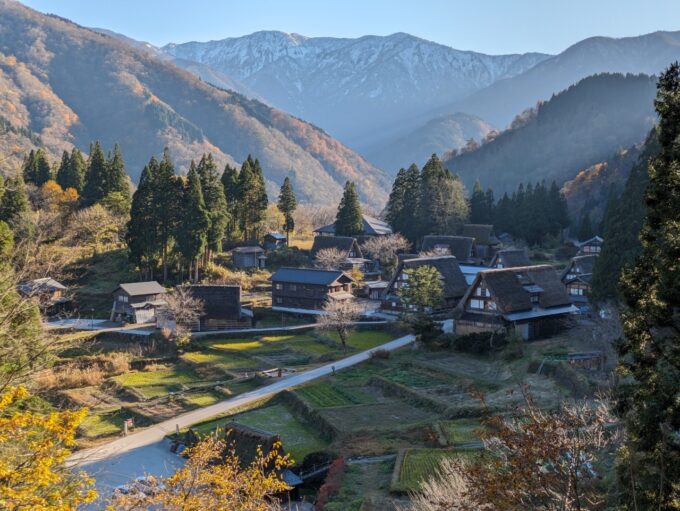
Located across the prefectural border in Toyama, Suganuma is one of the two historic villages of Gokayama included alongside Ogimachi in the UNESCO World Heritage Site. Considerably smaller than Ogimachi, the village contains a compact collection of traditional gassho-zukuri farmhouses surrounded by mountains and fields, making it possible to explore at a relaxed pace.
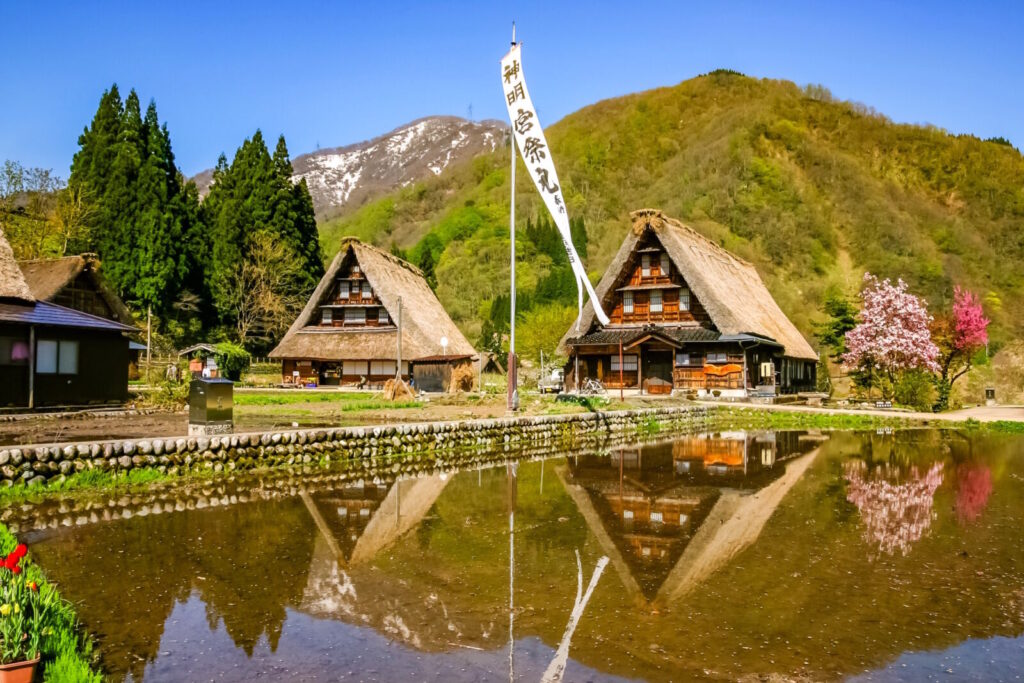
While the architecture will be familiar after visiting Shirakawa-go, Suganuma offers a quieter and more intimate experience of the World Heritage landscape. Visitors can walk through the small settlement and learn more about the traditional industries that once supported life in Gokayama, including silk production and the manufacturing process of ingredients used to make gunpowder. Its location between the other two settlements makes Suganuma particularly worthwhile when combined with both Ainokura and Shirakawa-go as part of a wider journey through all three World Heritage villages.

13 / Explore Ainokura & Experience Traditional Washi-Paper Making / Most Of The Year
The second of Gokayama’s World Heritage villages, Ainokura is larger than Suganuma but retains a peaceful mountain setting and a collection of traditional gassho-zukuri farmhouses. Surrounded by steep forested mountains, its relative isolation helped preserve both its historic architecture and traditional crafts, making it a rewarding addition for visitors who want to explore beyond Ogimachi.
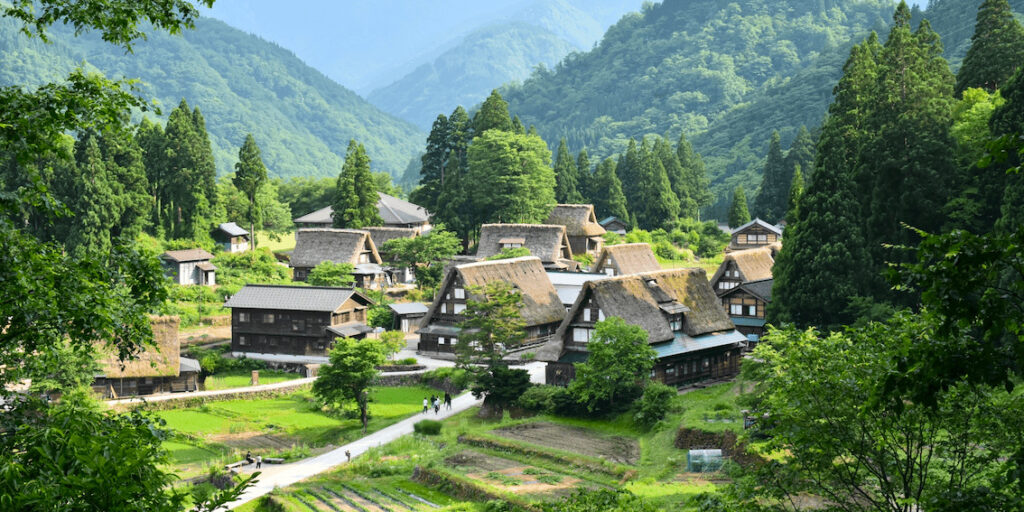
Ainokura is also a great place to discover Gokayama’s tradition of handmade washi paper. At the Ainokura Washi Paper Workshop, visitors can try making their own sheet of washi inside a traditional gassho-zukuri building and take the finished piece home as a souvenir. The facility operates for much of the year but closes during part of the winter, so check current opening information before planning your visit.

14 / Visit Takayama / All Year Round
Located south of Shirakawa-go, Takayama is one of the most convenient bases for visiting the village and a natural destination to combine with your trip. Regular bus services connect Takayama with Shirakawa-go, making it possible to visit Ogimachi as a day trip before returning to the city, or to continue onwards through the region. Takayama is well worth allowing additional time for in its own right.

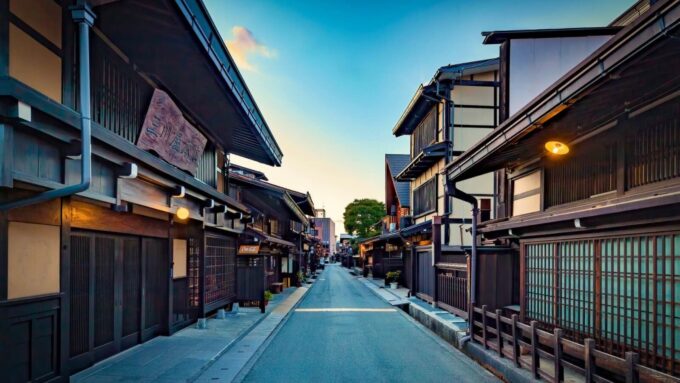
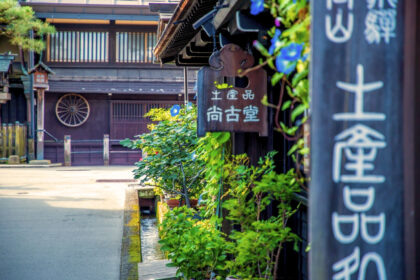
Its beautifully preserved old town is lined with traditional merchant buildings, sake breweries, shops, and restaurants, while the city is also known for its morning markets, Takayama Jinya, Hida beef, and famous spring and autumn festivals. If you are planning to spend time in the city, see our guide to the 25 Things to Do Around Takayama & Where to Stay for more ideas.
Best Selling
1-Day Tour from Takayama: Explore Scenic Old Japan in Takayama and Shirakawa-go
- Spots:
- TakayamaShirakawago
- Pick-up:
- Takayama
- Drop-off:
- KanazawaTakayama
15 / Visit Kanazawa / All Year Round
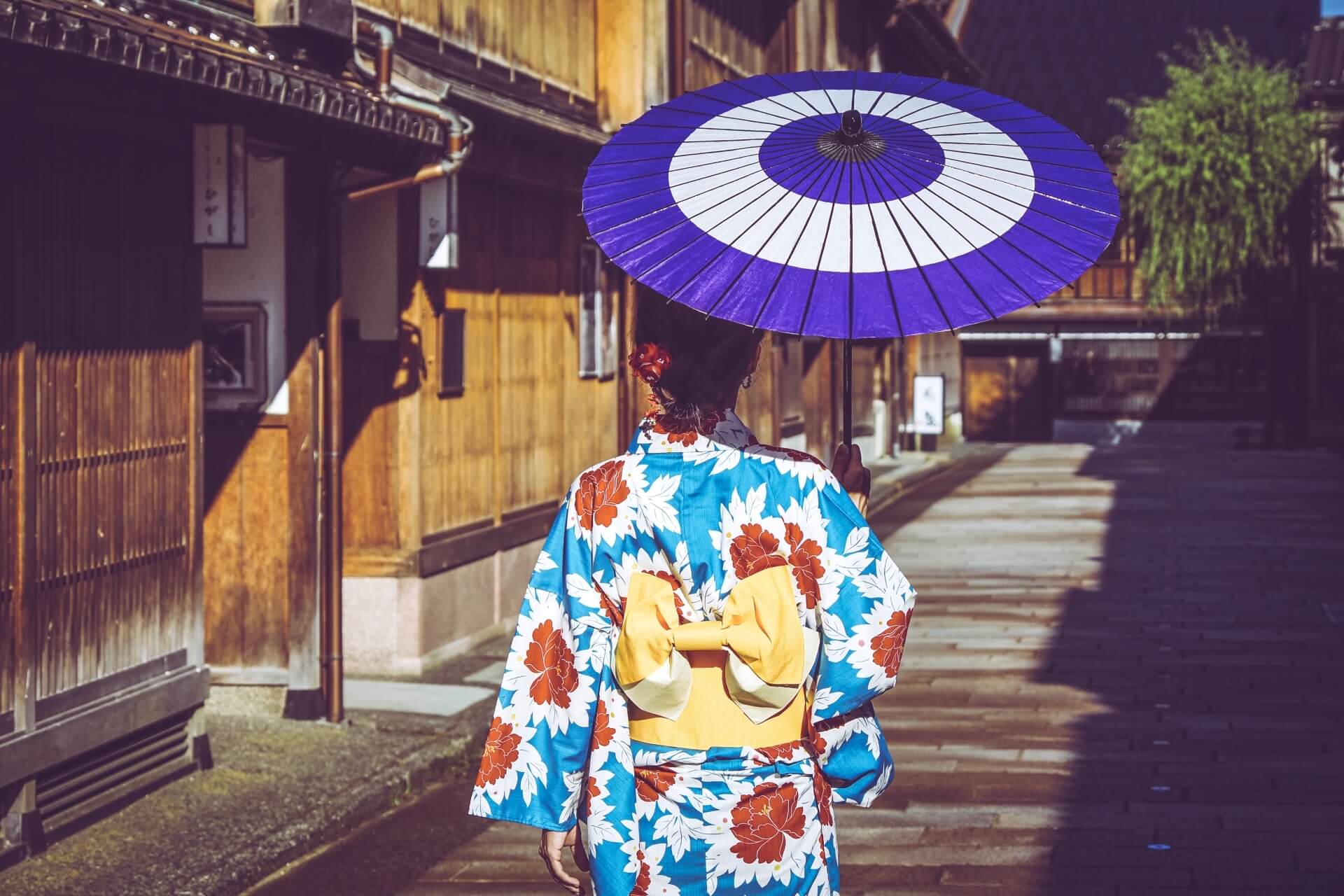
Located north of Shirakawa-go in neighbouring Ishikawa Prefecture, Kanazawa is another popular destination to combine with a visit to the World Heritage villages. Direct highway buses connect Kanazawa and Shirakawa-go, making it possible to visit Ogimachi as a day trip or stop there while travelling between Kanazawa and Takayama.
Kanazawa itself is one of the region’s most rewarding cultural cities, best known for Kenrokuen Garden, Kanazawa Castle, the historic Higashi Chaya and Nagamachi districts, and Omicho Market. Its preserved samurai and geisha districts provide an interesting contrast to the rural heritage of Shirakawa-go, making the two destinations particularly complementary. For more ideas when planning your visit, see our guide to the 30 Things to Do Around Kanazawa & Where to Stay.
Best Selling
1 Day Tour from Kanazawa: Shirakawa-go, Gokayama and Wood Carving Village
- Spots:
- KanazawaShirakawago
- Pick-up:
- Kanazawa
- Drop-off:
- KanazawaTakayama
Where To Stay In Shirakawa-go
While many visitors experience Shirakawa-go as a day trip, staying overnight offers a different perspective on the village. Once the daytime crowds begin to leave, Ogimachi becomes considerably quieter, while an overnight stay also gives you the opportunity to experience the village in the early morning before most day visitors arrive.

For the most traditional experience, a number of guesthouses in and around Shirakawa-go offer accommodation in gassho-zukuri farmhouses. These stays are generally simple rather than luxurious, with traditional Japanese-style rooms and, depending on the property, shared facilities and meals featuring local ingredients. Accommodation within the village is limited, so booking well in advance is recommended, particularly during popular travel periods.
Alternatively, Takayama is one of the most convenient places to stay when visiting Shirakawa-go, with a much wider range of hotels, restaurants, and other facilities, as well as direct bus connections to the village. Kanazawa can also work well as a base or as the next stop on a journey through the region. For specific accommodation options and more detailed advice, see our guide to the Best Places to Stay In & Around Shirakawa-go.
How To Get To Shirakawa-go
Shirakawa-go does not have a train station, so most visitors complete their journey to Ogimachi by bus, car, or as part of a guided tour. Takayama is one of the most convenient starting points, with direct highway buses connecting the city with Shirakawa-go. Direct bus services also operate from Kanazawa, while other routes make the village accessible from elsewhere in the region.
If travelling independently by bus, it is important to check your chosen service in advance, as some buses require reservations while others operate without them. During particularly busy periods, services can also fill up well ahead of departure. Visitors driving to Shirakawa-go should use the designated visitor parking areas rather than attempting to drive through or park within the World Heritage village.
For current routes, journey times, reservation information, driving advice, and detailed directions from major cities, see our complete guide on How to Get to Shirakawa-go.

Best Tours To Shirakawa-go
Joining a guided tour can be one of the easiest ways to visit Shirakawa-go, particularly for travellers who would rather not organise highway buses or who want more context about the history and culture of the village. Snow Monkey Resorts operates tours to Shirakawa-go from several cities in Central Japan, making it possible to incorporate the World Heritage Site into a wider journey through the region.
From Takayama, visitors can combine Shirakawa-go with the historic city itself or travel through all three World Heritage villages of Ogimachi, Suganuma, and Ainokura. Tours from Kanazawa provide another convenient option for travellers approaching from the Hokuriku region, while selected itineraries from Nagoya make it possible to experience Shirakawa-go from further south.
For the full range of current options, including guided day tours and private charters, see our guide to Shirakawa-go Tours & Charters.
When To Visit Shirakawa-go
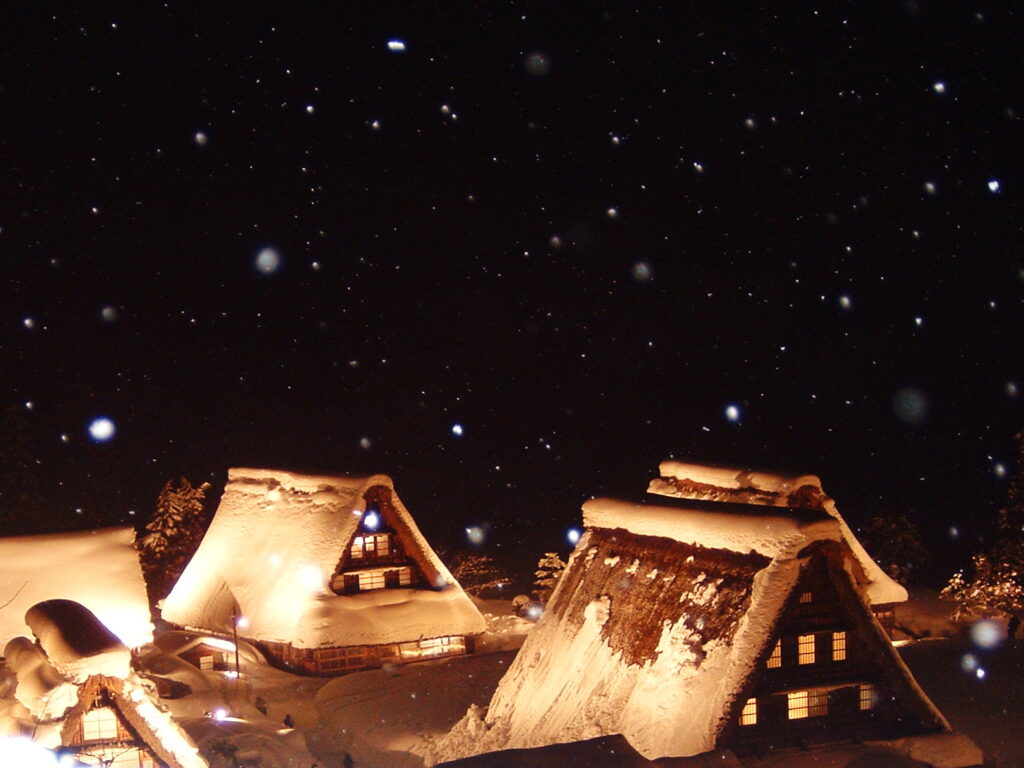
Shirakawa-go can be visited throughout the year, with each season offering a very different view of Ogimachi. Spring brings fresh greenery and the beginning of the rice-growing season, while summer sees the surrounding mountains and fields at their greenest. Autumn brings changing leaves to the mountains around the village, and winter transforms Shirakawa-go with the heavy snowfall for which the region is famous.


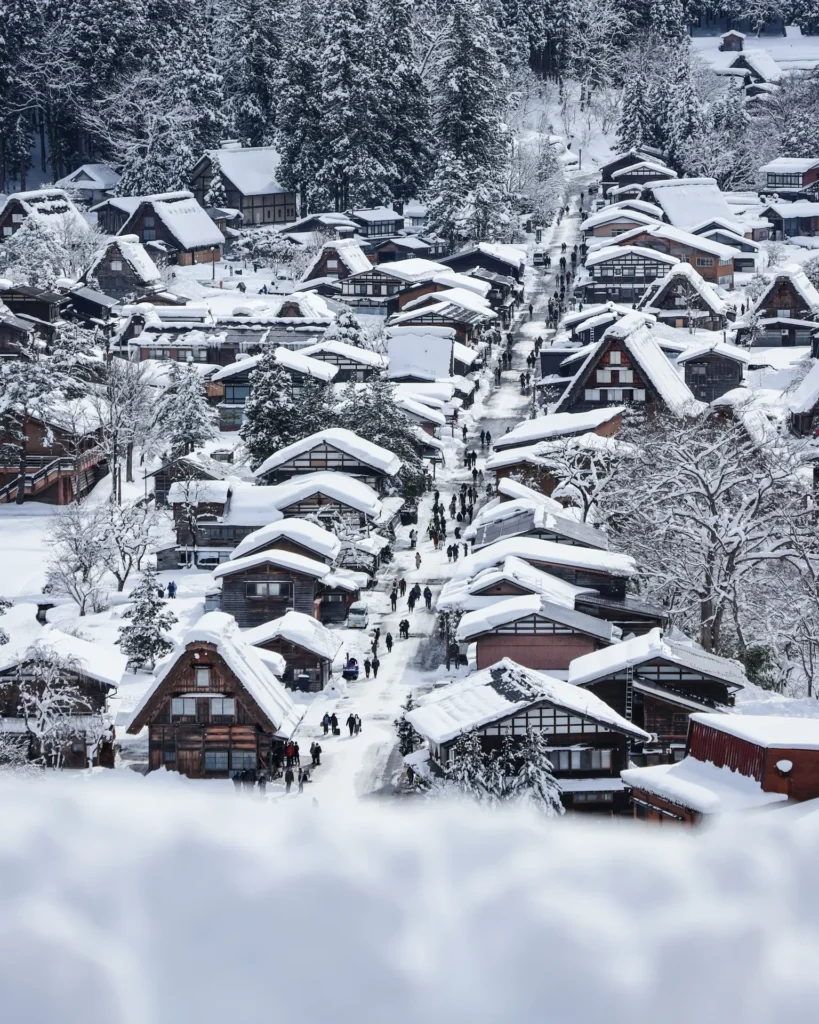
Winter is particularly popular, but it also requires the most preparation. Snow commonly accumulates from late December into February, and visitors should arrive with suitable footwear and clothing. Those driving should be prepared for winter road conditions and use an appropriately equipped vehicle.
The famous ‘Shirakawa-go Winter Light-Up’ is separate from an ordinary winter visit and takes place on a limited number of evenings each year. If seeing the illumination is a priority, check the official event information well in advance, as dates, reservation procedures, and access arrangements can change each year.

Why Travel With Us?

Central Japan offers many, many reasons to visit. Operating all year round, we are Nagano’s No.1 tour and charter operator, offering a range of services including group tours, private tours and charters. We can arrange transport including a private vehicle and driver to transport you to, from and between any destinations in the region.

Our drivers and vehicles are fully certified, allowing us to transport you to and from your preferred destinations in combination with any activity that suits your schedule. All vehicles are fitted with a protective screen – separating the driver from passenger and luggage area – and our drivers wear protective masks, allowing you to move between your destinations in comfort and safety.

We can arrange both private tours with an English-speaking guide or a private charter, including a private vehicle and driver but without a guide. We’d love to be part of your adventure in Central Japan and help you discover even more!
Why choose us?
Awarded a 2022 TripAdvisor Travelers’ Choice Award for our 1-Day Snow Monkeys, Zenko-ji Temple & Sake Tour – recognised as one of the Top 10 Experiences in Japan – we have the local knowledge and experience to help you get the most out of your time in Nagano.
Got a question about visiting Shirakawa-go and Central Japan? Click the INQUIRY button below or contact us and let’s get planning together!
Frequently Asked Questions
Is Shirakawa-go worth visiting?
For visitors interested in traditional architecture, rural landscapes, and Japanese history, Shirakawa-go offers something quite different from the country’s major cities. Ogimachi combines its famous gassho-zukuri buildings with temples, shrines, rice fields, waterways, and mountain scenery, and offers visitors the chance to enter and explore some of the most famous farmhouses
How long should I spend in Shirakawa-go?
Allow around 2–3 hours for a general visit to Ogimachi. If you want to enter several of the historic houses, visit the observation point, stop for lunch, and explore at a slower pace, allowing additional time is worthwhile.
What is the difference between Shirakawa-go and Gokayama?
The UNESCO World Heritage Site officially comprises three historic villages. Ogimachi is located in Shirakawa-go in Gifu Prefecture, while Ainokura and Suganuma are located in the Gokayama region of neighbouring Toyama Prefecture. Together, they form the Historic Villages of Shirakawa-go and Gokayama World Heritage Site.
Can I visit Shirakawa-go as a day trip from Takayama?
Yes. Takayama is one of the most convenient bases for visiting Shirakawa-go, with direct highway buses connecting the two destinations. Guided day tours are also available for travellers who prefer to visit with a guide rather than arranging transport independently.
Can I visit Shirakawa-go from Kanazawa?
Yes. Direct highway buses connect Kanazawa with Shirakawa-go, making a day trip possible. Shirakawa-go can also be visited while travelling between Kanazawa and Takayama, making it a useful stop as part of a wider journey through Central Japan.
Can you visit Shirakawa-go in winter?
Yes. Shirakawa-go remains accessible during winter and its snow-covered gassho-zukuri farmhouses are among the village’s most famous sights. Visitors should prepare for cold temperatures, snow, and potentially slippery conditions. Driving requires particular care and a vehicle properly equipped for winter roads.
Do I need a reservation for the Shirakawa-go Winter Light-Up?
Yes. The winter illumination is a special event held on selected evenings and requires advanced reservations. Access arrangements vary depending on how you intend to visit, so check the official Shirakawa-go event information carefully before making travel plans. A normal daytime visit to Shirakawa-go during winter does not require an illumination reservation.
Do I need to reserve the bus to Shirakawa-go?
It depends on the service. Some highway buses serving Shirakawa-go require advance reservations, while others operate without reservations. Check the requirements for your specific bus before travelling, particularly during busy periods when reservable services can sell out.
Can I stay overnight in a gassho-zukuri farmhouse?
Yes. A number of traditional gassho-zukuri properties in and around Shirakawa-go operate as accommodation. Staying overnight can provide a quieter experience of the area once many day visitors have left, but availability is limited and advance booking is recommended.