


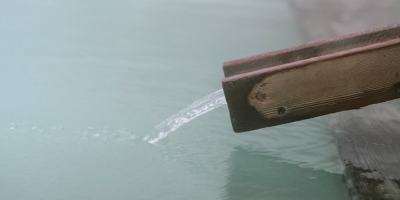

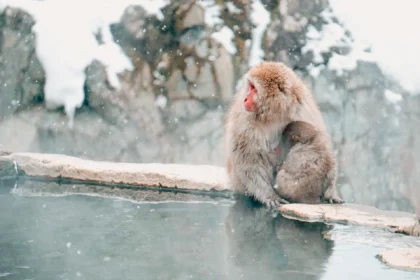
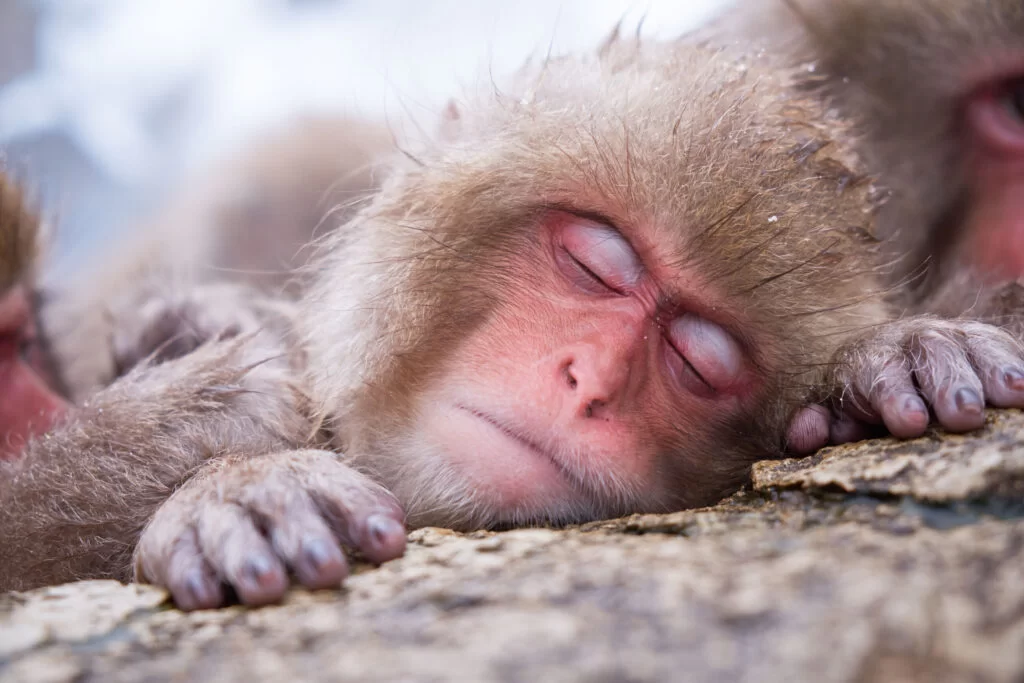
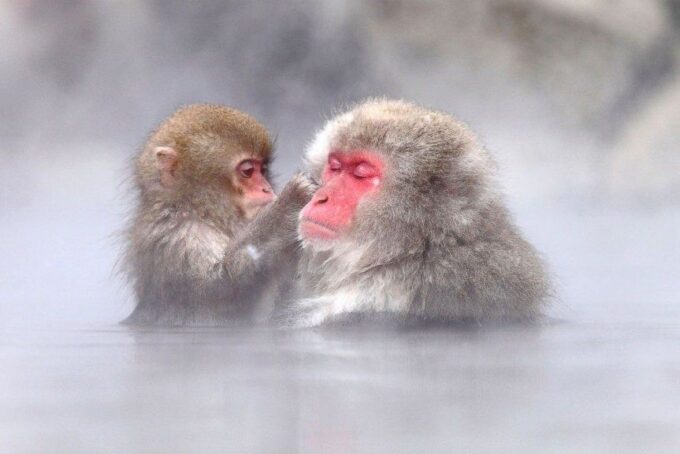
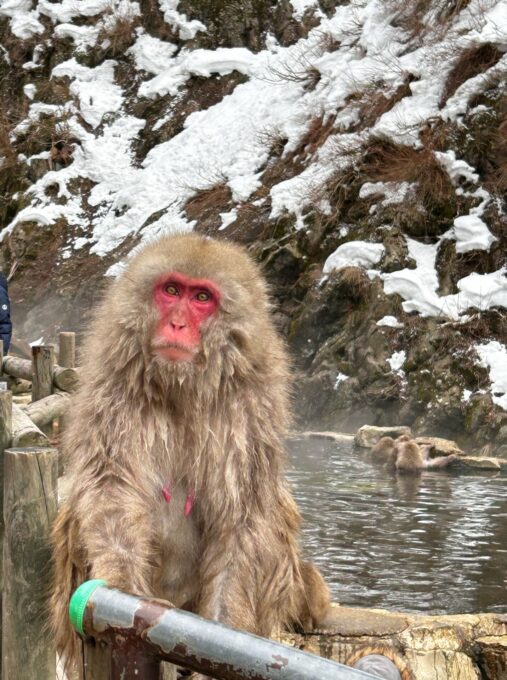
The monkeys of the Jigokudani Monkey Park are famous for one big reason - they are the only troop of monkeys in the world known to bathe in hot springs. Why they do this is interesting and worth understanding before visiting the park for yourself! In general, much like cats, monkeys don't like the water and will generally try to avoid getting wet. So why then do these monkeys not only enter water, but enjoy soaking for such long periods of time? It's another case of monkey see, monkey do!
Important Winter Update: Upcoming Entry Changes at the Snow Monkey Park
Planning your visit to the Snow Monkey Park for December, January, February, or March?
For the 2026/2027 winter season, the Snow Monkey Park has introduced an advance online ticketing and timed-entry system for the upcoming peak winter season. All visitors planning an independent trip to Jigokudani Yaen-koen (Snow Monkey Park) must navigate the new mandatory online ticketing system and strict winter parking restrictions.
Peak Season Entry & Parking Restrictions
- Mandatory Online Tickets: During peak times—primarily winter (Dec–Mar) and major domestic holidays like New Year, Golden Week, and Obon—visitors must present a date-specific advance ticket QR code to be admitted to the park after walking the trail. Walk-ins face long waits or total entry denial at the ticket check-in counter at the bottom of the trail.
- Civilian Parking Bans: Nearby parking lots are completely closed to private vehicles on peak winter weekends and public holidays. Public transport or guided tours are strongly recommended. Travel via public transportation is being encouraged by the Snow Monkey Park.
How to Book Independent Tickets Online
- Booking Portal: Tickets must be purchased through the official Webket Reservation System (English toggle available).
- Account Required: You must create and register a Webket account before buying.
- Booking Window: Tickets open 90 days in advance at midnight JST.
- Entry Timeslots: When booking, you must select your specific date and arrival window.
For more details on how to go about placing your reservation for tickets to the Snow Monkey Park, please see our How to Purchase Snow Monkey Park Tickets in Advance webpage.
The best way to secure your winter entry to the Snow Monkey Park? Book a guided tour or private charter with Snow Monkey Resorts.
By booking one of our curated snow monkey tours, or private charter services, you can travel with complete peace of mind. Here is how booking with us ensures a seamless experience during the peak season while the snow monkey park adjusts to its new policy:
- Guaranteed Park Entry: We secure reserved ticket allocations for our guests, completely bypassing the complex online booking system and ensuring guaranteed access.
- Direct Transportation: Skip the hazardous winter roads and vehicle bans—our private vehicles drop you off directly near the park trail.
- Hassle-Free Experience: Enjoy an all-inclusive itinerary complete with a local English-speaking guide, organized logistics, and optional seasonal activities like sake tasting or snow fun.
Best Selling
1-Day Tour: Snow Monkeys, Zenkoji Temple & Sake in Nagano
- Spots:
- NaganoSnow MonkeyHakuba
- Pick-up:
- Nagano CityHakuba
- Drop-off:
- Nagano CityHakuba
Don't need a guide? We can transport you to and from the park with seamless logistics from areas such as Nagano Station, Hakuba, Nozawa Onsen, Matsumoto, and more!
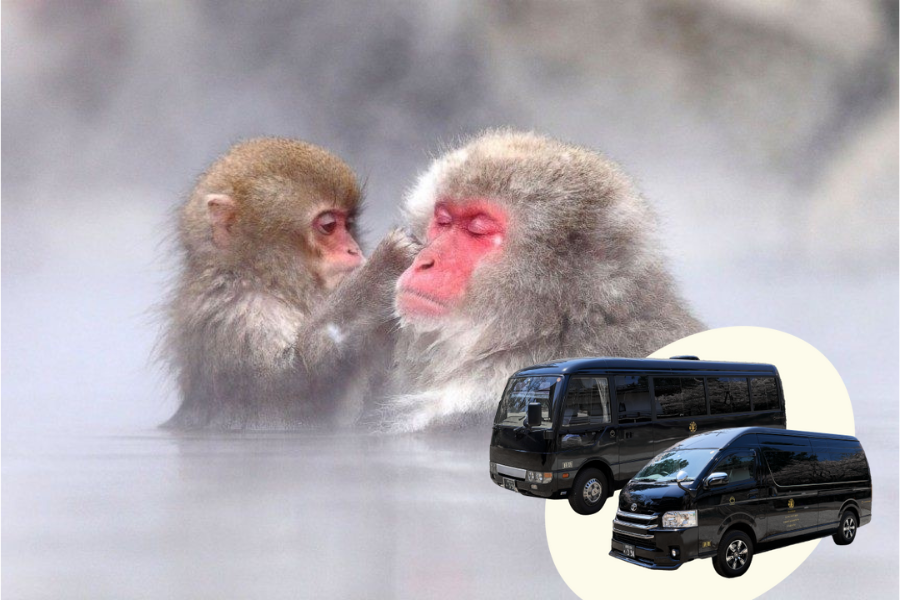
NAGANO STN → SNOW MONKEY PARK (3HR)→ NAGANO STN
- Duration:
- 4-5 Hours
- Spots:
- Nagano, Snow Monkey
Why the Snow Monkeys Enter the Hot Springs
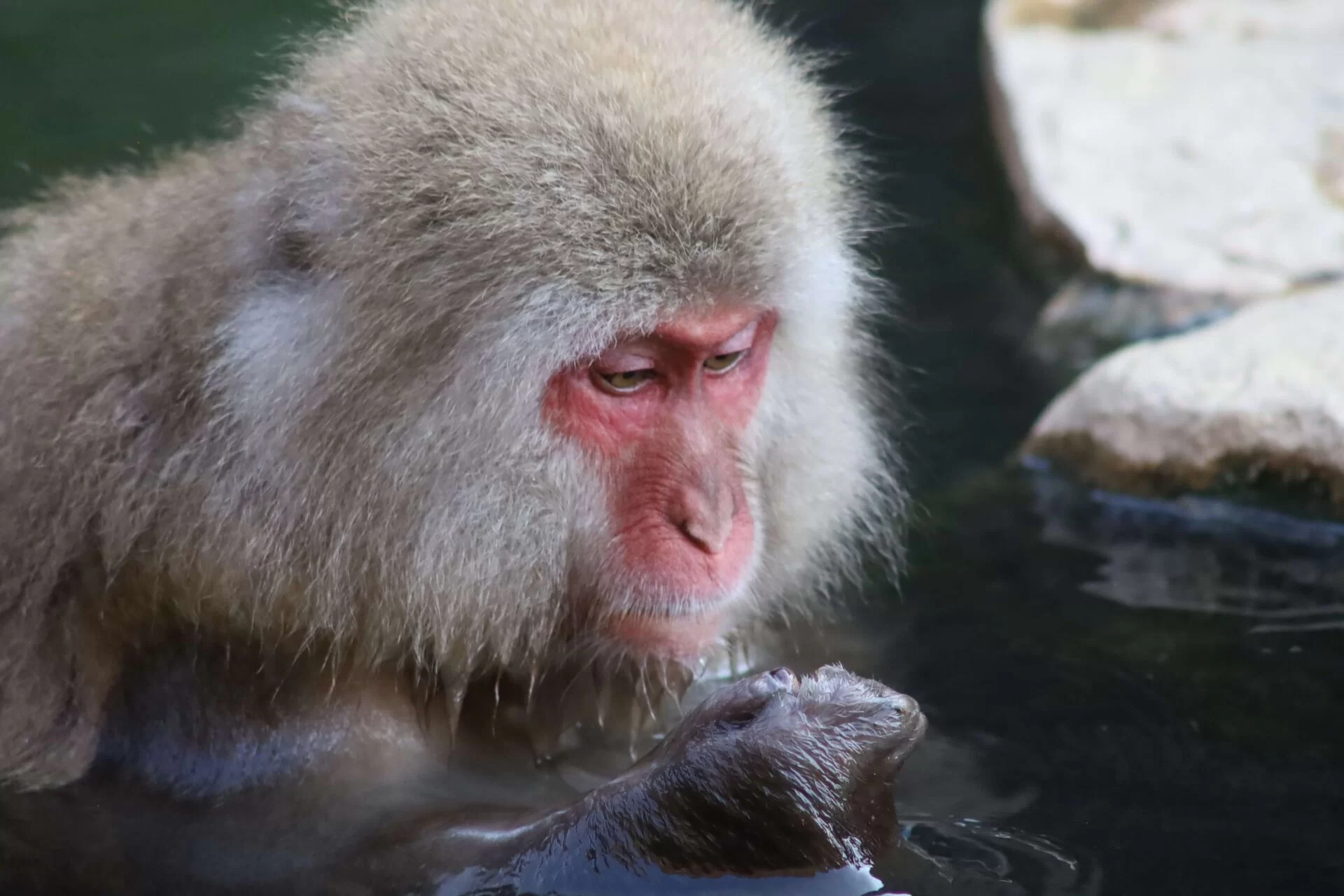
Snow monkeys bathe in hot springs primarily to reduce stress and regulate body temperature during Japan's freezing winters. While not strictly necessary for survival, the natural onsen provides a 'jacuzzi-like' relaxation for the troop. Research suggests that soaking in the warm water helps lower stress hormones, particularly for pregnant monkeys during the harsh winter months.
A Quest for Relaxation, Not Hygiene
Unlike humans, the monkeys of Jigokudani Monkey Park don't enter the water to get clean. Their objective is purely to unwind. You will notice a significant change in their behavior based on the seasons:
- In Summer: The monkeys rarely enter the pools because the ambient temperature is pleasant enough on its own. The only exception is often the younger monkeys, who treat the water as a playground for splashing and socializing with their peers.
- In Winter: The hot springs become a vital sanctuary from the sub-zero temperatures. Even though they emerge from the water soaking wet in the freezing air, their bodies are remarkably well-adapted to the cold, and they are perfectly capable of surviving the weather without the onsen.
The "Onsen" Culture of the Macaques
It is a common misconception that the monkeys need the heat to survive; macaques across the rest of Japan thrive in snowy climates without access to volcanic springs. For the Jigokudani troop, the hot spring is a luxury—a place for downtime much like a human spa. Interestingly, pregnant females are the most frequent visitors to the baths, likely using the warmth to soothe their bodies and manage the physical toll of the winter season.
The History & Founding of the Snow Monkey Park
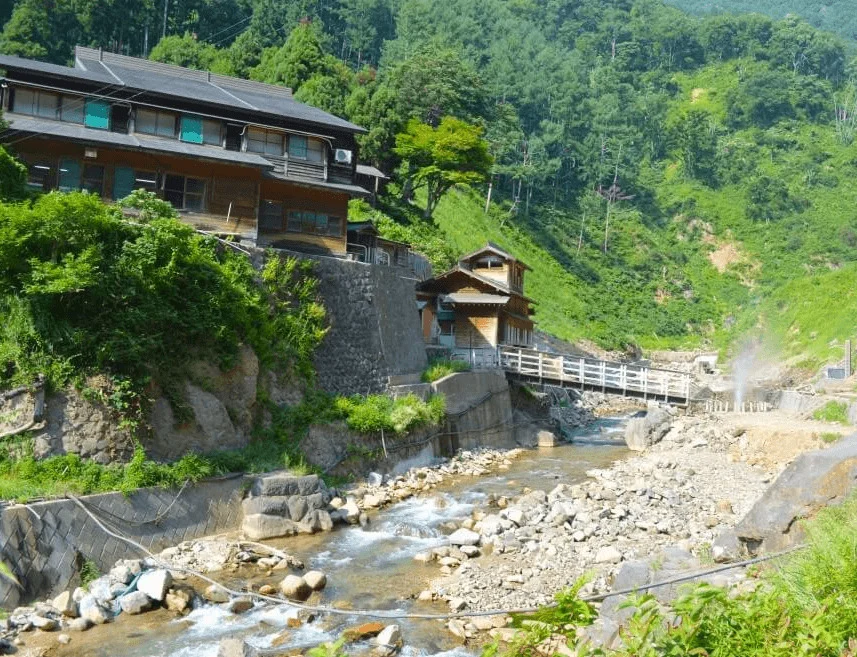
The global phenomenon of the Snow Monkey Park is credited to the vision of a single man: Sogo Hara.
The Discovery of the Valley of Hell
An employee of the Nagano Electric Railway (Nagano Dentetsu) and a passionate hiker, Sogo Hara first discovered the wild macaque troop in 1957 while trekking through a rugged, volcanic ravine.
🌋 Why is it called Jigokudani? The area was historically named Jigokudani, translating literally to the "Valley of Hell." Early inhabitants named it this due to its fiercely steep cliff faces, roaring river, and the thick scent of sulfur emitting from the natural hot springs bubbling up to the surface.
Fascinated by the intelligence and social structures of the macaques, Hara dedicated the rest of his life to anchoring their future in the valley.
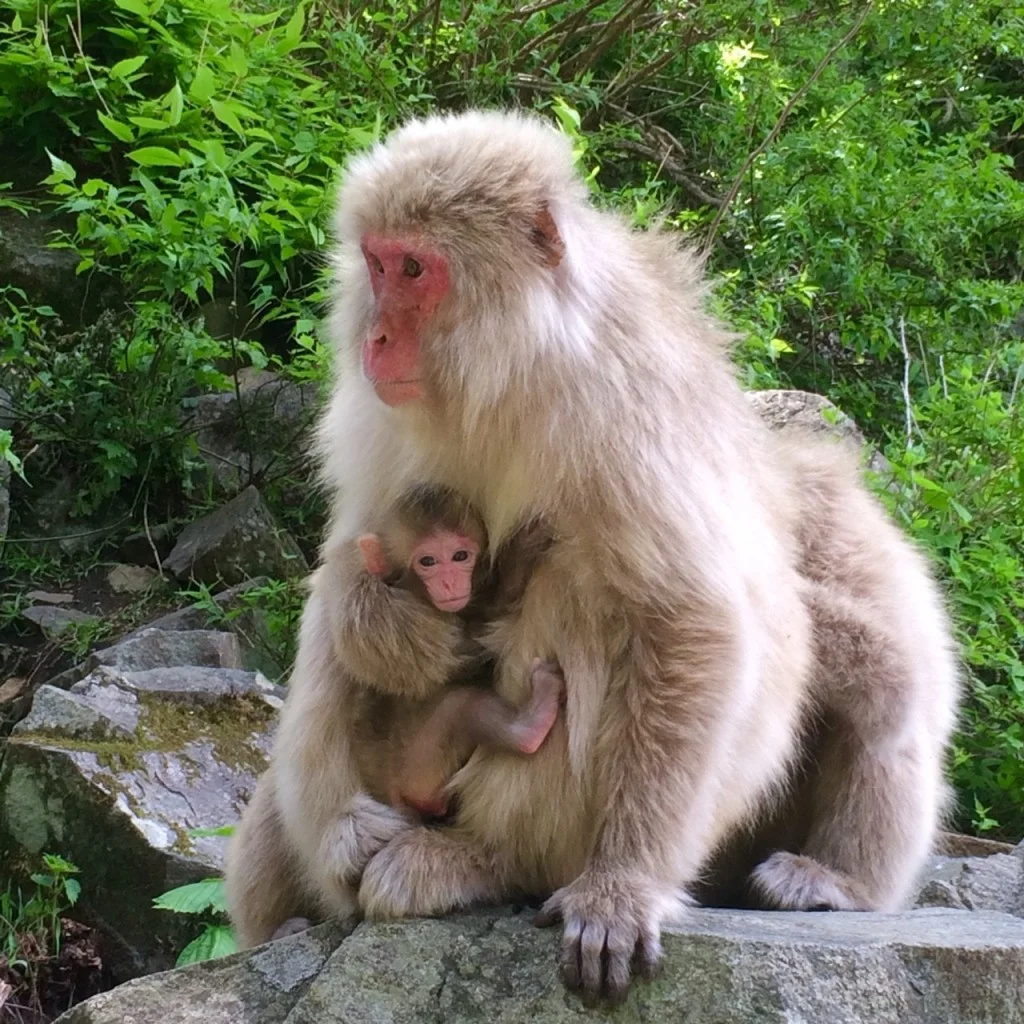
Colliding Worlds: Ski Resorts and Farmers
By the early 1950s, the surrounding mountains of Nagano were experiencing a massive winter sports boom. As new ski resorts cleared heavy timber to cut ski runs and install chairlifts, the monkeys' high-altitude habitat was rapidly destroyed.
Left with no choice, the troop migrated to lower elevations, pushing them directly into the human settlements of Yamanouchi. Hungry and displaced, the monkeys began raiding local farms for food. The community reacted defensively, and local farmers began hunting the macaques down to protect their livelihoods, an escalation that deeply alarmed Hara-san.
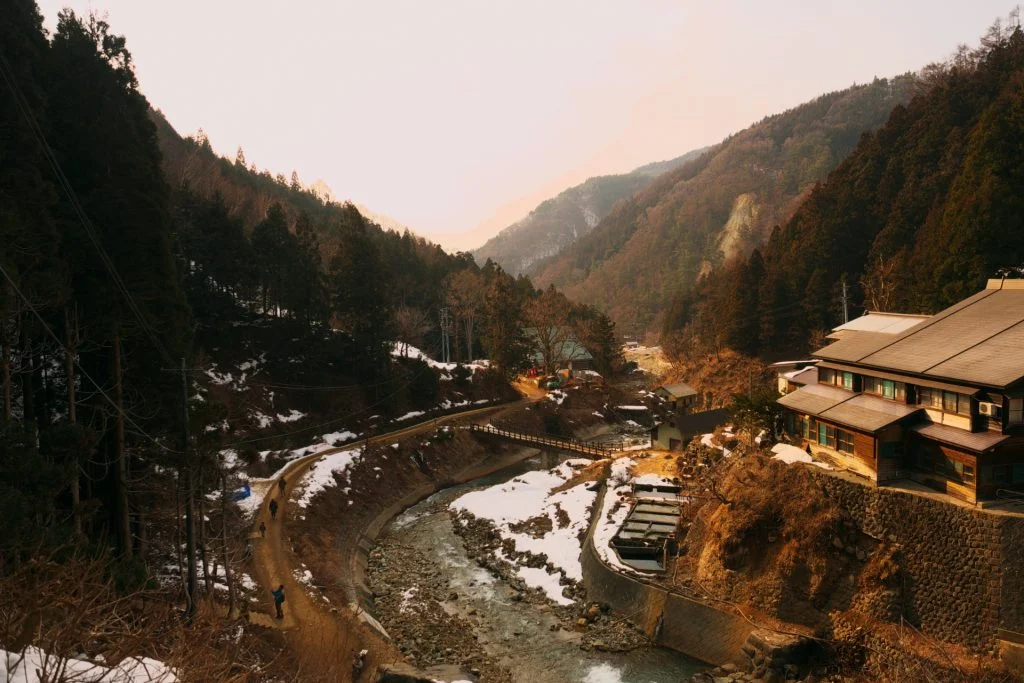
The Korakukan Inn and an Apple Peace Offering
To save the troop from eradication, Hara realized he needed a way to entice the monkeys out of the agricultural fields and back into the safety of the valley.
He found crucial allies in the owners of Korakukan, a traditional hot spring inn located deep in the gorge. Sharing Hara’s affection for the animals, the innkeepers devised a clever plan: they began leaving apples outside the guesthouse. Led entirely by their stomachs, the monkeys gradually abandoned the farms and returned to the safety of the valley floor, laying the foundation for what would officially become a protected sanctuary in 1964.
The Origin of the Bathing Snow Monkeys
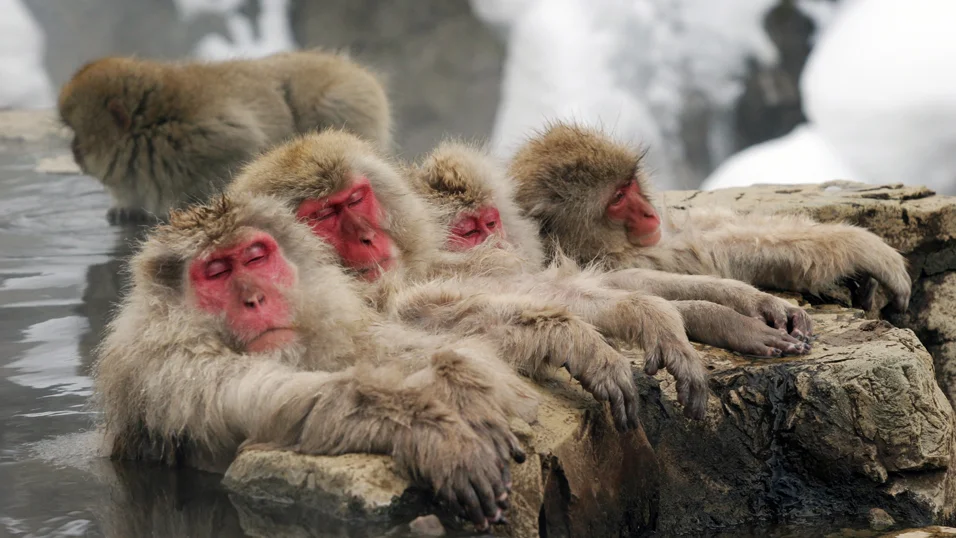
While the history of the park's founding is well-documented, the exact moment the monkeys first entered the water remains a delightful local mystery, with two competing legends.
The Human Copycat vs. The Accidental Tumble
As a remote onsen (hot spring) guesthouse nestled deep in the gorge, the Korakukan Inn features outdoor thermal pools that have long been praised for their healing properties.
- The Imitation Theory: Some locals say that the highly intelligent macaques sat along the ridge lines, carefully observing frozen human guests soaking in the steaming outdoor baths, and simply decided to copy the behavior to escape the brutal winter cold.
- The Apple Incident: An alternative—and more humorous—account claims that a few apples left out by the innkeepers accidentally rolled into the steaming water. A young, curious macaque reached out to grab one, tumbled straight into the deep pool, and discovered that the thermal water felt incredible.
Whichever version is true, the behavior spread rapidly through the troop. The macaques became the only monkeys anywhere on Earth known to naturally bathe in volcanic hot springs. Shortly after, a local photographer named Tomio Yamada captured the first photos of this unique phenomenon, instantly broadcasting Nagano's "Snow Monkeys" to the world.
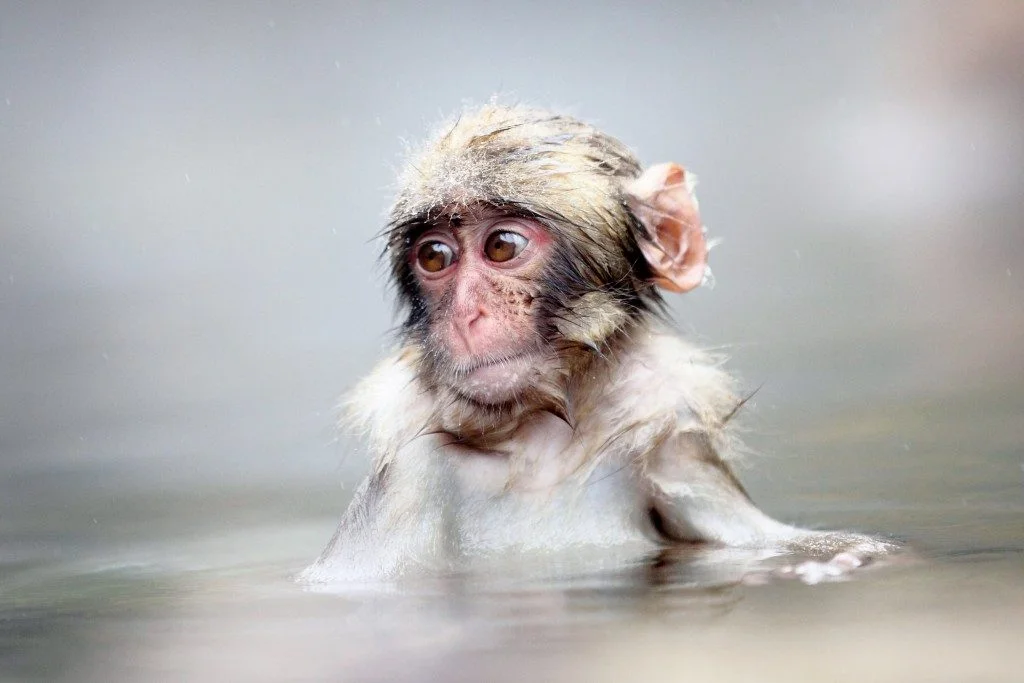
While sight of bathing monkeys immediately proved popular with visitors, there were serious ramifications for the guesthouse, not least the hygiene of their water of (human) guests. With all of these issues in mind, Soga Hara led the movement to establish the monkey park – somewhere his cherished monkeys would be safe. Baths were created in the park just for the monkeys, using the local hot spring source. Fencing was considered to keep the monkeys away from human villages however ultimately rejected due to cost and a wish to not deny the freedom of the monkeys.
The Relationship Between the Monkeys and the Park
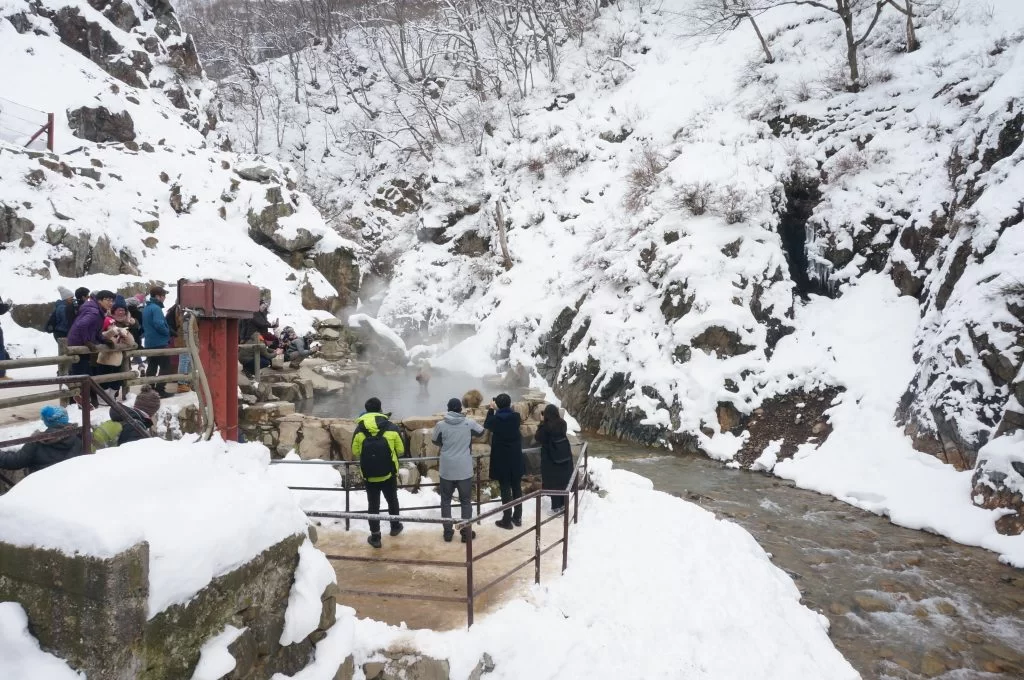
A Private Pool for the Troop
While the sight of wild monkeys relaxing in the hot springs quickly drew eager global travelers, it created an immediate logistical and hygienic nightmare for the guesthouse owners. Sharing a small outdoor bath with an entire troop of wild primates meant the water was no longer sanitary for human guests.
To solve this problem without driving the monkeys away, Sogo Hara negotiated a brilliant compromise. When the protected sanctuary was officially established, park workers used the local volcanic thermal source to construct a dedicated, monkeys-only hot spring pool slightly further up the riverbed.
While the park operators briefly considered building fences to separate the humans from the animals, they ultimately chose an open-border philosophy. By providing the troop with a private, designated pool and a steady supply of food, the monkeys naturally chose to stay within the park boundaries—leaving the Korakukan Inn's baths back to the humans, and creating the open, fence-free viewing experience visitors enjoy today.
The Relationship Between the Monkeys and the Park
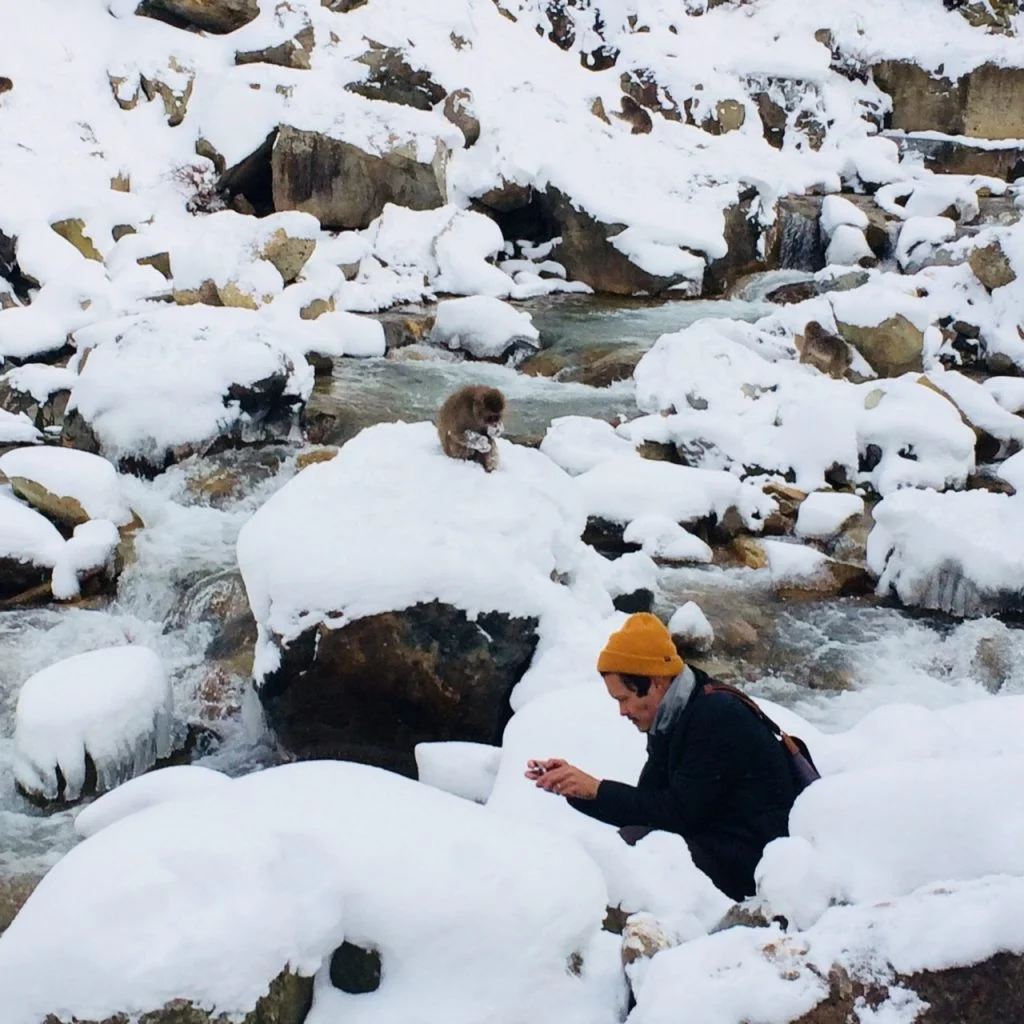
The open, fence-free environment of Jigokudani relies on a delicate balance between human management and wildlife independence.
The Art of Strategic Feeding
When the park was first established, rangers faced a major challenge: how to keep the monkeys inside the safe boundaries of the reserve instead of wandering down into the agricultural villages where they were hunted as pests.
Through careful trial and error, the park developed a strict feeding regime to incentivize the troop to stay:
- The Daily Staples: Rangers feed the monkeys raw barley and soybeans three times a day.
- Seasonal Snacks: Apples are handed out as special treats during the lush green season.
🍎 Wild and Free: It is important to note that these monkeys remain completely wild. Park rangers are incredibly careful never to overfeed the troop or make them entirely dependent on human handouts. The food provided is merely an incentive to visit the park area, forcing the macaques to still forage and fend for themselves in the surrounding wilderness to survive.
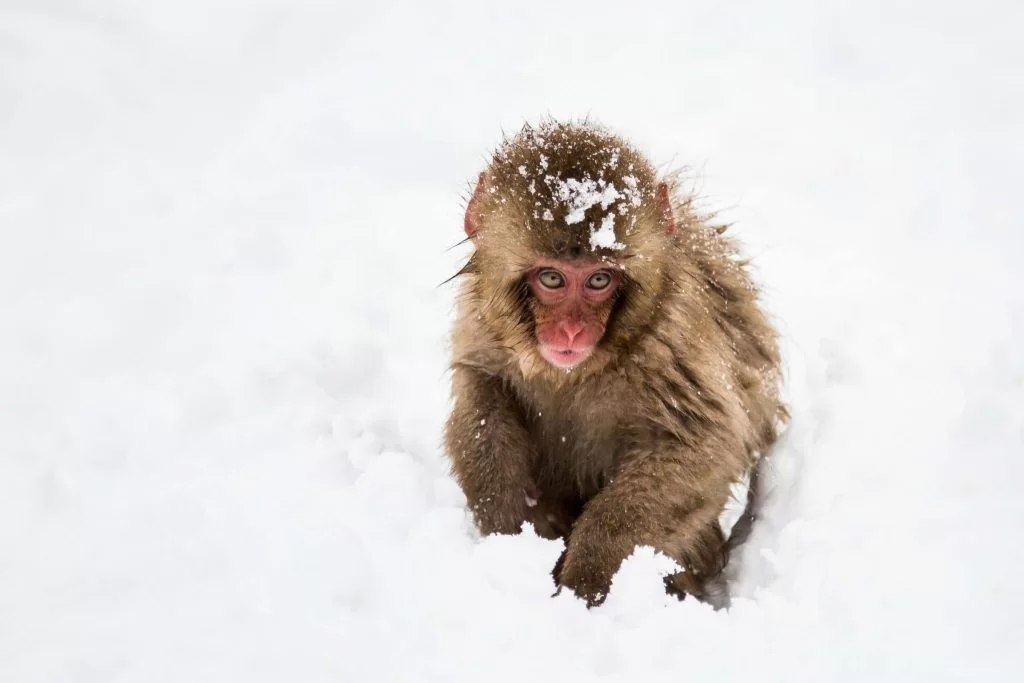
Why Visitor Feeding is Strictly Banned
While ranger-led feeding keeps the park running smoothly, public feeding is a completely different story.
Around ten years ago, the park experimented with allowing visitors to feed the monkeys directly. The results were disastrous. Hand-feeding completely altered the dynamic, making the relationship between the monkeys and tourists incredibly tense and aggressive. The macaques began viewing humans as food sources, leading to biting and scratching, which completely ruined the peaceful experience of observing them in a natural state.
As a result, visitor feeding was permanently banned. Today, because the monkeys no longer associate tourists with a free meal, they completely ignore the crowds. Over generations, they have become beautifully accustomed to human company, allowing you to stand just inches away from them as they go about their daily lives.
A Sanctuary First, an Attraction Second
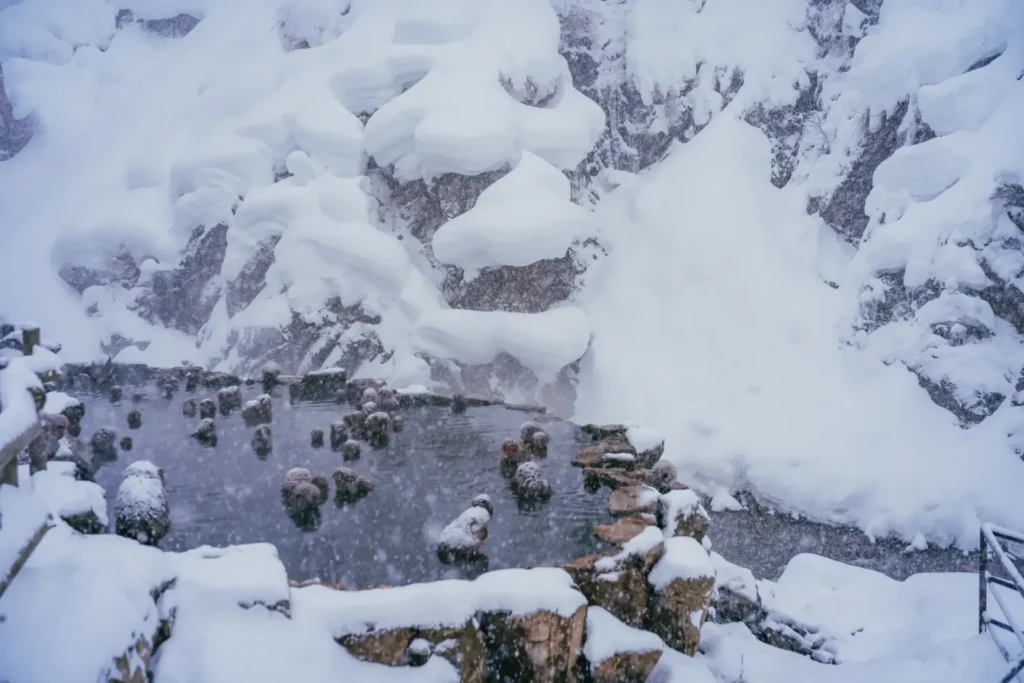
While globally famous and immensely popular with international travelers, Jigokudani remains, first and foremost, a sanctuary for wildlife conservation located inside the troop's natural territory.
Because the valley is a vital hub for global scientific observation and behavioral study, visitors are acting as guests in a living laboratory. Following the park rules isn't just about safety—it actively preserves this unique, harmonious relationship for generations to come.
Tours and Charters to the Monkey Park
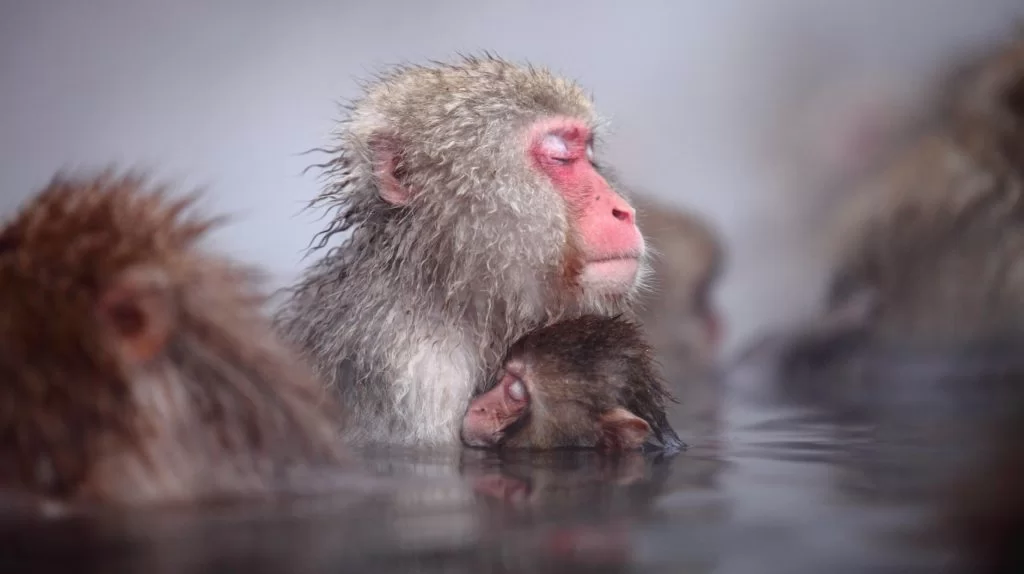
As Nagano's No.1 tour operator, we are proud to offer multiple tours that combine a visit to the Snow Monkey Park with other fun local activities. No matter the season, we can help you make the most of your time in Nagano. Whether with your family or friends, or on your own, we are sure to have something that suits your needs!
Best Selling
1-Day Tour: Snow Monkeys, Zenkoji Temple & Sake in Nagano
- Spots:
- NaganoSnow MonkeyHakuba
- Pick-up:
- Nagano CityHakuba
- Drop-off:
- Nagano CityHakuba
Our most popular offering is our "1-Day Tour: Snow Monkey Park, Zenkoji Temple and Sake in Nagano". Guests on this delightful excursion will first be treated to Sake Tasting and a guided tour of the historic Zenkoji Temple in Nagano, including lunch at a nearby restaurant.
With the first half of the tour complete, you will then depart for the Monkey Park on our private tour vehicle. Once you have arrived your guide will lead the way up to the place the Monkeys call home, before you once again board the bus and return to your starting destination.
Best Selling
1-Day Tour: Snow Monkeys & Snow Fun in Shiga Kogen
- Spots:
- NaganoSnow MonkeyShiga Kogen
- Pick-up:
- Nagano CityYudanaka/Shibu
- Drop-off:
- Nagano CityYudanaka/Shibu
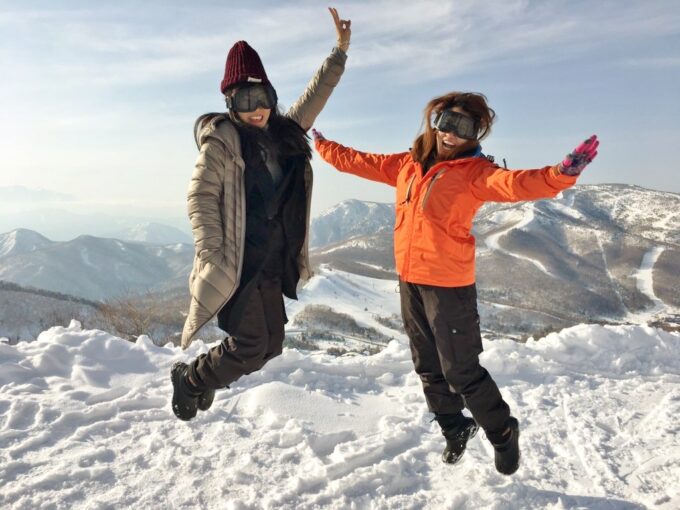
For those guests coming in the winter, we also offer the "1-Day Tour: Snow Monkeys & Snow Fun in Shiga Kogen", combining exciting snow activities such as sledding and riding snow scoots with a visit to the Monkey Park. Lunch is also included, making for the perfect day trip for anyone looking to experience what winter in Nagano is all about!
Popular
(Spring Only) 1-Day Tour: Snow Monkeys & Cherry Blossoms in Nagano
- Spots:
- NaganoSnow Monkey
- Pick-up:
- Nagano City
- Drop-off:
- Nagano City
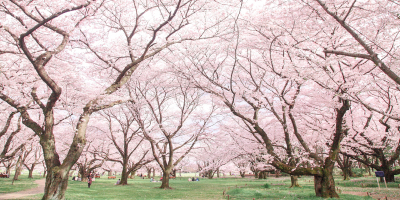
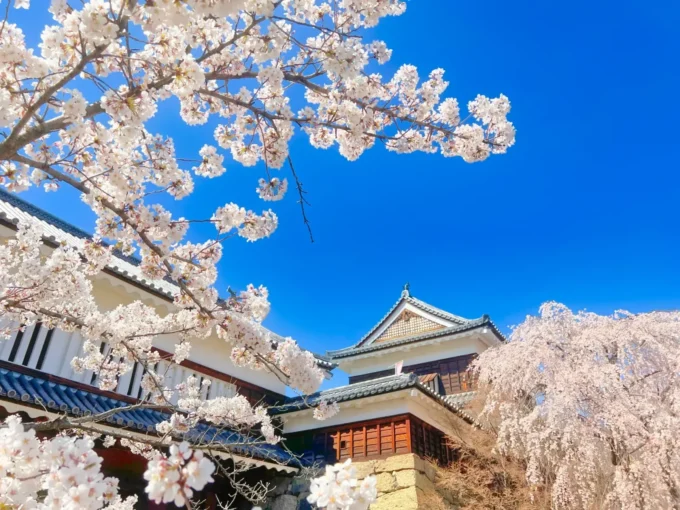
Another unforgettable tour is our "1-Day Tour: Snow Monkeys & Cherry Blossoms in Nagano". Including two of Japan's most amazing natural spectacles, the blooming of the Cherry Blossoms and the hot-spring loving monkeys of Jigokudani, this offering is the easiest way to enjoy a relaxed spring day in Nagano.
Small Group
1-Day Tour: Snow Monkey Park & Togakushi Shrine in Nagano
- Spots:
- NaganoSnow MonkeyTogakushi
- Pick-up:
- Nagano City
- Drop-off:
- Nagano City
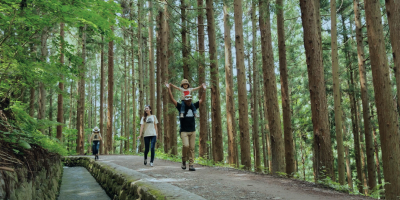
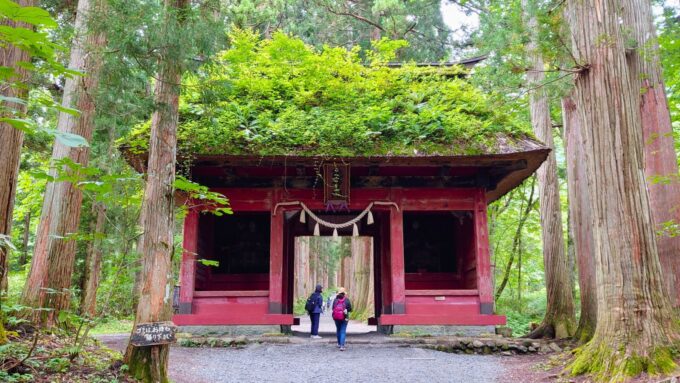
Or, if you would like to see more of Nagano's breathtaking nature and learn about its spiritual history, you can join our "1-Day Tour: Snow Monkey Park & Togakushi Shrine in Nagano". This tour combines a visit to the Snow Monkey Park with a trip to Togakushi Shrine, also known as the “Five Shrines,” famous for its rows of towering ancient cedar trees lining the path to the inner shrine.
Popular
[START FROM NAGANO CITY] Private Snow Monkey Tour
- Spots:
- NaganoSnow Monkey
- Pick-up:
- Nagano City
- Drop-off:
- Nagano CityHakubaNozawa OnsenShiga KogenMadaraoMyoko
For those who want a more customized experience, we also offer private tours of the Snow Monkey Park and nearby attractions such as Zenkoji Temple. For more information, please click the link above or send us an inquiry describing your ideal itinerary.
Charter a Vehicle to the Snow Monkey Park!
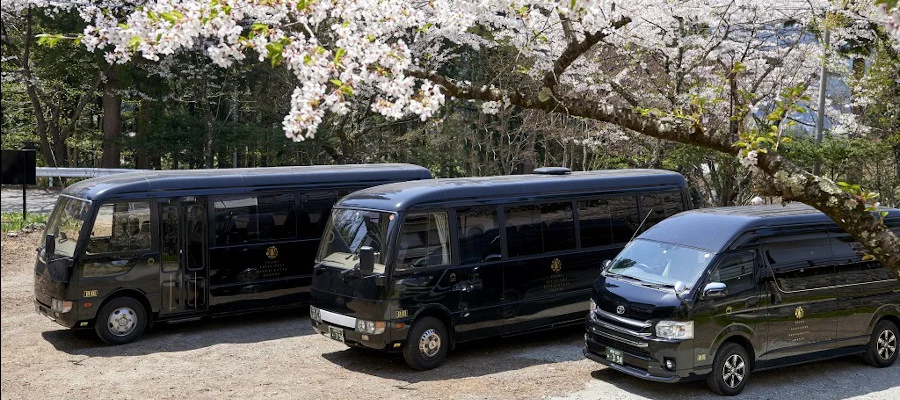
Please see our charter page and send us your trip details so we can start planning your journey to the Snow Monkey Park. Many starting point options are available such as Nagano Station, Hakuba, Nozawa Onsen, and more.
NAGANO STN → SNOW MONKEY PARK (3HR)→ NAGANO STN
- Duration:
- 4-5 Hours
- Spots:
- Nagano, Snow Monkey
Need Assistance While at the Park?
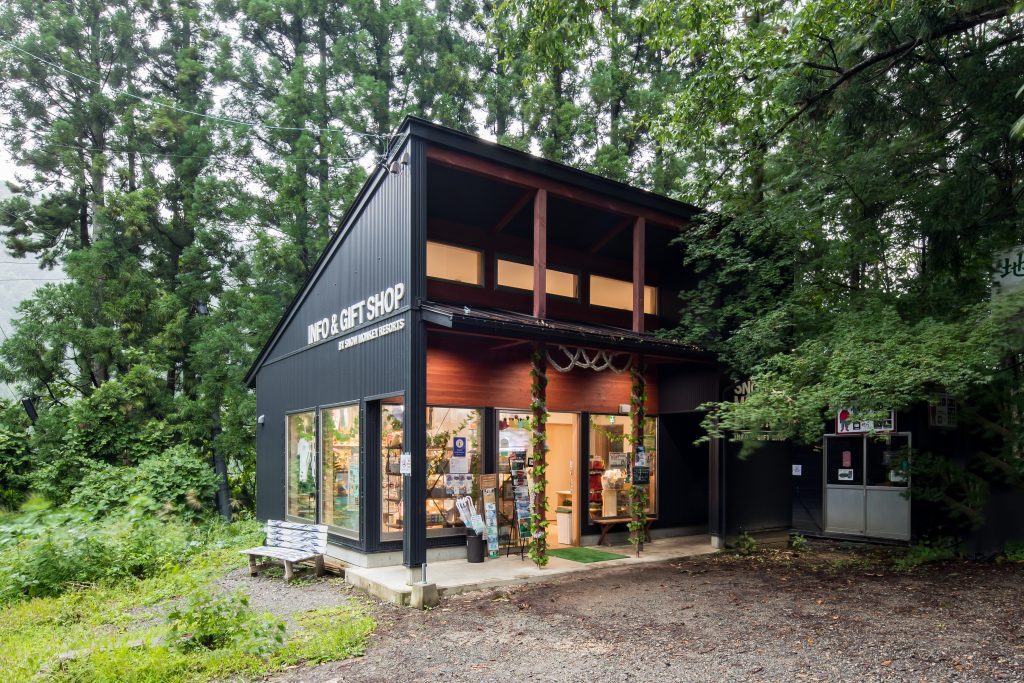
Need assistance while at the park? The Snow Monkey Resorts Info & Gift Shop is located at the entrance of the trail leading to the Jigokudani Monkey Park. Offering a range of services including winter rentals and English language information, luggage storage, along with monkey merchandise and souvenirs including official Snow Monkey Resorts products, the SMR Info & Gift Shop has you covered when visiting the park. Open from early October until late May, 9AM to 5PM, English-speaking staff can answer your questions on your way to and from the park including bus timetables and information about nearby attractions.
Frequently Asked Questions (FAQ)
Snow monkeys enter hot springs primarily to reduce stress and regulate their body temperature during the freezing Japanese winter. While not required for survival, the warm volcanic water provides a "spa-like" relaxation for the troop, especially pregnant females looking to soothe their bodies during the harshest months.
It is rare for adult monkeys to bathe in the summer when temperatures are warm. However, you will often see younger monkeys splashing in the water for fun and socialization throughout the green season. The adults typically return to the pools once the winter cold sets in, and you could see them in onsen occasionally in autumn and spring
The original troop was discovered in 1957 by Sogo Hara, a hiker and employee of the Nagano Electric Railway. After observing the monkeys losing their habitat to ski resort development, Hara worked with local inn owners to protect the troop and eventually established the Jigokudani Monkey Park in 1964.
No, visitors are strictly prohibited from feeding the monkeys. This rule ensures the monkeys remain wild and prevents aggressive behavior. The park rangers provide a controlled amount of barley, soybeans, and apples to incentivize the monkeys to stay within the safe conservation area.