

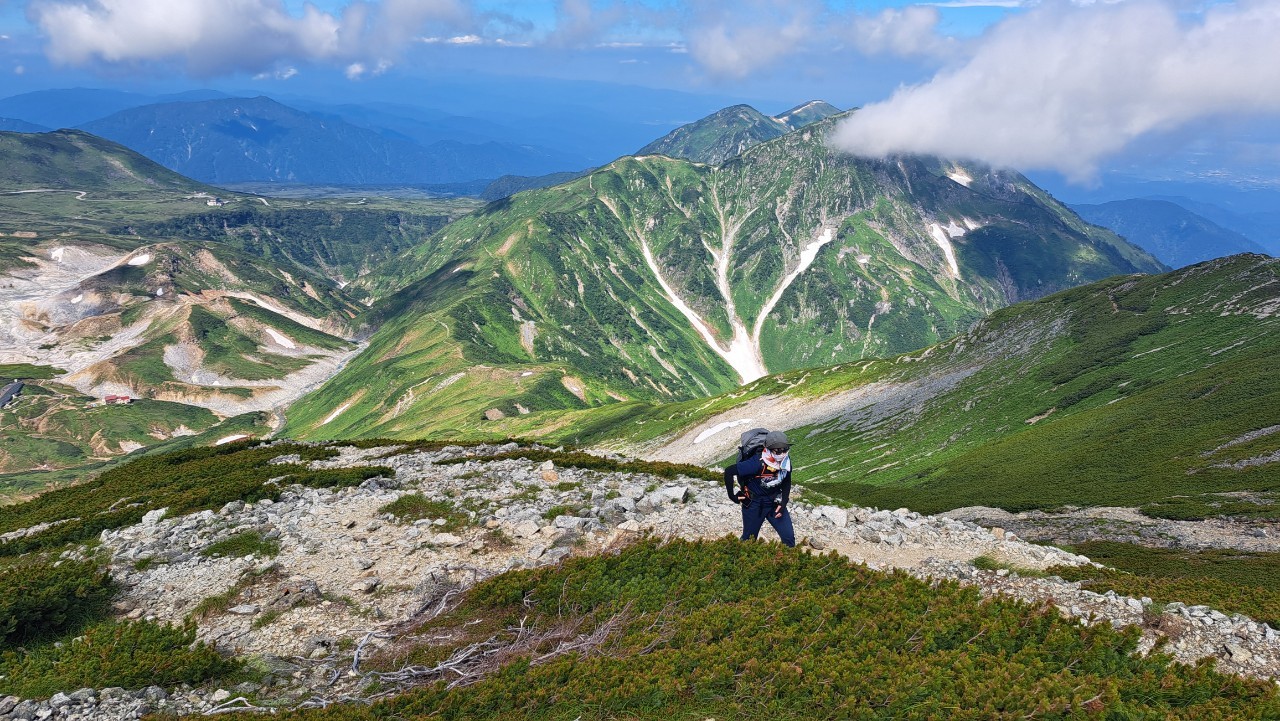
As midsummer arrives, the Tateyama Kurobe Alpine Route transforms into a lush, high-altitude sanctuary with comfortable temperatures, clear skies, and vast alpine greenery replacing the winter snows. July marks the official launch of the full summer hiking season, opening access to high-mountain peaks, boardwalks across the Midagahara wetlands, and panoramic vistas above the clouds. Framed by the powerful spectacle of the Kurobe Dam water release, a July visit offers an unforgettable escape into the vibrant heart of the Northern Japan Alps.
This comprehensive guide covers everything you need for a seamless July journey, highlighting peak summer weather, hiking access, and essential travel logistics. Joining a guided tour removes the hassle of coordinating multi-leg transit transfers and timed cable car reservations, letting you simply focus on the beauty of the area.
Weather in July
July brings delightful, mild summer conditions to the Tateyama Kurobe Alpine Route, offering a cool sanctuary from the intense heat of the lowlands. Daytime temperatures at high-altitude hubs like Murodo (2,450 meters) generally comfortably hover between 12°C and 20°C, while lower valley stations can reach warm highs of 22°C to 28°C. Although sunny days provide bright, clear views across the greening peaks, July falls within Japan’s rainy season, making sudden mountain showers, lingering mist, and rapid weather shifts common throughout the afternoon.
Recommended Hikes in July
Murodo Plateau
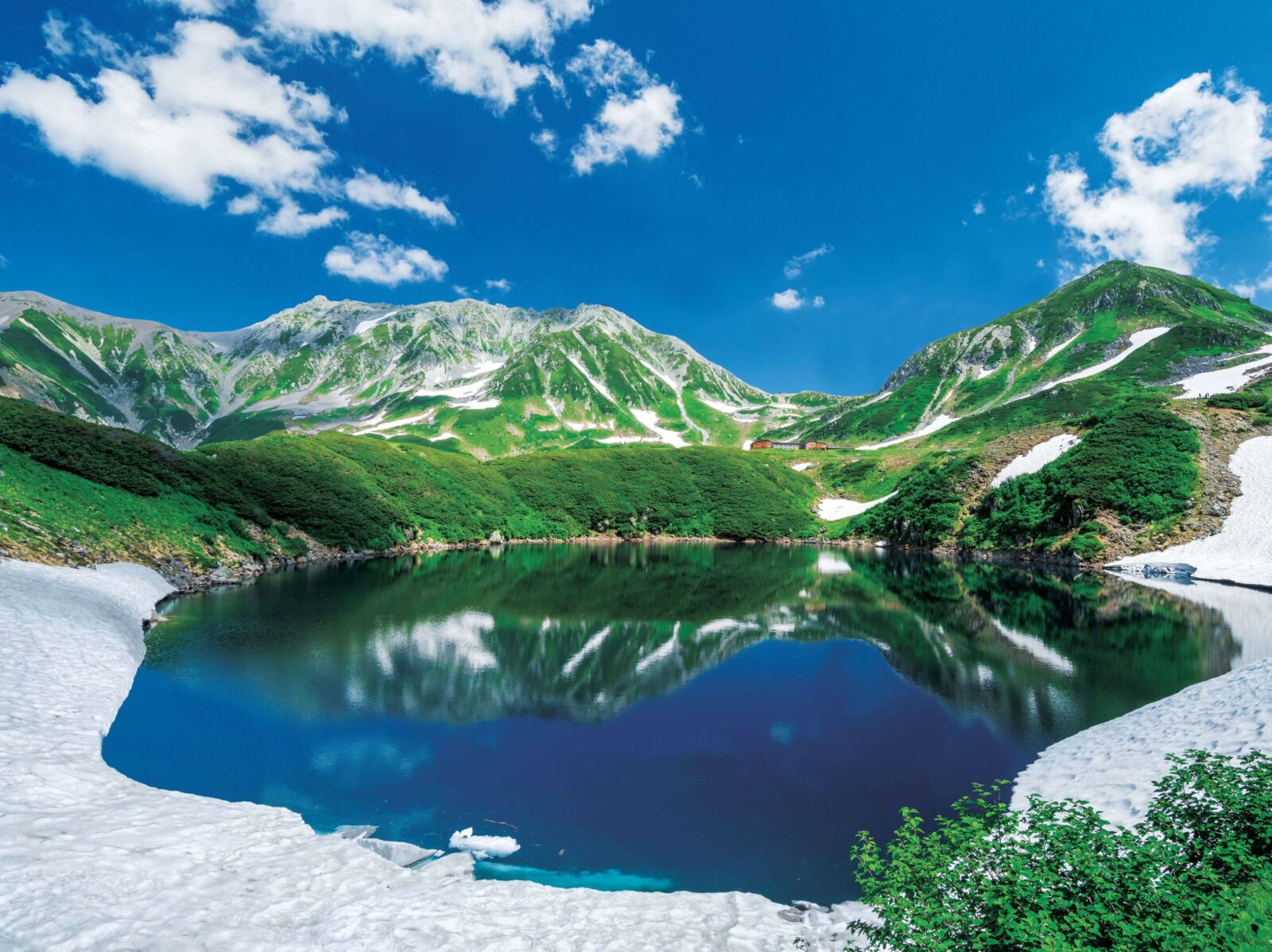
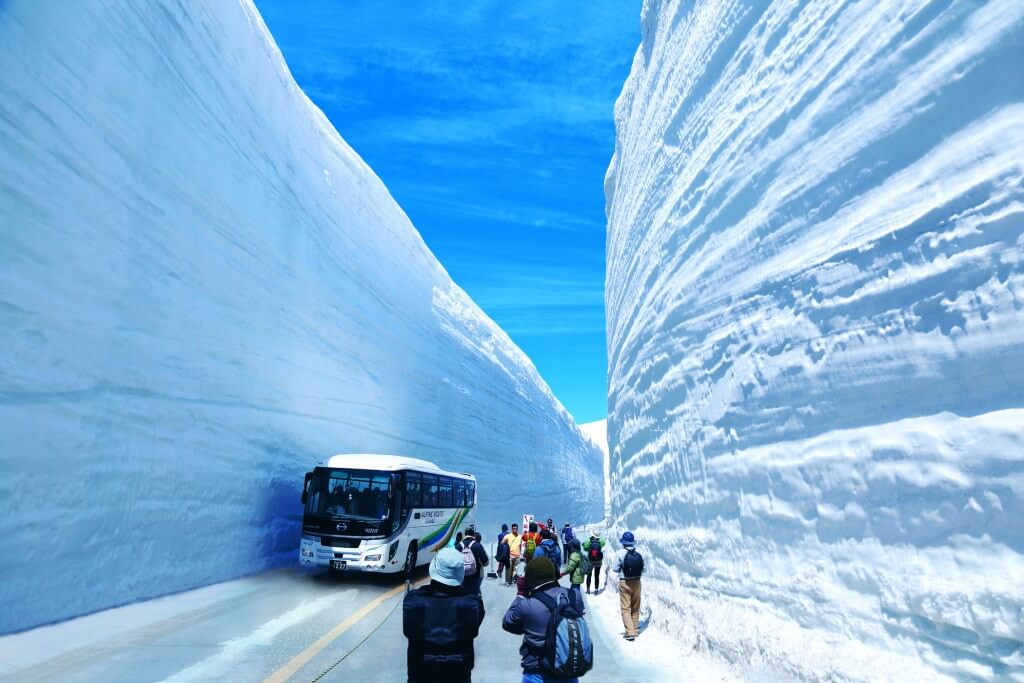
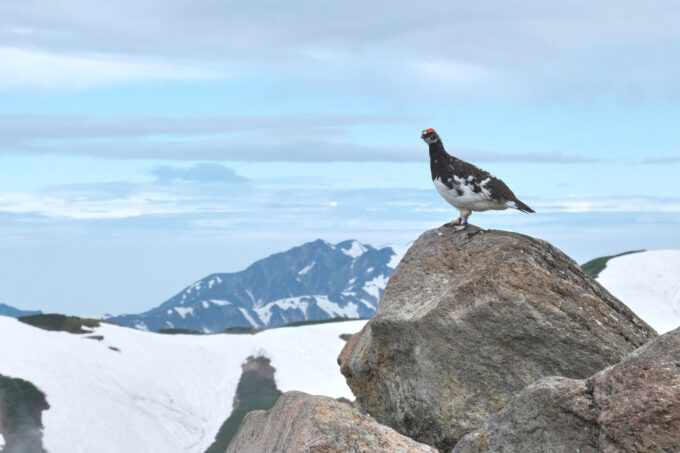
July brings Murodo into full summer splendor, transforming the high-altitude plateau into a vibrant green landscape beneath clear mountain skies. With the winter snow walls fully melted and the Yuki-no-Otani event wrapped up, the terrain clears to showcase expansive alpine meadows, bustling wildlife like the native Raichu (ptarmigan), and breathtaking panoramas of the Tateyama Mountain Range.
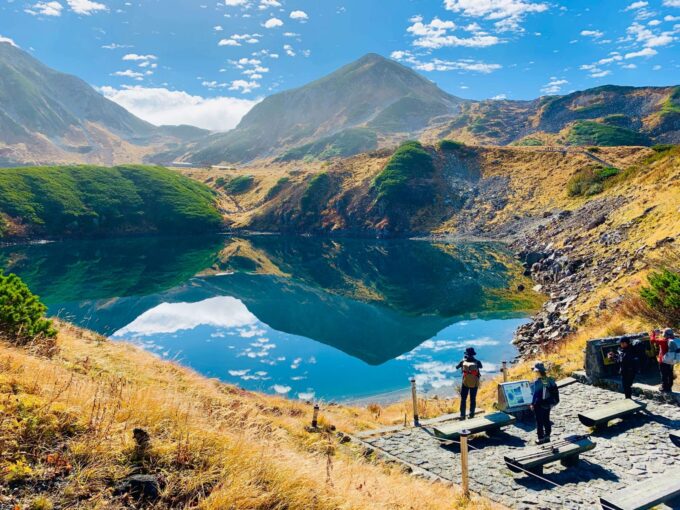
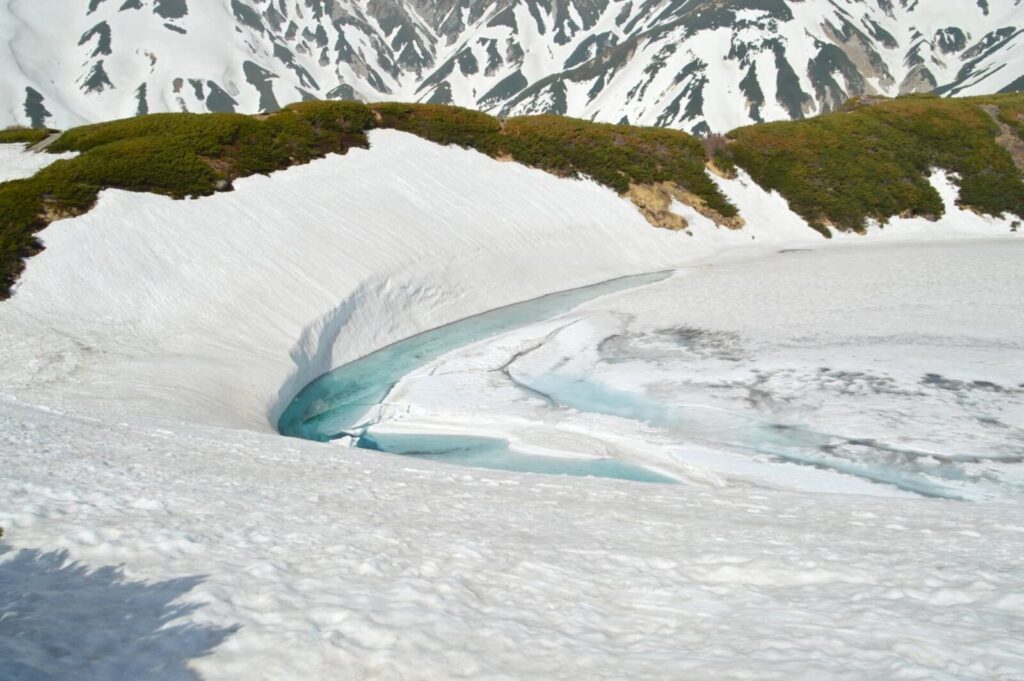
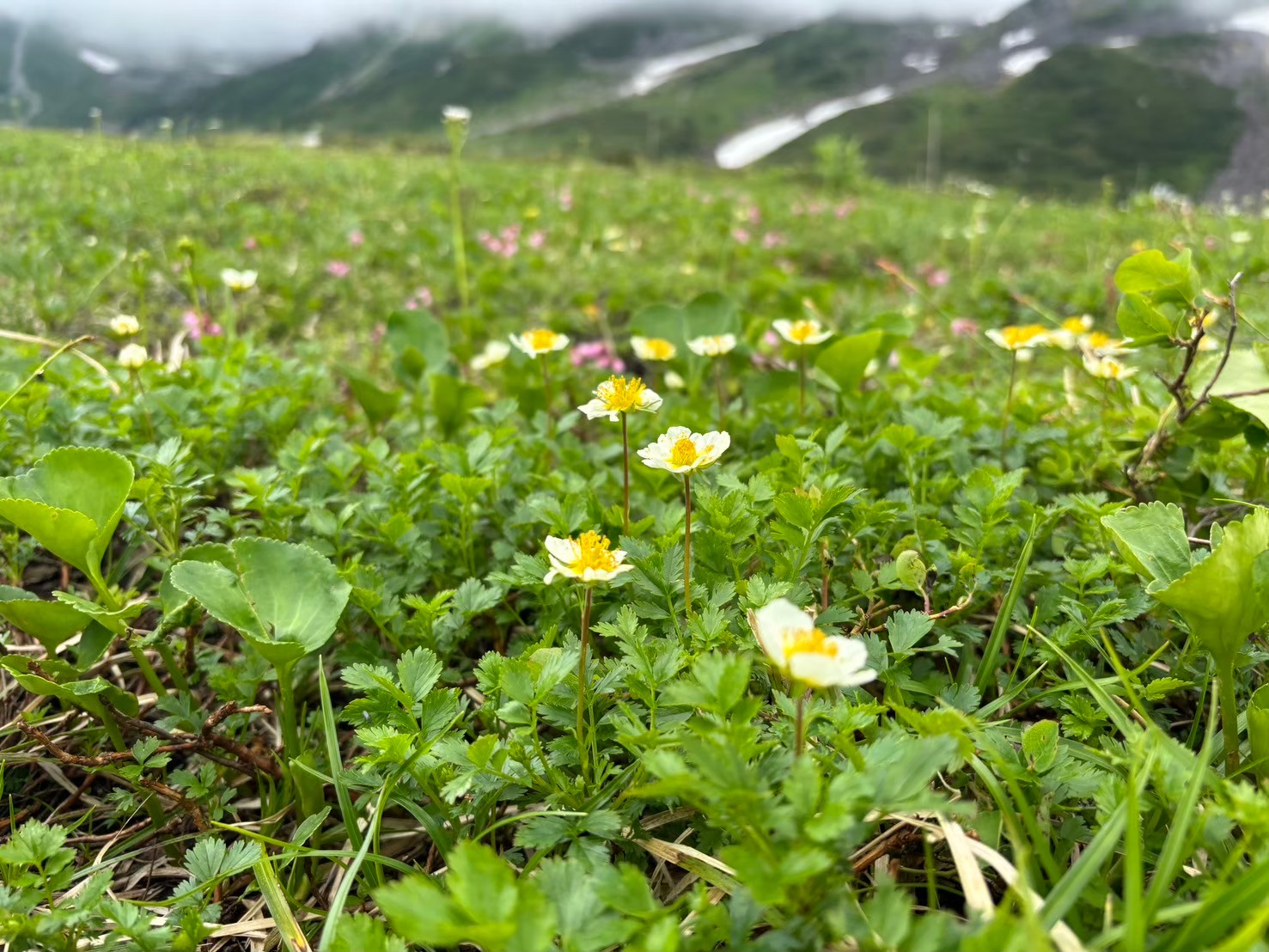
Midsummer conditions open up the region's full network of hiking trails for outdoor enthusiasts. The ice covering Mikurigaike Pond completely thaws into a brilliant, deep-blue mirror reflecting the surrounding peaks, while well-maintained boardwalks and stone paths allow for effortless trekking toward panoramic lookouts, geothermal vents in Jigokudani, and blooming alpine wildflowers.
Midagahara
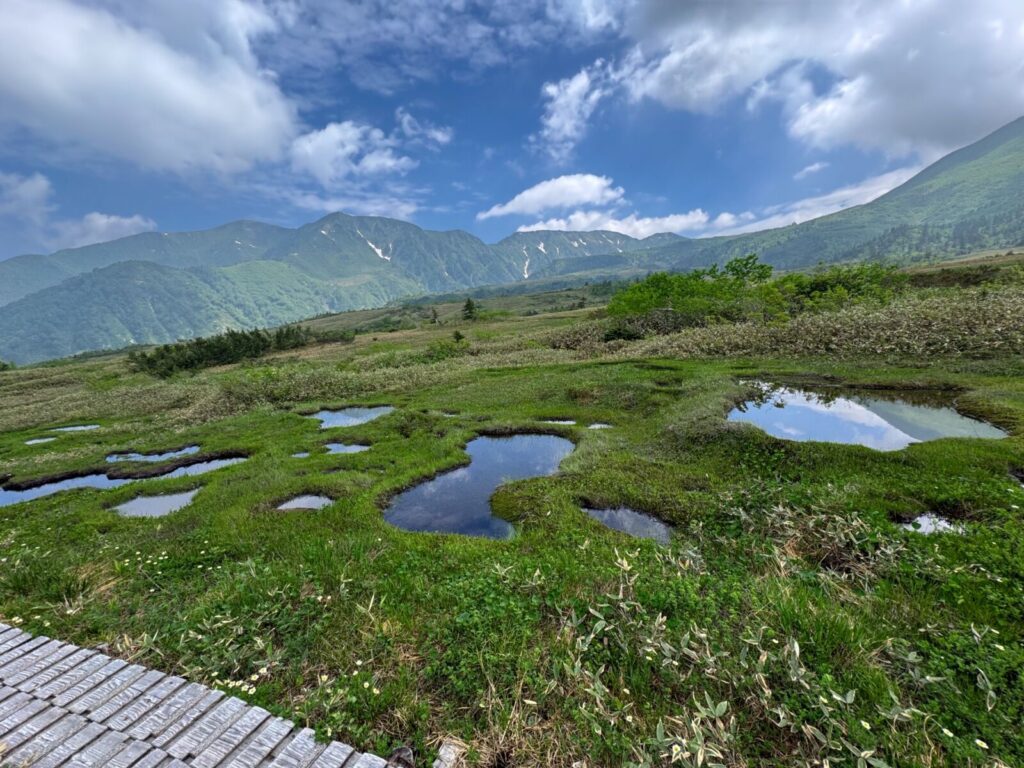
The Midagahara Plateau turns into a high-altitude wetland where wooden boardwalks wind past emerald-green alpine flora and glowing marsh ponds. Pleasant summer temperatures and clear trails make it an ideal time for leisurely hikes across these UNESCO Ramsar-designated wetlands, offering panoramic mountain views and excellent birdwatching above the clouds.
Kurobe Dam
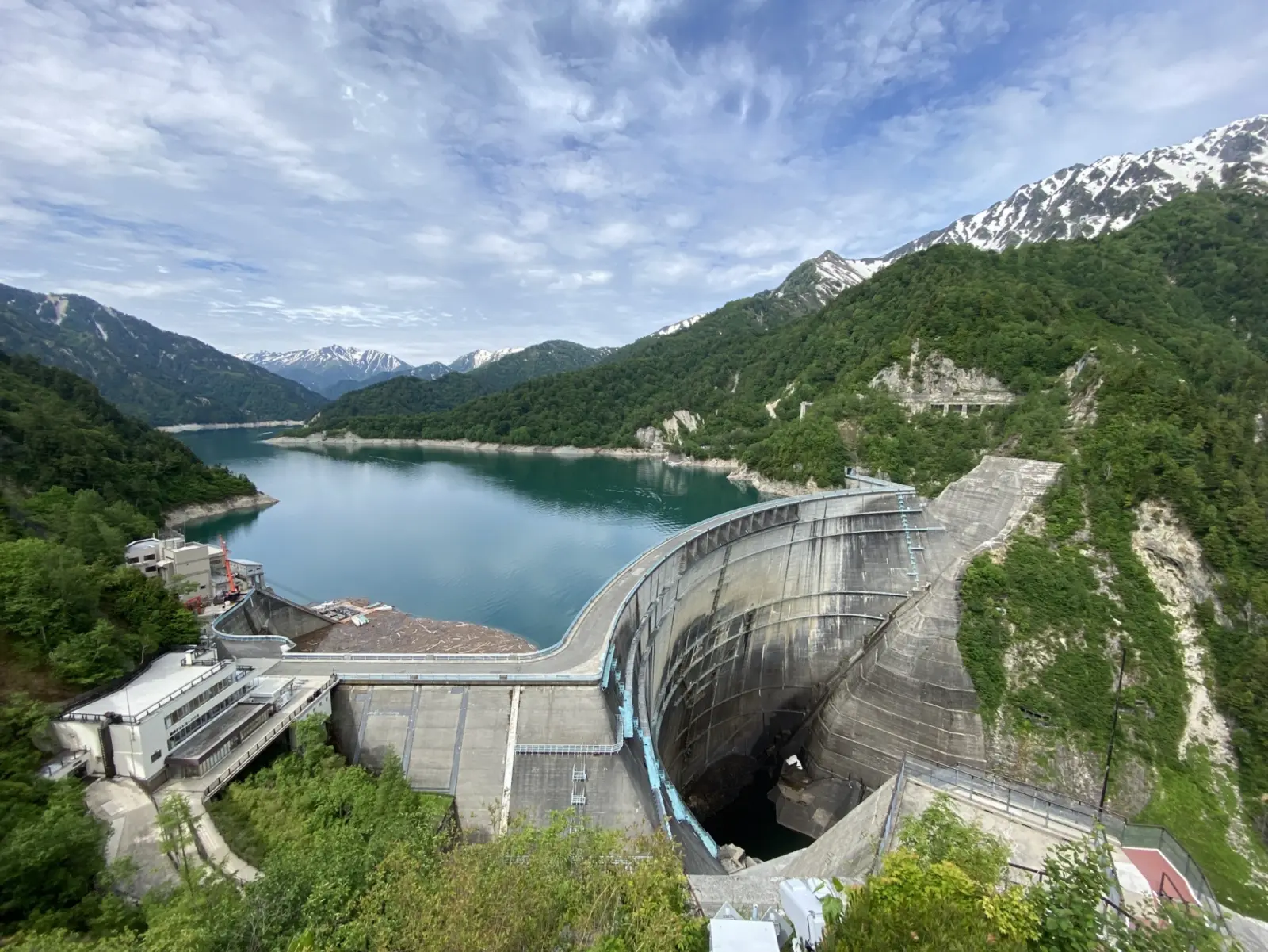
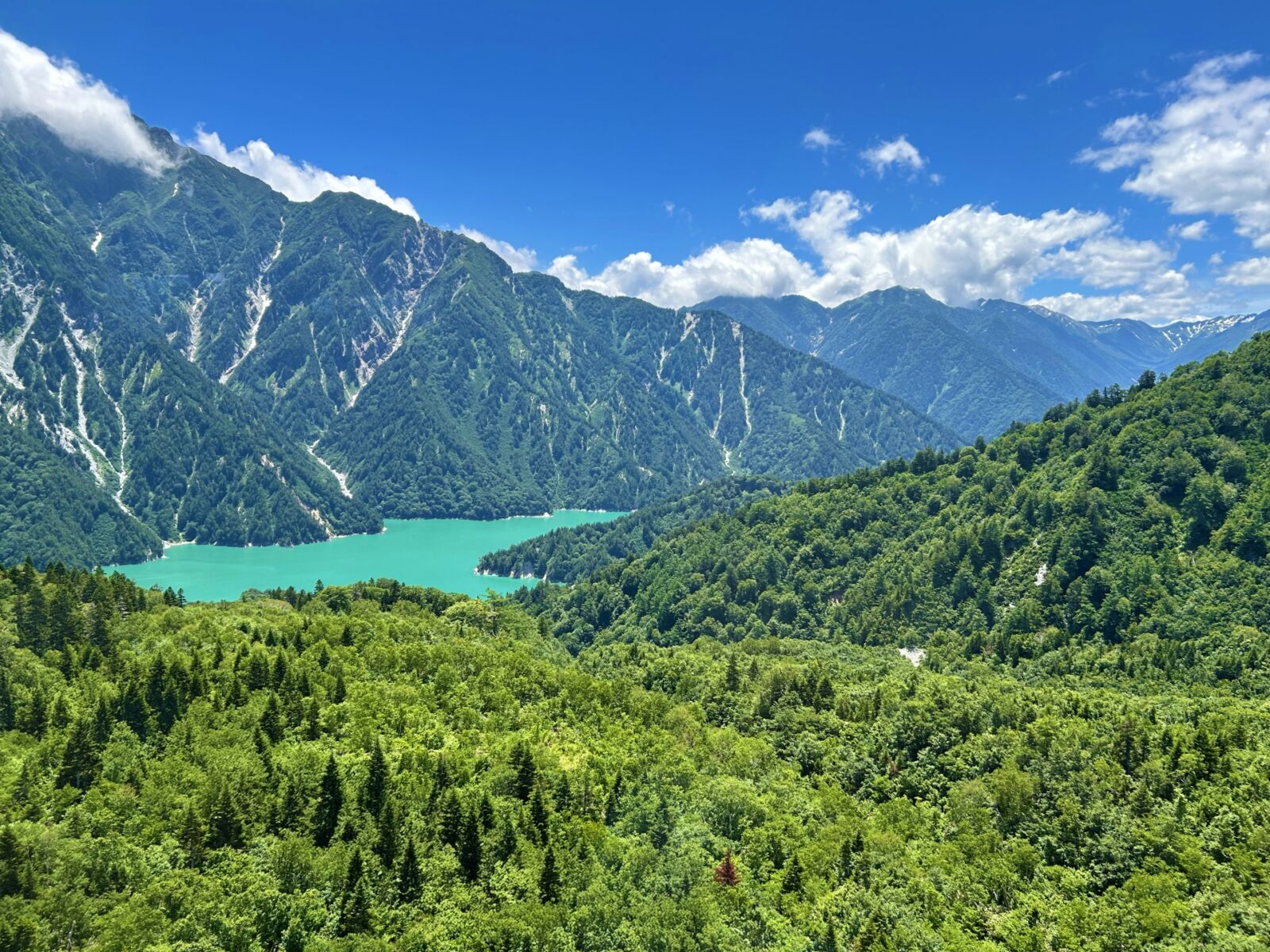
Walking the high footbridge atop Kurobe Dam in July places you right in the middle of dramatic early-summer scenery. Rising high above the reservoir, the massive arch structure looks out over Kurobe Lake’s deep emerald waters, backed by dramatic mountain peaks as the last traces of winter snow give way to lush green forests.
Seasonal Highlights in July
Kurobe Dam Water Release
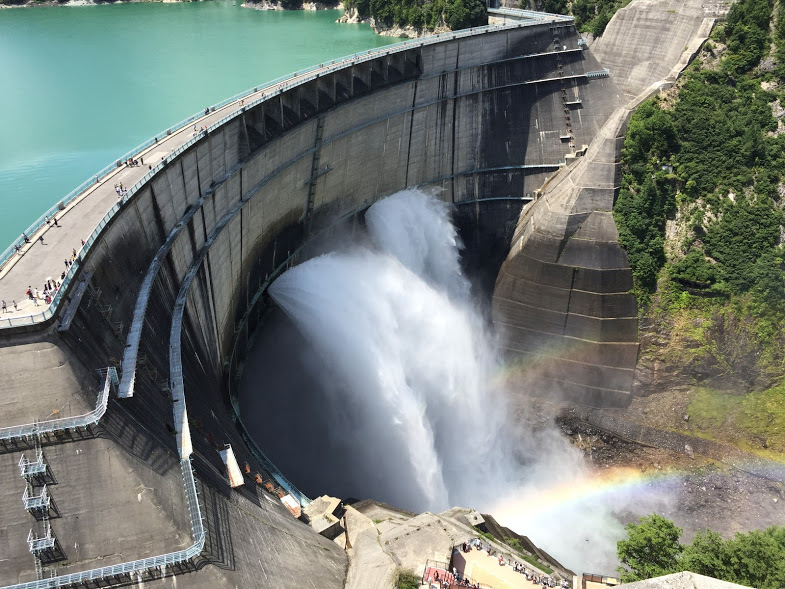
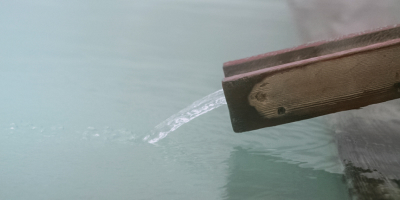
A defining highlight of visiting Kurobe Dam in July is experiencing the full power of its famous summer water release. Standing on the surrounding observation decks, visitors can witness thousands of tons of water thunder into the gorge every second, creating cooling mist clouds and bright, vivid rainbows against the canyon walls. Paired with refreshing alpine breezes and deep summer greenery, July showcases this iconic engineering feat at its most energetic and visually spectacular.
High-Altitude Walks & Hikes
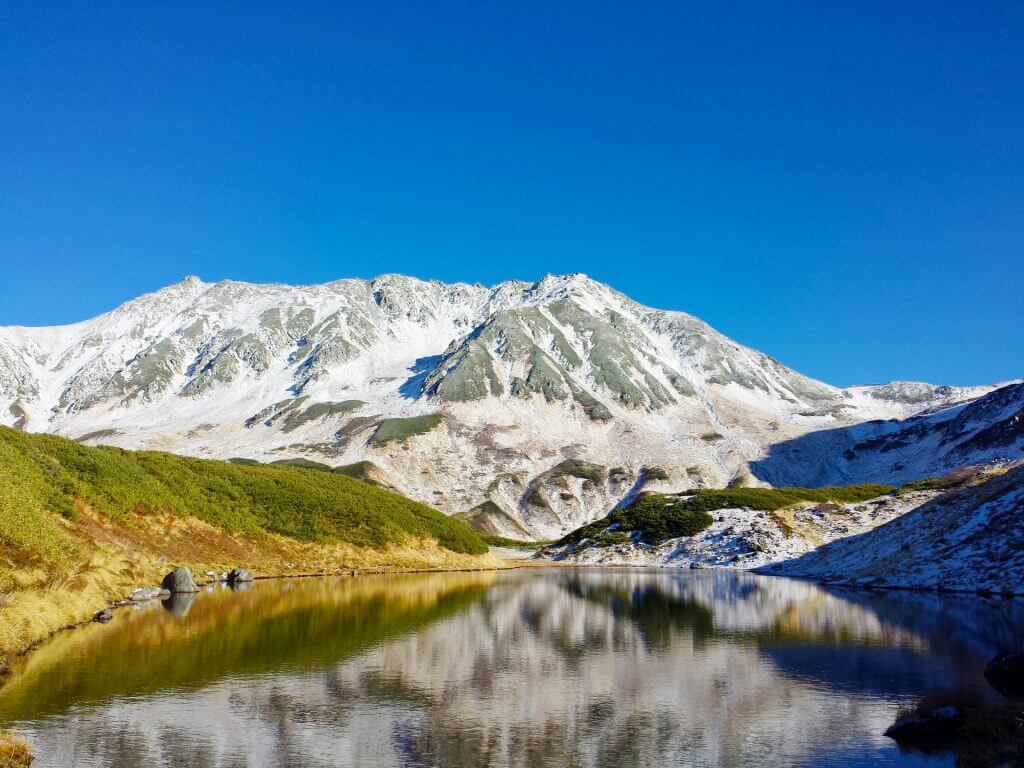
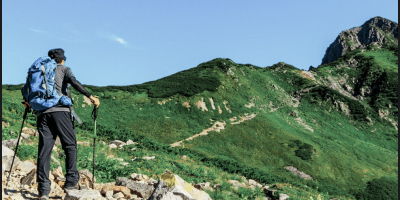
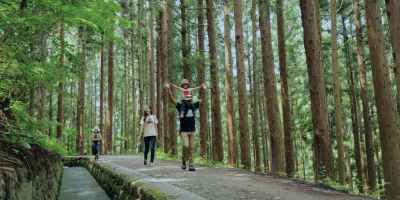
July opens up the full spectrum of high-altitude trekking along the Tateyama Kurobe Alpine Route, catering to both casual strollers and serious mountaineers. At Murodo (2,450 meters), accessible stone-paved loops lead visitors around the cobalt-blue waters of Mikurigaike Lake and past the steaming geothermal landscapes near Jigokudani. For those seeking a greater challenge, July's cleared trails allow trekkers to scale the sacred summit of Mt. Oyama (3,015 meters) for sweeping views of the Northern Japan Alps. Lower down the mountain, gentle wooden boardwalks at the Midagahara Wetlands provide a tranquil walk through blooming alpine meadows, while shaded forest paths beneath ancient cedar and beech trees await at Bijodaira.
Featured Tours in July

[Summer/Fall Only] From Kanazawa: Shomyo Falls, Light Alpine Hikes and Tateyama Mountain's Majesty
Experience the majestic beauty of Japan’s Northern Alps on a guided day tour departing conveniently from Kanazawa or Toyama. Journey into the heart of Chubu Sangaku National Park to witness stunning seasonal landscapes, cascading waterfalls, and the breathtaking high-altitude expanses of the Tateyama Kurobe Alpine Route. Expert local guides handle all transportation and travel logistics, ensuring a seamless, stress-free exploration of one of Japan’s most revered mountain sanctuaries.
Available until from late June to early November.
Highlights:
- Marvel at Japan’s tallest waterfall, Shomyo Falls, where twin cascades plunge 350 meters down dramatic volcanic rock faces.
- Hike across the scenic Midagahara Wetlands, taking in panoramic views above the clouds at 2,450 meters above sea level.
- Explore the volcanic alpine plateau of Murodo, featuring the deep-blue waters of Mikurigaike Pond and sweeping vistas of the Tateyama Mountain Range.
- Discover the deep spiritual heritage of Mt. Tateyama, one of Japan's Three Holy Mountains, with insights into its centuries-old pilgrim history.
Recommended
1 Day Tour from Kanazawa or Toyama: Tateyama Alpine Route Snow Wall and Mysterious Valley
More Ways to Visit the Tateyama-Kurobe Alpine Route
Alongside our guided tours, we also offer charters and other travel options to the Tateyama-Kurobe Alpine Route. These are perfect for travelers who prefer private transport, customized itineraries, or more flexibility in planning their day. Whether you’re travelling as a family, a couple, or a group, charters provide comfort and convenience while still letting you experience the best of the village and surrounding region.
COMING SOON!!!
Tips for Visiting & Travel in July
- Busy Season for Transport - July is prime high-season along the Tateyama Kurobe Alpine Route as summer hikers and sightseeing crowds flock to enjoy clear mountain trails and the roaring Kurobe Dam water release. Cable cars, ropeways, and mountain buses frequently fill up, making multi-leg transit timed bookings a hassle for independent travelers. Joining a guided tour removes this stress with pre-arranged transit reservations, letting you skip the booking queues and enjoy a seamless journey across the Northern Alps.
- What to Wear – Dressing for the Tateyama Kurobe Alpine Route in July requires flexible layering to bridge warm lowland temperatures (22°C–28°C) and cool, high-altitude summits like Murodo (12°C–20°C). A moisture-wicking base layer paired with a light fleece and a packable, waterproof rain jacket allows you to adapt quickly to sunny trails, sudden mountain showers, or chilled transit vehicles. Comfortable, sturdy hiking shoes with good grip are essential for uneven stone paths, while sunglasses, high-SPF sunscreen, and a brimmed hat remain crucial to protect against intense alpine UV exposure above the clouds.
- Visual Scenery – July showcases the Northern Alps in full midsummer grandeur, replacing winter snows with vibrant green peaks, blooming alpine flora, and deep-blue skies. The icy surface of Mikurigaike Lake completely thaws into a brilliant mirror reflecting Mt. Tateyama, while Kurobe Dam operates its famous, roaring water discharge, creating dramatic mist clouds and vivid rainbows across the gorge.
- Scheduling Tips – Visitor numbers hit a summer peak in July with the opening of summer hiking trails and the Kurobe Dam water release. To avoid weekend crowds and long transit wait times, target mid-week travel in early to mid-July when mountain paths and transfer hubs are noticeably quieter.
Where to Stay in July
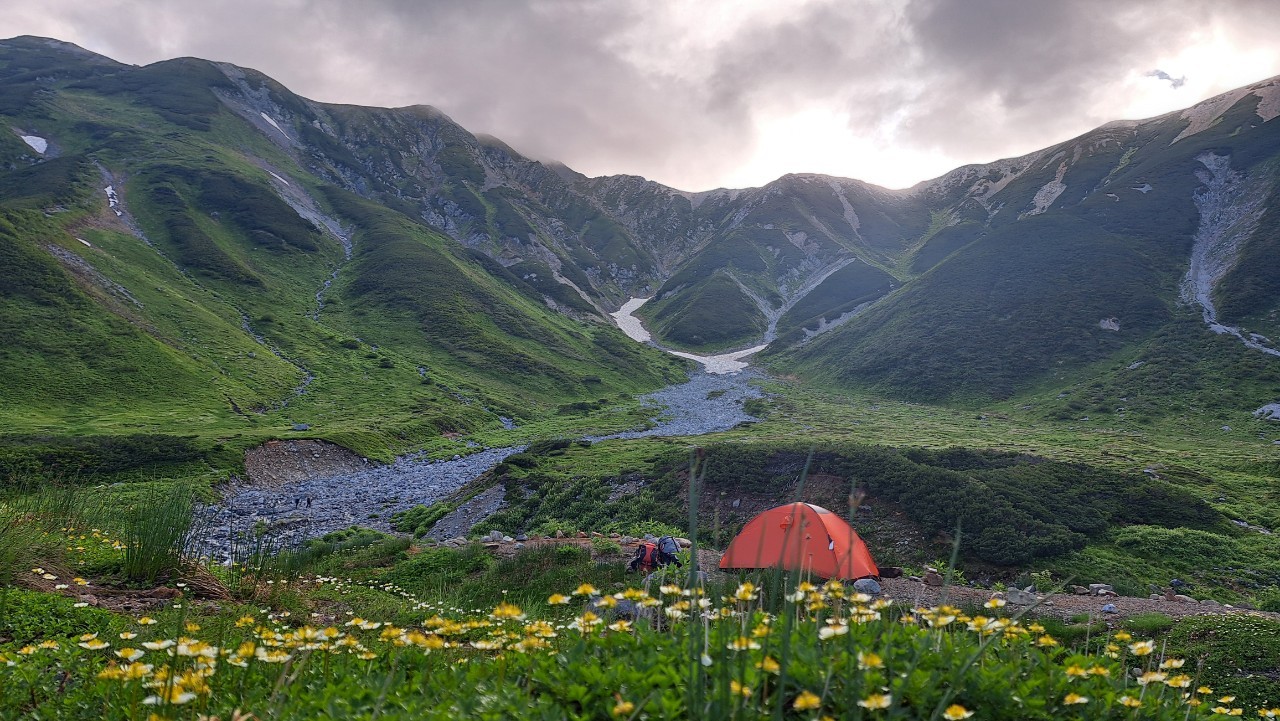
While many visitors experience the Tateyama Kurobe Alpine Route as a single-day journey, staying overnight on the mountain in July unveils a uniquely serene sanctuary. Once the last evening transit leaves and daytime crowds depart, the high-altitude plateaus settle into quiet, starlit silence above the clouds.
- Hotels on the Alpine Route – Staying overnight allows you to beat the morning rush and catch a brilliant golden sunrise over the peaks. Choose historical lodges directly in the Murodo hub for immediate access to summit trails, or opt for a tranquil retreat nestled among the lush wetlands of the Midagahara Plateau.
- Camping – July brings prime backcountry camping conditions to Raichozawa Campground as the last snow patches melt away, uncovering grassy campsites surrounded by alpine blooms. While high-elevation nights still require warm layers and a good sleeping pad, mild summer weather makes pitching a tent or staying in nearby mountain huts far more comfortable than in early season.
- Tateyama & Ogizawa Gateways – Near Tateyama Station on the western entrance, comfortable mountain inns and rustic lodges offer a convenient base right at the foot of the route. Over on the eastern side near Ogizawa Station, the nearby Omachi Onsen-kyo village provides classic ryokan accommodations with hot spring baths—perfect for soaking away a day of hiking.
- Toyama City – As the main western transit hub, Toyama City offers a broad range of options from sleek business hotels to full-service accommodations. Staying near Toyama Station enables an easy, early-morning train connection directly to Tateyama Station.
- Nagano & Matsumoto – To the east, Nagano City serves as a convenient gateway with lodging for every budget and direct bus links to Ogizawa. Meanwhile, Matsumoto City combines historic charm with excellent hotel options, positioning you perfectly for an early departure toward the eastern side of the route.
Wherever you choose to stay, summer can be a busy time of year, so it’s best to make arrangements well in advance. For more guidance, see our Best Places to Stay on the Tateyama-Kurobe Alpine Route.
Plan Your July Visit

July offers a remarkably vibrant time of year to experience the Tateyama Kurobe Alpine Route as full midsummer arrives in the Northern Alps. With the winter snow walls fully melted, clear high-altitude skies reveal sprawling alpine meadows, deep-blue crater lakes, and lush green mountain peaks. Mild temperatures, flourishing wildlife, and the roaring summer water release at Kurobe Dam make July a spectacular season for exploring the high-altitude terrain.
Because peak summer weather brings steady visitor traffic—especially hikers and sightseers eager to take advantage of fully opened trails—securing transit reservations in advance is essential. Whether you choose an overnight stay at a high-mountain lodge, base your journey in Toyama or Nagano, or join an organized tour, visiting in July offers an unforgettable escape into the breathtaking heart of Japan’s roof.
For a general overview of what's around Toyama check out our "Things to do in Toyama." We also have a "Famous Foods in Toyama" as well as a "Best Souvenirs from Toyama" for more specific interests. If you like exploring the more spiritual side of Japan check out the "Best Shrines and Temples in Toyama" as well as "Best Goshuin near Toyama" which covers the popular red stamp you can get at those locations! Finally we have a "Best Onsen Hot Springs in Toyama," "Best Museums in Toyama" and finally "Pokemon Manhole Covers - Kanazawa, Toyama and Fukui." There really is something for everyone!