
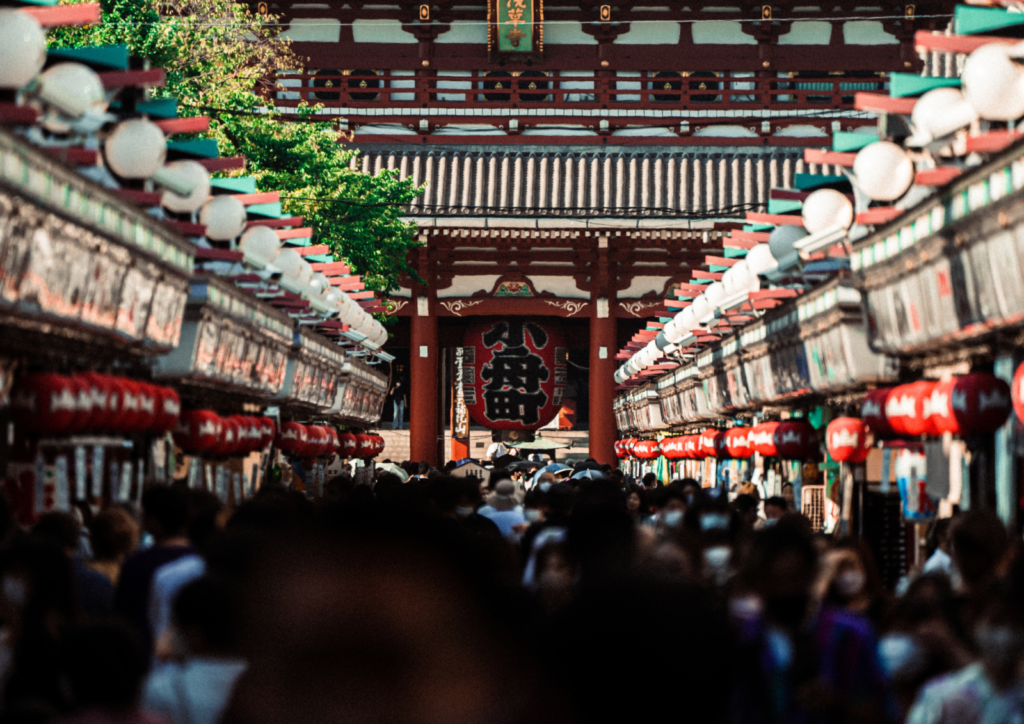
Japan has 16 national holidays spread across the year, and most of them pass quietly. A few, though, turns everyone in the whole country into travel mode. When Japanese workers get a long break, they take the opportunity to use it: transportation tickets sell out, congestion everywhere, and popular spots fill with domestic visitors on top of international ones.
Though, this is not a reason to stay away. Some of Japan's best atmosphere happens during these periods. Planning with these in mind can make what is initially presumed as a busy season into an unforgettable experience. This guide covers every holiday in 2027, what each one looks like on the ground, and how to decide whether to join the celebrations or travel around them.
Japan's National Holidays in 2027 and What to Expect
- New Year's Day (Friday, January 1): The quietest day of the year for business and the busiest for shrines. See the New Year section below.
- Coming of Age Day (Monday, January 11): Young adults celebrate reaching adulthood with ceremonies across the country. You'll see groups in formal kimono and suits around town halls and shrines. The scene at Japanese pubs or izakaya by night time will be one of merriment!
- National Foundation Day (Thursday, February 11): A quiet day marking the founding of Japan. Little changes for travelers.
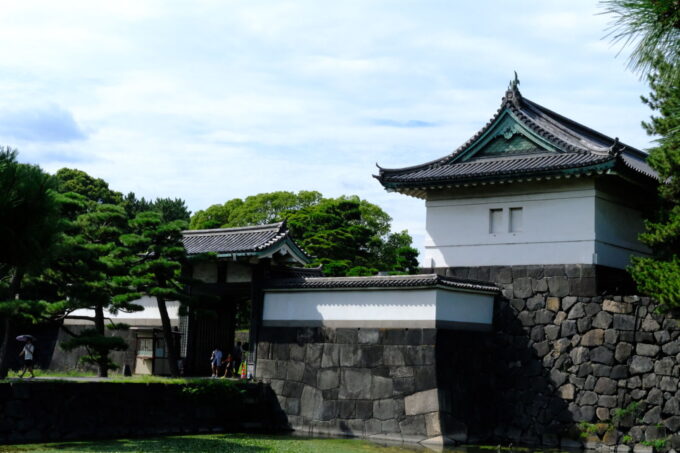
- Emperor's Birthday (Tuesday, February 23): The Imperial Palace in Tokyo opens to the public, and the Emperor greets visitors from a balcony.
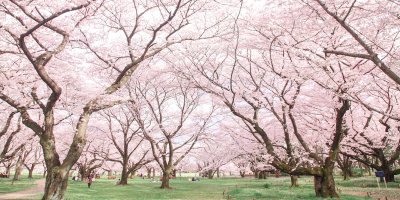
- Spring Equinox Day (Sunday, March 21, observed Monday, March 22): A traditional time for families to visit ancestors' graves. It falls around the start of cherry blossom season in many areas.
- Showa Day (Thursday, April 29): The start of Golden Week. See the Golden Week section below.
- Constitution Memorial Day (Monday, May 3): The first of Golden Week's three peak holidays.
- Greenery Day (Tuesday, May 4): A day for appreciating nature, and a good excuse for a park or garden visit.
- Children's Day (Wednesday, May 5): Carp-shaped streamers fly outside homes and along rivers in the weeks before, wishing children health and success.
- Marine Day (Monday, July 19): The unofficial start of beach season. Coastal areas fill up fast.
- Mountain Day (Wednesday, August 11): A day for heading to the hills. It sits just before Obon, so popular trails and mountain transport are busy.
- Respect for the Aged Day (Monday, September 20): Families spend time with grandparents and elderly relatives.
- Autumn Equinox Day (Thursday, September 23): Another traditional grave-visiting day, marking the turn toward autumn.
- Sports Day (Monday, October 11): Schools and communities hold sports festivals around this time.
- Culture Day (Wednesday, November 3): Art events and school culture festivals take place across the country.
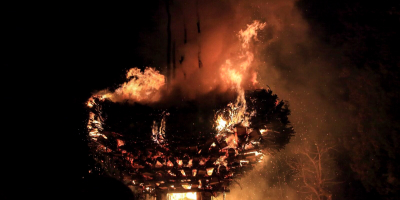
- Labor Thanksgiving Day (Tuesday, November 23): A day to thank workers and celebrate the year's harvest, rooted in an old rice harvest festival. Nagano does it a little differently: the city hosts the Ebisuko Fireworks, a late-autumn show that draws hundreds of thousands of people to the riverbanks, long after the summer fireworks season has ended.
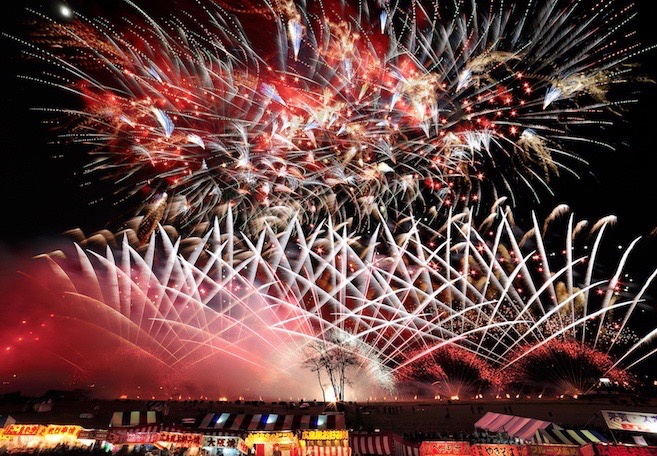
Seasonal Special
[NOV 23 ONLY] 1-Day Tour: Ebisu-ko Fireworks Festival & Snow Monkeys
- Spots:
- NaganoSnow Monkey
- Pick-up:
- Nagano City
- Drop-off:
- Nagano City
Look for the Flags
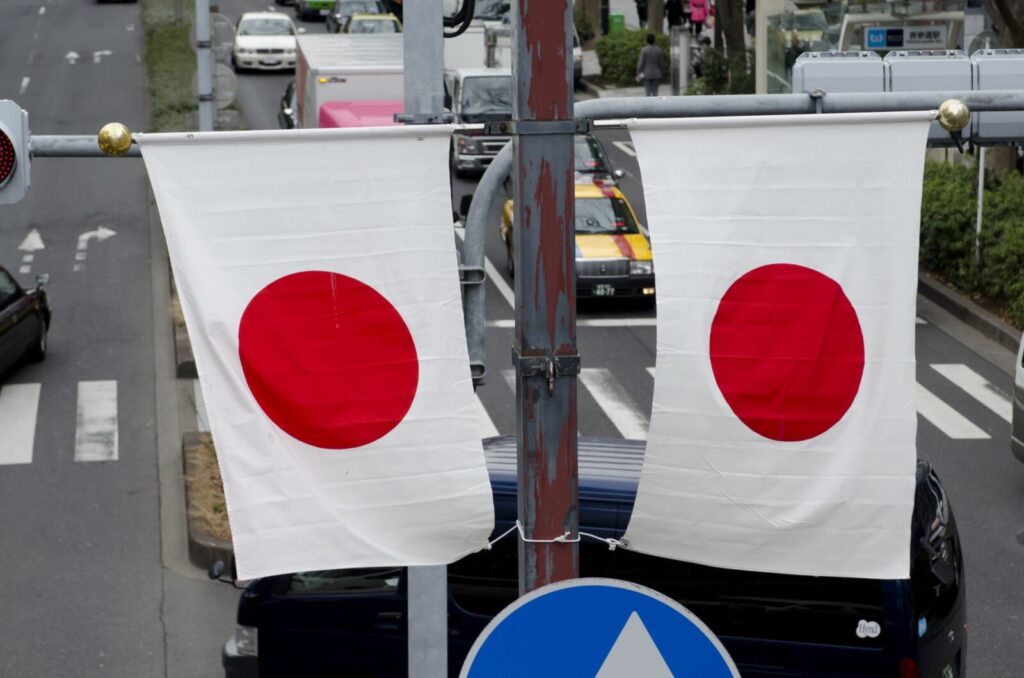
On public holidays, you'll notice Japanese flags hanging outside homes, shops and some public buildings, and even on the front of some city buses. In Japan, the national flag isn't displayed every day the way it is in some countries, so seeing a row of flags on a quiet street is an easy sign that it's a holiday.
On Long Weekends
Japan's calendar has more long weekends than its 16 holidays might suggest. Three rules work together to create them, and each one can turn an ordinary weekend into a busy travel window. Here's how they work, and what they mean for your trip.
Happy Monday Holidays
Several holidays are fixed to a Monday rather than a date, such as Coming of Age Day (second Monday of January) and Sports Day (second Monday of October). This creates regular three-day weekends through the year.
Substitute Holidays
When a holiday falls on a Sunday, the next Monday becomes a day off. In 2027, Spring Equinox Day lands on a Sunday, so Monday, March 22 is a holiday.
The Sandwich Rule
Any regular day caught between two holidays becomes a holiday itself. This rule is what creates Silver Week in the years it appears.
Why This Matters for Your Trip
Three-day weekends are prime time for short domestic trips. Popular day-trip spots, onsen (hot spring) towns and theme parks get noticeably busier, and hotel prices rise. If your plans include any of these, check the holiday list above before you book.
The Big Holiday Periods
New Year (Late December to January 3)
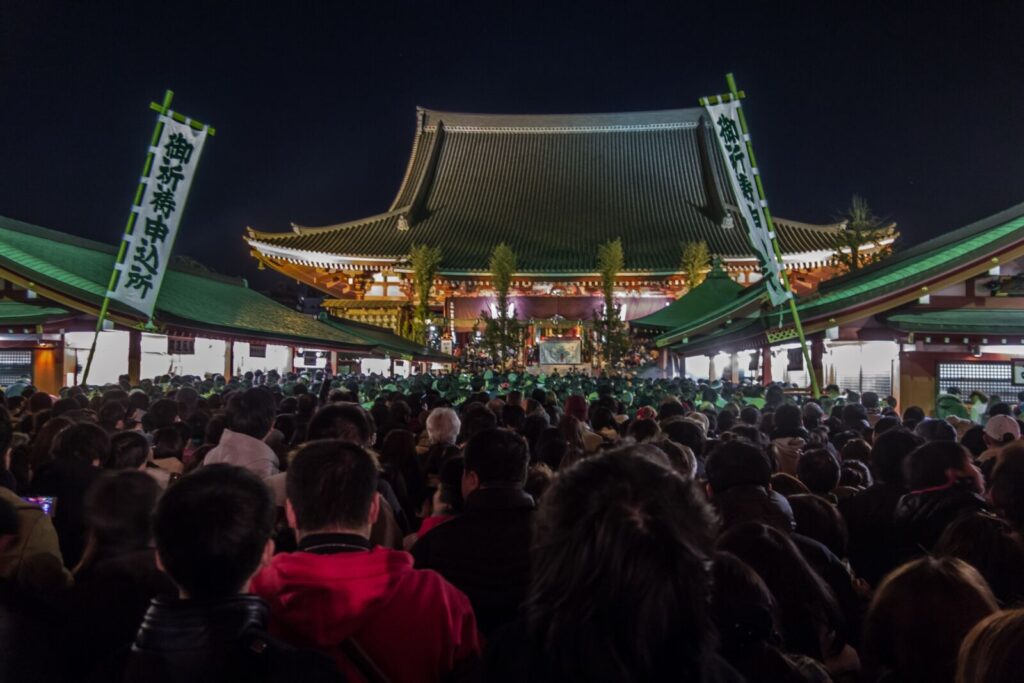
New Year is Japan's most important family holiday. Only January 1 is an official holiday, but most companies close for the last few working days of December, and people treat January 2 and 3 as days off. Many Japanese people return to their hometowns and spend the time with family.
For travelers, this means closures. Many restaurants, small shops and some attractions shut for several days. On the other side, it's the best time to see Japan's shrines at their busiest and most festive, as families make their first shrine visit of the year.
- Expect limited options for restaurants and make reservations in advance
- Check opening days for any attraction you plan to visit
- Expect heavy crowds at famous shrines in the first days of January
- Department stores often reopen on January 2 with lucky bag sales
Go if: you want to experience Japan's biggest traditional celebration and don't mind planning around closures and restaurant availability.
Skip if: your trip depends on eating out freely and visiting lots of attractions.
Golden Week (April 29 to May 5)
Golden Week is a cluster of four national holidays and the busiest domestic travel period of the year. In 2027 the calendar splits it: April 29 is a Thursday holiday, then there are five days off in a row from Saturday, May 1 to Wednesday, May 5. Many people take April 30 off to join it all together.
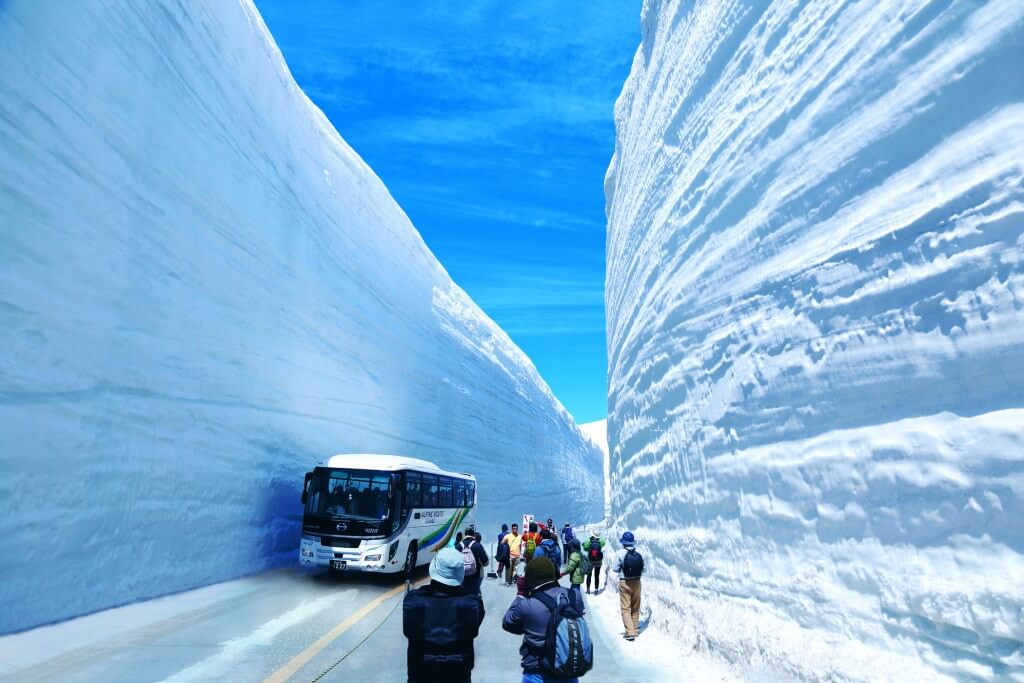
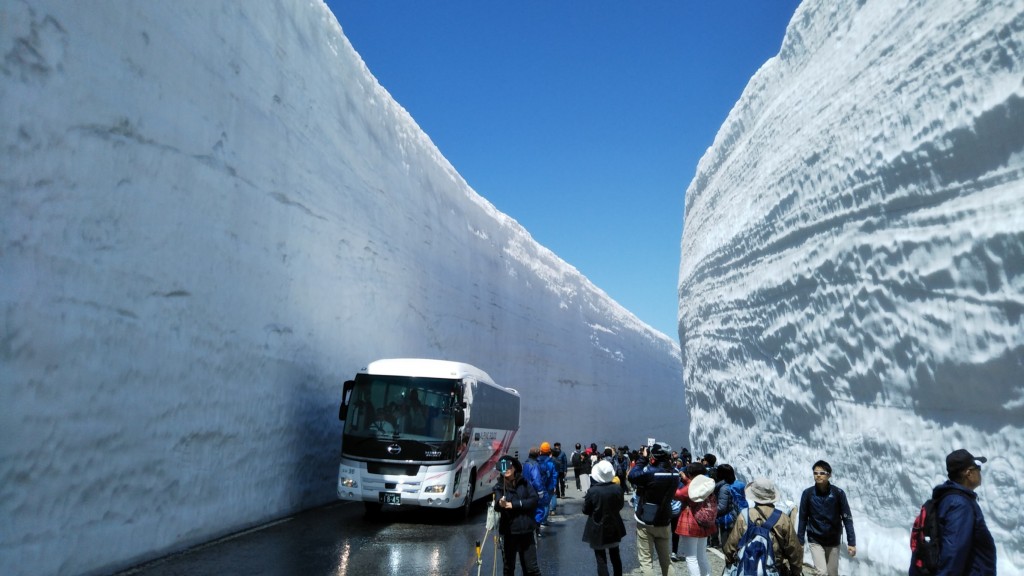
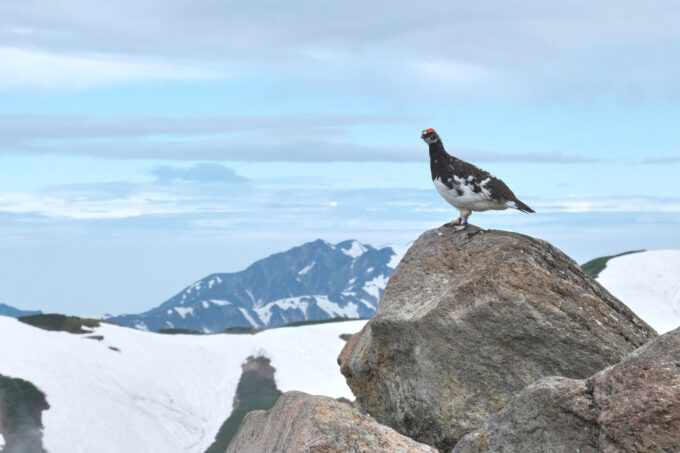
Expect sold-out trains, full hotels at higher prices, and long lines at major sights. The upside is spring weather, festivals, and a lively mood everywhere. It's also when the Tateyama Snow Wall is open, so the buses and cable cars on the route get packed. Our guides take guests up on our own bus.
Recommended
1 Day Tour from Kanazawa or Toyama: Tateyama Alpine Route Snow Wall and Mysterious Valley
- Book shinkansen seats and hotels as early as possible
- Visit the biggest sights early in the morning
- Consider lesser-known destinations for the peak days (May 3 to 5)
Go if: you want festivals, spring weather and a country in holiday mode, and you can book well ahead.
Skip if: you want easy train travel, fair hotel prices and quiet sightseeing.

Obon (Mid-August)
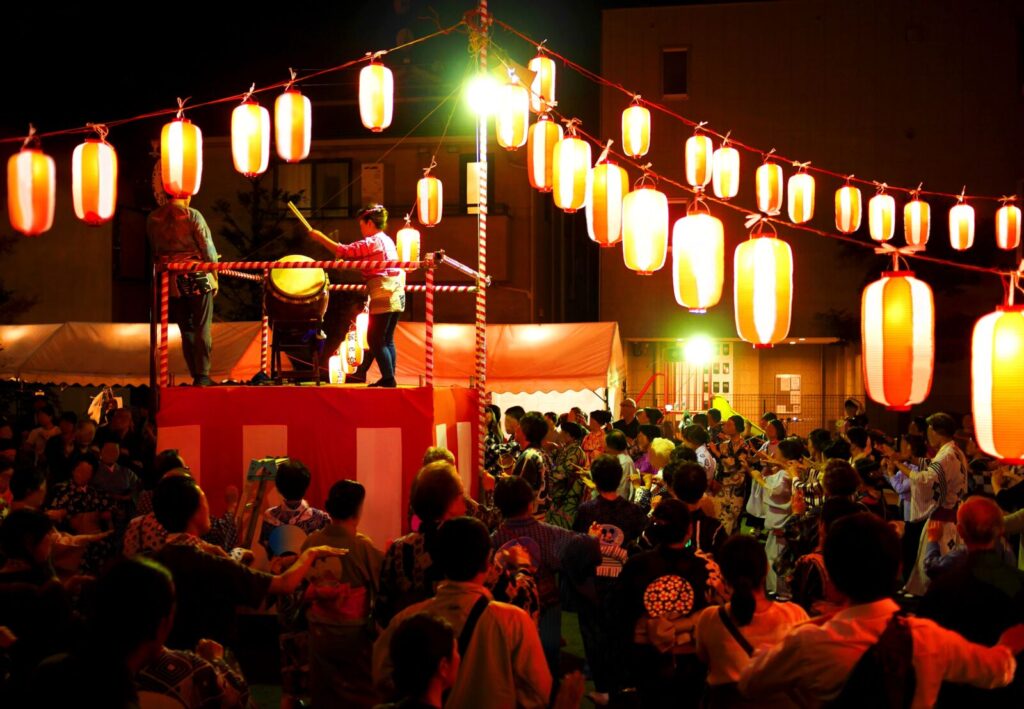
Obon is not an official holiday, so it often surprises visitors. It's a Buddhist period for honoring ancestors, usually around August 13 to 16, and many companies give their staff time off. Millions of people travel to their family hometowns at the same time, so shinkansen, flights and highways are at their fullest. Smaller businesses such as family restaurants and local shops may close for a few days.
In return, Obon brings summer festivals, bon odori (traditional group dances) and lantern ceremonies across the country.
- Avoid the first and last days of Obon for long-distance travel
- Check whether small restaurants and shops you want to visit are open
- Look up local bon odori events, which are usually free and open to everyone
Go if: you want to join summer festivals and dances, and you'll stay in one area rather than travel long distances.
Skip if: your itinerary relies on shinkansen travel between cities.
Silver Week: The Rare One
Silver Week is an autumn five-day break that only forms when the calendar lines up. In those years, Respect for the Aged Day and Autumn Equinox Day are exactly two days apart, and the sandwich rule turns the day between them into a holiday. The most recent Silver Week ran from September 19 to 23, 2026. The next one is not expected until 2032.
In 2027, September has a regular three-day weekend (September 18 to 20) and a separate midweek holiday on Thursday, September 23.
Not Official Holidays, but Still Busy
Some of Japan's busiest travel periods have nothing to do with the holiday calendar. School and university breaks put a lot of families and students on the road, especially in spring (late February to early April) and summer (late July through August). Popular family destinations and theme parks feel this most.
So, When Should You Go?
It depends on what you want from your trip. Here's the short version.
The busiest periods:
- New Year (late December to January 3)
- Golden Week (April 29 to May 5)
- Obon (around August 13 to 16)
- Three-day weekends through the year
The best periods for atmosphere:
- New Year, for first shrine visits
- Golden Week, for spring festivals
- Obon, for summer dances and lantern events
The quietest windows:
- June, which has no national holidays and is rainy season across most of Japan. Several weeks of rain and humidity put off domestic and international travelers alike, so it's one of the quietest months to visit if you don't mind an umbrella.
- Mid-January to February, once the New Year break is over. Lunar New Year, which falls in late January or February, does bring more visitors from elsewhere in Asia.
- Weekdays in general. Traveling Monday to Thursday instead of over a weekend makes a noticeable difference almost anywhere in Japan.
Our take: Honestly, any time in Japan is a good time, as long as you know what you're getting into. The off-season is cheaper and more peaceful, but the energy and festive mood of a public holiday is something worth experiencing at least once. If you don't like crowds but your trip lands on a holiday, plan your sightseeing for the days just before and after, keep long-distance travel off the first and last days of the break, and decide for yourself whether to dive into the holiday itself.
Frequently Asked Questions
Are shops and attractions closed on Japanese public holidays?
Mostly no. On single holidays, shops, restaurants and attractions open as normal. Many museums that usually close on Mondays open on a holiday Monday and close the next day instead. Widespread closures mainly happen at New Year and, to a lesser extent, Obon.
Is Obon a public holiday?
No. Obon is a traditional period, not a national holiday, but many businesses close and travel demand is among the highest of the year.
When is the next Silver Week?
After September 2026, the next full Silver Week is expected in 2032.
What is the busiest time to travel in Japan?
Golden Week, Obon and the New Year period are the three busiest for domestic travel.
Is Christmas a holiday in Japan?
No. Christmas is a normal working day. Shops and restaurants stay open, and Christmas Eve is a popular night out for couples.